The Difference Between Outdoor Fitness Bags and Indoor Training Bags
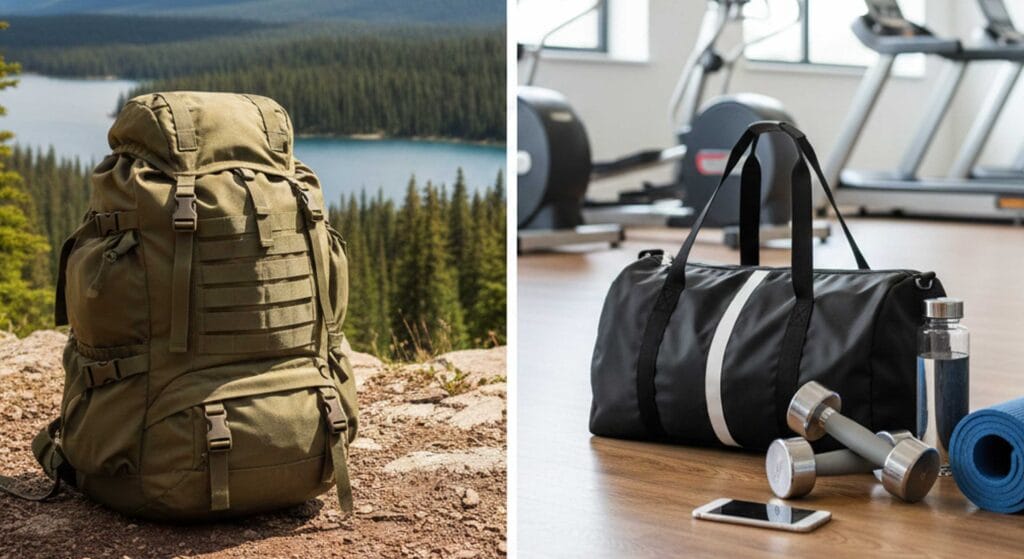
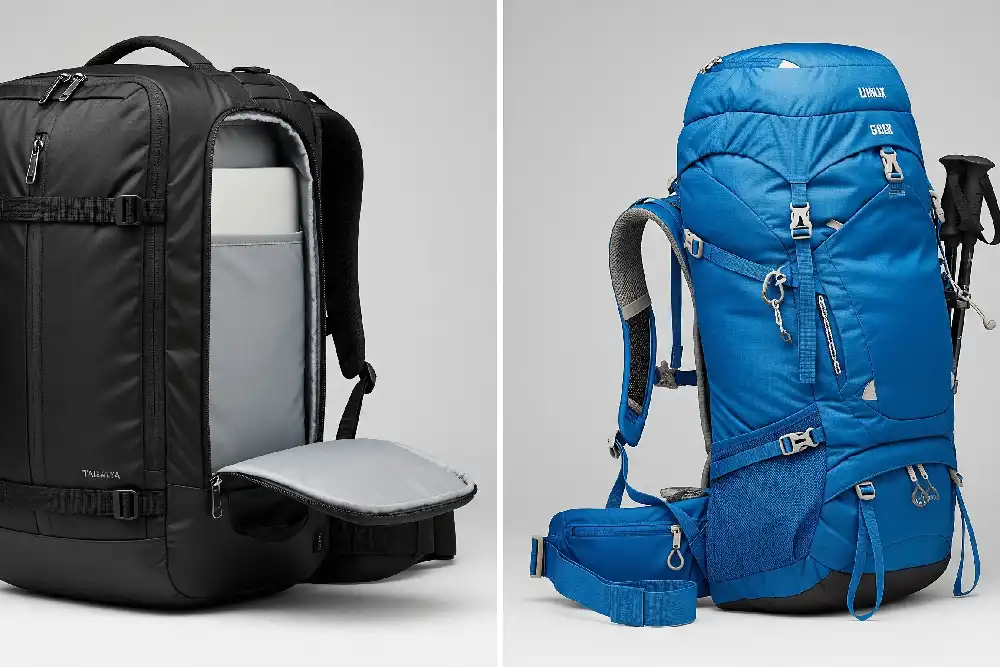
When comparing an outdoor sports fitness bag and indoor training bag, you’ll notice some clear differences right away. An outdoor sports fitness bag is typically lightweight and compact, often featuring chest straps for hands-free carrying and special pockets for water bottles so you can stay hydrated on the go. On the other hand, an indoor training bag offers more space for shoes, towels, and gear, with wide straps and extra pockets to keep everything organized. Consider where you do most of your workouts and what features matter most to you. Do you need a bag that protects your gear from rain, or do you prefer one with extra room for all your essentials? Focus on comfort, durability, and how easily you can pack your items when choosing between an outdoor sports fitness bag and indoor training bag.
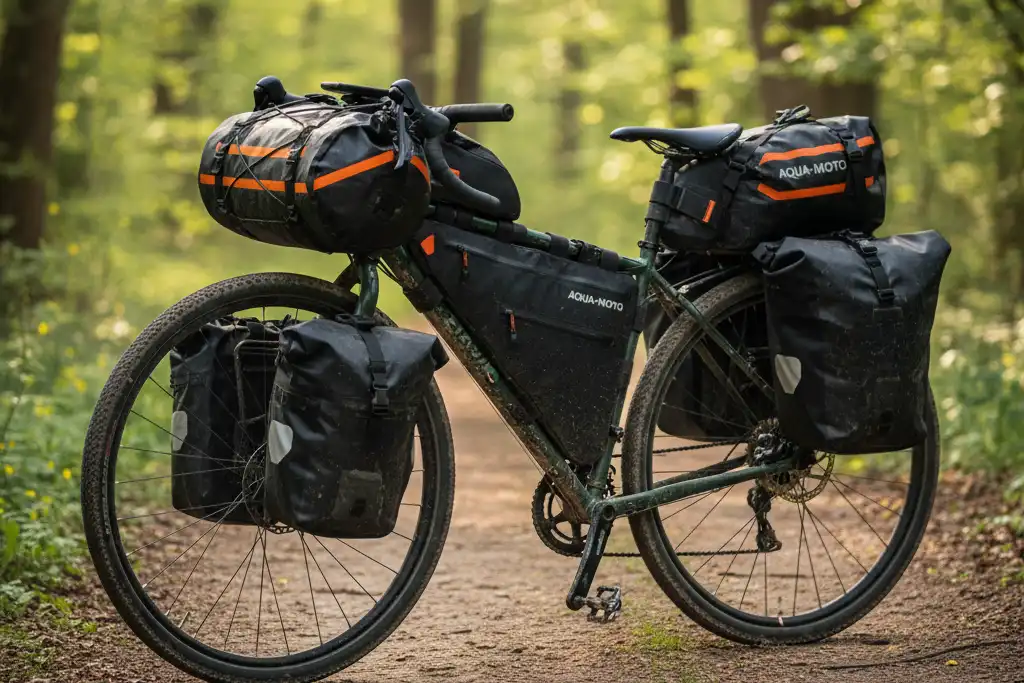
Outdoor fitness bags are light and made for hiking or cycling. They protect your things from rain and dirt.
Indoor training bags have more room and help you organize gym gear. You can find what you need fast.
Pick a bag based on where you work out most. Think about weather protection and how much it can hold.
Both bags last a long time. Outdoor bags use stronger materials to protect your stuff. Indoor bags are made for comfort and look nice.
Always look for special pockets and water features. These help you keep your things neat and ready for your workout.
Outdoor sports fitness bag and indoor training bag: Key Differences
Use Case Comparison
When you compare these two bags, you see they work for different workouts. If you like hiking, trail running, or cycling, you need a bag for tough trails and weather. Outdoor sports day packs are comfy for long walks. They keep your things neat for outdoor fun. These bags help you carry water, snacks, and extra clothes. You do not feel heavy when you wear them. The weight spreads out, so your shoulders and back do not hurt after a long time outside.
Indoor training bags are best for the gym, classes, or sports. You need room for shoes, towels, and clothes. These bags let you grab your things fast. You can put your gym stuff in and go. The design gives you space and makes it easy to find things. You do not waste time looking for your gear.
Outdoor sports fitness bags are good for:
Hiking and trail running
Cycling and outdoor workouts
Carrying water and snacks
Staying comfy on long trips
Indoor training bags are great for:
Gym workouts
Fitness classes
Sports practice
Carrying big gear and shoes
Tip: Think about where you work out most. If you do both indoor and outdoor activities, you may want a bag for both.
Design and Function
The way these bags are made shows how they help you. Outdoor bags use water-resistant and tough fabrics. You can use them in the rain or on rocks. You do not have to worry about them breaking. These bags have chest or waist straps to keep them in place. You also get special pockets for water and snacks. This helps you stay full of energy when you are outside.
Indoor training bags look nice and use light materials. You get wide straps that are easy to carry. There are many pockets for shoes, towels, and gym gear. The stitching is strong, and the straps feel good, even when the bag is heavy. You can open the bag and see all your things. Packing and unpacking is easy.
Both bags use strong stitching and comfy straps. They last a long time and feel good to wear. Outdoor bags keep your things safe from rain and dirt. Indoor bags help you stay neat and ready for your next workout.
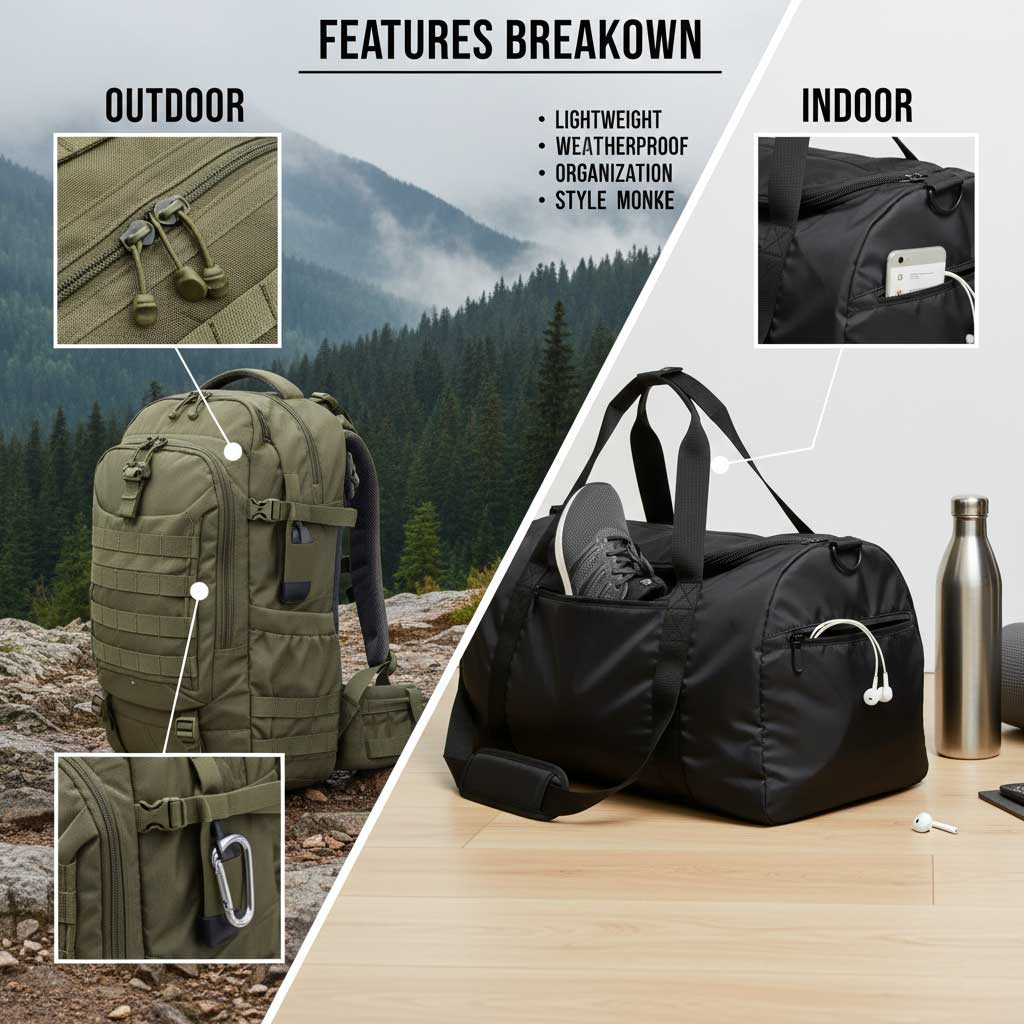
Features Breakdown
Weather Resistance
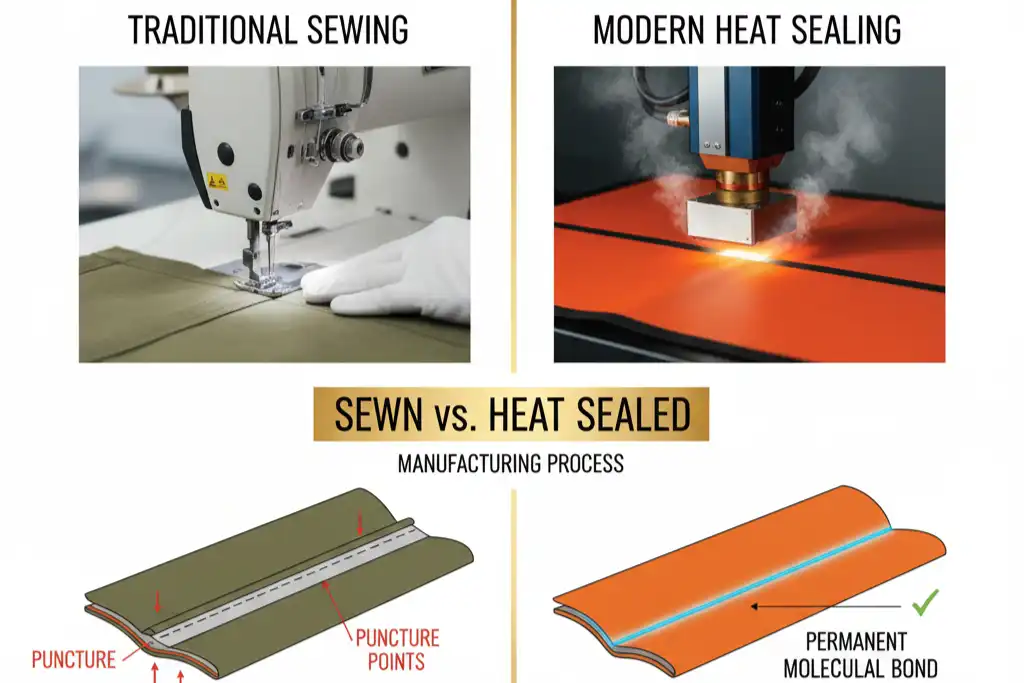
You want your gear to stay dry when you head outside. Outdoor sports fitness bags use waterproof fabrics like PVC or TPU. These materials keep your things safe, even if you get caught in the rain or drop your bag in a puddle. Some bags work well for kayaking or sailing because they can handle being submerged. You might see waterproof duffel bags with strong zippers and sealed seams. These features stop water from sneaking in. If you hike or bike, you need a bag that offers both waterproofing and breathability. This keeps your gear dry and helps you stay comfortable.
Indoor training bags do not need as much weather protection. Most gym bags use sturdy polyester or canvas. These materials can handle sweat and spills, but they do not keep out heavy rain. You can wipe them clean after your workout.
Tip: If you train outside, always check for waterproof labels before you buy a bag.
Organization and Compartments
You know how annoying it is to dig for your keys or phone. Outdoor sports fitness bags use smart compartments to keep things organized. You get special pockets for water bottles, snacks, and even wet clothes. Some bags have ventilated pockets that let air flow, so your gear does not smell bad after a long day.
Indoor training bags focus on easy access. You find wide openings and lots of pockets for shoes, towels, and gym gear. You can pack everything in its own spot. This makes it simple to grab what you need and go.
Here’s a quick look at how both bags help you stay organized:
Feature
Outdoor Bag
Indoor Bag
Water Bottle Pocket
Yes
Sometimes
Shoe Compartment
Sometimes
Yes
Ventilated Pocket
Yes
Rarely
Snack Pocket
Yes
No
Comfort and Portability
You want a bag that feels good to carry. Outdoor sports fitness bags use ergonomic straps that fit your shoulders. These straps spread the weight, so your back does not hurt. Some bags have chest or waist straps for extra support. You can wear them for hours without feeling tired.
Indoor training bags use wide handles and padded straps. You can carry them to the gym or toss them in your car. They feel soft and do not dig into your skin. Both types of bags focus on comfort, but outdoor bags give you more support for long trips.
If you compare an outdoor sports fitness bag and indoor training bag, you see that each one offers features for your workout style. You just need to pick the one that matches your needs.
Materials and Durability
Outdoor Bag Materials
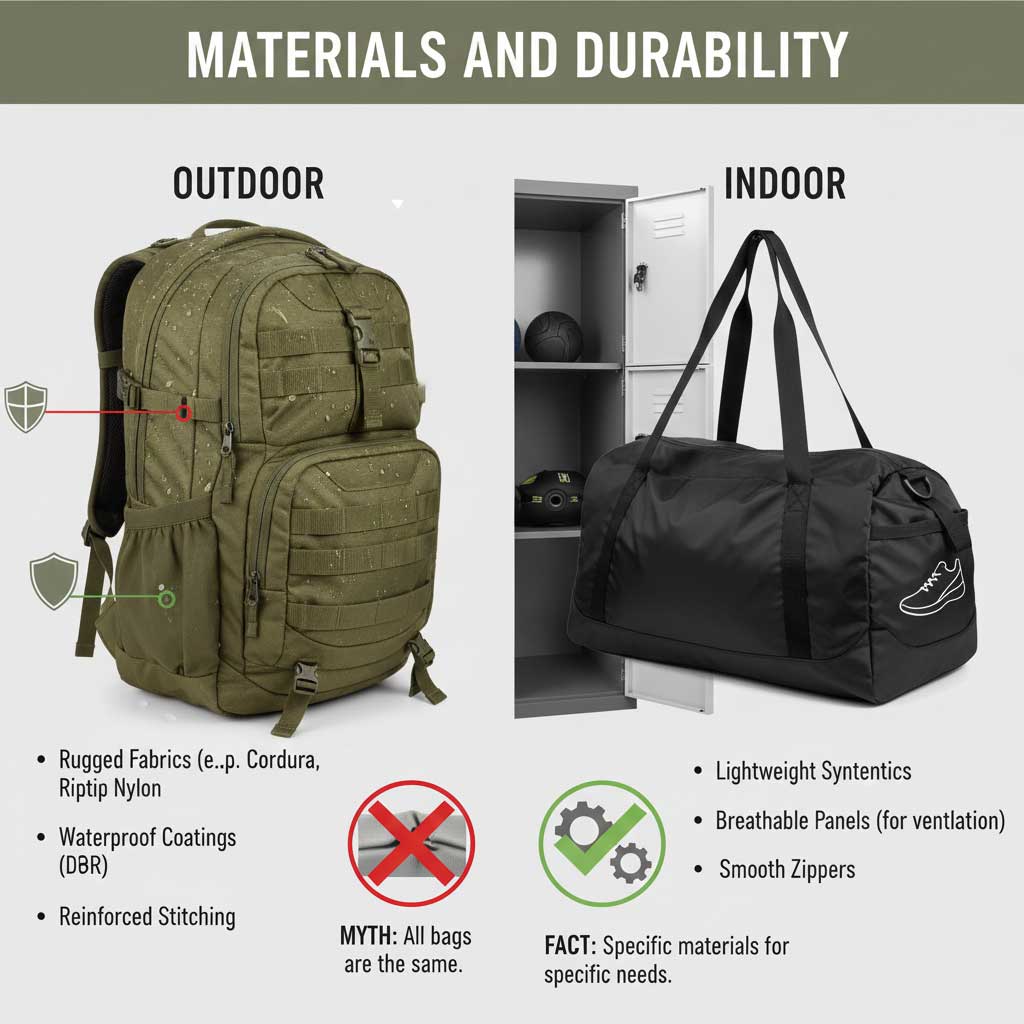
When you pick an outdoor bag, you want something that can handle rough trails, rain, and lots of movement. Outdoor bags use strong materials that last a long time. You might see nylon, polyester, leather, canvas, or even eco-friendly fabrics. Each one has its own strengths. Nylon feels light but tough. Polyester dries fast and resists water. Leather gives a classic look and stands up to bad weather. Canvas feels natural and strong, but it does not last as long as nylon or polyester. Some brands use eco-friendly materials, so you can help the planet and still get a durable bag.
Here’s a quick table to show you what these materials offer:
Material
Characteristics
Nylon
Strong, lightweight, tear-resistant, water-resistant, easy to clean.
Polyester
Tough, water-resistant, quick-drying, easy to clean, some have IPX6 rating.
Leather
Classic look, long-lasting, withstands rough use and bad weather.
Canvas
Tough, natural fabric, strong but less durable than nylon or polyester.
Eco-friendly
Sustainable options that can also offer durability.
If you hike, bike, or run outside, you want a bag that keeps your gear safe from rain and dirt. Outdoor bags often have reinforced stitching and sealed seams. You can toss them around, and they still hold up.
Indoor Bag Materials
Indoor training bags do not need to fight the weather, but they still need to be strong. You usually see polyester or canvas in these bags. Polyester feels light and easy to clean. Canvas gives a sturdy feel and looks stylish. Some indoor bags use mesh panels to help air flow, so your gym clothes do not smell bad. You might find padded sections for shoes or electronics. These bags focus on comfort and easy cleaning. You can wipe them down after a workout, and they stay fresh.
When you compare an outdoor sports fitness bag and indoor training bag, you notice that outdoor bags use tougher materials for protection, while indoor bags focus on comfort and style. Pick the one that matches your workout and keeps your gear safe.
Tip: Always check the label for material details before you buy. A strong bag means less worry and more fun.
Storage and Accessibility
Quick Access
You want to grab your gear fast, especially when you’re in a rush. Outdoor sports fitness bags make this easy. They use smart designs that let you reach your things without stopping your activity. Many outdoor bags have zippered compartments right on the front or sides. You can open them with one hand. Some even have pull tabs that work with gloves. This helps you get your snacks, phone, or map while you keep moving.
The outdoor running bag was noticeably lighter and more ergonomic for sustained movement. It featured tight-fitting straps with quick adjustments, several zippered compartments for energy gels and electronics, plus a hydration sleeve that fit my 500ml bottle snug.
Indoor training bags also focus on quick access, but in a different way. You get wide openings and big zippers. You can see everything inside at once. This makes it easy to grab your shoes or towel after a workout. Some gym bags have a separate pocket for your keys or phone, so you don’t have to dig around.
Here’s a quick list of what helps with fast access:
Outdoor bags: front zippers, pull tabs, hydration sleeves
Indoor bags: wide openings, big zippers, key pockets
Specialized Pockets
You need special spots for your gear. Outdoor bags often have pockets for water bottles, snacks, and even wet clothes. Some bags include a hydration bladder sleeve, so you can drink water without stopping. You might find small pockets for your phone or GPS. These pockets keep your things safe and easy to reach.
Indoor training bags give you shoe compartments, mesh pockets for sweaty clothes, and padded spots for electronics. You can keep your clean and dirty items apart. Some bags even have a hidden pocket for your wallet or ID.
Pocket Type
Outdoor Bag
Indoor Bag
Hydration Sleeve
✅
❌
Shoe Compartment
❌
✅
Wet Gear Pocket
✅
✅
Electronics Pocket
✅
✅
Tip: Think about what you carry most. Choose a bag with pockets that fit your routine. This saves you time and keeps your gear organized.
Choosing the Right Bag
Match to Activity
You want a bag that fits your workout style. If you love hiking, biking, or running outside, you need a bag that handles rough weather and keeps your gear safe. Outdoor sports fitness bags work well for these activities. They have water-resistant fabrics and special pockets for snacks and water bottles. You can carry them for hours without feeling tired. If you spend most of your time at the gym or in fitness classes, an indoor training bag makes life easier. These bags have roomy compartments for shoes, towels, and clothes. You can grab your gear quickly and stay organized.
Here’s a quick table to help you match your bag to your activity:
Activity
Best Bag Type
Key Features
Hiking/Trail Run
Outdoor Fitness Bag
Water-resistant, hydration
Gym Workout
Indoor Training Bag
Shoe compartment, pockets
Cycling
Outdoor Fitness Bag
Lightweight, secure straps
Sports Practice
Indoor Training Bag
Large space, easy access
Tip: Think about your main workout. Pick a bag that supports your routine and keeps you comfortable.
Budget and Maintenance
You want a bag that fits your budget and lasts a long time. Outdoor sports fitness bags often cost more because they use tough materials and special features. Indoor training bags usually cost less, but you still want one that holds up after many workouts.
Taking care of your bag helps it last longer. Here are some easy cleaning tips for outdoor sports fitness bags:
You can also try these tricks to keep your bag fresh:
Sprinkle baking soda inside overnight to absorb moisture and smells.
Put a few drops of essential oils on cotton balls and place them in pockets for a fresh scent.
Leave your bag open after each use to air it out.
Pack wet or sweaty items in a waterproof pouch to contain odors.
Note: Regular cleaning keeps your bag looking new and smelling fresh. You save money by making your bag last longer.
Choosing the right bag means thinking about your workouts, your budget, and how you care for your gear. Pick a bag that matches your lifestyle and keeps your things safe and organized.
Myths and Misconceptions
Outdoor vs Indoor Durability
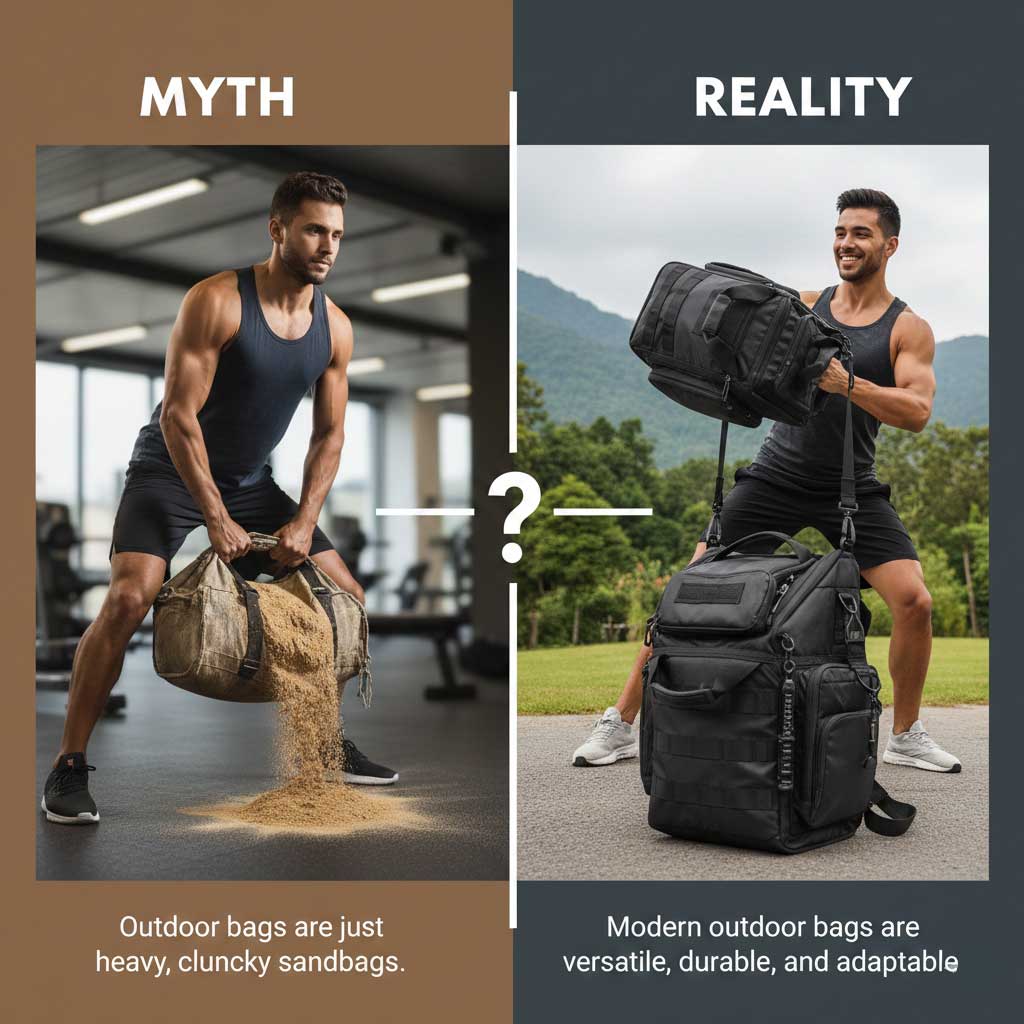
You might think outdoor fitness bags always last longer than indoor training bags. That’s not always true. Many people believe outdoor bags can handle anything, while indoor bags fall apart quickly. You need to look at the materials and how you use the bag.
Outdoor bags use tough fabrics like rip-stop nylon or TPU. These materials resist water and dirt. You can drag them through mud or rain, and they still work. Indoor bags use strong polyester or canvas. These fabrics stand up to daily gym trips and heavy gear. If you treat your bag well, both types can last for years.
Note: If you toss your bag around or stuff it too full, it will wear out faster. Take care of your bag, and it will take care of your gear.
Here’s a quick table to show how durability compares:
Bag Type
Common Materials
Durability Level
Outdoor Bag
Rip-stop nylon, TPU
High (weather, rough use)
Indoor Bag
Polyester, Canvas
High (daily use, heavy gear)
Versatility
You may hear that outdoor bags only work for hiking or biking. Some people say indoor bags are just for the gym. That’s not true. You can use both bags for many activities.
Outdoor fitness bags work great for travel, school, or even work. You get lots of pockets and easy carrying. Indoor training bags fit sports practice, weekend trips, or carrying books. You can switch between bags depending on your day.
Outdoor bags: hiking, biking, travel, school
Indoor bags: gym, sports, trips, daily errands
Tip: Try using your bag for something new. You might find it works better than you thought!
Don’t let myths stop you from picking the right bag. Think about what you need. Choose a bag that fits your life, not just your workout.
Tips for Selection
Lifestyle Fit
You want a fitness bag that matches your daily routine. Think about how you spend your time. Do you walk to the gym, ride your bike, or drive? If you love outdoor adventures, you need a bag that handles rain, dirt, and long walks. Outdoor fitness bags work well for hiking, biking, or running. They feel light and keep your gear safe from the weather.
If you spend most days at the gym or in fitness classes, you need a bag with lots of space. Indoor training bags help you stay organized. You can pack shoes, towels, and clothes in separate pockets. These bags look stylish and feel comfortable to carry.
Tip: Try to picture your week. Where do you go? What gear do you carry? Pick a bag that fits your lifestyle, not just your workout.
Decision Checklist
Choosing the right bag feels easy when you know what to look for. Use this checklist to help you decide:
Where do you work out most?
Do you need weather protection?
How much gear do you carry?
Do you want special pockets for shoes or water bottles?
Is comfort important for long walks or rides?
Does the bag fit your budget?
Can you clean the bag easily?
Here’s a quick table to help you compare:
Feature
Outdoor Bag
Indoor Bag
Weatherproof
✅
❌
Shoe Compartment
❌
✅
Hydration Sleeve
✅
❌
Large Capacity
❌
✅
Easy Cleaning
✅
✅
📝 Note: You don’t need the fanciest bag. You need the one that works best for you. Take your time and choose wisely.
You’ve seen how outdoor fitness bags and indoor training bags offer different benefits. Outdoor bags keep your gear safe from rain and dirt. Indoor bags help you stay organized at the gym. Think about your workout routine and where you spend most of your time.
Pick a bag that matches your activities.
Look for features that fit your needs.
Tip: Try out a bag before you buy it. Make sure it feels comfortable and holds everything you need.
FAQ
What size bag should you choose for outdoor workouts?
Pick a bag that fits your essentials. For short hikes or runs, a 10-20L bag works well. If you carry extra clothes or gear, try a 20-30L size. Always check if the bag feels comfortable when full.
Can you use an indoor training bag for outdoor activities?
You can, but it may not protect your gear from rain or dirt. Indoor bags often lack weatherproofing and secure straps. For outdoor adventures, you’ll want a bag made for the elements.
How do you keep your fitness bag from smelling bad?
Empty your bag after each use. Let it air out. Wipe down the inside with a damp cloth. For extra freshness, toss in a dryer sheet or use a small pouch of baking soda.
What features matter most for comfort?
Look for padded straps and a back panel that fits your body. Chest or waist straps help spread the weight. Try the bag on before you buy to see if it feels right.
Is it worth spending more on a high-quality bag?
Yes, if you use your bag often. A durable bag lasts longer and protects your gear better. You save money in the long run because you won’t need to replace it as often.








Comments are closed