



Are Hydration Vests Worth It?
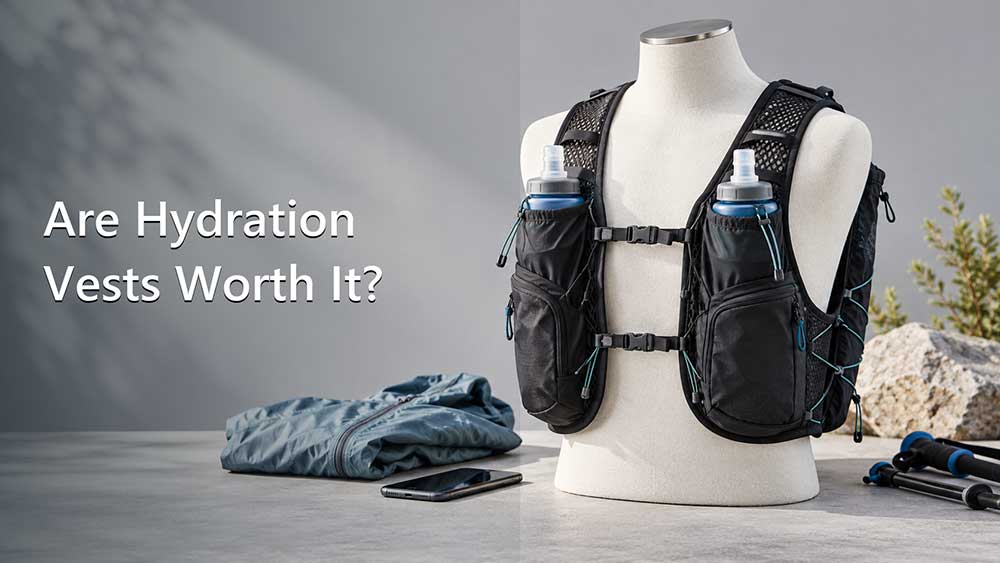
Hydration vests are worth it if you regularly need to carry water and other essentials, and a handheld bottle or running belt no longer feels convenient. They are especially useful on routes with limited refill points or when you need food, a phone, and extra clothing. For short runs with easy access to water and little to carry, you may get little benefit from buying one.
The decision comes down to a practical question: will a vest make your usual runs easier? Distance alone does not answer that. You may need to carry water on a shorter route with no refill points, while a longer loop that passes your home lets you refill along the way.
When Is a Hydration Vest Worth Buying?
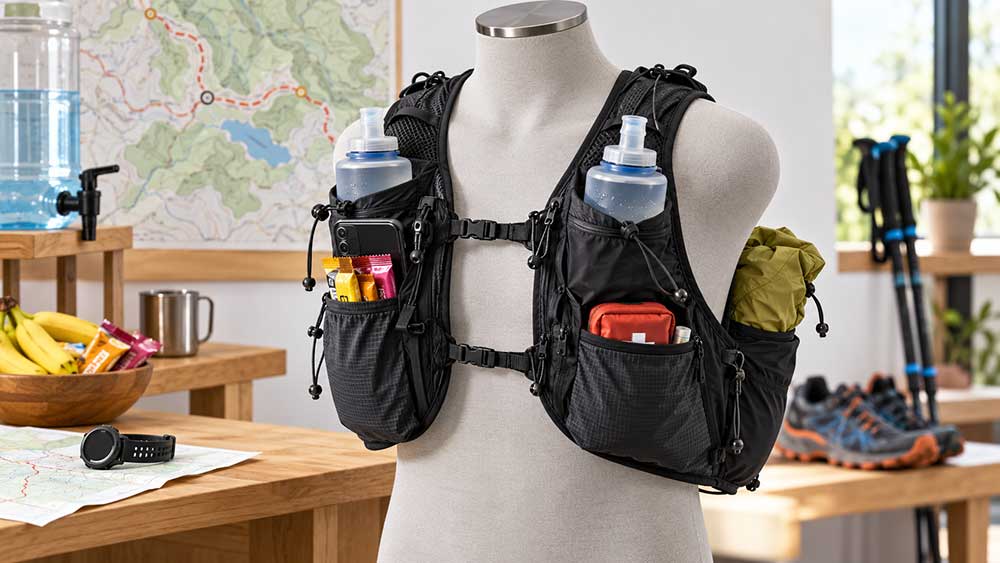
A hydration vest is a close-fitting carrier that holds water in front soft flasks, a rear reservoir, or both. It also provides pockets for running essentials. If you are unfamiliar with these systems, our guide to what a hydration pack is explains the basic parts.
A vest becomes useful when your existing setup creates a recurring problem:
| Your usual situation | What a vest may improve |
|---|---|
| Your route has few reliable refill points | Lets you carry water without keeping a bottle in your hand |
| Water, food, and your phone overload your current belt | Provides more places to distribute and secure the load |
| You need a light layer or other trail essentials | Adds storage beyond clothing pockets |
| You dislike holding a bottle throughout a run | Moves the carrying job to your torso |
| You frequently stop to retrieve drinks or snacks | Front pockets can make access easier |
None of these guarantees that every vest will suit you. The pockets still need to fit your items, and the loaded vest needs to stay comfortable while you run.
When Can You Skip One?
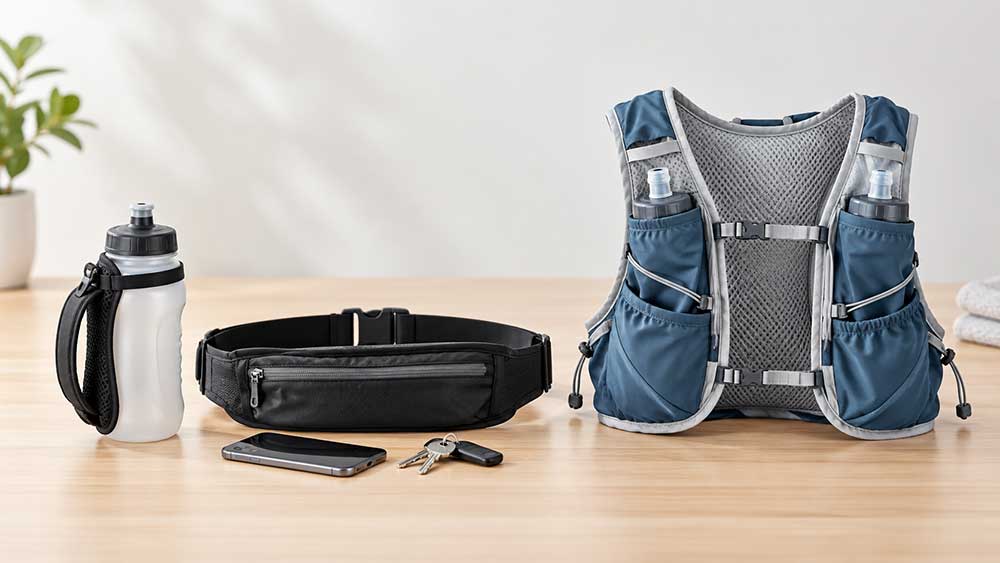
You can reasonably postpone buying a hydration vest if your current carrying method already works.
For example, on a familiar loop with convenient refill stops, a handheld bottle may provide all the water-carrying capacity you need. If you only carry a phone, keys, and a small flask, a suitable belt or clothing pockets may be enough.
You also do not need a vest simply because you are entering a longer race. Consider the event’s refill arrangements, required equipment, and rules. Your training route may require self-carried water even when the race provides regular aid stations.
REI’s running hydration vest guide discusses capacity, drinking systems, and fit. Treat activity duration as context rather than a universal buying threshold.
What Are the Real Benefits?
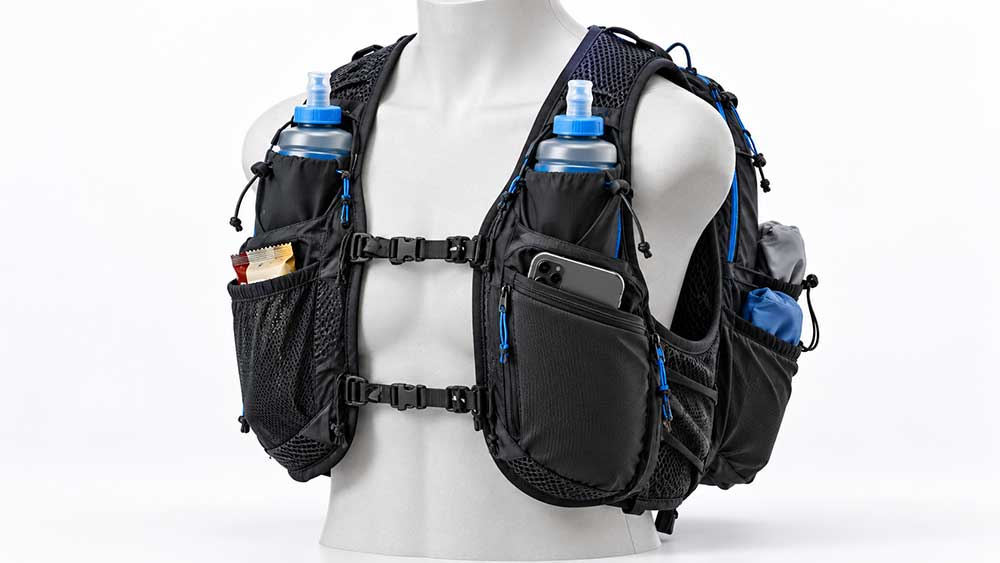
Easier access to water and small essentials
Front flask pockets and accessible storage can reduce the need to unpack your gear. That is useful when you want a drink or snack without taking off a bag.
Check the actual pocket openings. A pocket that looks convenient may be difficult to reach with your phone inside, or awkward to use while wearing gloves.
Less need to hold a bottle
A vest keeps the water on your body, leaving your hands free between drinks. You may still use a hand to position a flask or mouthpiece.
This benefit matters most if holding a bottle bothers you. A runner who is comfortable with a handheld may not consider it worth the extra garment.
More carrying flexibility
Water, snacks, a light jacket, and a phone can be carried together. A well-fitting vest may also keep that load more controlled than loose clothing pockets.
For a larger or more structured load, a backpack may be more suitable. Our hydration vest versus hydration pack comparison covers that separate decision.
What Are the Drawbacks?
Water adds weight
The empty vest is only part of the load. Consider these simple water-weight figures:
| Water carried | Approximate water weight |
|---|---|
| One 500 mL flask | 0.5 kg / 1.1 lb |
| Two 500 mL flasks | 1 kg / 2.2 lb |
| A filled 2 L reservoir | 2 kg / 4.4 lb |
These figures exclude the containers, vest, and other equipment. They describe weight, not how much you should drink or carry.
Also, a vest advertised as having 5 L of storage does not necessarily hold 5 L of water. Check which flasks or reservoirs it accepts and which ones are included.
Heat, rubbing, and bounce
A vest adds fabric against your torso. Breathable mesh can help, but it does not make the vest feel identical to running without one.
Poor fit, uneven packing, loose flasks, or uncomfortable seams can cause movement and rubbing. Tightening the chest straps harder is not always the solution. You should be able to breathe comfortably and move your arms naturally.
Cleaning and drying
Soft flasks and reservoirs need care, and a tube-based system adds more components to clean. A wet vest also needs to dry before storage.
Follow the product’s instructions. CamelBak’s reservoir care guide explains cleaning and drying the reservoir, tube, and valve.
Is an Expensive Hydration Vest Worth It?
A higher price is worthwhile only when it buys features that you will use and a fit that works for your body.
Compare the complete setup. Does the price include flasks or a reservoir? Can you obtain compatible replacements? Will the pockets hold your actual phone and clothing? A lower-priced vest with the right fit may be a better purchase than a premium model you find uncomfortable.
How often you use it matters, too. As a hypothetical example, a $100 setup used 50 times costs $2 per outing; used five times, it costs $20 per outing. That calculation excludes maintenance and replacement parts, but it shows why a frequent runner may judge the same purchase differently from an occasional user.
Check the Fit Before You Commit
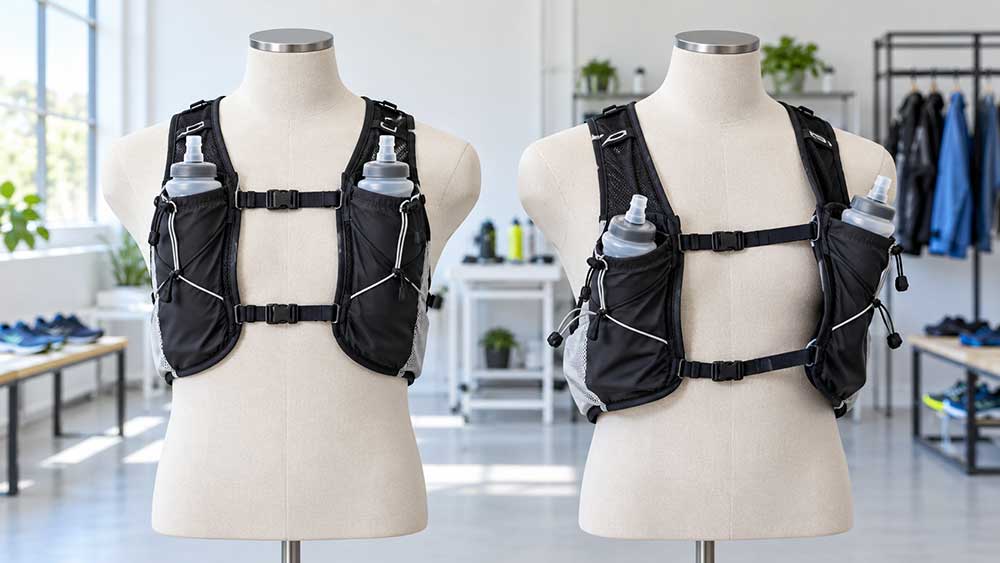
If possible, try the vest with the load you intend to carry and the clothing you normally run in.
- Fill the flasks or reservoir to your planned carrying level.
- Add your phone, snacks, and any extra layer.
- Adjust the vest so it feels secure without restricting breathing.
- Jog where the shop or return policy permits, checking for movement and rubbing.
- Reach for the flasks and essentials to see whether access feels natural.
Notice how the fit changes as the flasks empty. Some adjustments may be needed during a run. If keeping the vest stable requires uncomfortable strap tension, another size or shape may suit you better.
The best reason to buy a hydration vest is that it solves a carrying problem you encounter regularly.
Custom Hydration Vest Development
For brands and procurement teams, those user needs translate into concrete sample checks: secure flask pockets, accessible storage, comfortable adjustment, and stable fit with the intended load.
Founded in 1995, Vancharli Outdoor is an OEM & ODM bag factory offering custom hydration pack and running vest development. Materials, pocket layouts, sizing, and branding can be developed around the intended activity and customer load.
FAQ
Are hydration vests suitable for beginners?
Yes. Experience level is less relevant than what you need to carry. A beginner running routes without easy refill access may find a vest useful, while an experienced runner on short local loops may prefer a bottle.
Do you need a hydration vest for a half marathon?
Not automatically. Check the race’s aid stations, equipment rules, and your preferred drinking setup. You may use a vest during training even if you choose not to wear it in the race.
Can you wear a hydration vest for road running?
Yes. Road runners can benefit when they need to carry water and essentials. The deciding factors are route access and carrying comfort, rather than whether the surface is paved.
Can a hydration vest carry both flasks and a reservoir?
Some can, but compatibility varies. Check the reservoir compartment, tube routing, and permitted flask sizes. Having space for both does not mean you need to carry both.
Is a budget hydration vest a reasonable first purchase?
It can be if the fit, construction, and drinking accessories meet your needs. Check the total cost and return conditions, then assess it with a realistic load.
Can you use a hydration vest for hiking?
Yes, for loads that fit its capacity and carrying comfort. A more supportive backpack may be preferable when you need bulky clothing or heavier equipment.





Comments are closed