


- Home
- Products
- FAQ
- Blog
- Services
- About Us
- Contact
- (+86) 187 5041 0800
- service@vancharli.com
- Within 24 hours response from our salesman
Build your motorcycle accessory collection with flap-front, touchscreen-window, minimalist and waterproof handlebar bags. Vancharli Outdoor provides OEM and ODM manufacturing for brands, wholesalers, buyers and importers, with custom options for bag shape, mounting straps, materials and branding.
Choose an existing style to customize or bring your own design for development and wholesale production.
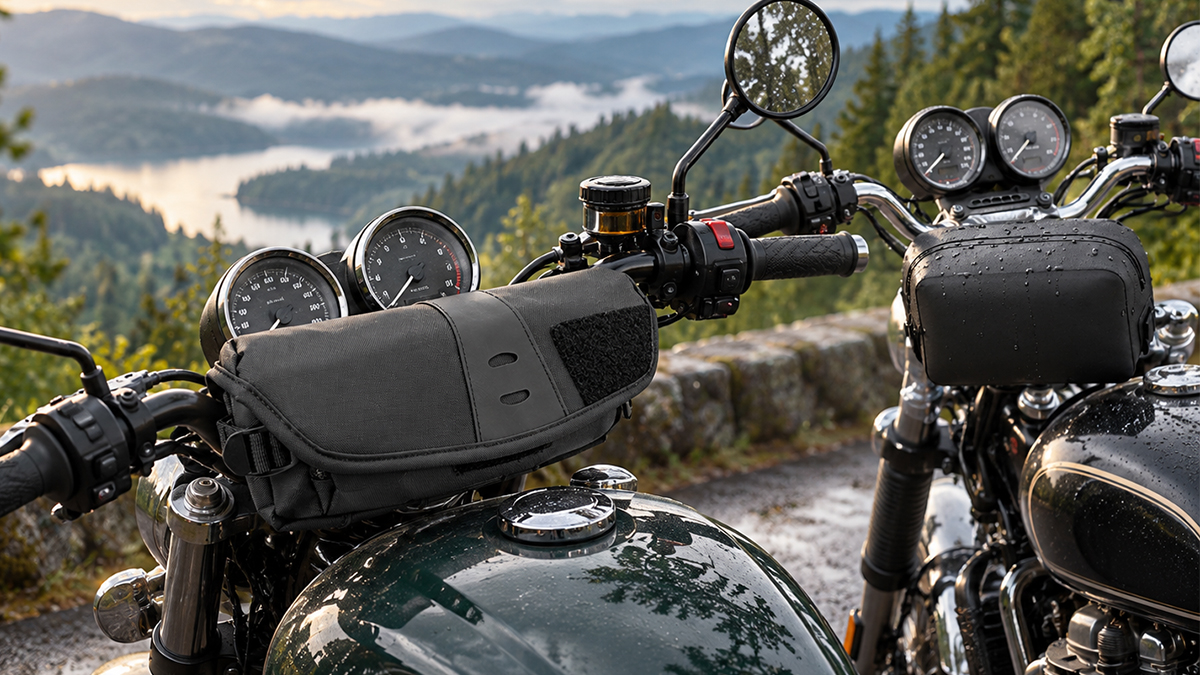
These four styles offer different openings, exterior details and levels of weather protection. Select a compact pouch for everyday belongings or coordinate several designs with other products in our motorcycle bag range.
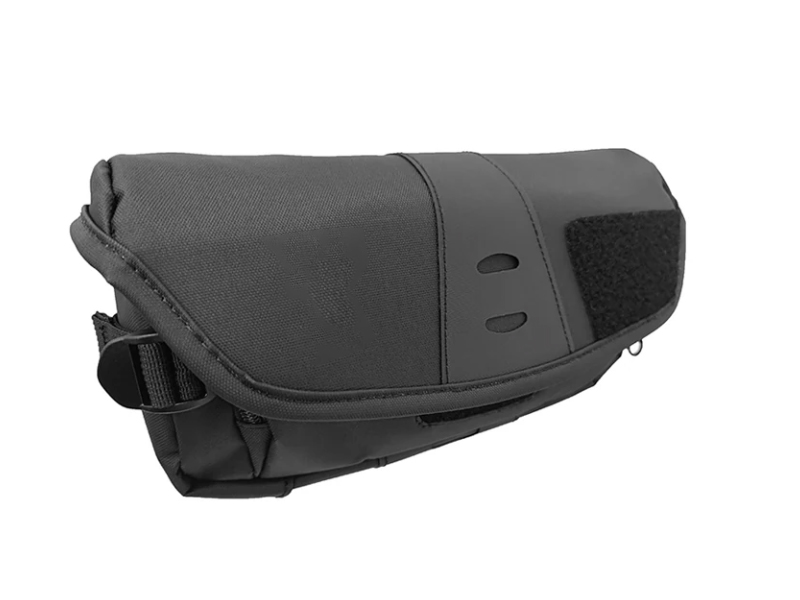
This style combines 420D TPU and PU materials with YKK zippers and a shaped front flap. Its horizontal body and curved lower edge create a distinctive profile for a motorcycle accessory collection.
External dimensions are approximately 28 × 9 × 14 cm / 11.0 × 3.5 × 5.5 in. The bag offers water-resistant protection against light splashes. The material combination, flap shape and textured exterior give this style a more detailed appearance.
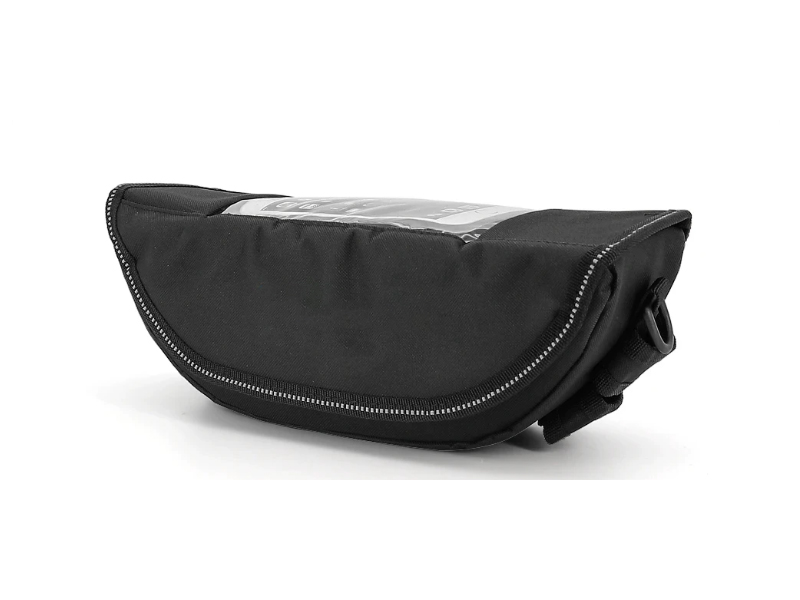
A transparent touchscreen-compatible window lets riders view and operate a compatible phone while safely parked. The curved zipper extends around the front edge, allowing the opening to spread for loading and retrieving belongings.
High-strength hook-and-loop fasteners secure the bag at suitable mounting points. The window is the defining feature of this style, combining phone visibility with enclosed storage in a compact handlebar bag.
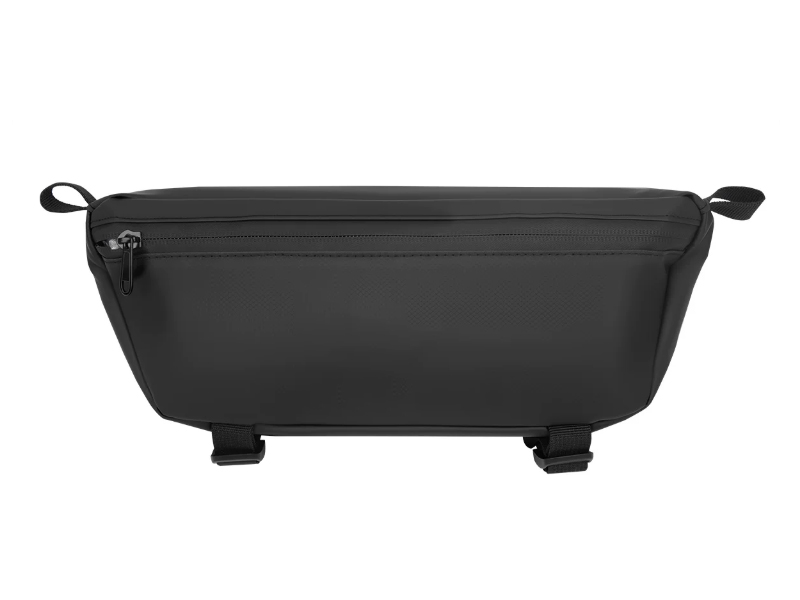
A plain black front, horizontal zipper and restrained detailing give this motorcycle bar bag a simple appearance. Adjustable webbing straps are visible below the body, providing a different fastening arrangement from the touchscreen-window style.
The clean exterior suits collections that favor discreet accessories. Its straightforward front opening and uncluttered shape distinguish it from the flap-front and phone-window designs.
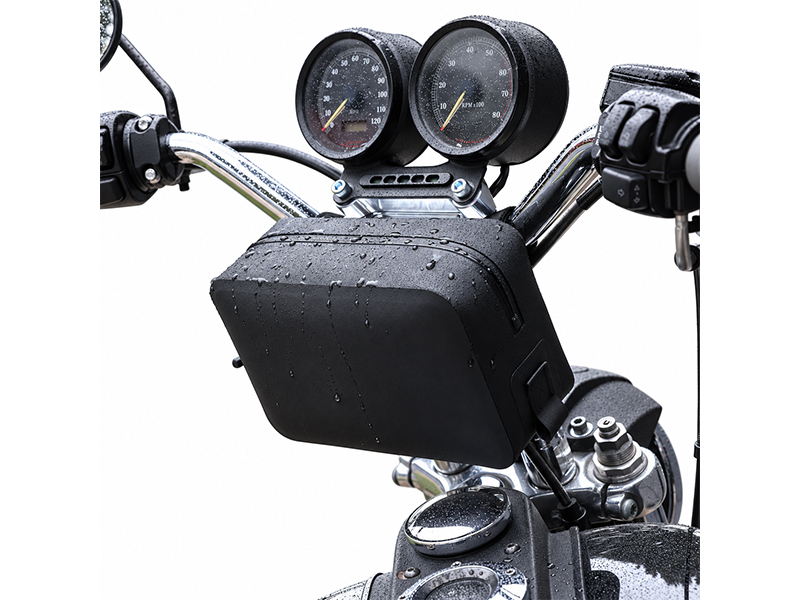
This style uses a fully waterproof structure to protect enclosed belongings from rain and road spray. Its box-shaped body and upper zipper opening distinguish it from the curved and flatter designs in the collection.
The product image shows the bag mounted centrally below the motorcycle’s instruments. The final position and strap arrangement depend on the intended motorcycle, including the space available around the handlebars and nearby components.
Handlebar space varies between motorcycles. We help you develop the bag’s proportions, attachment details and storage layout to suit your customers and your collection. Modify an existing style or send drawings, sketches, reference images or a physical sample to develop your own design.
Adjust the width, depth and overall profile to suit the intended contents and mounting area. A flatter pouch fits differently from a deeper box-shaped bag. Share the available space and the items customers need to carry so both can guide the design.
Customize strap length, spacing, width and fastening method. Handlebar shape, riser position and nearby accessories help determine where the straps can pass. Specific arrangements, including T-bar mounting, can be developed from measurements and installation references.
Choose materials and opening details to suit the desired appearance, budget and weather protection. Touchscreen windows, additional pockets and internal organization can be discussed as custom options. Waterproof development considers the body material, seams and closure together.
Develop colors, logos, labels and packaging for your brand. Keep branding subtle on a minimalist pouch or make it more prominent on a larger front panel. These details can also be coordinated across handlebar bags and other motorcycle accessories.
A handlebar bag has limited space for storage, mounting and branding. Vancharli Outdoor helps you balance these details with production cost, so the finished design works for both your customers and your collection.
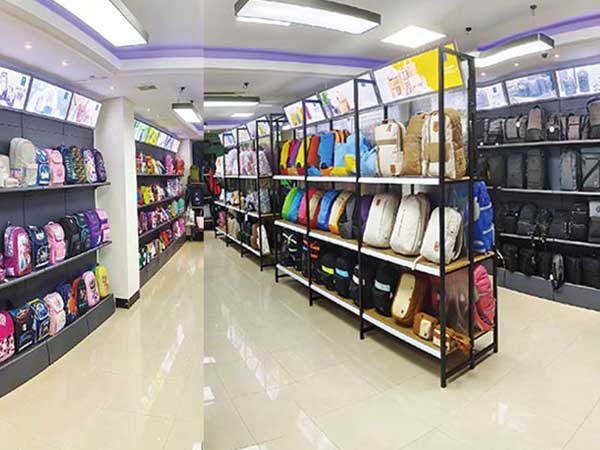
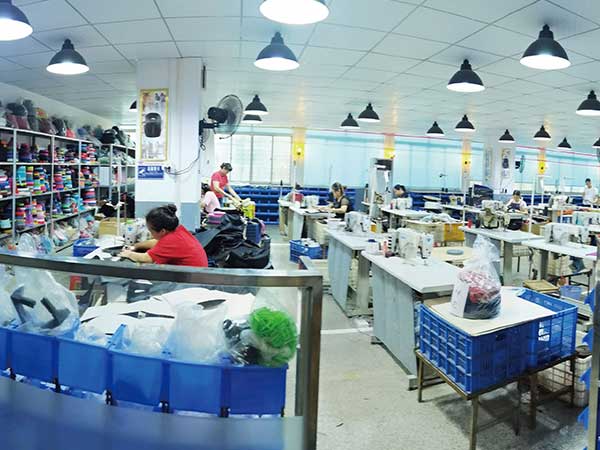
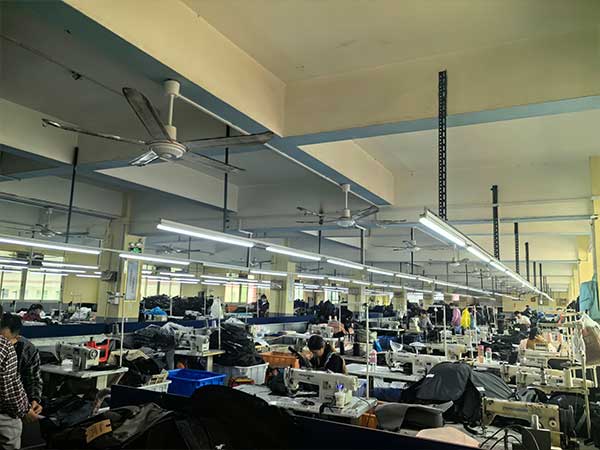
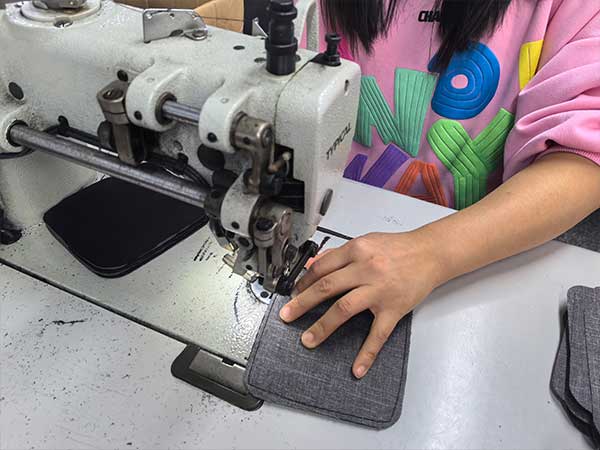
Established in 1995, Vancharli Outdoor brings bag manufacturing experience to pattern development, material selection and assembly. We consider how panels, zippers and mounting components fit together, including details that may not yet appear in an initial sketch.
We support production from a complete specification as well as development from an early concept. Supply your own design, adapt an existing style or work with us to refine the body, opening and fastening arrangement.
Strap placement is part of the bag design. We use the mounting information you provide to develop attachment positions alongside the body shape. This allows fit and access to be assessed during sampling, before the design moves into bulk production.
We work with brands, wholesalers, buyers and importers building motorcycle accessory ranges. Typical MOQ is 300 pcs/style. Materials, colors, components and packaging are discussed together so the quotation reflects the version you intend to purchase.
Production resources in China and Southeast Asia provide options for different sourcing requirements. The suitable arrangement depends on the bag’s construction, manufacturing process and order requirements.
The approved sample and written specification provide a shared reference for repeat production. Recording dimensions, strap positions, component choices and logo details together makes it easier to replenish an existing style or assess changes for a new version.
From mounting and everyday storage to phone access and rain protection, these styles offer different benefits. Features vary by design, so you can select the combination that suits your customers.
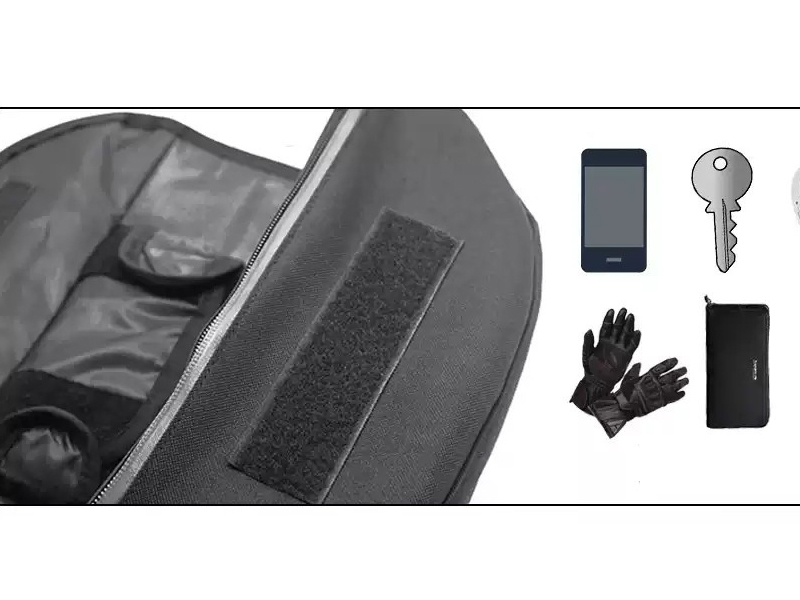
A handlebar bag gives small personal belongings a place on the motorcycle. Riders can keep fewer items in their jacket or pants pockets, which is useful when carrying a modest daily kit without an additional shoulder bag.
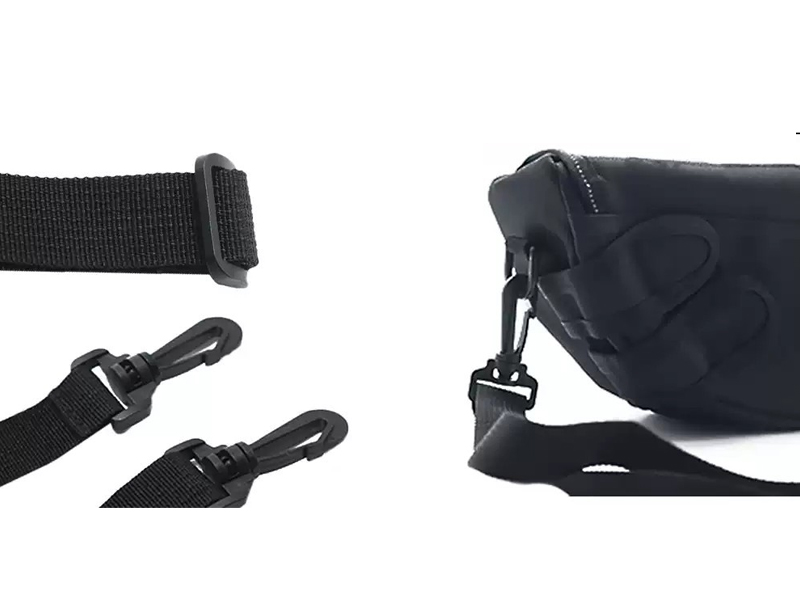
On styles with hook-and-loop fasteners or adjustable straps, riders can secure the bag around suitable mounting points and adjust its position. These flexible connections make installation and removal more straightforward on compatible handlebars. Correct placement leaves room for instruments, cables and steering movement.
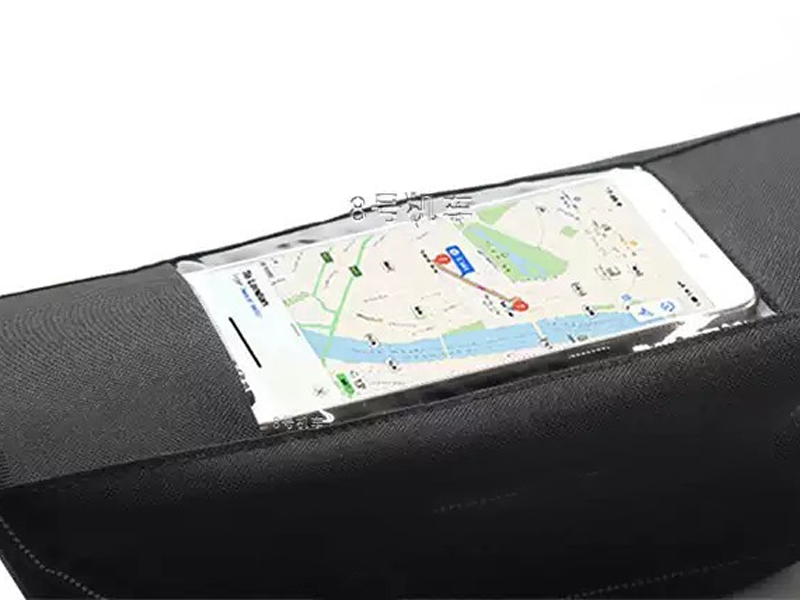
The touchscreen-window style lets riders view and operate a compatible phone while safely parked. The device stays inside the bag during a route check, reducing the need to take it out and put it away at each stop.
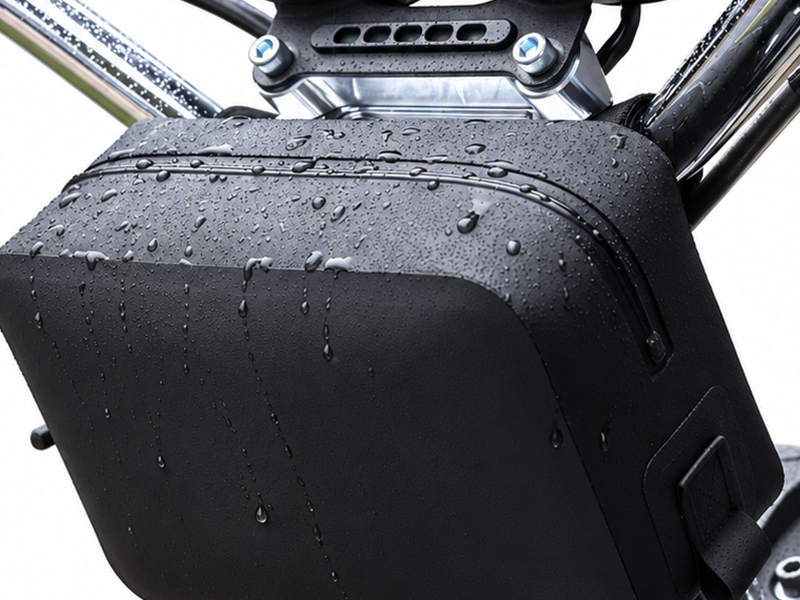
The fully waterproof model protects enclosed belongings from rain and road spray. It provides an option for riders who need waterproof storage, while the flap-front model offers water-resistant protection against light splashes.
The role of a handlebar bag changes with the journey. Choose a style around how much customers carry, the luggage they already use and the conditions they expect.
A local errand or a short ride across town may call for only a few personal belongings. A compact handlebar pouch can hold this small load, keeping the motorcycle’s luggage setup simple.
A commuter may carry work equipment in a separate backpack or briefcase. The handlebar bag can hold smaller personal items, allowing the work bag to remain packed for the workplace. A discreet exterior also suits a motorcycle used throughout the working week.
On longer outings, the handlebar bag can complement saddlebags or a rear bag. Clothing and larger supplies stay in the main luggage, while selected small items remain in the handlebar pouch for planned stops along the route.
When wet weather is expected, the fully waterproof style provides an option for belongings that need rain protection. Customers expecting only light splashes may prefer the water-resistant flap-front design.
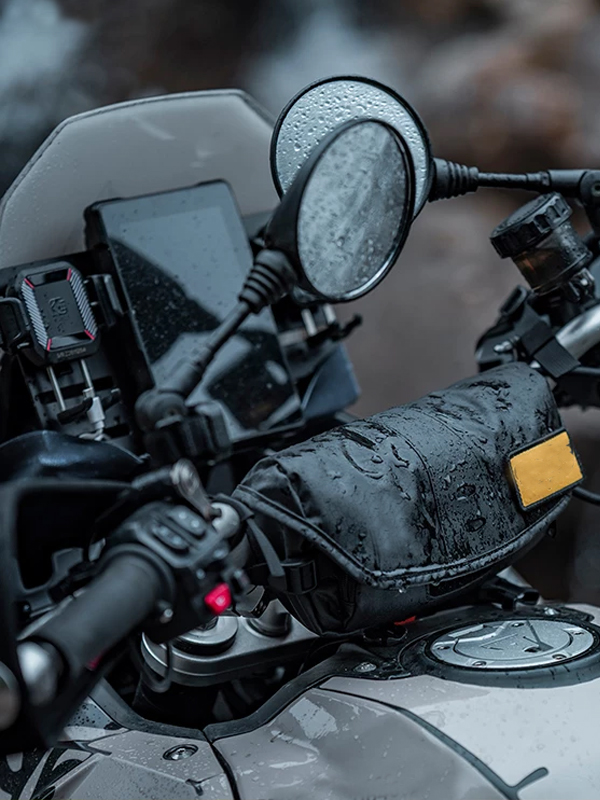
Inspection focuses on the details that make each style work: the finished shape, mounting assembly, opening and any specified phone-window or waterproof construction.
Compare outer materials, lining where specified, webbing, fasteners and zippers with the approved sample and specifications. Check material appearance, component type and color consistency before assembly.
Check the finished bag’s dimensions against the approved specifications, along with panel alignment and overall symmetry. Inspect seams, edges and corners for uneven assembly, unwanted twisting or distortion.
Inspect strap spacing, usable length, adjustment and attachment points. Check hook-and-loop engagement where used and confirm that buckles or adjusters operate correctly. During sampling, review the arrangement against the customer’s mounting information.
Check zipper movement, pull access and clearance around flaps or surrounding fabric. Review opening and closing with the intended contents so the sample can be assessed in its packed condition.
For the window-equipped model, inspect the transparent area’s position, clarity and attachment. Use the agreed phone or device reference to check screen alignment and touch response, including the intended case where applicable.
For the waterproof style, inspect seam and closure workmanship, with water checks following the method specified for the project. Final inspection also covers appearance, branding, loose threads and packing. Performance testing follows the method and acceptance criteria agreed for that design.
Find answers about fit, sizing, phone use, weather protection and the information needed for a custom or wholesale order.
Compare the bag’s packed shape and mounting points with the intended motorcycle. Photographs from the rider’s position and from the side help show the available space and existing accessories. A sample fitted to the motorcycle provides a practical way to assess the proposed installation before bulk production.
Yes. Strap length, spacing, width and fastening method can be developed around the intended installation. Provide measurements of the mounting area and photographs showing the intended strap routing. Include T-bar or other specific mounting requirements at the start so they can be considered together with the body design.
Consider both what customers need to carry and the available mounting space. A phone, wallet and a few personal items may call for a different shape from a larger daily kit. Check the usable opening and internal space as well as the exterior dimensions. For a custom size, share the intended contents and mounting-area measurements so we can develop a suitable design.
No. The flap-front style is water-resistant, while the box-shaped waterproof style has a fully waterproof structure. Waterproof performance has not been confirmed for the touchscreen-window or minimalist styles. If your collection requires waterproof storage, specify that requirement before development so the materials, seams and closure can be selected together.
The transparent window supports touchscreen use, but compatibility depends on phone dimensions, screen position and the device’s response through the window. A case may also change the fit. Identify the intended phone size during development and check it with the sample. Operate the phone only when safely parked.
Fit depends on the bag’s size, mounting position and the motorcycle’s layout. Check that the installed bag leaves the instruments visible and does not press against cables, switches or other controls. Assess clearance through the full steering movement with the bag packed as intended. If space is limited, a smaller body or different strap arrangement may be needed.
Our typical MOQ is 300 pcs/style. Send the selected style, quantity, colors and branding requirements for review. Material choices, custom components and packaging can affect the order arrangement. If you want several versions, list the quantity for each so we can prepare a quotation around the actual product mix.
Provide drawings or reference images, dimensions, mounting details, preferred materials, order quantity and logo artwork. For a phone-window design, include the target device size; for a waterproof version, describe the required protection. You can also send a physical sample. Sampling costs and timing are assessed after reviewing the project.
✅ Submit an inquiry for:


WhatsApp us