Lightweight Fitness Bags for Running and Gym Training Bags What Sets Them Apart
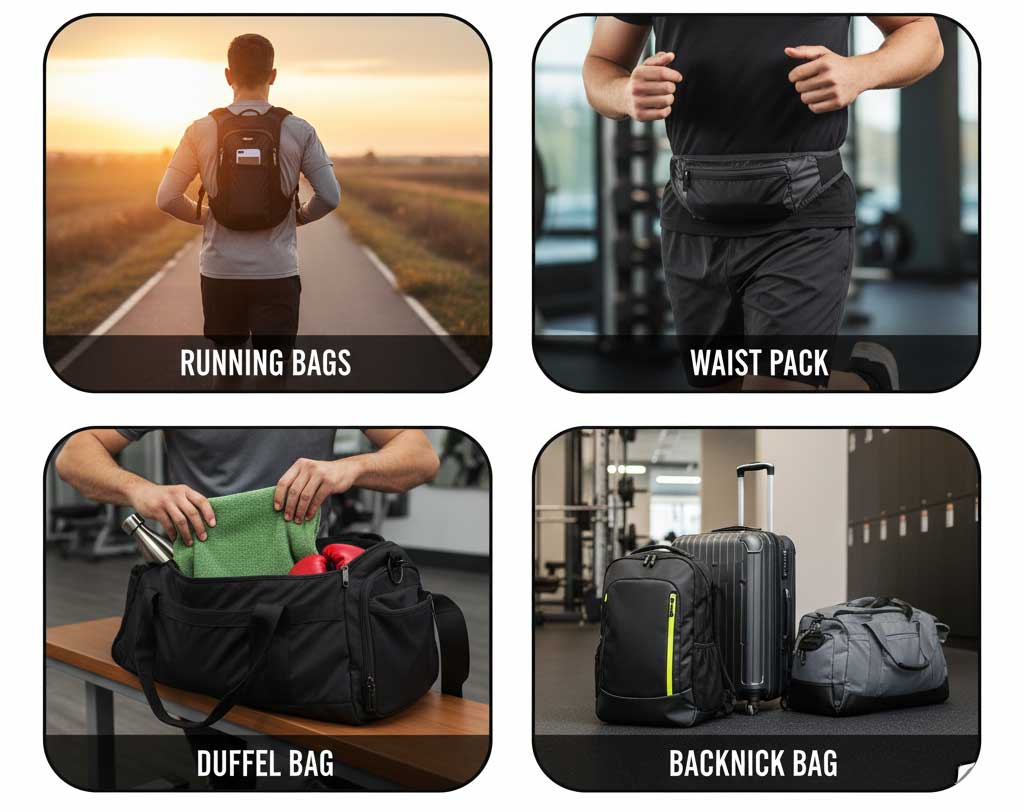
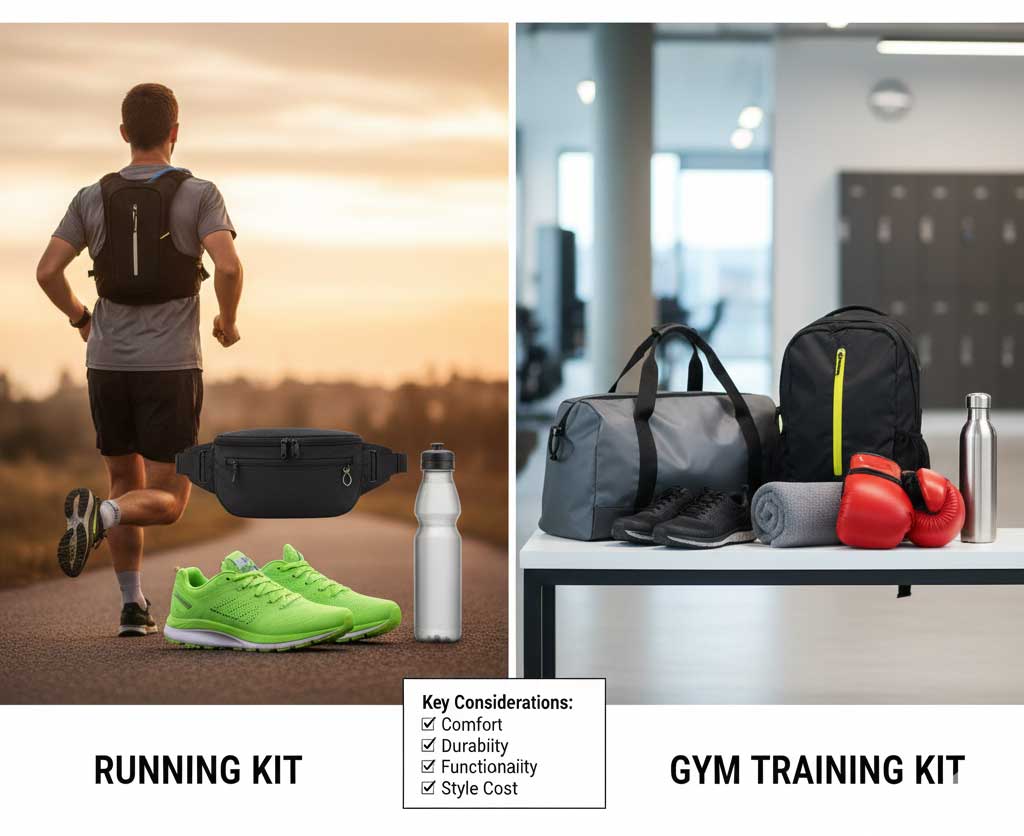
You notice the difference as soon as you pick up a lightweight fitness kit and gym training kit. Running bags feel light and compact, so you can move easily and grab essentials fast. These bags often have special spots for water, which helps on long runs. Gym bags, though, give you lots of space for shoes, towels, and gear. You might find running bags more comfortable because they breathe better and sit close to your body. Gym bags work best when you need to carry a lot.
Pick a running bag if you want to move fast and feel comfortable. These bags fit close to your body. They help you reach things like water and snacks quickly.
Pick a gym bag if you need to carry more stuff. Gym bags have lots of space for shoes, towels, and clothes. This makes them great for workouts.
Check if the bag is made from water-resistant materials. Running bags usually use water-repellent fabric. Gym bags might not protect your things as well from water.
Think about how you like to carry your bag. Backpacks spread the weight on your back. Duffel bags are easy to open but can feel heavy.
Take care of your bag often. Wipe it clean, empty it out, and store it the right way. This helps your bag stay nice and last longer.
Design Differences
Running Bag Structure
A running bag feels small and fits your body well. The shape helps it stay close, so it does not move much when you run. Most running bags use light, water-repellent fabric. This keeps your things safe from sweat and rain. You can change the straps to make the bag fit tight. This stops it from slipping. Inside, there are small pockets for things like keys, snacks, and a water bottle. You can get what you need fast, even while running.
Tip: Pick running bags with pockets you can reach easily. You can grab your phone or snack without stopping.
Small shape keeps the bag from bouncing
Water-repellent fabric keeps your things dry
Straps can be changed for a tight fit
Pockets help you find things quickly
Gym Bag Structure
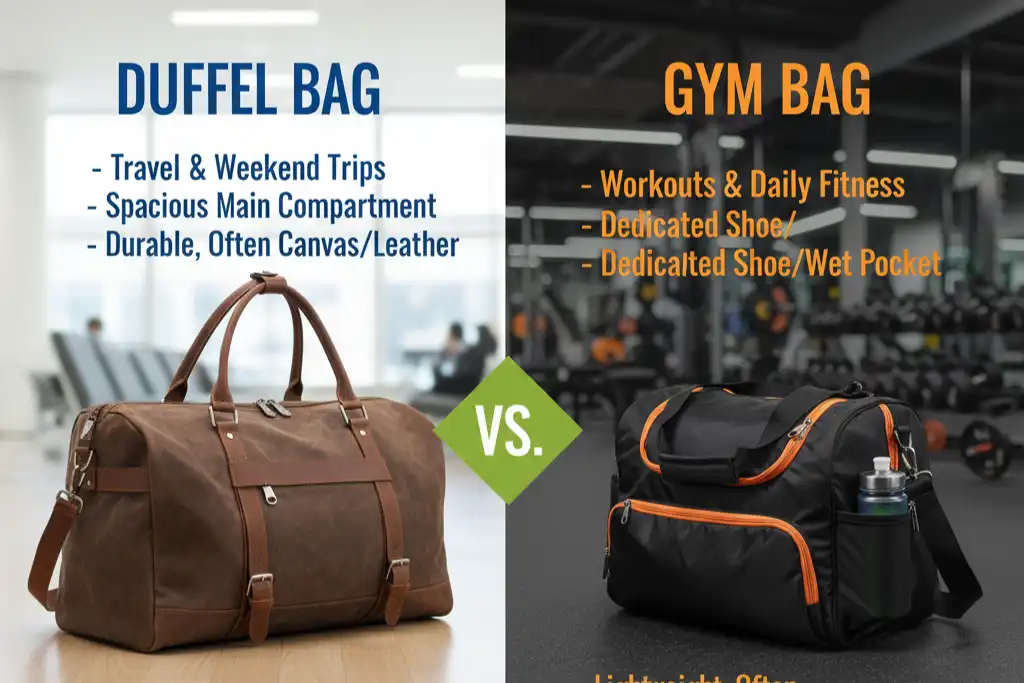
Gym bags are different from running bags. They have more room for shoes, towels, and your fitness kit. Most gym bags are shaped like a box and fit in a locker. They are made from nylon, polyester, canvas, or leather. Each material has its own good points for how long it lasts and how it looks.
Material
Characteristics
Durability Impact
Nylon
Light, water-resistant, hard to tear
Good for wet places and lasts long
Polyester
Cheap, thick fabric
Works well for lots of use
Canvas
Strong, looks nice, heavier
Lasts long, but not good when wet
Leather
Looks nice, strong, can be heavy
Lasts long, but not good with water
Inside, gym bags have simple pockets. They help you keep clean and dirty things apart.
Purpose and Use
Running bags are for speed and easy use. They are best when you only need a few things and want to move fast. Gym bags are for carrying more stuff and getting to it quickly. You can put in your clothes, shoes, and gear without worrying about space. Sports backpacks have more pockets, so you can use them for gym and outdoor fun. Each bag is made for a special job, so you can pick what fits your needs.
Gym bags are good for just gym days
Sports backpacks help you stay neat for many activities
Gym bags are easy to use and hold a lot
Running bags help you move fast and light
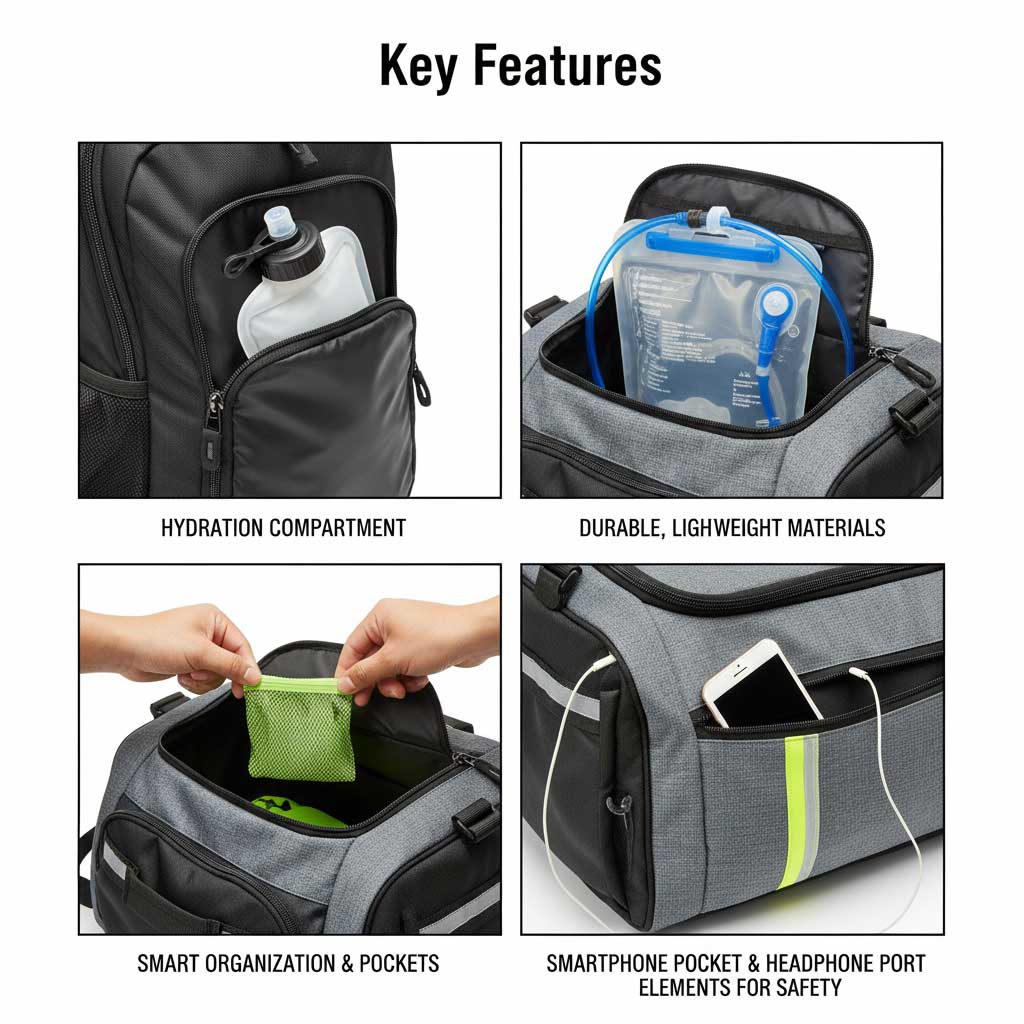
Key Features
Size and Storage
When you look at bags for fitness, size matters. Running bags stay small so you can move fast. Gym bags give you more space for all your gear. You might wonder how much each bag can hold. Here’s a quick look:
A running bag fits your water, keys, and maybe a snack. A gym bag holds shoes, clothes, and even a towel. If you need to carry a full lightweight fitness kit and gym training kit, you will want the extra space a gym bag offers.
Weight and Portability
You want a bag that feels light when you carry it. Running bags use thin, light fabrics. You barely notice them on your back. Gym bags weigh more because they use thicker materials and hold more stuff. If you travel to the gym by bike or on foot, a lighter bag makes your trip easier. For quick runs, you will love how easy it feels to carry a running bag.
Carrying Styles
How you carry your bag changes how comfortable you feel. Here are the most common styles:
Backpacks: These spread the weight across both shoulders. You get hands-free comfort, which is great for running or biking.
Duffel Bags: These give you lots of room and easy access. You carry them on one shoulder, but they can get heavy fast.
If you use your lightweight fitness kit and gym training kit every day, think about which style feels best for you.
Water Resistance and Ventilation
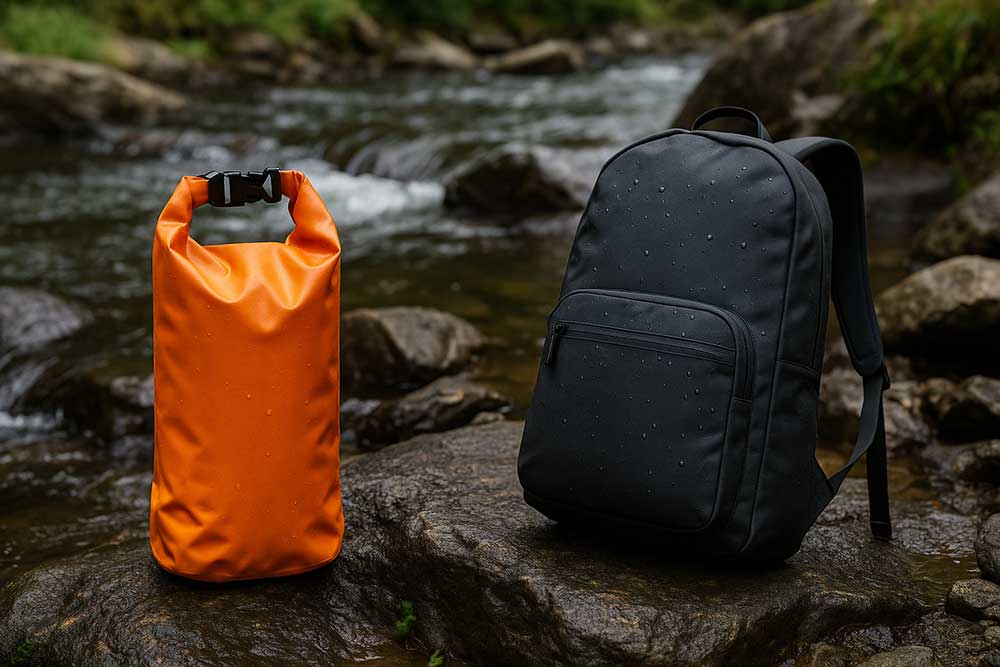
You do not want your things to get wet or smelly. Running bags often use water-repellent fabric. Some gym bags do not protect as well. Take a look at how they compare:
A waterproof sports backpack keeps your gear dry and fresh. If you sweat a lot or run in the rain, this feature helps a lot.
Durability
You want your bag to last. Running bags use tough but light fabrics. Gym bags use thicker materials for more strength. If you use your bag every day, look for strong zippers and reinforced seams. A good lightweight fitness kit and gym training kit should handle rough use and still look good.
Types of Bags
Duffel, Tote, and Drawstring Options
You see a lot of choices when you shop for fitness bags. Duffel bags, tote bags, and drawstring bags all have their own strengths. Duffel bags stand out because they give you plenty of space and strong padded straps. You can pack shoes, towels, and water bottles without worrying about room. Drawstring bags feel light and easy to carry. They work best when you only need a change of clothes and a water bottle. Tote bags look stylish and open wide, so you can grab your gear quickly.
Here’s a quick look at how duffel and drawstring bags compare:
Bag Type
Capacity
Comfort
Durability
Suitability for Gym Training
Duffel Bags
40+ liters
Padded straps
Robust materials
Ideal for carrying multiple items like shoes, towels, and water bottles.
Drawstring Bags
15-25 liters
Thin cords
Lightweight canvas
Best for minimal essentials like a change of clothes and a water bottle.
Drawstring bags feel light and simple. You might notice they get uncomfortable if you pack too much.
Duffel bags often include special pockets for hygiene. Drawstring bags usually skip these features.
If you want a bag for your lightweight fitness kit and gym training kit, think about how much gear you carry and how you want to organize it.
Sports Bag vs. Gym Bag
You might wonder what makes a sports bag different from a gym bag. Sports bags usually come in larger sizes. You can fit sports equipment like balls, rackets, or pads. Gym bags stay smaller and focus on workout clothes and personal items. Sports bags often have more compartments and special features. You get pockets for shoes, water bottles, and even wet gear. Gym bags keep things simple with fewer sections.
Fitness professionals say sports bags use tough synthetic materials. You get durability for outdoor use. High-end gym bags use premium fabrics like ballistic nylon or waxed canvas. These bags look stylish and last a long time.
Sports bags give you more space for equipment.
Gym bags work well for daily workouts and look good as lifestyle accessories.
Sports bags focus on function for specific sports.
Gym bags blend utility with style.
If you want a bag that matches your activity, check the size, organization, and material. You will find the right fit for your routine.
Tip: Try a foldable gym bag if you need something light and easy to store. You can pack it away when you don’t need it.
Use Cases
Best for Running
You want a bag that feels almost invisible when you run. Running bags work best for short jogs, long-distance runs, or races. You can grab your water, keys, and phone without stopping. These bags hug your body, so they do not bounce around. You stay comfortable and focused on your pace. Most running bags use light, water-repellent fabric. You get quick access to snacks and hydration. If you run in the rain or sweat a lot, your gear stays dry. Runners love these bags because they keep things simple and easy.
Tip: Choose a running bag with adjustable straps. You can make it fit snug and avoid distractions.
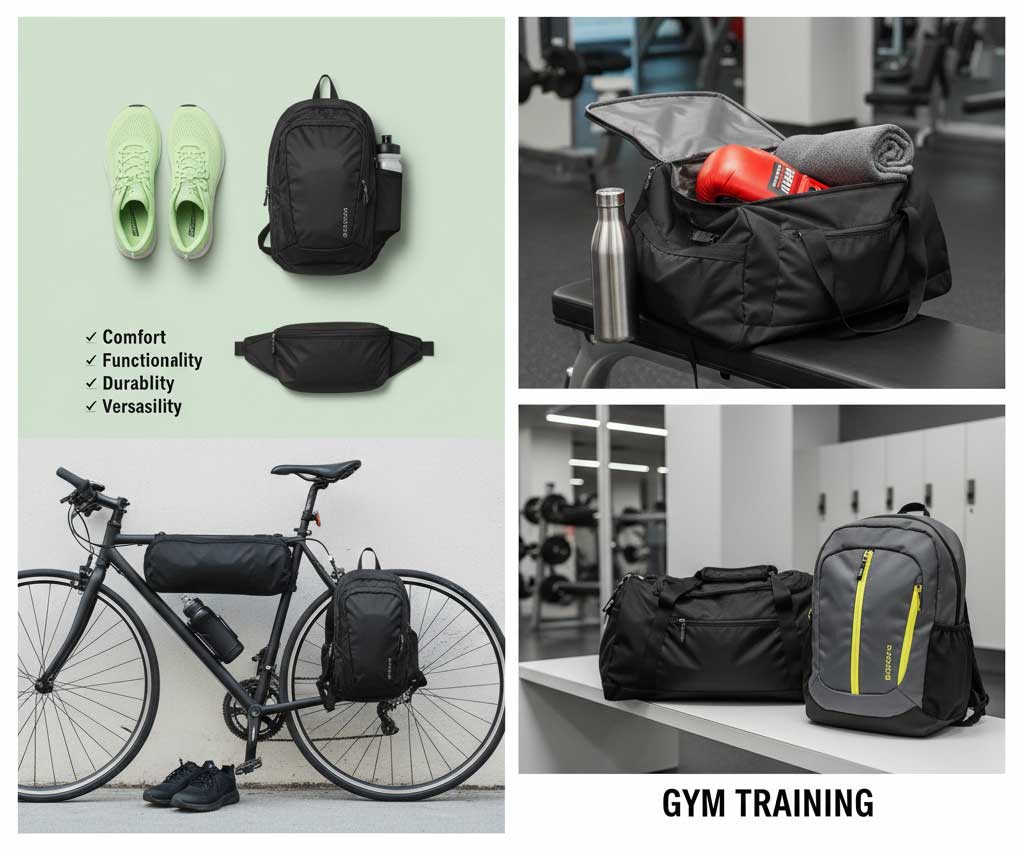
Best for Gym Training
You need a bag that holds everything for your workout. Gym training bags shine when you carry shoes, clothes, towels, and even a laptop. You can organize your gear with special pockets. Many gym bags use sturdy materials like nylon or polyester. You get durability for daily use. Some bags have padded straps and backs, so you feel comfortable on your way to the gym. Ventilation helps keep your clothes fresh. You can even find bags with reflective strips for safety at night.
Here’s a table showing what makes gym training bags stand out:
You can fit your lightweight fitness kit and gym training kit in one bag and stay organized.
Where Each Falls Short
Running bags do not work well if you need to carry lots of gear. You might struggle to fit shoes or a towel. Gym bags feel bulky if you only need a few things for a quick run. They can get heavy and slow you down. Drawstring bags lack support for long workouts. Duffel bags take up space and may not fit in small lockers. You should match your bag to your activity. If you pick the wrong type, you might feel uncomfortable or lose time searching for your gear.
Note: Always check your activity and gear before choosing a bag. The right choice saves you hassle and keeps you moving.
Choosing the Right Lightweight Fitness Kit and Gym Training Kit
Selection Checklist
Picking the right bag can feel tricky, but you can make it easier with a simple checklist. Ask yourself these questions before you buy:
What gear do you need to carry every time?
Will you use the bag for running, gym training, or both?
Do you need water resistance for rainy days or sweaty workouts?
How important is comfort when you carry the bag?
Do you want extra pockets for shoes, snacks, or a laptop?
Is odor control a must for you?
Does the bag fit your style and look good with your outfits?
Tip: Never choose style over function. A cool-looking bag might not have the features you need for your lightweight fitness kit and gym training kit.
Here’s a quick table to help you spot common mistakes:
If you check off these points, you’ll find a bag that works for your routine.
Activity-Based Guide
Your activity and gear decide which bag fits best. Let’s break it down so you can match your bag to your needs:
Running bags work best for speed, comfort, and endurance. You want a bag that hugs your body and doesn’t bounce. These bags hold just the basics—water, keys, and maybe a snack. If you use a gym bag for running, you might feel uncomfortable. The weight can shift and make you tired faster.
Gym bags shine when you need to carry bulky items like shoes, towels, and toiletries. They offer more space and keep your gear organized. If you try to run with a gym bag, the load can mess up your stride and make you feel worn out.
If you mix running and gym training, look for a sports backpack. It gives you pockets for both small and big items. You get the best of both worlds for your lightweight fitness kit and gym training kit.
Note: Always match your bag to your activity. A running bag boosts your performance, while a gym bag makes it easy to carry everything you need.
Here’s a quick list to help you decide:
Choose a running bag for short runs, races, or when you need to move fast.
Pick a gym bag for workouts, classes, or when you carry lots of gear.
Go for a sports backpack if you switch between running and gym training.
Tips for Bag Care
You want your bag to last and stay fresh. Follow these easy steps to keep your lightweight fitness kit and gym training kit in top shape:
Wipe down the outside with a clean, dry cloth after each use. This removes sweat and dirt.
Empty the bag often. Take out damp clothes or gear to stop odors and mold.
Store your bag upright in a cool, dry place. Keep it away from sunlight.
Use a dust bag or fabric cover if you store it for a long time.
For leather bags, pick a pH-balanced cleaner. Test it on a hidden spot first. Clean gently with a soft cloth, then use a conditioner to keep the leather soft.
Let your bag breathe. Dry it in a shaded area, not in direct sun.
Before storing, make sure the bag is empty and clean. Stuff it with soft items to keep its shape.
Place silica gel packs inside to absorb moisture.
Avoid plastic containers. Use a breathable cover instead.
Tip: Regular care keeps your bag looking new and smelling fresh. You’ll enjoy your workouts more when your gear is clean and ready.
Comparison Table
Feature Breakdown
You want to pick the right bag, but so many choices can make it tough. Let’s break down the most important features so you can see what matters most. When you compare running bags and gym training bags, think about what you carry, how much space you need, and how you want to organize your stuff.
Tip: Always check the warranty and specialty features before you buy. You want a bag that lasts and matches your style.
With this breakdown, you can compare options and find the best bag for your workouts or runs. Pick what fits your routine, and you’ll stay organized and ready for action.
You now know what sets lightweight running bags apart from gym training bags. Running bags keep things light and close, while gym bags give you space for all your gear. Always match your bag to your activity for the best experience. Before you choose, use the checklist and guide. This helps you:
A smart choice keeps you focused and ready for every session!
FAQ
What makes a running bag different from a gym bag?
You get a running bag that hugs your body and stays light. Gym bags give you more space for shoes and clothes. Running bags focus on comfort and quick access.
Can I use one bag for both running and gym workouts?
You can, but you might not feel comfortable. Running bags work best for short runs. Gym bags fit more gear. If you switch activities, try a sports backpack.
How do I keep my fitness bag smelling fresh?
Tip: Empty your bag after each use. Wipe it down with a damp cloth. Let it air out in a cool place. Use silica gel packs to absorb moisture.
Which material lasts the longest for fitness bags?
Material
Durability
Water Resistance
Nylon
High
Good
Polyester
Medium
Good
Canvas
High
Low
Leather
Very High
Low
You get the most durability from leather and canvas, but nylon resists water better.








Comments are closed