What Size Hydration Pack Do You Need for a Day Hike?
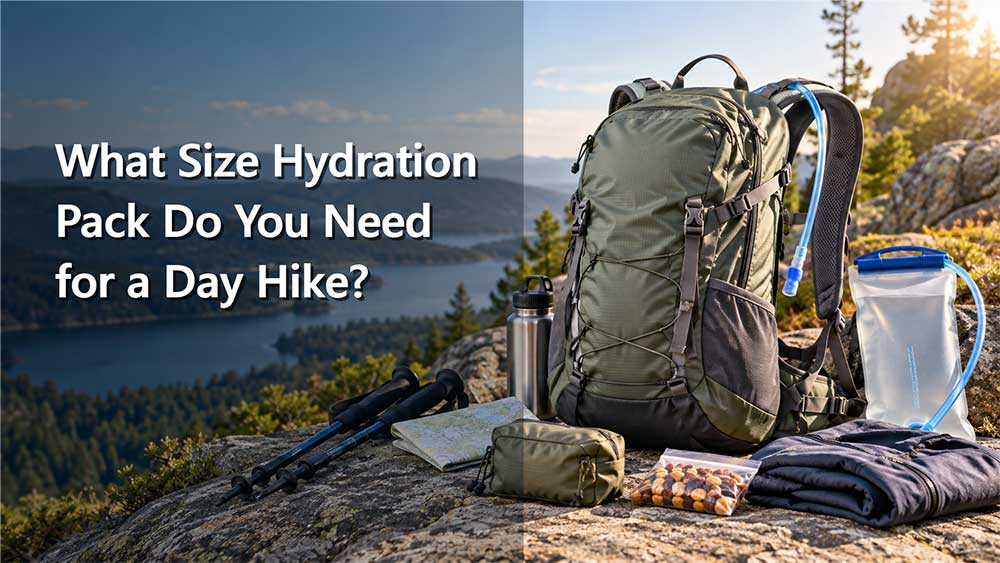
For a day hike carrying lunch, a rain shell, an extra layer, and basic trail essentials, a hydration pack around 20–30 liters is a practical starting point. Choose reservoir capacity separately: compare 2L and 3L models against the water you need to carry between reliable refill points.
A compact equipment list may fit in a smaller pack, while bulky clothing, extra water, or shared supplies can require more space. Neither reservoir size guarantees enough water for a full day. Once you have planned your water and equipment, check that everything fits together comfortably.
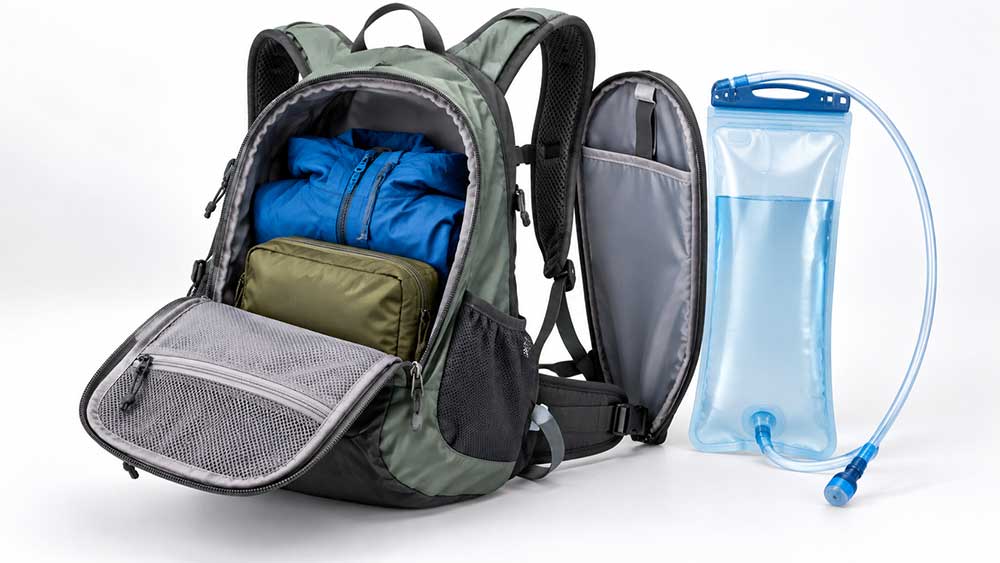
A hydration pack usually has a compartment for a flexible water reservoir, also called a bladder, plus space for equipment. If you are unfamiliar with the setup, our hydration pack introduction explains its basic parts.
A “2L hydration pack” listing can be confusing. It may refer to the included reservoir rather than the bag’s storage space. Look for separate specifications:
Pack or gear capacity: The advertised storage volume of the bag. Check which compartments the manufacturer includes in this figure.
Reservoir capacity: The maximum amount of water the reservoir holds.
Reservoir compatibility: Which reservoir dimensions and attachment style the pack accepts.
Do not automatically add the two capacities together. Manufacturers may define pack volume differently, and a full reservoir can occupy space that otherwise holds clothing or food.
What Backpack Capacity Should You Start With?
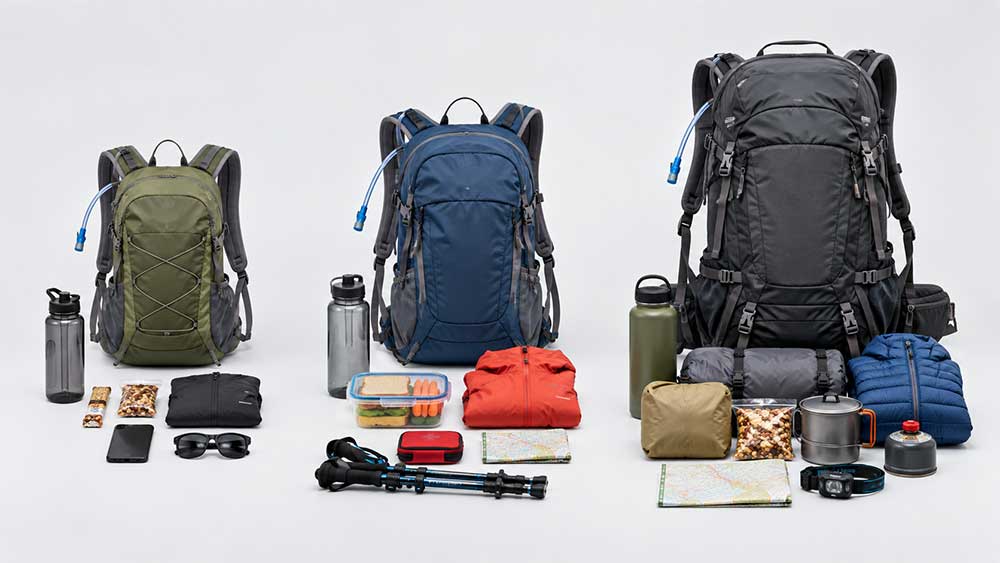
Your equipment list is a better guide than the phrase “day hike.”
Advertised pack capacity
When to consider it
What to check
10–20L
A compact load with lightweight clothing and food
Whether all route essentials fit alongside the filled reservoir
20–30L
A useful starting range for a general day-hiking load
Space for lunch, rain protection, an extra layer, and other essentials
30–40L
Bulkier insulation, additional equipment, or supplies carried for others
Whether the harness comfortably supports the complete load
These are starting ranges, not fixed rules. Two hikers on the same trail may need different sizes because their clothing, food containers, and equipment pack differently.
REI’s daypack selection guide also recommends choosing capacity around what you carry. Do not leave out necessary equipment just to fit a smaller bag.
A larger pack is useful when you need the space. When it is mostly empty, check whether compression straps can keep the contents from shifting.
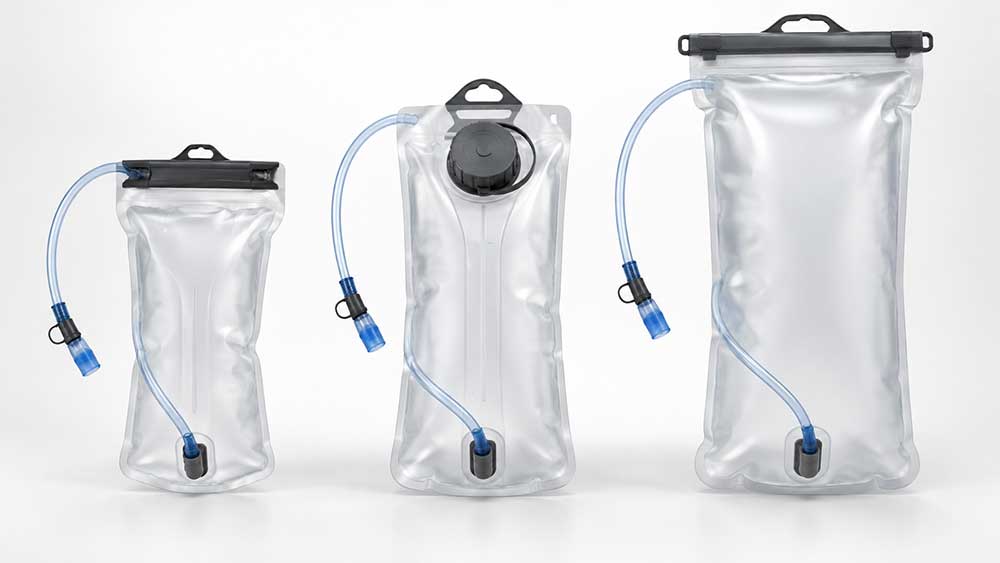
Should You Choose a 1.5L, 2L, or 3L Reservoir?
Reservoir size describes carrying capacity, not a guaranteed number of hiking hours.
Reservoir
Reason to consider it
Main limitation
1.5L
Your planned water carry is small, or you have confirmed suitable refill opportunities
Limited capacity if the route takes longer or a refill point is unavailable
2L
Your water plan fits within this capacity and the reservoir fits your pack
May require another container or refilling on some routes
3L
You need greater carrying capacity or flexibility across different trips
More bulk when filled; requires a suitable sleeve and comfortable load support
You do not have to fill a 3L reservoir completely on every outing. However, an underfilled reservoir still needs to sit securely inside the pack.
A 3L model is not always a drop-in replacement for a 2L one. Check its filled dimensions, closure, hanger, and tube connection. For broader comparisons of fit and features, see our hydration pack selection guide.
Plan Water Around the Route
Before deciding on a reservoir, consider the time outdoors, expected conditions, effort, and your own experience on similar hikes.
A shaded route with confirmed drinking-water access creates a different carrying requirement from an exposed climb without refills. Include stops and the return journey when estimating the outing.
The National Park Service’s Hike Smart guidance highlights the importance of weather and water availability. A stream on a map is not automatically a dependable drinking-water source: availability may change, and treatment may be needed.
If your planned water carry exceeds the reservoir’s capacity, add an appropriate container and check the total load. Do not reduce the water you need merely to match the reservoir you own.
How Much Weight Does the Water Add?
Water is often one of the densest items in a day-hiking pack.
Water carried
Approximate water weight
1.5L
1.5 kg / 3.3 lb
2L
2 kg / 4.4 lb
3L
3 kg / 6.6 lb
These figures exclude the reservoir, backpack, and equipment. Moving from 2L to 3L adds approximately 1 kg, or 2.2 lb, when both are filled.
Try the pack with that weight inside. Extra space alone does not ensure comfortable carrying; shoulder straps, torso fit, and the pack’s support also matter.
Test the Pack With Your Actual Day-Hike Load
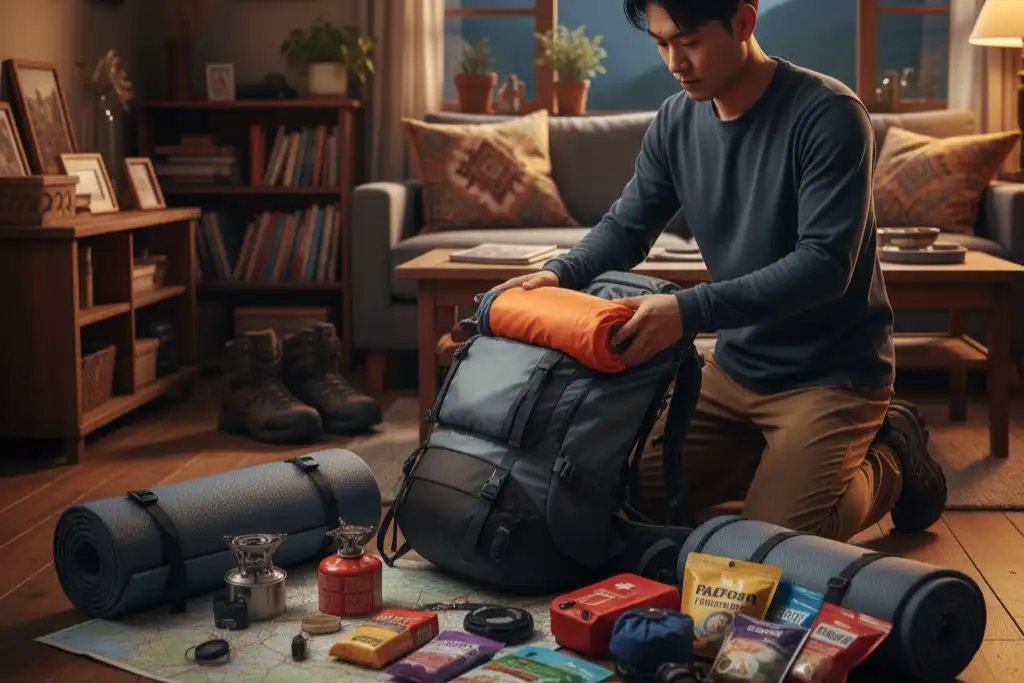
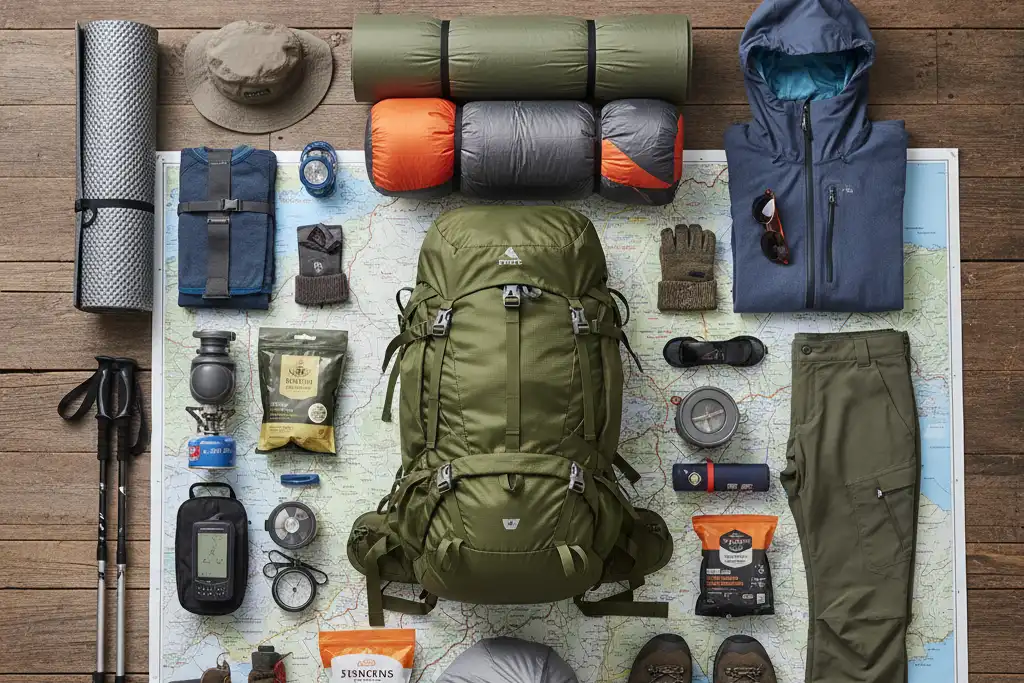
Before buying, gather the items your route requires. These may include food, rain protection, insulation, navigation equipment, a headlamp, and first-aid supplies.
Then:
Fill the reservoir to your planned carrying level.
Fit it into the sleeve using the intended support or hanger.
Pack your equipment, including bulky food containers and clothing.
Close the bag without forcing it. Check that the tube is not trapped or sharply bent.
Walk with the complete load. Notice pressure points, shifting, and difficulty reaching essentials.
If you need to unpack most of the bag to refill, consider whether a different compartment arrangement would suit you better.
For example, a compact lunch and light shell may fit comfortably in a smaller pack. Add a bulky insulated jacket and shared supplies, and you may need the next size up. Packs with the same advertised capacity can still fit these items differently because of their shape and compartment layout.
Developing Hydration Packs for Day Hiking
For brands and buyers, a day-hiking pack should be evaluated with its intended reservoir filled and its target equipment load packed. Specify reservoir compatibility separately from storage volume, then check access, tube routing, and loaded comfort during sample approval.
Established in 1995, Vancharli Outdoor is an OEM & ODM bag factory supporting custom hydration pack development for brand customers, wholesalers, buyers, and importers. Pack layouts and reservoir compartments can be developed around the intended hiking conditions and equipment.
FAQ
Is a 2L reservoir enough for a day hike?
It can be, but the answer depends on the route, conditions, personal needs, and reliable refill access. Reservoir capacity alone cannot confirm that you have enough water.
Is a 10L hydration pack too small?
Not necessarily, if your complete equipment and water load fit comfortably. It may be restrictive when you need extra clothing, bulky food, or more equipment.
Does a 20L pack have 20L of gear space with the reservoir filled?
Not necessarily. Check how the manufacturer defines capacity and whether the reservoir compartment shares space with the main compartment. Test the bag with your planned water load and equipment.
Should you carry a bottle as well as a reservoir?
A bottle can add capacity and provide separately accessible water. Whether it is useful depends on your water plan, refill method, and available space.
Is a 30L pack too large for a day hike?
It may be suitable for extra layers, equipment, or shared supplies. If your load is small, check whether the pack compresses well and stays stable.
Do you need a dedicated hydration pack?
No. A comfortable hydration-compatible daypack can work with a suitable reservoir, which may be sold separately. Check the sleeve, support, and tube outlet.






Comments are closed