top 10 bags manufacturer

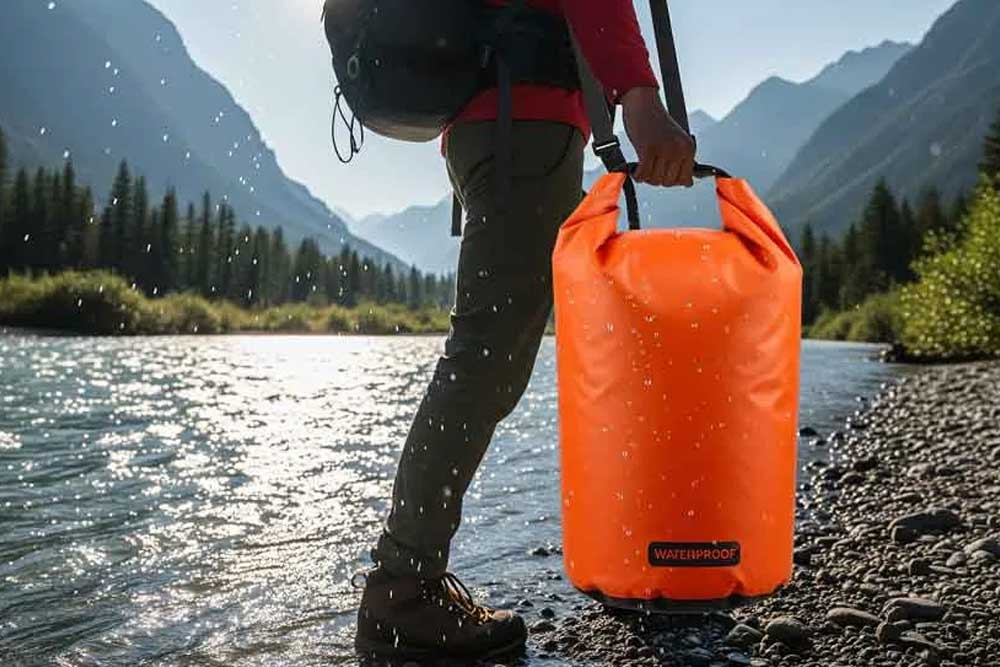
Top 10 Waterproof Bag Manufacturers for Outdoor Gear in 2026

Here are the top 10 waterproof bag manufacturers for outdoor gear in 2026: You can see these brands stand out. They use light and strong materials. They have smart features like GPS and solar charging. They let you choose how your bag looks. Many brands care about the environment. They make bags that look good...

Read More
https://vancharlioutdoor.com/blog/how-global-brands-select-their-waterproof-bag-manufacturer/

How Global Brands Select Their Waterproof Bag Manufacturer

Introduction In today’s fast-evolving outdoor and lifestyle markets, the demand for high-quality waterproof bags is at an all-time high. From hiking and kayaking gear to urban commuter backpacks and corporate promotional items, waterproof bags have become an essential product category for global brands. According to Grand View Research, the global waterproof bag market is expected...

Read More
How Manufacturers Test Waterproof Bags: IPX Standards Explained

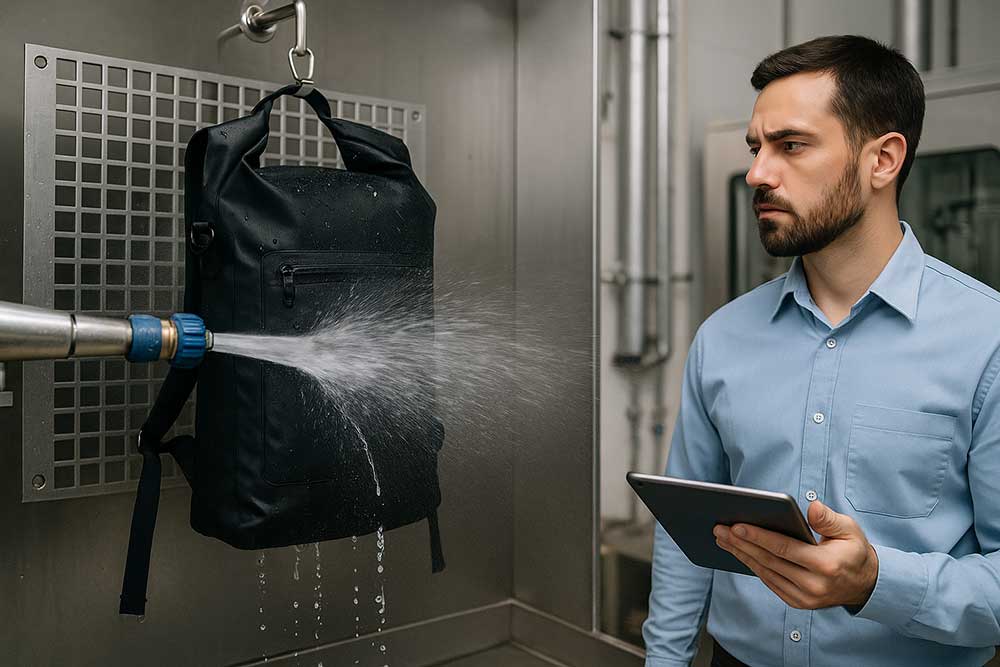
How Manufacturers Test Waterproof Bags: IPX Standards Explained

Introduction: Why Testing Matters for B2B Buyers In the world of B2B sourcing, the word ‘waterproof’ is often a marketing buzzword. Many suppliers claim their bags are waterproof, but without verified testing, this statement is meaningless. For brand owners, importers, and wholesalers, waterproof is not just a feature—it is a promise of reliability, durability, and...

Read More
Certifications to Look for When Choosing a Waterproof Bag Manufacturer

Certifications to Look for When Choosing a Waterproof Bag Manufacturer

Introduction: Why Certifications Matter When sourcing from a waterproof bag manufacturer, buyers cannot rely on marketing claims alone. Certifications serve as proof of compliance, quality, and sustainability. They not only reduce supply chain risks but also ensure products can enter strict markets like the EU and US without legal or reputational issues. I once met...

Read More
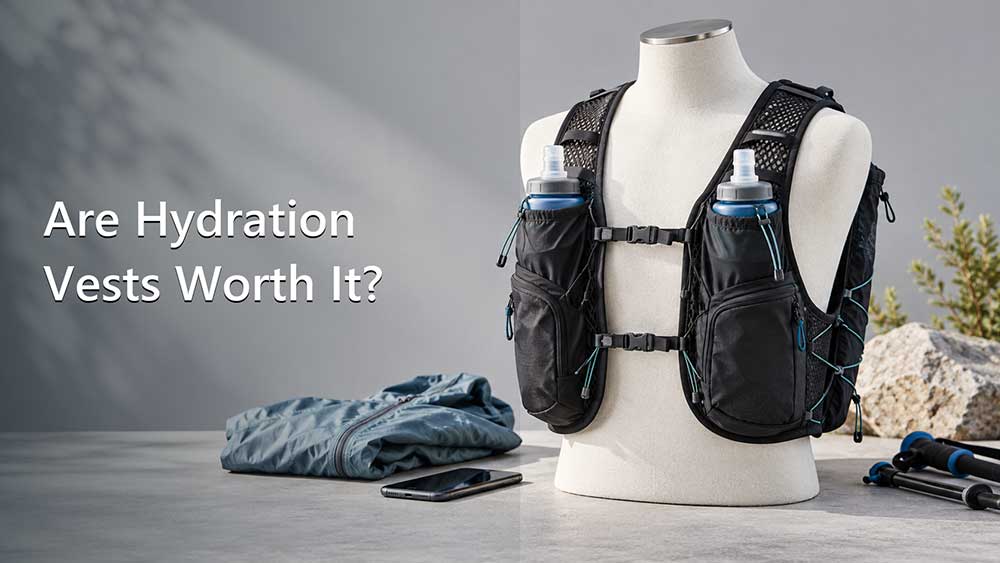
Are Hydration Vests Worth It?

Are Hydration Vests Worth It?

Hydration vests are worth it if you regularly need to carry water and other essentials, and a handheld bottle or running belt no longer feels convenient. They are especially useful on routes with limited refill points or when you need food, a phone, and extra clothing. For short runs with easy access to water and...

Read More
What Is a Hydration Pack?

What Is a Hydration Pack?

A hydration pack is a backpack, vest, or waist pack designed to carry water and make drinking convenient during an activity. Most backpack-style models hold a flexible water reservoir, also called a bladder, connected to a drinking tube and bite valve. You can sip without taking off the pack or digging out a bottle. Hikers,...

Read More
Can You Use a Hydration Pack as a Regular Backpack?

Can You Use a Hydration Pack as a Regular Backpack?

Yes, you can use a hydration pack as a regular backpack if it has enough room for what you carry and feels comfortable with that load. Removing the reservoir may free up space, but it will not turn a slim cycling pack or bladder carrier into a roomy work bag. A hiking hydration pack with...

Read More
What Are Backpack Compression Straps For?

What Are Backpack Compression Straps For?

Backpack compression straps help stabilize the contents of a pack, reduce unused volume, and limit unwanted movement while you walk. Depending on their position and construction, they may also help secure lightweight equipment such as a foam sleeping pad, rain jacket, tent body, or trekking poles. They are particularly useful when a backpack is only...

Read More
What Is a Floating Lid on a Backpack and Do You Need One?

What Is a Floating Lid on a Backpack and Do You Need One?

A floating lid is an adjustable top cover found mainly on trekking, backpacking, and mountaineering packs. Unlike a fixed lid, it can move higher or lower as the load changes. This allows it to cover an extended main compartment or secure bulky gear between the lid and the top of the backpack. Many floating lids...

Read More
Top-Loading vs Panel-Loading Backpacks: Which Should You Choose?

Top-Loading vs Panel-Loading Backpacks: Which Should You Choose?

Top-loading and panel-loading backpacks differ mainly in how you reach the main compartment. A top-loader opens from above and usually suits hikers who value simple construction, flexible packing space, and fewer long zippers. A panel-loader opens through a large zippered section, making it easier to see and reach gear throughout the compartment. Neither design is...

Read More
Internal vs External Frame Backpacks: Which Should You Choose?

Internal vs External Frame Backpacks: Which Should You Choose?

Internal vs external frame backpacks differ in where their supporting structure sits and how they carry a load. An internal frame is built into the pack, giving it a closer, more streamlined fit. An external frame is visible outside the packbag and often provides more room to secure bulky or irregular equipment. For most hikers...

Read More

What Are the Loops on a Hiking Backpack For?

The loops on a hiking backpack are external attachment points for gear that is awkward, wet, or inconvenient to store inside the main compartment. Depending on their location and design, they may hold an ice axe, trekking poles, a sleeping pad, a helmet carrier, or small accessories. However, similar-looking loops do not always serve the...

Read More
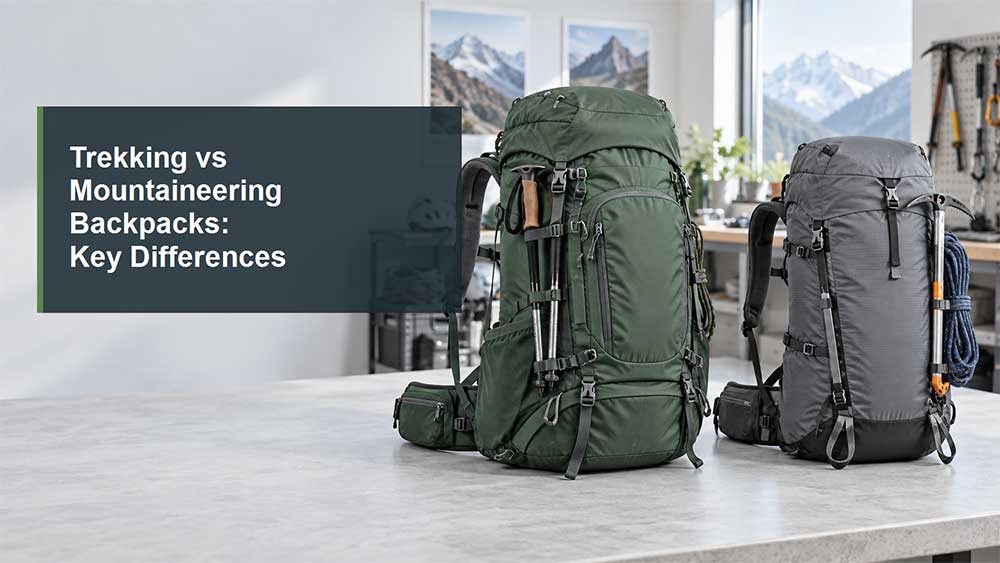
Trekking vs Mountaineering Backpacks: Key Differences

Trekking vs Mountaineering Backpacks: Key Differences

The main difference between trekking and mountaineering backpacks is what each pack needs to do. A trekking backpack is designed to carry supplies comfortably over long days, so it usually prioritizes load transfer, torso adjustment, ventilation, and accessible storage. A mountaineering backpack stays closer to the body for steep or technical terrain and favors stability,...

Read More
Can You Put Hot Food in a Cooler Bag?

Can You Put Hot Food in a Cooler Bag?

Yes, a cooler bag can carry hot food because its insulation slows heat transfer in both directions. However, the food should normally be placed in a sealed, heat-safe container rather than poured directly into the bag or placed against its liner. A cooler bag can slow heat loss, but it does not actively heat food....

Read More