


- Home
- Products
- FAQ
- Blog
- Services
- About Us
- Contact
- (+86) 187 5041 0800
- service@vancharli.com
- Within 24 hours response from our salesman
Custom Storage for the Rear Rack Platform
Put the rear rack to work for daily essentials and touring supplies. Vancharli Outdoor provides OEM & ODM trunk bag manufacturing, with the base and attachment developed around the selected rack. The body, opening, and carrying details follow what customers need to pack and take with them after parking.
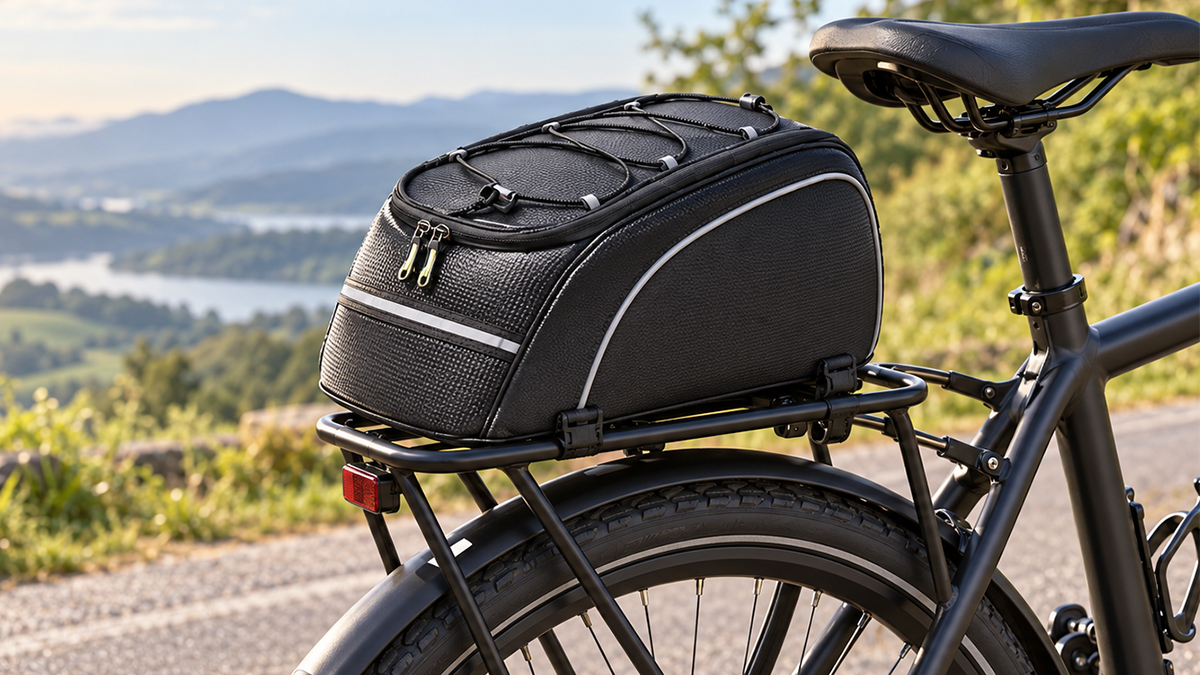
Eight designs, from streamlined bodies to extra pockets.
Explore eight bike trunk bag designs with rounded, low-profile, and upright shapes, plus different pocket and carrying layouts. Material options include Oxford fabric and PU leather, with partial EVA lamination available where needed. Reference dimensions are listed for each style.
Choose a design to modify, or send drawings, sketches, product photos, or a physical sample to develop your own bag. Materials, rack attachment, and final specifications are confirmed for the selected version.
For a coordinated collection, pair these rack-top designs with handlebar, frame, or saddle bags from our bicycle bag range.
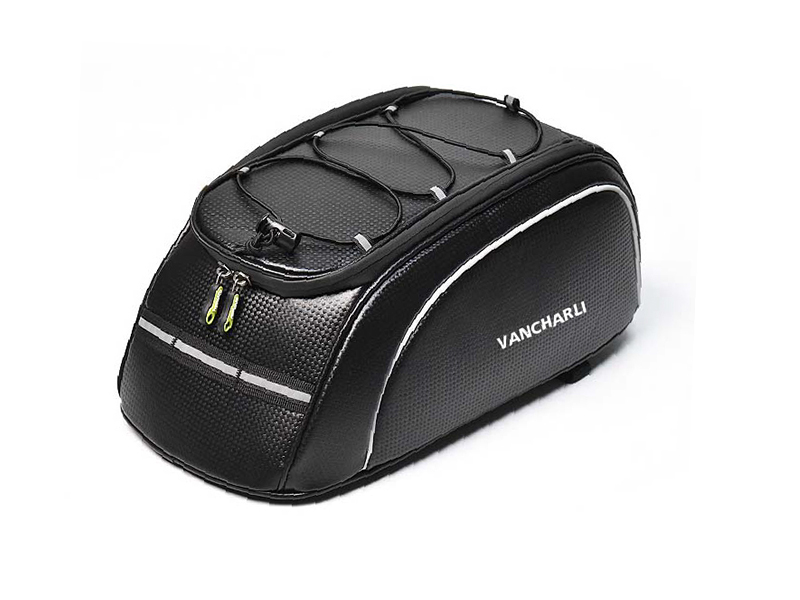
Reference size: 34 × 18 × 15 cm
A woven-texture PU leather trunk bag with a sloping front, curved side panels, and external cord across the lid. Twin zipper pulls open the upper section, while contrasting piping outlines the sides and highlights the rounded profile.
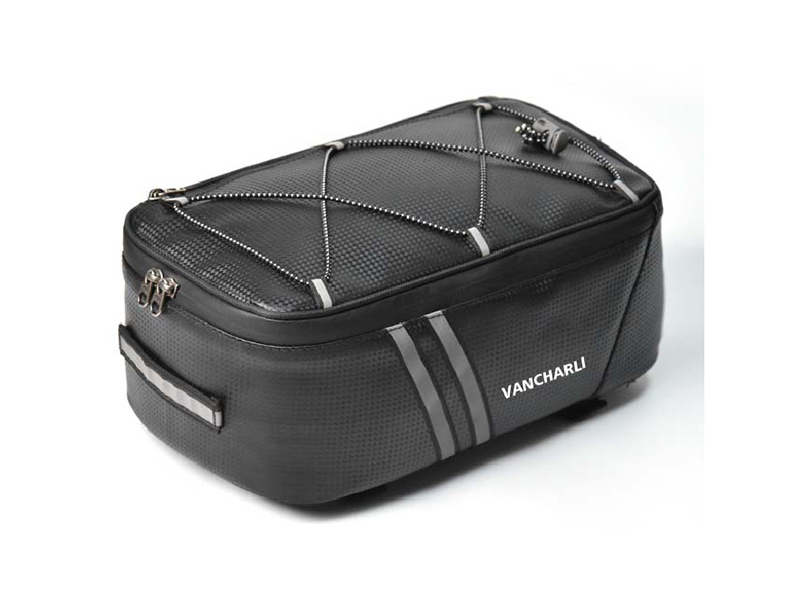
Reference size: 29.5 × 16.5 × 12 cm
A shallow rectangular trunk bag with rounded corners, a zippered lid, and crisscross top cord. An end webbing loop and contrasting side stripes distinguish the exterior. The low body offers a starting point for compact rack-top storage.
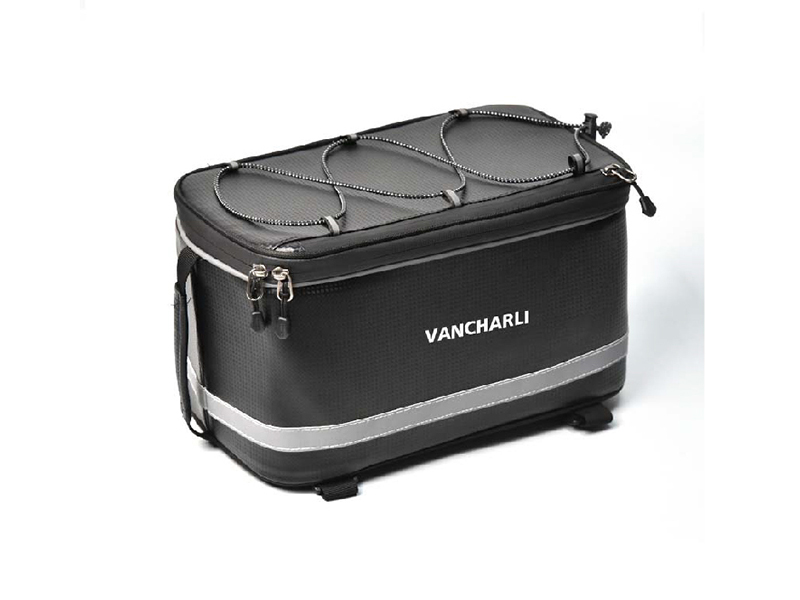
Reference size: 32 × 20 × 18 cm
An upright rectangular rack bag with a broad zippered lid and external top cord. A contrasting band runs around the lower body, while the large side panel leaves room for branding. The taller outline provides a different packing format.
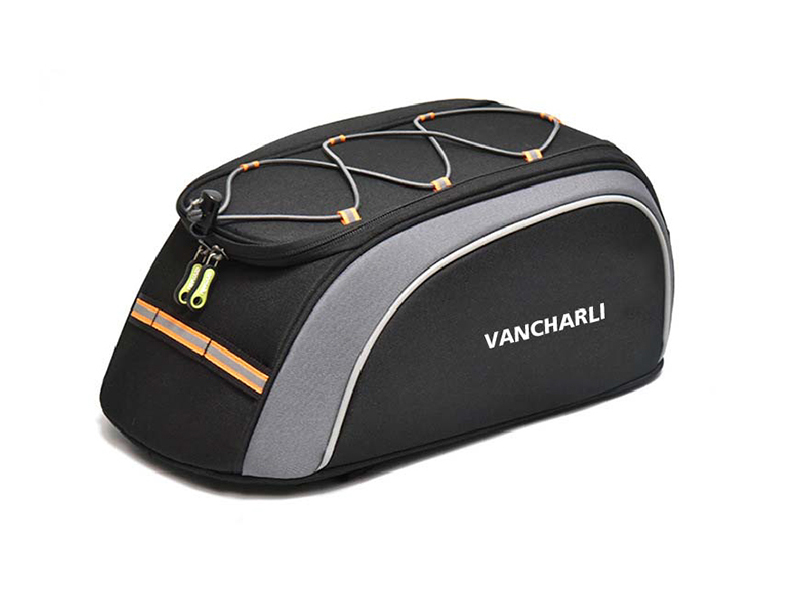
Reference size: 34 × 18 × 15 cm
A curved trunk bag with contrasting side panels, light-colored piping, and orange accents. The top combines a zippered opening with external cord. Its rounded profile and panel layout offer an alternative to a box-shaped rack bag.
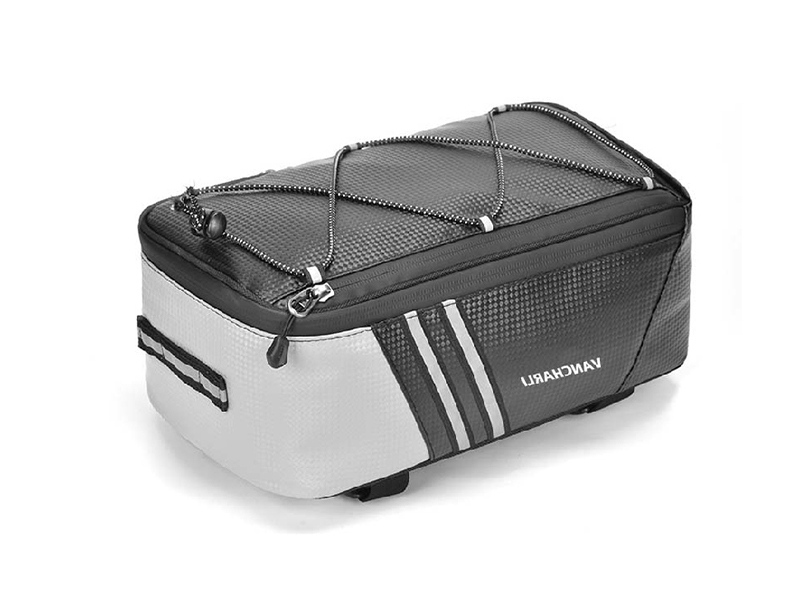
Reference size: 29.5 × 16.5 × 12 cm
A rectangular trunk bag with contrasting end and side panels, a zippered lid, and external top cord. An end webbing loop and striped side detail complete the exterior. The panel layout allows coordinated colors across a branded collection.
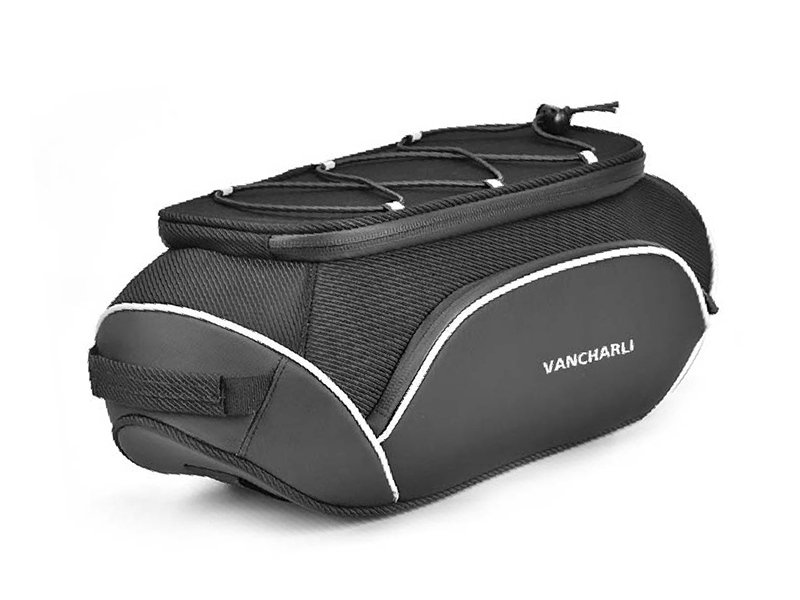
Reference size: 38 × 23 × 18 cm
An elongated rack-top bag with rounded ends, curved side panels, and contrasting piping. A long zippered lid carries external cord, with a webbing handle at one end. Its broader outline offers another format for rear-rack storage.
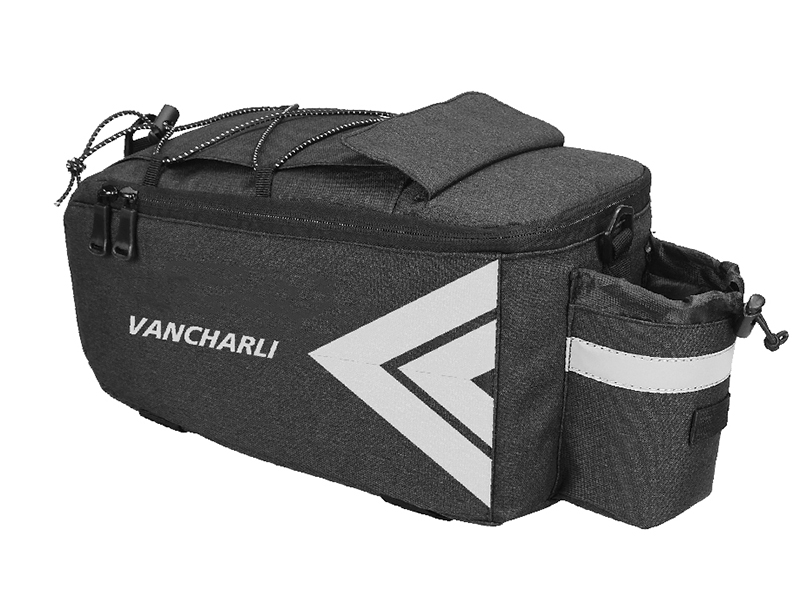
Reference size: 38 × 15.5 × 16 cm
An elongated trunk bag with a zippered lid, external top cord, and an end bottle pocket with a drawcord opening. A broad contrasting side graphic gives the body a distinct look, while the bottle pocket offers a separate access point.
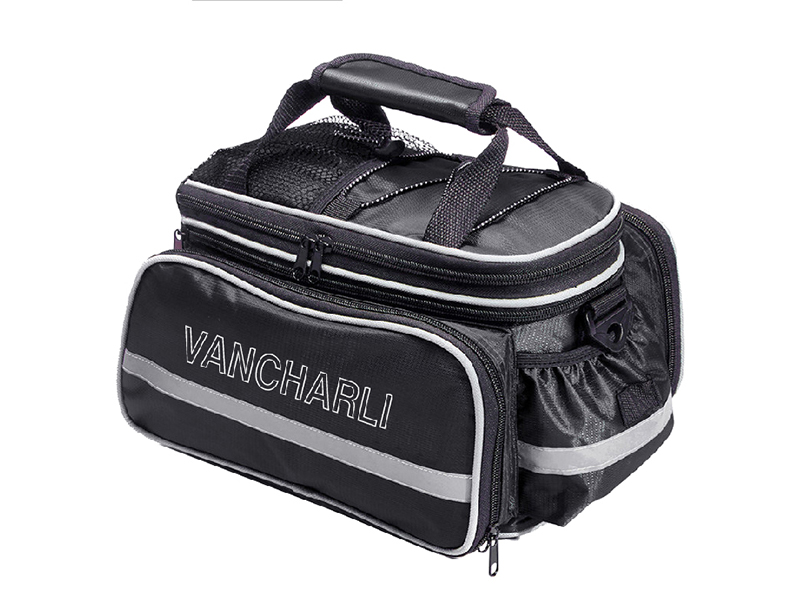
Reference size: 32 × 17 × 19 cm
A trunk bag with a padded carry handle, zippered top, and large side zip pocket. A gathered end pocket adds another storage area. Contrasting piping and horizontal trim outline the panels, creating a different layout from the simpler bodies.
Specify the base, storage, materials, and finish.
Provide the rack platform’s usable length, width, tube layout, and any spring clip or mounting plate. We can review the base outline, reinforcement, strap routes, and contact surfaces around that reference. An adapter-mounted design requires selected components and confirmed fit. Similar-looking rack platforms should not be assumed to use the same attachment.
Develop the interior around the intended objects, such as a lunch container, folded layer, or daily supplies. Main-compartment dimensions, side pockets, dividers, and bottle-pocket openings can be specified for the project. A bottle pocket needs to suit the selected bottle and its removal path. Reference outer dimensions do not establish usable capacity.
Set the zipper length and lid opening around how riders load and remove their belongings. Handles and removable shoulder straps can be considered for carrying after parking. Their positions should suit the packed bag without obstructing access. Mounting straps also need a practical way to stay clear during riding and walking.
Choose from suitable Oxford fabrics, grid-pattern fabrics, 600D options, or PU leather. Where EVA is used, it is typically laminated to selected panels to balance shape support with flexibility. Its thickness and placement are developed for the chosen construction. Coordinate colors, logos, piping, and labels, with rain-protection requirements addressed through a separately agreed specification.
A bag specification built around a real rack.
Vancharli Outdoor has manufactured bags since 1995. A trunk bag project brings together the luggage body and the rack beneath it. Our development work helps define that connection, along with the packing arrangement and components required for the order.
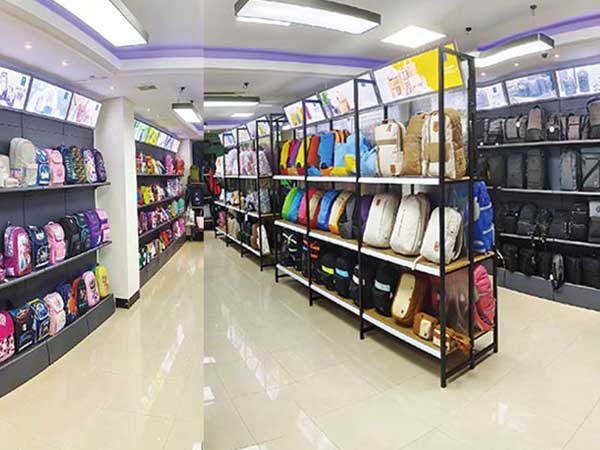
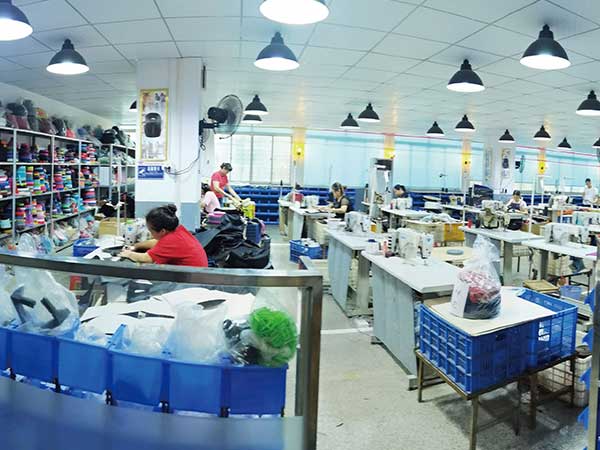
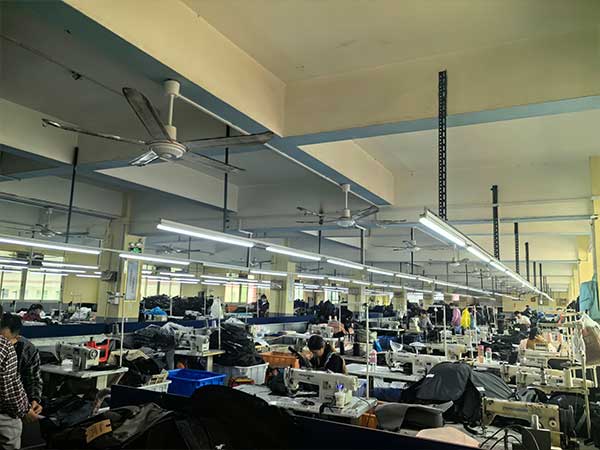
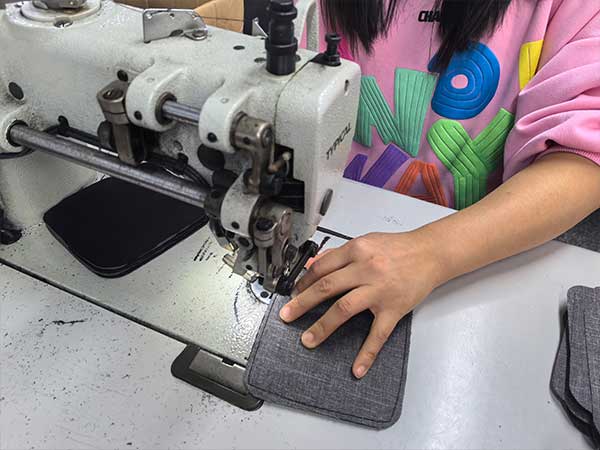
Rack width alone does not describe the available mounting space. Crossbars, raised edges, spring clips, and plates can affect the bag’s underside. We can use your rack sample or agreed dimensions to establish the development reference before the base and attachment positions are approved.
Some panels need shape support, while other areas need to bend during opening or handling. For EVA-laminated designs, we review the composite locations and adjoining materials together. For other constructions, the supporting layers are selected separately. Your team can assess the assembled sample rather than judging stiffness from a material swatch alone.
Two bags with similar outside dimensions can provide different usable spaces. Curved ends, lining, supporting layers, and pockets affect the interior. We can develop around agreed reference contents so your team can compare how the proposed shape accommodates the actual items intended for the product.
A commuter may remove the bag several times a day. Handle position, shoulder-strap attachments where requested, and the underside all affect carrying. These details can be included in the sample brief so off-bike use is reviewed alongside installation on the rack.
A mounting plate shown in a reference may be separate from the bag. We help identify the straps, fittings, carrying accessories, and any agreed adapter included in the quotation. This keeps product development and purchasing aligned on what the customer will receive.
Different body sizes, material combinations, and mounting arrangements need clear identification. We can record their approved specifications for production and repeat orders. Manufacturing arrangements using our China and Southeast Asia resources are confirmed with the materials, quantities, and sourcing requirements of the project.
Packing, access, organization, and carrying.
Benefits depend on the finished construction and selected features.
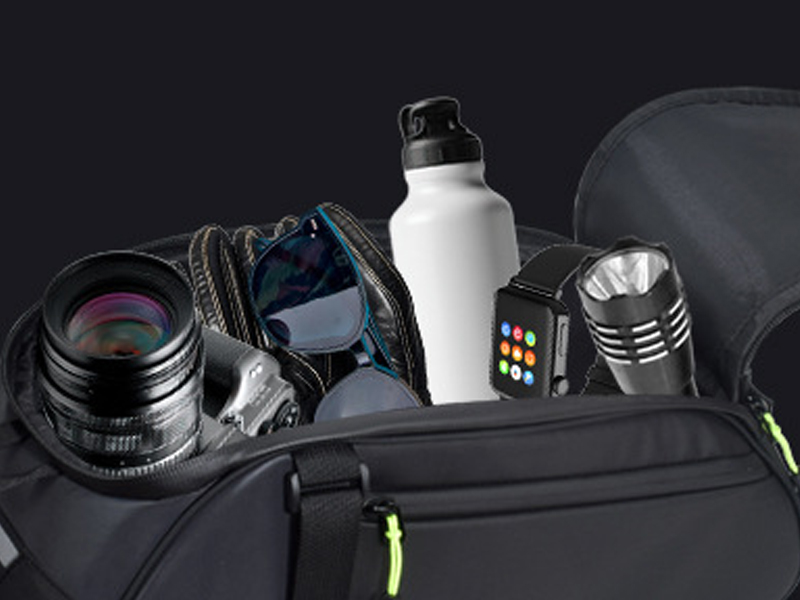
The rack-top format provides space for suitable daily supplies, from a folded layer to a selected lunch container or day-ride kit. Different body proportions suit different objects. Usable space is confirmed with the intended contents, and the packed load must remain within the bag, rack, and bicycle limits.
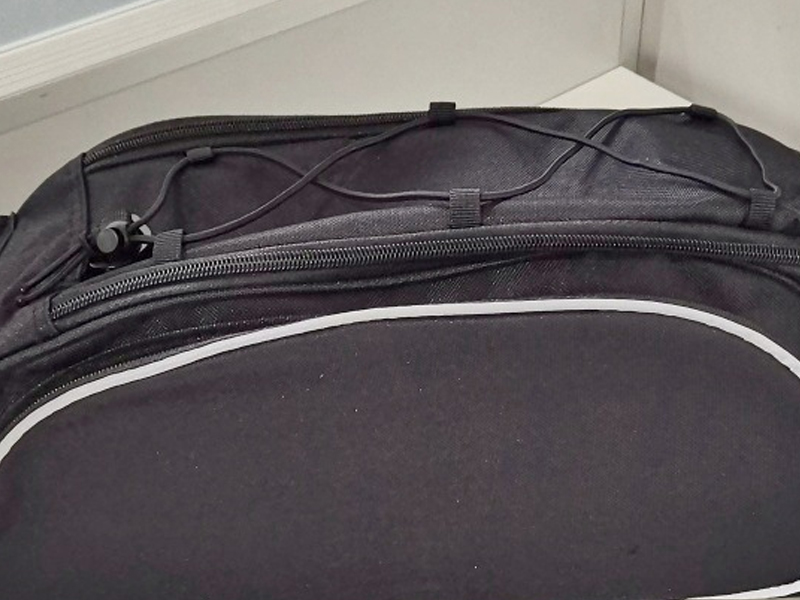
The reference styles use zippered upper openings. With sufficient clearance around the lid, riders can reach the main compartment at a stop while the bag remains mounted. On versions with paired zipper pulls, the opening position can be adjusted along the zipper path.
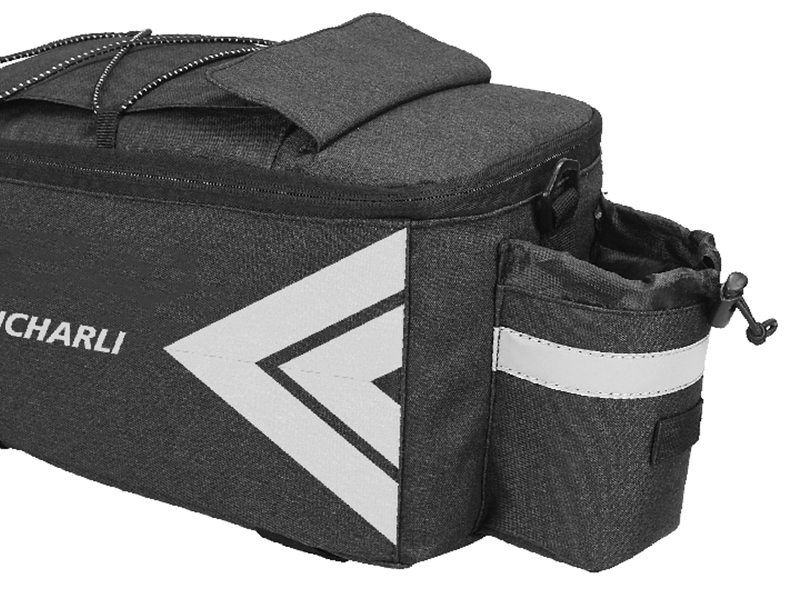
The bottle-pocket design gives the selected bottle its own opening outside the main compartment. The multi-pocket version provides additional places for smaller belongings. These layouts help riders reach selected items without searching through the main load; pocket dimensions are confirmed for the intended contents.
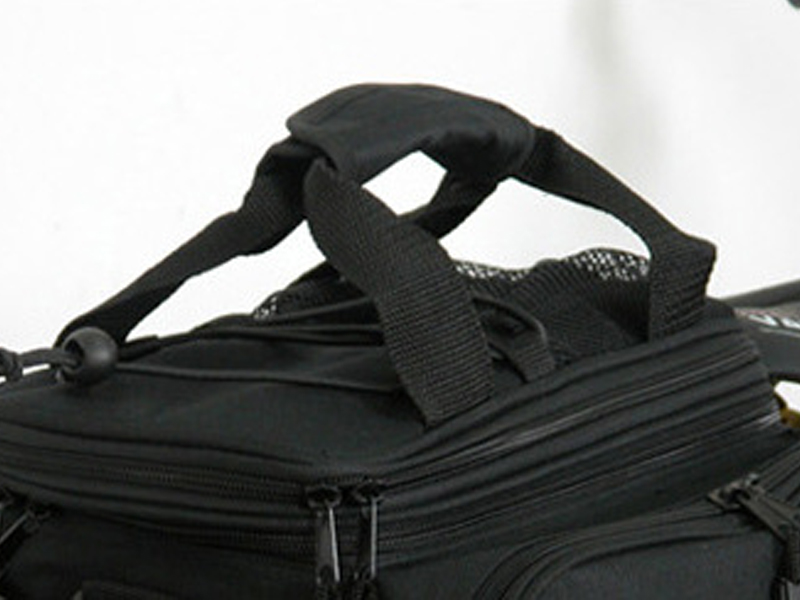
On styles with a carry handle, you can remove the bag from the rear rack after parking and carry it by hand.
Storage for the destination as well as the ride.
A commuter bike trunk bag can hold a selected lunch container, rain layer, and small personal items. Pocketed versions offer additional storage for belongings used during the day. For riders taking the bag indoors, removal and carrying details are part of the daily routine.
A rack-top bag can provide space for an extra layer and day-trip supplies on a compatible e-bike. A bottle-pocket version may suit riders needing another place for water. Battery position, removal direction, and rack attachment still need review for the intended bicycle.
The main compartment can be developed around selected food containers or small purchases. This does not imply insulation or spill containment. A handle can be considered where the bag needs to travel from the bicycle to a table, shop, or nearby stopping point.
A touring rack bag may be used alongside side panniers when the complete setup allows it. Attachment straps, adapter release points where used, and pannier hooks must remain accessible. Review the bag with the intended luggage combination rather than assessing each item separately.
Check the body, pockets, and rack connection.
Inspection requirements are agreed for each project. Depending on the design, the following seven areas can be included. Rack fit is reviewed during sampling against a physical rack or another agreed reference.
Compare the Oxford fabric, PU leather, or other selected outer material with the approved reference. Check lining, reinforcement, and any specified EVA thickness. Confirm color, texture, and surface finish, including the woven appearance required for the PU leather version.
On EVA-laminated versions, review composite areas for alignment, visible separation, wrinkling, or uneven edges. Confirm that EVA is applied only where specified and that adjacent flexible areas remain as designed. Bond-performance requirements and assessment methods follow the selected material combination.
Inspect panel dimensions, corner alignment, piping, lid position, and zipper installation. Pocketed versions require checks of the side pocket, bottle-pocket opening, and drawcord or gathered edge as applicable. Review whether lining or panel stiffness obstructs access.
Check the agreed strap routes, usable lengths, reinforcement, and contact areas against the reference rack. Review how the base sits on the platform. If an adapter is specified for a custom version, include its connection to the bag and selected rack in the sample assessment.
Load the sample with agreed reference contents and assess base deformation, body position, and movement relative to the rack. Pocketed versions should include the selected bottle or pocket contents. Check lid closure and relevant clearances using the load and method agreed for the project.
Where carrying handles or straps are included, check their attachment and use with the agreed load. For projects requiring a rain cover or water-protection claim, define checks suited to the final seams, closures, and construction. Outer material or EVA lamination alone does not establish a waterproof finished bag.
Review finished dimensions, branding, trim, supplied fittings, and packing quantities. Similar-looking sizes or colorways need correct identification. Confirm that material descriptions, mounting information, and any approved capacity or load statements match the actual version supplied.
Rack fit and purchasing details to confirm.
Our typical MOQ is 300 pieces per style. Provide the proposed sizes, colors, mounting requirements, and quantities. We will confirm how the versions are counted and whether selected outer materials, supporting layers, fittings, or packaging introduce separate minimum quantities.
Yes. You can modify a reference or provide drawings, sketches, product photos, or a physical sample. OEM and ODM projects can cover the body shape, dimensions, pockets, materials, attachment, and branding. Identify the features you want to retain and the changes needed for your market.
Options can include Oxford fabric, grid-pattern fabrics, 600D materials, and PU leather. The woven-texture reference uses PU leather. We review the full material specification, surface finish, and compatibility with any selected supporting layers. Materials are confirmed individually for the chosen design.
Laminating EVA throughout the bag can make the body too rigid for the intended design. Partial lamination supports selected panels while retaining flexibility elsewhere. EVA thickness and placement are developed together, then reviewed on the assembled sample for shape, opening, and handling.
No. Rack platforms vary in size, tube layout, clips, and mounting access. The bag’s underside and attachment arrangement need to suit the selected rack. Send measurements and clear photographs, or a rack sample, so fit can be reviewed during development.
No. They are reference external dimensions. Curved panels, lining, supporting layers, pockets, and the opening affect usable storage. Capacity needs to be confirmed on the finished sample, with external pocket volume identified separately where relevant. Volume does not establish allowable load.
These can be reviewed as separate development requirements. They are not assumed to be included in the reference styles. Each changes the relevant materials, structure, or components. Any performance or compatibility claim needs an agreed specification and verification for the finished version.
Send your preferred reference or design, rack details, intended contents, target dimensions or capacity, and quantities by size and color. Include material preferences, branding, packaging, and any required accessories. For a bottle-pocket design, provide the intended bottle dimensions as well.
✅ Submit an inquiry for:


WhatsApp us