How to Carry Trekking Poles on a Running Vest

To carry trekking poles on a running vest, fold or collapse them and secure them using the vest’s designated pole attachments or a compatible pole quiver. Check that the poles stay in place without blocking your arm swing, bottles, or pockets. Here, “running vest” means a trail-running hydration vest. Some carry poles across the lower...

Read More
Can You Put a Hydration Bladder in Any Backpack?

Can You Put a Hydration Bladder in Any Backpack?

You can put a hydration bladder in many backpacks, but not every backpack is suitable. The filled reservoir needs enough room, reliable support, and a hose route that does not pinch the tube. A backpack with a compatible hydration sleeve and hose port is usually easier to use, but some ordinary backpacks can also work...

Read More
Hydration backpack fitted securely on a torso mannequin to reduce bouncing

How to Stop a Hydration Backpack from Bouncing

To stop a hydration backpack from bouncing, load it with the water and gear you actually plan to carry, secure the reservoir, and adjust the straps so the pack follows your torso without restricting your breathing. Then compress loose space inside the bag and test it while moving. Removing trapped air can reduce water sloshing,...

Read More
What Size Hydration Pack Do You Need for a Day Hike?

What Size Hydration Pack Do You Need for a Day Hike?

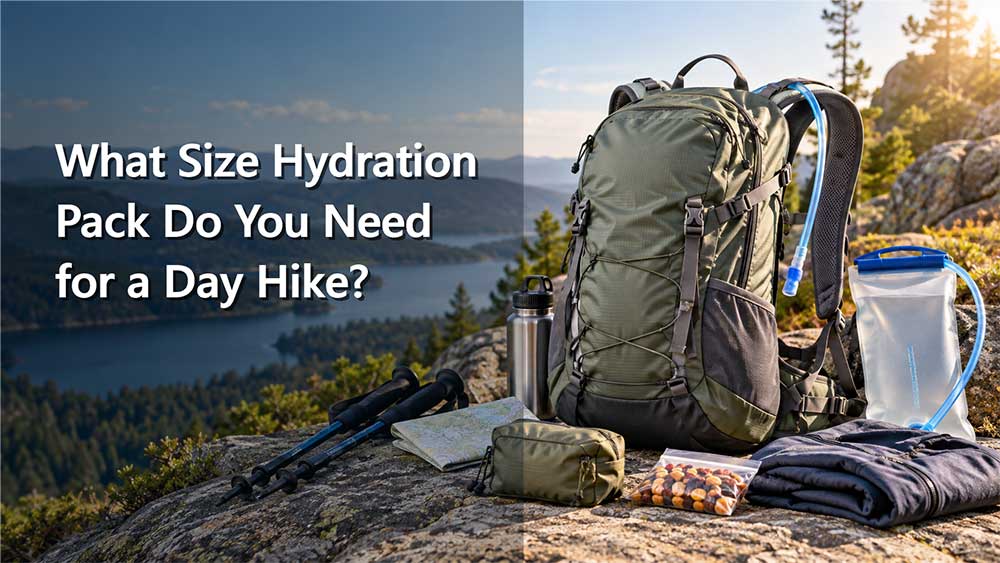
For a day hike carrying lunch, a rain shell, an extra layer, and basic trail essentials, a hydration pack around 20–30 liters is a practical starting point. Choose reservoir capacity separately: compare 2L and 3L models against the water you need to carry between reliable refill points. A compact equipment list may fit in a...

Read More
Are Hydration Vests Worth It?

Are Hydration Vests Worth It?

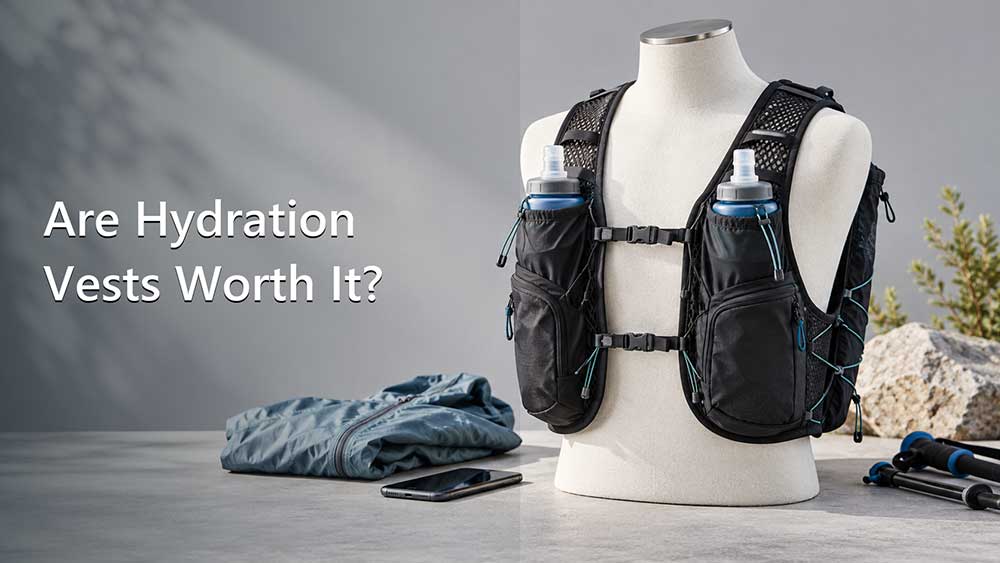
Hydration vests are worth it if you regularly need to carry water and other essentials, and a handheld bottle or running belt no longer feels convenient. They are especially useful on routes with limited refill points or when you need food, a phone, and extra clothing. For short runs with easy access to water and...

Read More
What Is a Hydration Pack?

What Is a Hydration Pack?

A hydration pack is a backpack, vest, or waist pack designed to carry water and make drinking convenient during an activity. Most backpack-style models hold a flexible water reservoir, also called a bladder, connected to a drinking tube and bite valve. You can sip without taking off the pack or digging out a bottle. Hikers,...

Read More
Can You Use a Hydration Pack as a Regular Backpack?

Can You Use a Hydration Pack as a Regular Backpack?

Yes, you can use a hydration pack as a regular backpack if it has enough room for what you carry and feels comfortable with that load. Removing the reservoir may free up space, but it will not turn a slim cycling pack or bladder carrier into a roomy work bag. A hiking hydration pack with...

Read More
What Are Backpack Compression Straps For?

What Are Backpack Compression Straps For?

Backpack compression straps help stabilize the contents of a pack, reduce unused volume, and limit unwanted movement while you walk. Depending on their position and construction, they may also help secure lightweight equipment such as a foam sleeping pad, rain jacket, tent body, or trekking poles. They are particularly useful when a backpack is only...

Read More
What Is a Floating Lid on a Backpack and Do You Need One?

What Is a Floating Lid on a Backpack and Do You Need One?

A floating lid is an adjustable top cover found mainly on trekking, backpacking, and mountaineering packs. Unlike a fixed lid, it can move higher or lower as the load changes. This allows it to cover an extended main compartment or secure bulky gear between the lid and the top of the backpack. Many floating lids...

Read More
Top-Loading vs Panel-Loading Backpacks: Which Should You Choose?

Top-Loading vs Panel-Loading Backpacks: Which Should You Choose?

Top-loading and panel-loading backpacks differ mainly in how you reach the main compartment. A top-loader opens from above and usually suits hikers who value simple construction, flexible packing space, and fewer long zippers. A panel-loader opens through a large zippered section, making it easier to see and reach gear throughout the compartment. Neither design is...

Read More