


- Home
- Products
- FAQ
- Blog
- Services
- About Us
- Contact
- (+86) 187 5041 0800
- service@vancharli.com
- Within 24 hours response from our salesman
OEM/ODM hydration products for your brand.
Build your hydration collection with custom carrying products and drinking containers. Vancharli Outdoor is an OEM & ODM hydration gear manufacturer serving brands, wholesalers, sourcing teams, and importers. We coordinate product specifications, branding, and packaging for individual styles and matching sets across running, cycling, hiking, and outdoor markets.
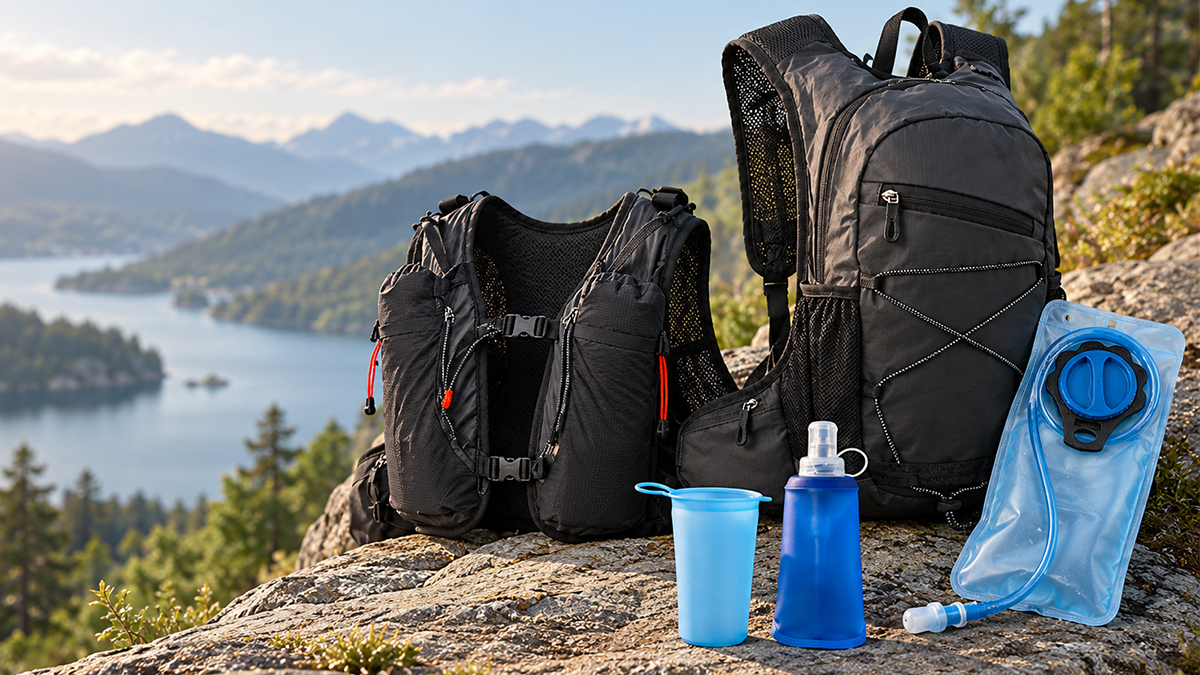
Seven product categories for carrying water and drinking on the move.
Choose the product format around how your customers carry and drink water. Our wholesale hydration gear range includes wearable carrying products, flexible drinking containers, and reusable running cups.
The styles shown are examples. We can adapt a reference design or develop your own product from drawings, sketches, photographs, or a physical sample.
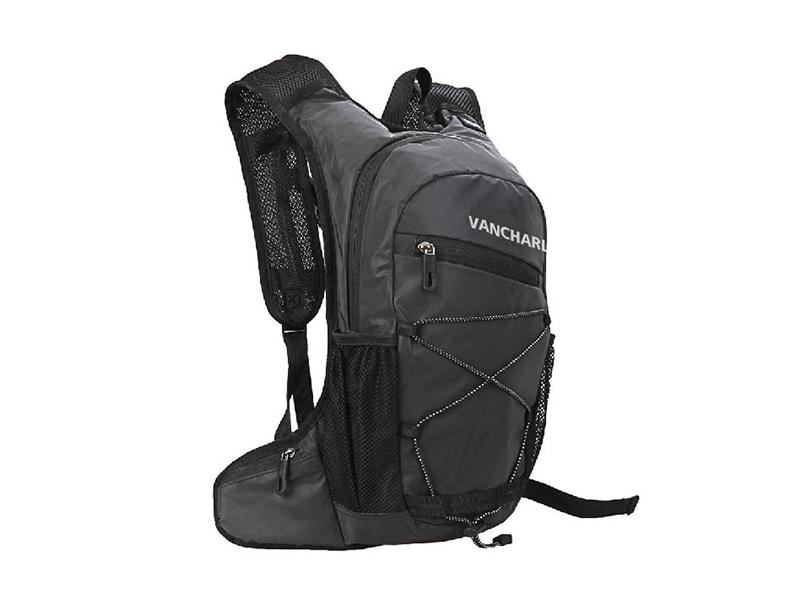
Our custom hydration packs combine reservoir storage, drinking-tube routing, and room for outdoor essentials. Compact styles focus on carrying water, while larger storage layouts make room for clothing and equipment. Modular attachments and tactical carrying designs are covered in our dedicated tactical hydration pack range.
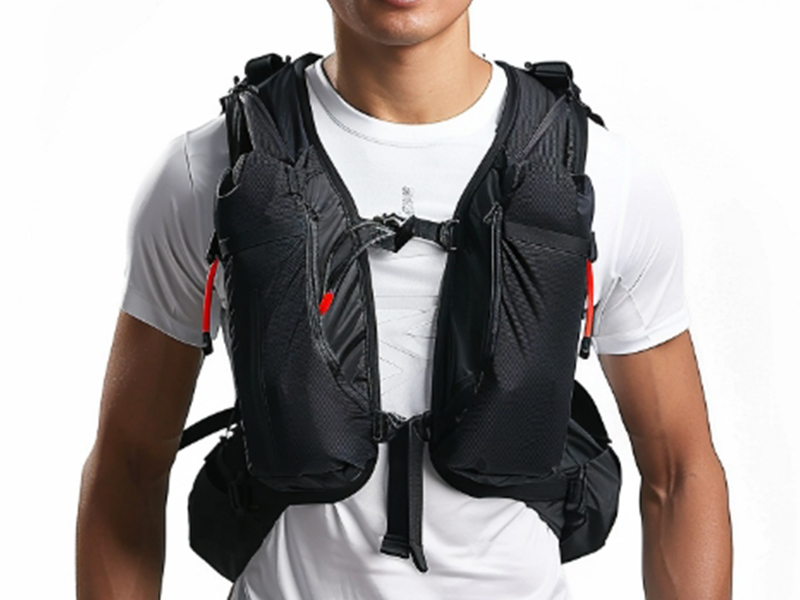
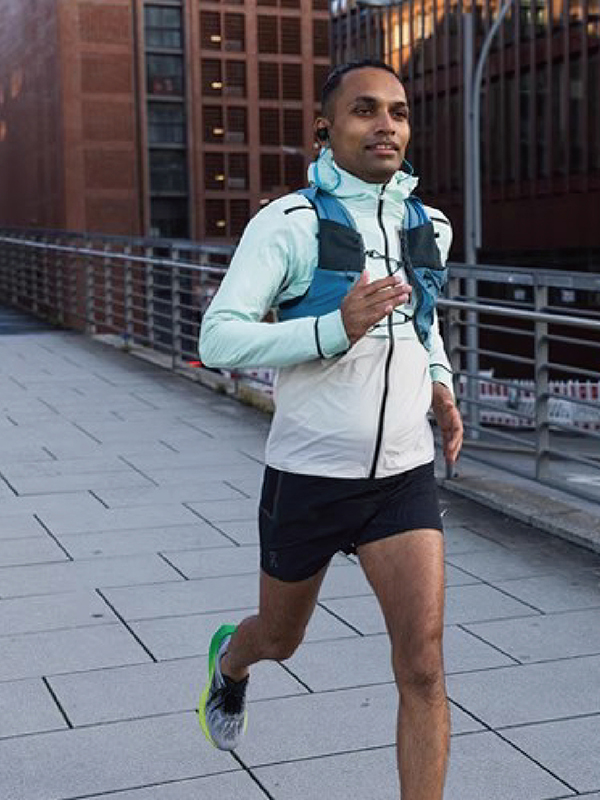
A close-fitting vest places water and frequently used items around the torso for road and trail running. Designs can include front soft-flask pockets, rear reservoir storage, and small-item pockets. Vest size, adjustment range, and pocket layout are selected for the intended users and product style.
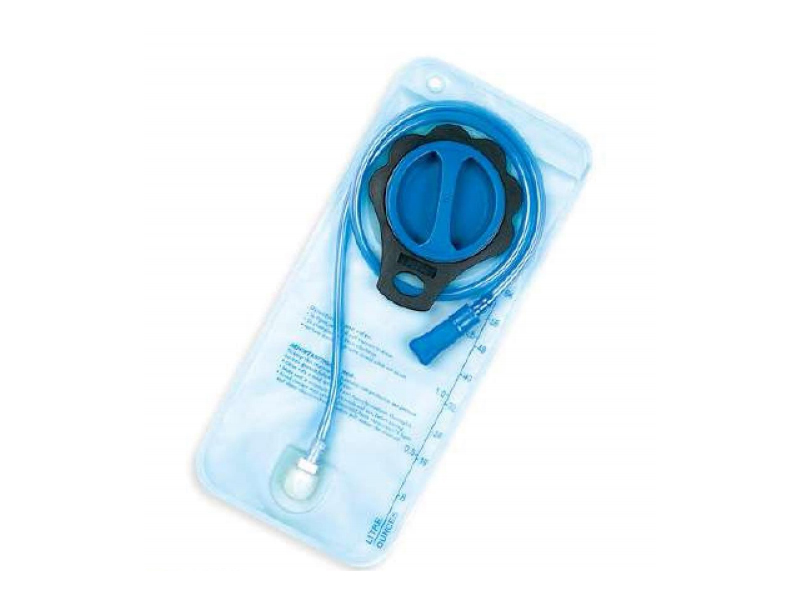
Flexible hydration bladders and reservoirs sit inside compatible packs and supply water through a drinking tube. Options include 1L, 1.5L, 2L, and 3L capacities, depending on the model. Screw-cap and slide-opening designs provide different filling and cleaning access, with materials and connections specified for each product.
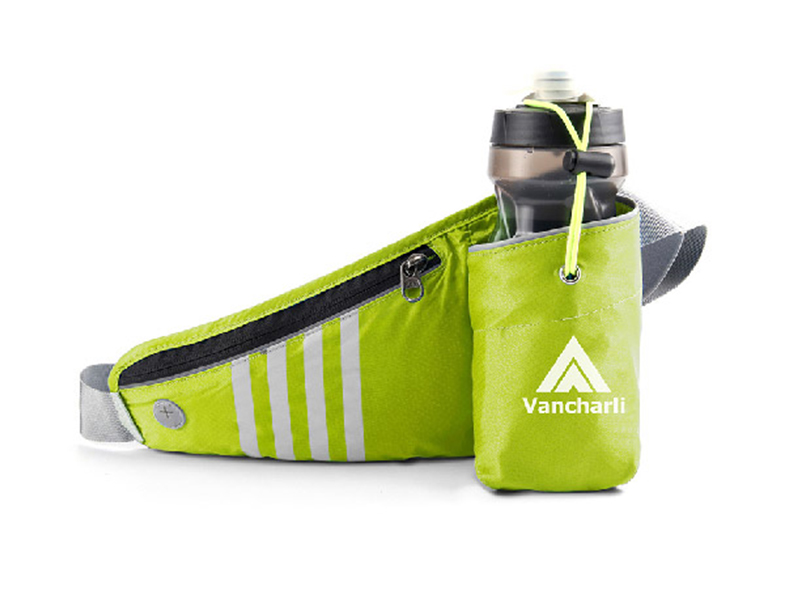
Custom hydration belts can be developed for runners who prefer carrying water around the waist. Dedicated bottle or soft-flask holders can be combined with storage for small essentials. The belt structure is developed around the chosen containers, with waist adjustment and secure carrying considered as part of the complete design.
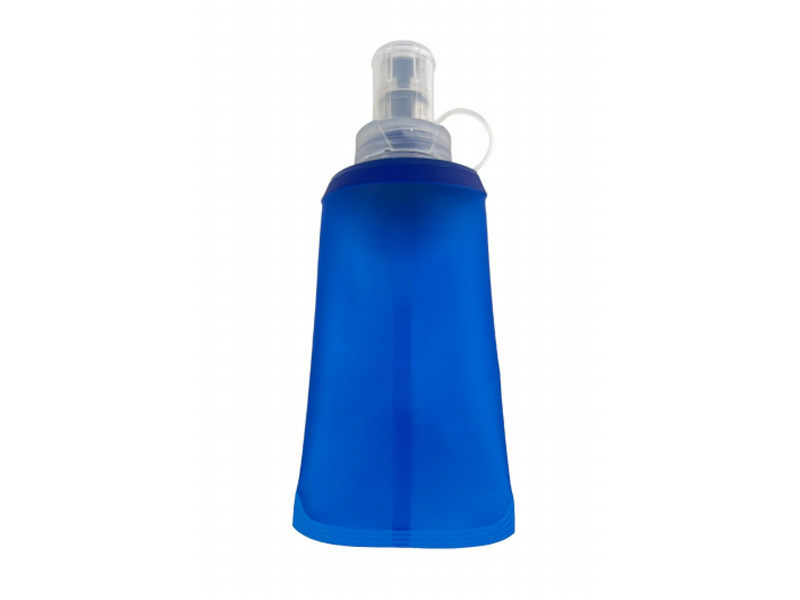
Soft flasks, also called soft water bottles, are flexible containers for direct drinking. Options include different bottle shapes, capacities, short spouts, extended straws, and handheld designs. They can be selected for running vests and suitable hydration belts, with the flask shape matched to its carrying pocket.
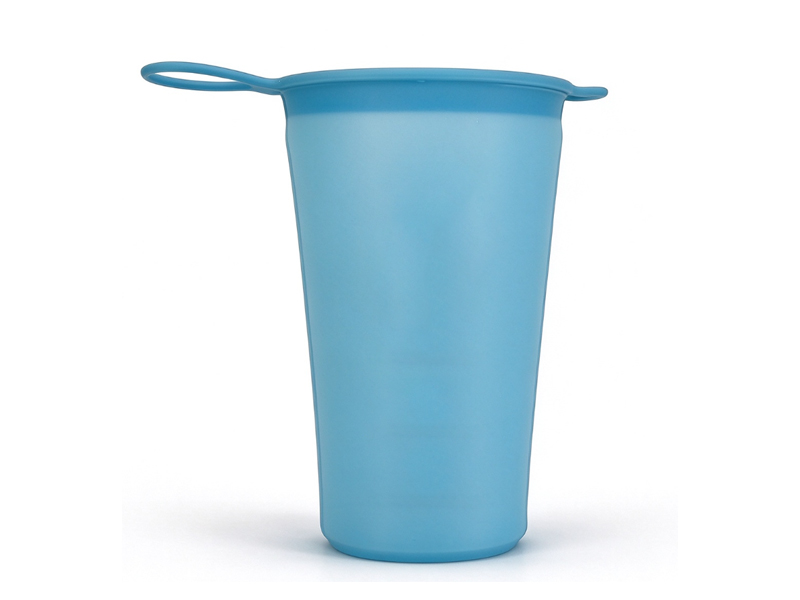
Reusable running soft cups provide an open drinking vessel for race aid stations and training stops. Depending on the style, options include 200ml and 250ml TPU cups. Their flexible construction makes them convenient to pack between uses, with colors and printed logos available for sports brands and event programs.
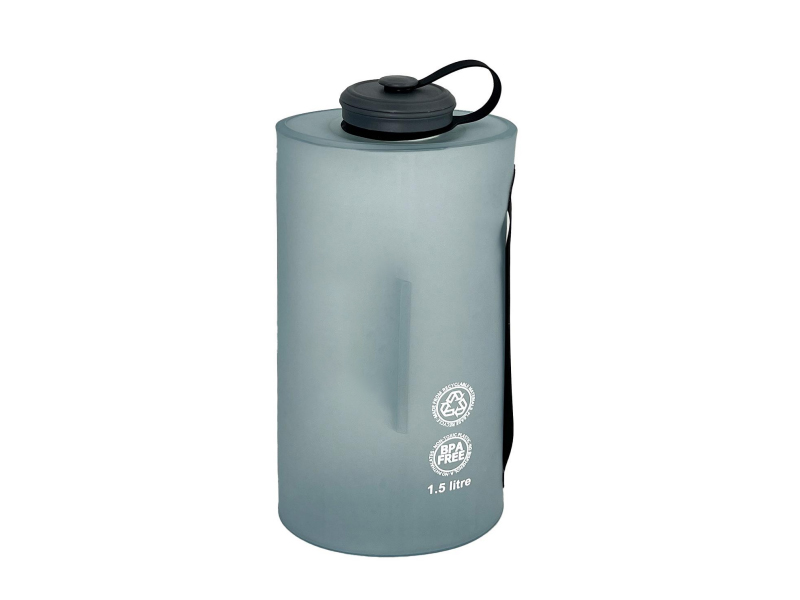
Wide-mouth flexible bottles offer a different carrying format from slim running soft flasks. The range includes a 1.5L reference design for customers seeking a separate water container. We review the size, cap design, drinking access, and folding or packing method with your team before sampling.
Materials, dimensions, functional details, and brand presentation.
Develop hydration equipment around your product brief, with options chosen for the construction, intended use, and target price.
Choose polyester, nylon, mesh, lining, webbing, and padding for carrying products around the required weight, feel, and durability. Drinking containers use a separate material specification, including TPU, PEVA, and other suitable options depending on the model. Recycled textile choices can also be reviewed, with material selection and supporting documents considered for the destination market.
Adjust pack storage, vest sizing, belt length, reservoir shape, and flask dimensions for your customers. Water capacity and equipment storage are specified separately. Where products will be paired, related dimensions are developed together. New container shapes or special molded components may require additional development or tooling.
Select reservoir openings, drinking mouths, tube lengths, exits, and holders for the chosen design. Carrying products can include small-item pockets, compression straps, reflective details, or dedicated bottle holders. The aim is to provide useful features while keeping filling, carrying, drinking, and everyday handling straightforward.
Create private label hydration gear with coordinated colors, printed logos, woven labels, and packaging. Decoration methods are selected for the surface and construction. Retail packaging can show capacity, included products, and care information, while hangtags and carton details follow approved artwork. Individual products and complete sets can have different packing arrangements.
Factory support for developing and sourcing a coordinated hydration collection.
A hydration order can involve a carrying product, a drinking container, or both. Vancharli Outdoor helps buyers plan these items together while keeping costs, quantities, and specifications clear. Our OEM & ODM service supports original designs and reference-style modifications, from early development through sample approval and repeat production.
1995 — Established OEM & ODM — Development Support 300 pcs/style — Typical Bag MOQ China & Southeast Asia — Production Resources
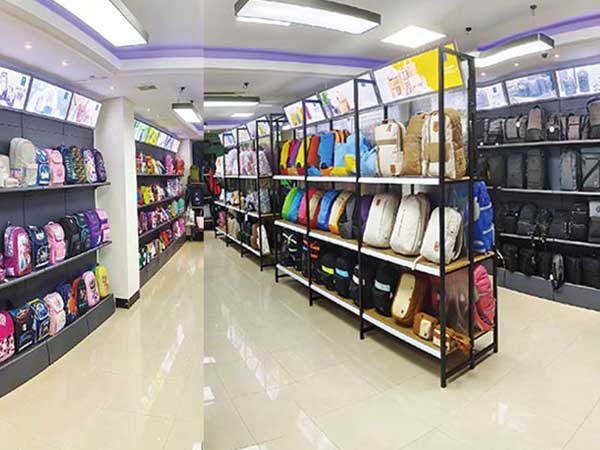
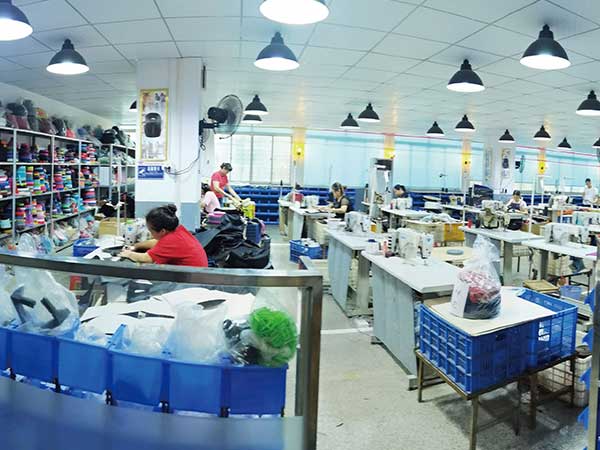
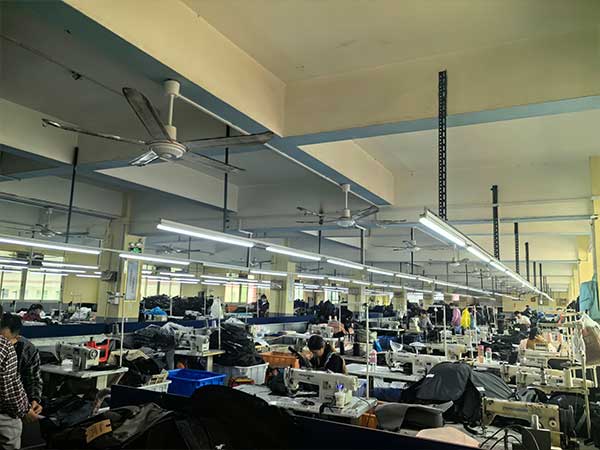
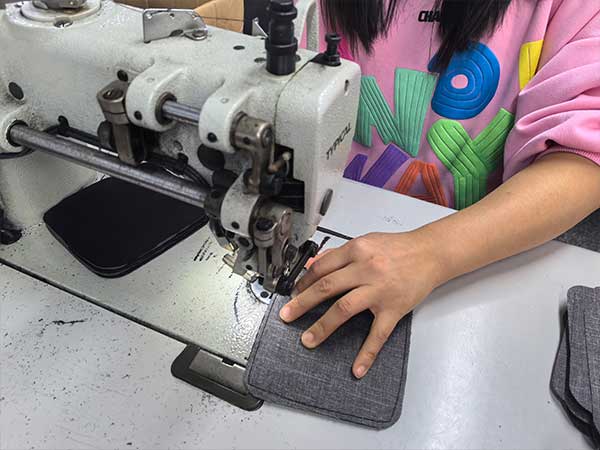
A project can begin with drawings, an existing product, or an early concept. We help identify the details needed to move it forward, including materials, construction, and dimensions. Your team can develop a new design or adapt a reference style without needing every technical detail settled at the beginning.
We can quote a carrying product separately and with its selected reservoir or flasks. This helps your team compare configurations and understand what the additional containers, branding, and packing contribute to the cost. Specification alternatives can be reviewed against your intended selling position.
Samples give your team a physical basis for reviewing appearance, construction, handling, and presentation. Agreed revisions are recorded before approval. The finished sample and confirmed details become the reference for manufacturing and inspection, helping both teams work from the same version.
Pack fabrics, container colors, and logo printing can have different minimum-order requirements. We identify these differences during quotation so buyers can plan a mixed collection. Quantities and packing are confirmed for each item, rather than assuming one order minimum applies to the entire range.
A replacement reservoir or a later soft-flask order may need to work with a pack or vest already in your collection. Approved product details provide a reference for these orders. Changes to container shape, cap design, or materials are reviewed before they are introduced.
Our production resources in China and Southeast Asia provide options for international buyers. The arrangement is confirmed for the product, available materials, and order quantities. Destination market and delivery requirements are considered when preparing the manufacturing proposal.
Pack-and-reservoir sets, vest-and-flask combinations, and race collections.
Develop coordinated hydration systems for cycling, hiking, and running, or build a wider collection of complementary products. Each combination defines what the customer receives, with included items identified in the order and packaging.
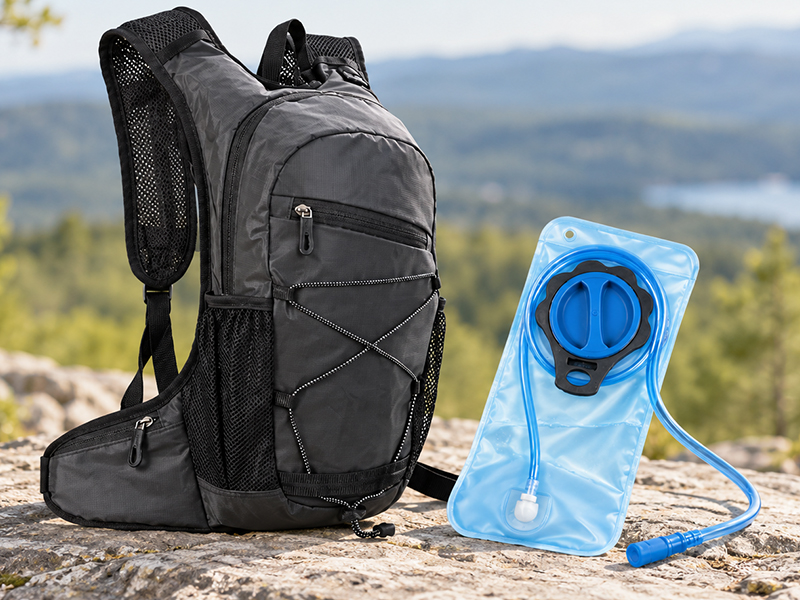
Pair a hydration backpack with a reservoir for your outdoor collection. Choose water capacity and gear storage separately, then check the compartment opening, hanging points, and tube routing with the selected bladder. Buyers can specify a complete set or a pack developed around an existing reservoir.
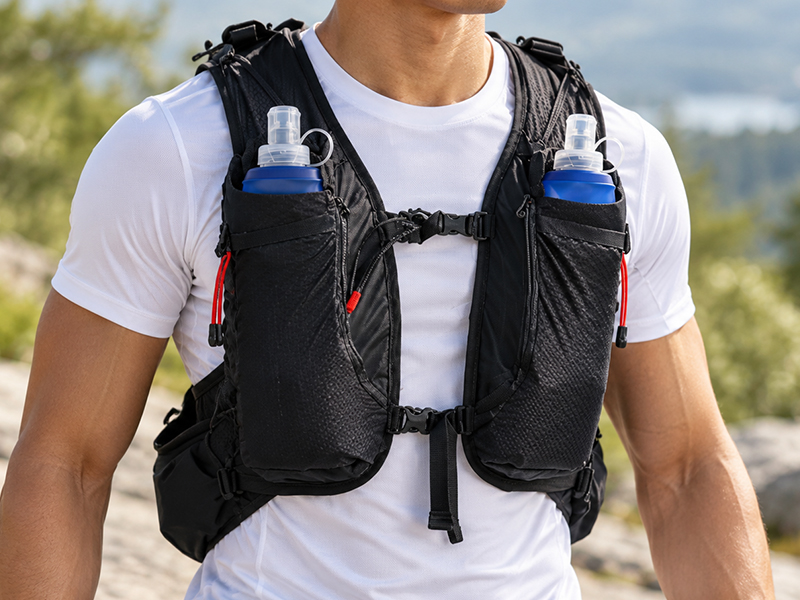
Combine a running vest with matching front-mounted soft flasks. The set specification identifies flask quantity and capacity. Sampling checks the filled flask shape, pocket depth, secure holding, and cap position, while colors and branding can be coordinated across the vest and containers.
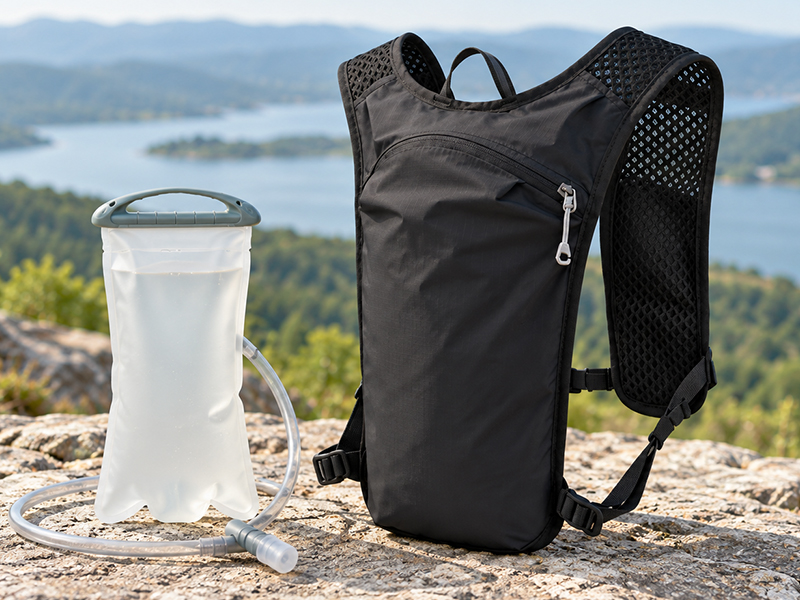
For vests with a suitable rear compartment, develop a combination for runners who prefer tube-based drinking. Reservoir shape and hanging position are matched to the back section, with tube access checked while worn. Depending on the layout, front pockets can remain available for other essentials.
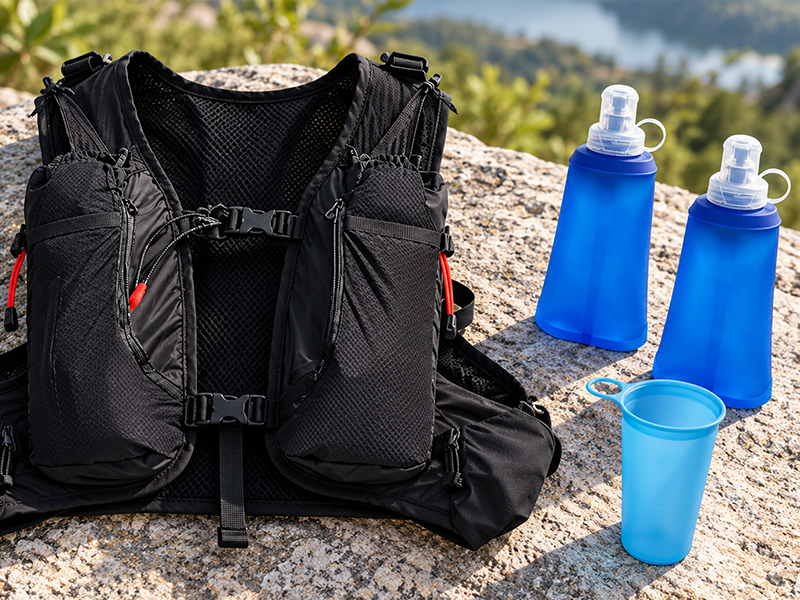
Create a race collection using selected running vests, soft flasks, and reusable cups. Wearable products carry water along the route, while open cups serve drinking needs at aid stations. Products can be supplied individually or grouped for the program, with coordinated logos and packing.
Plan the range around movement, equipment, and refill opportunities.
Routes differ in distance, available supplies, and required equipment. Product selection needs to account for water access and the items runners carry, such as food and an extra layer. A running collection can offer different carrying formats to suit these changing needs.
Riders often lean forward and need a carrying setup that works in that position. Pack shape, strap adjustment, and tube placement should support comfortable movement and easy access. Storage needs also differ between shorter rides and outings requiring more repair supplies or clothing.
A day outdoors can involve changing weather, food, and additional equipment. These items need to be considered alongside water storage, especially in compact packs. A container that is easy to remove and replace makes refilling more convenient without unpacking the entire bag.
Hydration equipment needs to work with the clothing and gear being worn. Shoulder adjustment, external attachments, and tube placement are reviewed for the selected combination. Dedicated tactical projects can be developed around these requirements, with the final carrying arrangement assessed during sampling.
Checks for carrying products, drinking containers, and finished orders.
Check fabrics, mesh, webbing, container materials, closures, and drinking components against the approved specification. Review material identification, colors, and available supporting documents. Drinking-contact requirements are considered separately from those applying to textile carrying products.
Measure product dimensions and verify drinking capacity using the method specified for the container. Check pockets and compartments against the approved drawing or sample. Capacity markings and labels should match the ordered product and configuration.
Inspect stitch consistency, reinforcement, edge finishing, and strap attachments on carrying products. For welded containers, check seam alignment, weld appearance, and the assembly of openings and connections. Inspection points follow the actual materials and construction used.
Check container closures, tube connections, and drinking components under agreed conditions. Review filling, sealing, water delivery, and valve operation where applicable. Specific leakage or durability requirements use a defined verification method for the selected product.
Check carrying products with the agreed water load and other contents. Review strap adjustment, attachment security, buckles, zippers, and container holding. For complete sets, check that components remain correctly positioned and accessible when the product is loaded and worn.
Review finished appearance, branding, quantities, and packaging against the order. Verify the correct containers and specified components are packed with each set. Sampling and acceptance criteria are agreed for the category, including AQL 2.5 for applicable bag orders.
Answers for product selection, private label development, and wholesale orders.
Common combinations include hydration packs with reservoirs, running vests with soft flasks, and suitable vests with rear reservoirs. Running cups can be included as separate items in a race collection. Individual products can also be ordered, with the contents of each set identified in the quotation.
A hydration pack is the carrying bag. A reservoir, also called a hydration bladder, is the internal water container used with a drinking tube. A soft flask is a flexible bottle used for direct drinking. These distinctions clarify whether an order concerns a bag, a container, or a complete set.
Yes. We assess the carrying product together with the required container capacity. A sample helps us check details that measurements may miss, including access and how the container sits when filled. The proposed combination is confirmed before it becomes part of the order.
Yes. We support original designs and changes to reference products, including materials, dimensions, colors, logos, and packaging. A finished technical specification is not required to begin. The design review identifies any new patterns, special components, or tooling needed before sampling.
Our typical bag MOQ is 300 pieces per style. Selected drinking-container ranges start at 500 pieces, with final requirements confirmed for the model, color, decoration, and configuration. Mixed orders do not automatically share one MOQ across every category. Each quoted item has its own quantity requirements.
Sample timing depends on design changes, material availability, selected components, and any new tooling. Bulk production timing is confirmed after the sample, order details, and material arrangements are approved. Development, manufacturing, and shipping are considered separately when reviewing the requested delivery date.
Availability depends on the selected material, component, product, and destination market. We review reports relevant to the order and identify any additional testing required. Documents should apply to the drinking components being purchased rather than being treated as one statement covering every product in the collection.
A reference image, sketch, or product list, estimated quantities, and the destination market provide a starting point. Details such as capacity, dimensions, logo artwork, packaging, testing requirements, and target price help define the proposal. Materials and other undecided details can be discussed with our team during the review.
✅ Submit an inquiry for:


WhatsApp us