When you want a bag that lasts, you often see ballistic nylon and full-grain leather as top choices for materials for the bag. Durability is important because you want your bag to handle daily use and hard situations. Many people care about this too.
71% of people in a survey say durability is most important when picking a bag.
The market shows plastic, paper, and textile are the most used materials for the bag. Plastic is most common because it is strong and cheap. You can tell that strong materials for the bag help it last longer.
Ballistic nylon is one of the best choices for heavy-duty travel bags, work bags, and soft luggage because it offers strong tear resistance and holds up well under rough handling.
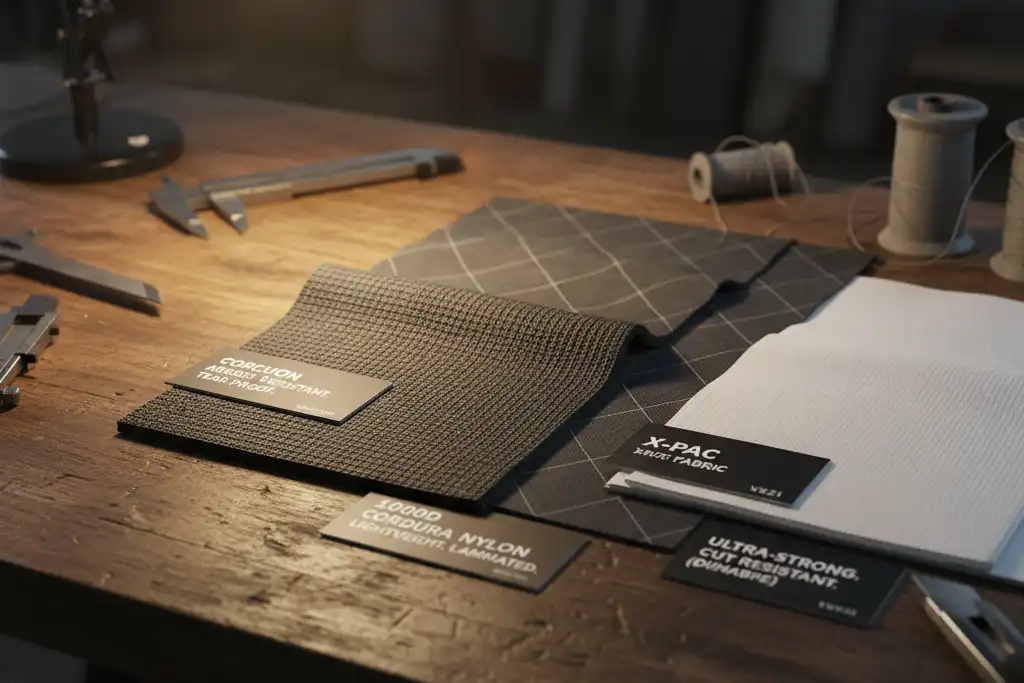
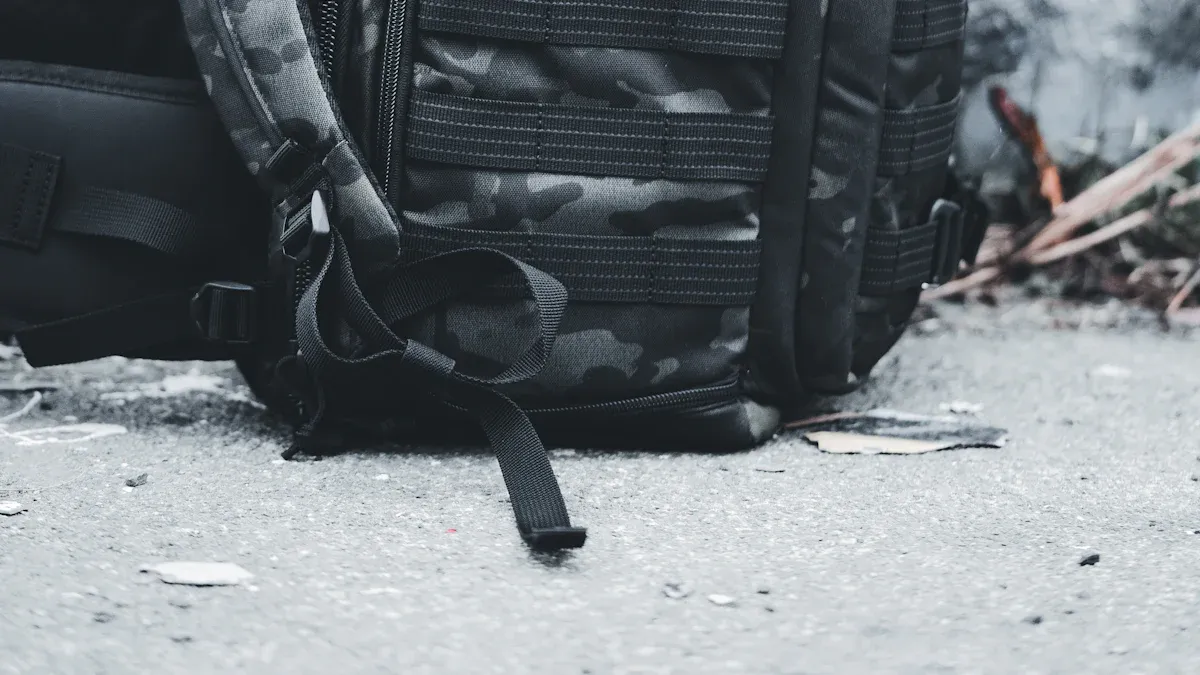
Cordura nylon is a strong option for tactical backpacks, outdoor bags, hunting bags, and gear that needs abrasion resistance without becoming too stiff or heavy.
Full-grain leather can last for many years and ages well, but it is heavier, more expensive, and needs more care than nylon or polyester.
Polyester is practical for lightweight everyday bags, gym bags, promotional bags, and cost-sensitive projects, especially when higher-denier fabric and proper coating are used.
For waterproof bags, durability depends on more than the fabric. TPU coating, PVC tarpaulin, welded seams, waterproof zippers, and reinforced stress points are just as important.
The strongest bag is not always made from the thickest material. The best choice depends on the bag type, target price, weight requirement, usage environment, and construction quality.
Materials for the Bag
Bag materials should not be judged by strength alone. A material may be highly abrasion-resistant but too heavy for daily carry, or waterproof but too stiff for a soft backpack. The right choice depends on how the bag will be used, how much weight it needs to carry, how often it will face rain or friction, and whether the project needs a premium, outdoor, tactical, travel, or cost-efficient positioning.
Ballistic Nylon
Ballistic nylon is one of the strongest materials for the bag. It has high tensile strength, so it can hold heavy things and strong pulls. Ballistic nylon does not tear or rip easily, even when used a lot. The way it is woven and its synthetic fibers make it great for tough jobs.
Ballistic nylon does very well in durability tests. It does not wear down or tear as fast as most other synthetic materials. You can trust it for bags that go through rough use.
Tensile Strength Table:
Fabric
Tensile Strength (MPa)
Ballistic Nylon
12–16
Abrasion Resistance Table:
Fabric Type
Abrasion Resistance Level
Notes
Ballistic Nylon
High
Tough, durable, ideal for heavy-duty use.
Cordura Nylon
Cordura nylon is also a strong material for the bag. It does not wear down or tear easily. Cordura nylon uses textured fibers, which help stop rubbing and wearing out. You can pick different thicknesses, called denier strengths, to make it even stronger.
Cordura nylon bends more than leather. It does not need much care. The fabric is made for hard use, so it works well for outdoor and travel bags.
Tensile Strength Table:
Fabric
Tensile Strength (MPa)
Cordura® Nylon
10–14
Abrasion Resistance Table:
Fabric Type
Abrasion Resistance Level
Notes
Cordura Nylon
High
Extremely durable, designed for rugged use.
Cordura nylon does not wear down because of its textured fibers.
Ballistic nylon is better at stopping tears, but Cordura nylon is still very strong.
Full-Grain Leather
Full-grain leather is a natural material that is very strong. It has a thick fiber structure that helps the bag not wear out. Full-grain leather keeps its natural marks, which make it even stronger. If you take care of it, a full-grain leather bag can last for many years.
Full-grain leather bags can last 10 to 20 years or more.
This material gets better looking as it gets older.
Durability Table:
Material
Durability
Full-Grain Leather
20+ years (with care)
Abrasion Resistance Table:
Fabric Type
Abrasion Resistance Level
Notes
Full-Grain Leather
Moderate to High
Ages well, natural and unpolished.
Top-Grain Leather
Top-grain leather is another common material for the bag. It has a smoother surface because makers sand away natural marks. This makes top-grain leather not as strong as full-grain leather, but it is still pretty tough.
If the top layer wears off, the leather can get damaged more easily.
Durability Table:
Type of Leather
Durability Characteristics
Top-Grain Leather
Sanded to remove flaws, less durable than full-grain.
Abrasion Resistance Table:
Fabric Type
Abrasion Resistance Level
Notes
Top-Grain Leather
Moderate
More processed, less durable than full-grain.
If top-grain leather gets wet, dry it with a towel and let it dry in the air.
Do not use heat or sunlight, or it might crack.
Polyester
Polyester is a man-made material used in many bags. It is pretty strong, especially if it has a higher denier rating. Polyester does not soak up water and can handle sunlight, so it is good for outdoor bags. You can pick from types like 300D, 600D, 900D, and 1680D, depending on what you need.
Durability Table:
Polyester Type
Description
Durability Rating
300D Polyester
Lightweight and economical, suitable for casual bags and lightweight backpacks.
Moderate
600D Polyester
A mid-weight option that offers good durability, commonly used for backpacks and duffel bags.
Good
900D Polyester
Heavier and more robust, ideal for rugged outdoor gear and heavy-duty bags.
High
1680D Polyester
Extremely durable and water-resistant, perfect for premium bags and cases.
Very High
Tensile Strength Table:
Fabric
Tensile Strength (MPa)
High-Tenacity Polyester
8–10
Abrasion Resistance Table:
Fabric Type
Abrasion Resistance Level
Notes
Polyester
Low to Moderate
Colorfast, moisture-resistant, affordable.
Polyester is better at handling sunlight than polypropylene. You can use polyester bags outside for a long time without worrying about sun damage.
Canvas
Canvas is a classic material for the bag. It is a strong fabric that feels natural and is good for the environment. Heavy-duty canvas is pretty strong, but it does not keep water out as well as man-made materials. Cotton canvas that is not treated soaks up water, but coated or waxed canvas keeps water out better.
Tensile Strength Table:
Fabric
Tensile Strength (MPa)
Heavy-Duty Canvas
6–9
Abrasion Resistance Table:
Fabric Type
Abrasion Resistance Level
Notes
Canvas
Low
Eco-friendly but absorbs water easily.
Water Resistance Table:
Material Type
Water Resistance Level
Untreated Cotton Canvas
Poor (Absorbent)
Nylon Canvas (Coated)
Excellent
Waxed Canvas
Moderate to Good
PU-Coated Canvas
High
PVC-Coated Nylon
Very High
You can pick canvas if you like how it looks and feels. If you want your bag to keep water out, choose coated or waxed canvas.
Material Strengths
Wear Resistance
When you look at wear resistance, some materials for the bag stand out for their toughness. You want your bag to handle friction, scrapes, and daily use without breaking down. Here are some of the top performers:
Cordura nylon: Engineered for outdoor use with a high-tenacity weave.
Kevlar: Offers outstanding strength and resists both friction and heat.
Denim: Known for handling heavy wear in work settings.
Leather and nylon both show strong wear resistance. Leather develops a unique look as it ages, while nylon keeps its shape and strength. Over time, nylon may fade or pill, especially if you use it in the sun or rub it against rough surfaces.
Longevity
You want your bag to last for years. Some materials for the bag can even last for decades if you care for them well.
Leather bags can last for decades and often become family heirlooms.
Leather develops a natural patina, which makes it look better as it ages.
Nylon bags are long-lasting, but they usually do not outlast leather.
Nylon bags use synthetic fibers and may wear out faster than leather.
If you want a bag that stands the test of time, full-grain leather is a top choice. Nylon bags still offer good longevity, especially when made with Cordura or ballistic nylon.
Maintenance
You should think about how easy it is to care for your bag. Some materials for the bag need more attention than others.
Ballistic nylon is easy to clean. You only need mild soap and a soft cloth.
Leather can stain and fade if you do not protect it from water and sunlight.
Ballistic nylon resists UV rays and does not stain easily.
Canvas bags can pick up stains and odors quickly. You need to clean them often to prevent smells and fading.
Tip: If you want a low-maintenance bag, choose ballistic nylon. If you enjoy caring for your bag and want it to age well, leather is a classic option.
Choosing Materials
Travel Bags
When you pick travel bags, you want them to be tough. The bag should handle bumps and drops. It should carry heavy things without breaking. You also want the bag to be light. Here are some good materials for travel bags:
Material
Durability Description
Weight Consideration
Polycarbonate
Very strong and bends without cracking
Light but still sturdy
Aluminum
Super tough and does not break easily
Heavier than plastic bags
Ballistic Nylon
Does not wear out fast, stronger than polyester
Great for travelers who need strong bags
Polycarbonate gives you a hard shell that is not heavy. Aluminum keeps your stuff safe but feels heavier. Ballistic nylon is very tough and works well for soft travel bags. These materials help keep your things safe when you travel.
Tip: If you travel a lot, pick ballistic nylon. It is strong and not too heavy.
Everyday Bags
You use everyday bags for school, work, or shopping. You want a bag that looks nice and lasts long. Some materials for bags are both stylish and strong:
Suede feels soft and looks cool. It works well for daily use.
Leather is tough and keeps its shape. It does not scratch easily and looks better as it gets older.
Many people say leather bags last longer than polyester. Leather stays looking good even if you use it a lot. It gets a nice shine over time. Polyester bags keep water out but can wear out faster. They might fray or lose color. Leather bags do not need much care and stay strong every day.
Note: Leather is a good choice if you want style and strength in your bag.
Outdoor Bags
Outdoor bags need to handle rain, sun, and rough ground. You want materials that keep water out and do not wear down. Here are some top picks:
Material
Properties
Suitability for Outdoor Use
RPET
Good for the planet, strong, light, keeps water and heat out
Great for waterproof bags, helps cut plastic waste
TPU
Very strong, does not wear out, can be recycled
Best for waterproof bags because it is tough and keeps water out
Nylon
Strong, lasts long, keeps water out, dries fast
Used a lot for waterproof bags, good for heavy things
Cordura nylon is better than canvas for rough places. Cordura does not wear out or soak up water. It is great for hiking and camping. Canvas looks nice but needs more care when it gets wet.
If you want a bag for outdoor trips, nylon and TPU are the best for keeping your things safe and dry.
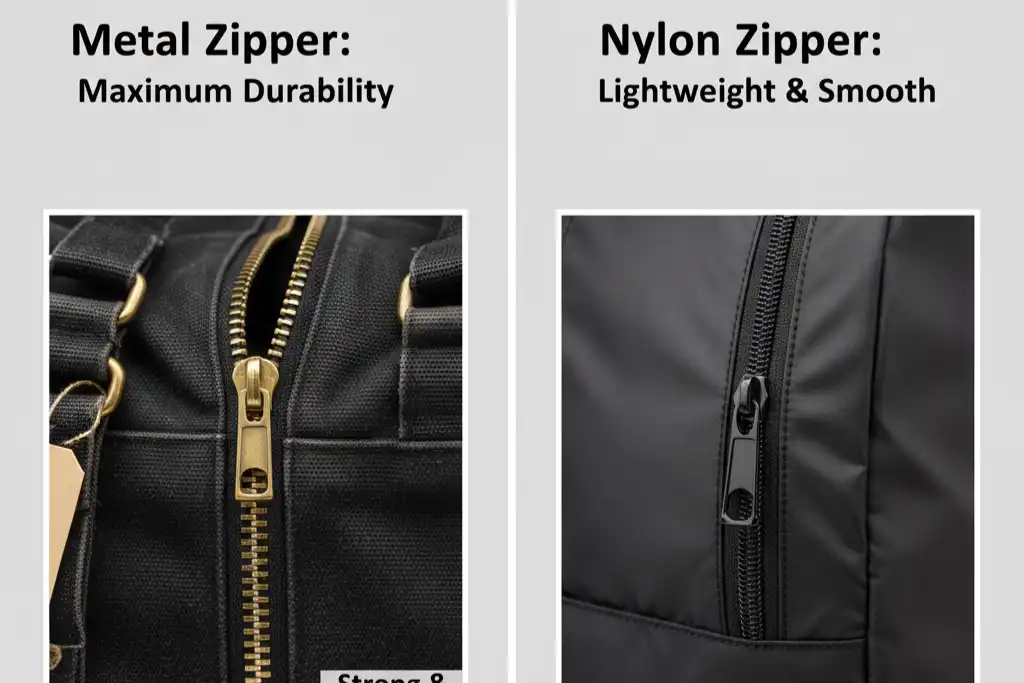
Experts agree that full-grain leather is the most durable material for bags. Nylon and polyester also offer strong durability and lower cost. You should look for tightly woven fabrics and reinforced stitching. Choose genuine leather that has aged well. Pick hardware made from stainless steel or brass.
When you select a bag, think about how you will use it. Check the quality of the seams and the feel of the material. Durability matters as much as style.
FAQ
What makes ballistic nylon so durable?
Ballistic nylon uses thick synthetic fibers. You get strong resistance to tearing and abrasion. The tight weave helps your bag last longer, even with heavy use.
What is the difference between full-grain and top-grain leather?
Full-grain leather keeps its natural surface. You get maximum strength and durability. Top-grain leather has a sanded surface. You lose some toughness but gain a smoother look.
What material should you choose for a waterproof bag?
You should pick coated nylon, TPU, or polyester. These materials keep water out. You protect your belongings during rain or outdoor activities.
What is the best material for lightweight bags?
Polyester and nylon offer light weight and good strength. You carry these bags easily. They work well for travel and daily use.









Comments are closed