Is a Fitness Bag Allowed as Boarding Luggage on Most Airlines
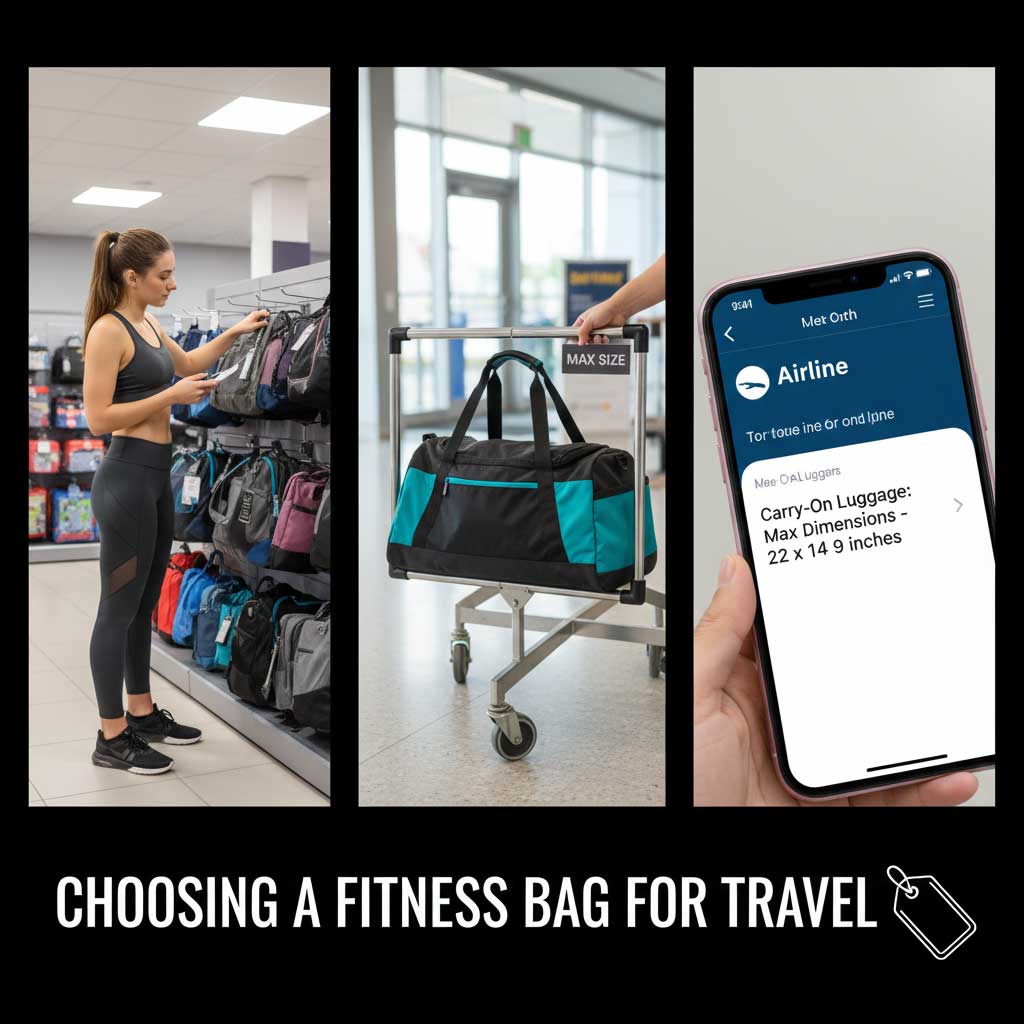
You can bring a fitness bag as boarding luggage on most airlines if you follow their size and weight rules. Before you pack, check your airline’s carry-on limits. Many airlines allow bags up to 22 x 14 x 9 inches (56 x 36 x 23 cm) and around 22 pounds (10 kg). Here’s a quick look:
Maximum Size (inches)
Maximum Size (cm)
Maximum Weight (pounds)
Maximum Weight (kg)
22 x 14 x 9
56 x 36 x 23
22
10
A fitness bag helps you keep workout gear and personal items handy. Pack smart so you make the most of your space and stay within the rules.
Check the size of your fitness bag before you pack. This helps make sure it fits the airline’s size rules. – Learn about your airline’s weight rules for carry-on bags. This can help you not pay extra money. – Pack your things in a smart way. Use the pockets and keep important items easy to reach for security. – Pick a strong fitness bag. Look for padded straps and pockets to keep things neat. – Always look at your airline’s rules for carry-on bags. This helps you travel without worry.
Fitness Bag Airline Rules
Carry-On Size Limits
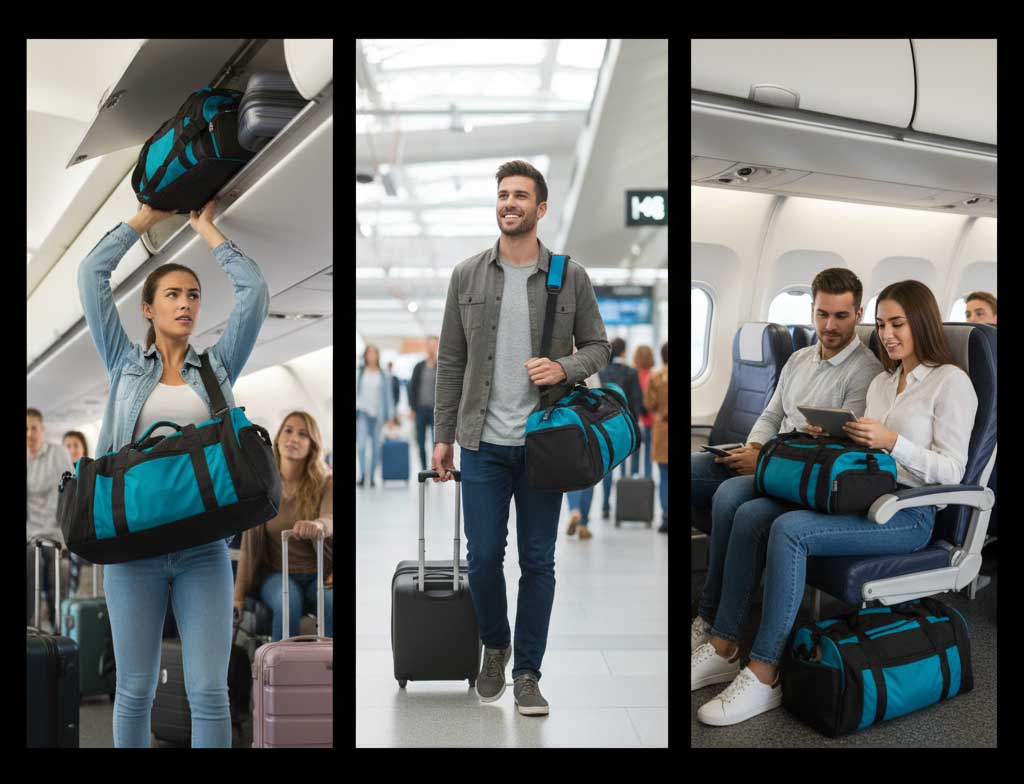
You want your fitness bag to fit in the overhead bin. Most airlines set a standard size for carry-on bags. The most common limit is 22 x 14 x 9 inches. Some airlines let you bring a slightly bigger bag, but others stick to the basics. Here’s a quick look at what top airlines allow:
Airline
Size (inches)
Allegiant Air
22 x 16 x 10
Alaska Airlines
22 x 14 x 9
American Airlines
22 x 14 x 9
Delta Airlines
22 x 14 x 9
Frontier Airlines
24 x 16 x 10
JetBlue Airways
22 x 14 x 9
Southwest Airlines
24 x 16 x 10
Spirit Airlines
22 x 18 x 10
United Airlines
22 x 14 x 9
AeroMexico
21.5 x 15.7 x 10
Air Canada
21.5 x 15.7 x 9
Air France
21.7 x 13.8 x 9.9
KLM
21.5 x 13.5 x 10
Singapore Airlines
45.3 total linear
You can see that most airlines stick close to the 22 x 14 x 9 inch rule. Some budget airlines, like Frontier and Southwest, allow a little more space. If you fly with international airlines, you might see different rules. Always measure your fitness bag before you pack.
Tip: U.S. airlines usually care more about the size of your bag than the weight. International airlines may check both.
Weight Restrictions
Weight rules can change from one airline to another. Many U.S. airlines do not set a weight limit for carry-on bags. They just ask that you can lift your bag into the overhead bin by yourself. Some airlines, especially budget and international ones, do have weight limits. Here’s a table to help you see the differences:
Airline
Weight Limit for Carry-On Bags
Notes
American Airlines
None
No weight limit for carry-ons.
Delta Airlines
Varies by airport
Some airports, like Singapore, set a 15.4 lb limit.
Frontier Airlines
35 lbs
Strict about weight; extra fees if you go over.
Alaska Airlines
None
You must lift your bag into the bin without help.
JetBlue
None
No weight limit, but policy can change by fare class.
Spirit Airlines
N/A
Strict with carry-on rules; weight limits for extra bags.
If you travel with a fitness bag, keep it light. Pack only what you need for your workout and personal items. If your bag feels heavy, check your airline’s website for their rules.
Accepted Bag Types
You have lots of choices when picking a fitness bag for your flight. Airlines accept many types as long as they fit the size and weight rules. Here are some popular options:
Weekend bags: Small and light, perfect for short trips.
Trolley or wheeled duffle bags: Easy to roll through the airport.
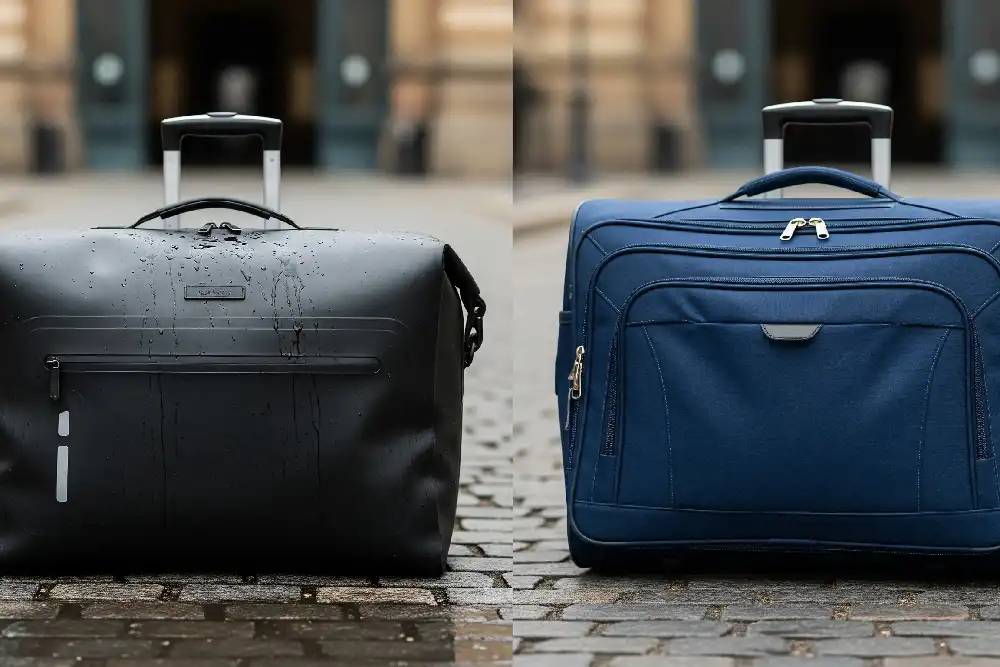
Waterproof outdoor duffle bags: Great for outdoor gear and wet clothes.
Backpack duffels: Carry on your back for hands-free travel.
Most airlines accept gym bags, duffels, and backpacks as carry-on luggage. Just make sure your bag fits in the sizer at the gate.
If you do not follow the airline’s rules, you could face extra fees or even legal trouble. “Passengers can incur civil fines from the FAA for not adhering to crew instructions, particularly in emergency situations. Additionally, legal experts indicate that individuals may face criminal charges, such as reckless endangerment, if their actions impede evacuations or pose risks to others.”
So, always check your airline’s rules before you fly. This way, you can enjoy your trip and keep your fitness bag with you.
Choosing a Fitness Bag for Travel
Measuring for Compliance
You want your fitness bag to fit airline rules, so measuring it the right way matters. Start by grabbing a measuring tape and placing your bag on a flat surface. Here’s a simple way to check if your bag will pass:
Use a tape measure or ruler.
Measure the length from end to end, skipping any soft or flexible parts.
Find the widest point for the width, but don’t squeeze the bag.
Measure the height from the bottom to the tallest spot, including handles or straps.
Multiply length, width, and height to get the volume.
Check the weight using a scale, and look at the manufacturer’s guidelines.
Compare your numbers with your airline’s carry-on limits.
Many travelers also measure wheels and handles, then double-check airline policies before flying. You can use a scale to make sure your bag isn’t too heavy.
Travel-Friendly Features
Picking a bag with smart features makes your trip easier. Frequent flyers love bags with special compartments for shoes, wet clothes, and water bottles. Padded straps help you carry your bag without hurting your shoulders. Mesh panels or vents keep your gear fresh and dry. Take a look at what makes a bag great for travel:
Feature
Description
Compartments
Separate gym gear and personal items for easy access.
Organization
Keep shoes and wet clothes away from clean items.
Comfort
Padded, adjustable straps for easy carrying.
Ventilation
Mesh panels or vents to stop odors and moisture.
Durability
Water-resistant materials protect your stuff from spills and rain.
Tip: Adjustable straps and water resistance make your fitness bag more comfortable and reliable on the go.
Durability and Materials
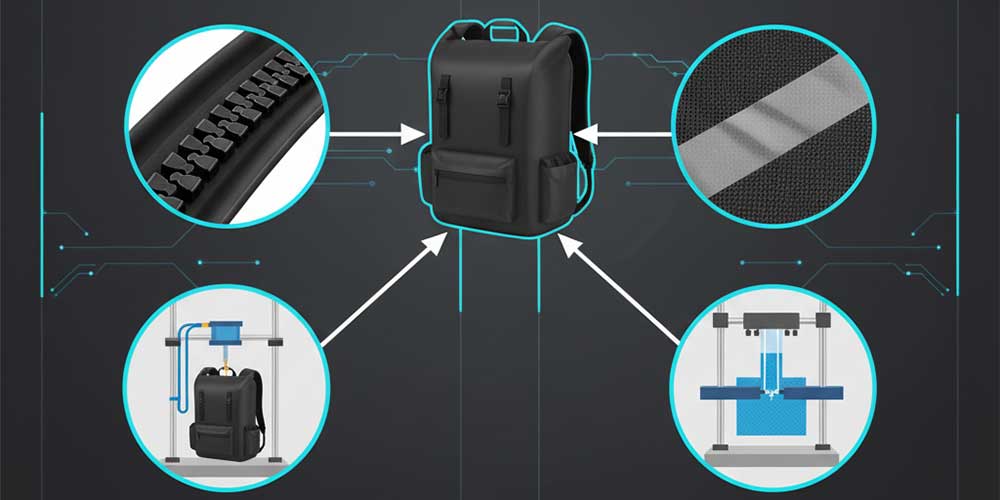
You want a bag that lasts through many trips. Nylon stands out for its strength and can hold up to 70 pounds before tearing. Polyester is also tough, but not as strong as nylon. Leather looks stylish and lasts a long time, but it’s not as water-resistant. Canvas and eco-friendly fabrics offer good durability, but may not handle rough travel as well. Here’s a quick look at how materials compare:
Material
Longevity
Tear Resistance
Water Resistance
Nylon
High
Excellent
Good
Polyester
Moderate
Good
Good
Leather
High
Good
Moderate
Canvas
Moderate
Fair
Fair
Eco-friendly
Moderate
Good
Good
Popular brands like The North Face Base Camp and Herschel Novel use strong fabrics and reinforced bottoms. These bags handle heavy loads and rough conditions, so you can trust them for your next flight.
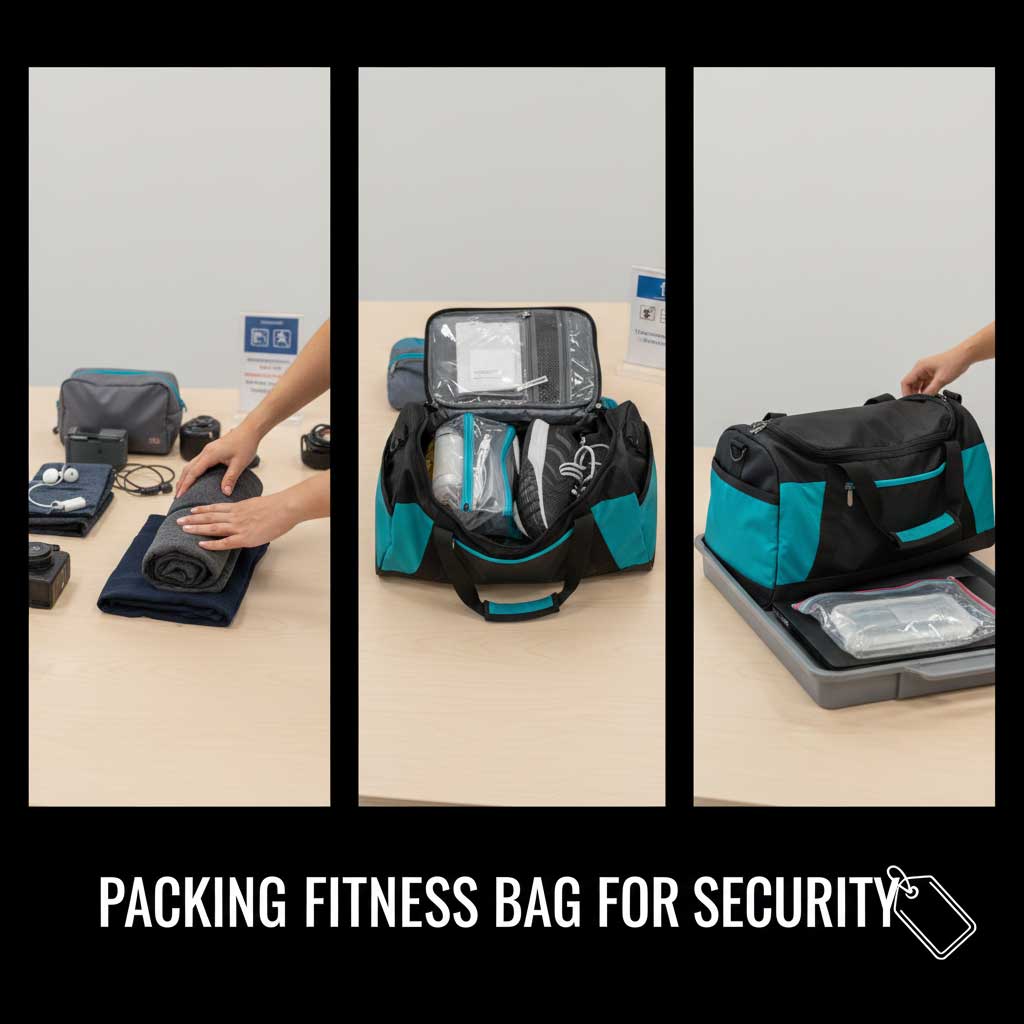
Packing Fitness Bag for Security
Efficient Packing Tips
You want to make the most of your space and avoid any trouble at the airport. Start by using all the compartments and pockets in your bag. Put heavier items, like shoes or water bottles, at the bottom. Place things you need often, such as snacks or a hoodie, in easy-to-reach pockets. Packing cubes can help you keep everything neat and save space. They also stop your clothes from getting wrinkled. If you have small items, use mesh bags or straps to keep them together. This way, nothing gets lost in your bag.
Tip: Packing cubes and mesh bags make it easy to find what you need fast.
Organizing Essentials
Security checks can feel stressful, but you can breeze through if you organize your bag the right way. Use clear pouches for your toiletries and put them on top of your bag. This helps you grab them quickly if security asks. Group your sneakers, workout clothes, and small accessories in different pockets or ziplock bags. Put your electronics, like earbuds or a fitness tracker, in an outside pocket. You will not have to dig through your bag when you reach the scanner.
Note: Keeping things sorted saves time and keeps you calm at the airport.
Handling Liquids and Electronics
Airport rules for liquids are strict. Each liquid, gel, or spray must be in a container that holds 3.4 ounces or less. Put all these containers in one clear, quart-size bag. You should bring your own bag because airports do not always give them out. Only one bag is allowed per person. If you have more liquid than this, pack it in your checked luggage. For electronics, follow the signs and listen to officers at security. Sometimes you can leave small items in your bag, but you still need to follow the size rules.
Packing your fitness bag with these tips will help you move through security with less stress and more confidence.
Traveler Experiences with Fitness Bags
Real-Life Stories
You probably wonder how other travelers manage with fitness bags on flights. Many people share their stories online and in travel forums. You can learn a lot from their experiences. Here are some things frequent flyers say about using fitness bags as carry-on luggage:
You get more storage space with a backpack because you don’t lose room to wheels or handles.
You move faster through airports when you carry a backpack, especially if you need to catch a connecting flight.
You can use your fitness bag for different activities at your destination, like going to a business meeting or heading out for a hike.
One traveler said, “My backpack fits everything I need for the gym and my trip. I never worry about wheels getting stuck or handles breaking.” Another person shared, “I use my fitness bag for work and workouts. It’s easy to carry and keeps my stuff organized.”
Common Issues
Travelers face some problems when bringing fitness bags as carry-on luggage. You might run into these issues:
Issue
Explanation
Weight
A bag that’s too heavy can hurt your back and make it hard to lift into the overhead bin.
Maneuverability
Bags with only two wheels can be tough to move in busy airports. Four or eight wheels work better.
Zipper functionality
Bad zippers can snag or break. YKK zippers slide smoother and last longer.
Organization
If you don’t organize your bag, items shift around and you waste time looking for things.
Solutions and Advice
You can avoid most problems with a little planning. Try these tips:
Pack only what you need. Keep your bag light so you don’t struggle at the airport.
Use packing cubes or mesh bags to keep your gear sorted. You’ll find things faster and your bag stays neat. Choose a fitness bag with strong zippers, like YKK, to prevent snags. If you want easy movement, pick a bag with more wheels or go for a backpack. You’ll move through crowds with less stress. Always check your airline’s rules before you fly. This way, you stay prepared and enjoy your trip.
Avoiding Problems at Check-In
Pre-Flight Preparation
You want your check-in experience to go smoothly. Start by getting ready before you leave home. Airlines have different rules for carry-on bags, so you need to know what your airline expects. Here are some steps you can follow:
Check the size requirements for carry-on luggage on your airline’s website.
Look for any special rules about fitness bags or gym bags.
Pack your bag so it fits the airline’s size and weight limits.
If you measure your bag and pack smart, you can avoid surprises at the airport. You might want to use a tape measure and a scale to double-check everything. This way, you know your bag will fit in the overhead bin and meet the rules.
Tip: Always keep your bag organized. Security agents like it when they can see what’s inside quickly.
What to Do If Bag Is Questioned
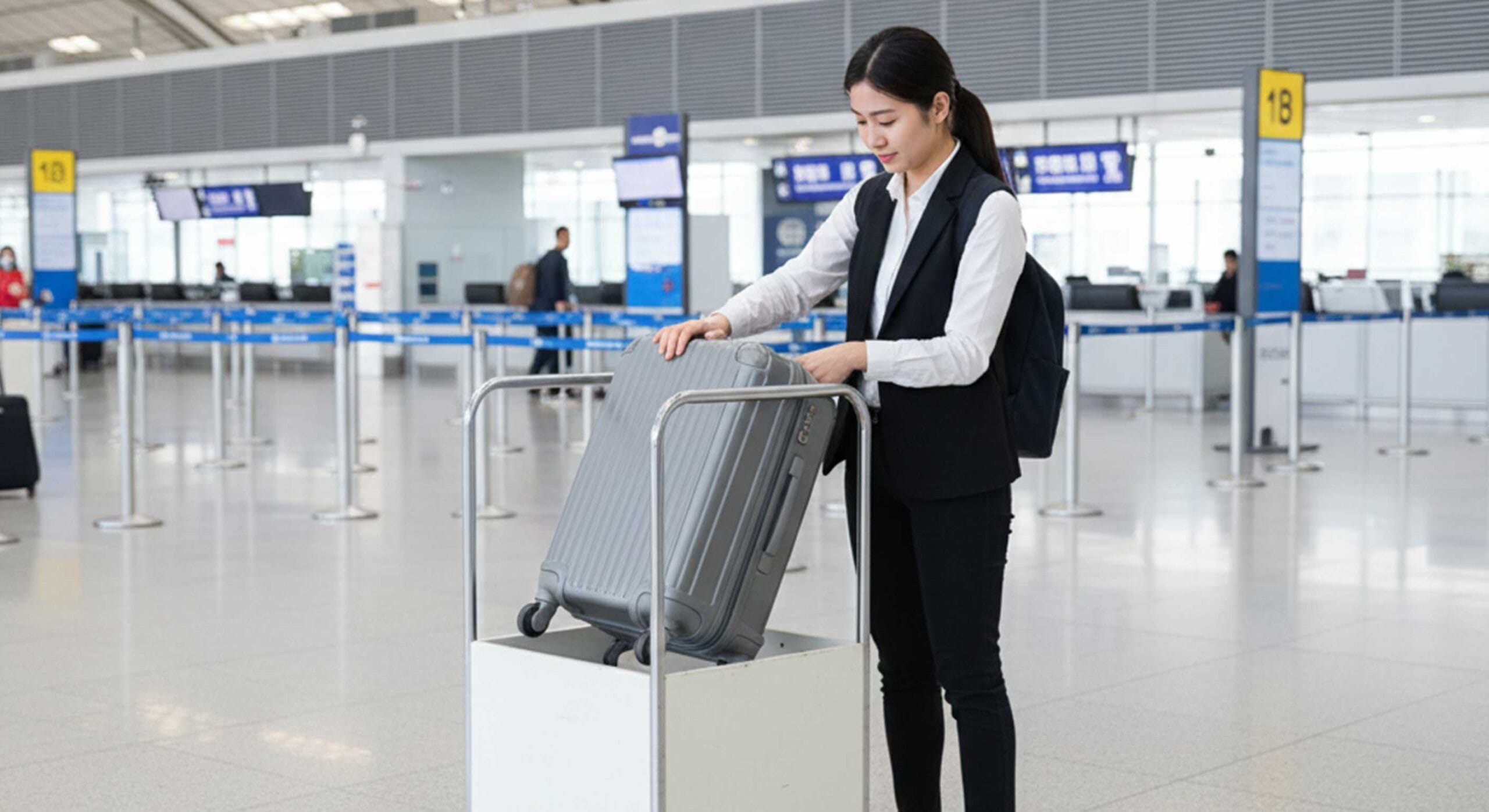
Sometimes, an agent might ask you to check your fitness bag at the gate. You may feel nervous, but you have options. Airlines have changed how they handle bag checks. For example, American Airlines removed gate bag sizers, so agents often trust customers more. You may not need to check your bag as often as before. Take a look at how things work now:
Situation
What It Means for You
No gate bag sizers at American Airlines
You probably won’t get stopped for a quick size check.
Agents err on the side of the customer
You get more flexibility if your bag is close to the limit.
Different rules across airlines
You must stay alert. A bag that works for one airline may not work for another.
If someone questions your bag, stay calm. Show them your bag fits the rules. If you need to check it, remove your valuables and electronics first.
Alternatives If Not Accepted
Your bag might not meet the rules, even after you prepare. You still have choices. You can check your fitness bag and carry a smaller personal item. Many travelers use a backpack or tote as a backup. You can also ship your workout gear ahead if you want to avoid extra fees.
Note: Always pack your essentials in a smaller bag. You’ll have what you need, even if you must check your fitness bag.
You can travel with confidence when you plan ahead and know your options.
You can bring a fitness bag as boarding luggage on most airlines if you follow their rules. Here are some tips to help you travel with confidence:
A fitness bag makes travel simple and keeps your gear close. You stay ready for anything on your trip!
FAQ
Can you bring a fitness bag and a personal item on board?
Yes, most airlines let you bring a fitness bag as your carry-on and a small personal item, like a purse or laptop bag. Just make sure both fit the airline’s size rules.
Do fitness bags count as carry-on or personal items?
Airlines usually count a fitness bag as your main carry-on. If your bag is small enough, you might use it as a personal item. Always check your airline’s policy.
What happens if your fitness bag is too big?
If your bag is too large, the airline may ask you to check it at the gate. You might pay extra fees. To avoid this, measure your bag before you leave home.
Can you pack protein powder or supplements in your fitness bag?
You can pack protein powder and supplements in your carry-on. Keep them in their original containers. Security may ask you to show them, so pack them where you can reach them easily.








Comments are closed