10 of the Most Recognized Special Forces in the World
Special forces units attract attention because they represent discipline, precision, endurance, and mission-focused capability. They are often associated with difficult environments, high-pressure situations, and missions that require highly trained personnel.
But ranking the “best” special forces in the world is not simple.
Many details about special operations units are classified. Different countries organize their elite units differently. Some focus on maritime operations, some on reconnaissance, some on counter-terrorism, some on rescue, and some on national-level crisis response. A direct ranking can easily become subjective.
This guide does not claim to be an official ranking. Instead, it introduces 10 of the most recognized special forces and tactical units in the world based on public information, historical influence, international reputation, and widely known roles.
This article is for general informational reading only. It does not provide tactical instruction, operational methods, training guidance, or sensitive deployment details.
The units below were selected based on a few practical criteria:
Public recognition: The unit is widely known in military, security, or special operations discussions.
Historical influence: The unit has shaped how modern special operations are understood.
Known public role: Reliable public sources describe the unit’s broad function.
International reputation: The unit is often referenced outside its own country.
Available public information: The unit can be discussed responsibly without relying on speculation or sensitive details.
The list includes both military special operations forces and nationally recognized counter-terrorism tactical units. Units such as GIGN and GSG 9 are not conventional military special forces in the same way as SAS or Navy SEALs, but they are widely recognized in global special operations and crisis-response discussions.
Quick Comparison Table
Unit
Country
Type
Publicly Known For
Special Air Service (SAS)
United Kingdom
Military special forces
Historical influence, reconnaissance, counter-terrorism, special operations
Navy SEALs
United States
Naval special warfare
Maritime, land, and air-capable special operations
Delta Force / 1st SFOD-D
United States
Special mission unit
National-level special operations under JSOC context
Polish special operations and counter-terrorism heritage
SASR
Australia
Military special forces
Reconnaissance, special operations, counter-terrorism roles
JTF 2
Canada
Military special operations unit
High-readiness special operations and counter-terrorism
1. Special Air Service (SAS), United Kingdom
The British Special Air Service, usually known as the SAS, is one of the most influential special forces units in modern military history.
The National Army Museum explains that the SAS was formed in July 1941 as L Detachment, Special Air Service Brigade, with origins in the North African desert. Its early purpose was to conduct small-scale raids behind enemy lines during the Second World War.
The SAS later became a model for many special forces units around the world. Its reputation is connected not only to battlefield history, but also to the broader concept of small, highly trained teams operating with independence, precision, and adaptability.
The unit is often placed near the top of global special forces discussions because of its historical influence and its role in shaping the modern special operations model.
2. Navy SEALs, United States
The U.S. Navy SEALs are among the most recognized special operations forces in the world. They operate within the broader U.S. Naval Special Warfare community.
The official Naval Special Warfare Command represents the U.S. Navy’s special operations force structure. Navy SEALs are widely associated with maritime, land, and air-capable special operations, although public information should not be confused with detailed operational knowledge.
Their global recognition comes from the demanding nature of naval special warfare and the wide range of environments connected to their public image: sea, coast, river, desert, mountain, urban, and expeditionary settings.
Navy SEALs are often included in global special forces lists because they represent one of the most publicly recognized branches of modern naval special operations.
3. Delta Force / 1st SFOD-D, United States
Delta Force, commonly associated with the U.S. Army’s 1st Special Forces Operational Detachment-Delta, is one of the most discussed U.S. special mission units in public military writing.
Because many details about the unit are not public, a responsible article should avoid speculation. A safer approach is to discuss it through the broader public context of Joint Special Operations Command. The official JSOC page states that JSOC prepares assigned, attached, and augmentation forces and, when directed, conducts special operations to protect the U.S. homeland and interests abroad.
Delta Force is often included in global special forces lists because of its national-level reputation, its association with highly selective special mission work, and its frequent appearance in books, documentaries, and military analysis.
Public discussions about Delta Force should stay broad and avoid detailed assumptions about operations, structure, or methods.
4. Sayeret Matkal, Israel
Sayeret Matkal is one of Israel’s best-known special forces units. The official IDF page describes it as a special forces unit of the IDF and states that it is first and foremost a field intelligence-gathering unit, also tasked with counter-terrorism and hostage rescue beyond Israel’s borders.
Sayeret Matkal is often mentioned in global special forces discussions because of its secrecy, reputation, and connection to intelligence-focused special operations.
Its public profile is closely tied to reconnaissance, precision, and high-level national security missions. That makes it one of the most widely recognized Israeli special forces units in global military writing.
5. Shayetet 13, Israel
Shayetet 13 is Israel’s naval commando unit. The official IDF Shayetet 13 page describes it as a marine commando unit operating in the sea, on land, and in the air in a variety of special activities. The page also notes its role in maritime-related operations and intelligence gathering.
Because of its maritime identity, Shayetet 13 is often compared in broad public discussions with other naval special operations units, such as Navy SEALs and the British Special Boat Service.
Its reputation comes from its naval orientation, selective identity, and place within Israel’s publicly recognized elite units.
6. GIGN, France
GIGN, the Groupe d’Intervention de la Gendarmerie Nationale, is one of the world’s most recognized national tactical intervention units.
The French Gendarmerie’s official page explains that GIGN is structured around specialized forces such as intervention, security/protection, observation/research, and regional branches. The same official source describes GIGN’s mission as responding in France and abroad to situations requiring highly specialized personnel, means, and techniques.
GIGN is often associated with hostage rescue, national crisis response, protection, and specialized intervention. It is included here because many global “special forces” discussions include nationally recognized counter-terrorism units alongside military special operations forces.
Its public reputation is built around precision, professional response, and national-level crisis intervention.
7. GSG 9, Germany
GSG 9 is Germany’s Federal Police special operations unit. Deutschland.de describes GSG 9 as a special operations unit of the Federal Police that has operated for more than five decades in the fight against terrorism, violent crime, and new hybrid threats. It also explains that GSG 9 was formed after the 1972 Munich Olympics attack and became known for counter-terrorism, hostage rescue, and high-risk operations.
The official public image of GSG 9 is closely tied to precision, rapid response, and crisis management. Like GIGN, it is not a conventional military special forces unit, but it is one of the most recognized counter-terrorism tactical units in the world.
JW GROM is Poland’s best-known special forces unit. The official GROM history page states that the unit was activated on 13 July 1990.
GROM is frequently included in international special forces lists because of Poland’s modern special operations reputation and the unit’s strong recognition among military enthusiasts and security audiences.
Its public identity is often associated with professionalism, international cooperation, and Poland’s development of modern special operations capability after the Cold War period.
For readers exploring global special forces, GROM represents one of the most widely recognized European units outside the larger military powers.
9. Special Air Service Regiment (SASR), Australia
The Australian Special Air Service Regiment, or SASR, is Australia’s best-known special forces unit. Britannica describes the SASR as an Australian special forces unit within Australia’s Special Operations Command and notes that it was formed in July 1957 as the 1st Special Air Service Company, modeled on the British SAS.
The SASR is often discussed in relation to reconnaissance, special operations, and counter-terrorism roles. Its public identity is strongly connected to long-range movement, harsh environments, and the Australian military tradition.
Because of Australia’s geography and military history, SASR is frequently associated in public discussions with endurance, field capability, and demanding operational environments.
Its inclusion helps show how the SAS model influenced special forces development beyond the United Kingdom.
10. Joint Task Force 2 (JTF 2), Canada
Joint Task Force 2, commonly known as JTF 2, is Canada’s most recognized special operations unit. The official Government of Canada page describes JTF 2 as an extremely high-readiness and precise special operations forces unit that exists to protect Canadian national interests and combat terrorism and threats to Canadians at home and abroad.
Because Canada releases limited details about the unit, it is important not to overstate or speculate. Publicly, JTF 2 is known for professionalism, discretion, and high readiness.
Its reputation is built less on public exposure and more on the quiet image of a highly selective, high-readiness force within Canada’s special operations structure.
Why Equipment Still Matters in Special Operations
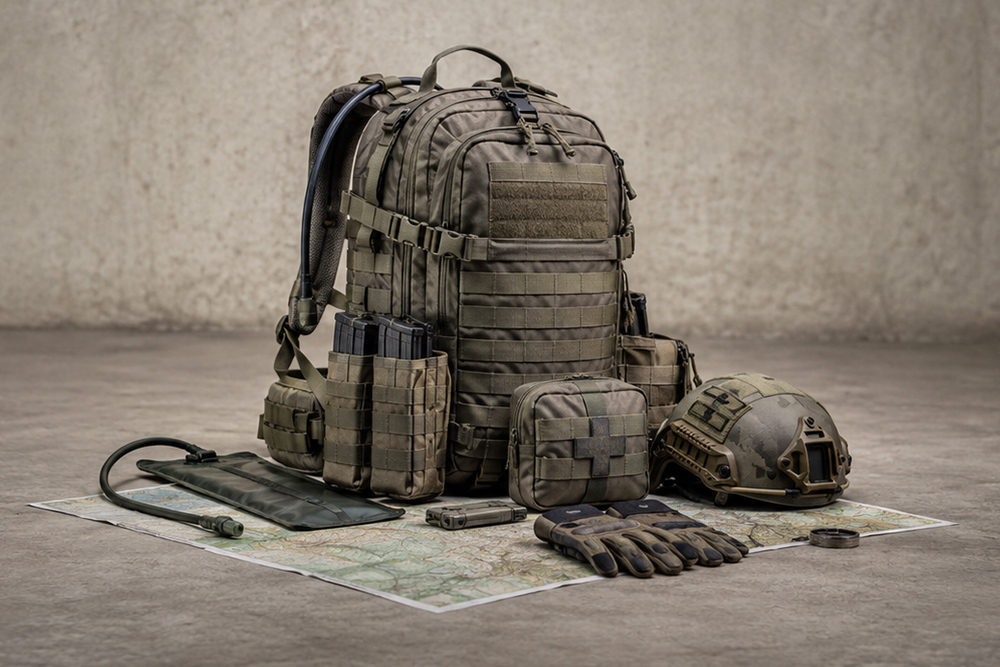
Although this article is mainly about special forces units, equipment is still part of the broader story. Special operations often involve different environments, movement needs, communication requirements, medical readiness, and mission-specific organization.
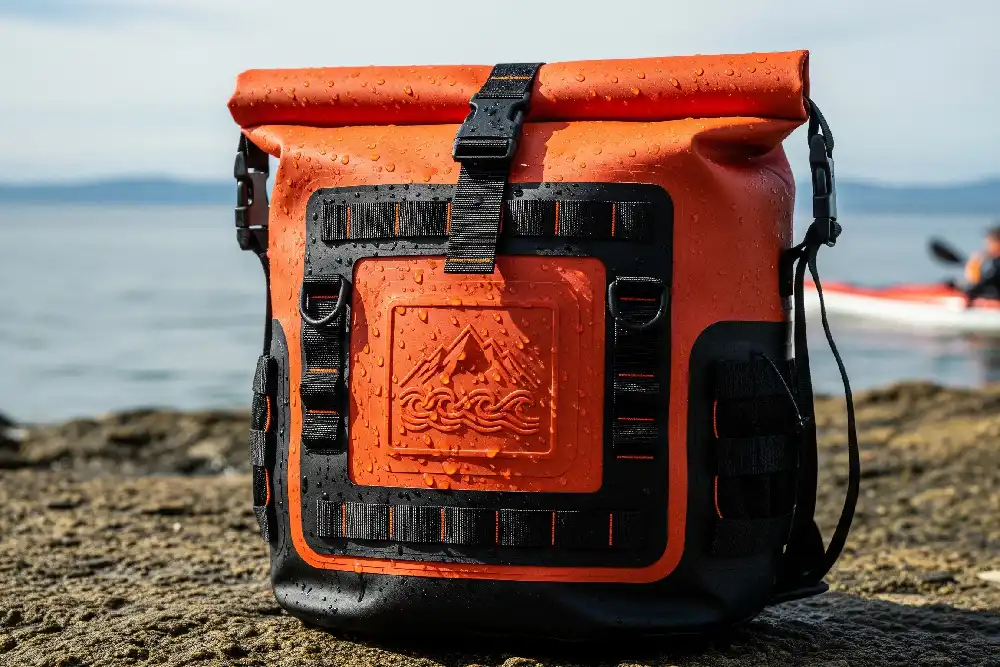
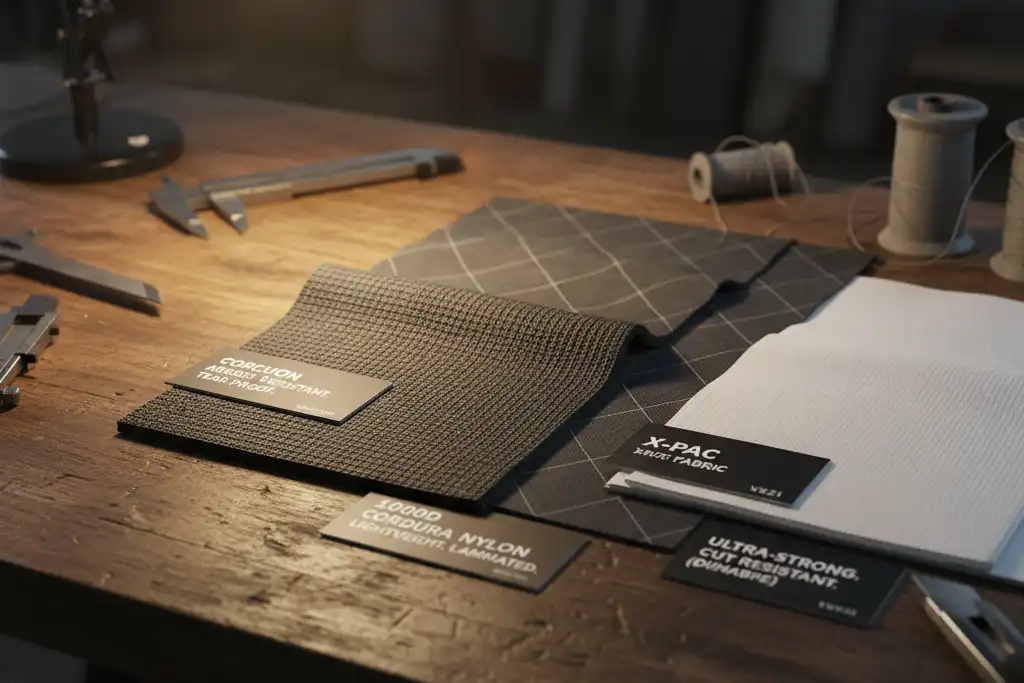
That is why special operations equipment is commonly designed around practical priorities such as durability, modular storage, weather resistance, reliable hardware, quick access, and efficient load carriage.
For commercial readers interested in tactical product design, the lesson is simple: equipment should match the use case. A maritime gear bag, a rescue pouch, a range bag, a hydration-compatible backpack, and a low-profile EDC bag should not all be designed the same way.
For a deeper look at commercial tactical bag structures and customization options, readers can explore this guide to custom tactical bag manufacturing.
Final Thoughts
“Best special forces in the world” is a popular topic, but it should be handled carefully. There is no single official ranking that can fairly compare every elite unit across countries, branches, and mission types.
A better approach is to study the most recognized units through public information:
what they are broadly known for;
how their roles differ;
why they are respected;
how their public history shaped global special operations discussions.
The units in this guide are widely recognized for different reasons. Some influenced the structure of modern special operations. Some are known for maritime roles. Some are associated with counter-terrorism or national crisis response. Others are respected because they remain highly selective and discreet.
Understanding these differences gives readers a more accurate view than simply asking which unit is “the best.”
FAQ
1. What are the best special forces in the world?
There is no official global ranking. Units such as the SAS, Navy SEALs, Delta Force, Sayeret Matkal, Shayetet 13, GIGN, GSG 9, GROM, SASR, and JTF 2 are often recognized because of public reputation, history, and known roles.
2. Is this list an official ranking?
No. This list is not an official ranking. It is based on public information, historical influence, international recognition, and broad public roles.
3. Are GIGN and GSG 9 military special forces?
Not in the same way as SAS or Navy SEALs. GIGN is part of the French Gendarmerie, and GSG 9 is part of the German Federal Police. They are included because they are globally recognized national tactical and counter-terrorism units.
4. Why is the SAS often considered one of the most influential special forces units?
The SAS is often considered influential because of its Second World War origins, its small-team operating model, and its impact on later special forces development around the world.
5. Are Navy SEALs the same as Delta Force?
No. Navy SEALs are part of the U.S. Naval Special Warfare community, while Delta Force is commonly associated with U.S. Army special mission capabilities. They belong to different structures and are discussed publicly in different contexts.
6. Why are some police tactical units included in special forces lists?
Some national police tactical units, such as GIGN and GSG 9, are included because they are internationally recognized for counter-terrorism, hostage rescue, and crisis response roles.
7. Which countries are known for famous special forces units?
Countries frequently discussed in this context include the United Kingdom, United States, Israel, France, Germany, Poland, Australia, and Canada, among others.
8. Can special forces units be compared directly?
Only in a limited way. Different units have different missions, legal authorities, structures, environments, and levels of public information. Direct comparisons are often subjective.
9. Why does equipment matter in special operations?
Equipment matters because different missions require different storage, durability, mobility, weather protection, and access needs. However, equipment discussion should not be confused with operational instruction.








Comments are closed