The Ultimate 2026 Guide to Tactical EDC Backpacks and MOLLE
You may see more people with tactical edc backpacks in cities and outdoors. A tactical edc backpack is a strong bag for daily use. It often has a molle system. This system lets you add or take off pouches and tools. You can organize your gear and change it easily. People who like the outdoors and city life pick tactical bags. They want bags that last, are easy to use, and can change. More people use these bags because they want to stay organized and trust their gear every day.
Tactical EDC backpacks are strong and useful. They are made for daily use in many places.
The MOLLE system lets you change your backpack easily. You can add or take off pouches when you need to.
Pick a tactical backpack with tough materials like Cordura or ballistic nylon. This helps your backpack last a long time.
Good organization is important. Look for backpacks with many pockets and easy-to-reach spots. This helps you find your gear fast.
Comfort is important too. Choose backpacks with soft straps and back support. This makes it easier to carry heavy things.
Think about what you need every day before picking a backpack. Make sure it fits your life, whether you are in the city, outdoors, or in an emergency.
Take care of your tactical backpack by cleaning it and storing it right. This helps your backpack last longer.
Try different MOLLE setups to see what works best for your gear and activities.
Tactical EDC Backpack Basics
What Makes a Backpack Tactical
You might ask what makes a tactical backpack different. A tactical backpack is made with strong materials and smart features. It can handle bad weather and heavy use. Many tactical backpacks use water-resistant fabric and tough zippers. These things help keep your stuff safe and dry.
Here is a table that shows the main differences between tactical and standard backpacks:
Feature
Tactical Backpack
Standard Backpack
Durability
Made from strong materials, water-resistant fabric
Not as tough
Functionality
Has special pockets and compartments
Only basic pockets
Versatility
Can be changed with MOLLE system
Not easy to change
Organizational Pockets
Lets you grab gear fast
Not many pockets
Hydration Compartment
Usually has one
Rarely has one
Rugged Design
Built for rough use
Not made for rough use
Tactical backpacks are made to last and help you stay organized. They are a good choice if you need a bag you can trust every day.
Everyday Carry Essentials
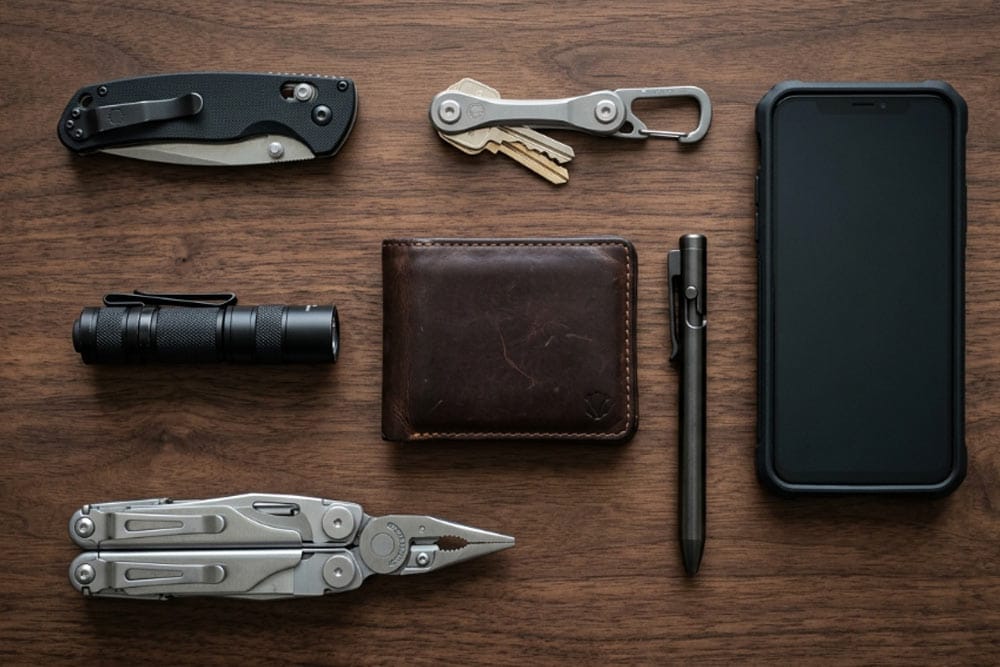
When you pack your edc bag, you want to be ready for anything. Most people pick items that help them every day. Here are some things you might carry:
Personal Items: Things like a wallet, keys, and phone
Tech Gear: Portable chargers from brands like Anker
You can add or take out items to fit your needs. A tactical sling pack or a bigger tactical edc backpack lets you organize your stuff. Good organization helps you find things fast.
Tactical vs. Regular Backpacks
Tactical edc backpacks look different from regular bags. They use designs inspired by the military. These bags are made to last and work well. You get strong materials like 500D or 1050D nylon. These fabrics do not tear easily and last longer than most bags.
Tactical backpacks have more ways to organize your gear. You get many pockets and MOLLE webbing. This system lets you add extra pouches or tools. You can change your bag for school, work, or outdoor trips.
Comfort is important too. Many tactical backpacks have padded straps and backs. These features help you carry heavy things without hurting your back. You can use a tactical edc backpack for school, work, or hiking. It works for daily use and emergencies.
Tip: Pick a tactical backpack with straps you can adjust and a padded back for more comfort.
A tactical sling pack or edc bag lets you reach your gear fast. You stay organized and ready for anything.
MOLLE System Explained
How MOLLE Works
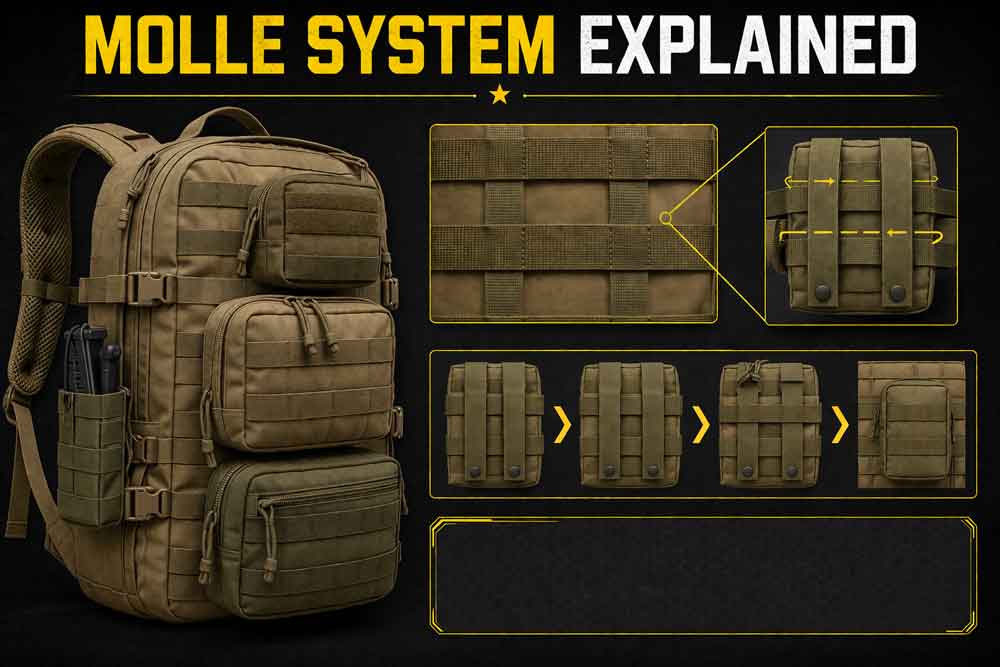
You can find the molle system on many tactical backpacks. Molle means Modular Lightweight Load-carrying Equipment. The U.S. military started using it in the late 1990s. They wanted to replace old gear. Soldiers needed to organize and change their equipment easily. Molle webbing looks like rows of strong nylon sewn onto the backpack. You can attach pouches and accessories to these rows. The webbing keeps your things safe and easy to grab.
Molle webbing uses a pattern called PALS. This pattern lets you weave straps from pouches through the webbing. You can add or take off gear without any tools. The system became popular during NATO missions in Afghanistan and Iraq. Now, molle is used on backpacks for hiking, school, and everyday carry.
Tip: You can use molle webbing to attach first aid kits, water bottles, or tech pouches. This helps keep your gear neat and ready.
Benefits of MOLLE
Customization Options
Molle lets you change your tactical backpack in many ways. You pick which pouches to add for your needs. You might want a pouch for snacks, a flashlight, or a phone. You can put these pouches where you like. This makes your backpack fit your daily life.
You attach accessories for school, work, or outdoor trips.
You move pouches to make items easy to grab.
You swap gear for different activities.
Expandability
The molle system helps you make your backpack bigger. You start with a basic pack and add more storage if you need it. If you need extra space for a long hike, you attach more pouches. You can carry tools, medical kits, or water bottles. The molle webbing lets you add gear without making your bag messy.
You add new pouches for special trips.
You take off extra gear when you want a lighter pack.
You keep your backpack neat and balanced.
Versatility
Molle makes your tactical backpack useful for many things. You use it for hiking, hunting, or daily carry. The system works with different types of pouches. You can carry medical supplies, snacks, or tech gear. The strong nylon webbing stands up to tough use. You get a backpack that lasts and changes with your needs.
Here is a table showing the main advantages of the molle system:
Advantages
Description
Versatility
Supports many types of pouches for different needs.
Customization
Lets you swap and rearrange accessories easily.
Durability
Uses strong nylon that handles rough conditions.
Weight Distribution
Helps balance your load for comfort and endurance.
Note: Molle webbing helps you spread weight evenly. This makes your backpack more comfortable for long days.
You use molle to make your backpack fit your life. You organize your gear, add storage, and stay ready for anything.
Tactical EDC Backpack Features
Materials and Durability
Common Fabrics
You want your tactical backpack to last a long time. Makers use strong fabrics to keep your gear safe. Here is a table that shows the most used materials and how tough they are:
Material
Durability Impact
Pros and Cons
Cordura
Makes the bag tough and hard to scratch.
Pros: Hard to wear out, very strong. Cons: Heavy and costs more.
Polyester
Light and keeps water out, also tough.
Pros: Cheap, dries fast. Cons: Not very comfy for long trips.
Ballistic Nylon
Super strong, hard to poke holes in, keeps water out.
Pros: Lasts long, protects your stuff. Cons: Heavy, not many styles, can cost a lot.
Ripstop Nylon
Light and has extra threads to stop rips.
Pros: Hard to poke or tear. Cons: Not as strong as heavier stuff.
Tarpaulin
Very good at keeping water out and strong for hard use.
Pros: Great for bad weather. Cons: Stiff, heavy, not very airy.
Dyneema®
Very strong and light, keeps water away.
Pros: Tough and hard to scratch. Cons: Costs a lot to make.
X-Pac®
Keeps water out and is strong but not heavy.
Pros: Looks cool and lasts. Cons: Hard to find, can be pricey.
You see Cordura and ballistic nylon in lots of tactical backpacks. These fabrics help your bag last and keep your gear safe.
Water Resistance
Water resistance is important if you use your backpack in rain or snow. Makers add special coatings and tape to keep water out. You often see 1000D Cordura or 1050D ballistic nylon for strong bags. Water-resistant coatings stop rain and spills from getting in. Seam taping keeps water from leaking through the stitches.
Backpack makers test their bags in real life. They use tests like Martindale or Wyzenbeek to see how long the fabric lasts. Tear strength tests show how hard it is to rip the fabric. Flexing tests check if the material bends without breaking. These tests make sure your tactical backpack is strong, comfy, and lasts a long time.
Organization and Access
Compartments
You need lots of compartments to keep your stuff neat. Tactical backpacks use smart designs to help you stay organized. You find spots for laptops, water bladders, and tools. This helps you grab what you need fast. You do not waste time looking for things.
Different ways to open the bag, like top, side, and clamshell, make it easy to get your stuff. You can reach any part of your bag without trouble. Side zippers and clamshell openings make packing and unpacking easy. You get to your gear fast, which is good for daily use and emergencies.
Quick Access Pockets
Quick access pockets help you grab your most-used items fast. You might keep your phone, wallet, or first aid kit in these pockets. Tactical backpacks often have outside pockets for easy reach. You do not have to open the main part to get what you need.
Tip: Pick a tactical backpack with quick access pockets for things you use a lot. This saves time and keeps you ready.
You also see molle webbing on the outside. You can add extra pouches for snacks, tools, or tech gear. This keeps your backpack small but still holds everything you need.
Comfort and Fit
Straps and Padding
Comfort is important when you carry your tactical backpack all day. Makers add padded straps to protect your shoulders. You can adjust the straps to fit you. Good padding stops the straps from hurting your skin.
In a study about backpack comfort, people of different heights tried on many backpacks. An expert watched how small changes in design changed how comfy each backpack felt.
Back Support
Back support helps you carry heavy things without pain. Tactical backpacks use padded backs and frames to spread the weight. You feel less tired because the pack moves with you. Good design puts most of the weight on your hips and pelvis, which are stronger.
Good tactical backpacks spread weight across your body. Instead of all the weight on your shoulders, good packs move most of it to your hips and pelvis, which are stronger and can hold more weight.
You stay comfy and do not get hurt. The right tactical backpack feels like part of your body on long trips.
MOLLE Integration
You might see strong webbing rows on many tactical EDC backpacks. This is called the molle system. It lets you add extra gear and tools to your bag. You can put on a pouch for first aid, a flashlight, or snacks. The molle system uses a simple weave to hold your gear tight.
MOLLE lets you make your pack bigger for training or special days. You do not need to switch bags.
You can change your backpack to fit what you need each day. If you go hiking, you can add a water bottle holder. For work, you might put on a tool pouch. The molle system lets you build your own setup.
You can use your backpack for many things. It works for daily use or long trips.
Molle means you can use accessories from many brands.
You do not need a new backpack for every activity. You just add or take off gear when you need to. This saves money and keeps your bag light.
You can use molle webbing by following these steps:
Make your pack bigger for training or special setups. You do not need a new bag.
Add pouches or accessories when you need them.
Change how you carry things for work or other needs.
The molle system helps you get ready for emergencies. You can keep first aid or survival tools close. You do not waste time looking for important things. Your gear stays neat and easy to grab.
The table below shows how molle makes your backpack better:
Benefit
How It Helps You
Customization
Add or take off gear for any activity
Expandability
Add more space when you need it
Versatility
Use one backpack for work, school, or outdoors
Preparedness
Keep emergency tools and supplies close
Tip: Try different pouch setups to see what works best for you.
Molle turns your tactical EDC backpack into a tool that fits your life. You stay neat, ready, and prepared for anything.
Choosing Your Tactical EDC Backpack
Assessing Your Needs
Before you pick a tactical backpack, you need to think about your daily life and what you want to carry. Start by asking yourself where you will use your backpack most. Some people need a pack for city life, while others want one for outdoor adventures or emergencies. You should also think about the items you carry every day. This helps you choose the right size, compartments, and features.
Intended Use (Urban, Outdoor, Emergency)
Your main use for a tactical backpack shapes what features matter most. Here are some common uses:
Military personnel need sturdy and adaptable packs for mission gear.
First responders look for backpacks that hold emergency equipment and tools.
Outdoor enthusiasts want rugged backpacks that handle tough conditions.
Urban commuters choose practical and stylish packs for city travel.
You might want a lightweight and compact backpack for outdoor trips. This makes it easy to move fast and stay comfortable. If you need a pack for emergencies, look for one with maximum storage. You can fit first aid kits, water, survival gear, and food. For city use, you may want a backpack that looks good and keeps your tech safe.
Tip: Think about how you will use your backpack most days. This helps you pick the right features and size.
You should also check if your backpack fits your safety needs. Some people need extra protection based on NIJ standard ratings. Others want a pack that is easy to carry in busy places. Make sure your backpack can handle the weather in your area. If you live where it rains a lot, pick a pack with water-resistant fabric.
Here is a table to help you think about your needs:
Factor
Description
Protection level needed
Check if you need extra safety features for your area.
Mobility requirements
Make sure you can move easily with your backpack.
Weight considerations
Pick a pack that is not too heavy for daily use.
Climate adaptability
Choose a backpack that works in your local weather.
Potential threat scenarios
Think about any special risks you might face.
Daily Carry Items
You should make a list of what you carry every day. This helps you decide how many compartments you need. Some people only carry a few things, like a phone, wallet, and keys. Others need space for a laptop, water bottle, first aid kit, and snacks. If you use your backpack for work or school, you may need a spot for books or tech gear.
Here are some things to consider:
Reliability: Your backpack should work well every time.
Durability: Pick strong materials that last.
Accessibility: You should reach your gear quickly, even with one hand.
Legality & Social Acceptability: Make sure your gear follows local rules.
You want a tactical edc backpack that keeps your items safe and easy to reach. Good organization helps you find things fast. If you carry special tools or self-defense items, check if they are allowed in your area.
Size and Capacity
The size of your backpack matters a lot. You want a pack that fits your gear but does not feel too big or heavy. Tactical backpacks come in many sizes, measured in liters. Here is a table to help you choose:
Holds bigger items, like laptops or extra clothes.
If you only need to carry a few things, a small edc bag works best. For school or work, a medium pack gives you more space and compartments. If you go camping or need to carry lots of gear, pick a larger tactical backpack.
Note: Try on different sizes to see what feels comfortable. A good fit helps you move easily and keeps your back safe.
Organization Preferences
How you organize your gear can change how useful your backpack feels. Some people like lots of small compartments for tools and tech. Others want a big main space for larger items. Tactical edc backpacks often have special compartments for laptops, water bottles, and first aid kits. You also see quick access pockets for things you grab often.
Here are some features to look for:
Main compartment for big items
Dedicated laptop sleeve
Water bottle pocket
Padded shoulder straps for comfort
Sturdy back panel for support
You might want a backpack with customizable options. Many tactical backpacks let you add organizer panels or media pouches. This helps you set up your pack the way you like. Customization means you can change your backpack for different days or activities.
Tip: Try different setups to see what helps you find your gear fastest.
Durable materials and smart compartments make your backpack last longer and work better. Good organization means you spend less time searching for things and more time doing what you love. You want a tactical backpack that matches your style and keeps your gear ready for anything.
Budget and Value
When you pick a tactical EDC backpack, knowing the price helps you choose well. Good backpacks use different materials. Each material has its own strength and cost. For example, 1000D Cordura nylon is very tough. It protects your bag from scratches. These backpacks cost between $120 and $350. 500D nylon is lighter but still strong. It works well for city use and daily carry. These usually cost $80 to $250.
If you want a super light backpack, Dyneema Composite (DCF) is a good choice. It is very strong and light. The price is between $200 and $600. X-Pac laminate backpacks are great in bad weather. They keep their shape and cost about $150 to $400. The material you pick changes how long your backpack lasts. It also affects how well it handles rough days. This changes how much value you get.
Here is a chart that shows the price for each material used in tactical backpacks:
Many people look at more than just the first price. They want to know how the backpack works after many uses. Jason, who hikes in Colorado, shared his story: “I took the LBT backpack on a three-day hike. It rained the first night, but my stuff stayed dry. I did not need a cover. The straps were strong, and my back felt fine. I tried other bags before, but this one feels best.” His story shows that a strong backpack is worth more.
Mark, a police officer, talked about fit and trust: “This backpack is part of my daily gear. It holds all my tools and still has space. After long hours, it feels strong and does not move.” These stories show that paying more for a backpack can be smart. You get more comfort, longer use, and feel safe with your gear.
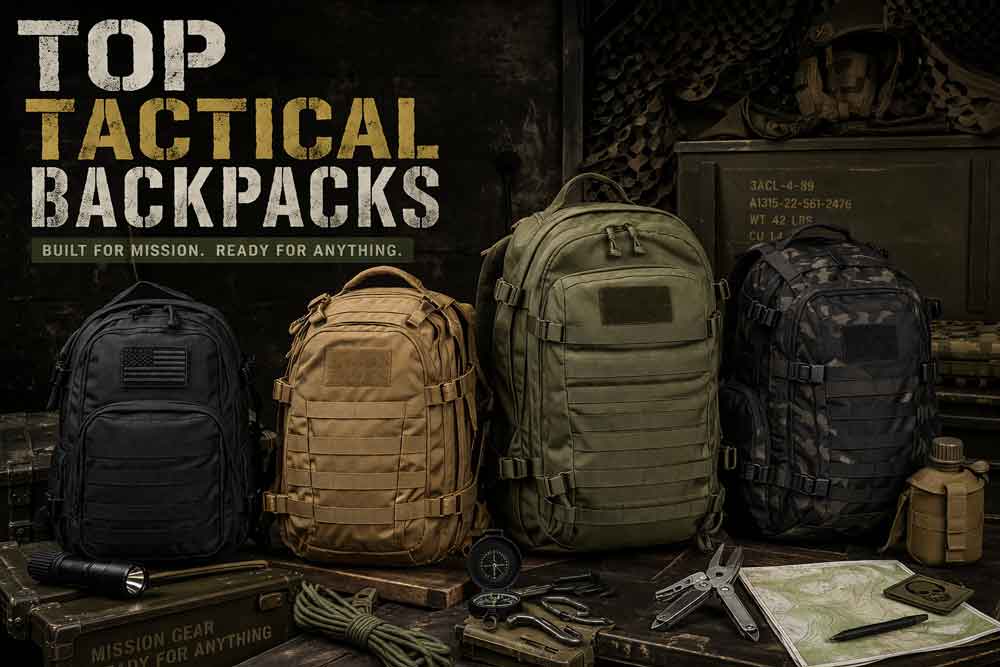
Top Tactical Backpacks for 2026
Best Overall Tactical EDC Backpacks
You want a tactical backpack that is high quality. Experts and users say these are the best for 2026. These backpacks use strong materials and have smart compartments. They feel comfortable for daily use. The best ones let you get to your stuff fast. They also work well with heavy gear.
Backpack Name
Price
Size (liters)
Weight (pounds)
Key Features
GoRuck GR2
$425
40
4.5
Water resistant, Dust resistant, Flexible organization
Stylish design, Organizational pockets, Water resistant
Pros
Strong stitching and tough materials make these last long.
Many compartments help you keep things neat.
Soft straps make the backpack comfy every day.
Quick access pockets let you grab things fast.
These backpacks can hold heavy and emergency gear.
Cons
Some tactical backpacks cost more than normal bags.
Big backpacks might feel heavy for smaller people.
Extra pockets can make the bag look big.
Water-resistant parts can add more weight.
Best for Urban Use
You need a tactical backpack that works well in the city. Urban tactical backpacks look nice and have smart pockets. You can use them for work, school, or the gym. These packs help you stay organized and find things easily.
Backpack Name
Capacity
Weight
Key Features
The North Face Recon
30L
2lbs 9oz
Great organization, padded laptop sleeve, versatile for work, school, and gym use.
Able Carry Daily Plus
21L
2.6lbs
Water resistant, sleek design, excellent organization, comfortable straps.
Wolf Tactical Backpack
24L
N/A
Tactical functionality, concealed carry features, budget-friendly, suitable for urban EDC.
Pros
Padded laptop sleeves keep your tech safe.
Sleek looks fit city life and daily needs.
Smart pockets help you organize your stuff.
Soft straps make carrying easy all day.
Some options cost less and are easy to buy.
Cons
Urban tactical backpacks may not last outdoors.
Small pockets mean less space for big things.
Some do not have molle webbing.
Not everyone needs concealed carry features.
Best for Outdoor/Adventure
You want a tactical backpack that works outside in tough places. Outdoor tactical backpacks use nylon, polyester, ripstop, and canvas. These materials make the bag strong. You get good weight balance and water resistance. These packs have lots of space and molle webbing for extra gear.
Pros
Strong materials last in rough weather and places.
Many pockets help you sort your things.
MOLLE webbing lets you add more gear.
Water resistance keeps your stuff dry in rain.
Good design makes carrying easier on adventures.
Cons
Outdoor tactical backpacks can be heavy to carry.
Extra pockets may make the bag look big.
MOLLE webbing adds weight and can be tricky.
Some packs cost more because of better materials.
Tip: Pick a tactical backpack with pockets that fit your adventure. Try different ways to pack to see what you like best.
Best Budget Tactical Backpacks
You do not have to spend a lot to get a reliable tactical backpack. Many brands now offer strong and smart designs at lower prices. These budget-friendly options use tough materials like nylon or polyester. You get multiple compartments for your gear, padded straps for comfort, and even special pockets for laptops or water bottles. Some models include a hydration sleeve, which helps you stay ready for long days.
Here are some top-rated budget tactical packs for 2026:
5.11 Tactical Rush 12 2.0: This pack gives you a strong build, lots of pockets, and a comfortable fit. It works well for school, work, or outdoor trips.
Wolf Tactical Backpack: You get a simple design with molle webbing for extra pouches. It is light and easy to carry.
REI Co-op Ruckpack 18: This pack offers good value, with a padded back and enough space for daily items.
SOG Ninja Tactical Day Pack: You get a compact size, water-resistant fabric, and a main compartment that opens wide.
Pros
You save money while still getting a durable bag.
Many budget packs use strong zippers and reinforced stitching.
You find smart organization with main, secondary, and quick-access pockets.
Some models include hydration or laptop sleeves.
Padded straps and breathable backs make carrying easy.
Cons
Budget packs may not last as long as premium models.
Some use lighter materials that can wear out faster.
You might see fewer color or style choices.
Not all budget packs have advanced features like hidden pockets or extra padding.
Tip: If you want a good deal, look for sales or last year’s models. You can often find quality tactical packs at a lower price.
Best Compact Packs
If you want a small and easy-to-carry bag, compact tactical backpacks are a great choice. These packs help you stay light and organized. They work well for short trips, city use, or when you only need the basics.
The GoRuck GR1 stands out for its tough build and simple design. You can pick from two sizes, 21-liter or 26-liter, to match your needs. The flexible organization system lets you arrange your gear your way. The padded straps keep you comfortable, even when you carry your pack all day.
Pros
Compact packs are light and easy to carry.
You can move quickly in crowded places or on short hikes.
The simple design helps you find your gear fast.
Many compact packs still offer molle webbing for extra pouches.
You get comfort with padded straps and a soft back panel.
Cons
Small packs hold less gear, so you must pack carefully.
You may not have space for large items or extra clothes.
Some compact packs cost more because of their strong materials.
Fewer compartments mean less room for detailed organization.
Note: Compact tactical backpacks work best when you only need your most important items. Try packing just what you need for the day to keep your load light.
Maintenance and Care
Taking care of your tactical backpack helps it last longer and keeps your gear safe. You can follow simple steps to keep your backpack clean, store it the right way, and fix small problems before they get worse.
Cleaning Tips
You should clean your tactical backpack often to stop odors and mold. Dirt and grime can damage the fabric over time. Here are some easy steps you can follow:
Use a soft-bristle brush to remove dirt and debris from the outside. This keeps the material strong.
Wipe the exterior with a damp cloth and mild soap after each use, especially if you use your backpack in dusty or muddy places.
Vacuum the inside compartments to get rid of sand and small debris before you wash it.
Hand wash the backpack in lukewarm water with a mild detergent that has no additives. Machine washing can hurt the seams and hardware.
Rinse the backpack well with cold water to remove all soap.
Press out extra water gently with a towel. Do not wring or twist the fabric.
Air dry the backpack upside down. Open all zippers and pockets so water can drain out.
Never use a tumble dryer, direct sunlight, or heaters to dry your backpack.
Tip: Regular cleaning keeps your tactical backpack fresh and ready for your next adventure.
Storage Advice
Storing your tactical backpack the right way helps it keep its shape and strength. You want to avoid damage from moisture, heat, or pests. Follow these tips:
Store your backpack in a cool, dry place away from sunlight and extreme temperatures.
Make sure the backpack is completely clean and dry before you put it away. This stops mold and mildew from growing.
Loosen all straps and unbuckle closures. This helps the backpack keep its shape and elasticity.
Do not fold or compress the backpack. Folding can cause wear on the fabric and inside parts.
Check your stored backpack from time to time for moisture or pests.
Note: Good storage habits help your tactical backpack last for many years.
Repair and Longevity
You can make your tactical backpack last longer by checking it often and fixing small problems early. Here are some ways to keep your backpack in top shape:
Clean your backpack regularly to stop dirt from wearing down the fabric.
Dry your backpack the right way to prevent warping and brittleness.
Inspect your backpack for signs of wear and tear, like loose threads or broken zippers.
Replace worn parts and reinforce stitching when needed.
A little care goes a long way. You can trust your tactical backpack to protect your edc gear if you keep it clean, store it well, and repair it when needed.
You learned how tactical edc backpacks help you stay organized and ready for daily life. When you choose a tactical edc backpack, think about these tips:
Pick padded straps and a sternum strap if you carry heavy loads.
Choose a clamshell opening for easy access.
Look for a suspended laptop sleeve to protect your tech.
Use internal pockets for better organization than MOLLE alone.
Explore different packs and try new MOLLE setups to find what works best for you.
FAQ
What does MOLLE mean?
MOLLE stands for Modular Lightweight Load-carrying Equipment. You use MOLLE webbing to attach extra pouches and gear to your backpack. This system helps you organize and customize your pack.
How do I clean my tactical backpack?
You clean your backpack with a soft brush and mild soap. Hand wash it in lukewarm water. Air dry it upside down. Avoid using a dryer or direct sunlight.
Can I use a tactical backpack for school?
Yes, you can use a tactical backpack for school. Many packs have laptop sleeves and organizer pockets. You keep your books, tech, and supplies safe and easy to reach.
What size backpack should I choose?
You pick a size based on your daily needs.
Size (Liters)
Use Case
5–15
Essentials only
15–30
Daily carry
20–35
Gear-heavy days
Are tactical backpacks waterproof?
Most tactical backpacks are water-resistant, not fully waterproof. You get protection from rain and spills. For heavy rain, you use a rain cover or choose a pack with sealed seams.
How does MOLLE help with emergencies?
MOLLE lets you attach first aid kits, tools, and survival gear. You reach important items fast during emergencies. You stay prepared and organized.
Do tactical backpacks work for hiking?
You can use tactical backpacks for hiking. They offer strong materials, good support, and MOLLE webbing for extra gear. You stay comfortable and ready for outdoor adventures.
What is the best way to organize my backpack?
You use compartments for big items and quick access pockets for essentials. Try different setups.






Comments are closed