Should You Consider Buying a Submersible Bag for Your Adventures
You want to keep your gear safe from water, mud, and unexpected weather. Choosing a submersible bag makes sense for anyone who loves adventure. The market for waterproof bags grows fast.
The global market reached about $5,870 million in 2021.
Experts expect it to hit nearly $11,725 million by 2033.
Growth continues at almost 6% each year.
Wet environments can ruin your valuables. You deserve smart protection for your equipment.
Submersible bags are very good at keeping water out. They protect your things from water, mud, and rain. Bags with IP67 or IP68 ratings work best for this.
You can use these bags for many things. They are good for kayaking and also for daily use. They keep your stuff dry so you can have fun and not worry.
Buying a strong submersible bag helps you save money over time. Good materials and tough designs mean you do not need to buy new gear often.
Pick a bag with welded seams and waterproof zippers for the best safety. These parts stop leaks and keep your things safe in hard situations.
Think about what you need before you buy a bag. Check the size, weight, and how easy it is to use. Make sure it fits your life and your adventure plans.
Submersible Bag Protection
Waterproofing Benefits
You want your things to stay dry in any weather. A submersible bag keeps water out better than most bags. Regular bags only stop splashes or light rain. Submersible bags use strong materials and special ways to close them. They have welded seams and waterproof closures. These features keep water out, even if you drop the bag in a river or get stuck in a storm.
Tip: Try to find bags with IP67 or IP68 ratings. These ratings mean the bag can go underwater for up to an hour.
Here is how submersible bags are different from other waterproof bags:
Feature
Dry Bags
Waterproof Bags
Materials
PVC tarpaulin, TPU film, or laminated nylon
PU-coated polyester, PU leather, or TPU blends
Closure Systems
Roll-top closures for airtight seal
Zippers, storm flaps, or Velcro, less watertight
Waterproof Level
IPX6–IPX7, safe for submersion
IPX4–IPX5, splash-proof but not for submersion
Functionality
Minimalist, one large compartment
Multiple compartments, ergonomic design
Some submersible bags, like the YETI Panga Backpack and Watershed’s Colorado Duffel, stay dry even after being underwater for a long time. Lighter bags with sewn seams might let water in if you put them underwater. You want to keep your electronics, clothes, and food safe.
Gear Safety In Wet Conditions
Wet trips can ruin your gear quickly. You need to keep ropes, belay devices, and other important things dry. Wet ropes get heavy and weak. Belay devices can slip or stop working if they get wet and lose oil.
Ropes get heavy and lose their bounce when wet.
Belay devices, especially Assisted Braking Devices, might slip or act strangely.
A submersible bag protects your gear from these problems. You do not have to worry about rain, crossing rivers, or dropping your bag in water. Submersible bags use strong materials like TPU-laminated nylon or PVC. These materials keep water out, even in heavy rain or if the bag goes underwater.
You want your trips to be fun, not stressful. Use a submersible bag to keep your gear safe and enjoy your adventure anywhere.
Versatility For Adventures
Outdoor And Water Activities
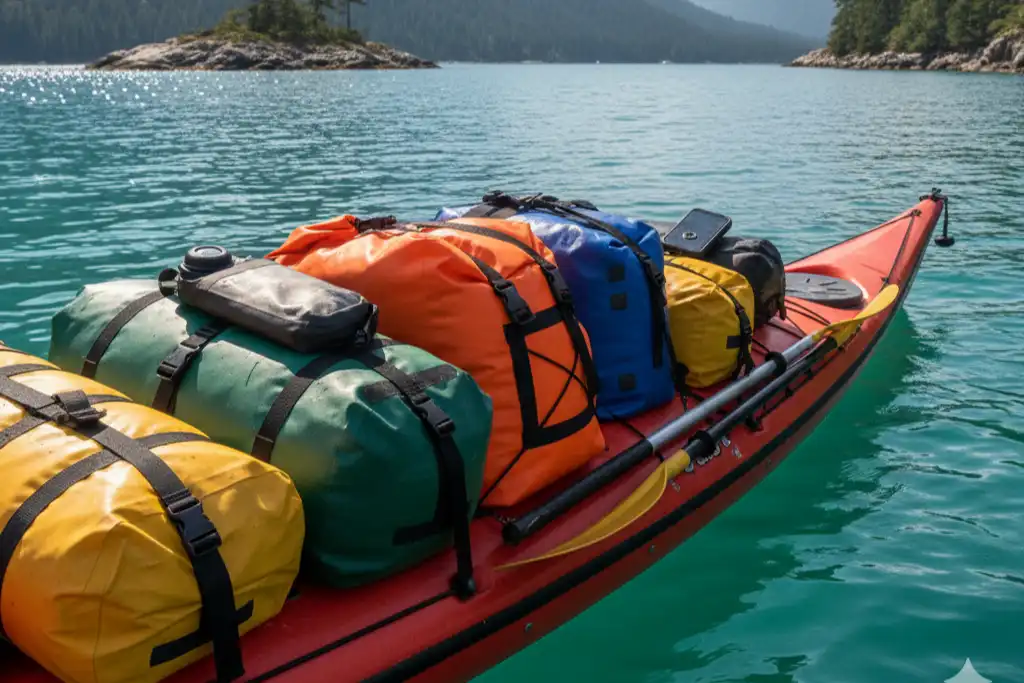
You want a bag that works for every adventure. A submersible bag lets you go anywhere, on water or land. You can kayak, paddleboard, or hike in the rain. Your gear will stay dry the whole time. You do not have to worry about storms or falling in water. You can just have fun and enjoy yourself.
Many people who love the outdoors pick these bags because they work well. You can use them for fishing, boating, or canyoning. You can cross streams or even swim with your bag. Your clothes, snacks, and electronics will stay safe. You feel calm and can spend more time outside.
Everyday And Travel Use
A submersible bag is not just for wild trips. You can use it every day. It keeps your laptop and books dry when it rains. You can put your gym clothes or lunch inside. You can also use it to keep valuables safe when you travel.
Here is a table that shows how dry bag backpacks and regular bags compare for daily and travel use:
Feature
Dry Bag Backpacks
Traditional Gear
Protection
Highly effective in keeping moisture out
Often made of materials that resist mild water exposure
Use Cases
Ideal for activities with certain water exposure
Suitable for calmer water activities or shorter trips
You can see that dry bag backpacks protect better and give you more choices.
People use submersible bags for many things:
Keeping electronics safe
Organizing gear
Storing valuables as a backup
You get more than a simple bag. You get something that fits your busy life. You are ready for anything, like a sudden rain or a weekend trip.
Durability & Features
Rugged Materials
You need a bag that can handle tough trips. Good submersible bags use strong materials to protect your stuff. Check out the table below to see how the materials compare:
Material
Waterproof Properties
Durability Characteristics
PVC
Naturally waterproof
Very tough but can be heavy and stiff
TPU-laminated nylon
Great at blocking water
Built strong, works well for rough adventures
Polyurethane-coated nylon
Mostly keeps water out
Best for inside bags, not for main protection
Look for bags with welded seams. Welded seams do not have holes from needles. This means water cannot get in as easily. Stitched seams might leak. Even taped seams may not last long. Welded seams give you the most protection.
Tests show that zippers, seams, and closures are weak spots. Stitched seams often leak if you put the bag underwater. Regular zippers can let water inside. Airtight zippers and welded seams keep your things dry, even if your bag falls in a river.
Usability Enhancements
You want a Submersible Bag that is easy to use. The best bags help you stay neat and comfy. Here are some features to look for:
Waterproofing: Welded seams and waterproof zippers keep water out.
Closure types: Roll-top closures are easy and work well. Waterproof zippers open fast and close tight.
Design and organization: Many pockets and sections help you find things fast.
Many travelers like bags that are simple to open and pack. You can get what you need without emptying the whole bag. Some bags, like the Ortlieb Duffel, have strong zippers and inside pockets. These features help you keep your things neat, even when you are in a rush.
You also want a bag that is simple to clean and store. Use warm water and gentle soap. Let your bag dry in the shade. Check for leaks and fix any problems before your next trip. These steps help your bag last for many adventures.
Tip: Store your bag flat or rolled up loosely. Keep it away from sharp things so it will last longer.
Investment Value
Cost Comparison
You might wonder if a Submersible Bag is worth the money. The price can look high at first. Many of the best bags cost between $229.95 and $329.95. Some smaller or simpler bags are cheaper, about $34.95 to $79.95. Regular waterproof bags and dry bags usually cost less. But they do not protect your things as well.
Cheaper and mid-range bags: $79.95, $54.95, $44.95, $34.95
You pay more for better features, stronger materials, and trusted brands. Brands like SealLine, YETI, Patagonia, and The North Face are popular. These brands are known for making good bags you can trust.
The price also changes based on the fabric and features. Here is a table that shows how different fabrics change the price and quality:
Fabric Type
Key Waterproof & Quality Features
Typical Water Resistance
Durability & Strength
Cost Range (per sq.m)
Market Position
PVC Coated Fabric
Great water resistance, tough, UV stable
>5000mm water pressure
Heavy, durable
$2 – $4
Mid to low-end market
TPU Coated Fabric
Flexible, eco-friendly, top waterproofing
>5000mm water pressure
Flexible, clear
$4 – $7
Mid to high-end market
Nylon Fabric
Light, strong, coated for water resistance
Coating dependent
Tear resistant
$3 – $6
Mid-range market
Polyester Fabric
Good water resistance, UV resistant
Coating dependent
Moderate weight
$2 – $5
Entry level, budget
Cordura Fabric
Super tough, tear resistant, coated
Coating dependent
Very durable, heavy
$6 – $10
High-end, specialized
You can see that Cordura and TPU cost more. These materials last longer and keep your things safer. You get better quality when you pay more.
Note: More people want submersible bags now than five years ago. People travel more and want to keep their things safe. New designs and eco-friendly materials make these bags even better.
Long-Term Benefits
You want your gear to last a long time. A Submersible Bag helps you save money over the years. You do not need to buy new bags or gear as often. Good bags use strong materials like laminated high-density nylon and tough PVC tarpaulin. Some bags have a very strong EVA padded bottom and special zippers that last for years.
A good bag can last for many years.
Check your bag for damage to help it last longer.
Strong materials mean you do not need to buy new bags often.
Some bags can last a lifetime if you take care of them.
You do not have to pay to replace wet electronics, clothes, or gear. Water-resistant bags may be cheaper, but you might spend more later. You may need to buy covers or new gear if things get wet. A submersible bag keeps your things safe and saves you money.
Tip: Buying a submersible bag is smart if you love adventure or travel a lot. You keep your valuables safe and worry less.
More people want these bags every year. They want bags that look nice, last long, and use eco-friendly materials. Brands like SealLine, YETI, and Patagonia are leaders. You join other smart travelers who pick quality and safety.
Choosing a submersible bag is a smart choice. You get a bag that lasts, works well, and is worth the money.
A submersible bag keeps your gear safe in wet places. You can relax because your things are protected. The bag lasts a long time and is a good value. But there are some things you should know:
These bags are heavier than normal bags.
They do not let air in, so things can get damp.
There are not many pockets for sorting your stuff.
Zippers can be tough to use, especially for small things.
High Price
These bags cost more than regular bags.
Usable Space
The zipper style can make it hard to reach your things.
Think about what you need before you buy. Look at how well the bag keeps water out. Check what it is made of, how it closes, and how big it is. If you want the best way to keep your things dry, a submersible bag is a smart buy. Pick the right one and have fun on every adventure! 🚀
FAQ
How do you clean a submersible bag?
You can clean your bag with warm water and mild soap. Use a soft cloth to wipe dirt away. Let the bag air dry in the shade. This keeps your bag fresh and ready for your next adventure.
Can you use a submersible bag for air travel?
Yes, you can use a submersible bag for air travel. The bag protects your gear from spills and rain. You keep electronics, clothes, and documents safe. Many travelers choose these bags for peace of mind.
What size submersible bag should you buy?
Pick a size based on your activity. For day trips, choose 20–30 liters. For longer adventures, select 40 liters or more. Check the table below for quick guidance:
Activity
Recommended Size
Day hike
20–30L
Weekend trip
30–40L
Expedition
40L+
Are submersible bags comfortable to carry?
You feel comfortable carrying most submersible bags. Many have padded straps and back panels. You can adjust the straps for a better fit. Choose a bag with ergonomic design for extra comfort.
Do submersible bags float in water?
Most submersible bags float if you seal them properly and do not overload them. You keep your gear safe even if the bag falls in a river.
Tip: Always check the closure before you start your adventure.






Comments are closed