You need a waterproof fishing bag to keep your gear safe. Rain, splashes, or drops can get your things wet. Many anglers pick water-resistant bags. But only a waterproof fishing bag keeps electronics and valuables dry in tough weather. You feel calm and can fish longer. You do not have to worry about your gear getting ruined.
A waterproof fishing bag helps you in many ways each time you go fishing.
A waterproof fishing bag keeps your gear safe from rain and water. It makes sure your equipment stays dry and works well. Using a waterproof bag saves you money. It stops your fishing gear from getting ruined. This helps your gear last longer. Pick a bag made with tough materials. Look for smart pockets to keep your gear neat and easy to find. Choose the right bag size for how and where you fish. This will make your fishing trips better. Clean and check your bag often. This helps your bag work well and last longer.
Why a Waterproof Fishing Bag Is Essential
Protection Against Moisture and Weather
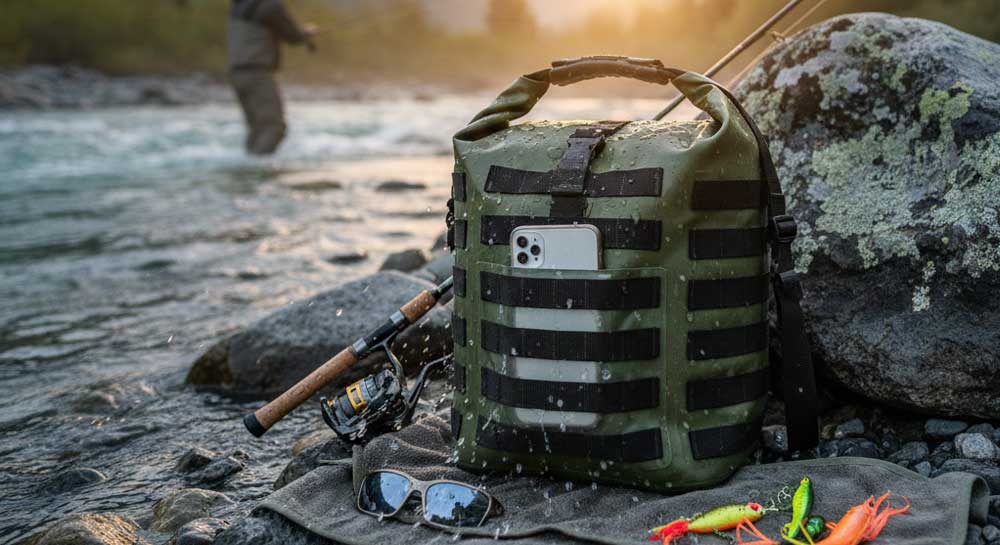
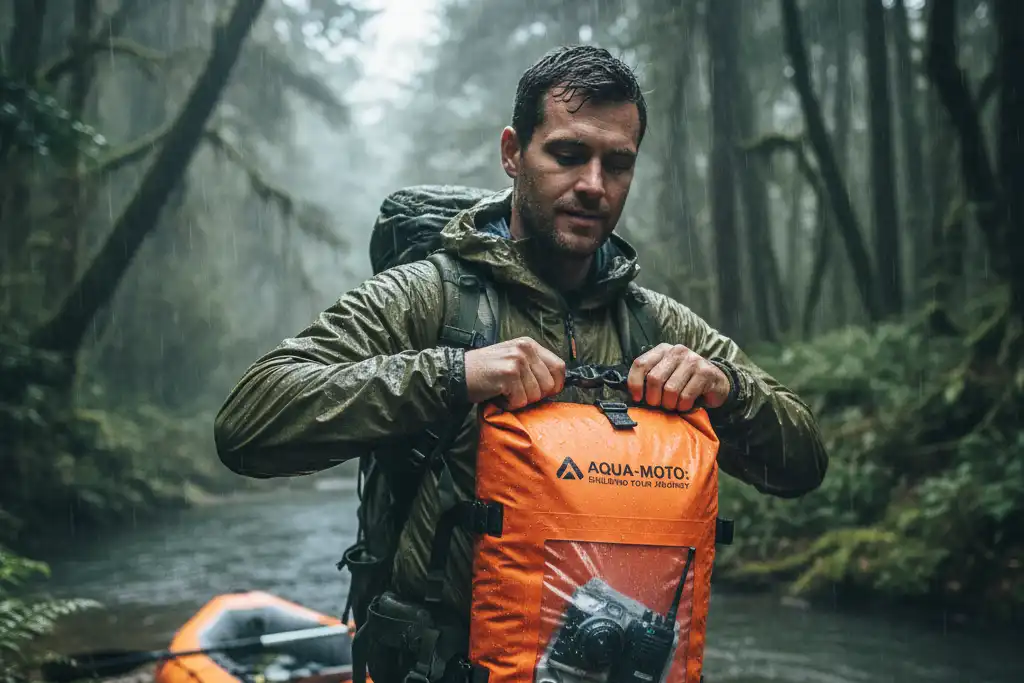
When you go fishing, the weather can change fast. Rain or splashes can make your gear wet. Sometimes, your bag might even fall in the water. A waterproof fishing bag keeps your things dry in any weather. You do not need to worry about storms or big waves.
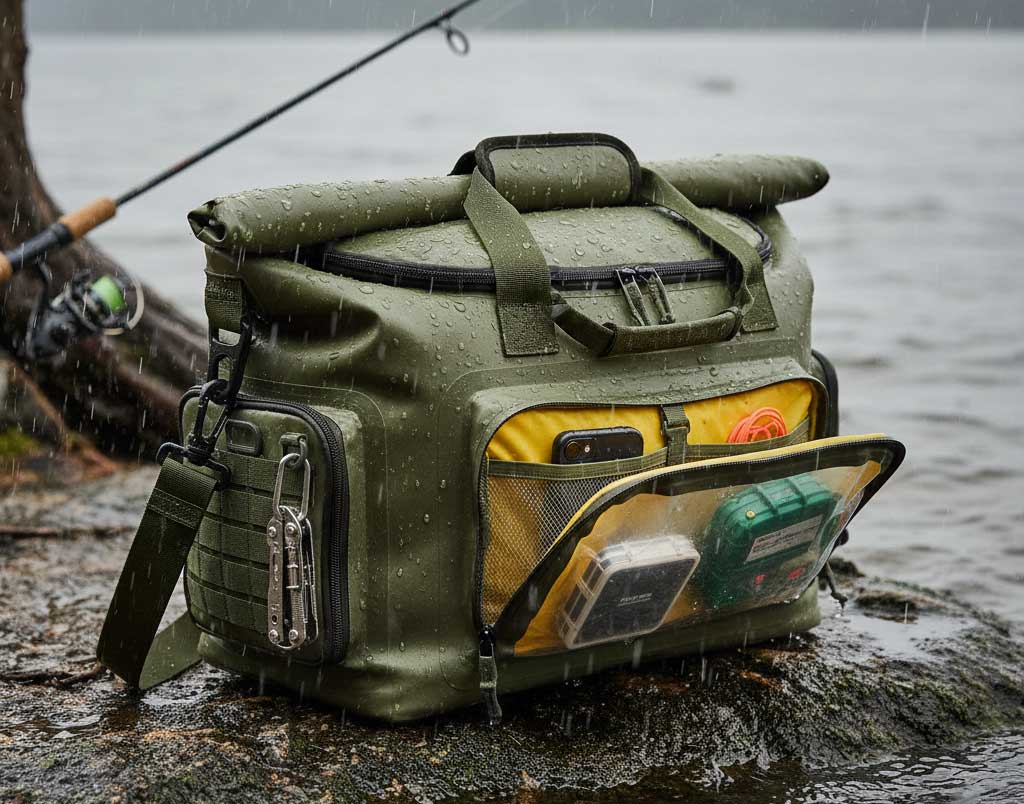
Waterproof fishing bags have special seals and strong zippers. They use water-repellent fabric and sealed seams. These features keep water out, even if the bag gets splashed or dropped in water. Regular fishing bags can let water in. This can cause rust, mold, or damage to your gear over time.
Here is how different weather can be risky for anglers:
Weather Condition
Risks Faced by Anglers
Winter
Hypothermia, ice breaking, very cold weather
Summer
Thunderstorms, big waves, strong currents, busy boating
With a good bag, your gear stays dry. You do not stress about ruined equipment. You can focus on fishing and having fun.
Safeguarding Valuable Gear
Fishing gear can be expensive. If you lose or break it, you lose money and time. A waterproof fishing bag keeps your best gear safe, like:
Tackle boxes
Terminal tackle organizers
Foam inserts
Rust-resistant organizers
Waterproof gear bags
Many anglers lose a lot of money each year from lost or broken gear. For example:
The lobster industry loses about $138,000 every year from lost or broken gear.
Crab fisheries in British Columbia spend almost $500,000 each year to buy new gear.
You can stop these losses by keeping your gear dry and safe. This helps your gear last longer and saves you money.
Enhancing Fishing Experience
A waterproof fishing bag does more than just protect your gear. It makes fishing trips easier and more fun. You get:
Strong materials that last outdoors.
Easy-to-carry designs so you can grab your gear fast.
Lots of space and pockets to keep things organized.
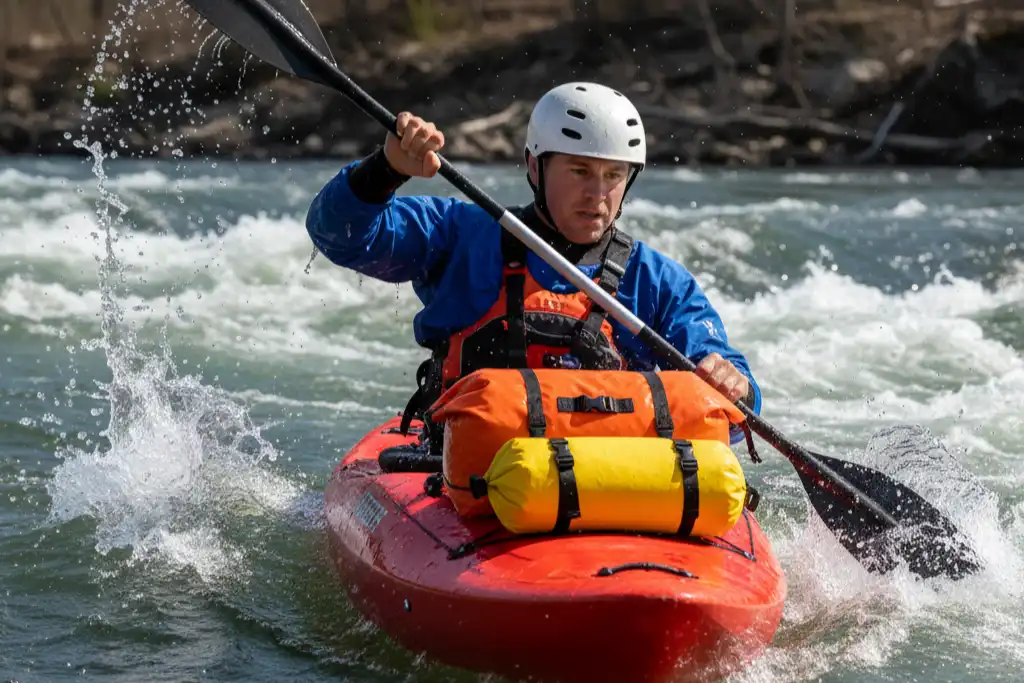
Your lunch, clothes, and electronics stay dry. You find your tools quickly and fish more. Many anglers say these bags give them peace of mind. Michael T. said his bag stayed dry inside, even after dragging it over rocks and mud. Jake S. used his bag on a kayak trip and kept everything dry, even with lots of splashes. Samantha L. trusted her bag in a rainstorm, and Carlos G. called his bag a “portable safe” for his gadgets and lunch.
You fish longer and go farther when your gear is safe. You enjoy every trip more because you do not worry about water or weather.
Key Features of Waterproof Fishing Bags
Durable Materials and Construction
You want your fishing bag to last through every adventure. The best waterproof fishing bags use tough materials that stand up to water, dirt, and rough handling. Look for these materials when you choose your bag:
Polyester resists wear and works well with other fabrics.
PVC and vinyl make the bag easy to clean and fully waterproof.
Ripstop and Cordura add extra protection against tears.
Neoprene and E-PTFE membranes keep your gear dry, even in harsh weather.
Reinforced seams are a must. They stop water from sneaking in and keep your gear safe. Many high-quality bags use heat-welded seams and waterproof zippers. These features give you peace of mind, even if you drop your bag in a puddle.
Tip: Some waterproof fishing bags are so sturdy you can use them as a seat, a bucket, or even an emergency float!
Compartments for Organization
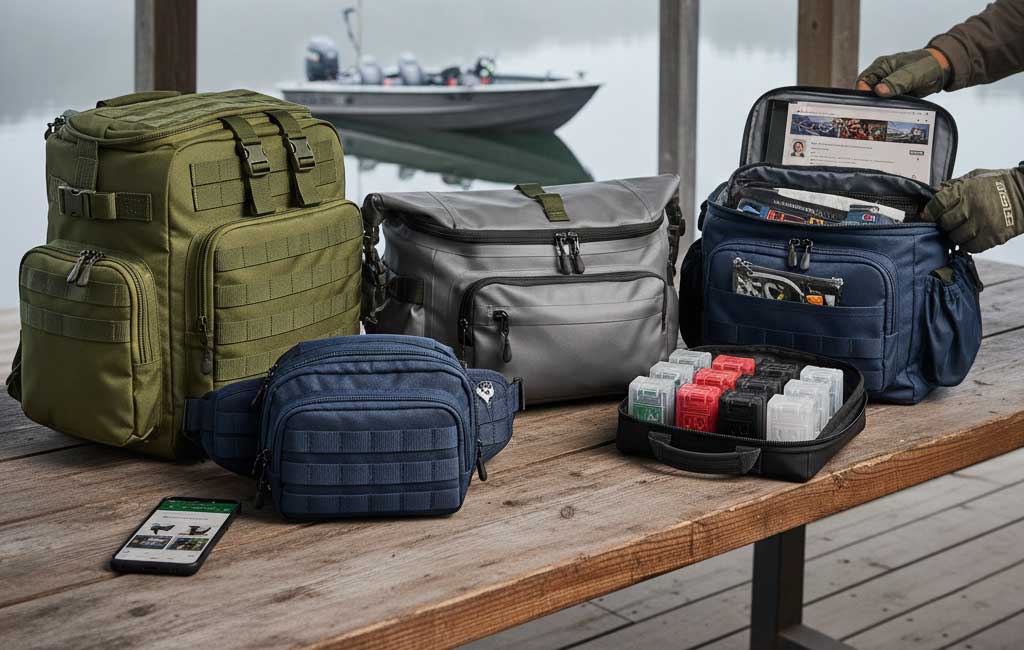
You need to find your gear fast when the fish are biting. The right bag gives you smart compartments and pockets. Usable space matters more than just having a big bag. A well-organized 30-liter pack works better than a messy 40-liter one.
Separate pockets for tackle, tools, and snacks help you stay ready.
Removable fly wallets and small boxes keep your favorite lures close.
Waterproof zippers and advanced materials protect your electronics and valuables.
A good compartment design means you spend less time searching and more time fishing.
Comfort and Portability
Long fishing trips can get tiring. You need a bag that feels good to carry. Look for padded shoulder straps and ventilated back panels. These features help you stay comfortable all day. Lightweight designs and even weight distribution make a big difference.
Backpack-style straps let you carry your bag on your back or shoulder.
External rod holders free up your hands.
Reinforced areas add durability where you need it most.
A waterproof fishing bag with these features lets you move easily, stay organized, and enjoy every trip.
Choosing the Right Waterproof Fishing Bag
Matching Bag Size to Your Needs
You want a bag that fits your fishing style. Before you buy, think about what you need to carry. If you fish for big catches or spend long hours by the water, you need more space. If you only bring the basics, a smaller bag works best.
Check how often you fish and how long you stay out.
Think about the places you fish most.
Count the gear you usually bring.
Beginners often choose compact bags to keep things simple. These bags help you stay organized with just the essentials. If you have more experience, you may want a larger bag with extra compartments for special lures and tools. Some fishing styles need special bags, so always match your bag to your needs.
Tip: Pick a bag with enough pockets and compartments. This makes it easy to grab what you need fast.
Adapting to Different Fishing Environments
Fishing spots are not all the same. You need a bag that works where you fish most. Saltwater fishing bags use strong, corrosion-resistant materials. They have waterproof zippers and tough fabrics. Many come with mesh pockets and ventilated back panels for comfort.
Freshwater bags are lighter and easy to carry. They often have removable trays for quick gear changes. Adjustable straps help you get a good fit. Some even have insulated pockets to keep your bait fresh.
Choose a bag that matches your main fishing environment. This helps your gear last longer and keeps you comfortable.
Balancing Cost and Quality
You want the best value for your money. High-quality bags come in many price ranges. Here are some popular options:
Product Name
Price
Dry Creek Z Sling
$269.95
G3 Guide Backpack (Sale Price)
$247.46
Dry Creek Duffel L – 200L (Sale Price)
$247.46
Dry Creek Rolltop Backpack
$229.95
Dry Creek Duffel M – 155L (Sale Price)
$224.96
Dry Creek Duffel S – 60L (Sale Price)
$187.46
Dry Creek Gear Pouch – 4L (Sale Price)
$59.96
Dry Creek Dry Bag Large (Sale Price)
$41.21
Dry Creek Dry Bag Medium (Sale Price)
$33.71
Dry Creek Dry Bag Small (Sale Price)
$26.21
To get the right bag, look at what features matter most for your fishing trips. Compare brands and prices. Think about how long the bag will last, not just the first price you see. A Waterproof Fishing Bag with the right features saves you money in the long run.
Note: A good bag protects your gear and gives you peace of mind. Invest in quality now to avoid problems later.
Using and Maintaining Your Waterproof Fishing Bag
Packing for Maximum Protection
You want your gear to stay safe and dry every time you fish. Start by choosing a bag made from tough materials like 500D PVC or TPU-coated recycled nylon. These materials block moisture and keep your gear protected. Use a roll-top closure to seal out water. Try a two-bag system—one for heavy items at the bottom and another for delicate electronics. Wrap your electronics in dry bags for extra safety. When you pack, place heavier gear at the bottom and keep fragile items on top. This method prevents damage and makes your trip smoother.
To organize your gear and prevent damage, follow these tips:
Use species-specific boxes for tackle.
Try color-coded trays to find gear fast.
Pick rust-resistant containers with tight seals.
Use mini organizers for terminal tackle.
Avoid overpacking to reduce clutter.
Cleaning and Storage Tips
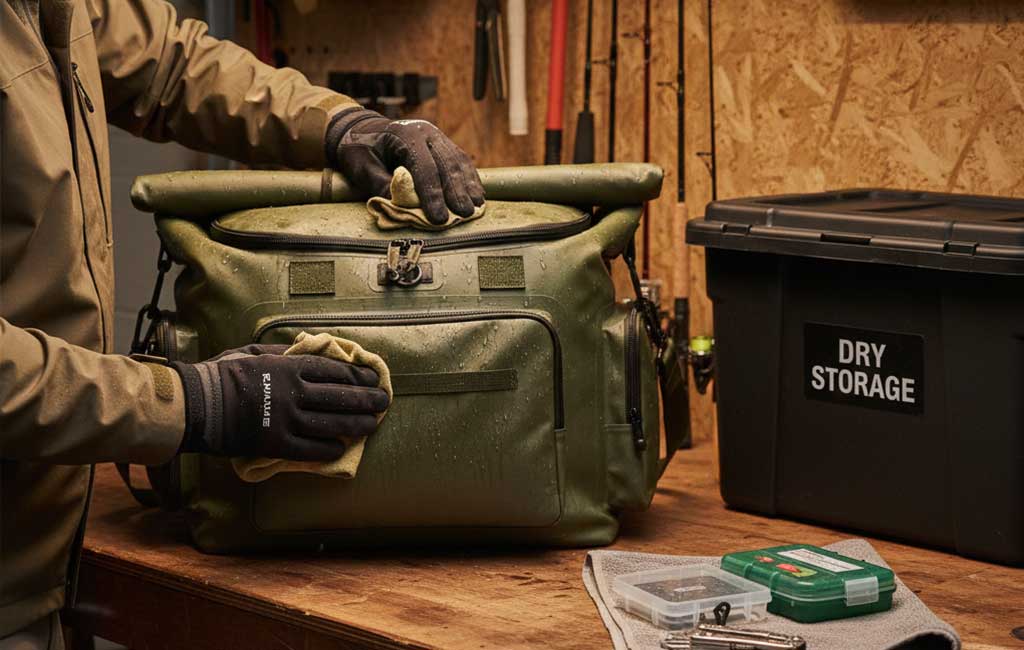
Keep your bag in top shape with regular cleaning. After each trip, rinse your bag with lukewarm water and mild soap. For tough dirt or salt, take the bag apart, vacuum the inside, and soak it in lukewarm water with a non-detergent cleaner. Gently hand-wash, rinse with cool water, and let it air dry. Never use direct sunlight or heat to dry your bag.
Proper storage extends your bag’s life. Make sure your bag is 100% dry before storing. Store it in a cool, dry place away from sunlight. Do not roll or compress the bag tightly. Hang it up if you can, or keep it unrolled in a closet or gear bin.
Regular Inspections and Repairs
Check your bag before and after every fishing trip. Look for holes, loose seams, or broken zippers. Early checks help you fix small problems fast. Inspect seams and closures for wear. Look for cuts or punctures that could let water in. Sometimes, fill the bag with water to check for leaks.
Maintenance Task
Frequency
Lubricate waterproof zippers with silicone-safe grease
Every 2–3 months
Wipe with mild soap + lukewarm water after trips
After each trip
Inspect buckles, D-rings, and welded tabs for damage
Regularly
Check seam tape edges for lifting
Regularly
Replace damaged parts
Promptly after damage is noticed
A well-cared-for Waterproof Fishing Bag protects your gear and gives you peace of mind on every trip.
You should have a fishing trip without worrying about wet gear. A waterproof fishing bag keeps your things safe and dry. It is comfortable to carry and helps you stay organized. You can use both hands because of the bag’s design. The padded straps feel soft on your shoulders. The strong materials protect your gear in any weather.
Feel sure your gear will not get ruined.
Walk around easily and grab your stuff quickly.
Catch more fish and have more fun.
Get better gear now. Pick a waterproof fishing bag and enjoy every fishing trip even more.
FAQ
How do I know if my fishing bag is truly waterproof?
Look for bags with welded seams, waterproof zippers, and a roll-top closure. Check the product label for a waterproof rating. Test your bag at home with water before your trip.
Can I use a waterproof fishing bag for other outdoor activities?
Absolutely! You can use your waterproof fishing bag for hiking, camping, boating, or beach trips. It keeps your gear dry and organized in any wet environment.
How do I clean my waterproof fishing bag?
Rinse your bag with lukewarm water and mild soap after each trip. Let it air dry completely. Avoid harsh chemicals and direct sunlight to keep the material strong.
What should I pack in my waterproof fishing bag?
Tackle boxes
Extra clothes
Electronics in dry pouches
Snacks and water
First aid kit
Pack only what you need. This keeps your bag light and easy to carry.








Comments are closed