



The Best Materials for High-Performance Gym Bags
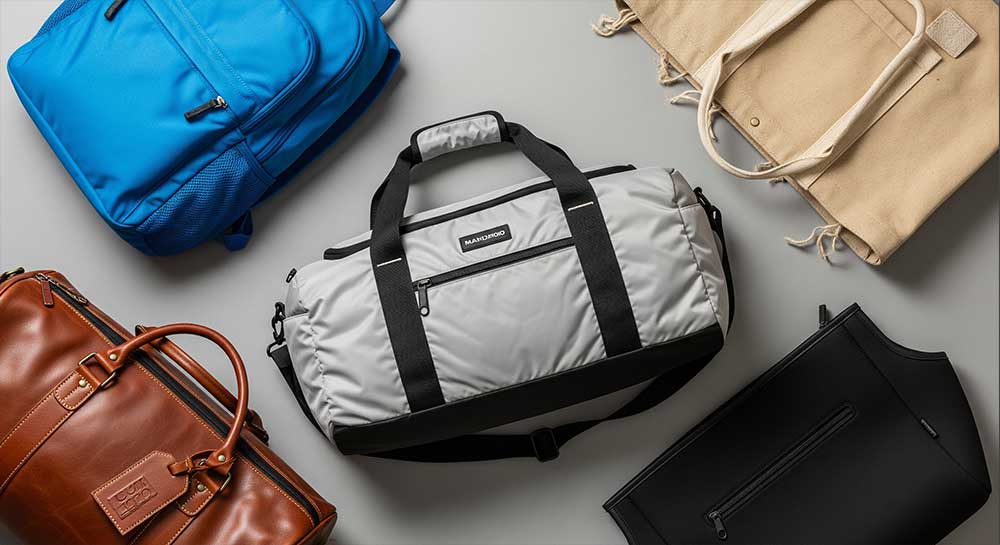
You need a gym bag that is strong like you, and the choice of gym bag materials plays a crucial role. Nylon and polyester are light and tough, ensuring durability while keeping water out. Canvas, cotton, and hemp allow air to move through, giving a relaxed and casual look. Leather offers a classic appearance and lasts a long time. Neoprene and hybrid fabrics are flexible, presenting a new and modern aesthetic. The gym bag materials you pick significantly influence how your bag feels, whether it’s tough, light, stylish, or water-resistant. Choose what best matches your daily needs and personal style.
Key Takeaways
- Pick nylon or polyester if you want a light gym bag. These materials are strong and last a long time. They can handle daily use. They also keep your things dry.
- Canvas, cotton, and hemp are natural fabrics. They let air flow and are good for the planet. These are great for casual use and help the environment.
- Leather bags look classic and last many years. They are good for people who care about style and quality.
- Neoprene bags bend easily and do not let water in. They are good for wet gear. They also look modern.
- Think about what you need, like strength, style, or being eco-friendly. This will help you pick the best gym bag material for you.
What Makes a Gym Bag High-Performance
Essential Features
When you look for a high-performance gym bag, you want more than just a place to toss your gear. The best bags make your life easier and keep up with your busy routine. Here are some features people love in top gym bags:
- Durability that stands up to daily use
- Smart organization with lots of pockets
- Comfort, especially with padded straps
- Good value for the price
- A look that matches your style
- Special compartments for training shoes, soccer shoes, or wet clothes
- Ventilated compartments to keep things fresh
- Reinforced parts that handle heavy loads
Tip: If you carry shoes or sweaty clothes, look for a bag with a ventilated compartment. This helps stop odors and mildew from building up.
Role of Materials
The right gym bag materials make all the difference. Each material brings something special to the table. Check out how different materials help create those must-have features:
| Material | Contribution to Features |
|---|---|
| Nylon | Durable and easy to clean, stands up to daily workouts. |
| Polyester | Tough and resists wear, perfect for gym environments. |
| Heavy-duty Canvas | Strong and lasts a long time, great for frequent use. |
| Mesh Panels | Boosts ventilation, keeps odors and mildew away. |
| Water-resistant | Shields your stuff from spills and moisture. |
You want a bag that keeps your gear dry and fresh. Water-resistant pockets protect your electronics and clean clothes. Mesh panels or special vents let air flow, so your bag does not trap sweat and smells. When you pick gym bag materials, think about what matters most to you—strength, comfort, or keeping things dry.
Overview of Gym Bag Materials

Picking the right gym bag materials helps your workouts feel easier. There are many choices, and each one has something special.
Synthetic Fabrics (Nylon, Polyester)
Nylon and polyester are popular for gym bags. They are light and strong. Nylon is very tough and does not wear out fast. Polyester keeps its shape and dries fast, so your bag does not stay wet. Here is how they compare:
| Property | Nylon | Polyester |
|---|---|---|
| Durability | Very strong | Resists wearing out |
| Moisture Absorption | Moves sweat away | Dries fast, does not soak up much |
| Water Resistance | Keeps water out | Stops water, can be waterproof |
| Breathability | Air moves through | Air moves a little |
| Care | Needs gentle washing | Easy to clean |
You see these materials in sports bags and backpacks. They last long and protect your stuff.
Natural Fabrics (Canvas, Cotton, Hemp)
Natural fabrics look classic and are good for the planet. Canvas, cotton, and hemp feel soft and strong. Hemp uses little water and no chemicals, so it is better for nature. Cotton feels nice but needs more water and chemicals to grow. Mixing hemp and cotton makes the fabric stronger and helps stop germs, but it is harder to recycle.
- Hemp uses less water and no chemicals.
- Cotton needs lots of water and makes more pollution.
- Hemp takes in more CO2 than cotton.
- Mixed fabrics last longer but are tough to recycle.
Pick these materials if you care about the earth or want a chill style.
Leather
Leather gym bags look cool and last a long time. They can handle rough use and bad weather. Over time, leather gets a special look called patina. Leather bags come in many styles, so you can find one you like.
- Leather is strong and tough.
- It keeps its shape and looks nice for years.
- You get a classic and fancy look.
Neoprene and Specialty Fabrics
Neoprene and special fabrics are flexible and keep water out. Neoprene stretches and keeps things safe and dry. Special fabrics mix comfort, strength, and performance. These materials are used in new gym bags that need to hold wet gear or handle different weather.
| Fabric Type | Water Resistance | Flexibility | Other Properties |
|---|---|---|---|
| Neoprene | Keeps water out | Stretches | Keeps things warm, stretches |
| Canvas | Does not keep water out | Does not stretch | Strong, good for the planet |
Tip: If you want a bag that bends and stretches, pick neoprene.
There are lots of gym bag materials to choose from. Think about what is most important to you—strength, style, or helping the planet.
Nylon
Pros of Nylon
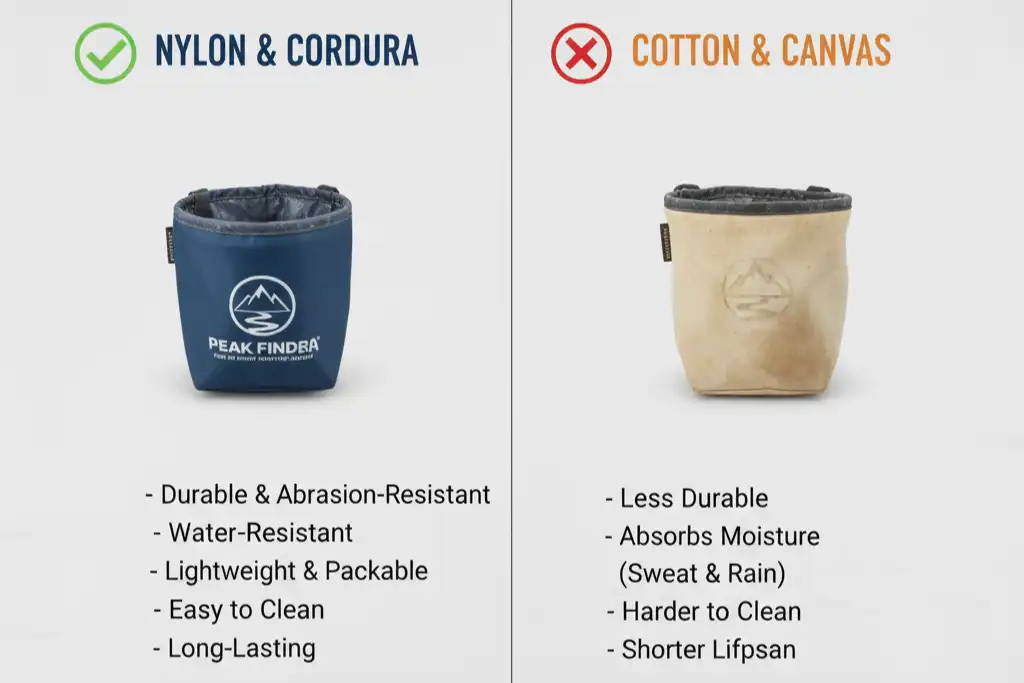
Nylon stands out as one of the best choices for gym bags. You get a bag that feels light but can handle a lot of weight. Nylon resists tearing and holds up well, even if you use your bag every day. It dries quickly, so you do not have to worry about sweat or rain soaking your gear. Cleaning nylon is easy. Most of the time, you can just wipe it down with a damp cloth.
Nylon bags also cost less than leather bags. Take a look at this price comparison:
| Material | Average Cost |
|---|---|
| Nylon | $24.66 |
| Leather | $70.96 |
You save money and still get a strong, reliable bag. Nylon also comes in many colors and styles, so you can pick one that matches your look.
Cons of Nylon
Nylon has a few downsides. It can get scratched if you drag it across rough surfaces. Over time, the color may fade, especially if you leave your bag in the sun. Nylon does not look as fancy as leather, so it may not fit every style. Sometimes, nylon bags can hold onto smells if you do not air them out.
Tip: To keep your nylon bag fresh, empty it after each use and let it air out.
When to Use Nylon
You should pick nylon when you need a bag that can take a beating. Sports professionals often choose nylon for its strength and water resistance. Here is why nylon works so well for active people:
| Feature | Description |
|---|---|
| High Tensile Strength | Extremely strong, ideal for heavy use. |
| Resistance to Abrasion | Durable against wear and tear. |
| Water Resistance | More effective than polyester in wet conditions. |
| Best For | Premium gym backpacks and outdoor sports bags. |
If you want gym bag materials that last, nylon is a smart pick. It works great for gym trips, outdoor sports, and travel. You get a bag that is tough, light, and easy to care for.
Polyester
Pros of Polyester
You want a gym bag that can handle your busy life. Polyester steps up with natural water resistance, so your gear stays dry even if you get caught in the rain or toss your bag on a wet locker room floor. This fabric keeps your stuff safe from moisture, which is great if you carry electronics or clean clothes. Polyester also holds its color well. You can pick a bright or bold bag, and it will still look sharp after months of use. Polyester resists fading and keeps its shape, so your bag always looks fresh. Cleaning is simple—just wipe it down or toss it in the wash.
Tip: If you want a bag that looks new for a long time, polyester is a smart choice.
Cons of Polyester
Polyester does a lot right, but it has some drawbacks. You might notice that polyester bags can feel a bit stiff compared to softer fabrics. They do not breathe as well, so sweaty clothes might trap odors inside. The biggest concerns come from the environment:
- Polyester relies on petroleum, contributing to fossil fuel depletion.
- The production process consumes a significant amount of energy, leading to high carbon emissions.
- Polyester is non-biodegradable, persisting in the environment for a long time.
- Microfibers shed from polyester can enter water systems, harming marine life.
If you care about eco-friendly gym bag materials, you may want to look at other options.
When to Use Polyester
Polyester works for many people. You get a bag that is tough, colorful, and easy to clean. Check out who benefits most from polyester gym bags:
| User Type | Best For |
|---|---|
| Fitness Enthusiasts | Full workouts, travel, team sports |
| Commuters | Commuting, multi-use, daily fitness |
| Style-focused Users | Light workouts, fashion-conscious users |
| Minimalists | Quick sessions, urban use |
| Professionals | Office-to-gym transitions, corporate wellness |
If you want a bag that stands up to daily use and keeps looking good, polyester is a solid pick.
Canvas, Cotton, and Hemp

Pros of Canvas, Cotton, Hemp
You want a gym bag that feels good and looks great. Canvas, cotton, and hemp give you that classic style. These natural fabrics breathe well, so your bag does not trap sweat or smells. You can toss your shoes or water bottle inside and not worry about odors. Hemp stands out because it uses less water and grows without chemicals. Canvas lasts a long time and handles heavy loads. Cotton feels soft and comfortable. If you care about the planet, these gym bag materials help you cut down on plastic use.
Here are some reasons you might love natural fabrics:
- Breathable and comfortable
- Eco-friendly choices
- Durable for everyday use
- Classic and relaxed look
Note: Hemp absorbs more CO2 than cotton, making it a smart pick for eco-conscious users.
Cons of Canvas, Cotton, Hemp
Natural fabrics have a few downsides. Canvas and cotton can soak up water, so your bag might get wet if you leave it in the rain. Hemp is strong but sometimes feels rough. Cotton needs a lot of water to grow, which can harm the environment. These bags may not be as easy to clean as synthetic ones. You might need to treat them to keep water out.
| Fabric | Water Resistance | Maintenance | Feel |
|---|---|---|---|
| Canvas | Low | Moderate | Sturdy |
| Cotton | Low | Moderate | Soft |
| Hemp | Low | Moderate | Rough |
Tip: Apply waterproofing spray and re-wax your bag every year to help it resist water.
When to Use Natural Fabrics
You should grab a natural fabric gym bag for weightlifting, marathon training, or weekend sports. These bags work well for carrying shoes, towels, and water bottles. Their breathable design keeps your gear fresh and comfortable. If you want to reduce plastic use and show off a relaxed style, canvas, cotton, and hemp are great picks.
To keep your bag looking its best, follow these care tips:
- Clean surface dust and dirt weekly.
- Check for wear and tear every four to six months.
- Store in a cool, dry place away from sunlight.
- Use breathable dust bags and avoid folding.
- Apply waterproofing sprays and re-wax annually.
You get a bag that matches your values and your lifestyle. Natural gym bag materials offer comfort, style, and a greener choice for your workouts.
Leather

Pros of Leather
You want a gym bag that stands out and lasts for years. Leather gives you both. When you pick leather, you get a bag that feels soft and strong at the same time. Over time, the leather gets even better, showing a rich patina that makes your bag unique. Many people see leather as a sign of luxury. High-end leather gym bags use full-grain leather and careful stitching. These details make the bag look and feel special. You notice the difference every time you touch it. The price is higher, but you get a bag that keeps its shape and style for a long time. Leather also resists daily wear, so your bag stays looking sharp even with regular use.
Tip: If you want a gym bag that matches your work clothes or looks good at the office, leather is a great choice.
Cons of Leather
Leather gym bags do have some downsides. You need to care for them to keep them looking good. Water can stain or damage leather, so you should avoid getting your bag wet. Leather bags also weigh more than bags made from other gym bag materials. Sometimes, you might see small marks or scars on the leather. These are natural and show the real quality, but not everyone likes them. Some bags have problems with zippers or metal parts, which can tarnish or break.
Here are some common issues you might face:
| Issue Type | Description |
|---|---|
| Manufacturing Problems | Cracking or peeling finish can make the bag look old. |
| Material Defects | Scarring or uneven thickness may affect how long the bag lasts. |
| Hardware Problems | Zippers or metal parts might not line up or could tarnish. |
| Lining Defects | Weak lining can wear out fast. |
| Usage-Related Issues | Creasing and scuffs happen with regular use. |
Note: Leather bags need regular cleaning and conditioning to stay soft and strong.
When to Use Leather
You should choose leather if you want a gym bag that looks stylish and lasts a long time. Leather works well for people who care about both fashion and function. It fits right in at the gym, the office, or even when you travel. If you take your fitness seriously and want a bag that keeps up, leather is a smart pick.
- Great for gym lovers who want durability and style.
- Perfect for people who care about their fitness lifestyle.
- Reliable for daily use and keeps an elegant look.
Leather stands out among gym bag materials for its luxury feel and long life. If you want a bag that makes a statement and holds up over time, leather is hard to beat.
Neoprene and Hybrid Materials

Pros of Neoprene, Hybrid
If you want a gym bag that stands out, neoprene and hybrid fabrics offer some cool benefits. You get a bag that feels light, even when you pack it full. Neoprene keeps water out, so your gear stays dry after a rainy walk or a spill in the locker room. These bags handle rough use and last a long time. You can carry food or drinks, and the thermal insulation helps keep them at the right temperature. Neoprene bags come in lots of colors and designs, so you can pick one that matches your style.
Here’s what makes these gym bag materials special:
- Lightweight and easy to carry
- Water resistance for rainy days and spills
- Durable for everyday gym trips
- Thermal insulation for snacks and drinks
- Stylish choices for every taste
Tip: If you want a bag that looks modern and keeps your stuff safe, neoprene is a smart pick.
Cons of Neoprene, Hybrid
Neoprene and hybrid fabrics have some drawbacks you should know about. Take a look at this table to see what you might face:
| Limitation | Description |
|---|---|
| Lack of Breathability | Neoprene traps air, so sweaty clothes can hold odors. |
| Skin Sensitivity | Some people get skin irritation from trapped moisture or chemicals. |
| Environmental Impact | Neoprene does not break down, which adds to landfill waste. |
| Weight | These bags can feel heavier than other options. |
| Cost | You pay more for neoprene because it takes more work to make. |
Note: If you want a bag that breathes well, you might want to look at other gym bag materials.
When to Use Specialty Fabrics
You might wonder when neoprene or hybrid bags work best. These bags shine in certain situations. Check out this table for ideas:
| Use Case | Description |
|---|---|
| Travel | Great for carrying essentials on trips. |
| Sport and Recreation | Perfect for packing gear for different sports. |
| Business and Weekend Getaways | Handy for short trips and quick getaways. |
If you need a bag for travel, sports, or weekend plans, specialty fabrics give you the right mix of style and protection. You get a bag that looks cool and keeps your stuff safe, no matter where you go.
Comparing Gym Bag Materials
Durability
You want your gym bag to last a long time. Durability depends on what the bag is made of. Nylon and polyester can handle rough use every day. Canvas and hemp are strong, especially for heavy stuff. Leather bags do not wear out fast, but you need to care for them. Neoprene and hybrid fabrics are tough for travel and sports.
Here’s a quick look at how the main materials compare:
| Material | Durability Level | Best Use Case |
|---|---|---|
| Nylon | High | Daily gym, sports, travel |
| Polyester | High | Everyday use, team sports |
| Canvas/Hemp | Medium-High | Heavy loads, eco-friendly |
| Leather | High | Style, long-term use |
| Neoprene | Medium | Wet gear, travel |
Tip: If you use your bag a lot, nylon or leather works best.
Weight
No one wants a gym bag that is heavy. The weight depends on the fabric. Nylon and polyester are light and easy to carry. Canvas and hemp are heavier but feel strong. Leather bags are the heaviest. Neoprene is not too light or heavy.
Check out this table showing fabric weights:
| Weight Class | GSM Range | OZ Range (oz/yd²) | Common Fabric Examples |
|---|---|---|---|
| Ultra Light | Under 100 GSM | Under 3 oz/yd² | Chiffon, voile, lace |
| Lightweight | 100-170 GSM | 3-5 oz/yd² | Cotton shirting, chambray |
| Midweight | 170-340 GSM | 5-10 oz/yd² | Twill, denim |
| Heavyweight | 340-400 GSM | 10-12 oz/yd² | Heavy canvas, fleece |
| Ultra Heavy | Over 400 GSM | Over 12 oz/yd² | Tote bags, tool bags |
If you want a light bag, pick nylon or polyester. If you want a strong bag, canvas or leather is good.
Water Resistance
You want your gym bag to keep your things dry. Water resistance is different for each material. Nylon and polyester often have coatings to block water. Leather can keep water out for a short time. Neoprene is great for wet stuff. Canvas and hemp soak up water unless you treat them.
Here’s a table showing water resistance ratings:
| Material | Waterproof Rating |
|---|---|
| PVC | IPX6–8 (welded) |
| TPU | IPX7–8 (welded) |
| Ripstop Nylon | IPX4–6 (coated) |
| Polyester | IPX4–6 (coated) |
| RPET | IPX4–6 (coated) |
| Trilaminate | IPX8+ (sealed seams) |
| PU Leather | IPX3–4 (surface only) |
Note: If you carry electronics or clean clothes, pick a bag with high waterproof rating.
Breathability
Breathability helps your gym bag stay fresh. Canvas, cotton, and hemp let air move through. This stops sweat and smells from building up. Nylon and polyester let some air in, but not much. Neoprene keeps air and moisture inside, so sweaty clothes can smell. Leather does not let air in, but it looks cool.
Here’s a quick list of breathable materials:
- Canvas
- Cotton
- Hemp
If you want a fresh bag, pick natural fabrics.
Style and Value
Style is important when you choose a gym bag. Leather bags look fancy and classic. Canvas and hemp look relaxed and eco-friendly. Nylon and polyester come in many colors and patterns. Neoprene and hybrid fabrics look modern.
Value means how long your bag lasts and how much it costs. Nylon and polyester are good deals for the price. Leather costs more but lasts longer. Canvas and hemp are cheap and good for the planet.
Block Quote:
Eco-friendly gym bag materials are getting popular. Many brands use recycled fabrics and ethical practices. You can find stylish bags that help the environment.
The gym backpack market is growing fast. People want bags that look good and work well. Features like comfy straps and water resistance are now common. You can pick duffel bags, backpacks, tote bags, and hybrids. Duffel bags hold a lot. Backpacks are easy to carry. Tote bags look nice for work or school. Hybrid bags work for many things.
Summary Table: Major Gym Bag Materials Comparison
| Material | Durability | Weight | Water Resistance | Breathability | Style | Value |
|---|---|---|---|---|---|---|
| Nylon | High | Light | Good | Moderate | Sporty | Affordable |
| Polyester | High | Light | Good | Moderate | Colorful | Affordable |
| Canvas/Hemp | Medium | Heavy | Low | High | Casual/Eco | Affordable |
| Leather | High | Heavy | Moderate | Low | Classic/Lux | Expensive |
| Neoprene | Medium | Medium | High | Low | Modern | Moderate |
Which Material Is Best for You?
- Heavy Use: Nylon or leather
- Budget: Polyester or canvas
- Style: Leather or neoprene
- Eco-Friendly: Hemp or recycled polyester
- Lightweight: Nylon or polyester
- Wet Gear: Neoprene or coated nylon
You have lots of choices. Think about what matters most to you. Durability, weight, water resistance, breathability, style, or value. Pick the gym bag materials that fit your life and workouts.
Choosing Gym Bag Materials

Assess Your Needs
You want a gym bag that fits your life. Start by thinking about how you use your bag. Do you hit the gym every day? Maybe you need something tough and easy to clean. Nylon or polyester works well for busy routines. If you care about style, leather gives you a classic look. Canvas and hemp offer a relaxed vibe and help the planet.
Ask yourself these questions:
- How often do you use your gym bag?
- Do you carry wet clothes or shoes?
- Is style important to you?
- Do you want an eco-friendly option?
- Do you need lots of pockets or special compartments?
Check out this table to match your needs with the right material:
| Your Priority | Best Material |
|---|---|
| Durability | Nylon, Leather |
| Lightweight | Nylon, Polyester |
| Eco-Friendly | Hemp, Canvas |
| Style | Leather, Neoprene |
| Breathability | Canvas, Cotton |
Tip: If you travel or commute, pick a bag with water resistance and sturdy straps.
Maintenance Tips
You want your gym bag to last. Each material needs different care. Nylon and polyester clean up fast. Just wipe them with a damp cloth. Canvas and hemp need gentle washing. Use mild soap and let them air dry. Leather bags need special care. Clean with a soft cloth and use leather conditioner. Neoprene bags can trap smells. Air them out after each use.
Here are some easy tips:
- Empty your bag after every workout.
- Let your bag air out to stop odors.
- Spot clean stains right away.
- Store your bag in a cool, dry place.
- Use waterproof sprays for canvas and hemp.
Note: Taking care of your gym bag materials helps your bag stay fresh and strong.
You can pick from many gym bag materials. Nylon and polyester are strong and not heavy. Canvas and hemp let air in and are good for the earth. Leather looks cool and lasts a long time. Neoprene keeps your things safe from water.
Think about what is most important to you—how long it lasts, how it looks, if it helps the planet, or how much it costs.
- Athletes: Nylon or polyester are good choices.
- Commuters: Leather or neoprene work well.
- Style lovers: Leather is the best pick.
- Eco-conscious users: Hemp or canvas are smart picks.
FAQ
What is the most durable material for a gym bag?
Nylon and leather both last a long time. Nylon handles rough use and stays light. Leather looks stylish and gets better with age. If you want a bag that can take a beating, pick nylon. For a classic look, choose leather.
How do I keep my gym bag from smelling bad?
Empty your bag after each workout. Let it air out. Use a small bag of baking soda or dryer sheets inside. Wash or wipe down the bag often. Bags with mesh panels or natural fabrics help keep things fresh.
Are eco-friendly gym bags as strong as regular ones?
Yes! Hemp and canvas bags hold up well for daily use. They feel sturdy and last a long time. Some brands even use recycled polyester, which is tough and good for the planet.
Can I wash my gym bag in the washing machine?
You can wash most nylon and polyester bags in the machine. Use cold water and gentle soap. Always check the care label first. Leather, canvas, and neoprene bags need hand cleaning.
Which material is best if I carry wet clothes?
Neoprene and coated nylon work best for wet gear. They keep water inside and protect your other stuff. Look for bags with special waterproof pockets or liners.
What to Pack in Your Gym Bag: The Complete Checklist
How to Upgrade Your Outdoor Bag with Reflective Safety Features
How to Import Outdoor Bags from China and Avoid Common Mistakes
How to Choose the Best Custom Backpack Manufacturer in China



Comments are closed