A Complete Guide to Water Sports for Beginners and Enthusiasts
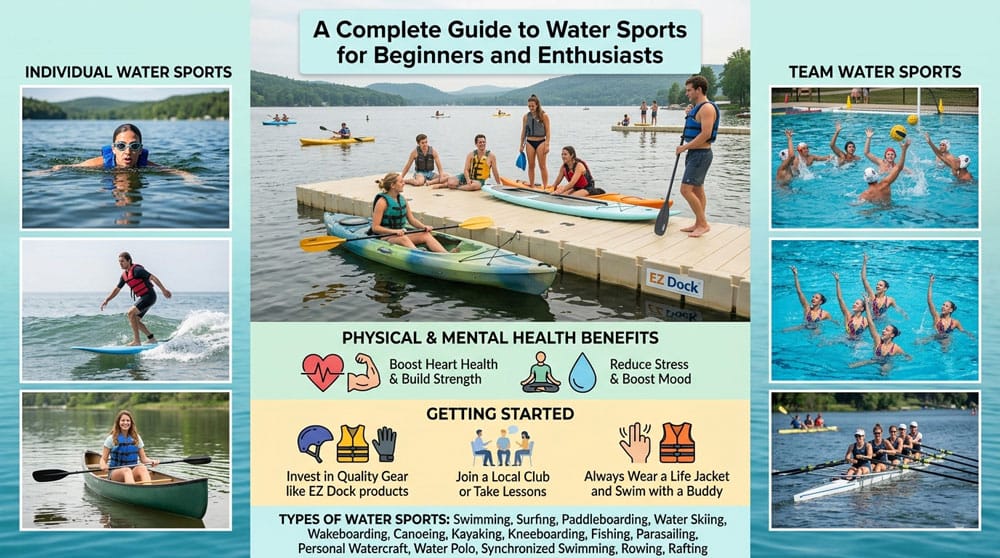
Ready to dive into water sports? You can try solo activities like swimming or join a team for water polo. Paddleboarding has become super popular, with over 4 million people in the U.S. enjoying it last year. Water-based exercise helps you build strength, balance, and boosts your heart health. You might notice less joint pain and feel more relaxed after a session. If you’re new, start with simple tips and make sure you have the right gear, like EZ Dock products, to stay safe and comfortable.
Explore different water sports to find what excites you. Try swimming, paddleboarding, or team sports to discover your passion.
Safety is key in water sports. Always wear a life jacket, check your gear, and swim with a buddy to ensure a fun experience.
Water sports boost your physical and mental health. They improve strength, balance, and heart health while also reducing stress.
Join a local club or take lessons to meet new friends and learn new skills. Community support enhances your water sports journey.
Invest in quality equipment like EZ Dock products for safety and convenience. Good gear makes your time on the water more enjoyable.
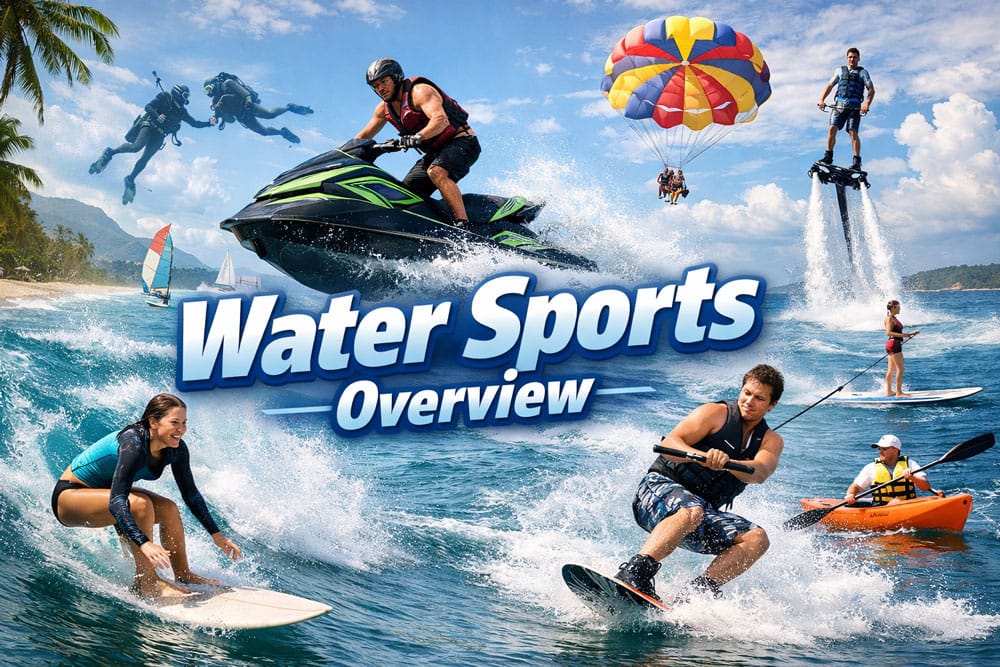
Water Sports Overview
Types of Water Sports
Water sports are a fun way to be active in the water. You can do them by yourself or with friends. Some people like to compete, but others just want to relax. Here are the main types:
Feature
Individual Water Sports
Team Water Sports
Social Aspect
You do these alone and compete with yourself
You work with others and make friends
Skill Requirement
You focus on getting better by yourself
You need to work together and plan as a team
Examples
Swimming, surfing, kayaking
Rowing, water polo, synchronized swimming
When you do individual water sports, you can see how much you improve. Team water sports help you make friends and learn teamwork. Both can be for fun or for competition. You get to pick what you like best.
Choosing Your Water Sport
It can be hard to pick the right water sport. You should find one that fits what you like and what you can do. Think about what you want and what makes you happy. Maybe you want to get stronger, meet people, or just have fun.
Criteria
Description
Stability
Boards should be steady so beginners can balance easily.
Ease of Use
Equipment should be simple, so it is easy to learn.
Suitability of Equipment
The board should be made for beginners and fit their needs.
Inflatable vs Hard
Inflatable boards are better for beginners because they are safer and more stable.
Low Profile
A board that is lower to the water is less likely to tip over.
Build Quality
A strong board lasts longer and works better as you learn.
Your age and background can help you choose. Younger people may like new water sports. Older people might like classic ones like kayaking. If you want to make friends, try a team sport. If you want to test yourself, go solo. Pick a sport that makes you excited to get in the water.
Tip: Try out a few water sports before you pick one. You might find something you really like!
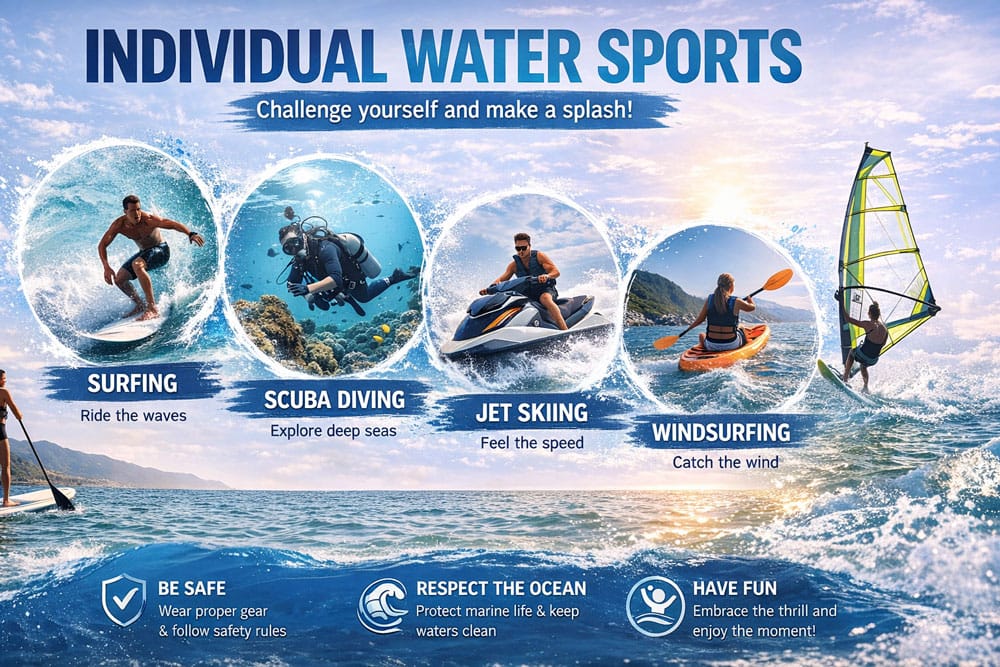
Individual Water Sports
Swimming Benefits and Tips
Swimming is fun and you can do it almost anywhere with water. It helps you stay healthy and fit. You use your arms, legs, and core muscles. Swimming makes your heart stronger and builds muscle. You can swim by yourself or with friends. It is easy to begin and you do not need much gear.
Always swim with a buddy and never leave kids alone.
Guideline
Description
Supervision
Always watch kids in or near water.
Life Jackets
Young or new swimmers should wear approved life jackets.
Designated Areas
Swim only where lifeguards are watching.
Swim Lessons
Take swim lessons to get better and feel safe.
Tip: Start with swim lessons. You will feel safer and more at ease in the water.
Surfing and Paddleboarding
Surfing and paddleboarding are exciting sports you do alone. You ride waves or move across calm water. You need balance, strength, and quick moves. Surfing lets you feel the ocean’s power. Paddleboarding is calm and peaceful on lakes or rivers.
To begin, learn these skills:
Balance: Stand sideways on the board to stay steady. Change your stance when you catch a wave.
Paddling: Use short, quick strokes for waves. Use long strokes to glide.
Catching Waves: Paddle fast to match the wave. Change your stance when the wave lifts you.
Surf Etiquette: Let others go first if it is their turn. Talk to others in the water.
Start on flat water to get used to it. Learn from people who know more. Check your gear before you go out. Begin with small waves. Pick places with fewer people to stay safe. Always control your board and respect its power.
Common injuries are to your shoulder, knee, back, ribs, and head. You can avoid these by making your muscles stronger, using good form, and wearing safety gear. Wear a helmet and padded shirt. Use sunscreen and drink water to stay safe from sunburn and dehydration. Change your stance to help your back. Move slowly with your board to protect your ankles. Always wear a flotation device.
Note: Always check the weather and water before surfing or paddleboarding.
Water Skiing and Wakeboarding
Water skiing and wakeboarding are fast and exciting sports. You ride behind a boat and slide on the water. You use almost all your muscles. These sports burn calories and help your balance. You get stronger and your heart gets healthier.
Here are some fitness benefits:
Uses almost every muscle for a full workout.
Burns over 400 calories an hour for a 150-pound person.
Helps balance and coordination with core muscles.
Makes your core stronger and improves posture.
Makes your heart stronger by raising your heart rate.
Helps you lose weight and tone muscles.
Works your arms, core, and legs.
Makes injuries less likely by building strong core muscles.
Improves balance and coordination.
You need the right gear to stay safe:
Use a strong tow rope made for water sports.
Wear a life jacket approved by the Coast Guard.
Have a mirror and safety flag on the boat.
Bring a first-aid kit and a float you can throw.
Carry a knife to cut tangled ropes.
Use hand signals or a whistle to talk.
Wear a helmet and use netting for handles.
A good life jacket keeps you safe if you fall. Helmets protect your head. Flags let other boats know you are there.
Tip: Always check your boat’s safety gear before water skiing or wakeboarding.
Canoeing, Kayaking, and Kneeboarding
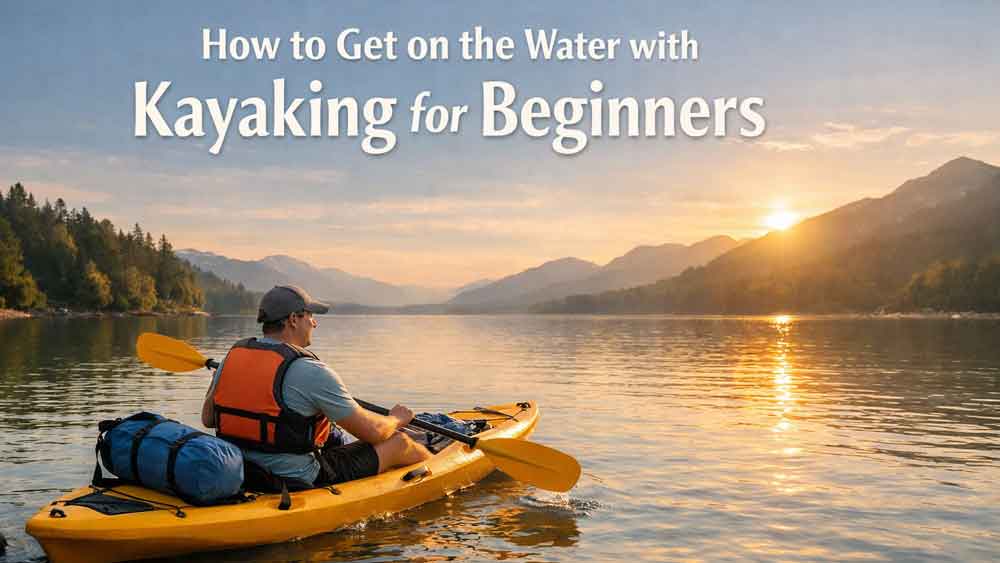
Canoeing, kayaking, and kneeboarding are special water sports you do alone. Canoeing is calm and relaxing. You sit high and use one paddle. You can enjoy nature and quiet water. Kayaking comes in many styles. You can try sea, touring, or whitewater kayaking. It is exciting and fits many needs. Kneeboarding means you kneel on the board. You need strong core muscles and balance. It is harder than tubing and fun for older kids and adults.
Water Sport
Unique Features
Purpose/Experience
Canoeing
Calm, high seat, one paddle
Enjoy nature and relax on calm water
Kayaking
Many types, more popular
Exciting trips, fits many needs
Kneeboarding
Kneeling, needs strong core and balance
Harder than tubing, fun for older kids and adults
Safety tips for beginners:
Always check the weather before you go.
Look at your gear for damage often.
Make sure others can see you on the water.
Watch out for boats and swimmers nearby.
Have someone on the boat to watch you.
Note: Wear a life jacket and tell someone your plans before you go.
Fishing, Parasailing, and Personal Watercraft
Fishing, parasailing, and riding personal watercraft are popular solo water sports. Fishing is calm and lets you enjoy the outdoors. Parasailing lets you see the water from high up. Personal watercraft, like jet skis, are fast and fun.
Here are some skill rules for these sports:
Pick a trusted company for parasailing.
Follow weight, age, and health rules.
Listen to takeoff, flight, and landing signals.
Wear a life jacket if you drive a personal watercraft.
Attach the engine cutoff cord to the driver.
Go slow in special zones.
Never drive if you are not alert.
Do not use personal watercraft at night.
Drivers must be at least 14. Renters must be 18 or older.
You need a boating ID card if born after January 1, 1988.
In Florida, driving a personal watercraft badly is a crime.
Do not let anyone under 14 drive a personal watercraft.
Tip: Always follow the rules. Wear a life jacket and stay alert on the water.
Individual water sports have many good points. You can get healthier, learn new things, and have fun. Try different sports to see what you like. Be safe and enjoy yourself!
Team Water Sports
Team water sports bring people together. You get to work with others, build friendships, and learn how to communicate. These sports help you grow as a person and as a teammate. You can join for fun or compete at different levels. Let’s look at some popular team water sports and how you can get started.
Water Polo Basics
Water polo is fast and exciting. You and your team need to talk a lot and trust each other. Good communication helps you win games and stay organized in the pool.
You must work well as a team.
Communication is key because things move quickly.
Everyone has a role, and you need to support each other.
Maggie Steffens says, “Our sport is probably one of the most necessary sports to have strong communication. You have to communicate so much because you’re in the water and things are moving so fast.”
20-30 meters long, 10-20 meters wide, about 2 meters deep.
Positions
Goalkeeper and field players with special roles.
Ball Handling
Use one hand for the ball, except the goalie.
Fouls
Ordinary, Exclusion, and Penalty fouls.
Shot Clock
30 seconds to shoot or lose the ball.
Team Composition
Up to 13 players, 6 in the water at a time.
If you want to join a team, look for local clubs or school groups. Practice swimming and passing. Watch games to learn more about strategy.
Synchronized Swimming Skills
Synchronized swimming mixes dance, gymnastics, and swimming. You and your team move together to music. Timing and patterns matter a lot. Here are some beginner skills you will need:
Keep time with the music.
Hold your body high in the water.
Practice flat splits for flexibility.
Jump out of the water with your hips.
Stay in the right pattern with your team.
Training helps you get better. You will do strength exercises, practice in and out of the pool, and work on injury prevention. Clubs often welcome beginners and help you learn these skills step by step.
Rowing and Rafting
Rowing and rafting are team water sports that build strength and friendship. You row or paddle with others, moving your boat together. These sports help your heart, lungs, and muscles. You also get to enjoy nature and fresh air.
Rowing and paddling boost your mood and help you feel less stressed.
You use your legs, back, and arms, making your whole body stronger.
Working with a team helps you feel connected and less lonely.
If you want to start, join a local club. Learn river safety and practice rowing with others. Clubs teach you the basics and help you meet new friends.
Tip: Try different team water sports to find what you enjoy most. You will build new skills and make lasting memories.
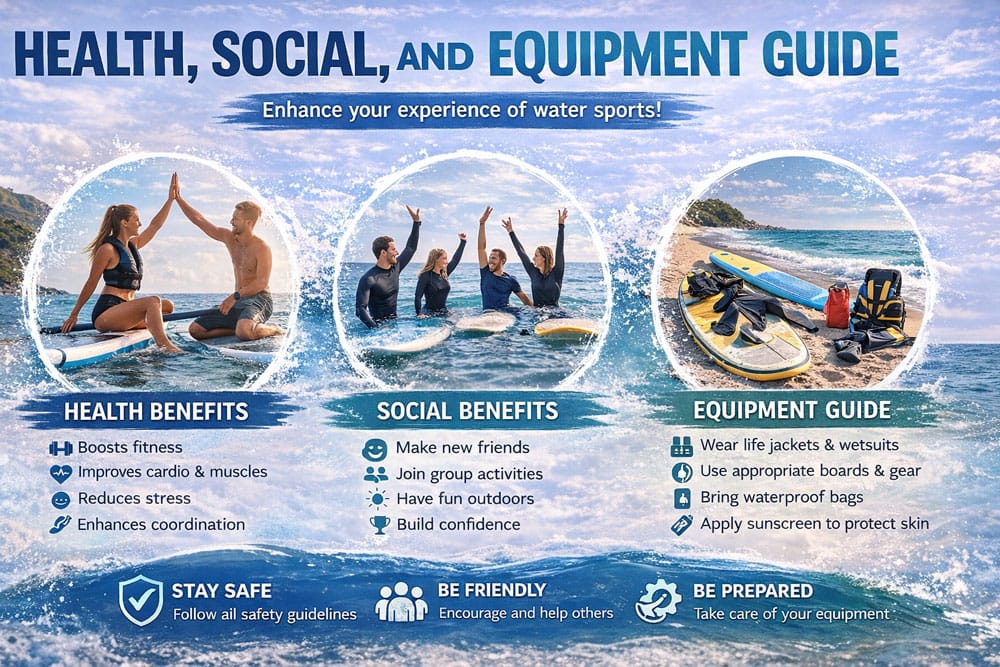
Health, Social, and Equipment Guide
Physical and Mental Health Benefits
You get a lot of health perks from water sports. Swimming, for example, makes your heart and lungs stronger. Studies show that swimmers have better heart health than people who do not exercise. Water activities help your body use oxygen better and lower your resting heart rate. If you have heart problems, water exercise can help your heart beat in a healthier way. High-energy swimming also boosts your endurance.
Water sports do more than help your body. They also support your mind. When you spend time in the water, you can feel calm, brave, and even amazed by nature. Take a look at some mental health themes:
You feel a mix of fear and excitement before you start.
Safe-risking
You learn to balance safety with trying new things.
Freedom with constraints
You enjoy freedom but know there are some limits.
Solitude integration
You find peace alone or as part of a team.
Awe and confrontation with nature
You feel amazed by nature and face new challenges.
Sense of meaning in life
You think about your place in the world and what matters to you.
Sense of identity
You build confidence and learn new skills.
Flow experience
You get lost in the moment and feel in control.
Social and Competitive Aspects
You do not have to go solo in water sports. Clubs and groups give you a place to meet new friends and share stories. You can join training clinics, group rides, and fun events. When you join a club, you learn from others and get support. You can build skills and feel like you belong.
If you want to compete, there are many ways to start. Check out these options:
Event Series
Description
MasterCraft WWA Rider Experience
A series for all skill levels. You can learn, compete, and grow in water sports.
Camp
Focus Areas
USRowing Camps
Build skills, learn from top coaches, and take your first step in rowing.
You can find a path that fits your goals, whether you want to have fun or aim for a medal.
Essential Equipment and EZ Dock Solutions
You need the right equipment to stay safe and have fun. Here is a quick list for popular water sports:
Rafting: Helmet, throw bag
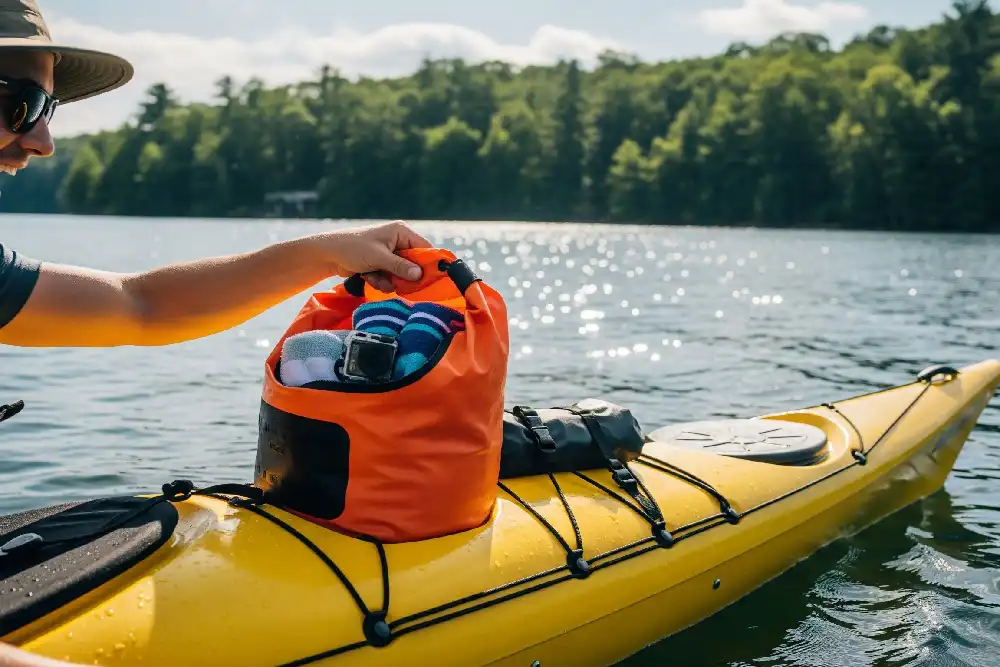
Kayaking: Spray skirt, bilge pump
Canoeing: Paddle, float bags
Paddle boarding: Leash, paddle board
Surfing: Board, wetsuit, leash
Water skiing: Skis, life jacket, rope
When you get in and out of the water, a good dock makes a big difference. EZ Dock products stand out because they are safe, strong, and easy to use. Check out how they compare to wooden docks:
Advantage Category
EZ Dock Features
Benefit Compared to Traditional Docks
Surface
Slip-resistant, splinter-free, barefoot-friendly
Safer and more comfortable
Maintenance
Low maintenance, resists rot and fading
Less upkeep, no painting or repairs
Design
Modular, easy to expand or change
Fits your needs as they change
Durability & Weather
Handles rough water, sun, and bad weather
Lasts longer than wood, which can rot or crack
Environmental Impact
Made from recyclable materials
Better for the planet
You can add railings, ladders, or ramps without much work. EZ Dock helps you enjoy water sports with less hassle and more safety.
Water sports offer you so many ways to stay active and have fun. You can swim, paddle, or join a team. Each sport brings health benefits and new skills. Remember to stay safe. Wear a Coast Guard-approved life jacket, check your gear, and swim with friends. Try joining a club, take lessons, or explore EZ Dock solutions. You might discover a new favorite activity and make lasting memories.
Safety tips to keep in mind:
Wear a life jacket that fits.
Know how to swim.
Check the weather.
Stay honest about your skill level.
Go with a buddy.
Inspect your equipment.
Learn local rules.
FAQ
What water sport is easiest for beginners?
You can start with swimming or paddleboarding. Both are easy to learn and do not need much equipment. You get to build confidence and enjoy the water at your own pace.
How do I stay safe while doing water sports?
Always wear a life jacket. Check your gear before you start. Swim with a buddy. Watch the weather. Take lessons if you are new.
Do I need special equipment for every water sport?
Sport
Basic Equipment Needed
Swimming
Swimsuit, goggles
Kayaking
Kayak, paddle, life jacket
Surfing
Board, leash, wetsuit
Water Polo
Cap, swimsuit, ball
You need different gear for each sport. Make sure your equipment fits and works well.
Can I join a water sports club if I am a beginner?
You can join most clubs even if you are new. Clubs welcome beginners and help you learn. You get to meet people, build skills, and have fun.





Comments are closed