



How to Launch and Grow a Profitable Bag Business in 2026

You can start and scale a successful Bag Business Startup in 2026. The global bag industry is set to reach $45.8 billion with a steady 3.7% growth rate. Handbags alone are expected to hit $60.29 billion. You need to focus on market research, smart product selection, and staying updated with trends. Anyone can enter this market and grow with the right approach.
Key Takeaways
- Study the bag market to see what is popular. Learn what customers like. This helps you make smart choices.
- Pick bag styles like hobo, tote, and crossbody. These bags are wanted by many people in 2026.
- Use eco-friendly materials and packaging for your bags. This brings in buyers who care about the earth.
- Create a strong brand with a good name and logo. Keep your message the same everywhere. This makes you easy to remember.
- Use digital marketing and social media to find customers. Fun posts can help more people see your bags and buy them.
- Let customers personalize their bags to make them special. Custom bags make people want to buy again.
- Work with good suppliers and manufacturers for your bags. Good partners help you get better products and fewer problems.
- Price your bags fairly by looking at costs and research. This helps you get buyers and still make money.
Bag Business Startup: Market Research
Industry Trends
You should know the newest trends before starting your Bag Business Startup. The bag market in 2026 is changing fast. Here are some important trends in the industry:
- New technology makes smart bags popular. These bags have GPS tracking and wireless charging. Some brands use 3D printing for custom designs.
- People want bags that work well and look good. Minimalism and personalization matter more now.
- Companies try new ideas and build strong brands. Many brands grow by selling in new places.
In the last five years, people’s tastes have changed a lot. Hobo bags are much more popular now. For example, 24S had less than 1% hobo bags in 2022. By 2026, they had over 3%. The materials used for bags are changing too. Stores like FARFETCH use less leather and more canvas. In 2022, FARFETCH used leather in over half its bags. By 2026, only about 21% of their bags used leather. Brands still charge high prices, even for non-leather bags. This means people care about style and brand, not just the material.
Target Niches
Picking the right niche is very important for your Bag Business Startup. Look at which bag types and places are growing fastest. The Asia-Pacific region, like India and Southeast Asia, leads the luxury handbag market. Growth rates in these places are over 6.7% each year until 2035.
Some bag types are in high demand. The table below shows how sales grew for popular bags in 2025, These figures are based on recent historical sales data and reflect current demand patterns in the market:
| Bag Type | Sales Growth (Units) | Time Period |
|---|---|---|
| Heavy Duty Duffel Bags with Backpack Straps | 1,024 to 1,652 | March 2025 to August 2025 |
| Durable Gym Duffel Bags | 4,723 to 6,608 | March 2025 to August 2025 |
| Travel Duffel Bags with Shoe Compartment | 3,847 to 3,767 | March 2025 to August 2025 |
Watch these fast-growing segments:
- Duffel bags are growing because people want strong, useful, and eco-friendly bags.
- Active backpacks will grow at 10.2% each year from 2025 to 2029.
- Many buyers now want bags made from eco-friendly and recycled materials.
Who buys bags is important when you pick your niche. The table below shows what bag buyers are like:
| Demographic Characteristic | Description |
|---|---|
| Age | Gen-Z and millennials want luxury handbags they can afford. |
| Income | More middle-class buyers pick cheaper handbags. |
| Gender | More working women need bags that work well. |
Competitor Analysis
You need to study your competitors to do well in the bag market. The top brands are Furla S.p.A., GANNI A/S, Giorgio Armani S.p.A. (Armani), Loeffler Randall, LVMH Moët Hennessy Louis Vuitton SE, Macy’s Inc., MAUS Freres SA (The Lacoste Group), Michael Kors Holdings Limited, MILLY NY, Tapestry, Inc. (Coach, Inc.), PVH Corp. (Calvin Klein), and Hermès.
Top brands use different ways to stand out:
| Strategy | Description |
|---|---|
| Unique Selling Proposition | You should know what makes your bags special. Focus on feelings and market research. |
| Competitor Analysis | Study your competitors to find what they do well and where they are weak. Use this to make your brand different. |
| Brand Identity and Positioning | Build a strong brand with clear messages and looks. This helps people trust you and stay loyal. |
| Product Features and Benefits | Show what makes your bags different. Quality, design, and how they work matter to buyers. |
| Price and Value Proposition | Set prices that match what you offer. Give something special to make your prices worth it and attract buyers. |
Some brands do well by using fun branding and strong connections. Innocent Drinks uses playful branding. Old Spice uses humor to attract younger buyers. Apple stands out with new ideas and design.
Tip: Use surveys, focus groups, and industry reports to learn about your competitors and target market. This helps you make smart choices for your Bag Business Startup.
Research Tools
You need good research tools to help your Bag Business Startup. These tools show what buyers want and how the market changes. You can use surveys, focus groups, and industry reports to get helpful information.
Surveys let you ask many people questions fast. Keep surveys short and use simple questions about bag choices and buying habits. Real-time tracking gives feedback right after someone uses a bag. This helps you get honest answers and less guessing.
Focus groups are small meetings with buyers. You can ask them why they pick certain bags and how they feel. These meetings take longer, but you learn about feelings and reasons that surveys miss. Interviews also help you learn more about what buyers think.
Tip: Make surveys and focus groups to find real buyer problems. Do not just look for answers you want to hear. Many brands forget to listen to what buyers really need.
Industry reports show big trends and numbers in the bag market. You can see which bag styles sell best and which materials people like. Reports help you find new chances and spot problems.
Here are some research tools you can use:
- Online survey platforms (like SurveyMonkey or Google Forms)
- Focus group software (such as Zoom or dedicated market research tools)
- Industry databases (like Statista or IBISWorld)
- Social media analytics (to track trends and buyer opinions)
- Retail sales data (from platforms like Shopify or Amazon)
You should use these tools together for the best results. Surveys and focus groups teach you about buyer needs. Industry reports and sales data show how the market changes. This helps you make smart choices for your Bag Business Startup.
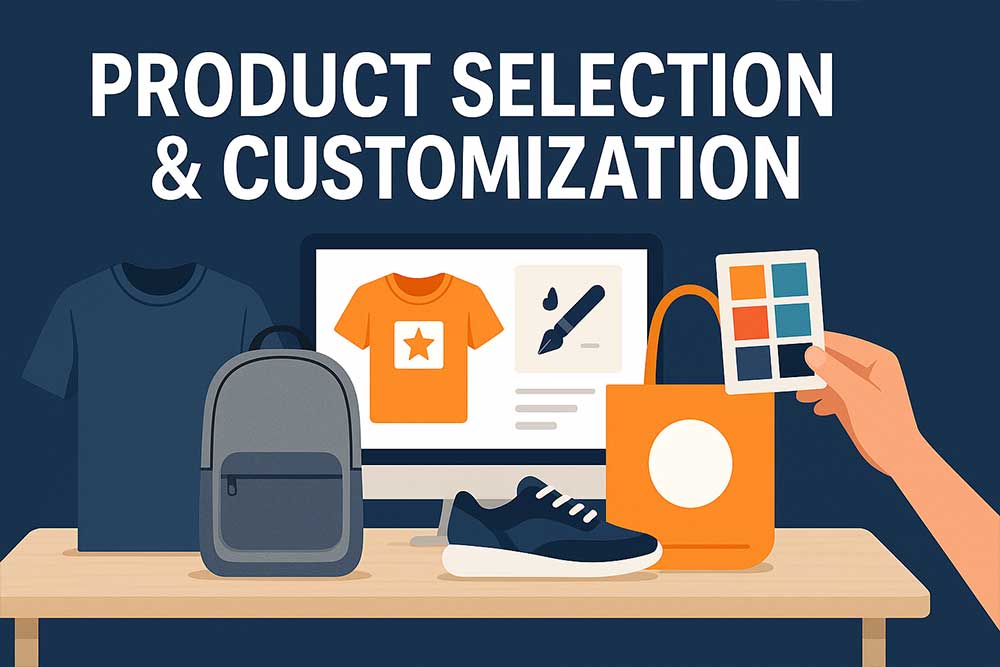
Product Selection & Customization
Bag Categories
Picking the right bag type helps you get more buyers. In 2026, some bag styles are very popular. People want bags that look good and work well. The table below shows the top bag categories:
| Bag Category | Key Features |
|---|---|
| Hobo Bag | Trending for spacious and functional design. |
| Tote Bag | Highly searched, eco-friendly materials, practical. |
| Crossbody Bag | Stylish, compact, ideal for work and travel. |
Hobo bags have lots of space and a relaxed style. Tote bags are great for shopping and daily use. Many people like them because they use eco-friendly materials. Crossbody bags are stylish and easy to carry. You can use them for work or travel.
Tip: Choose a bag type that fits your buyer’s lifestyle. This helps your business stand out.
Customization Options
You can make your bag business better by offering customization. Buyers like bags that feel special. Customization makes your products unique and builds loyalty. Here are ways customization helps your business:
- Custom choices make buyers feel special.
- Personalized packaging, like printed names, brings buyers back.
- Eco-friendly packaging attracts buyers who care about the planet. 78% of retail buyers want eco-friendly packaging.
- Stores with eco-friendly packaging keep 23% more buyers.
- Buyers think customized bags are worth more.
- Famous campaigns, like Coca-Cola’s “Share a Coke,” show how personalization works.
You can let buyers pick colors, add initials, or choose special packaging. These choices make your bags stand out.
Note: Personalization can turn a buyer into a loyal fan.
Material Choices
You need to pick materials that match your brand and buyers. Each material has good and bad sides. The table below compares different materials:
| Material | Advantages | Disadvantages | Environmental Impact |
|---|---|---|---|
| Non-Woven PP | Cheap, light, water-resistant, easy to clean | Not as strong as woven, breaks with heavy loads | Can be recycled, but still plastic. Reusing is important. |
| Woven Polypropylene | Very strong, water-resistant, prints well | Heavier than non-woven, rough surface limits printing | Plastic, but reusable. Using many times lowers impact. |
| rPET | Strong, prints well | Not breathable, can shed fibers when washed | Made from recycled bottles, helps cut landfill waste. |
| Recycled Cotton | Soft, washable, breathable, prints well | Not as strong as synthetics, may shrink or fade | Better than new cotton, breaks down after use. |
| Jute | Very strong, breaks down, holds heavy things | Rough texture, hard to print details, absorbs water | Grows fast, needs little care, very eco-friendly. |
| Paper Bags | Easy to recycle, breaks down, can compost | Uses lots of resources, not strong, needs many uses | 68.1% of paper in the U.S. was recycled in 2018. |
Leather
Leather bags look fancy and last a long time. You can sell leather bags for more money. Many buyers think leather is a luxury choice. Leather bags need care to stay nice. Some buyers now want other options because they care about the planet.
Canvas
Canvas bags are strong and look casual. You can wash them easily. Many brands use canvas for tote bags and backpacks. Canvas is good for printing designs. Buyers like canvas because it feels natural and is eco-friendly.
Recycled Polyester
Recycled polyester (rPET) comes from old plastic bottles. Using rPET helps the planet. These bags resist water and last long. rPET bags do not breathe as well as cotton, but they keep their shape. Many buyers want recycled materials because they care about the earth.
Tip: Cotton bags must be used 131 times to match the climate impact of plastic bags. Nonwoven polypropylene bags break even after 11 uses. Tell buyers to reuse bags to help the planet.
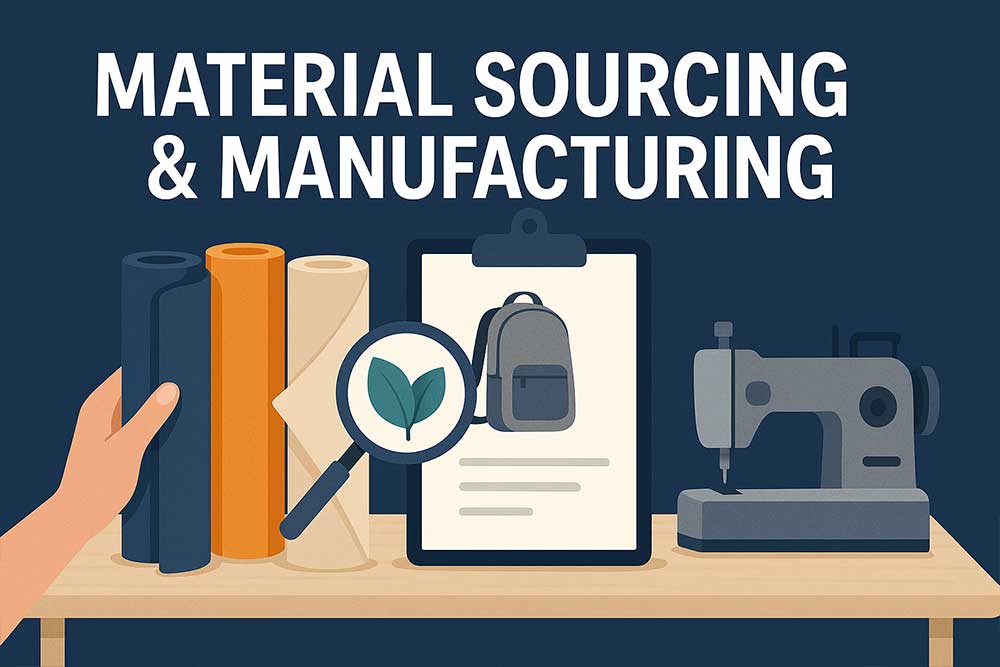
Material Sourcing & Manufacturing
Supplier Evaluation
You must pick your bag material suppliers carefully. Good suppliers help your business run well. Use clear rules to check if a supplier is right. The table below shows what you should look for:
| Criteria | Description |
|---|---|
| Certification & Compliance | Ask for real certificates. Make sure suppliers use safe and fair sourcing. |
| Total Cost of Ownership | Look at all costs, not just price per item. Think about savings from less waste or better quality. |
| Product Performance & Fit | Test samples to see if materials work for your bags. Check if they fit your designs. |
| Scalability & Supply Chain Reliability | Make sure the supplier can grow with you and deliver on time. |
Tip: Always ask for proof of certificates. Try to visit the supplier if you can. Visits and checks help you see how they work and if they meet your needs.
Manufacturer Partnerships
Strong partnerships with manufacturers help your bag business last. You should follow these steps to build a good relationship:
- Share clear designs and details with your manufacturer.
- Ask for samples before making lots of bags. Test these samples for quality.
- Pick materials that match your brand and budget.
- Watch the making process to make sure it follows your rules.
- Check quality at every step, not just at the end.
- Make sure packaging and shipping fit your brand.
When you choose a manufacturer, look for these things:
- Experience and a good history making bags.
- Strong systems for checking quality.
- Ability to handle your order size and grow with you.
- Good communication and fast replies.
- Fair prices and clear payment rules.
- Good reviews and a strong reputation.
Note: A good manufacturer partnership means fewer problems and better bags for your buyers.
Quality Control
Quality control keeps your bags safe and the same every time. You should set up checks at every step. Here are some best ways to do this:
- Train your team on quality control steps.
- Keep machines in good shape to avoid mistakes.
- Use data and regular checks to find and fix problems.
You can follow these steps for strong quality control:
- Check raw materials for safety and purity.
- Watch production for correct temperature and pressure.
- Look for defects and make sure materials are thick enough.
- Test print quality for color and strength.
- Check seals and bag sizes for safety.
- Test how much weight your bags can hold.
- Check if bags last in tough places like heat or wetness.
- Review finished bags and keep records.
- Listen to buyers and use their feedback to improve.
Many top brands follow ISO 9001:2015 rules. These rules help you manage quality and keep buyers happy. Meeting safety standards also builds trust with buyers.
Tip: Quality control is not just about finding mistakes. It helps you build a brand people trust.
Branding & Marketing
Brand Identity
You need a strong brand identity to stand out in the bag market. A clear brand helps buyers remember you and trust your products. Building your brand starts with these key elements:
- Brand name: Pick a name that is easy to remember and matches your values.
- Logo: Design a simple logo that shows your brand’s personality.
- Color palette: Choose colors that set the mood and make your brand look united.
- Typography: Use fonts that fit your brand’s style and stay consistent.
- Tagline or slogan: Create a short phrase that tells people what your brand stands for.
- Imagery and graphics style: Keep your photos and illustrations in the same style to build recognition.
- Voice and tone: Decide how you want to talk to your audience and keep it steady.
- Values and messaging: Share your core values and make sure your messages match them.
Tip: A strong brand identity helps buyers feel connected to your business. People often choose brands that match their own values.
Digital Marketing
You can reach more buyers and grow your bag business with digital marketing. The right channels help you get noticed and boost sales.
Social Media
Social media lets you show your bags to many people. You can post photos, share stories, and talk with buyers. Platforms like Instagram, TikTok, and Facebook work well for bag businesses. Use hashtags and join trends to get more views. Social media also helps you listen to what buyers want and what they think about your products.
Influencer Marketing
Influencers can help you reach new buyers fast. You can work with people who have many followers and ask them to show your bags. Influencers often share honest reviews and style tips. This builds trust and makes your brand look popular.
- Branded packaging can lead to word-of-mouth marketing. Buyers share photos of your bags online, which brings in new customers.
- Custom bags make your brand stand out and keep buyers coming back.
- Beautiful bag designs show quality and let you charge higher prices.
Note: Digital marketing gives you tools to track results. You can see which posts or campaigns work best and adjust your strategy.
Target Audience
You must know who wants to buy your bags. Understanding your target audience helps you create products and marketing that fit their needs.
| Method | Description |
|---|---|
| Demographic Analysis | Study age, gender, income, and location to find your main buyers. |
| Psychographic Insights | Learn what interests and motivates your buyers. |
| Data Analytics | Use online data to see what buyers like and how they shop. |
| Social Listening | Watch online talks to learn what buyers think about bags and brands. |
| Targeted Marketing | Use content and social media to reach the right people. |
You can also do market research to study your competition and spot trends. Knowing what buyers want helps you shape your products and messages.
Tip: When you know your audience, you can create bags and marketing that speak directly to them. This leads to more sales and loyal customers.
Bag Business Startup: Operations & Sales Channels
You have to pick the best way to run your bag business. The way you sell bags changes how much money you make. It also changes how happy your customers are and how fast your business grows. Let’s see the main ways to run your business and where you can sell bags.
Business Models
There are different ways to run a bag business. Each way has good and bad points.
Wholesale
Wholesale is when you sell lots of bags to stores or other companies. You charge less for each bag because they buy many at once. Stores like to buy in bulk because it saves them money. You get to control how orders are filled, which helps customers. If you sell more bags at once, you can make more money. This is better than dropshipping, where you might make less money.
You get regular orders and can plan how many bags to make. You also get to know the stores you sell to. Selling many bags at once saves money on shipping. But you have to keep track of your stock and make sure you have enough bags for big orders.
Dropshipping
Dropshipping means you do not keep bags in your own store. You put bags for sale online. When someone buys a bag, you tell your supplier. The supplier sends the bag straight to the buyer. You do not need to buy bags ahead of time or have a warehouse.
In dropshipping, you still have to sell to stores at wholesale prices. But you pay more to ship each order, sometimes 2-4% more than shipping in bulk.
Dropshipping is good if you do not have a lot of money to start. You can try new bag styles easily. You must work with good suppliers so orders are not late or wrong. You might make less money on each sale because you pay more per bag.
D2C
Direct-to-consumer (D2C) is when you sell bags right to people. You use your own website or store. You get to control your brand and how you talk to buyers. You keep all the money from sales because there are no middlemen.
You have to pay for everything, like ads and shipping. You also need to find buyers and make them trust you. D2C helps you learn what buyers want and change your bags quickly.
Sales Channels
You can sell bags online, in stores, or both. Each way has good and bad sides.
Online Platforms
Online platforms help you sell to people everywhere. You can use your own website, big shopping sites, or social media shops. Selling online lets you show many bag styles and change your store fast.
| Sales Channel | Pros | Cons |
|---|---|---|
| Direct to Consumer (D2C) | You keep all the money from sales. | You pay for ads and finding buyers. |
| You control your brand and ads. | You miss out on loyal store shoppers. | |
| Big Box / Big e-Commerce | You can sell a lot because many people shop there. | You make less money per bag. |
| You get lots of shoppers. | Stores can make rules that are not good for you. | |
| Specialty Retail | You work closely with stores. | You need to spend more time with each store. |
| You get loyal shoppers and better service. | Price changes in different places can cause problems. |
You must make sure your online store works well. Your website should load fast and look nice. Use good photos and make checkout easy. You can see what bags people like by tracking sales.
Offline Retail
Offline retail means selling bags in real stores. You can open your own shop or sell through other stores. People can touch and try the bags before buying. You get to talk to buyers and hear what they think.
Selling in stores helps you reach people who live nearby. You have to pay for rent, workers, and displays. You also need to keep enough bags in each store.
Logistics and Operational Challenges
Running a bag business means you have to solve many problems. You must keep track of bags, orders, and deliveries. The table below shows some common problems and what they cause.
| Challenge Description | Example/Impact |
|---|---|
| Managing inventory across multiple channels | Hard to know how many bags you have, which can upset buyers. |
| Handling diverse customer expectations | Buyers want different delivery choices, which makes things harder. |
| Ensuring accurate order fulfillment | Mistakes in orders can make buyers unhappy and hurt your business. |
| Navigating last-mile delivery complexities | Sending bags to far places costs more and takes longer. |
| Controlling rising operational costs | Paying more for storage, workers, and tech can lower your profits. |
| Maintaining consistent branding | If your brand looks different in places, buyers get confused. |
| Dealing with data integration issues | Not having all your info in one place can cause mistakes. |
| Managing returns and reverse logistics | Handling returns from many places takes time and money. |
| Adapting to seasonal demand fluctuations | You need to have enough bags for busy times. |
| Ensuring compliance with regional regulations | Different rules in each place can make shipping hard. |
| Managing multi-warehouse operations | Keeping track of bags in many warehouses is tough and costs more. |
| Ensuring real-time order tracking | Buyers want to know where their bags are, and delays hurt trust. |
| Coping with technological upgrades | New tech can be hard and expensive to add. |
You need good tools to watch your bags and orders. Use software to help with sales and stock. Teach your team how to handle returns and answer questions. Get ready for busy times and keep enough bags to ship.
Tip: Start with just one or two ways to sell bags. Add more ways as you learn what works best for your business.
You can do well by picking the right way to run your business and sell bags. Focus on good systems and planning to make buyers happy and help your business grow.
Pricing & Financial Planning
Setting the right price for your bags helps you make money and grow your business. You need to choose a pricing strategy that fits your brand and market. You also need to track important financial numbers and plan for startup costs.
Pricing Strategies
You can use different ways to set prices for your bags. Each method has strengths and works best in certain situations.
Cost-Plus
You start with the cost to make each bag. Add a markup to cover your profit. This method is simple and helps you avoid selling at a loss.
- Example: If a bag costs $20 to make and you want a 50% markup, you sell it for $30.
Value-Based
You set prices based on what buyers think your bag is worth. If your bag has special features or a strong brand, you can charge more.
- Example: If buyers see your bag as stylish and unique, they may pay $80 even if it costs $30 to make.
Competitive
You look at what other brands charge for similar bags. You set your price to match or beat them. This helps you stay in the market and attract buyers.
- Example: If most brands sell similar bags for $40, you can price yours at $39 to get more sales.
Here is a table with more pricing strategies you can use:
| Pricing Strategy | Description |
|---|---|
| Premium Pricing | Set a high price to show quality and exclusivity. |
| Penetration Pricing | Start with low prices to attract buyers, then raise prices later. |
| Economy Pricing | Use low prices to sell more bags, but buyers may think quality is low. |
| Skimming Strategy | Start with high prices, then lower them over time. |
| Loss Leaders | Sell some bags at a loss to bring in buyers who buy other items. |
| Differential Pricing | Charge different prices to different groups based on what they can pay. |
| Competitive Pricing | Match or beat other brands’ prices to stay competitive. |
Tip: You can also use dynamic pricing to change prices based on demand or season.
Financial Metrics
Tracking your financial numbers helps you see if your bag business is healthy. You should watch these key metrics:
| Financial Metric | Description | Healthy Range |
|---|---|---|
| Gross Profit Margin | Shows how much money you make after paying for materials and production. | 20-35% |
| Net Profit Margin | Tells you how much profit you keep after all expenses. | 5-10% |
| Operating Cash Flow | Measures how much cash your business brings in from sales. | Positive OCF essential |
Note: If your margins are low, you may need to raise prices or lower costs.
Startup Costs
You need money to start your bag business. Costs can change based on your business size and style. Here is a table with typical startup costs:
| Cost Category | Min Cost | Max Cost |
|---|---|---|
| Total Estimated Startup Costs | $10,000 | $50,000 |
| Upfront Costs For Inventory | $300 | $5,000 |
| Package Design | $50 | $3,000 |
| Domain Name | $12 | $200 |
| Advertising & Marketing | $0 | $750 |
If you want to start a leather bag business, you may need $15,000 to $75,000. A small online store can start with $15,000 to $25,000. A mid-size business may need $30,000 or more.
Tip: Plan your budget before you start. Track your spending to avoid surprises.
You can grow your bag business by choosing smart pricing, watching your financial health, and planning your costs. This helps you stay profitable and ready for success.
Legal & Risk Management
You must follow the law to keep your bag business safe. You also need to get ready for risks. Get the right licenses, protect your brand, and pick insurance that fits your business.
Licenses & Permits
You need the right licenses and permits before selling bags. These papers show you follow local rules. You may need a business license, a sales tax permit, and a home occupation permit if you work at home. Some cities want special permits for stores or online shops.
| License Type | Purpose | Where to Get It |
|---|---|---|
| Business License | Lets you run your business legally | City or county office |
| Sales Tax Permit | Lets you collect sales tax | State tax authority |
| Home Occupation Permit | Needed if you work from home | Local government |
| Reseller Permit | Lets you buy inventory tax-free | State tax office |
Tip: Ask your local government which permits you need. Rules are different in each city or state.
Trademark Protection
Your brand is very important. Trademark protection keeps your name, logo, and designs safe from copycats. Buyers trust you more when your brand is special.
- Trademarks keep your brand name, logo, and symbols safe. These things help buyers know your bags.
- Louis Vuitton’s logo has been protected since 1896. This shows trademarks can last a long time.
- Strong trademarks stop fake products. They also help designers be creative and keep your brand strong.
Trademarks help you grow and sell in new places. Here is how trademarks help:
- Trademarks build trust and help buyers know your brand.
- The Madrid System lets you register trademarks in many countries. You can keep your brand safe everywhere you sell.
- Trademark protection lets you grow your business and keep control of your brand.
Note: Register your trademark early. This helps you avoid legal trouble and keeps your brand special.
Insurance
Insurance keeps your bag business safe from surprises. You can pick different types of insurance for your risks.
- General liability insurance pays if someone gets hurt or something is damaged.
- Professional liability insurance helps if someone says you made a mistake.
- Cyber liability insurance helps if you have a cyberattack or lose data.
- Commercial property insurance pays for damage to your store or warehouse.
- Commercial auto insurance covers business vehicles.
- Business interruption insurance helps if you lose money when your business closes.
- Key person insurance helps if you lose an important worker.
The right insurance keeps your business safe. You can avoid big losses and keep working if something bad happens. For example, general liability insurance pays medical bills if a customer gets hurt. Business interruption insurance helps pay bills if you must close your store for repairs.
Callout: Check your insurance every year. Make sure your coverage fits your business as it grows.
Trends & Customization
Consumer Preferences
You need to know what buyers want before selling bags. People care about more than just looks. They want bags that match their values and make them feel good. The table below shows what matters most to buyers now:
| Consumer Preference | Description |
|---|---|
| Sustainability | Buyers want eco-friendly packaging and materials. |
| Functionality | People look for bags that are easy to use and give useful information. |
| Emotional Connection | Bags that create feelings or memories help buyers choose your brand. |
| Unboxing Experience | A fun or special unboxing makes buyers happy and builds loyalty. |
| Brand Values | Buyers want brands that care about the planet and show it in their products. |
About 60% of buyers like eco-friendly packaging. Most shoppers, around 77%, prefer boxes for online orders. Many people pay more for packaging that helps the environment. As buyers learn about climate change, they want bags made from recycled materials. They also want packaging they can reuse. These changes mean you must think about both the look and the impact of your bags.
Tip: Using sustainable materials and packaging helps you get more buyers and build trust.
Personalization
Personalization helps your business stand out. Let buyers pick colors, add initials, or choose special packaging. This makes each bag feel unique. People like products that show their style or personality. You can offer custom embroidery, printed names, or special messages inside the bag.
- Personalized bags make buyers feel special.
- Custom packaging creates a memorable experience.
- Buyers often share their custom bags on social media, which helps your brand grow.
You can use sales data to suggest new styles or features. If many buyers pick a certain color, offer more options in that shade. Personalization builds loyalty and encourages repeat purchases.
Note: Small changes, like letting buyers choose a zipper color, can make a big difference in how they feel about your brand.
Adapting to Market Changes
You must keep up with trends and changes in the bag market. Fashion moves quickly, and buyers want new styles and features. You can use these ideas to stay ahead:
- Add sustainable practices to your business. This helps you meet buyer expectations and reach new markets.
- Watch fashion trends and update your designs often. Buyers want bags that look good and work well.
- Build a strong omni-channel presence. Sell your bags online, in stores, and on social media to reach more people.
- Use data analytics to track what buyers like and predict future trends. This helps you make smart choices about marketing and products.
If you respond quickly to changes, you can keep your business growing. Listen to buyer feedback and use it to improve your bags. When you adapt, you show buyers that you care about their needs and the world around them.
Callout: Stay flexible and open to new ideas. The bag market rewards brands that innovate and listen to buyers.
You can launch a profitable bag business by following each step in this guide. Start with strong market research. Choose the right products and materials. Build a brand that stands out. Focus on quality and keep up with trends.
- Research your market
- Select quality products
- Build your brand
- Adapt to new trends
Ready to begin? Take your first step today. Your bag business can grow with the right plan and action.
FAQ
What is the best way to find bag suppliers?
You can search online directories, attend trade shows, or ask for referrals. Always request samples and check certifications before you choose a supplier.
How much money do I need to start a bag business?
You need at least $10,000 for a small online store. Costs depend on your inventory, packaging, and marketing plans.
Do I need a business license to sell bags?
Yes, you need a business license. You may also need a sales tax permit and other local permits. Check with your city or state office.
How can I make my bag brand stand out?
You can offer unique designs, use eco-friendly materials, and create a strong brand story. Custom packaging and personalization help you attract loyal buyers.
What are the most popular bag types in 2026?
Hobo bags, tote bags, and crossbody bags are trending. Buyers want bags that look good and work well for daily use.
How do I set the right price for my bags?
You can use cost-plus, value-based, or competitive pricing. Research your costs and see what buyers are willing to pay.
What insurance should I get for my bag business?
You should get general liability insurance. Consider property, cyber, and business interruption insurance to protect your business from risks.
Can I sell bags online and in stores at the same time?
Yes, you can use both online and offline sales channels. This helps you reach more buyers and grow your business faster.
Comments are closed