What Is a Business Bag? Uses, Styles, and Key Features Explained
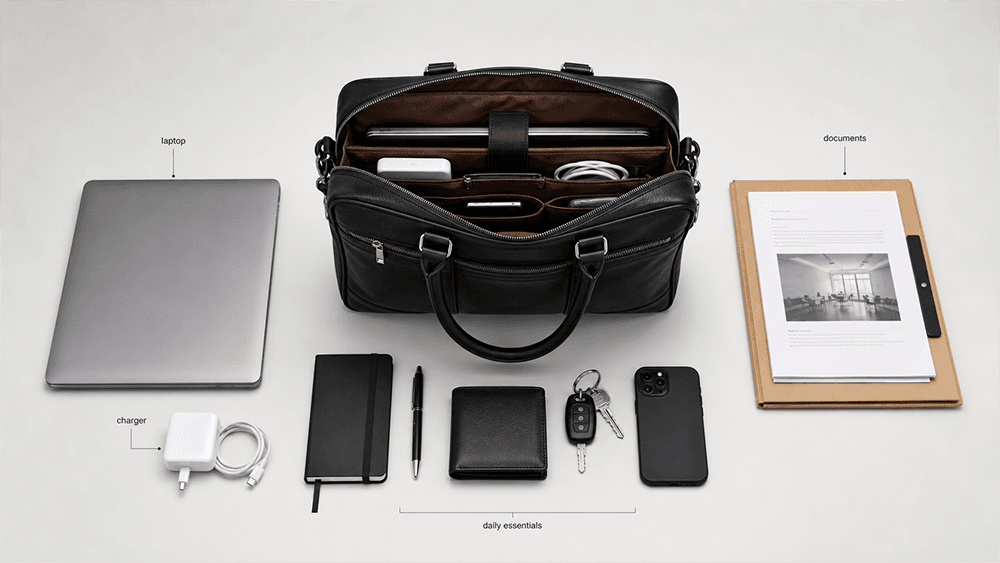
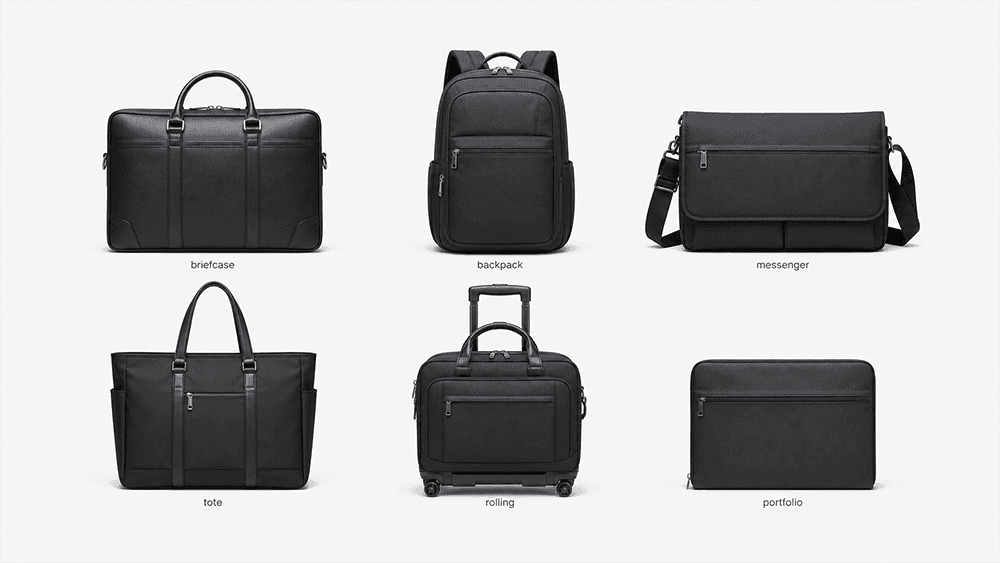
A business bag is a work-focused bag designed to carry office essentials in a professional, organized, and practical way. It can hold documents, notebooks, laptops, chargers, pens, tablets, personal items, and sometimes travel accessories. A business bag can be a briefcase, backpack, messenger bag, tote, rolling bag, or hybrid work bag.
The word “business bag” does not describe one single shape. It describes the purpose of the bag. If a bag is made for office use, meetings, commuting, business travel, and daily work organization, it can be considered a business bag.
That is why a business bag can look formal, modern, casual, or travel-ready depending on the user. The important point is not whether the bag is leather, black, or shaped like a briefcase. The important point is whether it helps someone carry work items neatly and appropriately for a professional setting.
A business bag is different from an ordinary everyday bag because it is designed around work needs. It should help the user move between home, office, meetings, transport, and travel without making documents, electronics, or small items difficult to find.
A bag is usually considered a business bag when it has several of these qualities:
A professional or office-ready appearance
Space for documents, folders, or notebooks
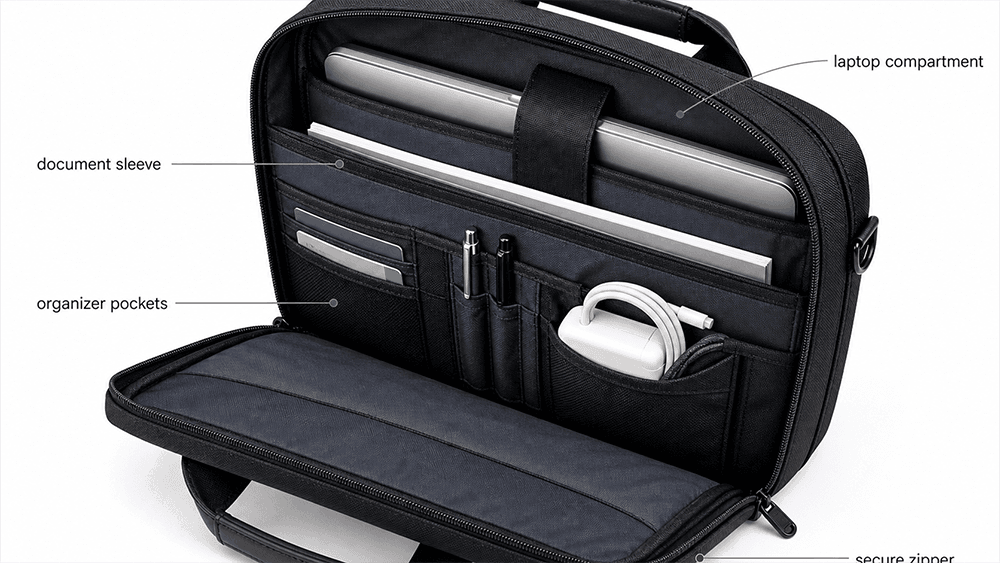
Organization pockets for pens, cards, chargers, and accessories
A laptop or tablet compartment, if the user carries devices
Comfortable handles, shoulder straps, or backpack straps
Durable material for daily use
A shape that does not look messy when filled
Secure closures such as zippers, magnetic flaps, or buckles
Enough structure to protect work items from bending or pressure
A business bag does not always need to be formal; the more important test is whether it can carry work items neatly, protect documents or devices, and still look appropriate in the user’s work setting. A clean business backpack, a structured laptop tote, or a simple messenger bag can all work in modern office settings.
Common Uses of a Business Bag
Business bags are used in many work situations. Some people need a bag for daily commuting, while others need one for meetings, business trips, or hybrid work.
Daily Office Commuting
For daily commuting, a business bag needs to carry the items someone uses every day: laptop, charger, notebook, wallet, keys, phone, water bottle, and documents. Comfort matters because the bag may be carried on public transport, during walking, or between parking areas and offices.
A commuting business bag should not be too bulky, but it should have enough compartments to keep work items separate from personal items.
Client Meetings and Office Visits
For meetings, appearance becomes more important. A business briefcase, slim messenger bag, or structured tote can help create a more polished look than a casual backpack.
The bag should also keep papers, notebooks, samples, or presentation materials flat and easy to access. A messy bag can make it harder to find what you need during a meeting.
Business Travel
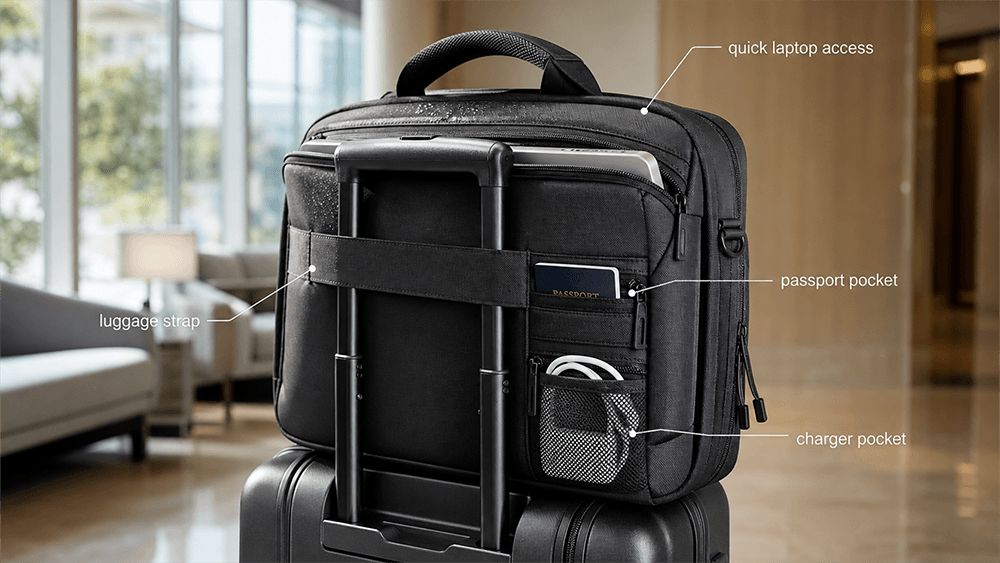
For business travel, a bag often needs to combine laptop protection, document storage, and easy airport access. It may also need a luggage strap, quick-access pocket, and enough space for travel documents, headphones, chargers, and personal items.
If the bag includes a laptop compartment, travelers should also consider airport screening. TSA lists laptops as allowed in both carry-on and checked bags, and its laptop screening guidance says standard screening may require travelers to remove laptops from the bag and place them in a separate bin for X-ray screening. TSA PreCheck travelers usually do not need to remove laptops.
Hybrid Work
Hybrid work often requires a bag that can move between home, office, cafés, coworking spaces, and short trips. This type of user may need both business organization and laptop protection.
A hybrid work bag should be flexible enough for documents, tech accessories, and personal items without looking overloaded.
Trade Shows, Conferences, and Field Work
At trade shows or conferences, a business bag may need space for items such as brochures, name cards, tablets, notebooks, chargers, or small samples. A business bag used in this setting should have practical organization and comfortable carrying options.
For field work or sales visits, durability and easy access may matter more than a very formal appearance.
Main Types of Business Bags
Business bags come in several styles. The best choice depends on the user’s work environment, commuting habits, and what they carry every day.
1. Business Briefcase
A business briefcase is one of the most traditional business bag styles. It usually has a structured shape, top handle, document space, and a professional appearance.
A briefcase is suitable for formal offices, client meetings, legal documents, financial paperwork, and professional presentations. Modern briefcases often include a padded laptop compartment, making them more useful for daily work.
Best for:
Formal office settings
Client meetings
Documents and folders
Professional appearance
Laptop and paperwork together
2. Business Backpack
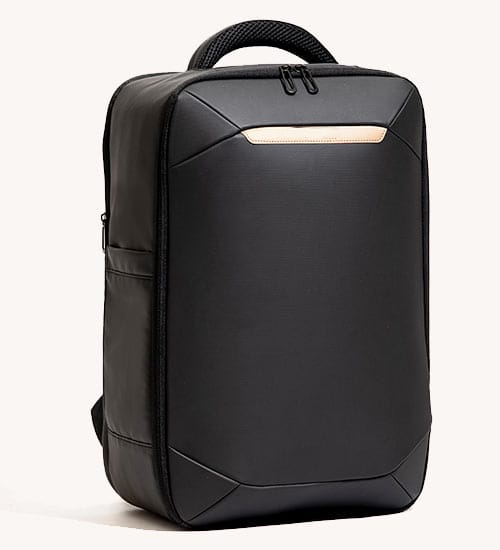
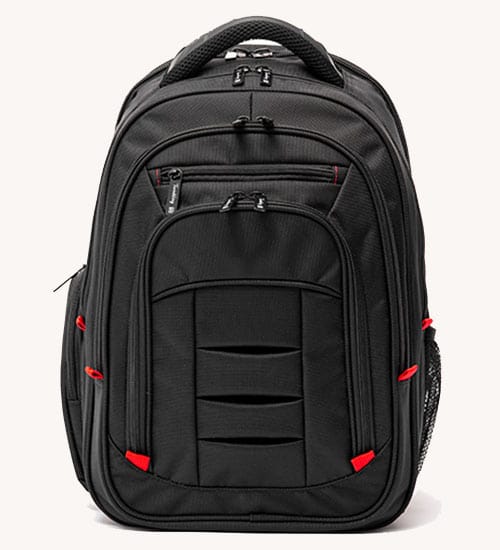
A business backpack is designed for work but carried on both shoulders. It usually has a cleaner appearance than a casual school backpack and may include a laptop compartment, document sleeve, hidden pockets, and tech organization.
A business backpack is useful for commuting, public transport, walking, and business travel. It is often more comfortable than a one-shoulder bag when carrying a laptop and heavier work items.
For daily carry, weight matters. Although AOTA’s backpack guidance is written for students, its 10% weight recommendation is still a useful reminder for daily carry: a bag that is used every day should be planned around weight, comfort, and carrying method. You can see the guidance in AOTA’s safe backpack use article.
Best for:
Daily commuting
Public transport
Heavier laptops
Hands-free carrying
Work and travel use
3. Business Messenger Bag
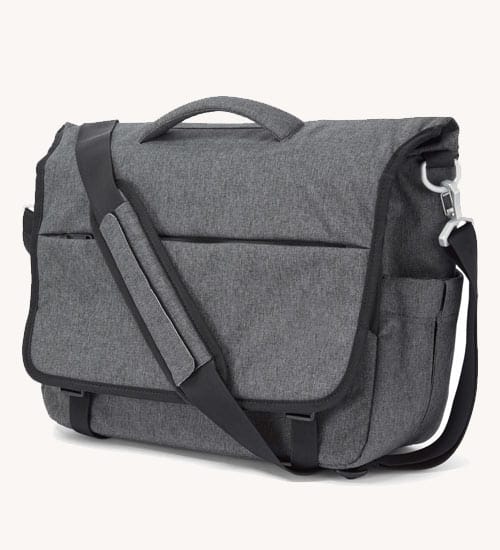
A business messenger bag is worn over one shoulder or across the body. It usually has a flap or zipper opening and enough room for documents, a tablet, laptop, and daily essentials.
Messenger bags are less formal than briefcases but often more polished than casual backpacks. They are useful for office workers, designers, consultants, and people who want quick side access to work items.
Best for:
Office commuting
Documents and laptop carry
Quick access
Smart casual work style
Crossbody carrying
4. Laptop Tote for Office Use
A laptop tote is a tote-style business bag with room for a laptop and office essentials. It is often used by professionals who want a clean, polished bag that can move between office, meetings, and daily life.
A good laptop tote should include a padded laptop sleeve or compartment. Without padding, a tote may carry a laptop, but it may not protect it well enough for daily use.
Best for:
Office use
Light commuting
Laptop and personal items
Business casual outfits
Simple organization
5. Rolling Business Bag
A rolling business bag has wheels and a telescopic handle. It is designed for users who carry heavier laptops, documents, samples, or travel items.
This type of bag is helpful for business travel, conferences, and users who need to reduce shoulder strain. However, it may be less convenient on stairs, crowded streets, or rough surfaces.
Best for:
Heavy files
Business travel
Conferences
Samples or equipment
Reducing shoulder load
6. Document Bag or Portfolio Bag
A document bag or portfolio bag is slimmer than most business bags. It is usually used for papers, contracts, tablets, notebooks, and small work items.
This type of bag is not always suitable for carrying a laptop unless it has enough space and padding. It is better for light office use or meetings where only documents are needed.
Best for:
Documents
Contracts
Tablets
Meetings
Light professional carry
7. Hybrid Business Laptop Bag
A hybrid business laptop bag combines professional appearance with laptop protection and daily organization. It may look like a briefcase, backpack, tote, or messenger bag, but it includes a padded laptop compartment and work-focused storage.
This is one of the most practical options for modern workers because many people carry a laptop, charger, documents, phone, and personal items in one bag.
These terms are often used together, but they do not mean exactly the same thing.
A work bag is the broadest term. It can describe almost any bag used for work, including casual backpacks, totes, tool bags, laptop bags, or document bags.
A business bag is more specific. It usually refers to a bag that looks appropriate for office, meeting, commuting, or business travel settings. It is not only about carrying items; it is also about presenting a professional image.
A laptop bag is designed mainly around carrying and protecting a laptop. It may or may not look formal. A laptop bag can be used for work, school, travel, or daily tech carry.
A business laptop bag combines both ideas. It has the work-ready appearance of a business bag and the padded computer protection of a laptop bag.
A good business bag should not only look professional. It should also make the workday easier. The most useful features depend on the user, but several design elements are common in well-made business bags.
Professional Exterior
The outside of a business bag should match the intended work setting. Formal users may prefer leather, vegan leather, or structured fabric. Commuters may prefer clean nylon or polyester with a more modern look.
A professional exterior usually means simple lines, neutral colors, minimal branding, and hardware that does not feel too casual or too decorative.
Laptop or Tablet Compartment
Many modern business bags include a laptop or tablet compartment. This is especially important for office workers, students, remote workers, and business travelers.
A good laptop compartment should be padded, easy to access, and sized correctly. If the compartment is too loose, the device may move inside the bag. If it is too tight, the zipper or seams may press against the laptop corners.
Business bags often need space for documents, folders, notebooks, contracts, or presentation materials. A document section should keep papers flat and separate from water bottles, chargers, or personal items.
This feature matters for meetings, office visits, and business travel.
Small-Item Organization
A business bag should make small items easy to find. Useful pockets may include:
Pen slots
Business card pockets
Phone pocket
Charger pocket
Cable organizer
Key clip
Passport or travel document pocket
Zippered pocket for valuables
Good organization helps prevent the bag from becoming a single messy compartment.
Comfortable Carrying System
The right carrying system depends on the bag style. A briefcase needs comfortable handles. A messenger bag needs a stable shoulder strap. A backpack needs padded shoulder straps and a back panel. A rolling bag needs smooth wheels and a sturdy telescopic handle.
Comfort is especially important for people who commute, walk long distances, or carry heavy electronics.
Secure Closure
Business bags often carry important documents, laptops, wallets, keys, and travel items. Secure zippers, magnetic closures, buckles, or hidden pockets can make the bag safer and more practical.
For travel, a top zipper is often more secure than an open tote structure.
Durable Material
Business bags are used often, so materials should handle daily wear. Common materials include:
Nylon
Polyester
Leather
Vegan leather
Canvas
Recycled fabrics
Coated or water-resistant fabrics
The best material depends on the price point, target user, brand position, and intended use.
Structured Shape
A business bag should keep its shape when filled. If it collapses too easily, documents may bend, the laptop may shift, and the bag may look messy.
Structure is especially important for briefcases, totes, and business travel bags.
Common Materials Used in Business Bags
Material choice affects appearance, weight, durability, cost, and user experience.
Nylon and Polyester
Nylon and polyester are common in modern business backpacks, laptop bags, and travel work bags. They are usually lightweight, durable, and easier to make water-resistant.
These materials are practical for commuting and travel because they can handle daily use without looking too formal.
Leather and Vegan Leather
Leather and vegan leather are often used for briefcases, messenger bags, totes, and premium business bags. They provide a more polished appearance and are suitable for formal work settings.
Leather can look premium but may be heavier and require more care. Vegan leather can offer a similar look at a lower cost, but quality varies by material and construction.
Canvas
Canvas is often used for more casual work bags. It can work well for creative offices, daily commuting, and relaxed business environments.
Canvas usually feels less formal than leather or structured synthetic fabric, but it can still be suitable if the design is clean and organized.
Recycled Fabrics
Recycled polyester and other recycled materials are increasingly used in business and travel bags. They can support sustainability-focused product positioning, especially for brands targeting modern commuters and corporate buyers.
Hardware and Zippers
Hardware matters because business bags are opened and closed many times a day. Zippers, buckles, sliders, D-rings, and hooks should match the expected use level.
Weak hardware can make an otherwise good bag feel unreliable.
How to Choose the Right Business Bag
The right business bag depends on what the user carries, where they work, and how they commute.
Need
Better Choice
Formal meetings
Business briefcase
Daily commuting
Business backpack
Laptop and documents
Hybrid business laptop bag
Office and personal items
Laptop tote or business tote
Heavy files or travel items
Rolling business bag
Light documents only
Portfolio or document bag
Public transport and walking
Business backpack
Client-facing work
Briefcase, tote, or clean messenger bag
Airport and office use
Travel-ready business laptop bag
The best choice is not always the most formal bag. It is the bag that matches the user’s daily load, commute, laptop needs, and work environment.
Business Bag Features for Travel
A business travel bag needs more than office organization. It should also make airport and hotel movement easier.
Useful travel features include:
Luggage strap
Quick-access laptop compartment
Passport pocket
Charger and cable pockets
Secure zipper closure
Lightweight structure
Water-resistant fabric
Comfortable handle or shoulder strap
Space for documents and personal items
If the bag is used on flights, laptop access matters. TSA screening rules may require travelers to remove the laptop from the bag, so a quick-access laptop compartment can make airport security easier.
A travel business bag should have enough room for work essentials without becoming so bulky that it feels like a second piece of luggage. It should support work travel without turning into an overpacked luggage piece.
Business Bag Features for Product Buyers
For brands, wholesalers, and product development teams, a business bag is not just a style category. It is a product system that needs to match the user’s work routine.
A business bag collection may include:
Business briefcases
Business backpacks
Laptop totes
Messenger bags
Rolling business bags
Travel work bags
Hybrid business laptop bags
When developing business bags, product teams should consider:
Target user and work setting
Material texture and price level
Laptop compartment size
Document storage
Daily organization
Strap comfort
Bag weight
Logo placement
Hardware quality
Packaging and retail presentation
For brands developing business bags for work, the practical goal is to match appearance, structure, material, and compartment design with the target user’s daily routine. For OEM/ODM projects, this usually means confirming the target user first, then adjusting materials, compartment layout, logo placement, sampling, packaging, and bulk production around that use case. Vancharli Outdoor supports this type of custom business bag development for brands building work, commuting, and travel bag collections.
Quick Checklist: What Should a Business Bag Include?
Before choosing or developing a business bag, check whether it includes the right features for the intended user.
A good business bag may include:
Professional exterior
Laptop or tablet compartment
Document storage
Small-item organizer
Comfortable carrying system
Durable material
Secure closure
Structured shape
Water-resistant finish
Travel-friendly details
Space for charger and accessories
Not every business bag needs every feature. A slim document bag does not need the same structure as a rolling travel bag. A laptop tote does not need the same carrying system as a backpack. The best design depends on the user and the use case.
Final Thoughts
A business bag is any work-focused bag designed to carry professional essentials in an organized and appropriate way. It can be a briefcase, backpack, messenger bag, tote, rolling bag, document bag, or hybrid business laptop bag.
The best business bag is not only about looking formal. It should fit the user’s workday: what they carry, how they commute, where they work, whether they travel, and whether they need laptop protection.
For modern work life, the most useful business bags often combine professional appearance, practical organization, comfortable carrying, and reliable laptop storage. That balance is what turns an ordinary bag into a true business bag.
FAQ
What is considered a business bag?
A business bag is a work-focused bag used to carry office essentials such as documents, notebooks, laptops, chargers, tablets, pens, and personal items in a professional and organized way.
Is a business bag the same as a work bag?
Not exactly. A work bag is a broader term for any bag used for work. A business bag usually has a more professional appearance and is designed for office, meetings, commuting, or business travel.
Can a business bag carry a laptop?
Yes, many business bags can carry a laptop. However, if you carry a laptop regularly, choose a business bag with a padded laptop compartment rather than a simple document bag.
What is the most professional business bag style?
A structured briefcase is often the most traditional professional style. However, clean messenger bags, business totes, and modern business backpacks can also look professional depending on the work setting.
Are business backpacks acceptable for office use?
Yes, business backpacks are common in modern offices, especially for commuting and business travel. A clean design, neutral color, and padded laptop compartment can make a backpack suitable for work.
What should a business bag include?
A business bag should include enough space for work essentials, document storage, small-item organization, comfortable carrying, durable material, secure closure, and a professional appearance. A laptop compartment is important if the user carries a computer.
What material is best for a business bag?
There is no single best material. Leather and vegan leather look more formal, nylon and polyester are practical for commuting, canvas is more casual, and recycled fabrics can support sustainability-focused product lines.
What is the difference between a business bag and a briefcase?
A briefcase is one type of business bag. Business bag is the broader category and can include briefcases, backpacks, messenger bags, totes, rolling bags, and hybrid laptop bags.








Comments are closed