


- Home
- Products
- FAQ
- Blog
- Services
- About Us
- Contact
- (+86) 187 5041 0800
- service@vancharli.com
- Within 24 hours response from our salesman
*Custom running hydration belts for wholesale.*
Vancharli Outdoor manufactures running hydration belts for sports brands, wholesalers, sourcing teams, and importers. Our OEM and ODM services let you choose the bottle holder, waist fit, and pocket layout for your running line. If you’re building a broader hydration gear line for runners, you can develop a belt on its own or pair it with a compatible bottle or soft flask for retail.
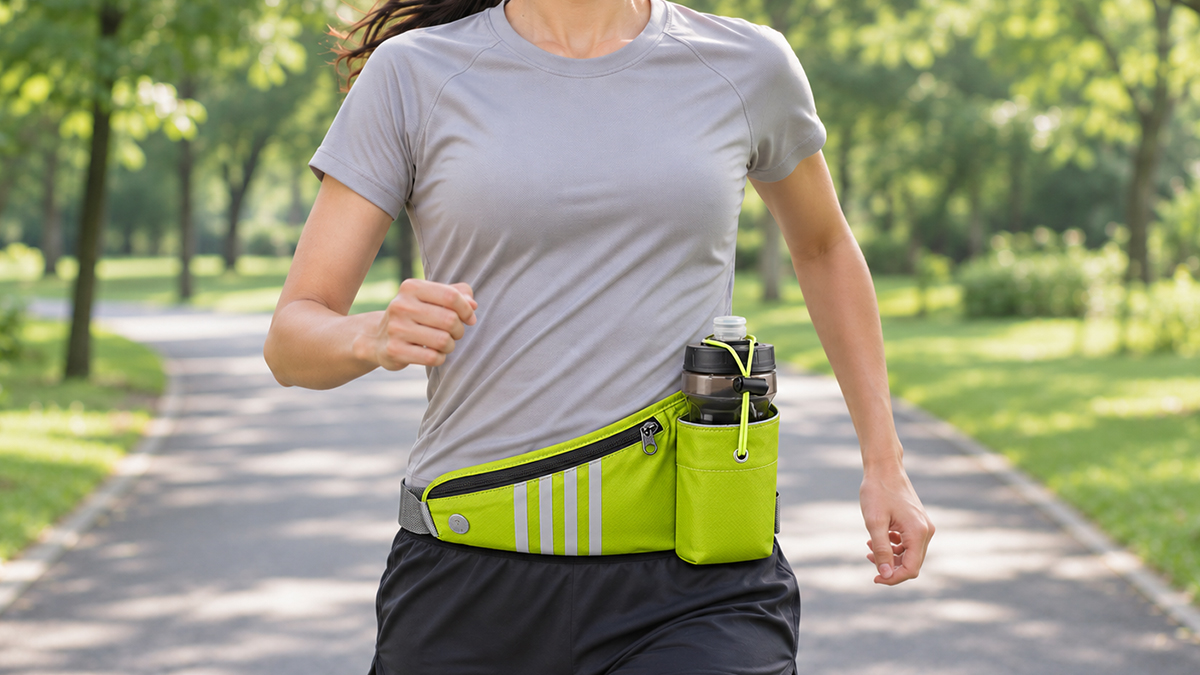
*Compare eight reference designs by bottle placement, retention, and storage layout.*
You can adapt a reference design or develop a custom hydration belt from drawings, photos, or a physical sample. Bottle fit and set contents are confirmed for each order.
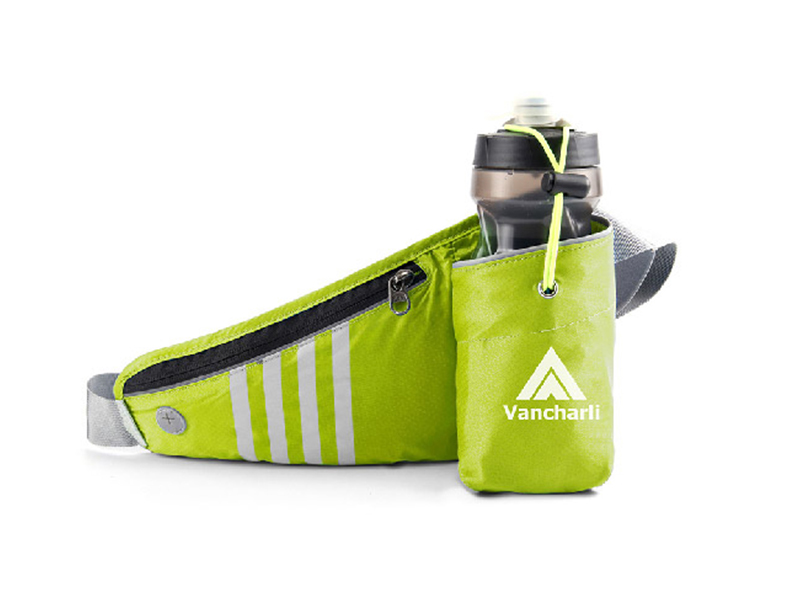
An upright bottle sleeve uses an elastic cord to help hold the bottle in place. A slim zippered pocket beside the sleeve holds small running essentials. Dimensions 35 × 1 × 19 cm (13.8 × 0.4 × 7.5 in).
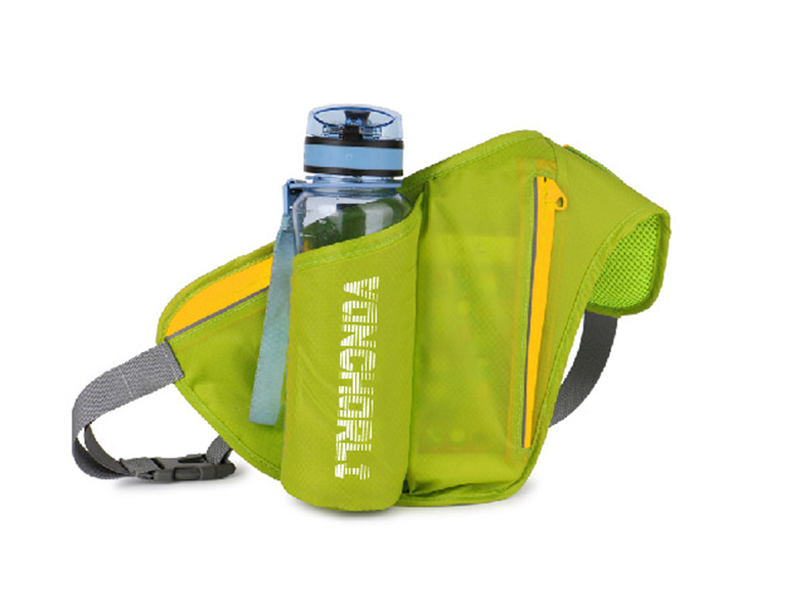
A bottle sleeve sits next to a vertical zippered pocket, giving runners separate access to their water and small items. Dimensions 46.5 × 1 × 19 cm (18.3 × 0.4 × 7.5 in).
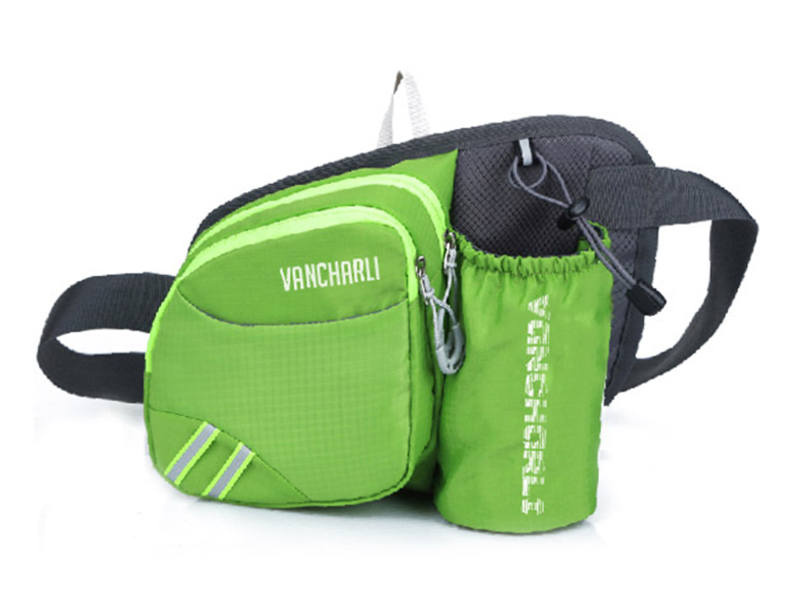
A rounded zippered pouch sits beside a bottle sleeve with a drawcord opening. The drawcord helps hold the bottle in place, and the pouch opens separately. Dimensions 27 × 10.6 × 18 cm (10.6 × 4.2 × 7.1 in).
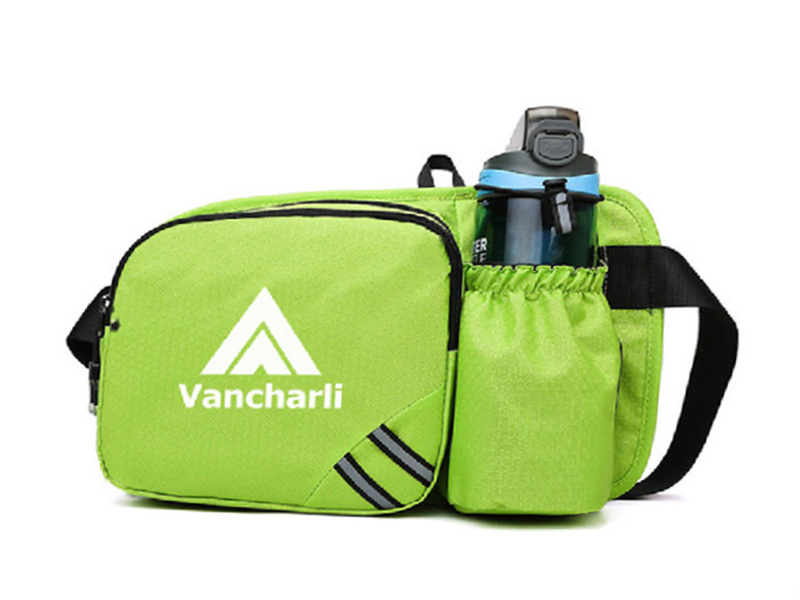
A wide zippered pouch sits beside an upright bottle sleeve with an elastic opening. The wide pouch opening makes it easier to see and reach the items inside. Dimensions 33 × 7 × 20 cm (13.0 × 2.8 × 7.9 in).
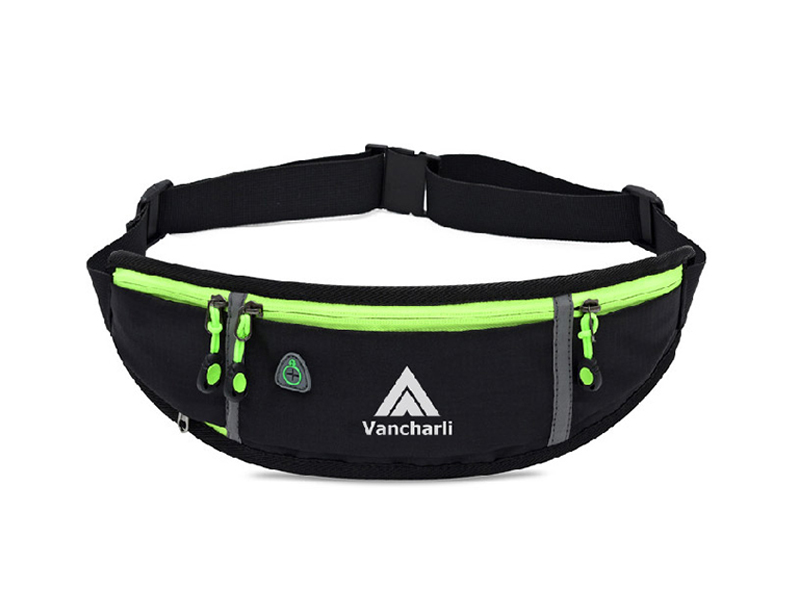
A dedicated side holder uses a wide elastic band to wrap around the bottle and a lower strap to support its base. The bottle stays outside the main zippered pouch, within reach while the belt is on. Dimensions 45 × 1 × 11 cm (17.7 × 0.4 × 4.3 in). Main pouch 20 × 10 cm (7.9 × 3.9 in). Reference weight 63 g (2.2 oz).
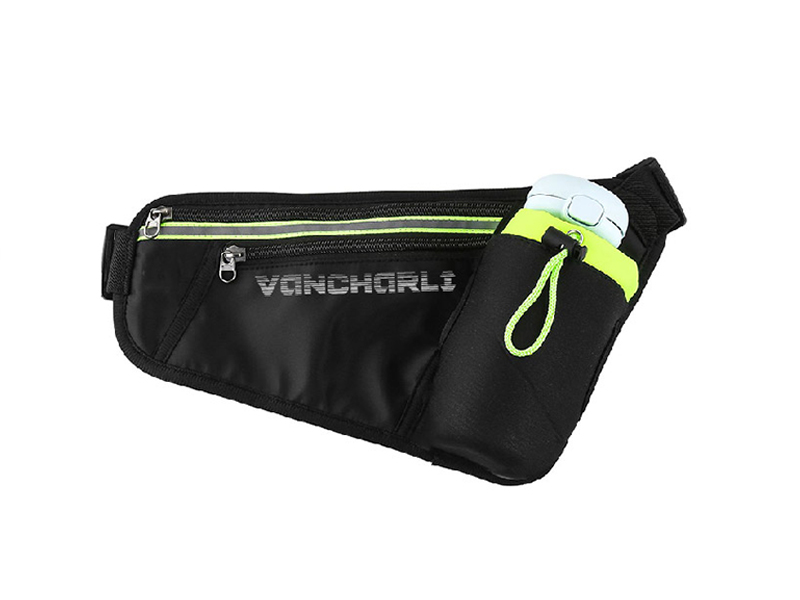
An angled sleeve holds the bottle diagonally and has an elastic retaining loop. Two zippered openings sit alongside the sleeve. Dimensions 32 × 1 × 22 cm (12.6 × 0.4 × 8.7 in).
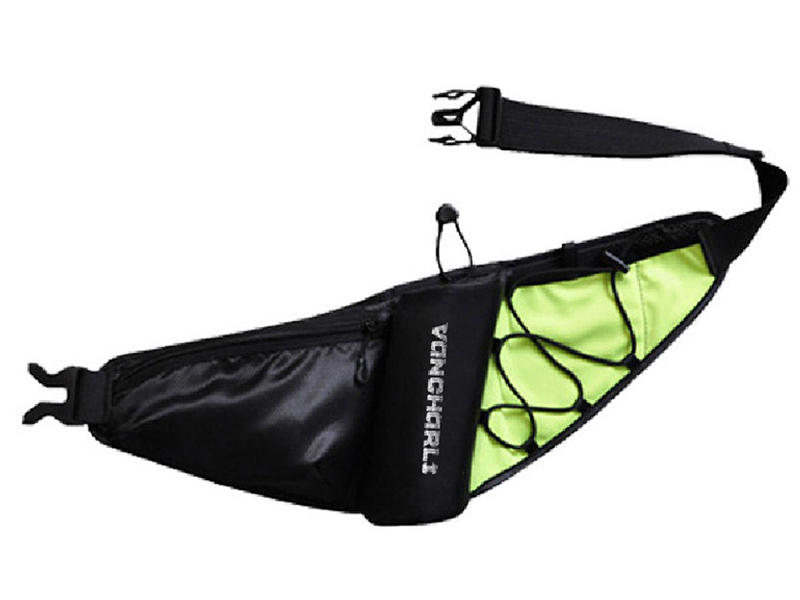
This design combines a zippered pocket, an open sleeve with a drawcord, and external bungee lacing on the opposite side. Dimensions 35 × 4 × 18.5 cm (13.8 × 1.6 × 7.3 in).
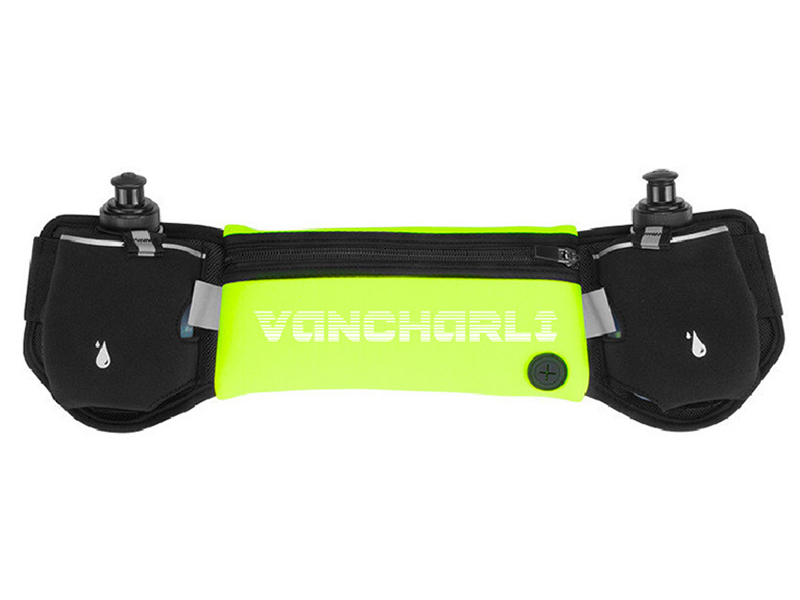
Two bottle holders flank a central zippered pocket. Runners can carry water and a sports drink separately and keep small items in the middle. Dimensions 43 × 1 × 10 cm (16.9 × 0.4 × 3.9 in).
*Choose how the belt carries water, then specify the fit, storage, and branding.*
For a single-bottle belt, we can adjust the holder depth and opening so enough of the selected bottle remains exposed for gripping. For a dual-bottle belt, we can place the holders on either side of a center pocket or adjust their position around the waist. For a soft flask, we can shape the pocket around the filled container and check how it fits as the water level drops.
We can adjust belt length, webbing width, and buckle position for the intended waist range. A side or rear bottle holder changes the space available for the buckle and pockets, so we plan their positions together. The same design can use one adjustable size or several size ranges.
Woven fabric can give a bottle sleeve more structure, while stretch fabric can help a pocket conform to a soft flask. Storage can be sized around what runners carry. A phone pocket may need room for a case, while a smaller zippered pocket may be enough for keys or gels.
We can coordinate fabric, webbing, and trim colors with your running line. Printed logos and woven labels can be selected to suit the fabric and placement. Retail packaging can identify the belt size and list the contents of a belt-and-bottle set.
*Factory support from the first sample through wholesale production.*
A bottle holder can look right on a drawing and still feel awkward to reach when worn. We help buyers check the design on a sample and record the approved details so the quote and production order reflect the configuration they select.
Established in 1995 · OEM & ODM development · Typical MOQ of 300 pcs/style · Production resources in China and Southeast Asia
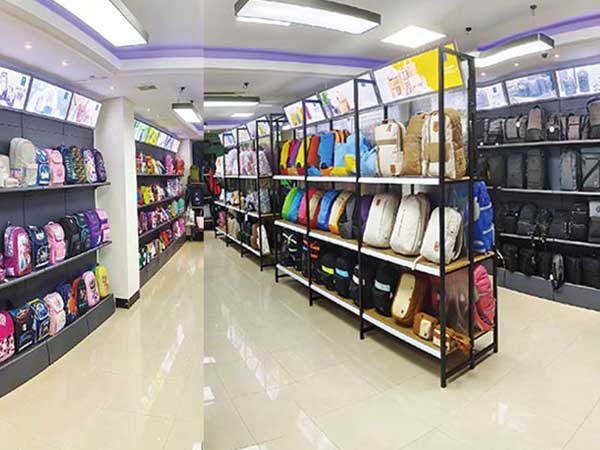
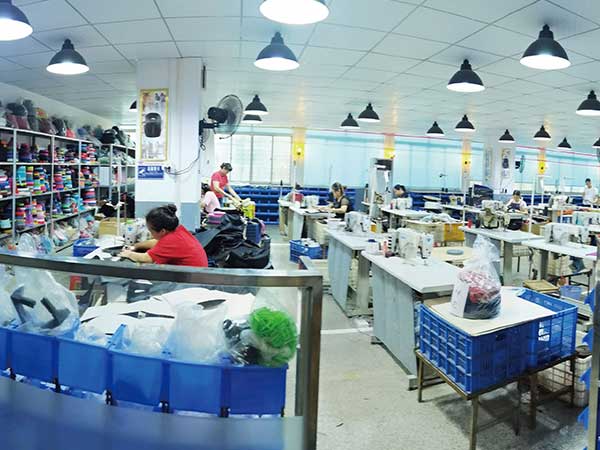
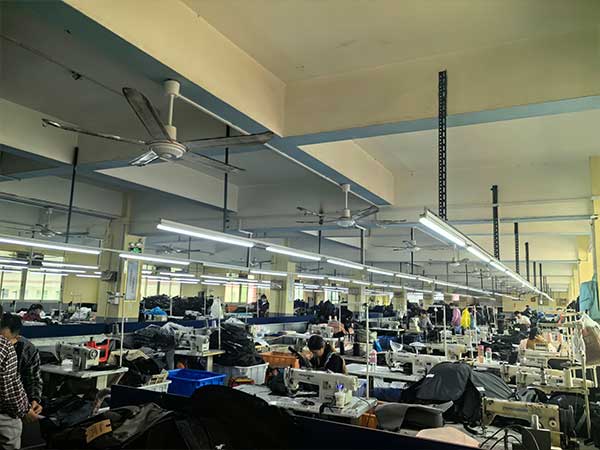
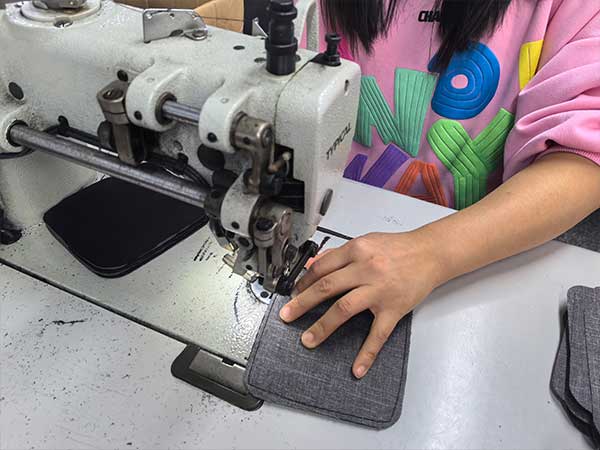
We can work from a tech pack, physical sample, or product brief. If the belt will join an existing running line, we can identify which details to carry over and which to change for the new design.
A second bottle holder, larger pouch, or additional size can affect the unit cost. We can review those trade-offs with your team before you settle on the production configuration.
Try the sample with the bottle filled and the belt adjusted to fit. Taking the bottle out and putting it back helps show whether the holder opening, retainer, and position work together when worn.
A belt sold on its own and a set sold with bottles have different order contents. We can identify what is supplied with each version so the quotation and packaging match the intended retail product.
For orders with several versions, we can document the approved combinations of sizes, colors, trims, and labels. Your team can review the full assortment before production.
The approved sample and specifications give both teams a reference for repeat orders. If a later batch changes the bottle, trims, or artwork, we can check the update against the earlier version.
*How the construction affects access, support, and fit while running.*
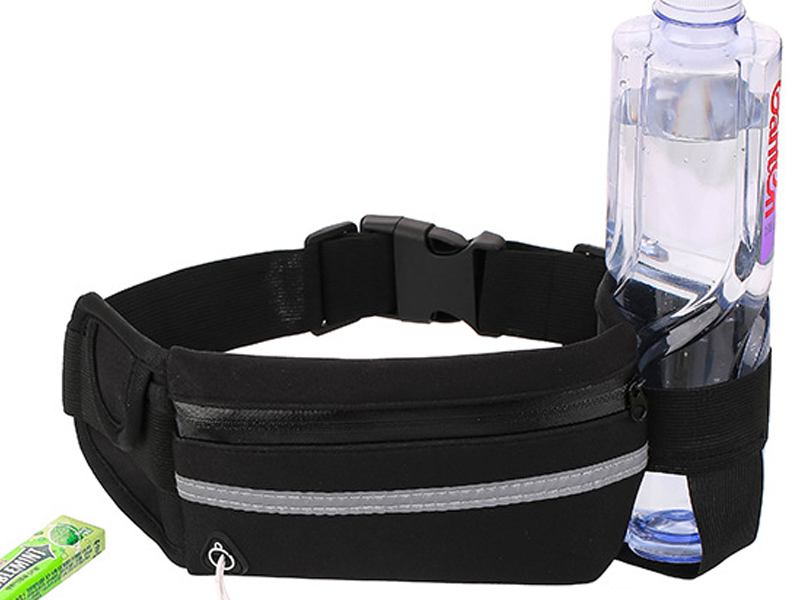
A dedicated holder gives the bottle a consistent place on the belt. An exposed neck or flask top provides a grip point, so runners can reach their water without unfastening the belt.
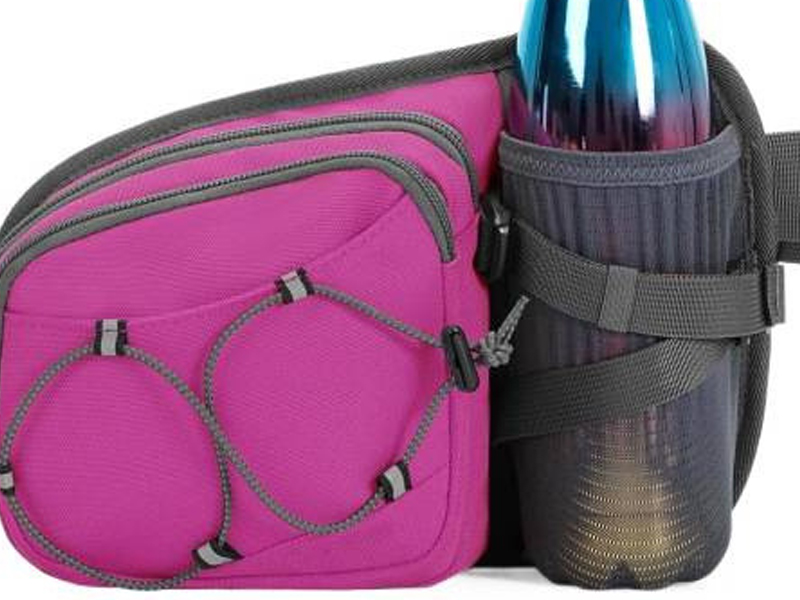
A holder sized to the bottle supports its body and limits how much room it has to shift. Depending on the design, a cord, loop, or elastic band helps keep the bottle seated.
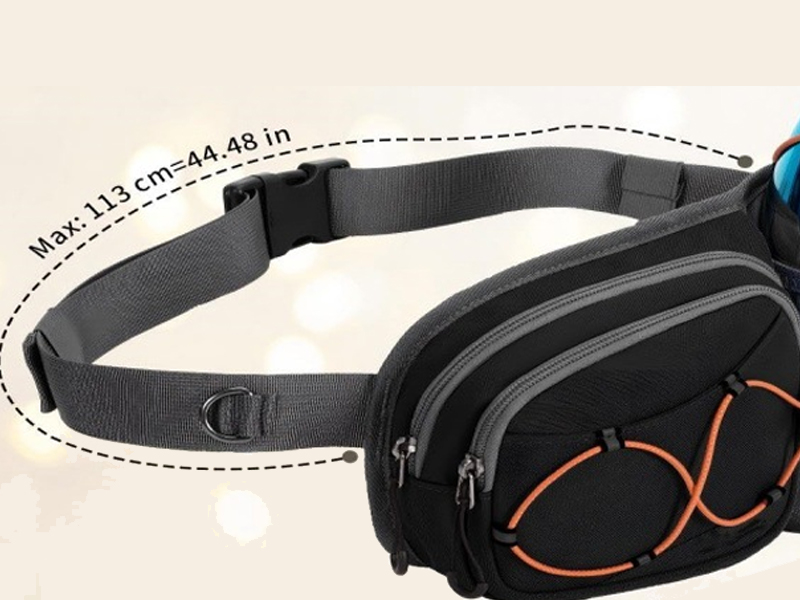
On adjustable designs, runners can change the strap tension after loading the belt or adding a clothing layer. The usable adjustment range depends on the design and size.
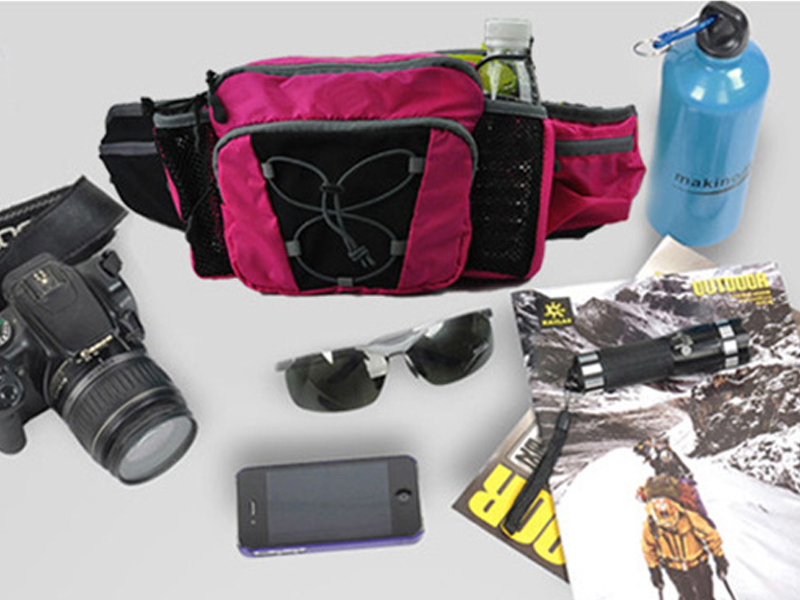
A zippered pocket beside the bottle holder gives keys, gels, and other small items their own space. Runners can reach for water without opening the storage pocket.
*Match the belt to the route, refill stops, and gear the runner carries.*
On a familiar training loop, a runner may only need one bottle, keys, and a gel. A slim single-bottle layout keeps those items at the waist and leaves the runner’s hands free between drinks.
Refill access helps determine how much water to carry. One bottle may suit a route with regular refill stops. A dual-bottle layout gives runners a way to carry water and a sports drink separately.
On a short trail loop, runners may carry water and a few essentials. A belt with a roomier zippered pouch can suit runners who also need space for a phone or extra fuel, provided the pocket fits those items.
A club can choose a shared bottle configuration and branding, then specify an adjustment range or size mix that works for its members.
*Six production checks against the approved sample and order specifications.*
We check fabrics, webbing, buckles, zippers, and any elastic retainers against the approved material list, including colors and trim sizes.
We measure the belt and check its usable adjustment range against the size specification. If the order includes several sizes, each is checked against its own measurements.
We inspect the seams at the base of the bottle holder and the webbing attachment points. Where reinforcement is specified, we compare it with the approved sample.
When a bottle or soft flask is specified, we check how it sits in the finished holder. For designs with a retaining cord, loop, or band, we check its position against the approved configuration.
We check that buckles close and release, webbing runs through its adjuster, and zippers open and close along the pocket opening.
We check the finished appearance, labels, and packaging against the order. For sets, we also verify that the specified bottles or flasks are packed with the corresponding belts.
*Answers for buyers comparing carry options and preparing wholesale orders.*
Our typical MOQ is 300 pieces per style. The final minimum depends on the design, materials, and mix of sizes or colors. If you plan to order several versions, share the estimated quantity for each so we can review the assortment.
A running hydration belt usually places a bottle or flask in a dedicated holder within reach. A hydration hip pack often has a larger pouch for gear and may use a bottle holder or a reservoir. The terms can overlap, so compare how runners reach the water and how much gear they can carry alongside it.
A belt suits runners who want to carry water and a few essentials at the waist. A running hydration vest can make more sense when they need room for layers or race gear, or want to spread the load across the chest and back. Consider the gear they need and the distance between refill stops.
Yes. A physical sample is helpful, especially when the bottle has a contoured body or the flask changes shape when filled. If you’re sending measurements, include the overall height, the widest point, and the shape around the neck or cap.
Consider how much water runners need between refill stops and whether they want to carry two drinks separately. A second bottle holder also affects how much room is available for a storage pocket and where the buckle can sit.
The approved order lists what is supplied. You can purchase the belt on its own or specify a set with selected bottles or soft flasks. Retail packaging can identify the set contents.
Yes. We can work from your design or modify a reference style. You can review colors, logo placement, labels, and retail packaging before approving the belt for production.
Start with a reference photo or design, the intended use, and your estimated quantity. If you’ve chosen a bottle or flask, include its dimensions and specify whether it should ship with the belt. Add the intended waist range and any branding requirements you already have.
✅ Submit an inquiry for:


WhatsApp us