How Retailers Can Prepare Soccer Bag Collections Before Major Football and Soccer Events
Major football and soccer events can change the way customers shop. Fans travel to matches, parents buy gear for youth players, clubs update team equipment, and retailers build seasonal displays around the excitement of the game.
For retailers, sports brands, wholesalers, and private label buyers, this creates a clear opportunity. But the opportunity is not only about jerseys and scarves. Bags are one of the most practical product categories around soccer: players need gear bags, fans need stadium-friendly bags, coaches need equipment bags, and clubs need products that can support a full season.
The retailers that prepare early usually have an advantage. They can build a balanced soccer bag collection, test samples, plan packaging, avoid rushed production, and reduce the risk of short-lived inventory after the event ends.
Quick Answer: What Should Retailers Prepare Before Major Soccer Events?
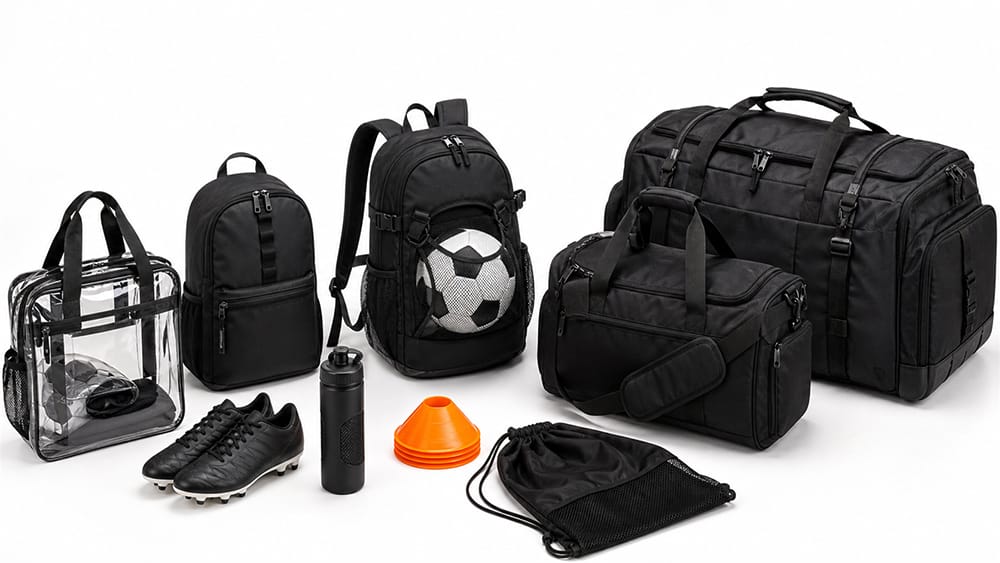
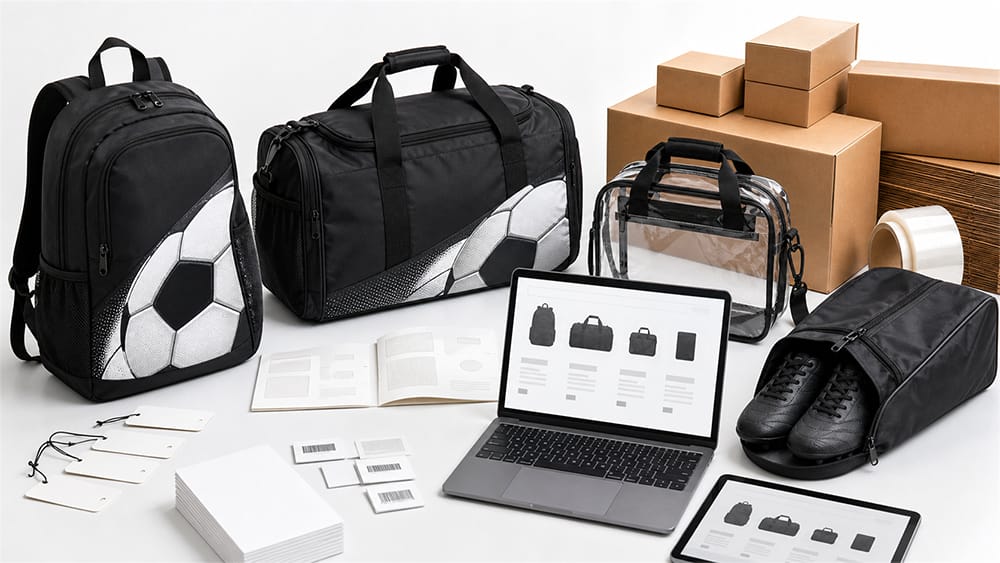
Retailers should prepare a soccer bag collection that covers players, fans, clubs, and travel use. A practical assortment may include soccer backpacks, soccer duffel bags, clear stadium bags, soccer shoe bags, drawstring bags, fan day bags, and team equipment bags.
The best collection is not built around one product. It is built around different buying situations.
For most retailers, the safest strategy is to create a small but complete soccer bag line: one player backpack, one duffel, one clear stadium bag, one shoe bag, and one team or fan-focused accessory. This gives customers choices without creating too many SKUs too early.
Why Major Football Events Create Bag Demand
Large football events do not only increase attention on the sport. They also create specific use cases that retailers can serve.
Fans may need bags for:
Stadium entry
Fan zones
Travel between host cities
Merchandise purchases
Daily sightseeing
Match-day essentials
Players and clubs may need bags for:
Training
Tournaments
Team travel
Youth programs
Seasonal equipment upgrades
Club merchandise sales
Retailers should not treat soccer bags as one general sports product. A soccer bag bought by a traveling fan is different from a soccer bag bought by a youth player, and both are different from a team equipment bag used by a coach.
The more clearly the collection matches real use cases, the easier it is to merchandise, describe, and sell.
Start Planning Before the Event Calendar Peaks
The biggest mistake retailers make is waiting until the event is already close. By that time, factories may be busy, materials may be limited, shipping windows may be tight, and retailers may have less room to test samples or improve packaging.
For custom soccer bag programs, planning should begin months before the event season.
A realistic preparation timeline may include:
Stage
What to Prepare
6–9 months before event
Product concept, target customer, bag types, price range
4–6 months before event
Materials, colors, logo methods, sample development
Retailers do not need to build a huge collection. But they do need enough time to make the products look intentional, not rushed.
Build the Collection by Use Case, Not One Bag Style
A strong soccer bag collection should not depend on one bag style. Different customers buy bags for different reasons.
For Fans Attending Matches
Fans need small, convenient bags that work for stadium entry and city movement. For major stadium events, clear bags can become especially important because many venues use clear bag policies.
Products to consider:
Clear stadium tote
Clear crossbody bag
Clear sling bag
Small fan pouch
Compact day bag
The key is convenience. Fans do not want a heavy product. They want a bag that keeps essentials visible, organized, and easy to carry.
For Fans Traveling Between Cities
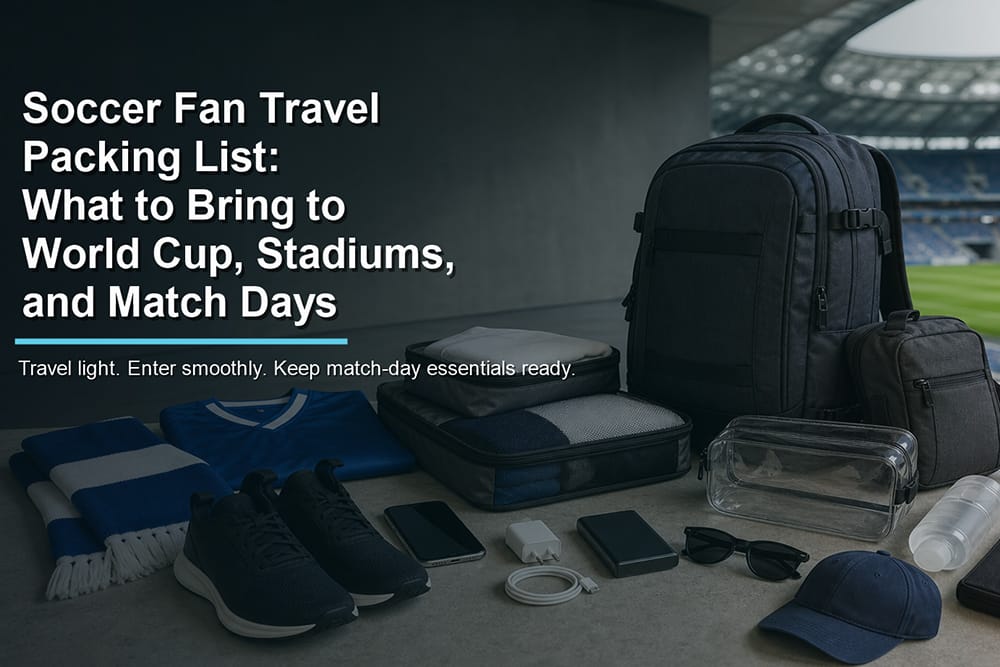
Traveling fans may need something larger than a stadium bag but smaller than luggage. A compact day bag or travel backpack can work well for transit, walking, sightseeing, and fan zones.
Products to consider:
Lightweight day backpack
Sling bag
Compact travel backpack
Foldable tote
Shoe or laundry pouch
This is where retailers can connect fan travel behavior with practical product design.
For Youth Players and Families
Parents often buy bags before a season, tournament, or major soccer event. A good youth soccer bag should help young players carry cleats, socks, shin guards, a water bottle, and sometimes a ball.
Coaches and team managers need different products from individual players. They may carry balls, cones, pinnies, first aid items, documents, pumps, spare socks, or wet gear.
Products to consider:
Team equipment bag
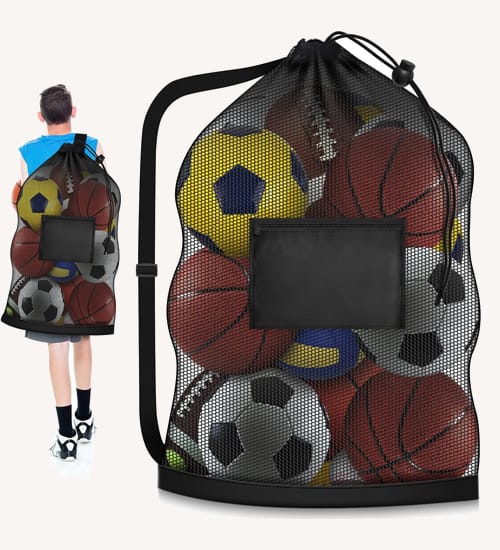
Ball bag
Coach duffel
Large utility tote
Medical or first aid pouch
These products may not sell like impulse items, but they can be valuable for clubs, schools, academies, and teamwear buyers.
A retailer does not need every possible style. A focused collection is usually better than a wide but confusing one.
Soccer Backpack
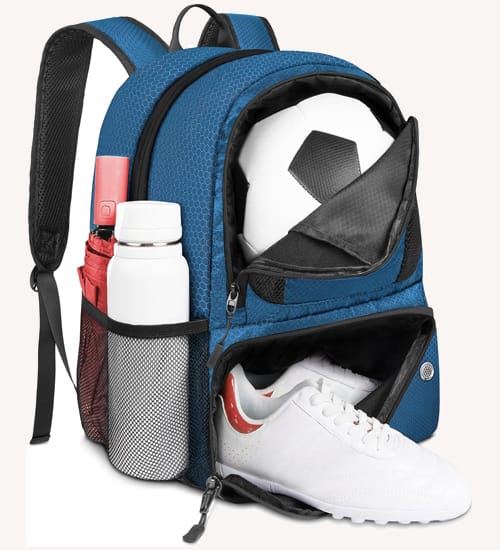
A soccer backpack is often the core product in a retail line. It works for youth players, school teams, casual players, and parents buying practical gear.
Useful features include:
Ball holder
Shoe compartment
Water bottle pocket
Name label
Comfortable shoulder straps
Easy-clean lining
Soccer Duffel Bag
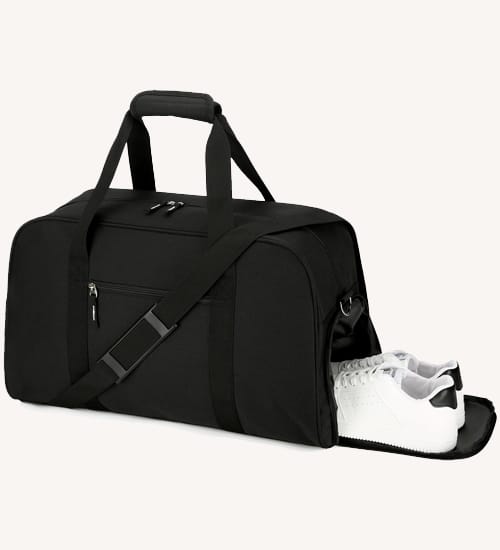
A soccer duffel bag works better for players who carry more gear. It is also useful for tournaments, older players, goalkeepers, and travel teams.
Useful features include:
Large main compartment
Shoe storage
Wet/dry pocket
Reinforced handles
Detachable shoulder strap
Durable bottom panel
Clear Stadium Bag
A clear stadium bag can be a strong event-driven product. It is useful for fans attending major stadium events, especially where clear bag rules apply.
Retailers can prepare:
Clear tote bags
Clear crossbody bags
Clear sling bags
Clear mini backpacks if allowed by venue rules
Clear pouches for small essentials
Because clear bag rules may vary by venue, product descriptions should avoid promising universal stadium approval. Use careful wording such as “stadium-friendly clear bag” and remind customers to check venue rules.
Soccer Shoe Bag
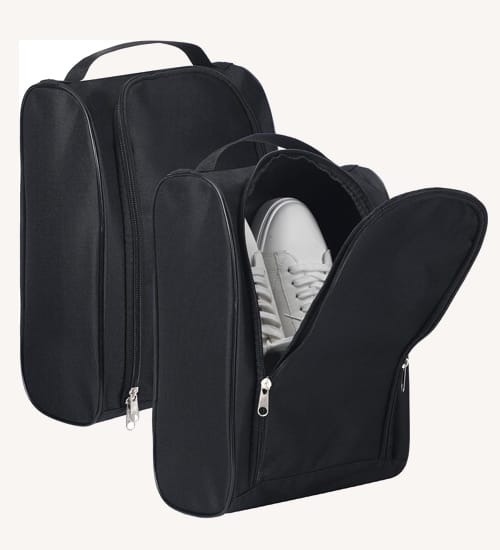
A soccer shoe bag is a good add-on product. It is affordable, practical, and easy to bundle with backpacks or duffels.
Useful features include:
Ventilation
Easy-clean lining
Carry handle
Space for cleats or turf shoes
Simple logo area
Drawstring Soccer Bag
A drawstring bag can work for promotions, youth programs, entry-level retail, and giveaway campaigns.
It is not a replacement for a proper soccer backpack, but it can serve as a low-cost accessory.
Fan Day Bag
A fan day bag is not necessarily a player bag. It is for travel, sightseeing, fan zones, and match-day movement outside the stadium.
Useful features include:
Lightweight body
Compact size
Secure zipper pocket
Comfortable strap
Travel-friendly design
Team Equipment Bag
A team equipment bag serves clubs, coaches, schools, and team buyers. It may have a lower impulse purchase rate than fan bags, but it can support wholesale and team sales.
Useful features include:
Large capacity
Reinforced bottom
Wide opening
Strong handles
Interior organization
Durable fabric
Do Not Ignore Stadium Bag Rules
Stadium rules can create real product opportunities, especially for clear bags. For the 2026 World Cup, FIFA’s clear bag policy states that only clear bags made of plastic, vinyl, or PVC materials are permitted in stadiums.
For retailers, this does not mean every product should be clear. It means clear stadium bags should be treated as one specific product category within the larger soccer bag collection.
Retailers should consider:
Clear stadium tote bags for fans
Clear crossbody bags for hands-free carry
Small clear pouches for essentials
Transparent bags with colored trims
Packaging that explains stadium-friendly use
The important point is accuracy. Do not claim a bag is approved for every stadium unless you can verify the rules. A better approach is to explain the bag’s size and material clearly so customers can compare it with their venue requirements.
Plan Designs That Stay Sellable After the Event
Event-driven products can sell quickly, but they can also become risky if the design is too specific. A bag covered with one short-term event reference may lose value after the tournament ends.
Retailers should build soccer-inspired products that remain useful after the event.
Better design directions include:
Generic soccer graphics
Ball texture patterns
Field-line details
Country-color inspired trims
Club-safe colorways
Neutral black, navy, gray, or clear body colors
Removable patches
Retailer-owned branding
Functional design over event wording
Avoid making the collection depend entirely on one tournament, one date, or one phrase. The best soccer bags can sell during event season, youth season, club season, back-to-school season, and holiday gift periods.
Branding and IP Compliance: What Retailers Should Avoid
This section is important. Major football events create demand, but they also create trademark and counterfeit risks.
Retailers should not use protected event marks without authorization. FIFA’s brand protection guidance explains that FIFA protects a wide range of brand assets, including logos, words, titles, symbols, and other identifiers connected with its events.
Retailers should avoid using:
FIFA logos
World Cup official emblems
Official tournament names in a misleading way
Trophy artwork
Mascots
Host city official marks
Team crests without license
Sponsor-like wording such as “official”
Designs that copy official merchandise
A safer approach is to use generic soccer themes, retailer-owned branding, team-color inspiration, or private label designs that do not imply official sponsorship.
This is not only a legal detail. It is a supply chain risk. U.S. Customs and Border Protection recently reported a counterfeit FIFA World Cup merchandise seizure valued at more than $6 million, which shows that counterfeit event merchandise is actively enforced.
Retailers should protect their business by choosing legal designs, documented suppliers, and clear brand approvals before production.
Forecast Inventory by Sales Channel
Not every retailer needs the same product mix. The best assortment depends on where and how the products will be sold.
Sporting Goods Stores
Sporting goods stores should focus on player bags, duffels, shoe bags, and clear stadium bags. Customers may include players, parents, fans, and local clubs.
Soccer Specialty Shops
Soccer specialty stores can go deeper into player and club products. Soccer backpacks, goalkeeper duffels, team equipment bags, and shoe bags may perform better here than generic fan bags alone.
E-Commerce Sellers
Online sellers should focus on clear product positioning and search-friendly listings. Product pages should explain size, capacity, use case, and material clearly.
Club and Teamwear Dealers
Club and teamwear buyers often need logo customization, color matching, and repeat orders. They may care more about reorder stability than short-term event graphics.
School and Youth Sports Suppliers
School suppliers should focus on durable youth backpacks, drawstring bags, and team equipment bags. Products should be easy to label, easy to clean, and practical for repeated use.
Promotional Product Buyers
Promotional buyers may want fan bags, drawstring bags, or simple clear bags with custom branding. Pricing, lead time, and logo method matter more here.
Prepare Packaging, Display, and Online Listings
A soccer bag collection is easier to sell when the retail presentation is clear.
Retailers should prepare:
Hang tags
Size labels
Capacity descriptions
Feature callouts
Lifestyle photos
Stadium-friendly use notes
QR code product information
Bundle packaging
Shelf-ready cartons
Online listing images
For online sales, the product title and description should be specific. Instead of only writing “sports bag,” use phrases that match buyer intent, such as:
soccer backpack with shoe compartment
clear stadium bag for soccer events
soccer duffel bag for players
soccer shoe bag for cleats
team equipment bag for coaches
fan day bag for match travel
Clear descriptions reduce returns and help customers choose the right product.
Use Bundles to Increase Average Order Value
Soccer bags work well in bundles because customers often need more than one item.
Useful bundle ideas include:
Soccer backpack + shoe bag
Duffel bag + laundry pouch
Clear stadium bag + small wallet pouch
Youth backpack + drawstring bag
Team equipment bag + ball bag
Fan day bag + clear stadium pouch
Bundles are especially useful before major events because customers may be shopping quickly and looking for ready-to-use solutions.
Work With a Manufacturer Early
For retailers and sports brands planning custom soccer bags before major football events, early coordination with an OEM/ODM manufacturer helps align materials, logo methods, colorways, packaging, production lead time, and reorder strategy.
Before confirming production, retailers should clarify:
Target customer
Product types
Fabric and trim colors
Logo method
Packaging format
Sample approval timeline
MOQ
Bulk production schedule
Shipping method
Reorder plan
Vancharli Outdoor supports OEM/ODM soccer bag development for retailers, sports brands, wholesalers, and private label programs that need practical product collections instead of one short-lived event item.
Common Mistakes Retailers Should Avoid
Ordering Too Late
If product development starts too close to the event, there may not be enough time for sampling, revision, production, shipping, and retail setup.
Building Only One Bag Style
One backpack cannot serve fans, youth players, goalkeepers, coaches, and team buyers. A small product line is usually stronger than a single general-purpose bag.
Ignoring Clear Bag Demand
Stadium policies can influence fan purchases. Retailers that ignore clear bags may miss an event-specific opportunity.
Using Protected Event Marks
Using official logos, event names, or team marks without permission can create legal and customs risks.
Making Designs Too Event-Specific
Products that only make sense for one event may be harder to sell after the tournament ends.
Forgetting Reorders
If a product sells well, retailers need to know whether the same fabric, color, logo method, and packaging can be repeated.
Weak Product Descriptions
Customers need to understand size, capacity, use case, and whether the bag is suitable for stadium, player, or travel use.
Poor Packaging
Good packaging helps retail staff and customers understand the product quickly. Weak packaging can make even a good bag look generic.
Final Retailer Checklist
Before launching a soccer bag collection for a major football event, retailers should confirm:
Target customers: fans, players, clubs, schools, or teams
Core bag types: backpack, duffel, clear bag, shoe bag, equipment bag
Event timing and production lead time
Sample approval schedule
Materials and colorways
Logo and branding method
IP compliance review
Packaging and hang tags
Product photography
Online listing keywords
Retail display plan
Bundle strategy
Reorder plan
Post-event sales plan
A strong soccer bag collection should not depend on one event alone. It should capture event-season excitement while remaining useful for everyday soccer, club training, youth tournaments, fan travel, and team sales.
Final Thoughts
Major football and soccer events can create strong retail demand, but retailers should not treat them as short-term merchandise moments only. The better strategy is to build a soccer bag collection around real customer needs: fans attending matches, players carrying gear, clubs managing equipment, and buyers looking for practical products that remain useful after the final whistle.
Retailers that prepare early can create better products, avoid rushed sourcing, reduce compliance risks, and continue selling after the event ends.
FAQ
When should retailers start preparing soccer bag collections before a major football event?
Retailers should begin planning several months before the event. Custom bag development may require time for product planning, samples, material approval, logo testing, packaging, production, and shipping.
What soccer bags sell best during major football events?
Useful products may include clear stadium bags, soccer backpacks, duffel bags, shoe bags, drawstring bags, fan day bags, and team equipment bags. The best mix depends on the retailer’s customer base.
Are clear stadium bags a good retail product?
Yes, clear stadium bags can be a strong event-season product when stadiums use clear bag policies. Retailers should describe size and material clearly and remind customers to check venue rules.
Can retailers use World Cup logos on soccer bags?
Not without proper authorization. Official event logos, names, symbols, mascots, and related brand assets may be protected. Retailers should use licensed artwork or generic soccer-inspired designs.
How can retailers avoid leftover inventory after major events?
Retailers can reduce leftover inventory by using evergreen soccer designs, neutral colors, removable branding, functional features, and products that remain useful for youth teams, clubs, travel, and everyday training.
What should sports brands ask a soccer bag manufacturer before production?
Brands should ask about materials, MOQ, logo methods, sample timeline, production lead time, packaging options, quality control, reorder stability, and whether the manufacturer can support multiple bag types in one collection.
Should retailers focus on fans or players?
A balanced collection can serve both. Fans may buy clear stadium bags and day bags, while players and clubs may buy backpacks, duffels, shoe bags, and equipment bags.
What is the safest design approach for event-season soccer bags?
The safest approach is to use generic soccer themes, retailer-owned branding, functional details, and colorways inspired by soccer culture without copying protected official event assets.





Comments are closed