Plate Carrier Manufacturing Guide: Fabric, Stitching, Hardware, and Quality Control
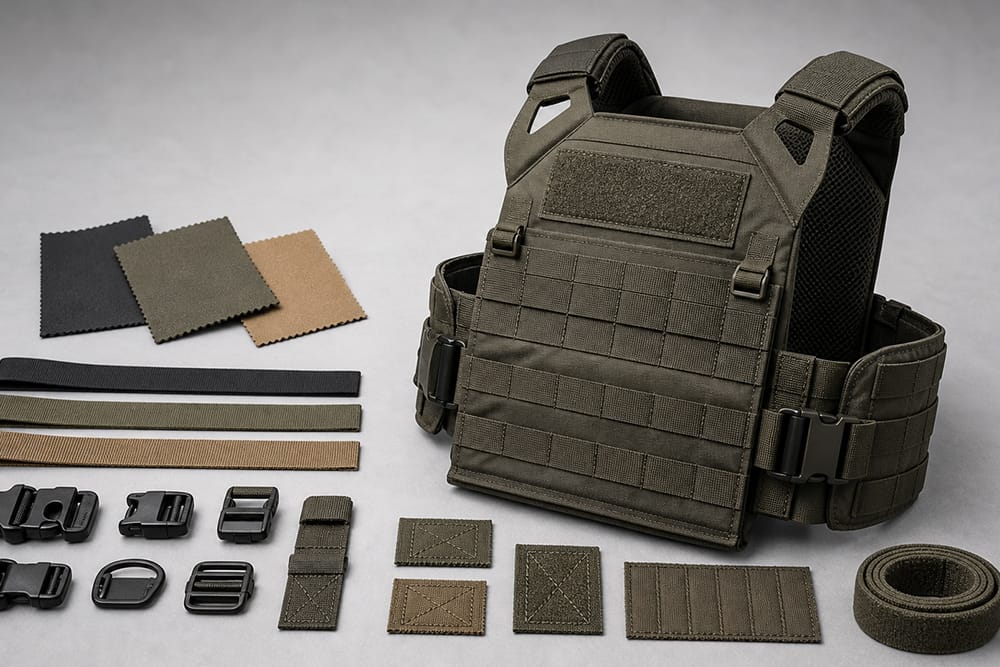
For tactical gear brands, wholesalers, importers, and OEM buyers, a plate carrier is more than a tactical-looking vest. It is a load-bearing platform that must support armor plates, MOLLE pouches, modular panels, radio equipment, magazine pouches, and other field accessories while maintaining comfort, structure, and sizing consistency.
If you are developing plate carriers for your own product line, working with a custom tactical plate carrier manufacturer can help you evaluate fabric, stitching, MOLLE construction, hardware, sizing, and quality control before moving into bulk production.
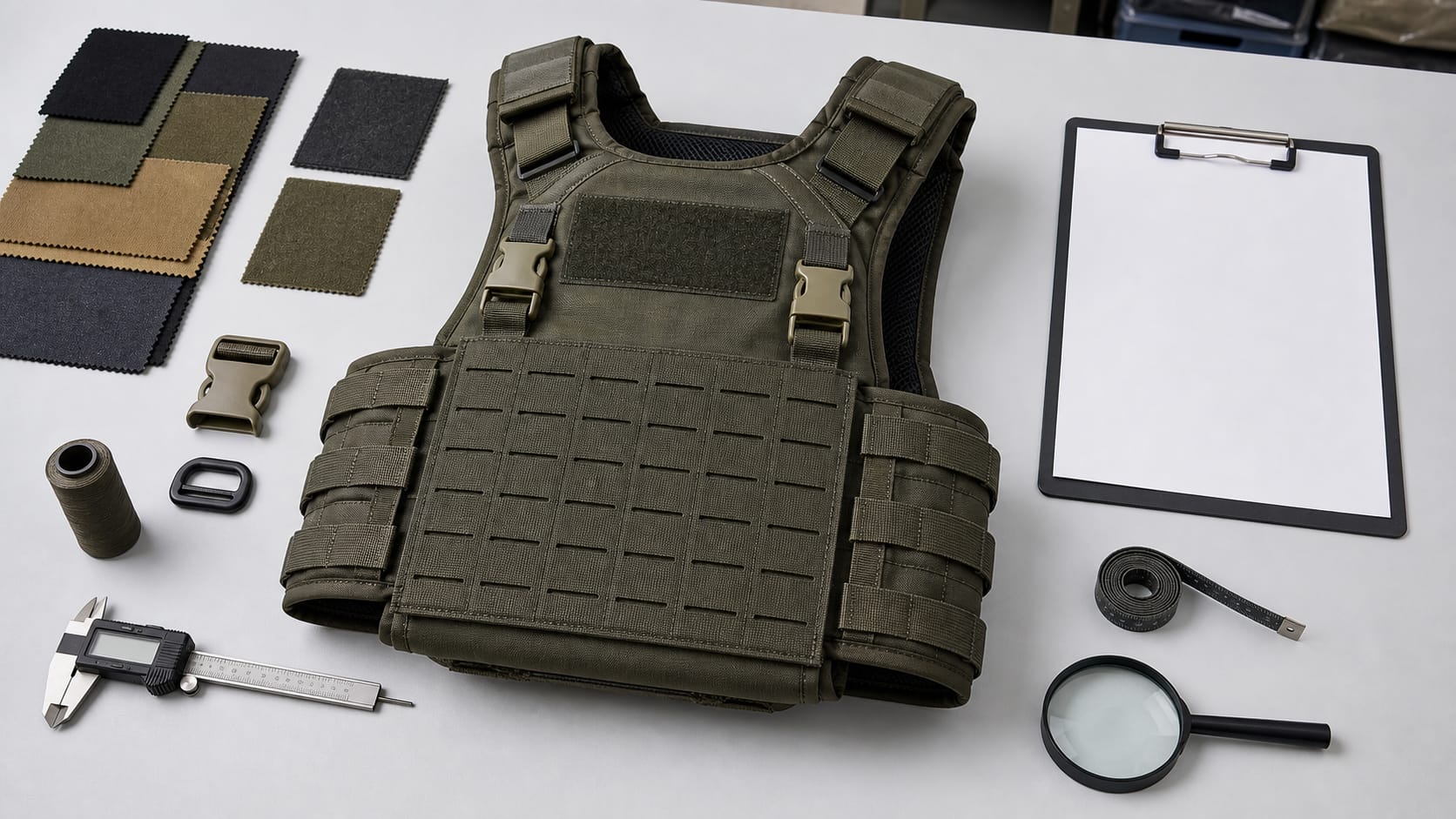
A well-made plate carrier depends on more than one material choice. Two plate carriers may look similar in photos, but their actual performance can be very different after repeated loading, adjustment, and field use. This guide explains the key manufacturing details buyers should review before developing a custom plate carrier or approving a bulk order.
Why Manufacturing Quality Matters in Plate Carrier Development
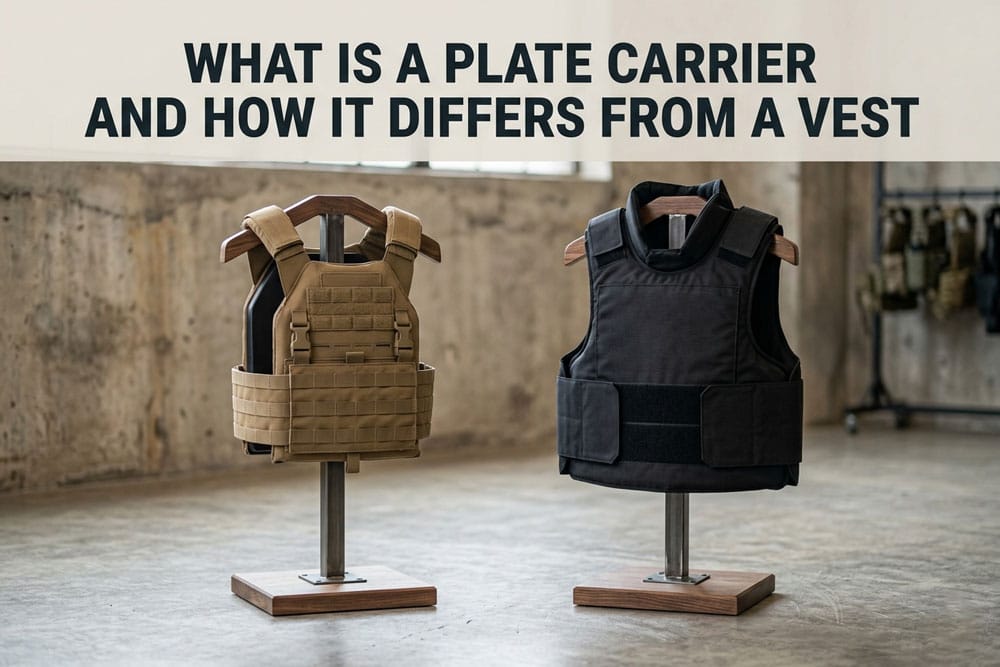
Plate carriers are different from ordinary tactical vests or lightweight outdoor gear. They are built to carry weight close to the body while allowing users to attach modular accessories across the front, back, side panels, and cummerbund area.
For OEM buyers, this creates several manufacturing challenges. The fabric must resist abrasion and deformation. The stitching must hold under repeated pulling and load stress. MOLLE webbing or laser-cut panels must remain compatible with standard tactical pouches. Buckles and quick-release systems must function smoothly. Plate pockets must fit the intended plate size without excessive movement. Bulk production must also remain consistent from one size and production batch to another.
This is why buyers should not judge plate carriers only by appearance, fabric denier, or product photos. A reliable plate carrier starts with correct material selection and ends with strict inspection before shipment.
It is also important to separate the carrier shell from ballistic armor. A plate carrier is usually the textile platform that holds armor plates. Ballistic protection depends on the armor insert or plate itself, not only on the fabric shell. The NIJ Standard 0101.07 applies to ballistic-resistant body armor performance and testing, so buyers should avoid describing a textile carrier shell as NIJ-certified unless the actual armor product has been properly tested and listed.
Fabric Selection for OEM Plate Carriers
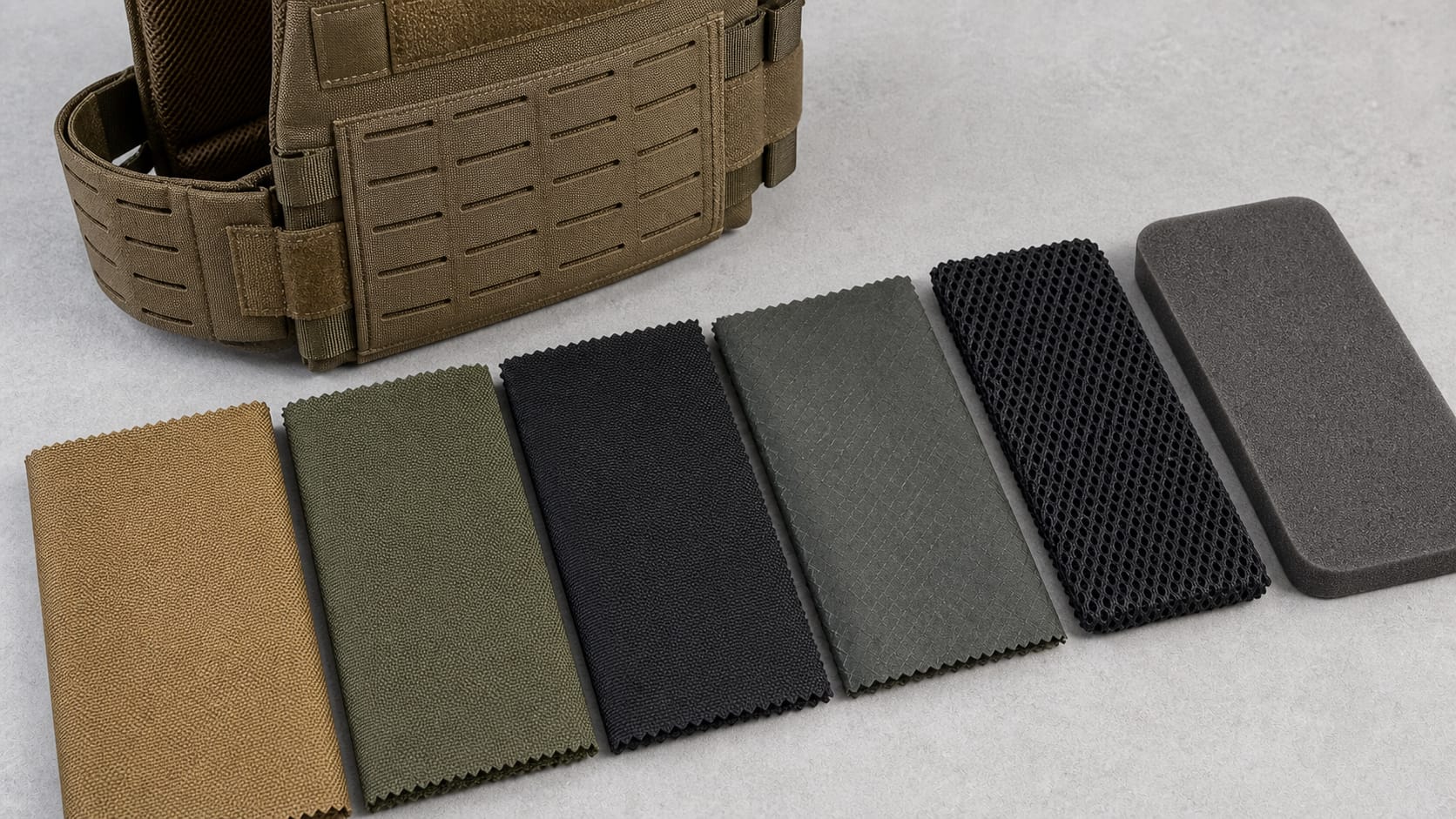
Fabric is one of the first specifications buyers discuss, but it should not be treated as the only quality factor. A heavier fabric may improve abrasion resistance, but it can also increase weight, reduce comfort, and affect cost. The right choice depends on the target market, usage scenario, price range, and product positioning.
500D Nylon
500D nylon is commonly used for lighter tactical gear, training carriers, airsoft carriers, low-profile designs, and products where mobility matters. It offers a practical balance between weight and durability.
For brands targeting civilian training, outdoor tactical users, or lighter-duty markets, 500D fabric can be a suitable choice. However, reinforcement is still needed in high-stress areas such as shoulder straps, cummerbund connection points, drag handles, and MOLLE panels.
1000D Nylon
1000D nylon is often selected for heavy-duty tactical gear because of its stronger abrasion resistance and rugged hand feel. It is suitable for plate carriers designed for demanding field use or customers who expect a more robust product.
The tradeoff is weight and stiffness. If the design already includes large MOLLE panels, padding, buckles, and reinforced layers, using 1000D fabric throughout the entire carrier may make the product feel heavy. Many OEM designs use a combination of fabrics to balance durability, comfort, and cost.
600D and 900D Oxford
600D and 900D Oxford fabrics are often used when buyers need a more cost-controlled plate carrier or a product for training, promotional, airsoft, or entry-level tactical markets. Oxford fabric can still perform well when combined with proper coating, lining, reinforcement, and quality stitching.
For B2B buyers, the key is not only the fabric name. Coating quality, tear strength, colorfastness, hand feel, and sewing performance should also be confirmed during sampling.
Laminated Fabric for Laser-Cut MOLLE
Laser-cut MOLLE requires fabric with suitable structure and bonding. The material must hold clean cut edges and resist delamination after repeated use. Laminated fabrics can create a cleaner, flatter, and more modern appearance than traditional webbing MOLLE.
However, laser-cut panels require careful material testing. Poor material selection can lead to edge fraying, cracking, weak attachment points, or delamination after repeated pouch installation.
Mesh, Foam, and Inner Lining
The inside of a plate carrier matters as much as the outside. Breathable mesh, spacer mesh, foam padding, and smooth lining materials affect comfort, ventilation, and long-term wearability.
For bulk production, buyers should confirm foam thickness, mesh density, color consistency, and whether the inner material remains stable after compression and repeated use. These details are also important when developing broader tactical vest programs with a tactical vest manufacturer.
Reinforced Stitching and Load-Bearing Construction
Stitching quality is one of the most important parts of plate carrier manufacturing. Many customers focus on whether the shell uses 500D or 1000D fabric, but the product may still fail if the stitching is weak.
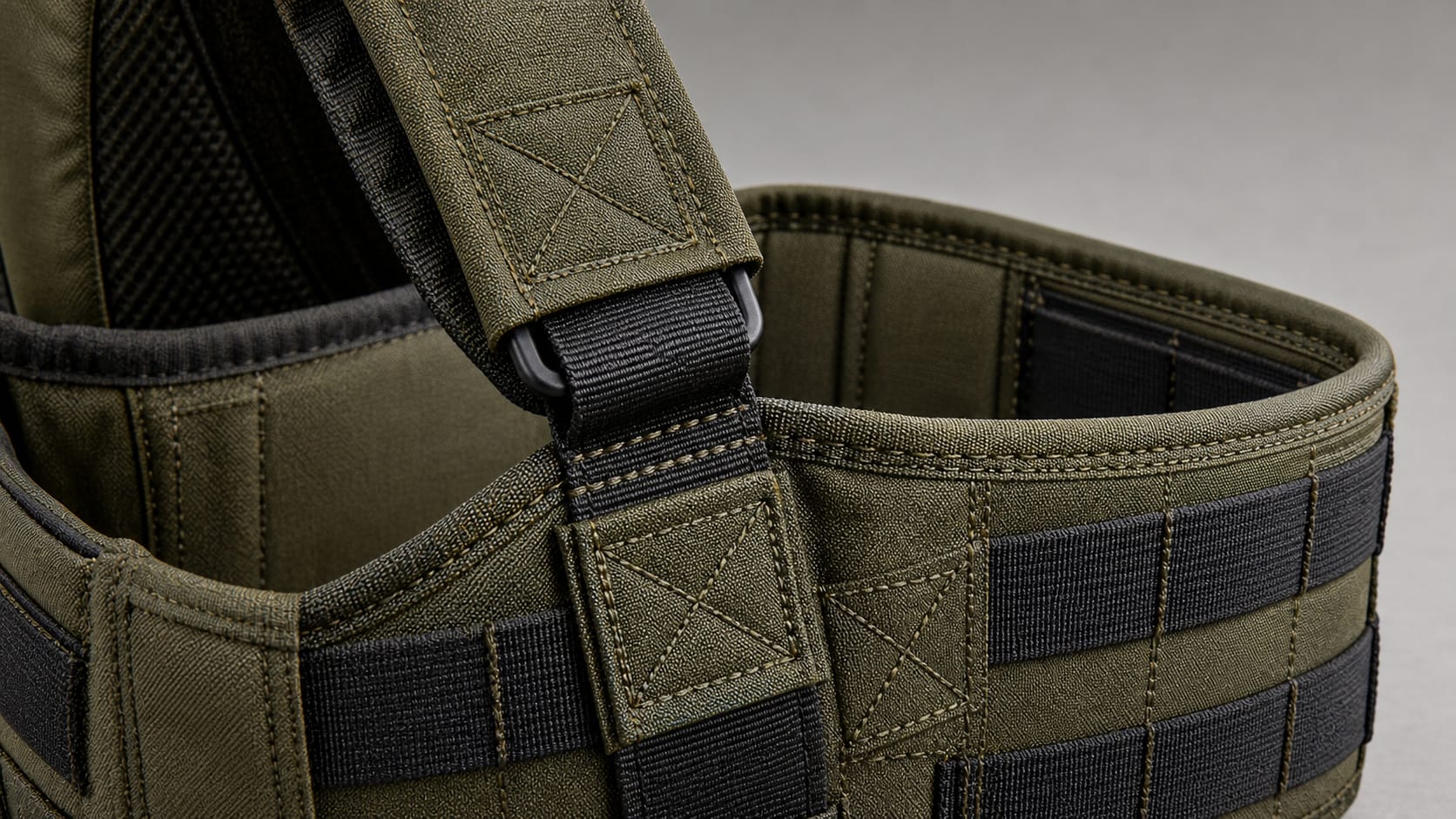
High-stress areas should receive special reinforcement, including shoulder strap attachment points, cummerbund connection points, MOLLE webbing rows, drag handle areas, front and rear plate pocket edges, quick-release system attachment points, side panels, adjustment zones, buckles, and webbing ends.
Common reinforcement methods include bartack stitching, box stitching, double stitching, and reinforced binding. These details help distribute stress and reduce the risk of tearing when the carrier is loaded.
For OEM buyers, stitching should be checked both visually and functionally. Loose threads, skipped stitches, uneven stitch length, weak bartacks, and poor edge binding can all affect durability. During sampling, buyers should request close-up photos or physical samples of critical stitching areas instead of approving the design only from full-product images.
MOLLE Construction: Traditional Webbing vs Laser-Cut Panels
MOLLE is a key feature on most tactical plate carriers, but not all MOLLE construction is the same. From a manufacturing perspective, buyers should pay attention to spacing, alignment, stitching strength, material compatibility, and accessory fit.
Traditional MOLLE Webbing
Traditional MOLLE uses sewn webbing rows. It is widely recognized, compatible with many pouches, and easier to inspect visually. Buyers can check whether the webbing rows are straight, evenly spaced, and strongly stitched.
The main challenge is consistency. If the webbing spacing is inaccurate, pouches may be too loose, too tight, or difficult to mount. If the stitching is weak, the MOLLE panel may fail when loaded.
Laser-Cut MOLLE
Laser-cut MOLLE creates slots directly on laminated fabric or reinforced panels. It can reduce bulk, lower weight, and create a cleaner appearance. Many modern plate carriers use laser-cut panels for a more streamlined design.
However, laser-cut MOLLE places higher demands on material selection and production accuracy. The panel must resist tearing, stretching, and delamination. The cut edges should be clean and stable. Buyers should test whether common pouches can be mounted smoothly without damaging the panel.
Hybrid MOLLE Construction
Some OEM designs combine traditional webbing and laser-cut panels. For example, the front panel may use laser-cut MOLLE for a sleek appearance, while side areas or high-load sections use traditional webbing for stronger support.
This hybrid approach can be practical, but buyers should confirm pouch compatibility, visual consistency, and load-bearing performance during sampling. If the carrier will be sold with matching pouches, it is also useful to review compatibility with a custom tactical pouch manufacturer during product development.
Hardware Selection: Buckles, Quick Release, Velcro, and Adjusters
Hardware affects both function and user experience. A plate carrier may use strong fabric and clean stitching, but poor hardware can still create complaints, returns, or performance issues.
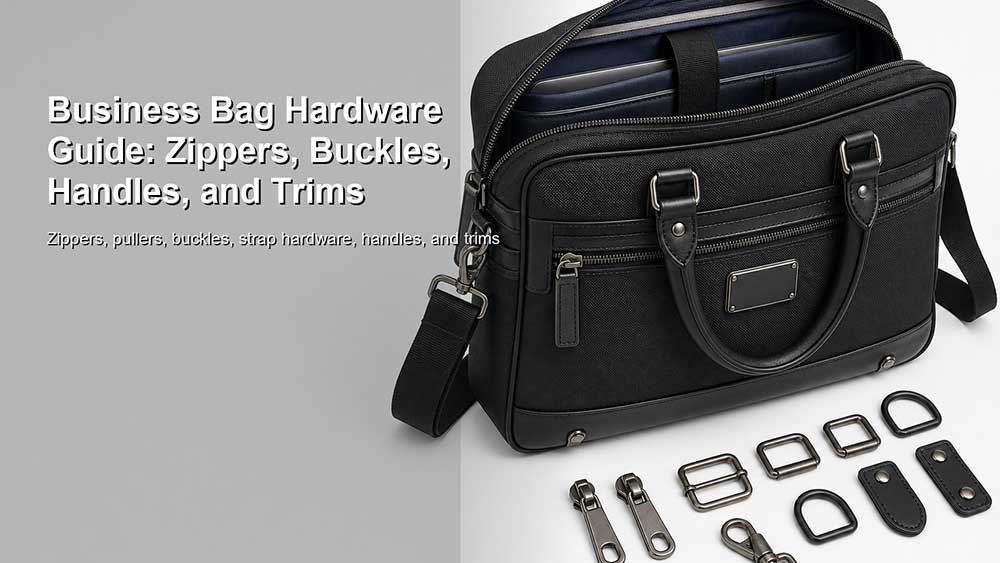
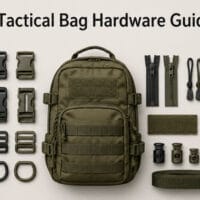
Common plate carrier hardware includes shoulder buckles, waist buckles, side-release buckles, quick-release buckles, adjusters, D-rings, hook-and-loop panels, cord locks, pull tabs, and sometimes zippers.
Quick-Release Buckles
Quick-release systems are often used to make the carrier easier to put on, remove, or adjust. For OEM buyers, the key question is not only whether the product has a quick-release feature, but whether the structure is stable enough for the intended use.
A quick-release buckle should open smoothly when needed, but it should not release accidentally under normal movement. It should also remain comfortable when placed near the shoulder, chest, waist, or side panel.
Hook-and-Loop Panels
Velcro loop panels are commonly used for patches, ID panels, placards, and modular front flaps. Buyers should check the size, position, adhesion strength, edge stitching, and long-term durability of the hook-and-loop system.
Poor Velcro placement can affect both appearance and function. If the panel is too small, buyers lose customization space. If it is poorly stitched, the edge may lift after repeated use.
Adjusters and Webbing Ends
Adjustment systems should move smoothly but stay secure after fitting. Loose adjusters can cause sizing instability, while overly tight adjusters may be difficult for users to operate. Webbing ends should be folded, stitched, or finished properly to prevent fraying.
Plate Pocket Fit and Sizing Consistency
Plate pocket construction is a major difference between a simple tactical vest and a functional plate carrier. Even when two carriers use the same outer fabric, the plate pocket design can affect product quality and user confidence.
Buyers should review:
front and rear plate pocket size
plate pocket tolerance
opening direction
inner retention strap
bottom flap structure
anti-shift design
stitching around the pocket edge
compatibility with the intended plate dimensions
The plate should fit securely without excessive movement. A pocket that is too loose can create shifting during movement. A pocket that is too tight may make insertion difficult or cause stress on the seams.
Sizing consistency is equally important for bulk orders. If a brand offers S, M, L, and XL sizes, the pattern grading should be controlled carefully. Shoulder adjustment range, cummerbund length, side panel position, and plate pocket placement should remain consistent across sizes.
Buyers should also understand that body armor compliance is different from carrier-shell manufacturing quality. The NIJ Compliant Products List is used for verified ballistic-resistant armor products, while a textile plate carrier manufacturer mainly controls fabric, stitching, fit, modular structure, and QC.
Comfort and Load Distribution in Bulk Production
Comfort is not only a consumer feature. For OEM buyers, comfort affects reviews, repeat orders, and long-term product reputation.
Plate carrier comfort depends on:
shoulder strap width and angle
shoulder padding thickness
inner mesh structure
foam density
cummerbund elasticity
ventilation channels
edge binding softness
plate pocket position
total product weight
A sample may feel acceptable during a short fitting, but discomfort can appear after longer wear or heavier loading. Shoulder pressure, rough binding, stiff panels, and poor ventilation can all reduce user satisfaction.
For bulk production, buyers should also confirm that comfort-related materials remain consistent. Foam thickness, mesh type, binding tape, and shoulder strap angle should not change between sample approval and mass production.
OEM Customization Options for Plate Carrier Buyers
OEM buyers often need more than a standard plate carrier. They may require a complete product line with different colors, sizes, accessories, packaging, and branding options.
Common customization options include:
500D, 1000D, Oxford, or laminated fabric
solid colors such as black, coyote brown, ranger green, olive drab, and grey
camouflage fabric options
traditional MOLLE, laser-cut MOLLE, or hybrid MOLLE panels
quick-release or standard buckle systems
front placard compatibility
removable cummerbunds
shoulder pad design
elastic side panels
rubber patch, woven label, printed logo, or loop panel branding
private label packaging
matching pouches, chest rigs, belts, backpacks, or accessories
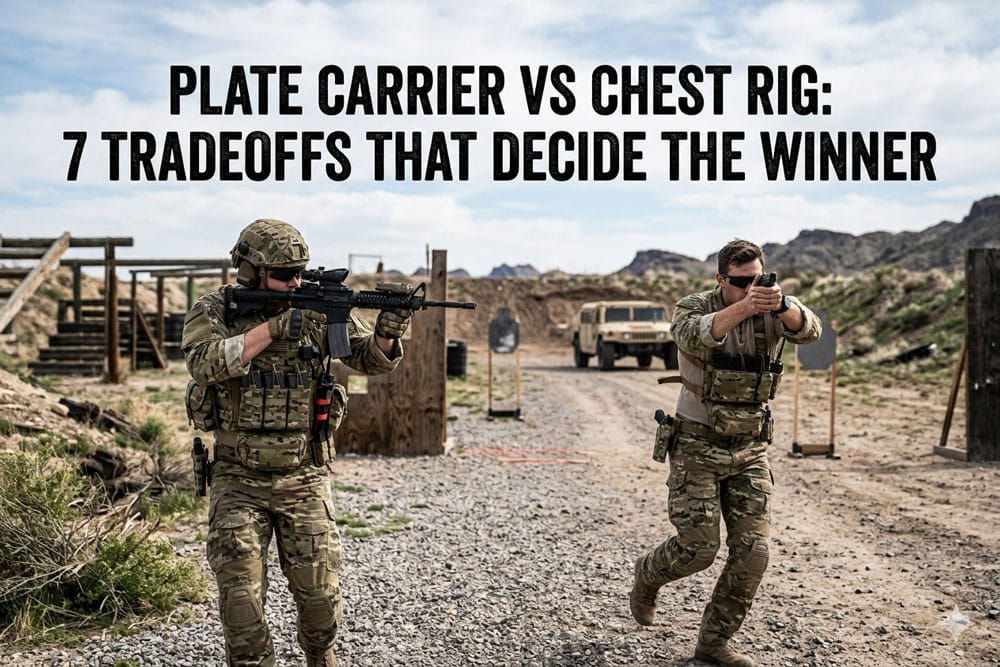
For buyers building a tactical gear product line, consistency is important. The plate carrier should match related products in fabric color, hardware style, branding method, and packaging system. If the product line also includes lightweight front-carry systems, a custom tactical chest rig manufacturer can help keep fabrics, buckles, MOLLE structure, and branding consistent across related products.
Quality Control Checklist for Plate Carrier Bulk Orders
Quality control is where a good sample becomes a reliable bulk order. For plate carriers, inspection should cover more than general appearance.
QC Item
What to Check
Fabric
Color difference, coating quality, surface damage, fabric weight, hand feel
For larger orders, buyers should define inspection standards before production. This includes acceptable tolerance, defect classification, packaging requirements, labeling format, and shipment documentation.
Common Mistakes OEM Buyers Should Avoid
Many plate carrier problems begin before production. They happen during product planning, sampling, or specification approval.
Only Focusing on Fabric Denier
Fabric denier matters, but it does not define the whole product. A 1000D carrier with weak stitching may perform worse than a well-constructed 500D carrier with proper reinforcement.
Ignoring MOLLE Spacing and Pull Strength
MOLLE is not only a visual feature. If spacing is inconsistent or stitching is weak, accessories may not fit correctly or may fail under load.
Choosing Quick-Release Hardware Without Testing
Quick-release hardware should be tested for ease of use, accidental release risk, load stability, and comfort. Buyers should not approve hardware based only on appearance.
Not Confirming Plate Pocket Tolerance
A small difference in plate pocket size can affect the entire user experience. Buyers should confirm the intended plate dimensions and test pocket fit before approving bulk production.
Approving One Sample Size for All Sizes
One size sample is not enough for multi-size orders. Sizing, shoulder strap position, cummerbund length, and plate pocket placement can change across sizes.
Forgetting Packaging and Private Label Requirements
Packaging is part of the product experience. Hangtags, barcode labels, carton marks, polybags, and instruction inserts should be confirmed before mass production.
Working With a Plate Carrier Manufacturer
A reliable plate carrier manufacturer should understand both product construction and OEM project management. Buyers should look for a supplier that can support material sourcing, pattern development, sample adjustment, MOLLE production, hardware selection, logo customization, private label packaging, and bulk order quality control.
Before starting a project, buyers should prepare:
target market
reference design
plate size requirement
preferred fabric
MOLLE style
quick-release requirement
size range
color or camouflage option
logo method
packaging requirements
estimated order quantity
quality expectations
Clear specifications help reduce sampling time, avoid misunderstandings, and improve the final production result.
Final Thoughts
A quality plate carrier is built through many manufacturing details, not only one strong fabric or one tactical-looking design. Fabric selection, reinforced stitching, MOLLE accuracy, hardware performance, plate pocket tolerance, sizing consistency, and QC standards all determine whether the final product is suitable for bulk sales.
For OEM and private label buyers, the best approach is to evaluate the plate carrier as a complete load-bearing system. When every component is planned and inspected carefully, the final product is more reliable, easier to sell, and better suited for long-term brand development.
Need help developing custom plate carriers for your tactical gear line? As a custom tactical gear supplier, Vancharli Outdoor supports OEM and ODM plate carrier manufacturing, including fabric selection, MOLLE construction, hardware customization, private label branding, and bulk order quality control.







Comments are closed