What Is Tactical Gear? Types, Uses, and Key Features Explained
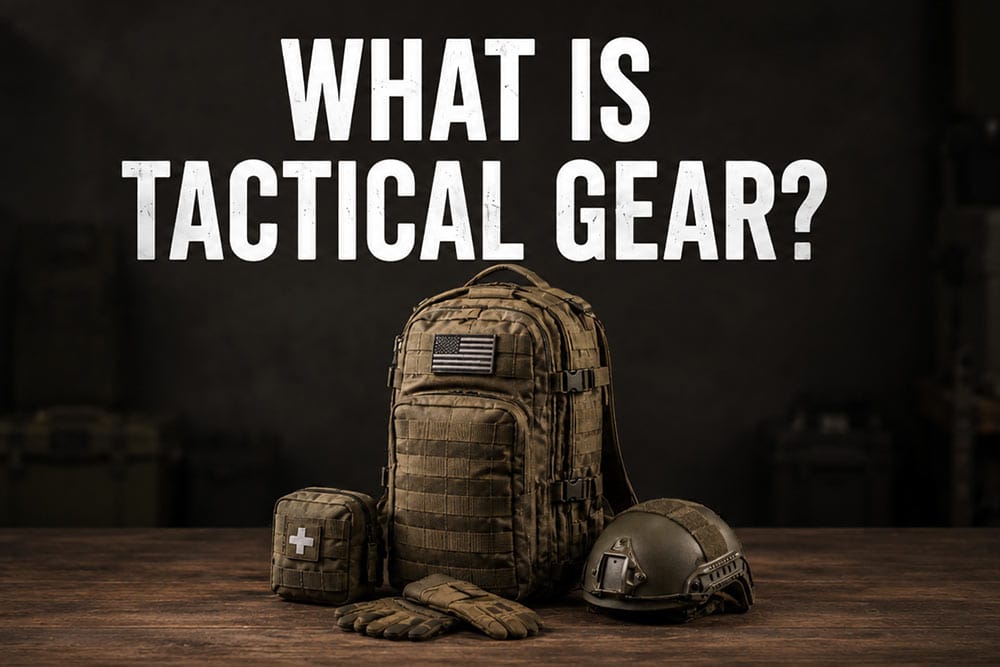
What is tactical gear? Tactical gear refers to purpose-built clothing, bags, load-carrying systems, protective equipment, and accessories designed to support demanding use in field, outdoor, emergency, law enforcement, military-inspired, and everyday preparedness situations.
At its core, tactical gear is not defined by camouflage, dark colors, or a military-style appearance alone. A product becomes tactical when its design supports function: carrying equipment, improving access, increasing durability, protecting the user, organizing tools, distributing weight, or adapting to changing environments.
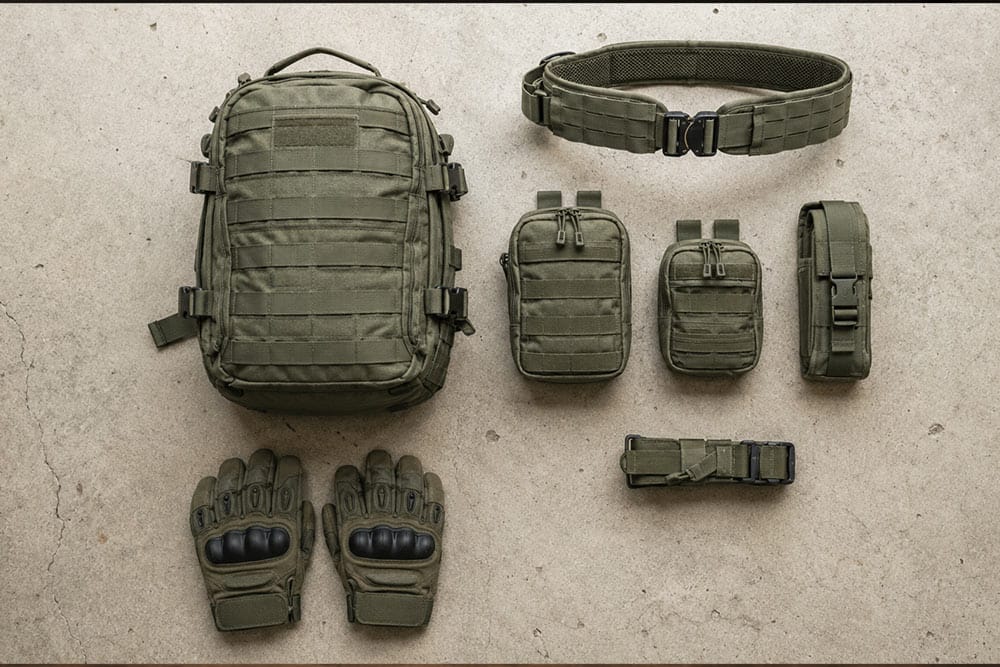
That is why tactical gear can include backpacks, vests, pouches, belts, holsters, gloves, boots, protective equipment, hydration systems, and outdoor-ready accessories. Some products are used by professionals. Others are used by hikers, hunters, range users, EDC users, emergency-preparedness buyers, and outdoor enthusiasts.
The key question is not whether a product “looks tactical.” The better question is whether it helps the user perform a task more efficiently, safely, and comfortably.
Tactical backpacks, sling bags, range bags, duffel bags
Carry and organize equipment
Tactical Vests
Plate carriers, chest rigs, load-bearing vests
Carry armor, tools, pouches, and accessories
Tactical Pouches
IFAK pouches, admin pouches, utility pouches
Modular storage and quick access
Tactical Belts
Duty belts, battle belts, inner/outer belts
Waist-mounted load carrying
Tactical Holsters
Belt holsters, drop-leg holsters, fabric holsters
Secure and accessible carry
Tactical Clothing
Pants, jackets, combat shirts, gloves
Mobility, durability, and protection
Protective Gear
Helmets, eyewear, gloves, body armor
Impact, environmental, or ballistic protection
Outdoor/EDC Gear
Organizer bags, hydration packs, survival kits
Preparedness and daily utility
What Makes Gear “Tactical”?
Tactical gear is designed around practical performance. A tactical backpack, for example, is not just a backpack with extra webbing. It is usually built to carry weight, organize tools, resist abrasion, allow fast access, and support modular attachments.
Several features commonly define tactical gear.
Durability for Repeated Use
Tactical gear is usually made for more demanding environments than ordinary casual gear. It may face rough ground, repeated handling, heavy loads, abrasion, moisture, dust, and outdoor movement.
Durability can come from the material, stitching, reinforcement, hardware, coating, or structural design. For tactical bags, common choices include 600D polyester, 900D polyester, nylon, ripstop fabric, Cordura-style fabrics, reinforced webbing, and bar-tack stitching.
A tactical product does not need to be the heaviest option available. It needs to be strong enough for its intended use without creating unnecessary weight.
Load-Carrying Structure
Many tactical products are designed to carry equipment securely. Tactical backpacks, vests, belts, and chest rigs often distribute weight across the shoulders, waist, chest, or back.
A good load-carrying structure helps reduce fatigue and keeps important gear in predictable locations. For professional users, this can affect speed and efficiency. For outdoor users, it can improve comfort during long walks, hikes, training, or range days.
Modularity and Attachment Systems
One of the most recognizable tactical features is modularity. MOLLE, short for Modular Lightweight Load-carrying Equipment, uses heavy-duty webbing that allows compatible pouches, holsters, and accessories to be attached to backpacks, vests, plate carriers, and other gear. 5.11 also explains that MOLLE is used by military, law enforcement, tactical operators, and outdoor users who need customizable carry setups.
Modularity allows users to adjust their setup depending on the task. A tactical backpack may carry a medical pouch one day, a hydration pouch another day, and admin tools for a different application.
Fast Access and Organized Layout
Tactical gear often prioritizes access. A pouch, pocket, strap, loop, or compartment should serve a purpose.
For example, a range bag may separate magazines, tools, ear protection, and documents. A tactical backpack may include a hydration compartment, quick-access front pocket, side compression straps, and internal organizers. A tactical vest may place pouches where the user can reach them quickly without removing the vest.
Good tactical design reduces wasted movement.
Comfort and Mobility
Tactical gear should support movement, not restrict it. This applies to bags, vests, belts, clothing, and footwear.
For bags, comfort may come from padded shoulder straps, breathable mesh panels, waist support, sternum straps, and balanced weight distribution. For tactical clothing, mobility may come from gussets, stretch panels, articulated knees, reinforced seat areas, or breathable fabric.
If gear is durable but uncomfortable, users may avoid wearing it for long periods. Practical tactical gear must balance strength with mobility.
Weather Resistance
Many tactical products are built for outdoor use, so weather resistance matters. That does not always mean fully waterproof. In many tactical bags, water-resistant construction is more practical because it allows zippers, MOLLE panels, multiple compartments, and stitched structures.
A tactical backpack with PU coating or DWR finish may handle light rain. A fully waterproof tactical dry bag may require TPU-coated or PVC-coated fabric, welded seams, and a roll-top closure.
The right level of water protection depends on the use case.
Tactical Gear vs Military Gear
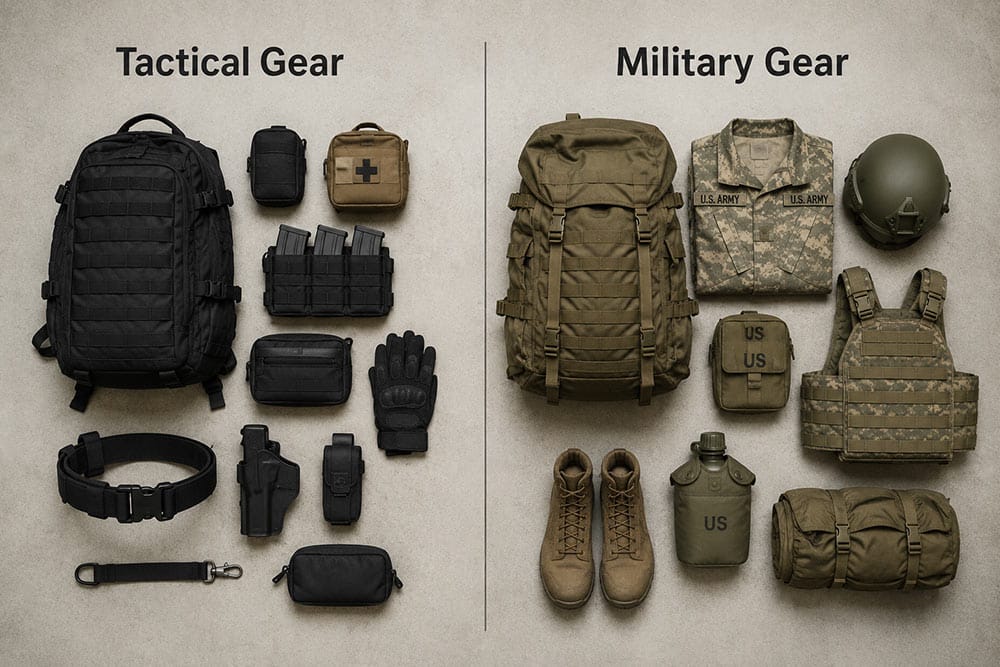
Tactical gear and military gear are related, but they are not exactly the same.
Military gear usually refers to equipment issued or used by armed forces. It may include uniforms, armor systems, rucksacks, helmets, boots, load-bearing equipment, and other mission-specific items.
Tactical gear is broader. It may be inspired by military or law enforcement equipment, but it can also be used in outdoor, emergency, EDC, hunting, shooting sports, security, and professional work environments.
TacticalGear.com explains that the term “tactical” is connected to combat tactics, but its use in apparel and equipment has expanded to products designed for durability, utility, readiness, and versatility. It also separates “tacticool” products from real tactical gear by pointing out that tacticool gear prioritizes appearance over function.
In simple terms:
Comparison
Tactical Gear
Military Gear
Main Meaning
Functional gear designed for task performance
Equipment associated with military use
Users
Military, law enforcement, outdoors, EDC, emergency, civilian users
Primarily armed forces or military surplus users
Design Focus
Modularity, access, durability, carry efficiency
Mission, uniformity, protection, field requirements
Appearance
May be black, coyote, olive, camouflage, or low-profile
Often follows military colors, patterns, or specifications
Civilian Use
Common in outdoor, range, work, and preparedness markets
Some items may be surplus or regulated depending on category
Not every tactical product is military gear. Not every camouflage product is tactical gear. The real difference is function.
Common Types of Tactical Gear
Tactical gear covers many categories. Some are designed for carrying tools. Some protect the user. Some improve organization, access, or mobility.
Tactical bags are one of the most common categories of tactical gear because they combine storage, organization, modularity, and mobility.
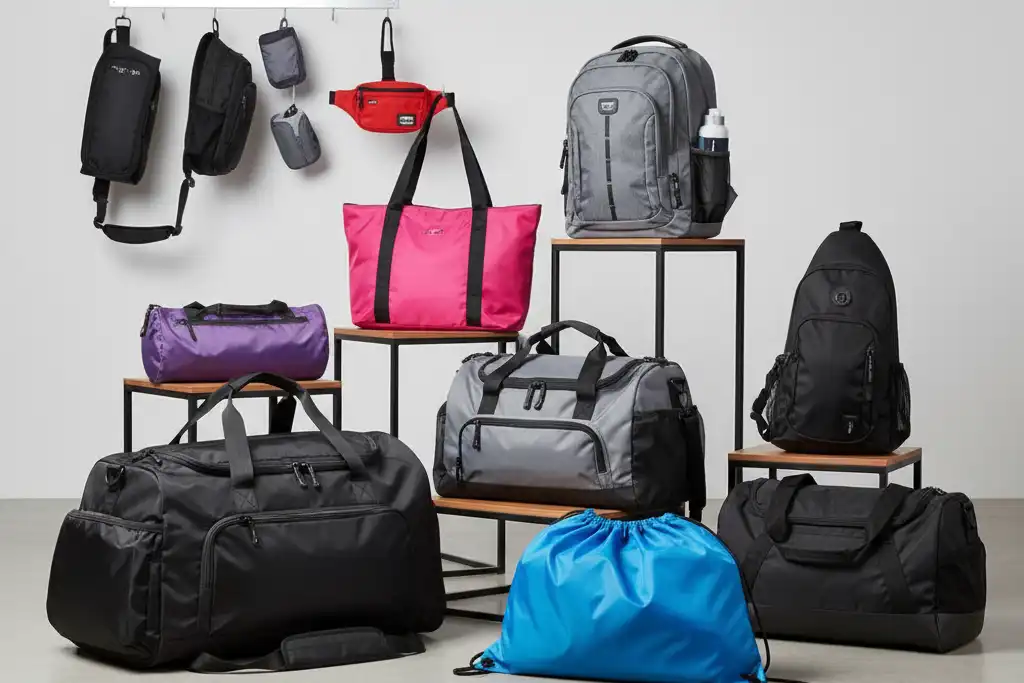
Common examples include:
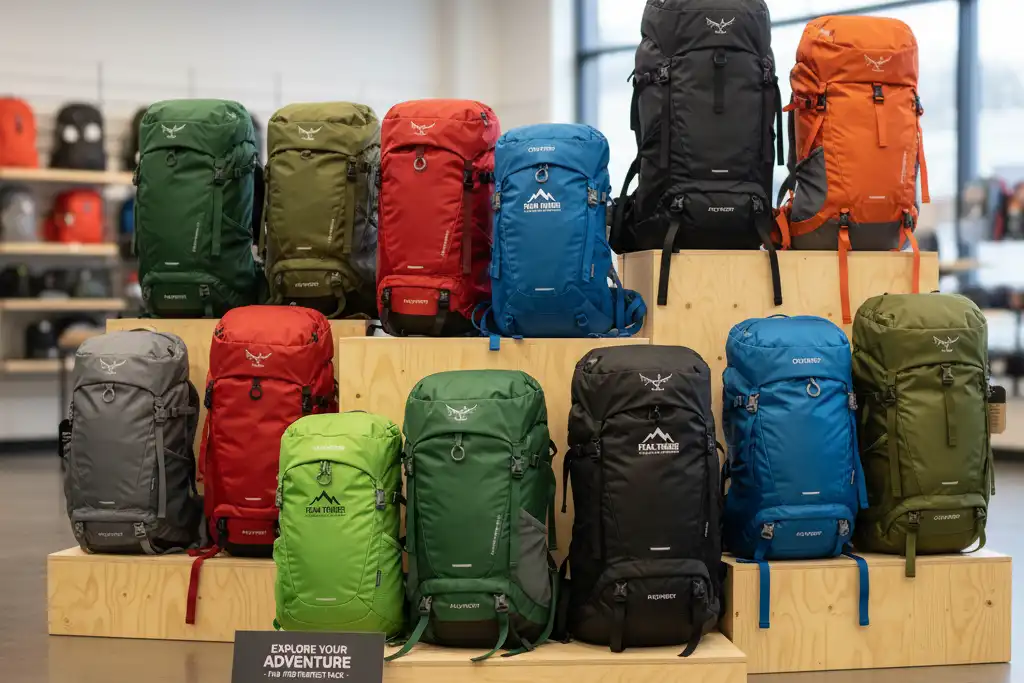
Tactical backpacks: Built for organized carry, MOLLE compatibility, outdoor movement, and daily or field use.
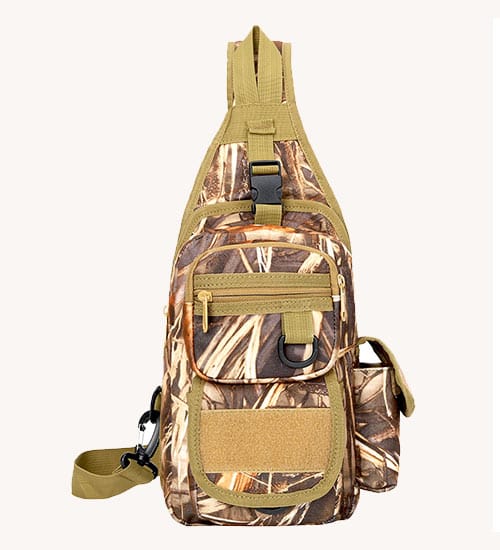
Tactical sling bags: Designed for compact carry and quick front-body access.
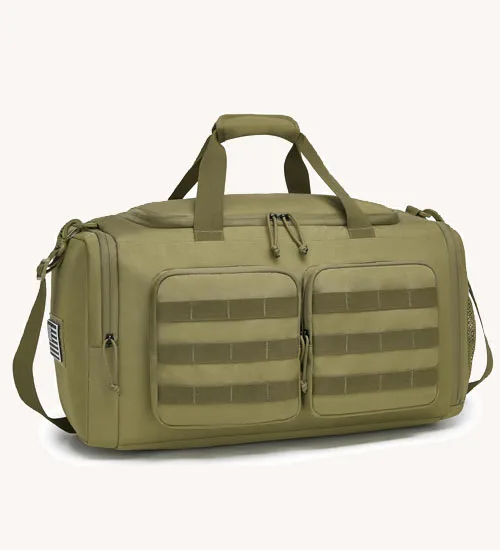
Tactical duffel bags: Used for larger equipment loads, travel, range use, or deployment-style packing.
Range bags: Designed to organize shooting accessories, tools, safety gear, and personal items.
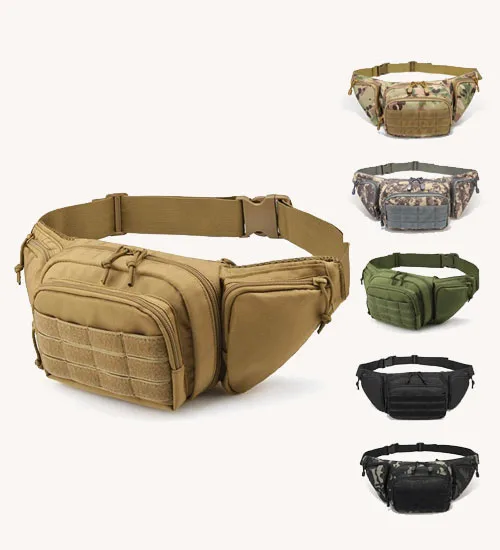
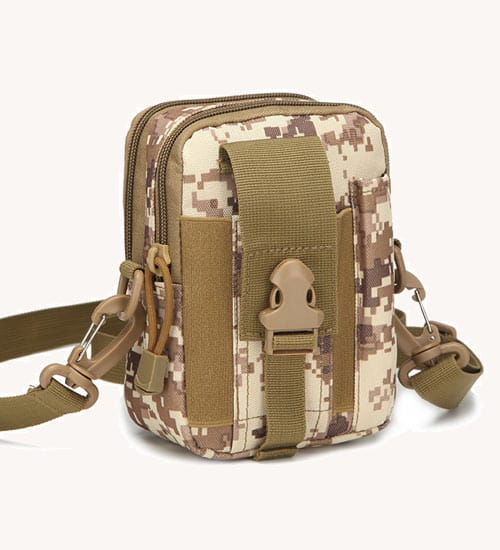
Tactical waist bags: Compact options for EDC, outdoor use, and small accessory storage.
Tactical camera bags: Built to protect camera gear while maintaining rugged outdoor styling.
Gun bags: Used for firearm transport and protection, depending on local laws and intended use.
For product teams developing tactical bag programs, the structure should match the use case. A tactical backpack for EDC does not need the same structure as a range bag, rifle bag, or waterproof tactical dry pack.
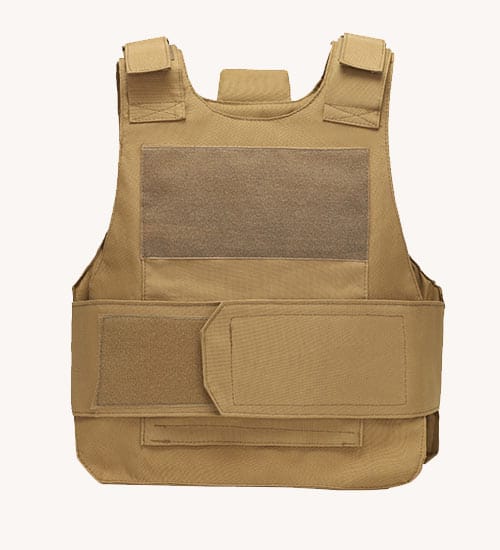
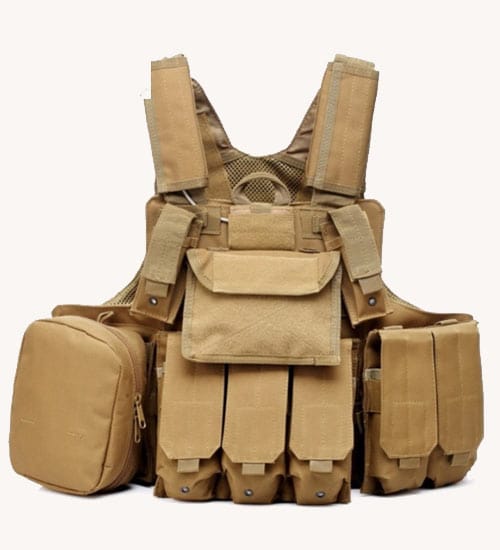
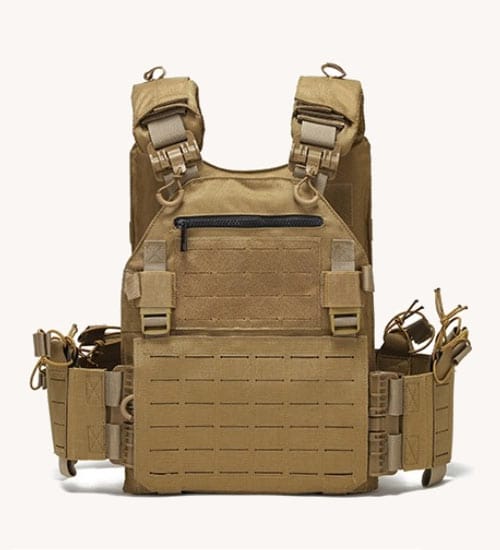
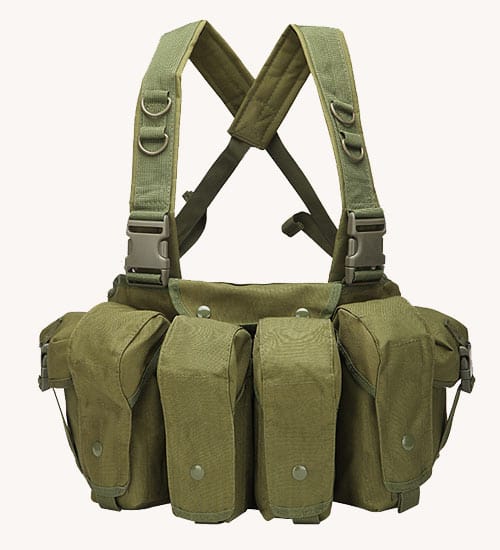
Tactical vests are used to carry equipment on the torso. They may include plate carriers, chest rigs, load-bearing vests, and modular platforms.
A tactical vest can hold pouches, tools, magazines, radios, hydration systems, or protective plates depending on its design. For civilian outdoor or training use, a chest rig or load-bearing vest may be enough. For professional or high-risk environments, plate carriers and body armor systems may require more specific compliance and testing considerations.
The key design factors include fit, adjustability, breathability, load distribution, shoulder comfort, and compatibility with pouches.
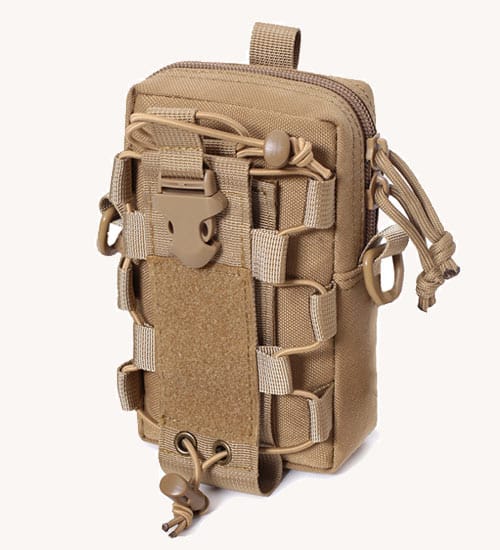
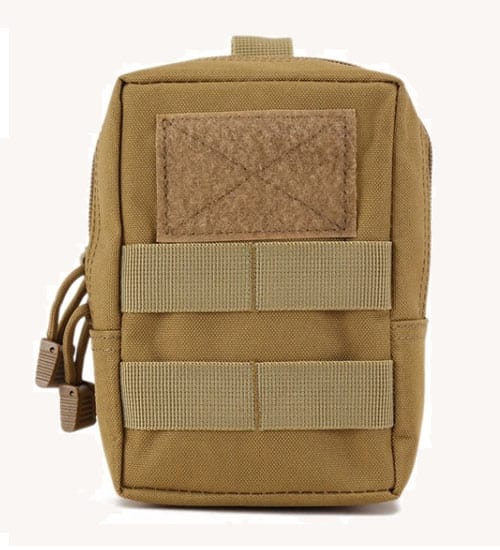
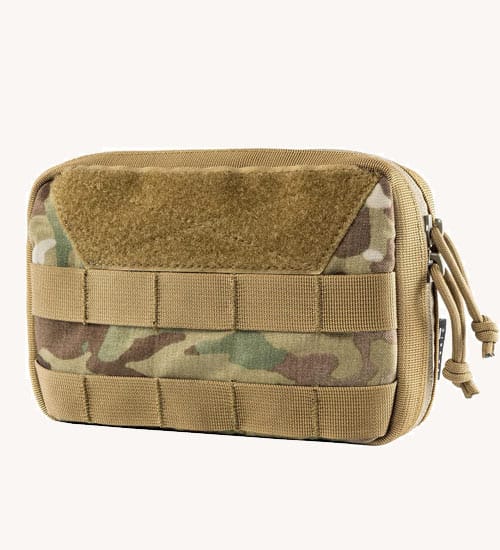
Tactical pouches are modular storage components. They are often attached to MOLLE panels, belts, vests, backpacks, or chest rigs.
Common pouch types include:
IFAK pouches for first-aid kits.
Admin pouches for notebooks, IDs, maps, or tools.
Utility pouches for small gear.
Magazine pouches for range or duty setups.
Radio pouches for communication devices.
Hydration pouches for outdoor or field use.
Dump pouches for temporary storage.
Pouches are small, but they strongly affect how a tactical setup performs. Poor pouch placement can slow access. Good pouch placement makes gear easier to reach and easier to manage.
Tactical Belts
Tactical belts are used to carry gear around the waist. They may be simple reinforced belts, duty belts, battle belts, or two-piece inner/outer belt systems.
They are often used with holsters, magazine pouches, utility pouches, dump pouches, gloves, lights, or small tools. In professional settings, belt setup may be influenced by role, training, and department requirements.
For outdoor and EDC users, a tactical belt can help distribute small gear without requiring a full vest or backpack.
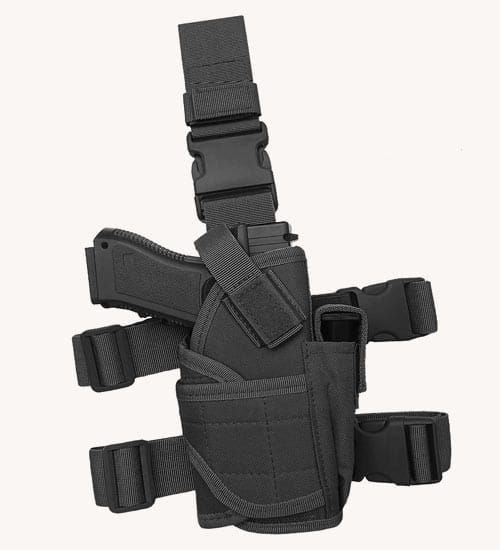
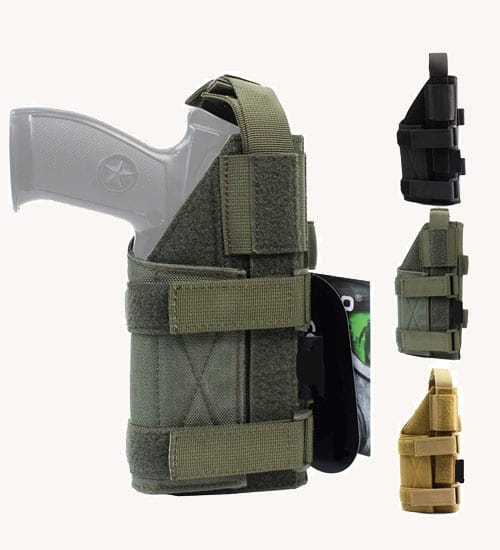
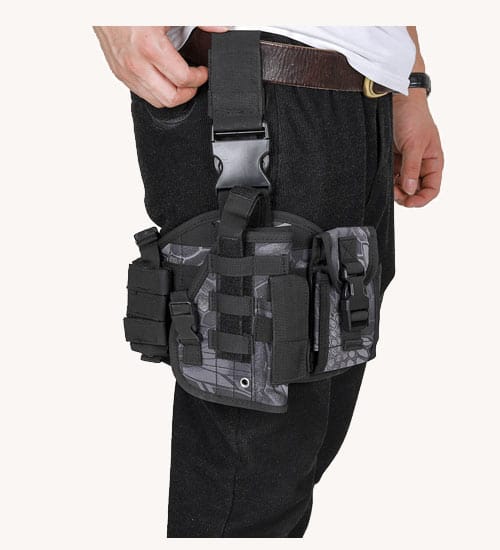
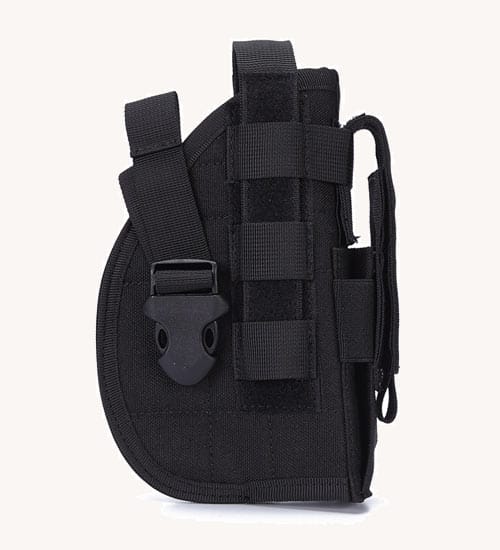
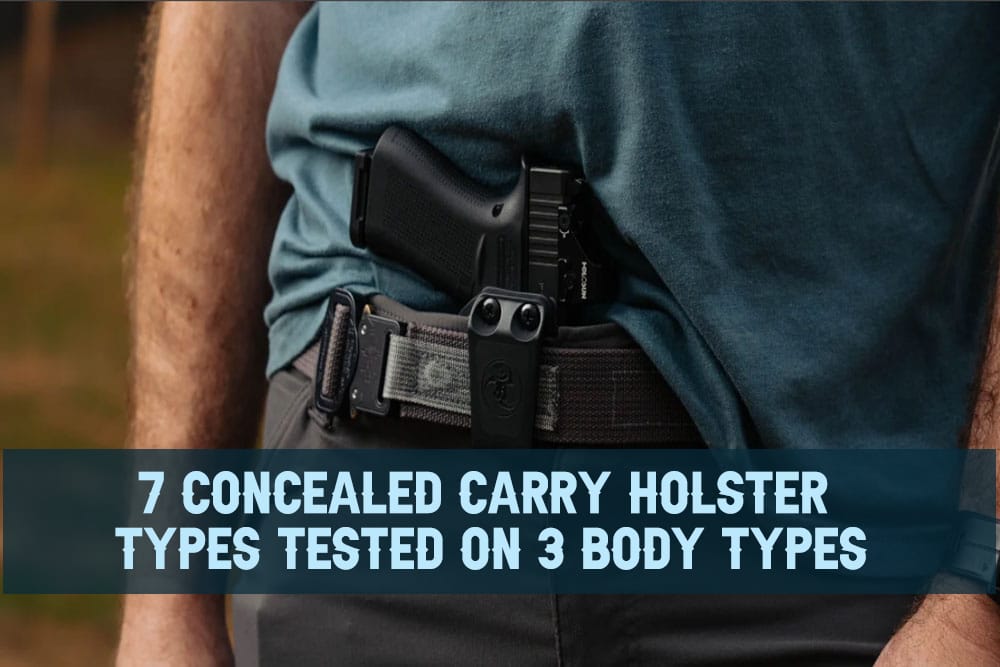
Tactical holsters are designed to secure a handgun while allowing controlled access. They may attach to a belt, vest, drop-leg platform, or MOLLE system.
Holsters vary widely by material, retention system, carry position, and use case. For B2B product development, fabric holsters, soft holsters, and modular pouch-style holsters require careful design around fit, retention, stitching, and compatibility.
Tactical Clothing and Footwear
Tactical clothing is designed for movement, durability, storage, and protection.
Examples include:
Tactical pants with reinforced knees and multiple pockets.
Combat shirts with breathable body panels.
Softshell jackets with water-resistant finishes.
Tactical gloves with grip and hand protection.
Tactical boots with ankle support and traction.
The best tactical clothing is not just rugged. It should allow the user to move, bend, kneel, carry, and work comfortably.
Protective Gear
Protective tactical gear may include gloves, helmets, eyewear, knee pads, elbow pads, and body armor-related systems.
Some protective products may involve specific standards, regulations, or legal restrictions depending on the market and product type. Buyers should avoid broad claims unless the product has been properly tested and documented.
What Is Tactical Gear Used For?
Tactical gear is used whenever people need durable, organized, accessible, and task-focused equipment.
Law Enforcement and Public Safety
Law enforcement, security, and public safety users often need gear that supports mobility, access, and equipment organization. Bags, belts, vests, gloves, holsters, lights, and pouches may all serve specific roles.
Military-Inspired Field Use
Some tactical gear is designed for military-style field requirements, such as load carrying, hydration, modular attachment, camouflage, rugged terrain, and long-duration movement.
Outdoor and Survival Activities
Hikers, campers, overlanders, preppers, and survival users often choose tactical gear because it is durable, modular, and practical. A tactical backpack may allow them to carry water, tools, first aid, food, clothing, and navigation items in a structured way.
Hunting and Shooting Sports
Hunters and shooting sports users may use tactical backpacks, range bags, gun bags, pouches, slings, gloves, and belts. In these applications, organization, protection, quick access, and durability are important.
Emergency Preparedness
Tactical gear is common in go bags, emergency kits, vehicle kits, and disaster-preparedness setups. Users may need to organize food, water, medical supplies, flashlights, communication tools, documents, and clothing.
Everyday Carry and Work Use
Some tactical products are used in daily life because they offer practical organization. EDC pouches, compact backpacks, sling bags, belts, and organizer panels can help users carry essential items in a structured way.
Key Features Buyers Should Look For
Whether the buyer is an end user or a brand developing a product line, the same question applies: does the gear match the real use case?
Material Strength
Tactical bags and accessories commonly use 600D polyester, 900D polyester, nylon, ripstop nylon, Oxford fabric, or Cordura-style fabrics. These materials balance abrasion resistance, structure, cost, and coating compatibility.
For heavy-duty applications, higher-denier fabrics, reinforced panels, and stronger webbing may be needed. For lightweight EDC or outdoor use, ripstop fabrics may offer a better balance.
Reinforced Stitching
Stress points matter. Handles, shoulder straps, MOLLE rows, side compression straps, belt loops, and load-bearing seams should be reinforced.
Bar-tack stitching is often used on high-stress points because it helps improve durability where fabric and webbing experience repeated pulling.
MOLLE and Modular Layout
MOLLE panels should be placed where attachments make sense. More MOLLE is not always better. Too much exterior webbing can increase weight, complexity, and production cost.
The best layout depends on what users need to attach and how quickly they need to access it.
Hardware and Buckles
Buckles, D-rings, hooks, sliders, zipper pulls, and adjustment hardware affect durability and user experience. Weak hardware can reduce the perceived quality of an otherwise strong product.
For tactical bags, hardware should match the bag’s load expectations and target price point.
Comfort System
For backpacks and vests, comfort is part of performance. Padded straps, breathable mesh, sternum straps, waist belts, shaped back panels, and weight distribution all affect how the gear feels during use.
A tactical backpack that looks rugged but carries poorly will not perform well in real use.
Weather Resistance
Most tactical bags are water-resistant rather than fully waterproof. Water-resistant construction works well for light rain, outdoor use, and daily carry. Fully waterproof construction usually requires coated waterproof fabrics, sealed seams, welded structures, or roll-top closures.
The product claim should match the actual construction and testing.
Tactical Gear Materials and Construction
This is where tactical gear moves beyond appearance. The material and construction choices determine how the product performs.
Common Materials
Material
Common Use
Main Benefit
600D Polyester
Tactical backpacks, pouches, outdoor bags
Cost-effective, durable, scalable
900D Polyester
Rugged tactical bags and packs
Stronger hand feel and abrasion resistance
Nylon
Higher-performance tactical bags
Strength, flexibility, durability
Ripstop Fabric
Lightweight tactical and outdoor gear
Tear resistance with lower weight
Cordura-Style Fabric
Premium rugged tactical products
Abrasion resistance and strong brand perception
TPU/PVC Coated Fabric
Waterproof tactical dry bags
Stronger water barrier
Mesh
Back panels, shoulder straps, ventilation zones
Breathability and comfort
Webbing
MOLLE, straps, handles, belt loops
Load carrying and attachment
Common Construction Details
Tactical gear often uses:
Reinforced stitching at stress points.
Bar-tack stitching on webbing and handles.
Binding tape to protect seam edges.
Foam padding for protection and comfort.
PE board or structural panels for shape and support.
Coated backing for water resistance.
Zipper garages or storm flaps for improved weather protection.
Heavy-duty webbing for MOLLE and carry systems.
For custom tactical gear projects, materials and construction should be selected together. A strong fabric cannot compensate for weak stitching, poor hardware, or an unsuitable layout.
Tactical Gear vs Outdoor Gear
Tactical gear and outdoor gear overlap, but their design priorities are not identical.
Outdoor gear often focuses on lightweight performance, weather protection, comfort, and activity-specific use such as hiking, camping, cycling, or climbing.
Tactical gear often focuses on organization, modularity, ruggedness, quick access, load carrying, and field utility.
Feature
Tactical Gear
Outdoor Gear
Design Style
Modular, rugged, structured
Lightweight, ergonomic, activity-specific
Storage
Many pockets, MOLLE, admin panels
Streamlined compartments
Materials
Abrasion-resistant fabrics and webbing
Lightweight technical fabrics
Use Case
Field, range, patrol, EDC, preparedness
Hiking, camping, travel, outdoor sports
Appearance
Often military-inspired or utility-focused
Often sport/outdoor-focused
Customization
High, especially with MOLLE and pouches
Usually lower
Many modern products combine both. A tactical outdoor backpack may use MOLLE, hydration compatibility, ripstop fabric, and ergonomic shoulder straps. A waterproof tactical bag may combine dry-bag construction with tactical attachment points.
How to Choose Tactical Gear
Choosing tactical gear starts with the task, not the appearance.
Define the Use Case
A tactical backpack for urban EDC does not need the same features as a hunting pack, range bag, patrol backpack, or emergency go bag.
Start by asking:
Where will the gear be used?
What needs to be carried?
How much weight will it hold?
Does the user need quick access?
Will the gear be used in rain, dust, mud, or heat?
Does the setup need MOLLE or modular pouches?
Is comfort more important than maximum storage?
Is the product for professional, outdoor, or consumer use?
Match the Gear to the Load
Gear should carry the expected load without sagging, tearing, or becoming uncomfortable.
For backpacks, look at shoulder straps, back panels, base reinforcement, zipper strength, handle stitching, and compression straps. For belts and vests, look at attachment points, adjustability, padding, and balance.
Avoid Overbuilding
More features do not always make better gear. Too many pouches, too much webbing, or overly heavy material can make the product less comfortable and more expensive.
Good tactical design is purposeful. Every feature should support the user’s task.
Check the Claims
Terms like waterproof, military-grade, heavy-duty, ballistic, and professional should be used carefully. If a product makes a performance claim, the materials, construction, and testing should support that claim.
Common Misunderstandings About Tactical Gear
Misunderstanding 1: Tactical Gear Means Military Gear
Tactical gear can be used by military users, but it is not limited to military use. Many tactical products are designed for outdoor activities, EDC, hunting, emergency preparedness, range use, and professional work.
Misunderstanding 2: Camouflage Makes Something Tactical
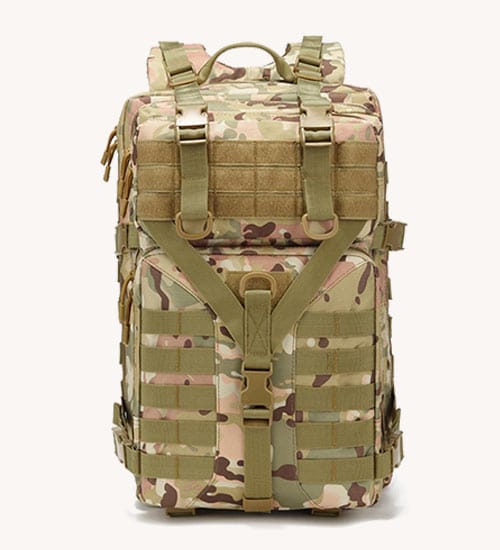
Camouflage is a pattern, not a performance feature by itself. A camouflage bag with poor stitching and weak hardware is not better than a plain black or olive bag with strong construction.
Misunderstanding 3: Heavier Always Means Stronger
Heavy material can be durable, but weight alone does not prove quality. Construction, reinforcement, fabric type, hardware, and intended use matter more.
Misunderstanding 4: More MOLLE Is Always Better
MOLLE is useful when it supports real attachments. Too much MOLLE can add weight and clutter. A clean layout with well-placed attachment zones may perform better.
Misunderstanding 5: Water-Resistant Means Waterproof
Many tactical bags resist light rain but are not fully waterproof. Fully waterproof construction usually requires special fabric, sealed seams, and waterproof closure systems.
Misunderstanding 6: Tactical Gear Is Only for Professionals
Professional users are important, but tactical gear is also widely used by outdoor users, EDC buyers, emergency-preparedness customers, hunters, and shooting sports users.
Where Tactical Bags Fit in a Tactical Gear System
Tactical bags are often the foundation of a tactical gear setup because they carry the rest of the equipment.
A well-designed tactical bag can organize:
Tools.
Clothing.
Hydration systems.
First-aid kits.
Electronics.
Documents.
Range accessories.
Outdoor gear.
Emergency supplies.
Modular pouches.
For brands, importers, and product development teams, tactical bags are also one of the most flexible OEM/ODM categories. Materials, size, MOLLE layout, pocket structure, padding, branding, color, camouflage pattern, hardware, and packaging can all be adjusted according to the target market.
For broader product planning, Vancharli Outdoor’s Tactical Gear Manufacturer page shows how tactical bags, vests, gun bags, and accessories can be organized within a complete product line.
Final Takeaway
Tactical gear is best understood as functional equipment designed for demanding use. It may be used in professional, outdoor, emergency, range, hunting, EDC, or preparedness settings, but the core idea remains the same: the gear should help users carry, access, protect, organize, and move more effectively.
The strongest tactical products are not defined by appearance alone. They are defined by material choice, construction quality, modular layout, comfort, durability, weather resistance, and how well the design matches the user’s task.
For buyers and product teams, the best starting point is simple: define the use case first. Once the real use is clear, the right fabric, structure, MOLLE layout, protection level, and customization direction become much easier to choose.
FAQ
1. What is considered tactical gear?
Tactical gear includes clothing, bags, vests, pouches, belts, holsters, protective equipment, hydration systems, and accessories designed for practical use in demanding environments. The key is function, not just appearance.
2. What is tactical gear used for?
Tactical gear is used for equipment carry, organization, protection, quick access, outdoor movement, professional field use, emergency preparedness, hunting, shooting sports, and everyday carry.
3. Is tactical gear only for military use?
No. Tactical gear is used by military and law enforcement users, but it is also common in outdoor, EDC, hunting, range, emergency, and professional work markets.
4. What is the difference between tactical gear and military gear?
Military gear is usually associated with armed forces or military-issued equipment. Tactical gear is broader and refers to task-focused equipment designed for durability, modularity, access, and function.
5. Are tactical backpacks considered tactical gear?
Yes. Tactical backpacks are one of the most common types of tactical gear. They are designed for organized carry, MOLLE compatibility, durability, load distribution, and outdoor or field use.
6. What materials are used in tactical gear?
Common materials include 600D polyester, 900D polyester, nylon, ripstop fabric, Cordura-style fabrics, mesh, foam, webbing, TPU-coated fabric, PVC-coated fabric, and reinforced hardware.
7. What is MOLLE in tactical gear?
MOLLE stands for Modular Lightweight Load-carrying Equipment. It is a webbing-based attachment system used on backpacks, vests, belts, and pouches to attach compatible accessories.
8. Is tactical gear legal to own?
Many tactical products such as backpacks, pouches, belts, gloves, and clothing are generally legal in many markets. Some categories, such as body armor, knives, or firearm-related accessories, may be restricted depending on local laws. Buyers should always check local regulations before selling or purchasing regulated items.
9. What is the difference between tactical gear and outdoor gear?
Tactical gear usually emphasizes modularity, access, ruggedness, organization, and load carrying. Outdoor gear often emphasizes lightweight comfort, weather protection, and activity-specific performance.
10. How do buyers choose custom tactical gear?
Buyers should start with the use case, expected load, target market, material level, MOLLE requirements, weather resistance, comfort, branding needs, and testing requirements. The product should be built around real use rather than appearance alone.






Comments are closed