



How to Dodge the 5 Biggest Waterproof Tackle Bag Mistakes

Shopping for the right Waterproof Tackle Bag can feel tricky, but you can make it simple. Start by thinking about how you fish and what gear matters most to you. A good bag keeps your leaders untangled and your hands free for casting. If you pick a bag with the right size, comfy straps, and smart pockets, you will spend less time searching for lures and more time catching fish. Choose a bag that helps you stay organized and ready for action.
Key Takeaways
- Pick a Waterproof Tackle Bag that fits how you fish and where you fish. Think about how heavy it is, how well it keeps water out, and how easy it is to open.
- Always look at the waterproof ratings and how the bag is made. Check for seams that are sealed and strong zippers. These things help keep your gear dry.
- Read what real users say in their reviews. This lets you know the good and bad things about each bag. It helps you stay away from problems and pick the best one.
- Think about how the pockets are set up in your bag. A bag with a smart design saves you time. It also keeps your gear tidy and easy to reach.
- Spend time looking at different brands and ask people for advice. The right bag makes fishing better and keeps your gear safe.
Know Your Fishing Needs
Where and How You Fish
Before you pick a Waterproof Tackle Bag, think about your fishing spots and style. Do you hike to remote lakes or cast from a boat? Your environment shapes what kind of bag works best for you. Here are some things to consider:
- Soft tackle bags feel light and flexible. You can carry them easily if you walk long distances or hike to hidden streams.
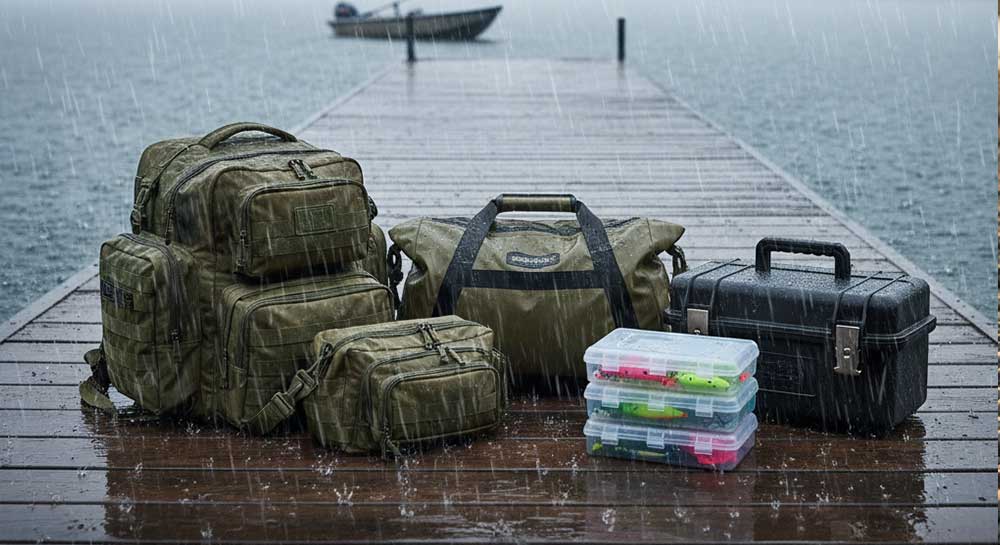
- Hard tackle boxes protect your gear from bumps and drops. These work well on boats or rocky shores.
- Backpack systems spread weight across your shoulders. If you fish along the shore or travel far, these keep you comfortable.
- Water resistance matters in light rain. If you wade or fish in heavy downpours, look for bags that stay waterproof even when submerged.
- Saltwater fishing needs corrosion-resistant zippers and sealed seams. These features help your bag last longer.
- Some bags have special features for certain spots, like waterproof bottoms for wading or shoulder straps for quick access on a boat.
Tip: Match your bag to your favorite fishing spot. You will save time and keep your gear safe.
Gear Amount and Type
The gear you carry also affects your choice. If you bring lots of lures, hooks, and tools, you need a bag with smart organization. Use this table to see what matters most for your fishing style:
| Factor | Description |
|---|---|
| Water Resistance | Keeps your gear and snacks dry, even in wet weather. |
| Quality Zippers | Heavy-duty zippers protect your stuff and work well under stress. |
| Durability and Design | Strong materials handle the weight of your tackle and last longer. |
| Organization | Clear utility boxes help you find lures fast and keep things tidy. |
| Versatility | A bag you can use for hiking, camping, or fishing adds extra value. |
Think about what you use most. If you fish with lots of small items, look for bags with plenty of pockets and clear boxes. If you travel light, a simple bag might be enough. The right Waterproof Tackle Bag makes your fishing trips easier and more fun.
Mistake 1: Not Checking Waterproof Tackle Bag Ratings
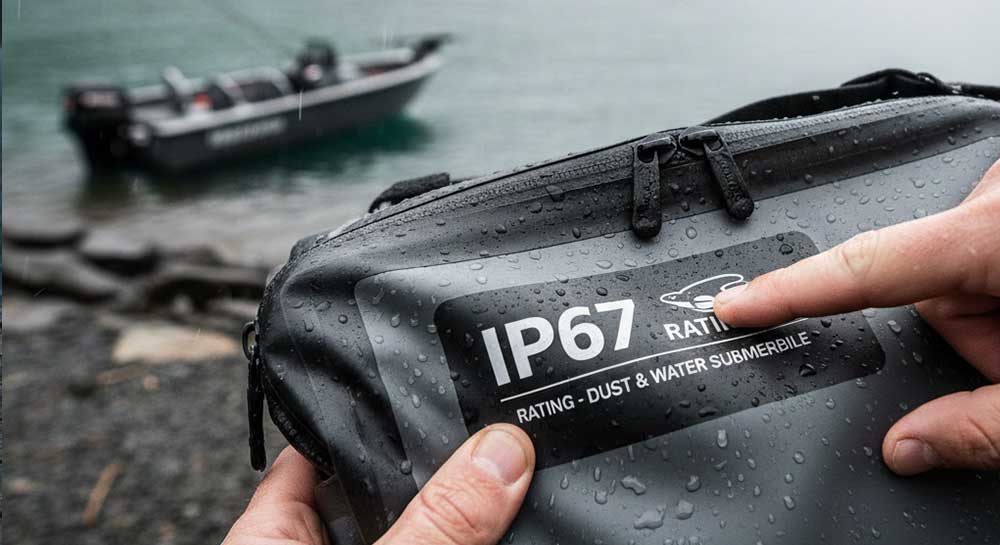
Waterproof vs. Water-Resistant
You might see bags labeled as “waterproof” or “water-resistant,” but these words mean very different things. If you want your gear to stay dry, you need to know the difference.
| Feature | Waterproof Bags | Water-Resistant Bags |
|---|---|---|
| Protection Level | Complete protection against water | Limited protection, can repel water |
| Conditions | Heavy rain, full immersion | Light rain, splashes |
| IP Rating | Submersion rated (like IP67) | No submersion rating |
A waterproof tackle bag keeps your gear dry even if you drop it in the water. Water-resistant bags only protect against light rain or splashes. If you fish in rough weather or near water, you need a bag that can handle more than just a drizzle.
Tip: Always check for an IPX rating. The higher the number, the better the protection. For example, IPX7 means your bag can handle being underwater for 30 minutes.
How to Spot True Waterproof Construction
Not all bags are built the same. Some look tough but let water sneak in. To make sure you pick a real waterproof tackle bag, look for these features:
- Sealed seams: These stop water from leaking through the stitching.
- Heavy-duty, waterproof zippers: Regular zippers let water in. Waterproof zippers keep your gear safe.
- Thick, coated materials: Bags made from 1000-denier PVC or coated canvas last longer and block water.
- Reinforced stitching and strong buckles: These help your bag survive rough trips.
Here’s a quick guide to what you should look for:
| Feature | Description |
|---|---|
| Sealed Seams | Prevent water from leaking through the bag’s stitching |
| Waterproof Zippers | Block water from entering through the zipper |
| Durable Materials | Use tough fabrics like PVC or coated canvas |
| Reinforced Build | Strong stitching and hardware for outdoor use |
Note: Don’t just trust the label. Check the bag for these features before you buy. If you see an IPX7 or IPX8 rating, you know you’re getting real waterproof protection.
A little extra time checking ratings and construction can save your gear from getting soaked. Your next fishing trip will be a lot more fun with a waterproof tackle bag you can trust.
Mistake 2: Skipping Reviews and Ratings
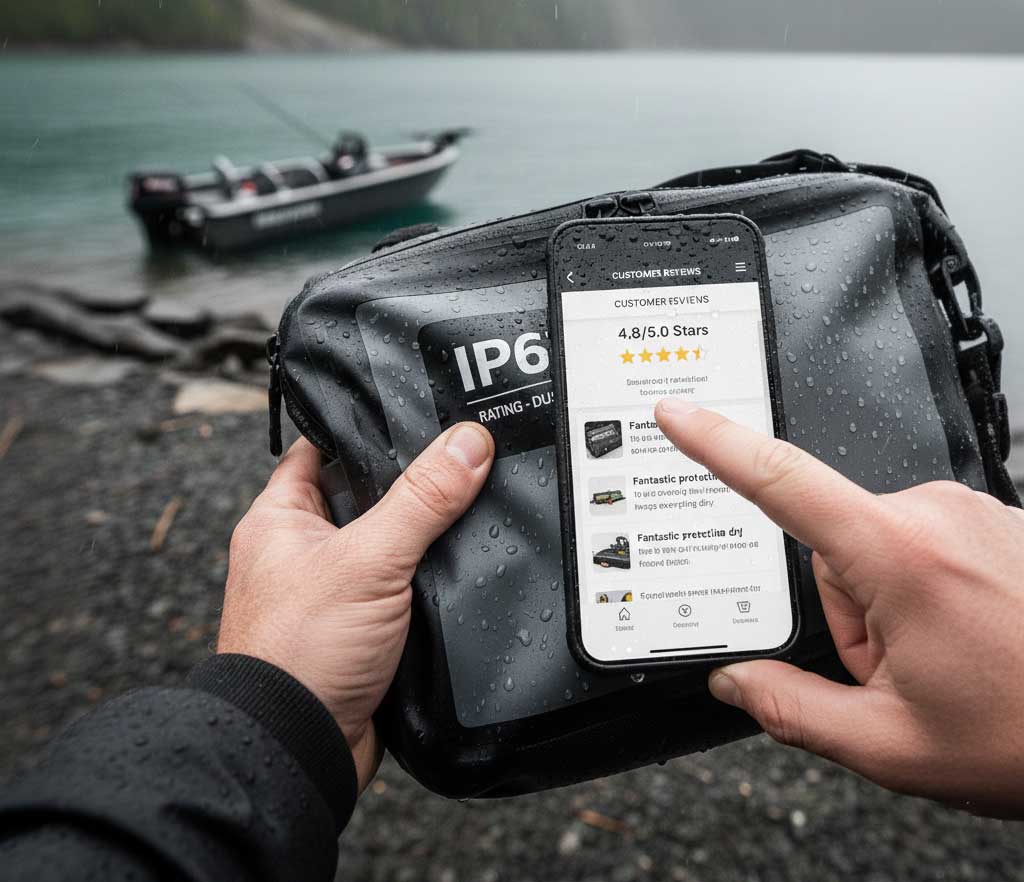
Why Reviews Matter
You want to trust your gear when you head out to fish. Reviews and ratings help you see what works and what does not. Real people share their stories, so you get the truth about each bag. Some reviews talk about how well a bag keeps water out. Others mention problems like missing parts or poor customer service. You can spot patterns and avoid bags with the same issues.
Here’s a quick look at what buyers say about different tackle bags:
| Reviewer | Feedback | Sentiment |
|---|---|---|
| J James Anderson | Mixed feelings about quality and customer service | Negative |
| J Jay Dimig | Missing parts and poor customer service | Negative |
| P PB | Nice looking, but not personally used | Neutral |
| c colby | Loved the bag! | Positive |
| J Jeanette | Loved it | Positive |
| g george a. | Good seal and solid material | Positive |
| R Roxanne S. | Great product! | Positive |
| T Tim S. | Returned due to size | Neutral |
| Steven | Everything you want in a waterproof tackle box | Positive |
You can see that some people love their bags, while others have problems. Reviews help you decide if a Waterproof Tackle Bag is right for you.
You also learn about common issues. Many buyers mention these problems:
- Price feels high because of special materials.
- The bag feels heavier than you expect.
- Poor breathability leaves items damp in humid weather.
- Fixing damage can be a hassle, and careful storage matters.
- You may find fewer stylish designs than you hoped.
Tip: Read both good and bad reviews. You get a full picture and avoid surprises.
How to Find Reliable Feedback
Not all reviews are equal. Some come from real users, while others may be fake or paid. You want feedback you can trust. Start with big outdoor retailers and trusted fishing forums. These places have lots of honest opinions.
Check out this table to see where you can find the best feedback:
| Source Type | Description |
|---|---|
| Independent Gear Testing | Long-term testing from gear reviewers who try bags in tough conditions. |
| User Feedback | Comments from buyers on major retailer sites and outdoor forums. |
| Real-World Use Cases | Stories from people who use bags for kayaking, hiking, and fishing trips. |
You can also ask friends who fish or join online groups. People love to share what works and what does not. If you see the same praise or complaint over and over, you know it is probably true.
Note: Take time to read reviews before you buy. You will save money and avoid disappointment on your next fishing trip.
Mistake 3: Overlooking Hard vs. Soft Bag Types
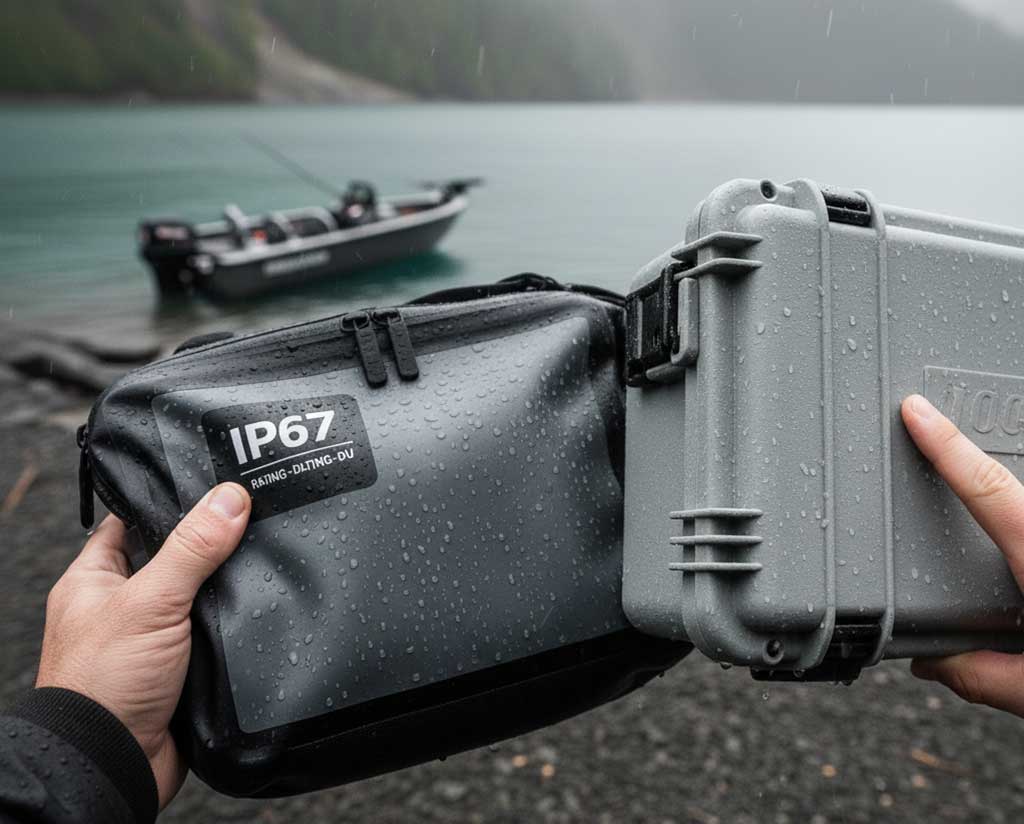
Choosing between a hard or soft tackle bag can feel confusing. You want something that fits your fishing style and keeps your gear safe. Let’s break down what makes each type special, so you can pick the right one for your next trip.
Pros and Cons of Hard Bags
Hard tackle bags look tough because they are. These bags use strong materials that protect your gear from bumps and drops. If you often fish from a boat or on rocky shores, you might like the extra safety a hard bag gives.
Here’s a quick look at what you get with a hard bag:
| Advantages | Disadvantages |
|---|---|
| Durable and functional due to modern materials | Generally heavier than soft bags |
| Resistant to cracking and chipping | Less portable due to weight |
| Provides extra protection for contents | May lack flexibility in storage |
| Often features organized compartments |
You get maximum impact protection and excellent water resistance. Hard bags often have special compartments, so you can keep your lures, hooks, and tools neat and easy to find. The downside? Hard bags feel heavier and can be harder to carry if you walk a lot. They also take up more space and don’t squeeze into tight spots.
Tip: If you want the best protection for your gear and don’t mind a little extra weight, a hard bag could be your best friend.
Pros and Cons of Soft Bags
Soft tackle bags feel lighter and easier to carry. You can sling one over your shoulder and head out for a long walk to your favorite fishing spot. These bags use flexible materials, so they fit in small spaces and move with you.
Check out this table to see how soft and hard bags compare:
| Feature | Soft Bag | Hard Box |
|---|---|---|
| Impact Protection | Moderate | Maximum |
| Water Resistance | Good | Excellent |
Soft bags give you good water resistance and enough protection for most trips. They usually have lots of pockets and can hold odd-shaped items. But, they don’t protect as well if you drop them or if something heavy lands on top. If you fish in rough places or need to keep your gear super dry, you might want to think twice.
Note: If you like to travel light and want a bag that’s easy to carry, a soft bag makes sense. Just remember, it won’t guard your gear as well as a hard one.
When you pick a Waterproof Tackle Bag, think about where you fish and how much gear you carry. The right choice helps you stay organized and keeps your tackle safe, so you can focus on catching fish.
Mistake 4: Ignoring Fabric Strength
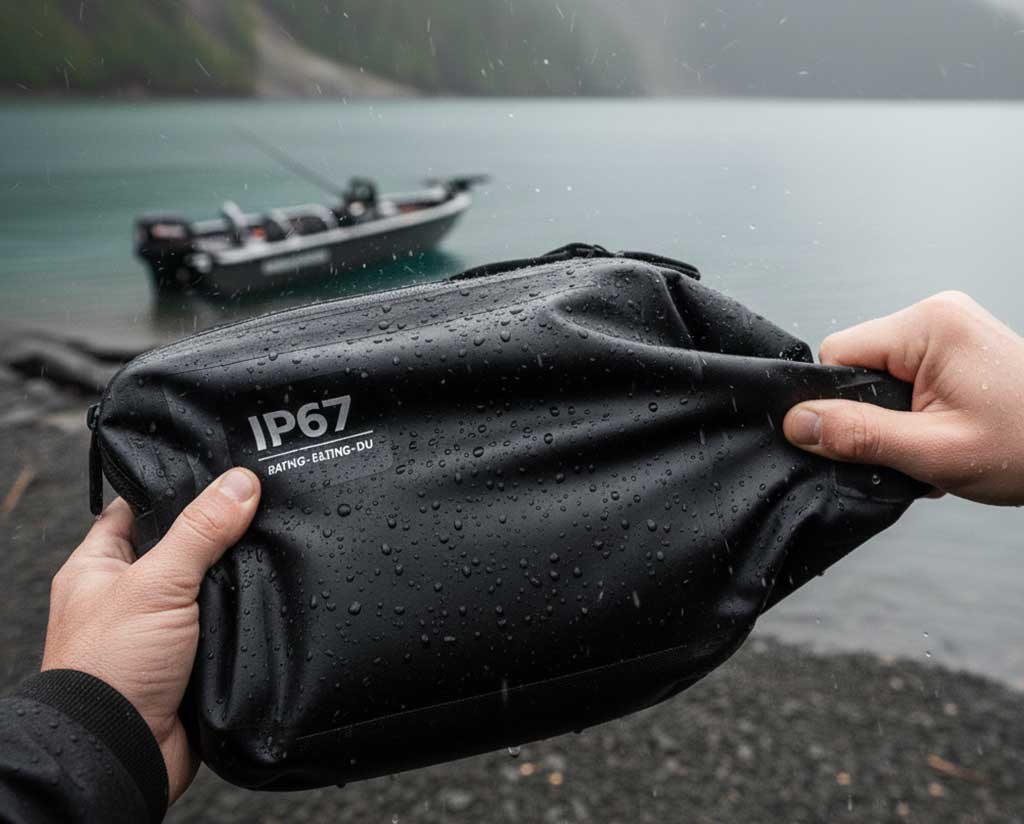
Durable Materials
You want your tackle bag to last through every fishing trip. The fabric makes a big difference. Some bags look tough, but the material can wear out fast. If you pick the right fabric, your bag will handle rough rocks, sharp hooks, and heavy rain.
Check out this table to see which materials work best for a strong, waterproof tackle bag:
| Material | Waterproofness | Durability | Best Use Cases |
|---|---|---|---|
| 500D PVC Tarpaulin | Excellent | Rugged | Commercial fishing, boating |
| TPU | Excellent | High | Backpacking, kayaking, cycling |
500D PVC Tarpaulin stands out for its rugged feel and top-notch waterproofing. You can toss it in the back of your truck or drag it across a dock. It holds up. TPU feels lighter and works well if you want comfort and flexibility. It’s also better for the environment. Both materials keep your gear dry and safe.
Here’s a quick list to help you remember:
- 500D PVC Tarpaulin: Super tough, blocks water, perfect for heavy-duty use.
- TPU: Lightweight, flexible, and still keeps water out.
Tip: Always check the tag or product details for these materials. They make a big difference in how long your bag lasts.
Weather Resistance
Weather changes fast when you fish. You might start in sunshine and end up in a downpour. A strong bag keeps your gear dry, no matter what. Look for sealed seams and waterproof zippers. These features stop water from sneaking in.
If you fish in saltwater, you need extra protection. Salt can break down weak fabrics and zippers. Choose a bag with corrosion-resistant parts. You’ll spend less time worrying and more time fishing.
A good Waterproof Tackle Bag stands up to rain, splashes, and even a quick dunk in the water. You stay ready for anything nature throws your way.
Note: Don’t let a weak bag ruin your trip. Strong fabric and weatherproof features keep your gear safe and dry.
Mistake 5: Forgetting Pocket Layout
Organization Features
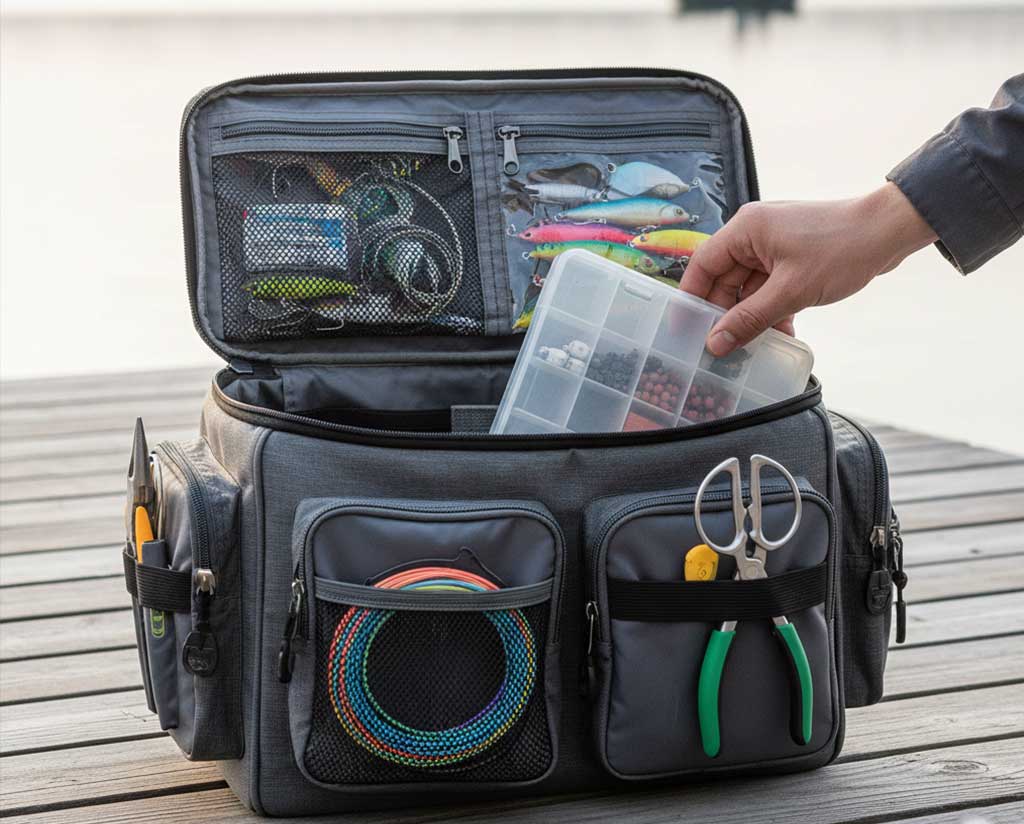
You want your gear to stay neat, not messy. The right pocket setup helps a lot. When you pick a Waterproof Tackle Bag, check for special spots for each item. Tackle trays need safe places so you can grab lures fast. Pliers and cutters work best in outside holders, ready to use. Leader material and extra spools need their own pockets so they don’t get tangled.
Here’s what anglers like most about organization:
| Feature | Tackle Bags | Tackle Boxes |
|---|---|---|
| Customization | You can change layouts with Velcro dividers | Not much customization |
| External Organization | Outside pockets for tools and personal stuff | No outside organization |
| Packing | You must pack carefully to stop gear from moving | Gear stays in place |
Look for bags with six to ten outside pockets. These pockets hold tools like pliers, line spools, and leader wallets. Quick-access spots help you grab lures without searching. Some bags have removable pouches and dividers. You can change the setup to match your fishing style.
Tip: Smart pocket setups save time and protect your gear. You spend less time looking and more time fishing.
Accessibility on the Water
When you fish, you need to move quickly. Pocket placement is important. If you can reach pliers or lures fast, you stay ready. Good pockets let you grab things without trouble. Bad pockets slow you down and can make you miss fish.
Think about how you fish. Do you need tools right away? Pick a bag with outside holders and quick-open pockets. If you fish from a kayak or shore, easy access helps you move fast. You want your Waterproof Tackle Bag to help you, not slow you down.
Note: The right pocket setup makes fishing easier. You stay neat, move fast, and enjoy your time on the water.
Smart Waterproof Tackle Bag Buying Tips
Compare Brands and Models
You want a bag that stands up to your fishing adventures. Start by looking at how different brands and models handle water, wear, and real-life use. Some bags only keep out light rain, while others can handle a dunk in the lake. Check out this table to see how bags compare:
| Protection Level | Construction | Real-World Performance | Best For |
|---|---|---|---|
| Water-Resistant | DWR coating, basic zippers | Light rain, splashes | Fair-weather fishing |
| Water-Repellent | PU coating, storm flaps | Moderate rain, boat spray | Most freshwater applications |
| Waterproof | TPU lamination, sealed seams | Heavy rain, brief submersion | Serious saltwater use |
| Submersible | Welded seams, gasket zippers | Full underwater protection | Kayak fishing, extreme weather |
You also want to check the fabric. Some bags use 600D polyester, which works for light trips but can get holes from hooks. Others use 1000D Cordura or 1680D ballistic nylon. These materials last longer and protect your gear better.
Don’t forget about comfort. Look for padded back panels, wide shoulder straps, and hip belts. These features help you carry heavy loads without hurting your back or shoulders. A good Waterproof Tackle Bag should feel comfortable, even after hours on the water.
Tip: Try on a few bags if you can. See how they fit and feel before you buy.
Ask for Recommendations
You don’t have to guess which bag works best. Ask other anglers what they use. Many people love the Fishpond Thunderhead for its waterproof seams and roll-top closure. The Yeti Panga Backpack gets high marks for its tough build and waterproof zippers. If you want a full-size bag, check out the Academy H2OX Ethos or the Buzbe Swarm. For backpacks, the Evolution Drift Series stands out. Anglers like the Evolution Drift Series 3600 Backpack because it holds lots of tackle trays and has extra pockets for tools.
You can also ask at your local tackle shop or join fishing groups online. People love to share their favorite gear and tips. When you hear the same names over and over, you know those bags work well.
Note: Take your time. Compare, ask around, and pick the bag that fits your fishing style. You’ll enjoy your trips more with the right bag on your back.
You can dodge the five biggest waterproof tackle bag mistakes by learning what to avoid and making smart choices. When you pick the right bag, you protect your gear, stay organized, and enjoy every fishing trip more. Here’s what you gain:
- Better prep for your trips
- Quick access to your tackle
- Peace of mind knowing your gear stays dry
With the right bag, you get more time fishing and less time worrying. Enjoy every cast and make your next adventure your best one yet! 🎣
FAQ
How do I clean my waterproof tackle bag?
You can wipe your bag with a damp cloth. For tough dirt, use mild soap and water. Let it air dry. Avoid harsh cleaners. They can damage the waterproof coating.
Can I use my tackle bag for other outdoor activities?
Yes! Many anglers use these bags for hiking, camping, or kayaking. The waterproof design keeps your gear dry in any adventure.
What should I do if my bag starts leaking?
Check for holes or worn seams. You can patch small leaks with waterproof tape or repair kits. If the damage is big, you might need a new bag.
How long does a waterproof tackle bag usually last?
Most bags last for years if you care for them. Clean your bag after trips. Store it in a cool, dry place. Avoid dragging it on rough ground.
Do I need a special bag for saltwater fishing?
Saltwater can damage zippers and fabric. Choose a bag with corrosion-resistant parts. Rinse your bag with fresh water after each trip to keep it in good shape.
Understanding Cooler Bags and Their Insulation Technologies
Why Choose TPU Cooler Bags Over PVC for Outdoor Adventures
How Waterproof Cooler Bags Keep Ice Longer
How to Maximize Ice Retention in a Waterproof Cooler Bag

Comments are closed