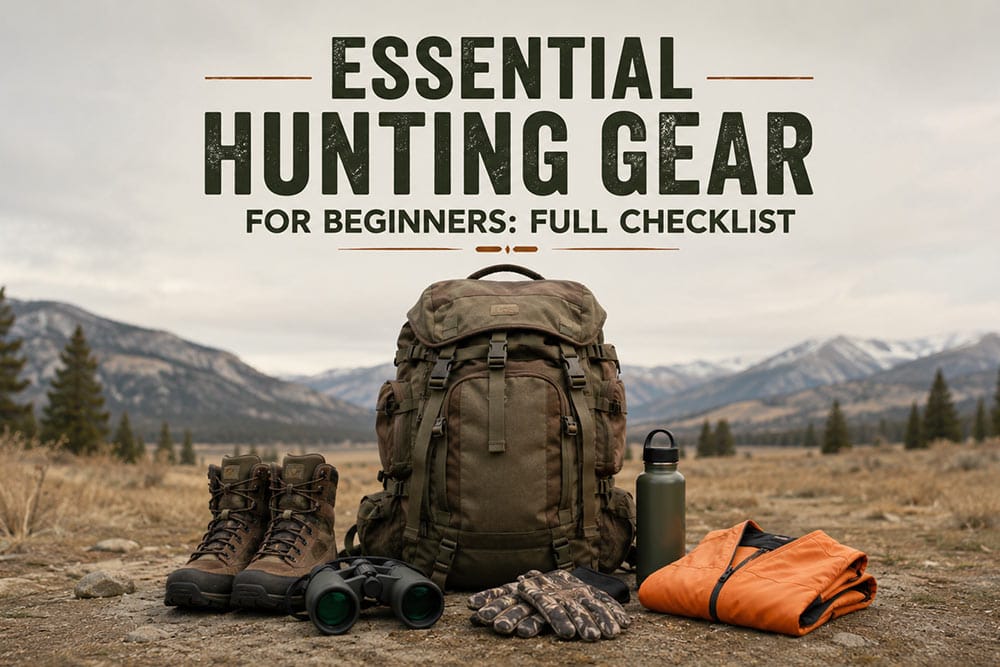
Essential hunting gear is not about buying everything at once. For beginners, the goal is to follow a practical checklist that covers safety, comfort, legal compliance, field organization, and the specific type of hunt you are planning.
A first hunt can feel overwhelming because gear lists often include too many products, too many opinions, and too many “nice-to-have” accessories. Some items are truly essential, while others can wait until you understand your hunting style, terrain, weather, and target species.
A better approach is to start with the essentials.
You need clothing that matches the weather, footwear that protects your feet, a reliable backpack, basic safety tools, navigation support, food and water, and the right field accessories for your hunting method. As you gain experience, you can upgrade your setup based on your environment and personal carrying preferences.
This guide breaks down the essential hunting gear beginners should understand before heading into the field.
Helps reduce risk in the field and supports emergency response.
Clothing Layers
Must-have
Keeps you warm, dry, quiet, and comfortable.
Boots & Socks
Must-have
Protects your feet during long walks, wet ground, and uneven terrain.
Hunting Backpack
Must-have
Organizes water, food, tools, clothing, and emergency items.
Navigation Tools
Must-have
Helps you stay oriented when phone signal is weak.
Optics
Recommended
Helps you identify animals, terrain, and distance more clearly.
Field Tools
Recommended
Supports practical tasks such as cutting, repair, and game handling.
Specialty Gear
Situation-based
Depends on deer, turkey, waterfowl, backcountry, or tree stand hunting.
What Hunting Gear Do Beginners Really Need?
Beginners should think in terms of function, not product hype. Every item in your hunting setup should answer a practical question:
Does it help keep you safe?
Does it help you stay legal?
Does it help you stay warm, dry, or comfortable?
Does it help you carry and access gear efficiently?
Does it match the species, terrain, and weather?
Most new hunters do not need a premium setup on day one. They need reliable basics that work in real conditions.
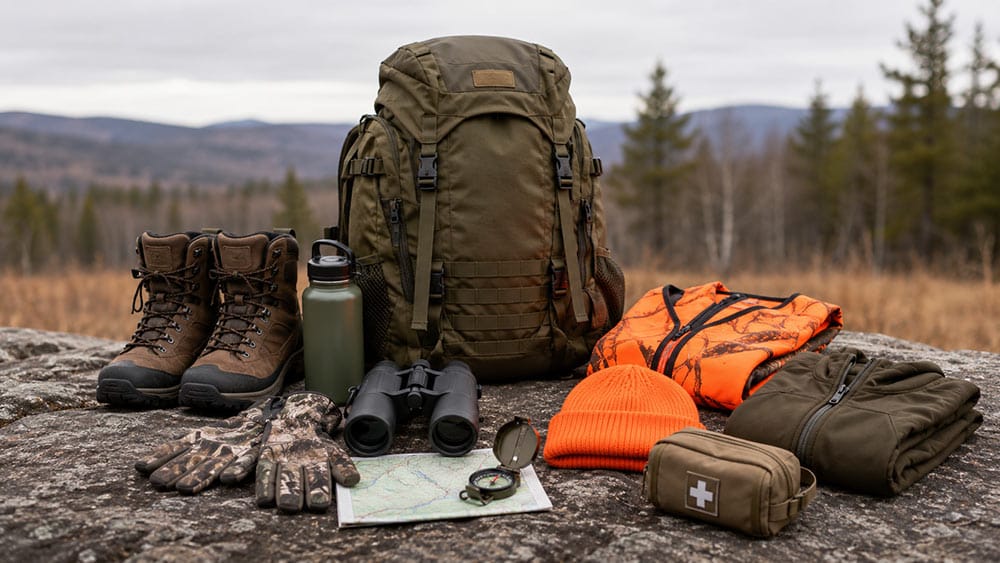
A simple beginner hunting gear checklist usually includes:
A valid hunting license and any required hunter education documentation.
Weather-appropriate clothing and visibility gear.
Durable boots and quality socks.
A hunting backpack or day pack.
Water, food, first aid, and emergency tools.
A knife or multi-tool.
Navigation support such as a map, compass, GPS device, or offline map app.
Hunting-specific accessories based on the type of hunt.
Hunter education is also an important starting point. The U.S. Fish & Wildlife Service explains that hunter education programs cover firearm and archery safety, wildlife management, conservation, ethics, game laws, outdoor survival, and wilderness first aid. Many states require hunter education before a hunting license can be purchased, so beginners should always check local requirements before planning a hunt through the U.S. Fish & Wildlife Service Hunter Education Program.
Beginner Hunting Gear Checklist
A checklist helps new hunters avoid two common mistakes: forgetting critical items and overpacking unnecessary gear.
Category
Essential Items
Notes for Beginners
Legal Documents
License, permits, tags, hunter education proof
Keep physical and digital copies when possible.
Safety
First aid kit, whistle, headlamp, fire starter, emergency blanket
These items are small but important in unexpected situations.
Clothing
Base layer, insulation layer, outer shell, gloves, hat
Choose layers based on weather, not appearance.
Visibility
Hunter orange vest or hat where required
Visibility rules vary by location and hunting method.
Footwear
Waterproof boots, wool or synthetic socks
Break in boots before your first hunt.
Pack
Hunting backpack, day pack, or hunting gear bag
Choose capacity based on trip length and load.
Hydration
Water bottle or hydration bladder
Carry more water than you think you need.
Food
Snacks, energy bars, compact meals
Choose quiet packaging when possible.
Navigation
Map, compass, GPS, offline map app
Do not rely only on phone signal.
Optics
Binoculars, rangefinder if needed
Helps with identification and distance judgment.
Field Tools
Knife, gloves, rope, game bags, multi-tool
Match tools to your hunting style and local rules.
Weather Protection
Rain shell, pack cover, dry bag
Especially important in wet, cold, or backcountry conditions.
Hunting Clothing: Build a Practical Layering System
Clothing is one of the most important parts of essential hunting gear. Poor clothing choices can make a hunt uncomfortable, noisy, or unsafe.
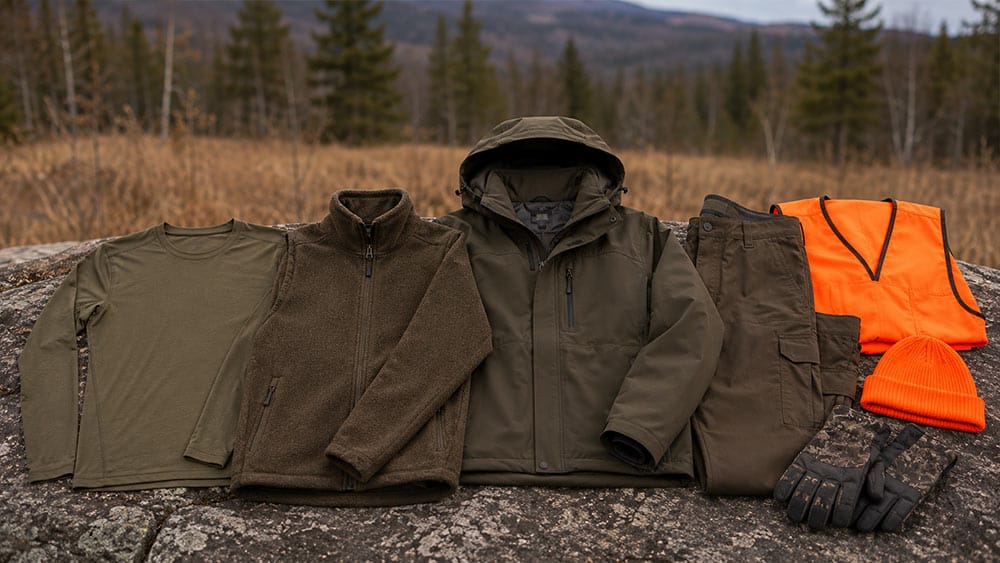
A basic layering system includes three parts: a base layer, an insulation layer, and an outer shell.
Base Layer
The base layer sits next to your skin. Its main job is moisture control. Avoid cotton in cold or wet conditions because it holds moisture and dries slowly. Synthetic or merino wool base layers are more practical for many hunting environments.
A good base layer helps reduce sweat buildup during walking, then helps you stay warmer when you stop moving.
Insulation Layer
The insulation layer keeps you warm. Fleece, synthetic insulation, and down are common choices. The right option depends on temperature, moisture, and activity level.
For beginners, a medium-weight fleece or synthetic jacket is often more versatile than a very heavy coat. You can add or remove layers as conditions change.
Outer Shell
The outer shell protects against wind, rain, brush, and abrasion. For hunting, the shell should be quiet enough for your target environment. A loud rain jacket may work for hiking but can be distracting in close-range hunting situations.
A good hunting shell should balance weather resistance, durability, mobility, and noise control.
Hunter Orange and Visibility
Visibility requirements depend on local regulations, hunting method, and public land rules. In many hunting areas, hunter orange improves visibility to other hunters and reduces the chance of misidentification.
The U.S. Forest Service advises hunters to wear hunter orange as outermost gear so they are visible to others and to check local rules before hunting on public land. Beginners can review public-land safety guidance through the U.S. Forest Service hunting safety page.
Boots and Socks: Do Not Treat Footwear as an Afterthought
New hunters often focus on jackets, optics, or backpacks first. Footwear deserves equal attention.
Hunting can involve mud, wet grass, rocky trails, steep slopes, cold mornings, and long periods of standing still. Poor boots can cause blisters, cold feet, and fatigue.
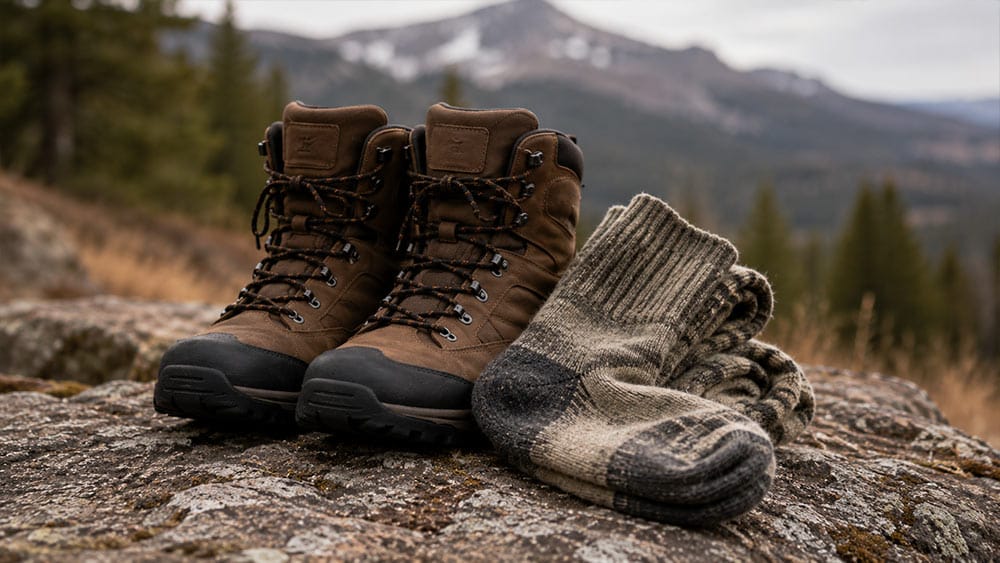
For most beginners, hunting boots should provide:
Water resistance for wet ground and morning dew.
Enough ankle support for uneven terrain.
A sole pattern that grips mud, leaves, and loose soil.
A fit that allows proper socks without squeezing the foot.
A break-in period before the hunt.
Socks matter too. Wool or synthetic socks manage moisture better than cotton. In cold conditions, a thin liner sock under a warmer outer sock can reduce rubbing and help control moisture.
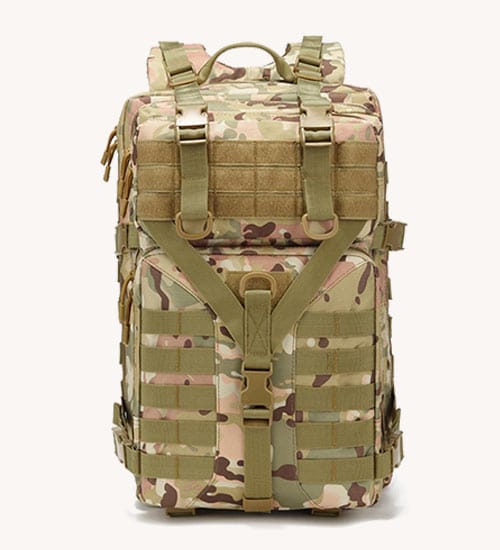
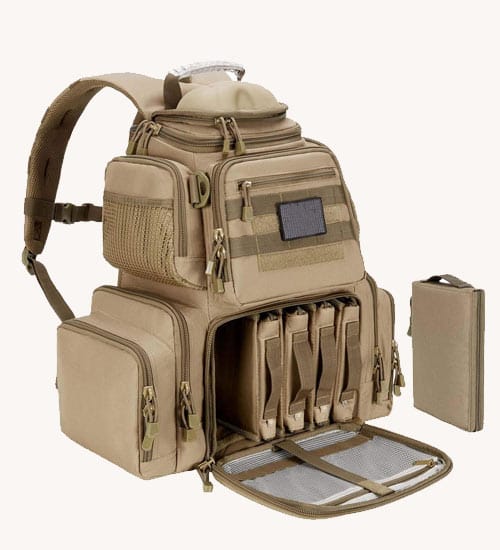
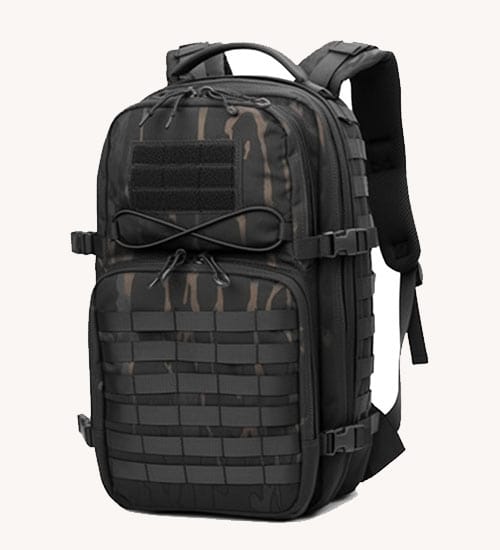
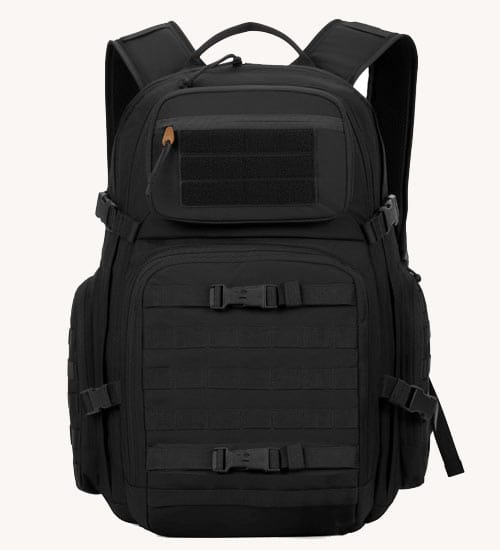
A hunting backpack is one of the most useful pieces of essential hunting gear because it connects almost every other item in your setup. It carries food, water, layers, tools, safety items, and accessories while keeping them accessible in the field.
For a short day hunt, many beginners can start with a 20L to 35L hunting day pack. For longer trips, cold weather, or backcountry hunting, a larger pack may be necessary.
When choosing a beginner hunting backpack, look for:
Comfortable padded shoulder straps that reduce pressure during long walks.
A stable back panel that supports better load distribution.
Quiet fabric and zipper movement to reduce unnecessary noise.
Multiple compartments for organized gear storage.
Hydration bladder compatibility for longer routes.
External attachment points for extra layers or tools.
A durable bottom panel for rocky, muddy, or rough ground.
Weather-resistant fabric or rain cover compatibility.
For brands or buyers developing outdoor gear programs, Vancharli Outdoor supports custom hunting backpacks and hunting gear bags with OEM and ODM manufacturing options for different carrying structures, camo fabrics, compartment layouts, and private label requirements.
How Big Should a Beginner Hunting Backpack Be?
The right size depends on trip length, weather, and what you need to carry.
Hunt Type
Suggested Pack Size
Best For
Short morning hunt
15L–25L
Water, snacks, gloves, small tools, light layer
Full day hunt
25L–40L
Food, rain shell, optics, safety gear, field tools
Cold weather hunt
35L–50L
Extra insulation, gloves, hat, thermos, weather gear
Backcountry hunt
50L+
Overnight gear, food, water system, field processing items
Beginners who are not sure where to start can read this guide on how to choose the right hunting bag size before buying or designing a pack.
Safety Gear Every Beginner Should Carry
Safety gear should not be treated as optional. Even a short hunt can involve weather changes, low light, rough ground, injury risk, or navigation problems.
A beginner hunting safety kit should include the following items.
First Aid Kit
Carry a compact first aid kit with bandages, antiseptic wipes, blister treatment, gauze, medical tape, pain relief, and any personal medication. The kit should be easy to reach, not buried under clothing.
Headlamp
A headlamp is better than a handheld flashlight because it keeps both hands free. Choose one with enough brightness for walking in the dark and include spare batteries or a backup light.
Whistle
A whistle is small, lightweight, and useful when shouting is not effective. It can help others locate you in thick woods or rough terrain.
Fire Starter
Matches, a lighter, or a ferro rod can help in cold or wet conditions. Keep fire-starting tools in a waterproof pouch.
Emergency Blanket
An emergency blanket helps retain body heat and takes up very little pack space. It is useful when weather changes or someone becomes injured and cannot move quickly.
Navigation Backup
A phone app is useful, but it should not be the only navigation method. Carry a map, compass, GPS device, or downloaded offline maps.
Optics and Field Tools
Optics and tools are not always required for every hunt, but they can make the experience safer and more efficient.
Binoculars
Binoculars help you identify animals, study terrain, and avoid unnecessary movement. Beginners do not need the most expensive model. A clear, durable pair that works in low light is a practical starting point.
Rangefinder
A rangefinder helps estimate distance more accurately. It is especially useful for bowhunting, open terrain, and situations where distance judgment affects ethical shot placement.
Knife
A reliable knife is one of the most practical hunting tools. It can be used for field dressing, cutting rope, preparing kindling, or handling general outdoor tasks. Keep it sharp and store it safely.
Gloves
Disposable or washable field gloves help keep hands cleaner during game handling. Cold-weather gloves also matter because numb fingers reduce control and comfort.
Multi-Tool
A multi-tool can help with small repairs, cutting, tightening, and gear adjustments. It is not a replacement for a knife, but it is useful for unexpected field problems.
What to Pack for Different Types of Hunting
Essential hunting gear changes with species, terrain, and hunting style. A beginner deer hunter, a turkey hunter, and a waterfowl hunter may all need different setups.
Hunting Type
Gear Focus
Extra Notes
Deer Hunting
Hunter orange, quiet clothing, binoculars, knife, day pack
Focus on silence, visibility, and comfort during long sits.
Turkey Hunting
Camo, calls, seat cushion, compact pack
Movement control and concealment are important.
Waterfowl Hunting
Waterproof boots, waders, dry storage, gloves
Wet conditions require stronger water protection.
Backcountry Hunting
Larger pack, navigation, water filter, emergency gear
Weight control and survival planning become more important.
Fall protection and controlled gear movement are critical.
Beginners should avoid copying someone else’s gear list without thinking about location. A whitetail hunt in cold woods is not the same as a warm-weather turkey hunt or a wet waterfowl hunt.
What Beginners Should Not Overbuy
Many new hunters spend too much money before they understand their actual needs. Some gear is helpful, but not urgent.
Do Not Overbuy Expensive Camouflage
Camouflage can help, but it is not the only factor. Wind direction, movement control, noise discipline, and location often matter more than owning the most expensive camo pattern.
Do Not Buy an Oversized Backpack Too Early
A large backpack may seem useful, but it can encourage overpacking. Too much weight causes fatigue and makes movement harder. Start with the size that fits your actual hunt.
Do Not Ignore Boots and Socks
A premium jacket will not help much if your feet are wet, cold, or blistered. Footwear is one of the first places where beginners should invest wisely.
Do Not Depend Only on Your Phone
Phones are useful, but batteries die and signal can disappear. Carry a backup navigation method.
Do Not Carry Loose Tools
Loose tools create noise and can become difficult to find. Use compartments, pouches, or small organizers to keep items secure.
How to Pack Hunting Gear Efficiently
Packing is not just about fitting everything into a bag. It is about access, balance, silence, and safety.
A good packing system usually follows these principles:
Keep emergency gear easy to reach.
Place heavier items close to your back.
Keep snacks and water accessible.
Store sharp tools safely.
Use small pouches for first aid, fire tools, and repair items.
Keep rain gear near the top.
Avoid noisy packaging.
Use dry storage for electronics and important documents.
If you want a more detailed packing strategy, this guide explains how to organize and load your hunting backpack for field access, comfort, and quiet movement.
Beginner Hunting Gear by Budget
Not every beginner needs to buy everything at once. A practical budget plan helps you focus on what matters first.
Better boots, better pack, binoculars, rain shell, hydration system
Rangefinder, premium insulation, specialty tools
Advanced Setup
Larger pack, improved optics, weather-specific clothing, field processing gear
Highly specialized accessories unless your hunting style requires them
The best first purchase is not always the most exciting one. Boots, safety gear, and a practical backpack often matter more than accessories that only help in narrow situations.
How Hunting Backpack Design Supports Better Gear Organization
A well-designed hunting backpack does more than carry items. It helps reduce noise, improve access, balance weight, and separate clean items from field tools.
Useful backpack features include:
Top-access compartments for gloves, snacks, and headlamps.
Side pockets for water bottles or small tools.
Internal dividers for first aid, optics, and field accessories.
Hydration bladder sleeves for longer walks.
Quiet zipper pulls and fabric surfaces.
Compression straps to stabilize the load.
Reinforced panels in high-wear areas.
These details are especially important for brands developing hunting backpacks for retail or wholesale markets. Vancharli Outdoor also works across broader custom tactical bag manufacturing programs where modular compartments, MOLLE-style layout, reinforced fabrics, and field-ready carry systems are important.
Final Tips Before Your First Hunt
Before your first hunt, test your gear at home. Pack your backpack, wear your boots, adjust your layers, and make sure you know where each item is stored. A simple practice walk can reveal problems before you are in the field.
Check the weather. Review local hunting regulations. Confirm your license, tags, and land access. Tell someone where you are going and when you plan to return.
Start simple. Bring what you need, avoid unnecessary weight, and focus on safety, patience, and learning. Your first hunting gear setup does not need to be perfect. It needs to be practical, legal, safe, and suitable for the conditions you will face.
FAQ
What is the most essential hunting gear for beginners?
The most essential hunting gear for beginners includes a valid hunting license, safety gear, weather-appropriate clothing, boots, a hunting backpack, water, food, a first aid kit, a headlamp, navigation tools, and basic field tools such as a knife or multi-tool.
What should I pack for my first hunt?
For your first hunt, pack your license, tags, water, snacks, first aid kit, headlamp, knife, gloves, extra clothing layer, rain protection, map or compass, phone, and a hunting backpack that keeps everything organized and easy to access.
How big should a beginner hunting backpack be?
Most beginners can start with a 20L to 35L hunting backpack for short day hunts. Longer hunts, cold weather, or backcountry trips may require 40L or more, depending on clothing, food, water, and field tools.
Do I need expensive camouflage for hunting?
Expensive camouflage is not always necessary for beginners. Good movement control, wind awareness, quiet clothing, and proper positioning often matter more. Choose camouflage based on terrain and species, but do not overspend before you understand your actual needs.
What safety gear should every hunter carry?
Every hunter should carry a first aid kit, headlamp, whistle, fire starter, emergency blanket, navigation backup, water, and a communication device. In many areas, hunter orange clothing is also required or strongly recommended.
What is the difference between a hunting backpack and a regular backpack?
A hunting backpack is usually designed with quieter materials, outdoor durability, better gear organization, hydration compatibility, and attachment points for field tools or extra layers. A regular backpack may work for simple trips but often lacks hunting-specific structure.
What gear do I need for deer hunting as a beginner?
Beginner deer hunting gear usually includes hunter orange, quiet clothing layers, boots, binoculars, a knife, gloves, a day pack, water, snacks, safety gear, and legal documents. Cold-weather deer hunts may also require extra insulation and hand warmers.
How do I keep hunting gear dry?
Use a rain cover, dry bags, waterproof pouches, or sealed compartments for electronics, documents, spare clothing, and fire-starting tools. Choose a hunting backpack with water-resistant fabric if you expect wet weather.
Should beginners buy a rangefinder?
A rangefinder is useful but not always the first purchase. Bowhunters and hunters in open terrain may benefit from one earlier. Beginners on a tight budget can prioritize boots, clothing, safety gear, and a practical pack first.
How can I avoid overpacking for hunting?
Plan your gear around trip length, weather, terrain, and hunting style. Keep emergency items, water, food, clothing layers, and tools, but avoid carrying accessories that do not serve a clear purpose for that specific hunt.






Comments are closed