Essential Tips for Creating a Backyard Shooting Range in 2026
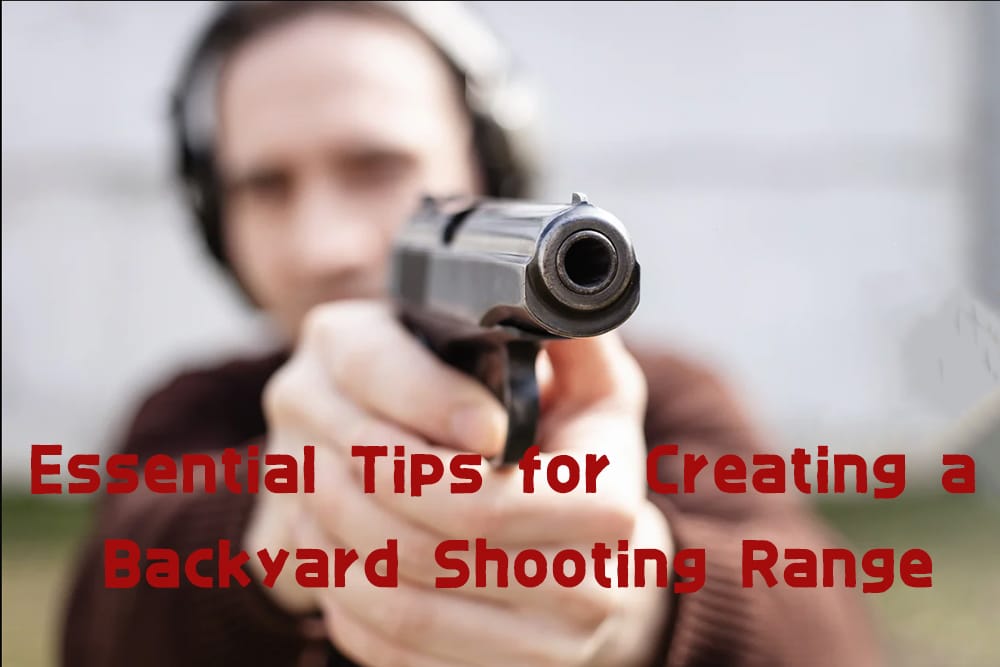
Imagine stepping outside your back door and enjoying target practice right at home. Building a Backyard Shooting Range can change how you spend your free time. You get more control, privacy, and fun in your own space. Many people dream about this setup, but you might wonder where to begin. Let’s explore what you need to know.
Look up local laws before you start your backyard shooting range. This helps you follow safety and zoning rules.
Pick a safe spot for your range. It should be at least 500 feet from homes and roads. This lowers the risk for neighbors and property.
Plan your range layout for the type of shooting you want. Think about how far you need for handguns or rifles.
Build strong berms to stop bullets and keep people safe. Make sure they are tall and wide enough to block stray shots.
Talk to your neighbors about your plans. Listen to their worries and try to have a good relationship. This can stop problems later.
Use ways to control noise, like sound barriers and a shooting schedule. This helps keep things quiet for your neighbors.
Check and fix your range often. Look for damage, clean up trash, and make sure all safety steps are followed.
Write down your inspections, repairs, and talks with neighbors. This keeps you organized and shows you care about safety.
Backyard Shooting Range Benefits & Responsibilities
Why Build a Backyard Shooting Range
Maybe you want your own backyard shooting range. It gives you more freedom and privacy. You can practice your skills any time. You do not have to drive to a public range or wait in line. You get to make the rules and control the space. A backyard shooting range lets you spend more time with family and friends. You can teach safe firearm handling and have fun competitions.
A home range helps you save money over time. You do not pay range fees or travel costs. You can set up your range the way you like. If you want to try new targets or layouts, you can change them easily. Many people think a personal shooting range helps them get better faster. You can practice more and have fewer distractions.
Tip: When you build a backyard range, you can pick times that work for you. You do not need to worry about crowds or short hours.
A backyard shooting range can also make your property worth more. Some buyers want homes with special things like a backyard gun range. You make a space that fits your hobbies and how you live.
Owner Responsibilities
Building a backyard shooting range means you have important jobs. You must keep everyone safe and follow the law. You need to check local, state, and federal rules before you start. These rules talk about noise, safety, and caring for the environment.
Here are some main responsibilities you have as a backyard shooting range owner:
Property damage: You must stop bullets from leaving your range. If something gets damaged, you might have to pay.
Environmental liabilities: You need to stop lead from getting into the ground and control noise. Rules protect the soil and water.
Regulatory compliance: You must follow all laws. If you break them, you could get fined or lose your right to have a range.
Employee-related liabilities: If you hire workers, you must keep them safe and manage risks.
Criminal activity: You must make sure your backyard shooting range is not used for illegal things.
You should talk to your neighbors before you build a backyard range. Good talks help stop problems. You can tell them your plans and listen to what they think.
A personal shooting range needs regular checks. You must look at your setup and update safety steps. You should keep records of maintenance and any problems. This helps you stay organized and shows you care about your duties.
Note: If you build a backyard range, you must watch for new laws. Rules can change, so check for updates often.
Backyard Shooting Range Legal Requirements
Local Laws & Ordinances
You need to check your local rules before building. Every city and state has different laws. Some places have very strict rules. Others are not as strict. You do not want to get in trouble later.
Here are some local laws you might see:
Construction rules: Some towns say you must use certain materials. You may need thick walls to stop bullets.
Lead safety: Many places have rules about lead. You must show how you will keep lead out of the ground and water.
Safety steps: Local rules often say you need backstops or barriers. These stop bullets from bouncing or leaving your yard.
Zoning: Some cities only let you build ranges in certain areas. If you live in a busy neighborhood, you may not be allowed.
Maintenance: You may have to follow cleaning rules. This is important if your range is inside or has vents.
Tip: Laws can change. Check for new rules every year to stay legal.
Permits & Approvals
You cannot just build a shooting range without asking first. Most places want you to get permits and approvals. These rules help keep people safe and protect nature.
Here are some things you may need to do:
Ask your city or county about permits. Some places have more rules than the state.
You may need to show your range plan. This includes where you will put safety signs and backstops.
Some towns want you to add things like wind flags or shaded spots.
You may need to follow rules about the sun during shooting hours.
Injuries or property damage to others from range activities
Firearms Liability
Claims from accidental discharge or concealed carry incidents
Personal Liability
Injuries or damage from your personal actions
TRU Umbrella
Extra coverage for gaps in your other policies
Property Coverage
Damage or theft of your range buildings and equipment
Active Shooter Liability
Costs if an active shooter incident happens at your range
Products Liability
Problems with products you sell or rent at the range
Premises Liability
Injuries on your property due to negligence
Professional Liability
Claims of mistakes in professional services
Special Events Liability
Injuries or damage during events at your range
Lead Contamination Coverage
Costs for cleaning up lead and dealing with environmental issues
Most claims are about injuries, property damage, or problems with lead or noise. You could get fined if you break rules or let someone do illegal things. Insurance helps you feel safe and pays for things if something goes wrong.
Note: Talk to an insurance agent who knows about shooting ranges. They can help you choose the best coverage for you.
Neighbor Communication
Talking to your neighbors is very important before you build a backyard shooting range. Good talks can help stop problems and keep everyone safe and happy. When you tell your neighbors your plans, you show respect and build trust in your area. Many neighbors worry about safety and loud sounds. Some people have had their cars hit by stray bullets. Others had to stop parties because of loud gunfire. More houses in your area can make these worries bigger. You should listen to these worries and take them seriously.
Here are some ways to talk with your neighbors and help with their worries:
Tell your neighbors about your plans before you start building.
Explain how you will keep everyone safe. Talk about backstops and barriers that stop bullets from leaving your yard.
Offer to set up safety checks. This can help your neighbors feel better.
Talk about when you will use the range. Set time limits for shooting so you do not bother others, especially at night or on weekends.
Ask your neighbors if they have any special worries or requests. Listen carefully and try to find answers together.
Share your contact information. Let them know they can call you if they have questions or see a problem.
Tip: Invite your neighbors to see your range after it is built. Show them the safety features and explain how you use the range safely.
Some people, like NRA range safety officers, say shooting can be safe if you use good backstops and act the right way. Still, not everyone agrees on how to check for safety. There are not always clear rules for checks. You may need to work with your neighbors to decide what makes everyone feel safe.
Noise is another big problem. Some neighbors said they could not talk or enjoy their yard because of gunfire. You can help by limiting shooting times and using sound barriers. If you show you care about their peace and quiet, you will have better relationships.
Remember, good talks with neighbors are not just polite—they can help stop complaints, legal trouble, and even accidents. When you work together, you make your backyard shooting range safer and more fun for everyone.
Site Selection for Your Backyard Gun Range
Property Size & Layout
When you plan your backyard shooting range, start by looking at your property size and layout. You need enough space to keep everyone safe and to make your range work well. Think about where you want your shooting lanes. These lanes are the paths where you will shoot at your targets. If your yard is small, you may only have room for one or two shooting lanes. Bigger yards can fit more lanes and longer distances.
The layout of your land matters a lot. Flat ground makes it easier to set up targets and berms. If your land has hills or dips, you might need to change your design. You want to make sure your berm, which is a big mound of dirt or sand, sits in the right spot to stop bullets. Check out this table to see how property layout affects your range:
Changes how you build berms and set up shooting lanes.
Range Direction
Helps you use natural barriers and avoid shooting toward homes or roads.
Zoning Rules
Some areas have laws about where you can build a shooting range.
Tip: Walk your property and picture where your shooting lanes will go. This helps you spot any problems before you start building.
Location & Safety
Picking the right spot for your backyard shooting range keeps you and your neighbors safe. You want a place that is far from homes, roads, and busy areas. Always check your local rules before you start. Many places have laws about where you can shoot.
Distance from Homes & Roads
Most states say you must keep at least 500 feet between your shooting range and any homes or public roads. This rule helps prevent accidents and keeps everyone safe. If you have less space, you may not be able to build a range. Always measure the distance before you start your project.
Natural Barriers
Natural barriers like hills, ridges, or thick tree lines can make your range safer. These features help block noise and stop bullets from leaving your yard. If you have a hill behind your targets, use it as part of your backstop. If you do not have natural barriers, you will need to build strong berms.
Here is a table with key safety tips for your range location:
Safety Tip
What To Do
Berm Location
Place berms away from roads, homes, and play areas.
Use Natural Features
Use hills or trees to add extra safety.
Build Strong Berms
Make sure berms are tall and thick enough to stop bullets.
Neighbor Proximity & Privacy
Think about how close your neighbors live to your property. If they are nearby, you need to be extra careful with your shooting lanes and noise. Try to aim your range away from their homes and yards. Trees and fences can help block sound and give you more privacy. Talk to your neighbors before you build. Let them know your plans and listen to their concerns. Good communication helps everyone feel safe and respected.
Note: The right site selection and careful planning make your backyard shooting range safer and more enjoyable for everyone.
Site Preparation
Getting your backyard ready for a shooting range takes more than just picking a spot. You need to make sure your site is safe, legal, and easy to use. Let’s walk through the steps you should follow before you start building.
First, clear the area where you plan to shoot. Remove rocks, branches, and anything that could trip you or block your targets. If you have tall grass or weeds, mow them down. You want a clean, flat space so you can set up targets and berms without trouble.
Next, think about containment. Berms are your best friend here. Build berms around your shooting area to catch stray bullets and keep people out. Use dirt, sand, or rubber to make them strong and tall. Berms help you control where projectiles go, which keeps you out of legal trouble. If you have natural hills or ridges, use them as part of your containment plan.
You also need to plan for access. Set up clear paths to your targets and backstops. Make sure you can walk downrange safely. Block off any spots where someone could wander into the shooting area by mistake. You don’t want surprises while you’re shooting.
Here’s a quick checklist to help you prepare your site:
Clear debris and level the ground.
Build berms to contain bullets and restrict access.
Set up safe downrange access points.
Mark boundaries so everyone knows where the range starts and ends.
Check local ordinances about firearm discharge.
Tip: Always double-check your local rules before you start. Some towns have strict laws about shooting in your yard.
You should also think about keeping projectiles on your property. If a bullet leaves your land, you could face fines or worse. Use berms, barriers, and smart range design to make sure everything stays where it should.
A table can help you keep track of your site prep tasks:
Task
Why It Matters
Clear debris
Prevents accidents and makes setup easy
Build berms
Stops bullets and keeps people safe
Plan access points
Avoids unexpected intrusions
Mark boundaries
Defines the shooting area
Check ordinances
Keeps you legal and avoids fines
Preparing your site takes time, but it’s worth it. You make your range safer, easier to use, and more fun for everyone. If you follow these steps, you’ll be ready to build a backyard shooting range that works for you and keeps everyone protected.
Plan & Build Your Own Shooting Range
Range Layout Design
When you start to build your own shooting range, you need a smart design. Think about how you want to use your space. Do you want to practice with handguns, rifles, or both? The type of firearm changes how long your shooting lanes should be. Handgun ranges usually need 5 to 50 yards. If you want to shoot rifles over .22 caliber, plan for at least 100 yards. This helps keep your target practice safe and fun.
A good layout always includes a strong backstop. You can use a big pile of dirt, a hillside, or even sandbags. The backstop must catch all projectiles. Make it tall—12 to 20 feet is best for long-range shooting. The width should be twice as wide as your target area. This way, you stop any stray shots from leaving your yard.
Here are some key elements for your range layout:
Place your backstop behind your targets.
Keep clear sightlines from the shooting area to the targets.
Use earthen berms for extra safety.
Make sure you have easy paths to walk downrange.
Check your local rules before you start building.
Tip: Always think about your neighbors and local laws. Some towns have strict rules about shooting ranges.
If you want a temporary setup, you can use portable target stands and sandbags. For a permanent range, dig trenches for target areas and build sturdy berms. Both options help you control safety and make changes as you need.
Safety Zones & Buffer Areas
Safety zones and buffer areas protect you, your family, and your neighbors. You need space around your range so no one gets hurt. Berms are a big part of this. They stop bullets and keep everyone safe.
You should always aim for the biggest berm you can build. If you have room, make your berm at least 12 feet high. This matches what many experts suggest for safety. Keep your shooting area away from homes, roads, and play spaces. Mark the boundaries with signs or fences so everyone knows where the range starts and ends.
Note: Clear safety zones help prevent accidents and show you care about everyone’s well-being.
Noise Management
Shooting can be loud, and noise is one of the biggest worries for neighbors. You want to enjoy your range without causing problems for others. Good noise management makes a big difference.
Sound Barriers
You can use sound barriers to block and absorb noise. Many people build walls from wood, concrete, or even stacked tires. These barriers help keep the sound in your yard. At the Grandview shooting range, sound barrier walls made a huge difference. The noise dropped, and neighbors felt better about the range.
If you want to go further, try using a suppressor on your firearms. Suppressors lower the noise even more. Some people also plant thick rows of trees or bushes. These natural barriers help block sound and look nice, too.
Tip: Ask an acoustic expert for advice if you want the quietest range possible. They can help you find the best spots for barriers.
Shooting Schedule
Setting a shooting schedule shows respect for your neighbors. Pick times when people are less likely to be outside, like midday on weekdays. Avoid early mornings and late evenings. If you have neighbors close by, let them know your schedule. This helps avoid surprises and keeps everyone happy.
You can also limit shooting to quieter firearms, like airguns or .22 rimfires, during busy times. This small change can make a big difference in how your neighbors feel about your range.
Note: Talking with your neighbors before you build your own gun range helps solve noise and safety worries before they start.
By planning your range layout, building strong safety zones, and managing noise, you create a backyard space that is safe, fun, and friendly for everyone.
Accessibility Features
You want everyone to have fun at your backyard shooting range. This means you should think about accessibility. Shooters with disabilities can enjoy shooting too. You can make your range better for everyone with a few changes. Start by making sure your paths are wide and smooth. Gravel or dirt is hard for wheelchairs or walkers. Use packed stone or concrete for walkways. Keep the shooting area flat and easy to use. Ramps are better than steps for getting around. If you have benches, leave space for a wheelchair to fit close.
Think about your shooting benches and tables. Benches that change height help shooters get comfortable. Some people use wheelchairs or need more space to move. You can build benches with open sides or use tables you can move. This makes it easier for everyone to set up.
You can add adaptive shooting gear to help even more. Many companies make special rests, mounts, and tools. These help shooters hold and fire guns safely. Some tools help with aiming, loading magazines, or using a pistol slide. There are also special scopes for shooters with low vision.
You can find more tools to help shooters with different needs. Some shooters use all-terrain wheelchairs to move around. Others use special grips or trigger tools. If someone you know needs help, ask what works best for them.
Tip: Invite shooters with disabilities to try your range. Ask for their ideas. They can tell you what helps them shoot better and have more fun.
Remember safety too. Make sure your signs are easy to read. Use big letters and bright colors. If someone is deaf or hard of hearing, use lights or signals to show when it is safe to shoot.
You can make your backyard shooting range a place where everyone feels welcome. With a few changes, you help more people have fun and learn new skills.
Build Your Own Gun Range: Construction Essentials
Target Stands & Sandbags
You need good target stands and sandbags to make your backyard shooting range work well. These tools help you set up targets and keep everything safe and steady. When you pick your stands, think about how easy they are to move, how strong they are, and if they fit your range.
Let’s look at some common types of target stands and what makes each one special:
Lightweight and strong, designed for hanging steel targets.
Easy to transport and set up
T-Post Stands
Ideal for outdoor ranges, driven into the ground for secure hold.
Supports various target sizes and shapes
2×4 Stands
Offers maximum versatility and strength for heavy setups.
Suitable for modular systems and heavy targets
Sandbags
Used to secure target stands against wind and impacts.
Enhances stability and prevents tipping over
You can use conduit stands if you want something light and easy to move. These work well for steel targets. If you want a stand that stays put, try T-post stands. You drive them into the ground, and they hold up many target shapes and sizes. For heavy targets or if you want to change your setup often, 2×4 stands give you the most options. They are strong and work with modular systems.
Sandbags are important for every range. You place them at the base of your stands. They keep your targets from falling over when the wind blows or when you shoot. You can fill sandbags with sand, dirt, or even gravel. They are cheap and easy to use.
When you start building a shooting berm, you want your targets to stay in place. Sandbags help with this. They add weight and stop your stands from tipping. You can also use sandbags to rest your gun on when you shoot. This gives you a steady aim and helps you practice better.
Think about your range design before you buy or build stands. If you plan to move your targets a lot, pick stands that are easy to carry. If you want a permanent setup, use heavy-duty stands and lots of sandbags. Always check your stands for damage before you shoot. Broken stands can be dangerous.
You should also use sandbags during shooting berm construction. They help shape the berm and hold dirt in place. This makes your berm stronger and safer. When you finish building a shooting berm, keep some sandbags around. You can use them for extra support or to block off areas you do not want people to enter.
Tip: Store your sandbags in a dry place when you are not using them. Wet sandbags can break and make a mess.
With the right target stands and sandbags, your backyard range will be safer and more fun. You can set up targets fast and spend more time shooting.
Weatherproofing
You want your backyard shooting range to last through rain, sun, and snow. Weatherproofing keeps your equipment and structures safe from the elements. If you skip this step, you might find rust, cracks, or even broken parts after a storm. Let’s talk about how you can protect your range and make it last for years.
Start by looking at your target stands, berms, and backstops. These parts face the most wear and tear. You can use coatings like polyurea to seal seams and cover surfaces. Polyurea works well because it blocks water and stops weak spots from forming. It also helps prevent ricochets by absorbing bullet energy. You get safer shooting and less risk of accidents.
Weatherproofing does more than keep out water. It shields your range from extreme heat, cold, and UV rays. Polyurea stands up to high humidity and caustic chemicals. You won’t have to worry about your equipment fading or breaking down. Some coatings even reduce noise when paired with thick flooring mats. That means less sound for your neighbors and more peace in your yard.
Here’s a table showing what polyurea can do for your shooting range:
Property/Benefit
Description
Sealing Seams
Polyurea seals seams and stops water from getting in.
Anti-Ricochet Capabilities
Absorbs bullet energy and lowers ricochet risk.
Environmental Resistance
Handles extreme temperatures, humidity, UV rays, and harsh chemicals.
Noise Reduction
Helps cut down on noise, especially with high-density mats.
Encapsulation Properties
Reduces lead dust and splash-backs, keeping your range cleaner.
Fire Resistance
Many coatings resist fire, making your range safer.
Longevity and Maintenance
Extends the life of your equipment and cuts down on repairs.
You can also weatherproof your range by using treated wood, rust-proof metals, and waterproof covers. If you have sandbags, store them in a dry spot. Wet sandbags break down fast and make a mess. For target stands, pick materials that won’t rust or rot. Paint metal parts with weatherproof paint. Cover benches and tables when you’re not using them.
Tip: Check your range after every big storm. Look for cracks, rust, or loose parts. Fix problems right away to keep your range safe.
If you want your shooting range to last, weatherproofing is a must. You save money on repairs and keep your equipment working longer. You also make your range safer for everyone who uses it. With the right materials and coatings, you can enjoy shooting in any weather.
Backyard Range Safety Protocols
Range Rules & Signage
You want your backyard range to be safe for everyone. Simple rules and clear signs help with this. Signs remind people about safety and help you follow the law. Here’s a table that shows what signs you need and why they are important:
Signage Type
Purpose
Warning Signs
Show dangers of firearms and give emergency contacts.
Safety Rules and Instructions
List the safety steps everyone must follow at the range.
Restricted Area Notices
Mark spots where only certain people can go.
Environmental and Health Warnings
Warn about lead and tell how to stay clean, especially inside.
Compliance with Legal Standards
Make sure your signs follow all laws and rules.
Maintenance and Visibility
Check signs often to keep them easy to read and in good shape.
Put these signs where everyone can see them. Look at your signs often. If a sign is hard to read or broken, change it fast. Good signs show you care about safety and help your neighbors feel better.
Tip: Keep your rules short and simple. Use big letters and bright colors so everyone can read them.
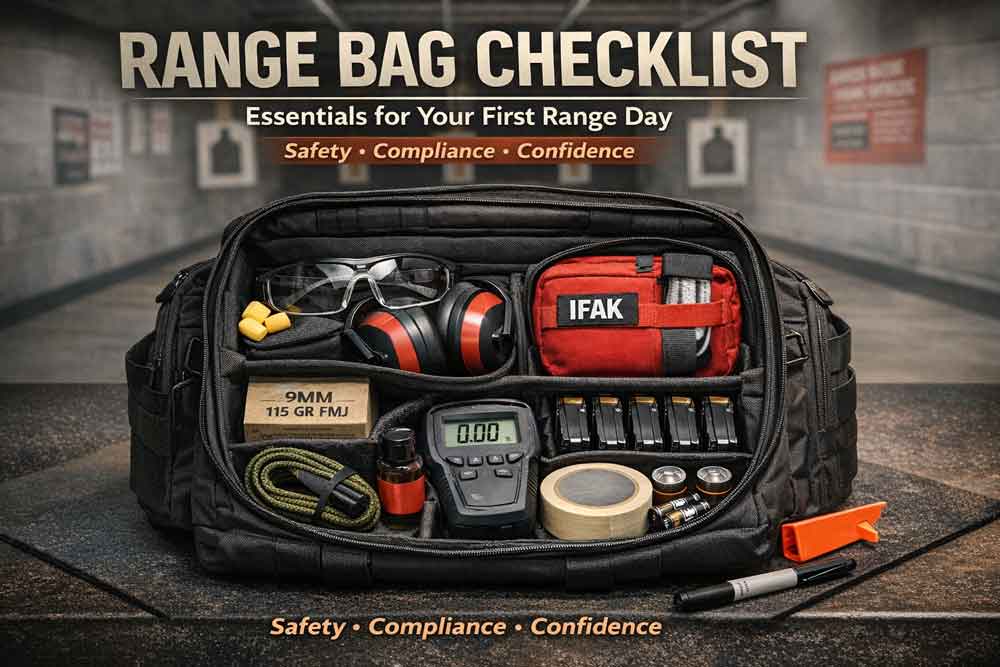
Personal Protective Equipment
You need to protect yourself and your guests at your range. Personal protective equipment keeps you safe from loud noises and flying pieces. Here’s what you should always have:
Wear earmuffs or earplugs to protect your ears. Safety glasses keep your eyes safe from small bits of metal or dirt. Always have a first-aid kit nearby in case someone gets hurt. These steps help you use your range safely.
Safe Firearm Handling
Safe firearm handling is the most important rule at your range. Everyone should follow the same steps every time. Here are the best ways to handle guns at your range:
Keep your gun in a case or holster until you are at the line.
Only take out your gun when the muzzle points downrange.
Hold rifles and shotguns with both hands when uncasing.
Open the chamber and check that the gun is unloaded.
Do not put the magazine in until you are ready to shoot.
During cold range times, make sure all guns are unloaded and open before getting targets.
Always point guns in a safe direction.
Keep your finger off the trigger until you are ready to shoot.
Guns must be unloaded until you are at the firing line and the range is “HOT.”
Stop shooting right away if someone says “Cease firing.”
Check with others to make sure guns are unloaded before going downrange during a cold range.
Only shoot from the firing line at your own target so bullets do not leave the range.
Wear eye and ear protection; do not eat, drink, or smoke on the firing line.
If you follow these steps, your backyard range will be safer for everyone. You set a good example and help stop accidents. Remember, safety always starts with you.
Emergency Preparedness
You never know when an emergency might happen at your backyard shooting range. Being ready can make all the difference. Let’s talk about how you can prepare for accidents and keep everyone safe.
First, you need a strong backstop or berm. This is your main defense against stray bullets. Build your backstop with sand or soil. Make it high enough so bullets cannot leave your property. If you use a hillside, you get extra protection. Check your berm often for signs of wear or damage. If you see cracks or holes, fix them right away.
Next, keep a first aid kit close to your shooting area. You want to grab it fast if someone gets hurt. Stock your kit with bandages, antiseptic wipes, and gloves. Add items for treating cuts, burns, or eye injuries. Check your kit every month. Replace anything that is missing or expired.
Communication matters during emergencies. Set up a plan so everyone knows what to do. Make sure you have a phone nearby. If you use walkie-talkies, teach your guests how to use them. Write down emergency numbers and keep them in your range shed or on a sign. You can use a table to organize your emergency contacts:
Contact Type
Phone Number
Location
Local Police
911
Main signboard
Fire Department
911
Range shed
Nearby Hospital
[Insert Number]
First aid kit
Poison Control
[Insert Number]
Shooting bench
You should know where the nearest medical facility is. If someone needs help fast, you can drive them or call for an ambulance. Practice your emergency plan with your family and guests. Run through what to do if someone gets hurt or if there is a fire.
Here are some quick steps to follow:
Stop shooting right away if an accident happens.
Use your first aid kit to help the injured person.
Call emergency services if needed.
Keep everyone calm and move them to a safe spot.
Write down what happened for your records.
Tip: Review your emergency plan every season. Update your contacts and check your equipment. This keeps your safety measures strong.
You can’t predict every problem, but you can prepare for most. With a solid backstop, a stocked first aid kit, and a clear plan, you make your backyard shooting range safer for everyone.
Environmental Care for Backyard Ranges
Taking care of the environment matters when you build a backyard shooting range. You want to enjoy your range, but you also need to protect your land, water, and wildlife. Let’s look at some smart ways to keep your range safe for nature.
Lead & Contaminant Management
Shooting can leave lead and other contaminants behind. You need to manage these so they don’t harm your soil or water.
Bullet Traps
Bullet traps catch bullets before they hit the ground. You can use steel traps, rubber blocks, or sand-filled boxes. These traps make it easy to collect spent bullets and keep lead out of the soil.
Steel bullet traps last a long time and work well for most calibers.
Rubber traps absorb bullets and reduce ricochets.
Sand traps are simple and cheap. You just need to sift out the bullets now and then.
Tip: Empty your bullet traps often. Recycle the lead if you can. This keeps your range cleaner and safer.
Soil & Water Protection
You want to stop lead from getting into your soil or water. Here are some steps you can take:
Place your range away from streams, ponds, or wells.
Use berms lined with plastic or clay to block lead from soaking into the ground.
Plant grass or ground cover on berms. Roots help hold soil in place and slow down runoff.
Test your soil and water once a year. Look for signs of lead or other contaminants.
Protection Method
What It Does
Berm Lining
Stops lead from entering the soil
Vegetation Cover
Reduces erosion and runoff
Regular Testing
Finds problems before they spread
Waste Disposal
You will have trash after shooting. Shell casings, targets, and packaging pile up fast. Clean up after every session. Use separate bins for brass, steel, and trash. Recycle what you can. Throw away damaged targets and plastic in the right way.
Note: Never leave spent shells or targets on the ground. Animals can eat them or get hurt.
Wildlife Considerations
Wildlife may visit your range. Deer, birds, and small animals live nearby. You can help protect them:
Shoot only during daylight. Animals move less when people are active.
Check your range for nests or burrows before you start.
Use fences or signs to keep pets and wildlife out of the shooting area.
Avoid using toxic targets or chemicals.
If you see animals near your range, wait until they leave before you shoot. You share your land with them, so keep it safe for everyone.
Maintain Your Backyard Shooting Range
Regular Inspections
You want your backyard shooting range to stay safe and fun. Regular inspections help you catch problems before they get worse. Walk your range every month. Look for cracks in berms, loose target stands, or broken signs. Check your fences and gates. Make sure nothing blocks your shooting lanes. If you see trash or spent shells, pick them up right away.
Here’s a simple checklist you can use:
Walk the range and look for damage.
Check berms for holes or erosion.
Inspect target stands and sandbags.
Make sure all signs are clear and easy to read.
Look for anything that could cause an accident.
Tip: Take photos during your inspections. You can compare them each month to spot changes.
Safety Updates
Laws and best practices change over time. You need to keep up with new rules and safety ideas. Check your local laws every few months. Some towns update their rules about noise, shooting hours, or range design. If you see a new law, update your range right away.
You can also learn from other shooters. Join online forums or local clubs. People share tips about new safety gear or better ways to set up targets. If you find a good idea, try it on your range. Update your signs and rules when you make changes.
A table can help you track your updates:
Update Type
Date Added
Notes
New safety sign
03/2026
Added near entrance
Berm repair
04/2026
Filled in small hole
Rule change
05/2026
Updated shooting hours
Note: Keeping your range up to date shows you care about everyone’s safety.
Seasonal Maintenance
Each season brings new challenges for your backyard shooting range. In spring, rain can wash away dirt from your berms. Check for erosion and add more soil if needed. Summer heat can crack wood or dry out sandbags. Inspect your equipment for sun damage. In fall, leaves and branches may block your shooting lanes. Clear them out before you shoot. Winter snow and ice can make paths slippery. Shovel walkways and use sand for traction.
Here’s a quick seasonal guide:
Spring: Fix erosion, check for water damage.
Summer: Inspect for sun and heat damage.
Fall: Remove leaves and fallen branches.
Winter: Clear snow, add sand to icy spots.
Tip: Write down your seasonal tasks in a notebook. This helps you remember what to check each year.
Taking care of your range all year keeps it safe and ready for fun. You save money on repairs and avoid big problems later.
Record-Keeping
You might not think about paperwork when you picture your backyard shooting range, but keeping good records makes your life much easier. Good record-keeping helps you stay organized, track changes, and prove you follow the rules. If you ever need to show you care about safety or follow local laws, your records will back you up.
Start with a simple notebook or a digital file on your computer. Write down every inspection you do. Note the date, what you checked, and anything you fixed. If you repair a berm or replace a sign, jot it down. You can even take photos and save them with your notes. This way, you have proof that you keep your range in good shape.
Here’s a list of things you should track:
Dates of regular inspections
Repairs or upgrades (like new berms or target stands)
Changes to your range layout
Updates to rules or signs
Any accidents or near-misses
Communication with neighbors about your range
Copies of permits, insurance, or legal documents
A table can help you see your records at a glance:
Date
Task/Update
Notes
03/10/2026
Berm repair
Filled small hole
04/02/2026
Inspection
All signs visible
05/15/2026
Rule update
Changed shooting hours
You can also use your records to track costs. Write down what you spend on repairs, targets, or new equipment. This helps you plan your budget for the year. If you ever want to upgrade your range, you’ll know how much you’ve already invested.
Tip: Keep your records in a safe place. If you use a computer, back up your files. If you use paper, store your notebook somewhere dry.
If you ever sell your home, good records can show buyers that you took care of your range. They might feel better knowing you followed the rules and kept everything safe. You also protect yourself if someone asks about your range or if a problem comes up later.
Record-keeping might seem boring, but it helps you enjoy your range with less stress. You’ll always know what needs fixing, what you’ve done, and how you keep your range a safe place to shoot.
You’re ready to build your backyard shooting range. Keep these key points in mind:
Plan your range for the type of shooting you want.
Build a strong berm for safety.
If you follow these steps, you’ll create a fun and safe space for target practice. Enjoy your new range!
FAQ
Can you build a backyard shooting range anywhere?
You can’t build a range just anywhere. Always check your local laws first. Some neighborhoods or cities have strict rules. If you live close to others, you may not get approval.
How much space do you need for a backyard range?
You need enough room to keep everyone safe. Most experts suggest at least 500 feet from homes or roads. If your yard is small, stick to short-range targets.
Do you need a permit to build a backyard shooting range?
You usually need a permit. Ask your city or county before you start. Permits help you follow safety rules and avoid fines. Some places require plans or inspections.
What is the best material for a shooting berm?
Dirt works well for berms. Sand and rubber also help stop bullets. Make your berm tall and wide. Use strong materials so your berm lasts longer and keeps everyone safe.
How do you keep noise down at your range?
You can build sound barriers with wood, concrete, or tires. Plant trees or bushes for extra help. Set a shooting schedule so you don’t disturb your neighbors.
What safety gear should you use?
Always wear ear and eye protection. Keep a first-aid kit nearby. Make sure everyone follows range rules. Safety gear protects you from accidents and injuries.
How do you handle lead and other contaminants?
Use bullet traps to catch spent bullets. Line berms with plastic or clay. Test your soil and water once a year. Clean up after every session to keep your land safe.
What should you do if neighbors complain?
Talk with your neighbors. Listen to their concerns. Show them your safety features. Adjust your shooting times if needed. Good communication helps prevent problems.




Comments are closed