Fishing Backpacks Versus Regular Backpacks for Anglers
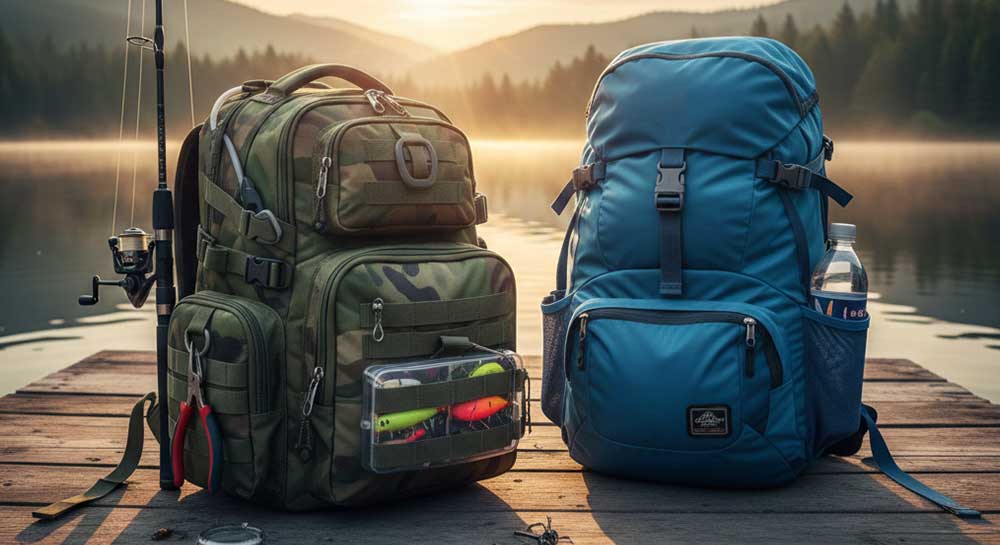
You grab your old backpack, toss in your tackle box, and head out for a day by the lake. After a few hours, your gear feels soaked, and you can’t find your pliers without dumping everything out. Many anglers face this hassle. Fishing backpacks change the game. You get waterproofing that keeps your gear dry, special pockets for rods and lures, and comfort for long hikes. These features make your day easier and more enjoyable.
Fishing backpacks have waterproofing. This keeps your gear dry. It protects your things from rain and splashes.
Fishing backpacks have special pockets. These help you find tools fast. You can get your tackle quickly. This makes fishing less frustrating.
Comfort is important. Fishing backpacks have padded straps. They also have belts you can adjust. These help stop shoulder pain on long trips.
Fishing backpacks use strong materials. They do not break easily. They last a long time, even in rough places.
Buying a fishing backpack makes fishing better. It gives you more comfort. It also makes things easier for you.
What Are Fishing Backpacks?
Purpose and Design
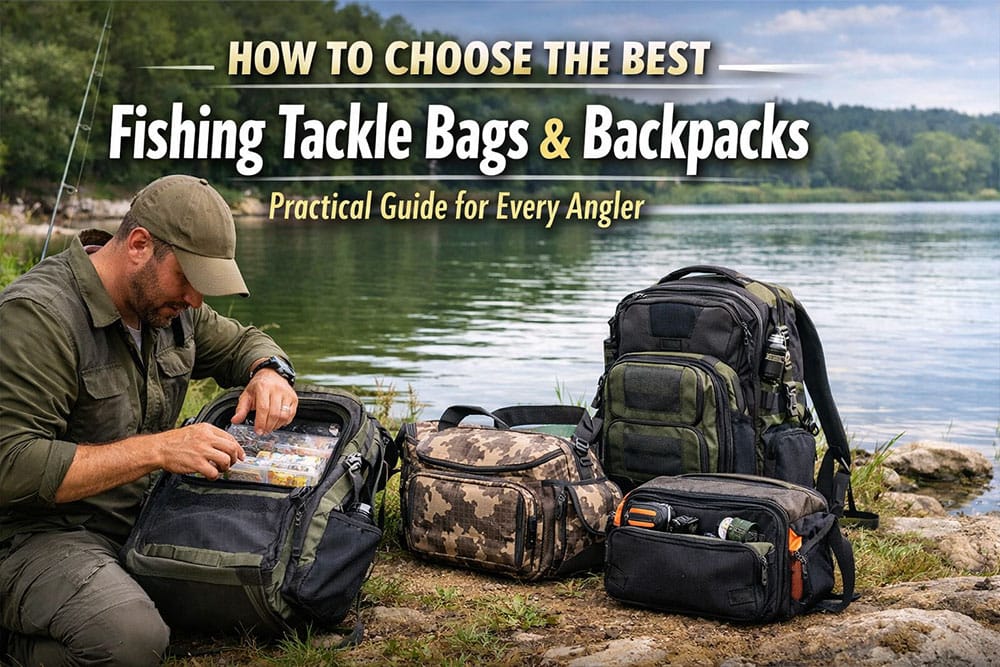
You may ask how fishing backpacks are not like your school or hiking bags. These backpacks are made for anglers. They help you keep all your fishing gear together. Most fishing backpacks use strong materials like 600D or 1680D polyester. This helps them last through sharp hooks and wet weather. They do not break easily. You also get straps that fit well with waders. This keeps you comfy when you walk by the river or stand in water.
Tip: Choose a fishing backpack if you want one that can handle rain, mud, and rough trips.
Specialized Organization
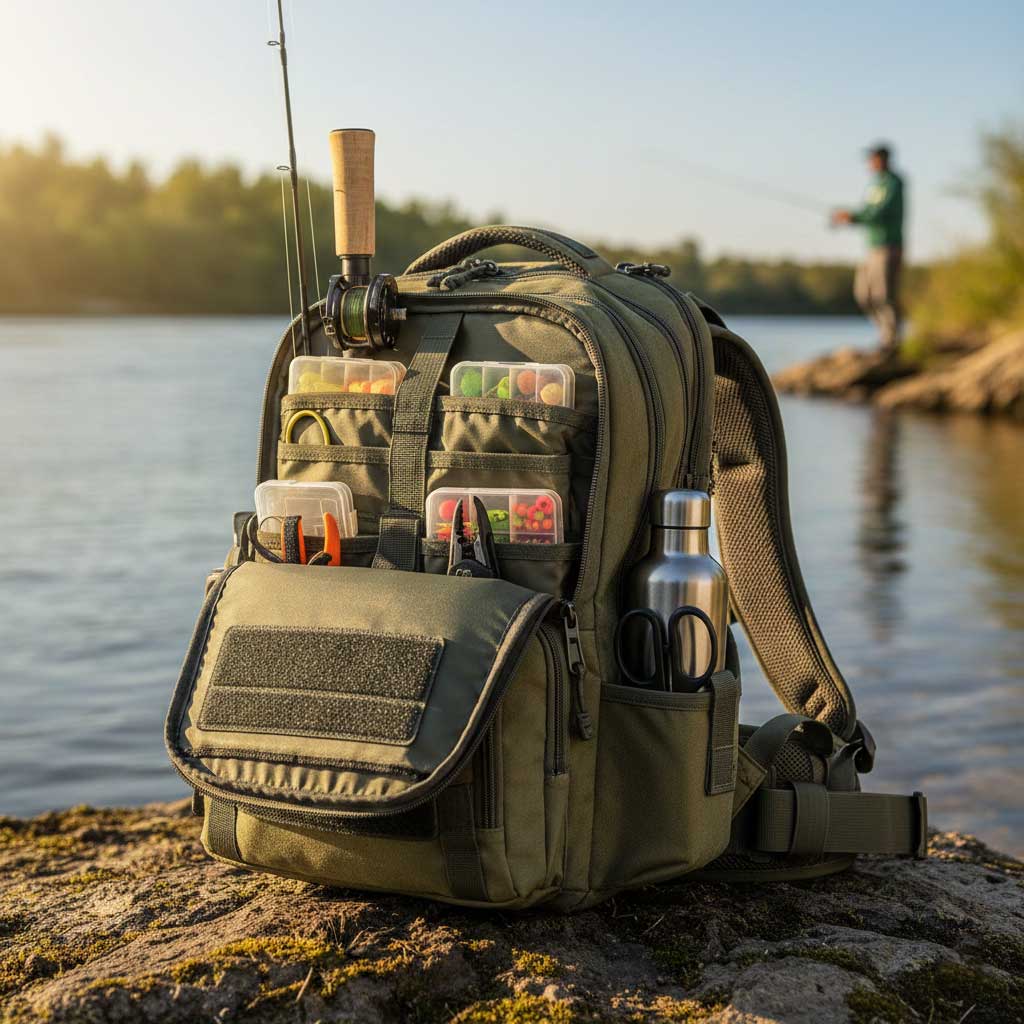
It is easier to fish when your gear is organized. Fishing backpacks have special spots for each tool and item. Look at the table below to see how these backpacks help you stay neat:
Feature Type
Description
Compartment Types
Main area for tackle trays, plus zippered pockets for tools
Modularity & Expandability
MOLLE panels for extra pouches, compression straps for better hold
Fishing-Specific Features
Built-in rulers, tool tethers, net holders, and pockets for electronics
Hydration & Snack Access
Separate sleeve for water and easy snack pockets
Quick-Drain Mesh Panels
Mesh holes let water out, so your gear stays dry
You will not need to search for pliers or snacks. Each thing has its own spot.
Comfort Features
Fishing all day can make you tired. Fishing backpacks help you feel better with smart designs:
Padded shoulder straps
Ventilated back panels
Hip belts and sternum straps for good weight balance
Load-lifter straps
Mesh panels and airflow channels
A backpack with hip belts and good weight spread makes you less tired. Anglers with these features felt 40% less shoulder pain after six hours. You can pay attention to fishing, not sore shoulders.
Fishing Backpacks vs. Regular Backpacks
Organization & Accessibility
You want to spend more time fishing and less time searching for your gear. Fishing backpacks make this easy. They have special spots for tackle trays, pliers, and even your phone. You can grab what you need fast. Regular backpacks do not have these features. You might toss everything into one big pocket. When you need a lure or tool, you dig around and waste time.
Fishing backpacks give you secure slots for tackle trays and outside holsters for tools. This setup helps you stay organized and ready. You do not have to worry about hooks getting tangled with snacks or your phone. You get more fishing and less frustration.
Water Protection
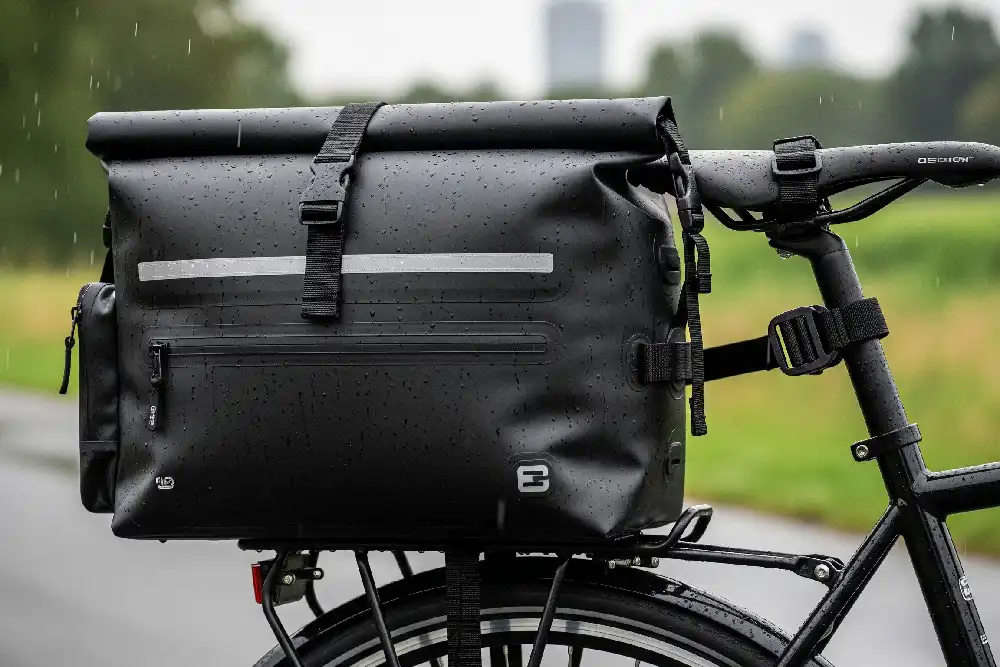
Water can ruin your day if it soaks your gear. Fishing backpacks use smart designs to keep your stuff dry. Here’s how they do it:
RF-welded or heat-sealed seams stop water from leaking in.
Roll-top closures keep rain and splashes out.
Marine-grade fabrics and TPU coatings fight off saltwater and mud.
Corrosion-resistant zippers last longer, even in wet places.
Some fishing backpacks float, so your gear stays safe if you drop it in the water.
Regular backpacks do not have these features. They use stitched seams and basic zippers. Saltwater can break down their fabric and zippers fast. If you get caught in the rain, your gear might get soaked.
Note: A fishing backpack with waterproofing means you do not have to worry about sudden rain or splashes.
Comfort for Anglers
You might walk a long way to your favorite fishing spot. Comfort matters. Fishing backpacks focus on making you feel good all day. They have padded shoulder straps, chest and waist straps, and lots of soft padding. You can adjust the straps to fit your body. This helps spread the weight and stops shoulder pain.
Check out this table to see the difference:
Feature
Fishing Backpacks
Regular Backpacks
Chest and Waist Straps
Yes, for better weight balance
Not usually included
Padding
Lots of padding for comfort
Sometimes less padding
Adjustability
Easy to adjust for your body
Not always adjustable
Fishing backpacks also stay light, even when you pack them full. Most can hold 15-20 pounds of gear without hurting your back. If you use a regular backpack, you might feel tired or sore after a few hours.
Limitations of Regular Backpacks
Regular backpacks work for school or hiking, but not for fishing. Here’s why:
They do not have special pockets for tackle or tools.
Water can leak in and ruin your gear.
Saltwater can damage the fabric and zippers.
They do not have chest or waist straps, so the weight pulls on your shoulders.
You might spend too much time searching for things.
Fishing backpacks solve these problems. You get better organization, water protection, and comfort. Your fishing trips become easier and more fun.
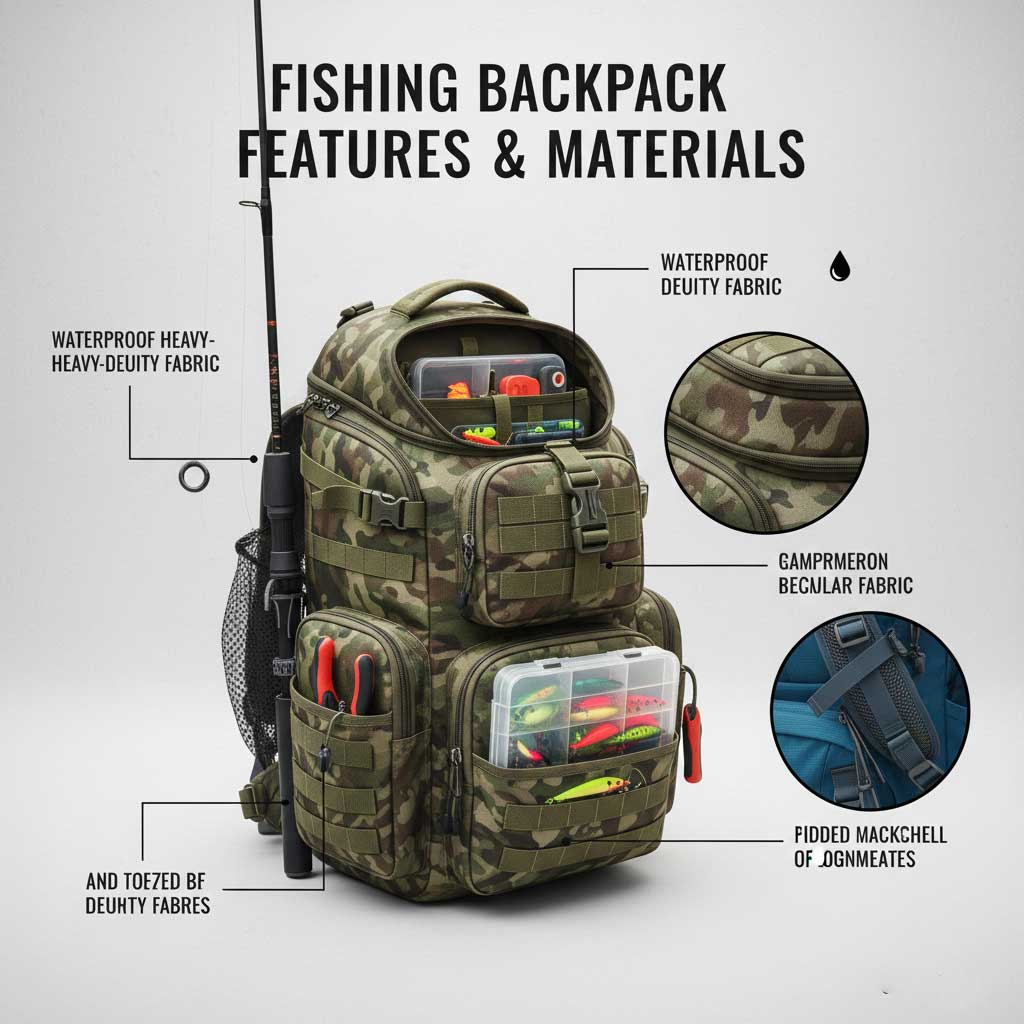
Fishing Backpack Features & Materials
Key Features for Anglers
When you pick out a fishing backpack, you want it to make your trip easier. Here are some features you should look for:
Waterproof materials keep your gear dry, even if you get caught in the rain.
Multiple compartments help you organize tackle, tools, and snacks.
Padded shoulder straps and adjustable belts give you comfort for long days.
Quick-access pockets let you grab pliers or lures fast.
Hard-bottom designs make cleaning simple and keep your bag upright.
Some new models even have built-in LED lights for night fishing.
Tip: Choose a backpack with a hip belt if you carry heavy gear. It helps spread the weight and keeps your back happy.
Material Comparison
The material of your backpack matters a lot. It affects how long your bag lasts and how well it protects your gear. Check out this table to see how nylon and polyester compare:
Property
Nylon
Polyester
Tensile Strength
Higher
Lower
Abrasion Resistance
High
Moderate
Water Absorption
4-8%
0.4-0.8%
UV Resistance
Lower
Higher
Nylon stands up to rough use and resists tears. Polyester does better in the sun and does not soak up much water. Some fishing backpacks use 1000D Cordura for a good mix of strength and weight. If you fish in tough spots, 1680D ballistic nylon gives you the most protection, but it can feel heavy.
Size & Capacity
You want a backpack that fits your fishing style. Some anglers like big bags that hold up to six tackle trays, like the Evolution Drift Series. Others prefer smaller sling packs, such as the Tackle Warehouse Sling Pack, which holds two trays and is easy to swing around for quick access.
If you fish all day or carry lots of gear, go for a larger pack. For short trips or light loads, a compact sling or daypack works best. Always check if the backpack fits your tackle boxes and leaves room for extras.
Price, Durability & Value
Cost Factors
Fishing backpacks often cost more than regular backpacks. This is because they use stronger materials and special features. You get fabric that keeps water out and protects from the sun. The stitching is tough and holds up well. These backpacks have extra pockets and places to attach gear. Soft straps and airflow panels make them more comfortable. All these things add to the price.
The price shows how good the backpack is. Let’s look at some prices:
Backpack Type
Price (USD)
Largemouth 3.0 Tackle Backpack
$104.99
Drift Series Battle Pack 3700
$159.99
Thunderhead® Submersible
$299.95
RumRunner Backpack 30 Liter
$59.99
Shoreman Tote Bag
$29.99
Fishing backpacks usually cost between $70 and $300. Regular backpacks are often cheaper, but they do not have these features.
Durability & Lifespan
You want your backpack to last for many fishing trips. Fishing backpacks use tough nylon and strong seams. These things help the bag handle rain, sun, and rough use. If you take care of it, your fishing backpack can last for years. Regular backpacks might wear out faster, especially in wet or salty places.
Tip: Wash your backpack with clean water after each trip. This stops salt and dirt from hurting it.
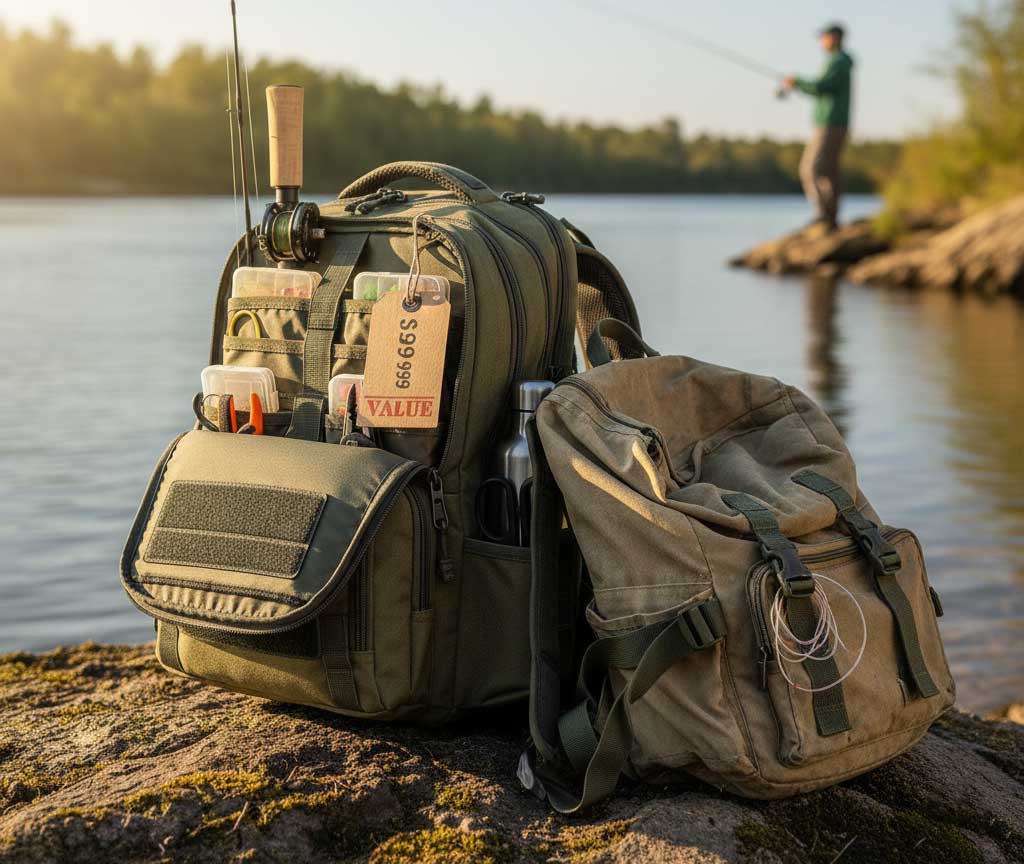
Value Assessment
You may ask if a fishing backpack is worth the money. Many anglers think about more than just the price. They look at how well the backpack works on each trip. Here’s how you can check value:
See if the backpack stays strong and keeps gear safe.
Look for smart storage and easy ways to organize.
Make sure the bag feels good, even when full.
Think about how much you spend over time, not just at first.
Pick a backpack that is simple to clean and care for.
Fishing backpacks that cost $150 to $250 give you the best mix of features and price. You get a bag that lasts, protects your gear, and makes fishing trips better.
Choosing a Fishing Backpack
Assessing Needs
Start by thinking about your fishing trips. Do you hike long distances or fish close to your car? If you walk far, you need a backpack that feels light and comfortable. For short walks, you can focus more on storage and organization. Your fishing style matters too. Fly anglers, bass chasers, and surf casters all need different features.
Here’s a quick checklist to help you decide:
Consider your fishing style and what gear you use most.
Look for enough compartments for tackle, rods, and tools.
Make sure the backpack has padded straps and adjustable parts.
Pick tough materials that handle rain, sun, and rough use.
Check for bonus features like built-in lights or removable coolers.
Don’t forget to count your tackle trays, list your must-have tools, and think about extras like first aid kits or rain gear.
Size & Compartments
The right size keeps you organized and ready. Too small, and you run out of space. Too big, and you carry extra weight. Here’s a table to help you match your needs:
Backpack Type
Capacity (Liters)
Best For
Downsides
Full-Size Fishing Backpacks
35-50
All-day trips, tournaments, lots of gear
Can get heavy, needs discipline
Sling Packs & Small Bags
10-20
Quick trips, shore fishing, light packing
Less storage, need to pack carefully
Count your tackle trays and tools before you buy. This helps you pick the right size.
Waterproofing Importance
The backpack allowed me to carry my camera equipment, dry clothing, food, and fly fishing gear while fishing. On one particular day, I got caught in a brutal downpour… the backpack kept all my gear high and dry.
Waterproof packs protect your gear from rain, splashes, and even dunking. If you fish in any weather, you need this feature. Your phone, snacks, and spare clothes stay safe and dry.
Comfort & Fit
Comfort makes a big difference on long days. Look for these features:
Try the backpack on if you can. Make sure it fits your torso and feels good when loaded.
Top Brands and Models
Here are some popular choices:
Brand/Model
Description
Key Features
Light Packer Fishing Backpack
Lightweight, easy to carry
Water-resistant, rod holder straps, organized
Medium Size Fishing Backpack
Great for surf fishing, smart pocket layout
Fits 3 tackle boxes, hydration pouch
KastKing Fishing Backpack
Holds rods and tackle, comfy for long trips
Water-resistant, padded back, rod storage
Take your time, think about your needs, and pick a backpack that makes every trip better.
Fishing backpacks are more comfortable than regular backpacks. They help you keep your gear neat and dry. These backpacks have cool features like rod holders and easy-to-reach pockets. Many people like the Simms Tailwind because it is light and keeps water out. The Orvis Bug Out is special because it has a smart design and a rod tube holder. If you fish a lot, these backpacks make your trips easier. Use the tips above and tell us your fishing backpack stories or questions below!
FAQ
What size fishing backpack should you get?
You should match your backpack size to your trip length. For day trips, 20-30 liters works well. For longer adventures, pick 35 liters or more. Always check if your tackle trays and gear fit inside.
Can you use a regular backpack for fishing?
You can, but you may struggle with wet gear and poor organization. Fishing backpacks give you waterproofing, special pockets, and comfort. These features make your trip smoother and more enjoyable.
How do you clean a fishing backpack?
Rinse your backpack with fresh water after each trip. Let it air dry. For tough stains, use mild soap and a soft brush. Avoid harsh chemicals. This keeps your backpack in good shape.
What features matter most in a fishing backpack?
Feature
Why It Matters
Waterproofing
Keeps gear dry
Compartments
Organizes tackle and tools
Comfort Straps
Reduces shoulder pain
Durable Fabric
Handles rough conditions
Pick a backpack with these features for the best experience.






Comments are closed