Specialized Cooler Bags for Outdoor Activities and Daily Life
When you choose a cooler bag, your activity matters, especially when considering cooler bag efficiency. You may use one to keep food warm or to store groceries. Some people carry medicine that must stay cool, highlighting the importance of cooler bag efficiency in medical and pharmaceutical transport. Many individuals utilize cooler bags at outdoor events, such as picnics or sports games, where cooler bag efficiency can enhance the experience. Some people opt for big cooler bags for catering, bringing food to large parties, which also emphasizes the need for effective cooler bag efficiency in corporate and event catering.
Think about what is most important for you. The right features help you pick the best cooler bag, ensuring its cooler bag efficiency works well for any situation.
Pick a cooler bag that matches your activity. You can use it for hiking, picnics, or going to school.
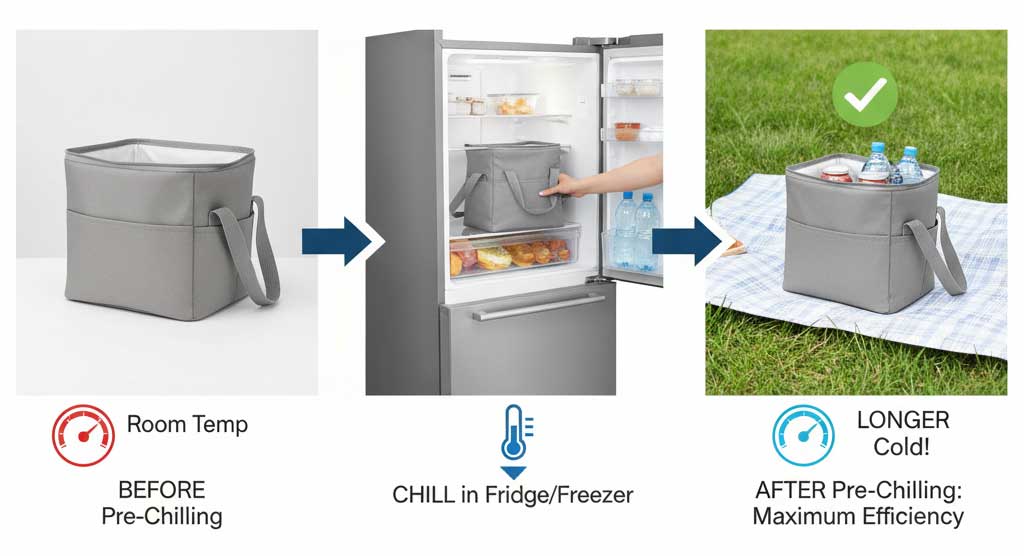
Chill your cooler bag and food before you pack them. This helps keep things cold and fresh for longer.
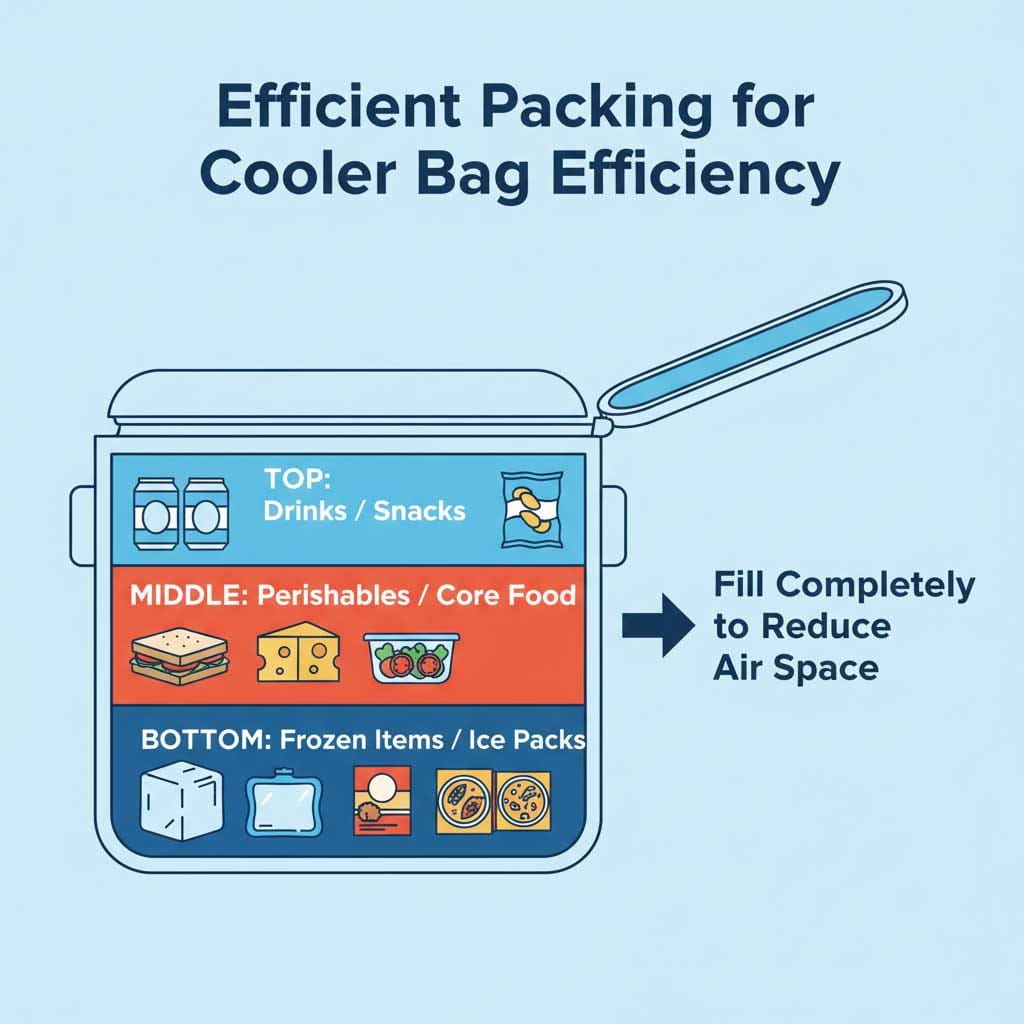
Pack your items in layers. Put frozen food at the bottom. Put foods that spoil in the middle. Put drinks on top. This keeps everything cool.
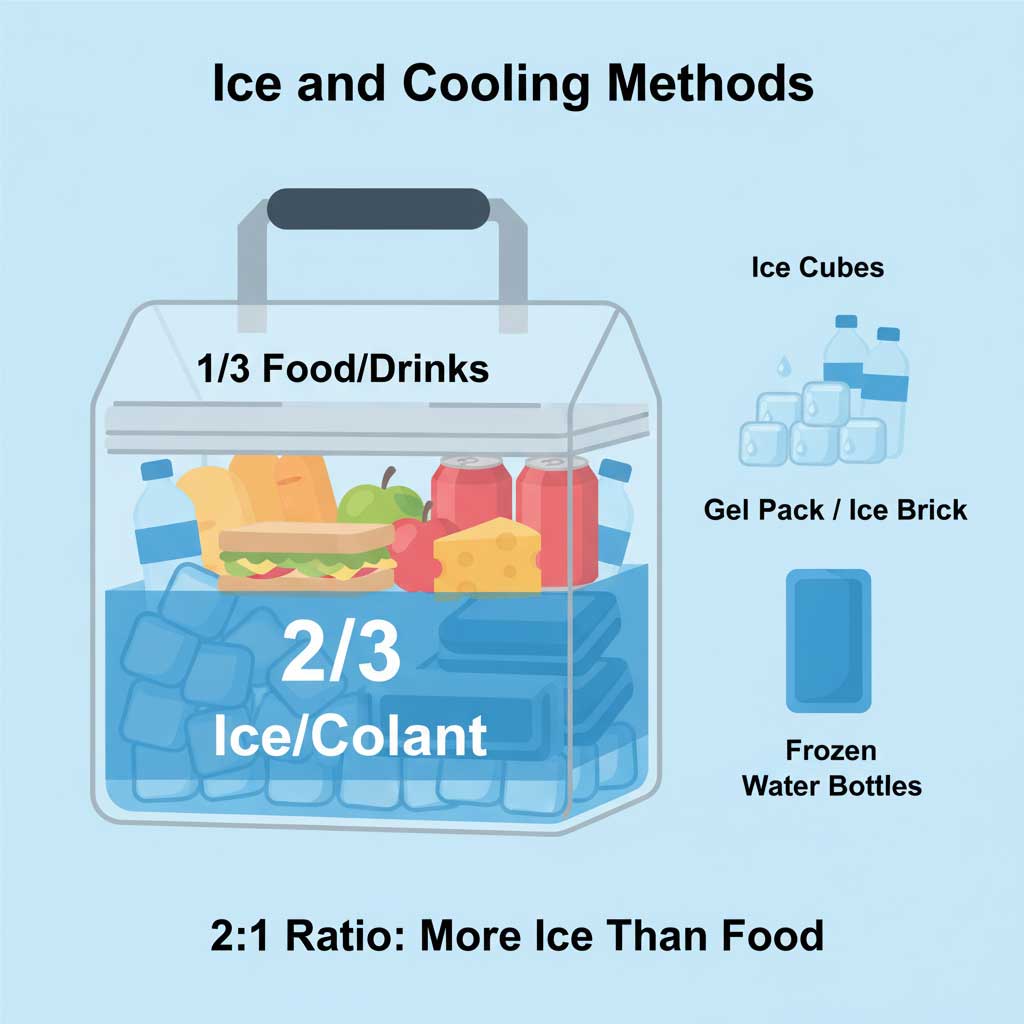
Use enough ice in your cooler bag. Try to use twice as much ice as food. This keeps food at a safe temperature.
Choose bags with thick insulation and tight seals. This helps keep things cold and stops leaks.
You can use cooling accessories like dividers and shiny covers. These help keep things organized and cold.
Clean your cooler bag often. Check it to make sure it works well and does not smell bad.
Do not put hot and cold items together in the same bag. This keeps food safe and helps things stay cool.
Choosing the Best Cooler Bag
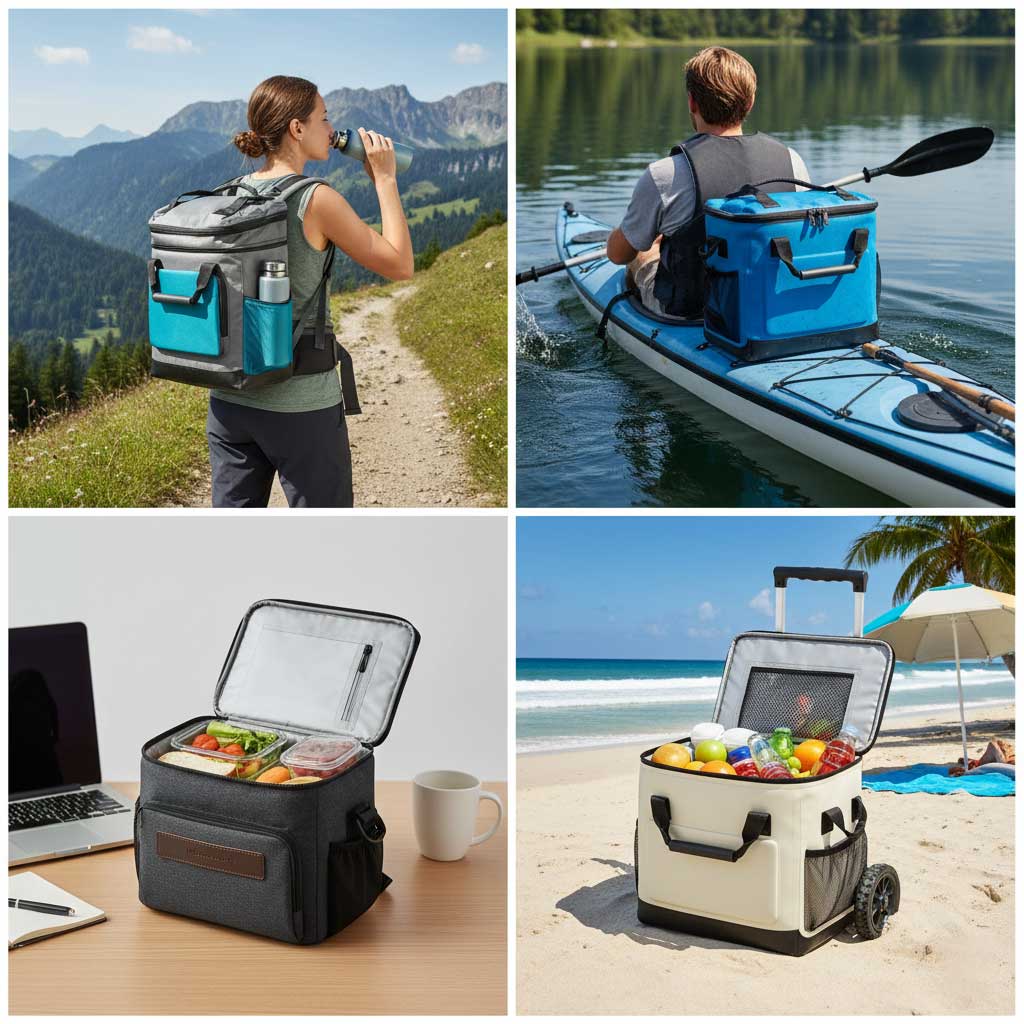
When you select a cooler bag, you need to match the type and features to your activity or daily routine. Cooler bags come in many styles, each designed for specific needs. Some bags work best for hiking, while others suit boating, golfing, or daily commuting. You can find options for picnics, fishing, grocery shopping, and even large events. Some bags focus on budget-friendly daily use, while others offer rugged designs for multi-day trips. The right choice helps you keep food and drinks fresh and safe, no matter where you go.
Bag Types by Activity
Backpack Coolers for Hiking
Backpack coolers let you carry food and drinks on your back. You can walk long distances or climb hills with ease. These bags often have padded straps and lightweight designs. You stay comfortable, even when the bag is full. Backpack coolers work well for hiking, camping, and outdoor adventures.
Boat Coolers for Water Use
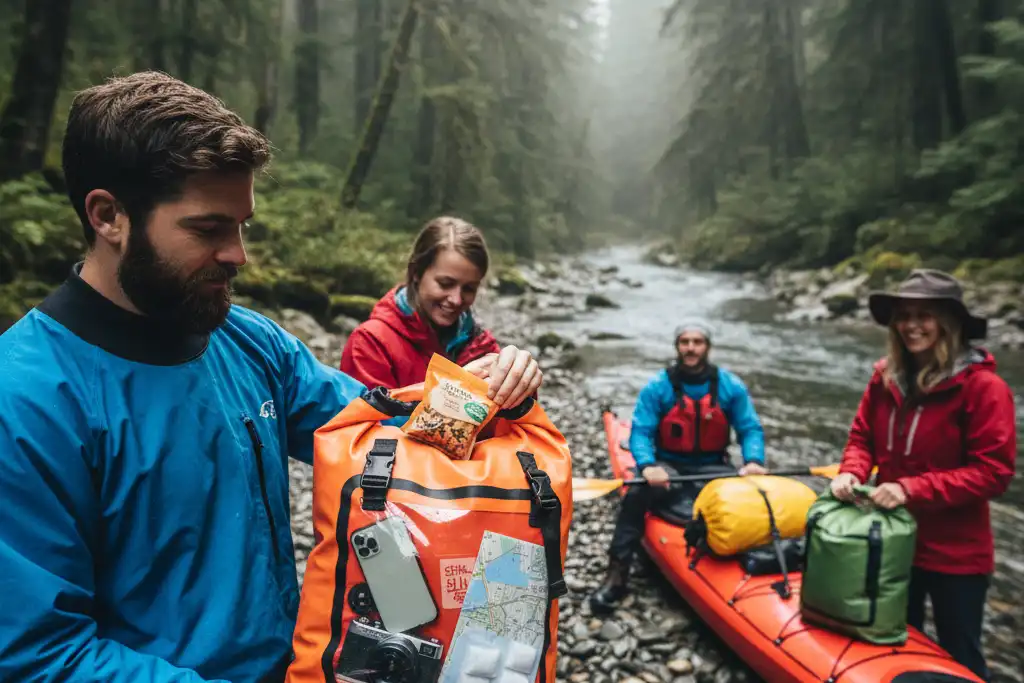
Boat coolers resist water and keep contents dry. You need a cooler with a waterproof lining and strong seals. These bags often float and have non-slip bases. You can use them for fishing, kayaking, or boating trips. They protect your food from splashes and rain.
Golf Coolers for the Course
Golf coolers fit inside golf carts or attach to your bag. You can keep drinks cold during a long round. These coolers are compact and easy to carry. Many have pockets for tees and scorecards. You stay refreshed on the course.
Beach Coolers for Outdoors
Beach coolers handle sand, sun, and water. You want a bag with thick insulation and a durable shell. Some have wheels for easy transport across sand. You can pack snacks, drinks, and even ice cream for a day at the beach.
Lunch Coolers for Work/School
Lunch coolers keep your meal fresh until lunchtime. You can choose from small, soft-sided bags or larger totes. Many have separate compartments for drinks and snacks. These bags fit easily in backpacks or lockers.
Travel Coolers for Commuting
Travel coolers help you bring food on the go. You can use them for road trips, flights, or daily commutes. These bags often have leak-proof liners and sturdy handles. You keep your meals safe and cool during travel.
Multi-Use Insulated Coolers
Multi-use coolers adapt to many situations. You can use them for picnics, sports events, or grocery shopping. These bags offer a balance of size, insulation, and portability. You get flexibility for different needs.
Tip: Choose a cooler bag that matches your main activity. This helps you get the best performance and cooler bag efficiency.
Key Features to Consider
When you pick a cooler bag, you need to look at several important features. These features affect how well the bag keeps items cold, how easy it is to carry, and how long it lasts.
Feature
Why It’s Essential for Camping
What to Look For
Thick Insulation
Keeps food safe and drinks cold for hours.
Multi-layer construction (Foam, PEVA).
Waterproof Liners
Prevents leaks from melted ice and rain.
Heat-sealed seams, PEVA or TPU lining.
Durable Exterior
Withstands scrapes, dirt, and rough handling.
Heavy-duty polyester or Oxford cloth.
Padded Straps
Makes carrying a heavy bag comfortable.
Adjustable shoulder straps, reinforced handles.
Smart Pockets
Keeps you organized and provides quick access.
External mesh and zippered pockets.
Insulation Thickness
Insulation thickness plays a big role in how long your cooler bag keeps things cold. Bags with thick, multi-layer insulation hold the cold for many hours. Closed-cell foam works best for durability and temperature control. If you choose a bag with 20% better insulation, you can expect your food and drinks to stay cold for one to two hours longer. This makes a big difference on hot days or long trips.
Size and Capacity
You need to think about how much space you need. Large cooler bags hold more, but thick insulation can reduce the usable space inside. For day trips, a bag with at least 25 liters of capacity works well. If you plan to carry food for a group, pick a bigger bag. For solo trips or daily use, a smaller bag is easier to carry.
Seals and Zippers
Good seals and zippers keep cold air in and warm air out. Look for bags with airtight zippers and strong closures. Waterproof zippers and heat-sealed seams stop leaks and protect your food from rain or melted ice. This helps maintain cooler bag efficiency.
Extra Features (Pockets, Straps, Liners)
Extra features make your cooler bag more useful. Padded straps and side handles help you carry heavy loads. Wheels make it easy to move large bags. Smart pockets keep your items organized and easy to reach. Waterproof liners prevent leaks and make cleaning simple.
Large insulated bags give you more space, but check the inside volume.
Durable materials like polyester, nylon, or canvas last longer.
PEVA linings stop leaks and help with cleaning.
Backpack coolers are lighter and easier to carry over rough ground.
Features like padded straps, handles, and wheels make transport easier.
Note: Always match the bag’s features to your activity. This ensures you get the best results and enjoy your time outdoors or at work.
Cooler Bag Insulation Science
Knowing how cooler bags keep things cold helps you pick the right one. The science of insulation shows how each part works together to protect your food and drinks.
Layered Construction
Cooler bags have many layers to stop heat and keep cold air inside. Each layer does something important.
Outer Shell
The outer shell keeps the bag safe from water and damage. Most cooler bags use strong materials like polyester or nylon. These fabrics do not tear easily and keep water out. This helps your bag last longer and stay dry.
Material Type
Characteristics
600–1680D Polyester
Very tough, keeps water out with PU coating
Nylon
Strong and good for outdoor use
PU Coating
Makes the bag water-resistant but still flexible
Foam Insulation
Foam insulation is between the outer shell and the inside lining. This layer holds air, which slows down heat from getting in. Air does not move heat well, so your food stays cold longer. Good foam keeps things cold for many hours.
Material Type
Characteristics
High-Denier Fabric
Makes cooler bags strong and long-lasting
Advanced Foam
Keeps the inside cold by blocking heat
Heat-Reflective Lining
The inside lining often uses shiny materials like aluminum foil. This layer bounces heat away from your food and drinks. It keeps cold air in and stops heat from coming inside.
Foam blocks heat by holding air inside.
Shiny linings push heat away from your food.
Tight construction keeps warm air out and cold air in.
Airtight Seals
Airtight seals are very important for keeping your cooler bag cold. Strong zippers and roll-top closures make a tight seal. These parts keep cold air inside and stop warm air from getting in.
Airtight seals keep warm air out of the bag.
They hold cold air inside, so food stays cold.
Zippers and roll-tops help make the bag airtight.
Insulation and Cooling Duration
The kind of insulation and seal changes how long your bag stays cold. You can see how long different bags keep things cool in different places.
Environment Temperature
Basic Cooler Bag
Premium Insulated Cooler
High-End Cooler Box
15–20℃ (mild indoor)
4–6 hrs
12–20 hrs
24–48 hrs
25℃ (room temperature)
2–4 hrs
8–12 hrs
24–36 hrs
30℃+ (hot outdoor)
1–2 hrs
4–6 hrs
12–24 hrs
Thicker insulation and better seals make cooling last longer. You get better cooler bag efficiency with advanced foam and airtight seals. Your food and drinks stay safe, even when it is hot outside.
Pre-Chilling for Cooler Bag Efficiency
Why Pre-Chill Matters
You can boost the cooling power of your bag by pre-chilling it before packing. When you start with a cold bag, you help keep food and drinks colder for longer. If your cooler bag sits in a hot car or garage, it absorbs heat. Packing cold items into a warm bag makes ice melt faster. Pre-chilling lowers the starting temperature inside the bag. This step is especially important when you plan to spend time outdoors in high temperatures. You can keep your snacks and drinks safe and fresh, even on the hottest days.
Tip: Always chill your cooler bag overnight or for several hours before use. This simple step helps maintain a lower internal temperature and improves cooling performance.
Pre-Chilling Methods
You have several ways to pre-chill your cooler bag. Some methods work better than others, according to laboratory tests.
Ice Packs and Gel Packs
Ice packs and gel packs are easy to use. You place them in the freezer, then put them in your cooler bag. They help lower the temperature inside the bag. However, tests show that ice packs do not cool as well as bagged ice or frozen water bottles. Ice packs may keep items cold for 11 to 27 hours, but they often provide less cooling than wet ice.
Method
Effectiveness in Maintaining Temperature
Bagged Ice
More effective than cold packs
Frozen Water Bottles
Comparable to bagged ice
Cold Packs
Less effective, insufficient cooling
Freezing the Bag
You can place your empty cooler bag in the freezer for several hours. This method chills the bag itself. When you pack cold food and drinks, the bag does not add heat. Freezing the bag works best for soft-sided coolers that fit in your freezer. If you cannot freeze the whole bag, fill it with ice or frozen water bottles overnight.
Quick Ice Cube Method
If you need to chill your bag fast, use ice cubes. Fill the bag with ice cubes and let them sit for 30 minutes to an hour. Pour out the ice and water before packing your food. Wet ice works well for transporting samples and keeping items cold. Avoid using only ice packs, as they may not maintain adequate cooling.
Cooling Method
Cold Time Range (hours)
Cold Packs
11.1 to 27.4
Frozen Water Bottles
Comparable to median of cold packs
Pre-Chilling Contents
You can improve cooler bag efficiency by pre-chilling the items you plan to pack. Place drinks, snacks, and meals in the refrigerator or freezer before loading them into the bag. Cold food and drinks help keep the temperature low inside the cooler. If you pack warm items, they raise the temperature and melt ice faster.
Always pre-chill your cooler by filling it with ice overnight or for a full day.
Keep ice and melt water in the cooler for 24 hours to condition it for long-term cold.
Pre-chilling is crucial for keeping items cool in hot environments, especially above 100°F.
Larger cooler bags tend to stay cold longer than smaller ones.
Note: The starting temperature of your cooler bag affects how much ice you need. If your bag feels warm, add extra ice or frozen water bottles to keep everything cold.
Ice and Cooling Methods
Block Ice vs. Cubes
You have two main choices for keeping your cooler bag cold: block ice and ice cubes. Each type has its own strengths and weaknesses. The table below helps you compare them:
Ice Type
Advantages
Disadvantages
Block Ice
Longevity and slower melting rate
Limited availability and convenience drawbacks
Suitable for large-scale events and industrial use
Handling and transporting can be challenging
Ice Cubes
Convenience and easy availability
Faster melting rate and limited cooling capacity
Suitable for individual drinks and home use
Less effective for keeping larger quantities cool
Block ice melts slowly, so it keeps your food and drinks cold for a longer time. You might find it harder to get or carry block ice, especially if you need to fit it into a small cooler bag. Ice cubes are easy to find and use. They work well for short trips or when you want to chill drinks quickly. However, they melt faster and may not keep large amounts of food cold for long.
Tip: For long outdoor trips, use block ice if you can. For quick outings or single drinks, ice cubes work best.
Gel and Reusable Packs
Gel and reusable ice packs give you another way to keep things cold. Traditional ice cools items quickly at first because it melts and absorbs heat. This process can get messy as the ice turns to water. Gel-based ice packs, on the other hand, keep a steady cold temperature for a longer time. They do not make a mess because they do not melt into water. You can use gel packs for trips where you need to keep food cold for many hours. They also help you avoid soggy food and wet cooler bags. Many people like gel packs for school lunches, work meals, or long car rides.
Dry Ice Safety
Dry ice can keep your cooler bag very cold, but you must use it safely. Dry ice is much colder than regular ice and turns into gas as it warms up. Follow these safety steps when using dry ice:
Ensure Proper Ventilation: Always use a cooler bag with vents or one that lets gas escape. If your bag does not have vents, make small holes to let the gas out.
Wrap the Dry Ice: Use newspaper, cardboard, or a towel to wrap the dry ice. This protects your cooler bag and keeps the dry ice from touching your food directly.
Use Insulated Coolers: Pick a cooler bag that can handle dry ice. Some bags are not made for such low temperatures.
Don’t Overfill the Cooler: Leave space for gas to escape. Too much dry ice or not enough space can cause pressure to build up.
Note: Always handle dry ice with gloves. Never touch it with your bare hands.
Choosing the right cooling method helps you improve cooler bag efficiency. You can keep your food safe and cold, no matter where your adventure takes you.
Cooling Accessories
You can boost your cooler bag’s performance with the right accessories. These tools help you keep food and drinks colder for longer. They also make packing and organizing much easier. Here are some popular cooling accessories you might want to try:
1. Cooling Inserts and Divider Panels
Cooling inserts are special panels or packs that fit inside your cooler bag. You freeze them before use. When you place them between layers of food, they keep everything cold and separated. Divider panels help you organize your bag. You can keep drinks on one side and snacks on the other. This setup stops items from shifting and helps cold air move around.
2. Thermometers
A thermometer lets you check the temperature inside your cooler bag. You can use a digital or stick-on thermometer. This tool helps you make sure your food stays safe. If the temperature rises above 40°F (4°C), you know it is time to add more ice or cooling packs.
Tip: Always keep your cooler bag below 40°F (4°C) to prevent food spoilage.
3. Reflective Covers and Sleeves
Reflective covers bounce sunlight away from your cooler bag. You can use these covers when you are outdoors. They help keep the inside of your bag cool, even on hot days. Some sleeves fit over bottles or cans. These sleeves keep your drinks cold for longer.
4. Insulated Bottle Holders
Insulated bottle holders fit inside your cooler bag or attach to the outside. You can use them to keep water or juice cold. These holders work well for hiking, sports, or school lunches.
5. Ice Mats and Flexible Sheets
Ice mats are thin, flexible sheets filled with gel. You freeze them and lay them flat in your cooler bag. They cover more surface area than regular ice packs. You can wrap them around food containers or line the bottom of your bag.
Accessory Type
Main Benefit
Best Use Case
Cooling Inserts
Even cooling, easy to pack
Layering food/drinks
Divider Panels
Organization, prevents shifting
Group trips, picnics
Thermometers
Safety, temperature monitoring
Perishables, long trips
Reflective Covers
Sun protection, longer cooling
Beach, outdoor events
Ice Mats
Flexible, covers more area
Lunches, snacks
6. Extra Ice Packs
You can never have too many ice packs. Keep a few extra in your freezer. Swap them out during long trips. This way, you always have a backup if one melts.
Note: Choose accessories that fit your cooler bag’s size and your activity. The right tools help you get the most out of your cooler bag.
With these accessories, you can keep your food and drinks colder, safer, and more organized. Try different options to see what works best for your needs.
Packing for Cooler Bag Efficiency
Packing your cooler bag the right way helps you keep food and drinks cold for longer. You can use smart packing methods to get the most out of your cooler bag. When you organize items well, you improve cooler bag efficiency and keep everything safe to eat.
Layering Items
You should always think about how you place items inside your cooler bag. Layering helps you control the temperature and makes it easier to find what you need.
Frozen Items Bottom
Start by placing frozen items or ice packs at the bottom of your cooler bag. Cold air sinks, so the bottom layer stays the coldest. Frozen foods, ice packs, or block ice work best here. This layer acts as the main cooling source for everything above it.
Perishables Middle
Next, put perishable foods like meats, dairy, and salads in the middle layer. These foods need to stay cold to prevent spoilage. The middle layer gets cooled from both the frozen items below and the ice packs above. You protect your most sensitive foods by keeping them away from warm air that enters when you open the bag.
Drinks Top
Place drinks, snacks, and items you reach for often on top. This way, you can grab a drink or snack without digging through the whole bag. You keep the cold air trapped below and avoid warming up the rest of your food.
Tip: Always pack your cooler bag in this order:
Frozen items or ice packs at the bottom
Perishable foods in the middle
Drinks and snacks on top
This method helps you keep everything at the right temperature and makes your trip easier.
Ice Packs Between Layers
You can boost cooling by adding ice packs or gel packs between each layer. Place a thin ice pack above the frozen items and another above the perishables. This setup creates cold barriers that slow down warming. You keep each section colder for longer. If you use block ice, try to fit smaller ice packs around the sides of your bag. This surrounds your food with cold and improves cooler bag efficiency.
Use flat ice packs for even cooling.
Place gel packs between food containers to fill gaps.
Add extra packs if you plan to open the bag often.
Minimize Air Gaps
Air gaps let warm air move around inside your cooler bag. You want to fill empty spaces to keep the cold in. Pack items close together, but do not crush soft foods. If you have extra space, use small towels, napkins, or extra ice packs to fill the gaps. Less air inside means less heat can get in.
Stack containers tightly.
Use soft items to fill corners.
Avoid leaving large empty spots.
Note: A full cooler bag stays cold longer than one with lots of empty space.
Packing your cooler bag with these steps helps you keep food safe and drinks cold. You get better results every time you head outdoors or pack lunch for work.
Ice-to-Content Ratio
You need to balance ice and food inside your cooler bag to keep everything cold and safe. The ice-to-content ratio tells you how much ice you should use compared to your food and drinks. If you use too little ice, your items will warm up quickly. If you use too much ice, you will not have enough space for your food.
Experts recommend a simple rule for the best cooling results:
Use two-thirds ice and one-third consumables in your cooler bag.
This ratio helps you keep your food at a safe temperature for longer. When you fill most of the bag with ice, you create a cold environment that surrounds your food and drinks. The ice absorbs heat every time you open the bag. You slow down melting and keep everything fresh.
Tip: Pack your cooler bag so that ice fills most of the space. Place your food and drinks close together in the remaining space. This setup works best for picnics, camping, and long trips.
You can use different types of ice, such as block ice, ice cubes, or gel packs. Block ice melts slower and lasts longer. Ice cubes fill gaps and cool items quickly. Gel packs do not make a mess and fit around containers.
Try to avoid leaving empty spaces in your cooler bag. Air warms up faster than ice. If you have extra room, add more ice packs or fill the gaps with small towels.
Ice Type
Best Use
Melting Speed
Block Ice
Long trips, big bags
Slow
Ice Cubes
Quick cooling, drinks
Fast
Gel Packs
Lunches, no mess
Medium
Note: Always check the temperature inside your cooler bag. Keep it below 40°F (4°C) to prevent food spoilage.
When you follow the two-thirds ice to one-third content rule, you get the best cooling performance. Your food stays safe, and your drinks stay cold, even on hot days.
Extending Cooling Time
Cooling Inserts and Dividers
You can make your cooler bag work better by using cooling inserts and dividers. These tools help you keep food cold for longer and keep everything organized. Cooling inserts are special packs that you freeze before use. When you place them in your cooler bag, they keep food cold for up to five days if you freeze them well. You do not have to worry about melted ice mixing with your food. This keeps your sandwiches, snacks, and fruit dry and fresh.
Dividers help you separate different types of food and drinks. Some dividers protect wine bottles or keep fragile items safe. Leakproof designs stop spills and keep your cooler bag clean. You can also find inserts that force air and water to move around, just like a fridge. This helps keep the temperature even inside the bag.
Here is a table that shows the main features of cooling inserts and dividers:
Feature
Description
Ice lasts for days
Keeps food cold for up to 5 days when the Insert is frozen.
Prevents sogginess
Guarantees no melted ice mixes with food.
Organization
Keeps cooler clean and organized.
Natural circulation
Forces air and water to circulate, mimicking a fridge.
You can also look for these helpful features:
Dividers that protect wine bottles.
Leakproof designs that prevent spills while you travel.
When you use cooling inserts and dividers, you improve cooler bag efficiency and make your trips easier.
Insulated Covers
Insulated covers add another layer of protection to your cooler bag. These covers trap cold air inside and block heat from the outside. You can use insulated covers when you spend time outdoors or travel in hot weather. They help keep your food and drinks cold for many hours. Some covers fit tightly over your cooler bag, while others wrap around the whole bag. You can find covers made from thick, padded materials that work well for camping, picnics, or sports events.
Insulated covers also protect your cooler bag from dirt and scratches. You can clean them easily after each trip. If you want to keep your cooler bag cold for as long as possible, try using an insulated cover every time you go out.
Reflective Sleeves
Reflective sleeves help you fight the sun’s heat. These sleeves bounce sunlight away from your cooler bag. You can slip them over bottles, cans, or even the whole bag. Reflective sleeves work best when you spend time at the beach, park, or any sunny place. They keep drinks colder and stop the bag from getting too warm.
You can use reflective sleeves with insulated covers for extra protection. This combination helps you keep food and drinks safe, even on the hottest days. Reflective sleeves are light and easy to pack, so you can bring them on any trip.
Keep Closed and Shaded
You can make your cooler bag work better by keeping it closed and shaded. Every time you open the bag, warm air rushes in and cold air escapes. This makes the inside temperature rise quickly. Try to plan ahead so you only open the bag when you really need something. If you pack snacks and drinks on top, you can grab them fast and close the bag right away.
Placing your cooler bag in the shade helps a lot. Direct sunlight heats up the outside of the bag and makes the inside warmer. You can use a tree, a tent, or even an umbrella to block the sun. Some people use a towel or a blanket to cover the bag. This simple step keeps the bag cooler for much longer.
Tip: Always look for a shady spot before you set down your cooler bag. If you cannot find natural shade, make your own with a sunshade or umbrella.
Here are some ways to keep your cooler bag closed and shaded:
Keep the zipper or lid tightly shut after each use.
Store the bag under a tree, picnic table, or canopy.
Use a sunshade, tent, or umbrella to block direct sunlight.
Cover the bag with a light-colored towel or blanket to reflect heat.
Limit how often you open the bag to keep cold air inside.
You help your cooler bag maintain a lower temperature when you reduce sun exposure and keep it closed. This means your food and drinks stay cold and safe for a longer time.
Avoid Hot Surfaces
Where you place your cooler bag matters. Hot surfaces like asphalt, concrete, or metal can transfer heat into the bag. This makes the inside warm up faster. You should always set your cooler bag on grass, dirt, or a wooden surface if possible. These surfaces do not get as hot as pavement or car trunks.
If you must put your cooler bag on a hard surface, try to use a barrier. You can place a towel, mat, or even a piece of cardboard under the bag. This extra layer helps block heat from moving up into the cooler.
Note: Never leave your cooler bag in a parked car or on a sun-baked driveway. The temperature inside a car can rise very quickly, even on a mild day.
You can use these simple steps to avoid hot surfaces:
Choose a grassy or shaded spot for your cooler bag.
Place a towel or mat under the bag if you use a hard surface.
Keep the bag off metal benches or car hoods.
Move the bag if the ground feels hot to the touch.
By keeping your cooler bag off hot surfaces, you help it stay cold inside. Your food and drinks will stay fresh and safe, even on the hottest days.
Cooler Bag Maintenance
Cleaning Tips
You keep your cooler bag fresh and safe by cleaning it after every use. Regular cleaning stops odors and bacteria from building up. Start by emptying the bag and shaking out crumbs or debris. Wipe the inside with a damp cloth and mild soap. For deeper cleaning, use disinfecting wipes or a diluted bleach solution. Mix one tablespoon of bleach with one gallon of water for a safe cleaning mix.
Sprinkle baking soda inside the bag and let it sit for several hours. Baking soda absorbs bad smells naturally.
After washing, dry the bag with a clean towel. This step removes extra moisture and helps prevent mold.
Always let your cooler bag dry completely before storing it. Leave the zipper slightly open to allow air to flow inside.
Tip: Never store your cooler bag while it is damp. Mold and mildew grow quickly in closed, wet spaces.
Inspect for Damage
You should check your cooler bag for damage on a regular basis. Look at the insulation layer, outer casing, zippers, and seams. Watch for signs of wear, tears, or punctures. These problems can let warm air in and cold air out, making your bag less effective.
Check for condensation inside the bag. If you see moisture, the seal may not work well.
Fix small rips or holes right away. Quick repairs help your cooler bag last longer and keep your food safe.
Note: A well-maintained cooler bag keeps your food cold and prevents leaks.
Storage Best Practices
Proper storage helps your cooler bag last longer and work better. Always store your bag in a cool, dry place. Make sure it is completely dry before putting it away. Keep the zipper slightly open to let air move inside.
Store the bag upright or hang it if possible. This keeps the shape and protects the insulation.
Avoid placing heavy items on top of your cooler bag. Pressure can flatten the insulation and reduce its cooling power.
Use a breathable storage bag or pillowcase to cover your cooler bag. This keeps dust away but allows air to circulate.
Tip: Good storage habits protect the insulation and keep your cooler bag ready for your next adventure.
By following these steps, you keep your cooler bag clean, strong, and efficient. Regular care means your bag will always be ready to keep your food and drinks cold.
Preserve Insulation
You want your cooler bag to keep things cold every time you use it. The insulation inside the bag does most of the work. If you take care of the insulation, your cooler bag will last longer and perform better.
Why Insulation Matters
Insulation traps cold air and blocks heat. If the insulation gets damaged, your bag will not keep food and drinks cold. You need to protect this layer to get the best results.
How to Protect Cooler Bag Insulation
Avoid Crushing the Bag: Heavy objects can flatten the insulation. When you store your cooler bag, keep it upright or hang it on a hook. Do not stack other items on top. This helps the insulation keep its shape.
Keep the Bag Dry: Water can break down insulation materials over time. After each use, dry the inside and outside of your bag. If the insulation gets wet, let it air out completely before storing.
Clean Gently: Use soft cloths and mild soap when you clean your cooler bag. Harsh chemicals or rough scrubbing can damage the insulation. Avoid soaking the bag in water.
Watch for Punctures: Sharp objects can poke holes in the insulation. Pack knives, forks, or skewers in protective cases. Check the inside of your bag for any sharp edges before you close it.
Store in a Cool Place: High heat can weaken insulation. Store your cooler bag in a cool, dry spot. Avoid leaving it in a hot car or near heaters.
Tip: If you notice the bag does not keep things cold as long as before, check the insulation for damage or flattening.
Signs of Insulation Problems
Sign
What It Means
What You Should Do
Bag feels thin
Insulation may be crushed
Store upright, avoid weight
Cold escapes fast
Insulation could be damaged
Inspect for holes or tears
Wet or musty smell
Insulation may be wet or moldy
Dry bag fully, clean gently
Extra Steps for Long-Lasting Insulation
Rotate your cooler bag if you use it often. This gives the insulation time to recover its shape.
Use a liner or tray inside the bag to protect the insulation from spills.
Never use your cooler bag for hot items unless the bag is made for both hot and cold. High heat can break down insulation.
You can keep your cooler bag working like new if you follow these steps. Good insulation means cold drinks, fresh food, and safe storage every time you head out.
Common Cooler Bag Mistakes
Overloading
You might think that packing your cooler bag to the brim helps you carry more food and drinks. In reality, overloading your cooler bag can reduce its cooling power. When you stuff too many items inside, you leave little room for ice or cold packs. Cold air cannot move around your food, so some items may warm up faster than others. Overloading also puts stress on zippers and seams, which can lead to damage or leaks.
If you use inappropriate packaging, such as thin plastic bags or containers that do not insulate well, you risk uneven temperatures. Some foods may spoil while others stay cold. You want to use containers that help keep the cold in and the heat out.
Tip: Leave enough space for ice packs and air circulation. Use sturdy, insulated containers for best results.
Not Enough Ice
You need the right amount of ice or cold packs to keep your cooler bag cold. If you use too little ice, your food and drinks will not stay at a safe temperature. Warm spots can develop, especially if you open the bag often. Misusing coolants can also cause problems. Too much ice can freeze delicate foods, while too little can let items get too warm.
A good rule is to fill about two-thirds of your cooler bag with ice or cold packs. This ratio helps keep everything cold for longer. If you plan a long trip or expect hot weather, add extra ice packs. Always check that your ice packs are fully frozen before you pack them.
Mistake
Impact on Cooling Efficiency
Misusing coolants
Too much can freeze products; too little can cause temperature excursions.
Note: Always check the temperature inside your cooler bag. Keep it below 40°F (4°C) to prevent food spoilage.
Wrong Size Bag
Choosing the wrong size cooler bag can make your trip harder. If your bag is too small, you cannot fit enough food, drinks, or ice. You may end up overloading it, which reduces cooling efficiency. If your bag is too large for your needs, you create empty spaces. These air gaps let warm air move around, making it harder to keep things cold.
Inconsistent packing procedures, like using a bag that does not match your needs, can lead to temperature failures. You might lose food or drinks because they warm up too quickly. You want to match the size of your cooler bag to your activity. For a short outing, use a small bag packed full. For a group trip, choose a larger bag and fill it with enough ice and supplies.
Tip: Pick a cooler bag that fits your needs. Fill it as much as possible, leaving just enough space for ice packs and air to circulate.
By avoiding these common mistakes, you help your cooler bag work better. You keep your food safe, your drinks cold, and your outdoor adventures more enjoyable.
Mixing Hot and Cold
You might think you can save space by packing both hot and cold items in your cooler bag. This mistake can ruin your food and lower your cooler bag’s efficiency. When you mix hot and cold foods, you create temperature swings inside the bag. The cold items warm up, and the hot items cool down. This change can make your food unsafe to eat.
When you put hot leftovers next to cold drinks, the heat from the hot food spreads. The ice or cold packs melt faster. Your cold foods may reach unsafe temperatures. Bacteria can grow quickly in foods that are not kept cold enough. You risk food poisoning if you eat these items.
Here are some problems you may face when you mix hot and cold in your cooler bag:
Problem
What Happens
Why It Matters
Ice melts faster
Hot items raise the temperature
Cold food spoils sooner
Food safety risk
Bacteria grow in warm spots
You could get sick
Drinks lose chill
Heat spreads to cold drinks
Drinks taste warm
Hot food cools too fast
Loses heat to cold items
Food may not stay enjoyable
Tip: Always separate hot and cold foods. Use different bags or containers for each.
If you need to carry both hot and cold items, try these steps:
Use two cooler bags: one for hot, one for cold.
Choose insulated containers for hot foods. These keep heat in and stop it from spreading.
Place a barrier, like a thick towel, between hot and cold items if you must use one bag.
Pack hot foods last and keep them wrapped tightly.
You can also use thermal flasks or food jars for soups and stews. These containers keep food hot for hours and prevent heat from escaping into the cooler bag.
Note: The USDA recommends keeping cold foods below 40°F (4°C) and hot foods above 140°F (60°C). Mixing hot and cold makes it hard to stay in these safe zones.
You protect your health and keep your food fresh when you avoid mixing hot and cold items. Always plan ahead and use the right containers. This simple step helps you get the best results from your cooler bag.
Quick Tips by Scenario
Outdoor Activities
You want your cooler bag to perform well when you spend time outside. Here are some quick tips to help you:
Pack your cooler bag with frozen water bottles. These keep food cold and give you cold drinks later.
Place your bag in the shade. Sunlight heats up the outside and melts ice faster.
Use block ice for longer trips. Block ice melts slower than cubes.
Keep the bag closed as much as possible. Every time you open it, warm air gets inside.
Carry extra ice packs if you plan to be out all day.
Tip: Always check the temperature inside your cooler bag. Food stays safe below 40°F (4°C).
Daily Use
You use a cooler bag for work, school, or errands. These tips help you keep food fresh every day:
Pre-chill your bag and your food before packing. Cold items stay cold longer.
Use gel packs for lunches. Gel packs do not leak and fit around containers.
Pack your bag full. A full bag keeps cold air trapped inside.
Clean your bag every night. Wipe spills and dry it to stop odors.
Store your cooler bag in a cool place when not in use.
Daily Use Tip
Why It Helps
Pre-chill contents
Keeps food colder longer
Use gel packs
No mess, easy to reuse
Fill the bag
Less air, better cooling
Clean after use
Stops smells and bacteria
Customizing for Needs
You can adjust your cooler bag setup for different needs. Try these ideas:
Add divider panels to separate snacks from drinks.
Use small containers for sauces or dips. This keeps food dry and organized.
Choose a bag with extra pockets for utensils or napkins.
Pick a cooler bag size that matches your trip. Small bags work for short outings. Large bags fit group events.
Try reflective sleeves for bottles if you spend time in the sun.
You improve cooler bag efficiency when you match your packing style to your activity. Small changes make a big difference in how long your food and drinks stay cold.
You can get the most from your cooler bag by following a few simple steps:
Choose a cooler bag that matches your activity and load size.
Pre-chill your food and drinks before packing.
Organize your items in small containers for easy access and safety.
You can use cooler bags for picnics, grocery shopping, or outdoor adventures. Remember to check insulation, pack efficiently, and clean your bag often. These habits help you keep food fresh and drinks cold every time.
FAQ
How long can a cooler bag keep food cold?
Most cooler bags keep food cold for 4 to 12 hours. You get better results with thick insulation, pre-chilled contents, and enough ice packs. Always check the temperature inside your bag to keep food safe.
Can I put my cooler bag in the washing machine?
You should not put most cooler bags in the washing machine. Hand wash with mild soap and water. Wipe the inside and outside, then let the bag air dry completely.
What is the best way to pack a cooler bag?
Pack frozen items at the bottom, perishables in the middle, and drinks on top. Fill gaps with ice packs or towels. Keep the bag full for better cooling.
Are cooler bags safe for carrying medicine?
Yes, you can use cooler bags for medicine. Use extra ice packs and a thermometer to monitor the temperature. Always keep medicine below the recommended temperature for safety.
Can I use dry ice in any cooler bag?
No, not all cooler bags work with dry ice. Only use bags rated for dry ice. Always handle dry ice with gloves and allow gas to escape safely.
How do I stop my cooler bag from smelling?
Clean your bag after each use. Sprinkle baking soda inside and let it sit overnight. Air out the bag before storing it.
Do cooler bags work for hot food?
Some cooler bags keep food warm for a few hours. Use insulated containers for best results. Do not mix hot and cold items in the same bag.
What size cooler bag should I choose?
Pick a size based on your activity. Small bags work for lunch or short trips. Large bags fit group outings or long days. Always fill the bag as much as possible for better cooling.







Comments are closed