How Neoprene Affects Skin Health in Wetsuits and Braces
You might wonder about neoprene safety for skin when wearing wetsuits, workout clothes, or medical braces. Some individuals experience skin issues with neoprene items. The primary concerns include:
Allergic contact dermatitis, which causes your skin to itch, swell, or break out.
Miliaria rubra, which results in tiny red bumps and a burning sensation.
To enhance neoprene safety for skin, you can reduce your risk by regularly checking your skin and keeping your gear clean.
Neoprene is safe for skin and does not cause allergies. Most people can use it without problems. Check your skin often for any redness or itching when you wear neoprene. Clean your neoprene gear to stop sweat and germs from causing skin problems. Try a patch test to see if you are allergic to neoprene before using it for a long time. Pick neoprene products that say hypoallergenic and latex-free for safer skin. If your skin gets red or itchy, take off the neoprene right away. See a doctor if your skin does not get better. Neoprene helps keep your skin dry and comfy when you are active. If your skin is sensitive, choose neoprene made for comfort and less irritation.
Neoprene Safety for Skin
General Safety
You might ask if neoprene is safe for your skin. People wear it in wetsuits, braces, or workout gear. Doctors check if someone is sensitive before they suggest neoprene for long use. Some people have rubber allergies. They can get skin problems like allergic contact dermatitis after using neoprene. Most people do not have issues because neoprene is hypoallergenic and latex-free. Companies make neoprene to lower the chance of skin irritation. Rarely, skin reactions can still happen. Patch testing helps doctors find out if you react to chemicals in neoprene, such as dialkylthiourea and diethylthiourea. These tests show neoprene safety for skin is high for most people. You should watch for redness or itching.
Comfort in Wear
Neoprene feels nice on your skin because of its special design. Spacer fabric in neoprene moves moisture away from your skin. This keeps you dry and stops sweat from building up. The three-dimensional shape of spacer fabric lets air move around. This helps control heat and moisture. Perforated neoprene and spacer fabric work together. They keep your body temperature steady and make neoprene last longer. If your skin is sensitive, neoprene feels smoother and less sticky than natural rubber. Neoprene does not soak up sweat fast, so it stays comfy for longer. When companies cover neoprene with nylon or polyester, it breathes better and is good for long wear. Chloroprene gloves and similar items also feel good and are gentle on skin. This makes neoprene a smart choice for people with sensitive skin.
Tip: If you have a latex allergy, neoprene is safer. It does not have latex proteins that cause reactions.
Popular Uses
Neoprene is in many things that touch your skin every day. You see it in sports supports, medical braces, and warm materials. The table below shows some common uses:
Product Type
Description
Athletic Supports
Neoprene bends easily and works well for braces. It gives support and lets you move.
Medical Applications
Used in braces and splints because it can be cleaned and fights bacteria.
Insulating Material
Holds heat to help healing and improves blood flow for injuries.
You also find neoprene in casts and splints for hurt arms or legs. It bends and lasts a long time, so it is used in sports and medicine. Neoprene safety for skin is a reason doctors and trainers pick these products for healing and support. Neoprene is hypoallergenic and fights bacteria, so it helps protect your skin when you use it.
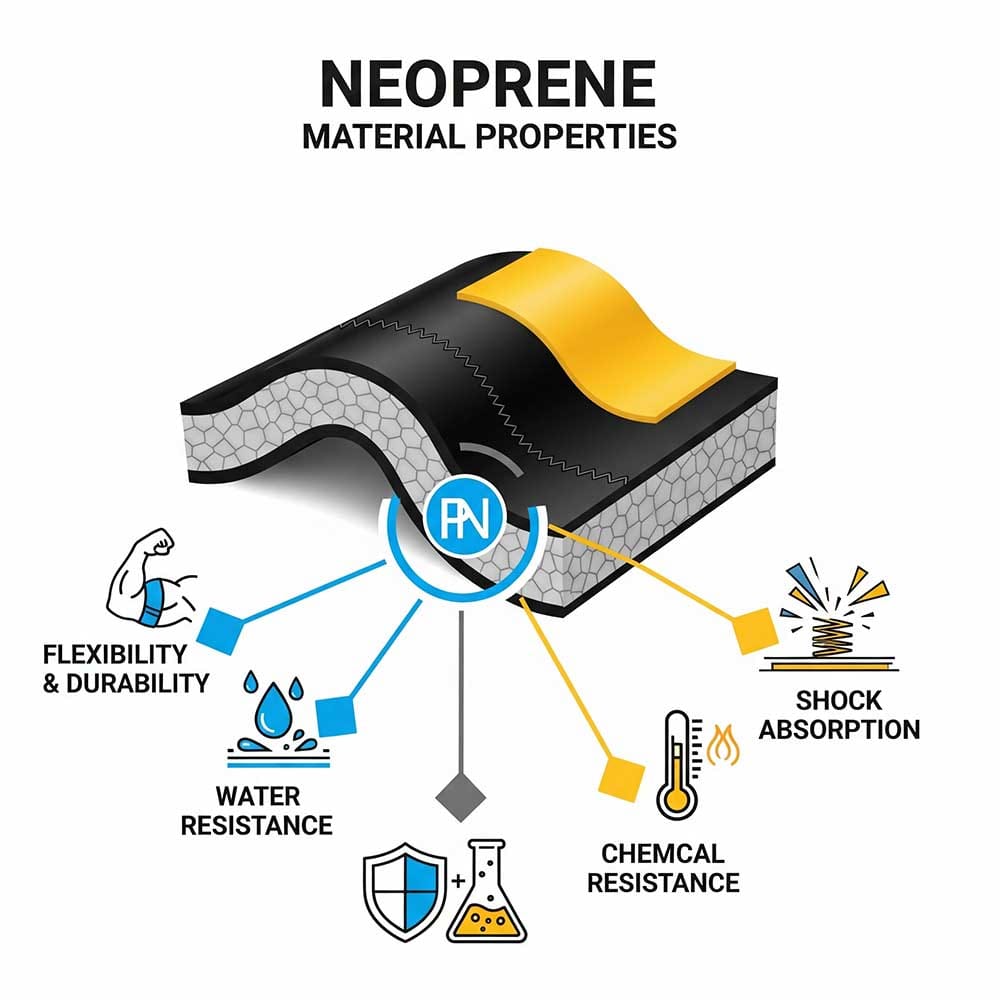
Neoprene Material Properties
Durability & Flexibility
You want gear that lasts and feels good. Neoprene is strong and bends easily. You can stretch it, and it does not break. This material fits your body’s shape well. It stays close to your skin and does not slip off. You get steady support when you move or sit still. Neoprene does not wear out fast. You can use it for a long time, even if you are rough with it. It does not get damaged from rubbing or pulling. You do not need to worry about your wetsuit or brace breaking soon.
Here is a table that shows what neoprene can do:
Characteristic
Description
Flexibility
Neoprene bends and stretches to fit your body, keeping close contact.
Durability
It lasts through heavy use and tough conditions, so your gear stays strong.
Water Resistance
Neoprene keeps out sweat and water, protecting your skin during activity.
Chemical Resistance
It stands up to body fluids and cleaning products, helping you stay healthy.
Thermal Insulation
Neoprene holds in heat, keeping you warm in cold places.
Shock Absorption
It cushions impacts, making it safe for sports and medical use.
You get even more benefits. Neoprene does not get ruined by weather or ozone. You can use it outside without problems. It blocks noise and heat, so you feel comfortable. You can cut and shape neoprene to make gear that fits you.
Note: Because neoprene bends easily, you can wear it for hours. You will not feel stiff or uncomfortable.
Water & Chemical Resistance
Neoprene keeps water and chemicals away from your skin. You can wear it in the pool, ocean, or gym. Sweat and saltwater do not hurt neoprene. You stay dry and safe. Neoprene also blocks many chemicals. Cleaning products and body fluids do not damage it. This makes neoprene good for medical braces and sports gear.
Some neoprene types are hypoallergenic. Medical and food-grade neoprene lower the chance of allergies. These kinds keep your skin safe from bad substances. Neoprene stays bendy and lets your skin breathe. You feel good even if you wear it all day.
Here is a table that shows how neoprene resists water and chemicals:
Property
Description
Hypoallergenic grades available
Good for sensitive skin, lowers chance of allergic reactions.
Medical and food-grade neoprene
Safe for skin, reduces chemical exposure.
Good resistance to chemicals
Blocks harmful substances, keeps skin healthy.
Flexible and breathable
Comfortable for long wear, safe for skin contact.
High resistance to saltwater
Stays strong in wet conditions, protects skin in marine settings.
Common Applications
Wetsuits
You wear neoprene wetsuits for swimming, surfing, and diving. Neoprene keeps you warm in cold water. It fits your body and moves with you. The water resistance protects your skin from getting irritated. You stay dry and do not feel heavy.
Fitness Gear
Neoprene is used in knee sleeves, elbow supports, and workout gloves. You get support and comfort while you exercise. The material absorbs shocks and does not get ruined by sweat. You can clean your gear easily, so your skin stays healthy.
Medical Braces
Doctors pick neoprene for braces and splints. You get gentle support for injuries. Neoprene does not let bacteria or cleaning chemicals hurt it. You can wear these braces for a long time without skin problems. The material bends easily, so you can move while you heal.
Tip: If you want gear that lasts, feels good, and keeps your skin safe, neoprene is a smart choice.
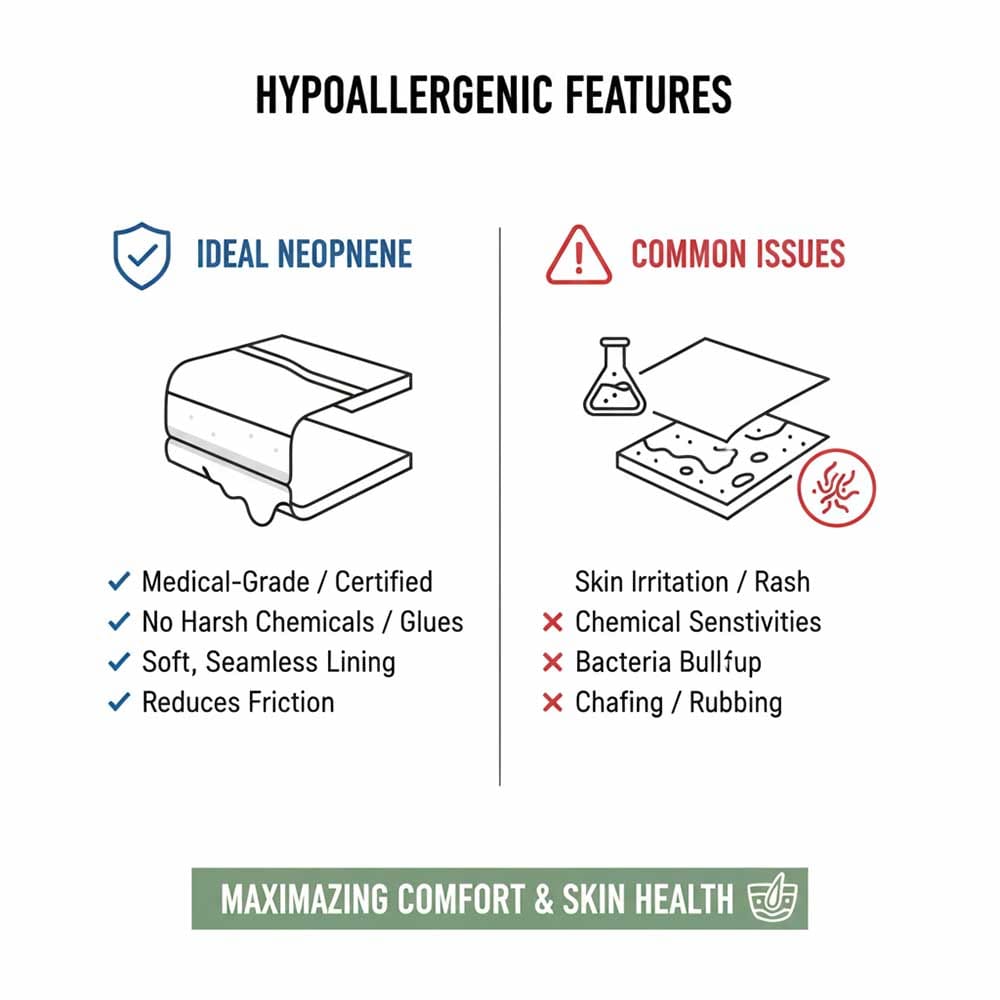
Hypoallergenic Features
Engineered for Sensitive Skin
You want gear that feels soft and safe. Neoprene is made to help people with sensitive skin. Companies use special steps to make neoprene less likely to bother your skin. These changes make neoprene better for you. The table below shows how these features help:
Property
Description
Hypoallergenic
Neoprene is made to be hypoallergenic, so it lowers the chance of skin problems.
Resistant to irritants
It stands up to things like sweat, oils, and chemicals, which helps people with sensitive skin feel comfortable.
Comfort
It is usually comfy to wear for a long time, so you can use it when you are active.
Neoprene helps keep your skin healthy. These new ways of making neoprene make it safer for your skin. You can wear wetsuits, braces, or workout gear for a long time without feeling uncomfortable.
Resistance to Irritants
Neoprene protects your skin from many things. You might sweat or touch oils and cleaning sprays. Neoprene does not let these things hurt your skin. Some people can react to chemicals used to make neoprene, like thiurams and carbamates. Most of these chemicals are taken out, but a little bit can stay. If your skin is sensitive, watch for signs of contact dermatitis.
Neoprene can cause allergies, especially if you are sensitive to rubber accelerators like thiurams and carbamates. Even though most of these are removed, small amounts can stay and cause contact dermatitis in some people.
Pure neoprene does not have natural rubber latex. Some products use latex glues or mixed rubbers. If you are allergic to latex, ask the company to make sure your gear has no latex.
Pure neoprene does not have natural rubber latex. But some neoprene items might use latex glues or mixed rubbers when made. If you have a latex allergy, check with the company to make sure your gear is latex-free so you do not have a reaction.
Comparison to Other Materials
You might wonder how neoprene is different from other materials. Studies show neoprene gloves are less likely to cause skin problems than natural rubber latex gloves. Scientists found that neoprene surgical gloves have less than a 1.5% risk of causing chemical reactions. This means neoprene is safer for people who worry about latex allergies. You get fewer allergies and less skin trouble.
Neoprene is safer for your skin than other choices. Natural rubber latex often causes more allergies. Vinyl and silicone may not feel as nice or bend as well. You can trust neoprene for sports, medical, and fitness use every day.
Tip: Always read labels and ask questions if you have sensitive skin or allergies. You can stay safe by picking certified hypoallergenic neoprene products.
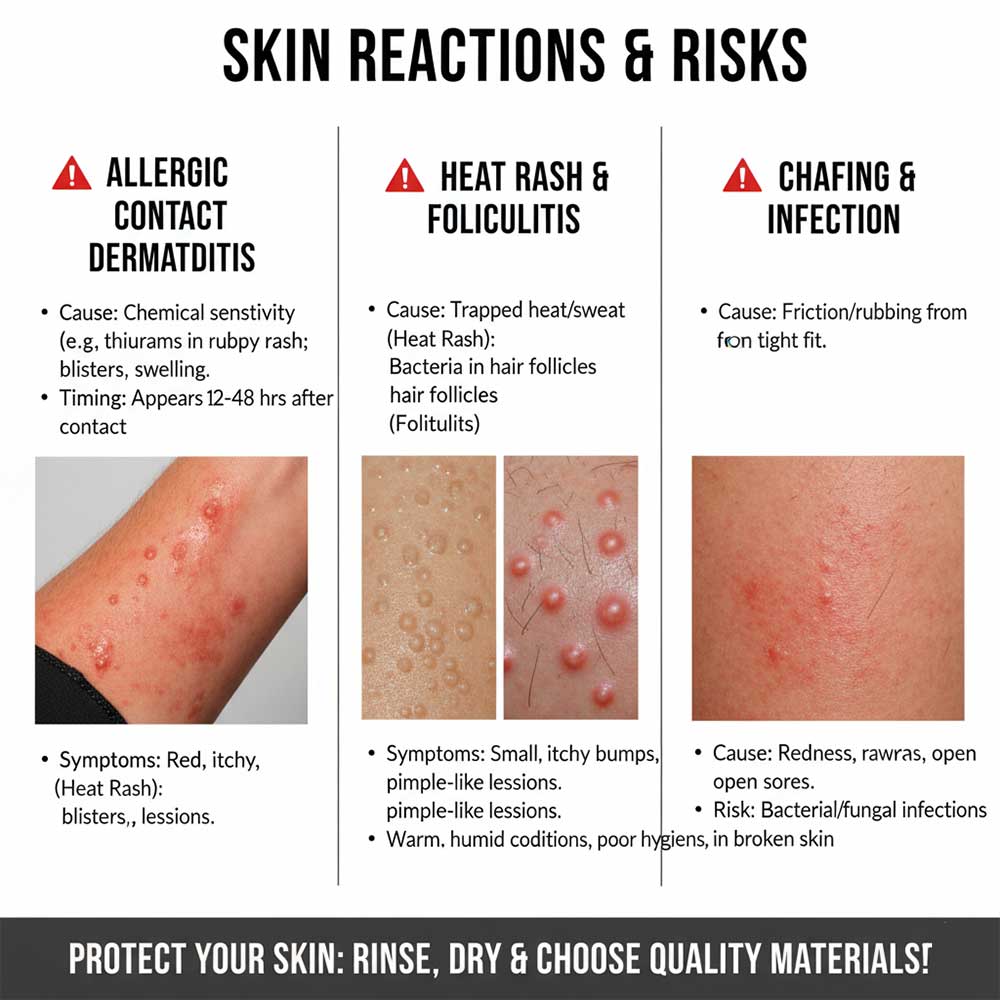
Skin Reactions & Risks
Rare Irritation Cases
Some people worry about skin problems from neoprene. Most people do not have any trouble. Allergic reactions to neoprene are very rare. Sometimes, you might get mild skin irritation. This does not happen a lot. If you care for your skin, the irritation usually goes away. New neoprene products avoid many common allergens. This makes real allergic reactions even less likely. Here are some facts about rare irritation cases:
Allergic reactions to neoprene almost never happen.
Mild skin irritation is more common, but doctors do not know exactly how often it occurs.
Most irritation is easy to manage with simple skin care.
Newer neoprene products lower your risk of allergies.
Additives & Allergies
You should know what can cause skin allergies with neoprene. Some chemicals in neoprene can make your skin react. Diphenylthiourea is one additive that can cause allergic contact dermatitis. Your skin breaks it down and then you may react. Thiuram is another chemical that can cause allergies. Companies use it to help make neoprene faster. Old neoprene may have 2-Mercaptobenzothiazole (MBT) and thiourea compounds. These chemicals can sometimes cause rashes or allergies. If your skin is sensitive, check labels and ask about these chemicals before you buy neoprene gear.
Symptoms to Watch
You should look for signs of skin reactions when using neoprene. Some symptoms are mild, but some can be serious. The table below shows common symptoms and what they mean:
Symptom
Description
Itching
You may feel itchy, which is common with allergies.
Skin eruptions
You might see bumps or rashes on your skin.
Swelling
Your skin can swell if you have an allergic response.
Hemorrhages into the skin
Severe reactions may cause blood spots.
Small red papules
Tiny red bumps can appear, called miliaria rubra.
Tingling sensation
You may feel tingling with a rash.
Burning sensation
Burning is common with prickly heat.
Redness & Itching
Look for redness and itching first. These are the most common signs of a skin reaction. You may notice strong itching, bumpy rashes, or even blisters. If you see these signs, take off your neoprene gear and wash your skin. Most of the time, these problems go away with gentle care.
Severe Allergic Signs
Watch for serious symptoms. Swelling, blood spots, and blisters can mean a strong allergic reaction. If you see these signs, stop using the product and talk to a doctor. Neoprene is usually safe for skin, but you should always listen to your body.
Tip: If you have allergies, try a patch test with new neoprene products before wearing them for a long time.
Risk Factors
Sensitive Skin
Some people have skin that reacts fast to new things. If your skin is sensitive, you might get itchy or see red spots after using neoprene. You could also get small bumps on your skin. Neoprene can make these problems worse because your skin is quick to react. If you know your skin is sensitive, check it often when you wear wetsuits or braces. You can help your skin by picking products for sensitive skin and cleaning your gear a lot.
Allergy History
If you have had allergies before, you need to be careful with neoprene. Your skin might react if you have had problems with allergies in the past. Some chemicals in neoprene, like thiuram, can cause skin rashes. You might also react to other things around you. Here are some things that make skin reactions to neoprene more likely:
You have had allergies to rubber or latex before.
Your skin is sensitive to new things.
You have touched chemicals like thiuram in neoprene.
You spend time in places with lots of things that can bother your skin.
You wear neoprene gear for a long time.
If you know you have allergies, always read labels and ask questions before you buy neoprene. Patch tests can show if you will have a reaction.
Age Considerations
How old you are can change your risk for skin problems with neoprene. Some ages have a bigger chance of getting rashes or allergies. Young adults between 21 and 40 have the highest risk. People who are 61 to 70 have a medium risk. Those over 71 and under 51 have a lower risk. The table below shows how age affects your risk:
Age Group
Susceptibility Level
21-30
High
31-40
High
51-60
Low
61-70
Moderate
71+
Low
Think about your age when you pick neoprene gear. If you are in a high-risk group, check your skin often and use products for sensitive skin. You can talk to your doctor if you are worried about your risk.
Tip: If you see any changes in your skin, stop using the product and ask a doctor for help. Acting early can stop bigger problems.
Prevention & Care
Patch Testing
You can protect your skin by doing a patch test before using neoprene products. Patch testing helps you find out if your skin reacts to neoprene or its chemicals. Dermatologists use patch tests to check for allergic contact dermatitis. The gold standard for finding allergies is patch testing. You can ask your doctor to use a patch test panel. This panel includes common allergens found in neoprene, such as diethylthiourea. Studies show that about 15% of people tested had a positive reaction to diethylthiourea. If you have sensitive skin or a history of allergies, patch testing is important.
Steps for patch testing:
Clean a small area of your skin.
Place a piece of neoprene or a patch test panel on your skin.
Leave it for 48 hours.
Watch for redness, itching, or swelling.
Tip: If you see any skin changes, talk to your doctor before using neoprene gear.
Cleaning Neoprene
You keep your skin safe by cleaning neoprene often. Dirt, sweat, and bacteria can build up on neoprene. Clean gear helps prevent skin irritation and keeps your products fresh. You can use simple cleaning methods at home.
How to clean neoprene:
Rinse off debris with cool water.
Wash with mild soap. Use a soft brush for tough spots.
Rinse thoroughly to remove all soap.
Air dry in a cool, shaded place.
You can use special cleaners for wetsuits or add vinegar to rinse water for gloves and boots. Handwash everyday items and avoid soaking padded gear. Clean neoprene keeps odors away, stops bacteria from growing, and helps your gear last longer.
Cleaning Method
Benefit
Mild soap & water
Removes dirt and sweat
Vinegar solution
Controls odor and bacteria
Air drying
Maintains shape and comfort
Note: Clean neoprene after each use. Dry it inside out for best results.
Choosing Quality Products
You lower your risk of skin problems by picking high-quality neoprene products. Look for items made for sensitive skin. Ask for certifications like FDA, RoHS, or REACH to make sure the product is safe. Check for hypoallergenic grades and latex-free labels. Medical and food-grade neoprene is best for skin safety. Ask the supplier about adhesives used in manufacturing. Some adhesives may cause allergies.
Checklist for choosing neoprene:
Request safety certifications (FDA, OEKO-TEX, ISO 9001).
Check for hypoallergenic and latex-free labels.
Ask about adhesives and chemicals used.
Choose medical or food-grade neoprene for best protection.
Balance cost and quality for long-lasting products.
Tip: High-quality neoprene protects your skin and lasts longer. Always read labels and ask questions before buying.
When to Seek Help
You need to know when to ask for help if you notice skin problems after using neoprene gear. Sometimes, mild redness or itching goes away with simple care. Other times, you may need a doctor’s advice. You should not ignore symptoms that last or get worse.
If you see any of these signs, you should talk to a dermatologist or allergist:
Your skin stays red, itchy, or swollen for more than a few days.
You notice blisters, open sores, or blood spots.
The rash spreads or gets worse after you stop using neoprene.
You feel pain, burning, or tingling that does not improve.
You see signs of infection, like pus or fever.
A doctor can help you figure out if you have allergic contact dermatitis or irritant contact dermatitis. You may need treatment to stop infection and help your skin heal. Doctors often use creams like topical corticosteroids and emollients to calm your skin and reduce swelling.
Tip: Always remove the neoprene product right away if you think it causes your skin problem. Clean your skin gently with mild soap and water.
You should also discuss prevention steps with your doctor. Ask about ways to avoid future reactions. Your doctor may suggest patch testing or recommend products made for sensitive skin. If your wetsuit or brace causes irritation, you can try a hypoallergenic version. Some wetsuits use thiuram-free neoprene, which lowers the risk of allergies.
Here is a simple table to help you decide when to seek help:
Symptom
Action to Take
Mild redness/itching
Monitor and use gentle care
Persistent rash
See a dermatologist
Blisters or sores
Seek medical attention
Signs of infection
Visit a doctor immediately
Allergic reaction
Remove gear and consult
You should not wait if you feel worried about your skin. Early action helps prevent bigger problems. Doctors can guide you on safe products and treatments. You protect your skin best when you listen to your body and get help when needed.
If you work in sports or healthcare, talk with your manager about prevention and safe gear choices. You can keep yourself and others safe by sharing what you learn.
You can count on neoprene for most things you do every day. Neoprene is made to be hypoallergenic, so it does not usually cause allergies. It also keeps out things like sweat, oils, and chemicals. Many people wear neoprene for a long time and do not get skin problems. You see neoprene in gloves, braces, and wetsuits because it fits well and lets air move. It also stays soft and bends easily. Skin reactions do not happen often, but you should still check your skin. If you see any changes, ask a doctor what to do.
FAQ
Can neoprene cause skin allergies?
You may get a skin allergy from neoprene, but this is rare. Most neoprene products are hypoallergenic. If you have sensitive skin, try a patch test before using new gear.
How do you clean neoprene to prevent skin problems?
You should rinse neoprene with cool water after each use. Wash with mild soap and let it air dry. Clean gear helps keep your skin healthy.
Is neoprene safe for children’s skin?
Neoprene is usually safe for children. You should check for redness or itching after use. Choose products labeled hypoallergenic for extra safety.
What should you do if you notice a rash after wearing neoprene?
Take off the neoprene item right away. Wash your skin with gentle soap and water. If the rash does not improve, ask a doctor for help.
Does neoprene contain latex?
Most neoprene does not contain latex. You should read product labels to make sure. If you have a latex allergy, choose items marked latex-free.
How long can you wear neoprene safely?
You can wear neoprene for several hours. Make sure your skin stays dry and clean. Take breaks if you feel discomfort or notice irritation.
What are signs of a neoprene allergy?
Look for itching, redness, swelling, or small bumps. Severe signs include blisters or pain. If you see these, stop using neoprene and talk to a doctor.
Are medical braces made from neoprene safe for daily use?
Medical braces made from neoprene are safe for most people. You should clean them often and check your skin for changes. Ask your doctor if you have concerns.












Comments are closed