




Insulated Bag vs Cooler: Which Keeps Food Cold Longer?

Choosing between an insulated bag and a hard cooler isn’t just about size—it’s about ice retention and portability. If you’re packing a quick lunch for work, a bulky cooler is overkill. But if you’re heading for a 3-day beach trip, a basic insulated bag will leave you with lukewarm drinks by noon. At Vancharli, we analyze the thermal performance of both to help you decide which one actually fits your lifestyle and budget.
Quick Answer: Insulated Bag vs Cooler
Insulated bags are better for lunch, groceries, and short trips because they are lightweight, foldable, and easy to carry. Coolers are better for camping, beach trips, road trips, and long outdoor use because they hold ice longer and offer stronger temperature control.
If you only need to keep food cold for a few hours, choose an insulated bag. If you need 24 to 72 hours of cold retention, choose a cooler.
Insulated Bag vs Cooler: Quick Comparison
| Feature | Insulated Bag | Cooler |
|---|---|---|
| Best for | Lunch, groceries, short trips | Camping, beach trips, road trips |
| Cold retention | 4-8 hours | 24-72 hours |
| Portability | Lightweight and foldable | Heavier but stronger |
| Storage | Easy to fold and store | Needs more space |
| Cost | Usually lower | Usually higher |
| Durability | Good for light use | Better for rough outdoor use |
Key Takeaways
- Insulated bags are light and easy to carry. They are good for short trips. They keep food cold for 4 to 8 hours.
- Coolers keep things cold for a longer time. They can keep items cold for 24 to 72 hours. This makes them great for camping and road trips.
- Think about what you will do. Use insulated bags for daily use. Use coolers for longer trips.
- Soft-sided coolers are easy to move and carry. Hard-sided coolers are stronger and keep things cold better.
- Look at your budget. Insulated bags usually cost less. Expensive coolers can last a long time.
- Always clean your bag or cooler after you use it. This stops bad smells and keeps it clean.
- Think about where you will store it. Insulated bags fold flat and are easy to store. Coolers need more space.
- Pick eco-friendly choices when you can. This helps the planet and supports sustainability.
Insulated Bags vs Coolers Overview
What Are Insulated Bags?
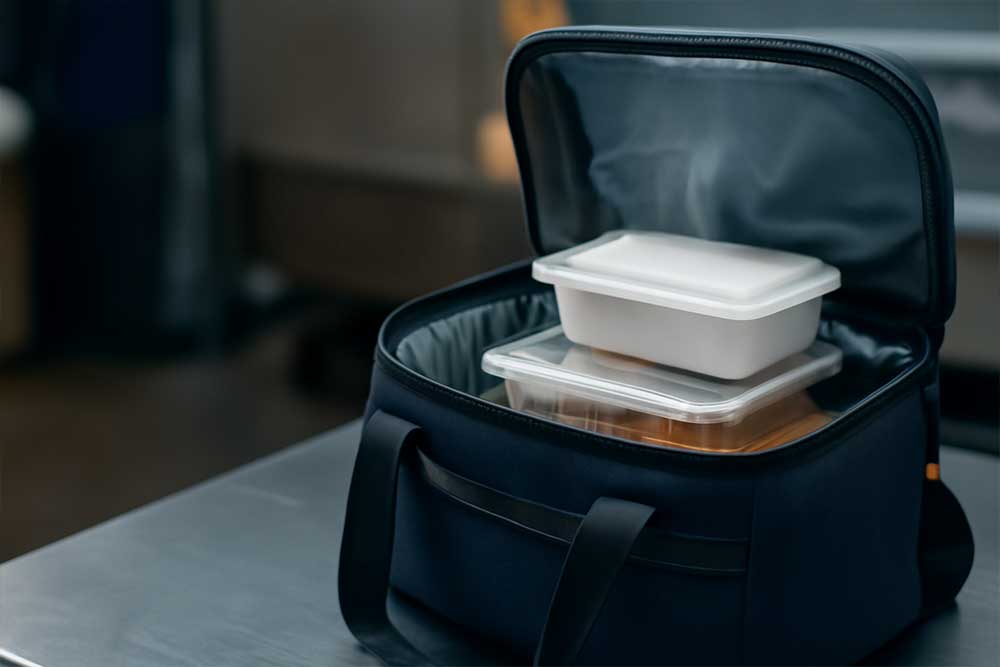
Insulated bags keep food and drinks at the right temperature for a few hours. People use them for daily things, like taking lunch to work or buying groceries. These bags are light and easy to carry. Most insulated bags have nylon or polyester on the outside. Inside, there is foam and a shiny lining that reflects heat. Some bags have extra pockets for things like utensils or napkins.
Here is a table that shows how insulated bags and coolers are different in how they are made and used:
| Feature | Insulated Bags | Coolers |
|---|---|---|
| Insulation Performance | Keeps temperature for 4-8 hours | Keeps temperature for 24-72 hours |
| Portability | Light and easy to carry | Heavy and big |
| Common Materials | Nylon, polyester, foam, aluminum foil | Rotomolded plastic, polyurethane foam |
You might pick an insulated bag when you want something simple for a short trip or a quick errand.
How Do Insulated Bags Work?
Insulated bags have layers that slow down temperature changes. The outside layer keeps water and dirt out. The middle layer is foam, which stops heat from moving in or out. The inside layer is usually aluminum foil or a shiny film that bounces heat away from your food or drinks. Some bags use special liners like Thinsulate for more protection.
- Foam insulation stops heat from getting in or out.
- Shiny materials send heat away.
- Strong fabrics make the bag tough and keep water out.
You can put ice packs inside to keep things cold for up to six hours. These bags work best for short times, like packing lunch or quick grocery trips.
What Are Coolers?
Coolers keep things cold much longer than insulated bags. People use them for picnics, camping, and outdoor events. Coolers come in many shapes and sizes. Most coolers have thick plastic outside and heavy foam inside. Some coolers have hard sides for extra strength. Others have soft sides to make carrying easier.
Coolers do more than just keep things cold. Many coolers work well and can keep ice for up to three days. Some coolers have special designs that save energy and use less refrigerant. You can trust coolers for long trips or when you need to keep food safe for many hours.
Tip: If you plan to be out for a long time or need to keep food cold all day or longer, a cooler gives you better temperature control and lasts longer.
When you look at Insulated Bags vs Coolers, think about how long you need to keep things cold and how much you want to carry. Each choice works best for different needs and activities.
Types of Coolers

When you look at coolers, you will find several main types. Each type works best for certain situations. Knowing the differences helps you pick the right one for your needs.
Hard-Sided
Hard-sided coolers have a tough plastic shell and thick insulation. You often see these at campsites, tailgates, or fishing trips. These coolers keep ice frozen for a long time, sometimes up to three days. You can stack them in your car or use them as a seat. Many hard-sided coolers have strong handles and secure latches. Some even have wheels, which make them easier to move when full.
- High-end rotomolded coolers: These offer the best ice retention and can handle rough use.
- Marine coolers: Built for boats, these resist sun and saltwater.
- Rolling coolers: These come with wheels, so you can pull them across grass or sand.
You might choose a hard-sided cooler if you need to keep food and drinks cold for a long time or if you want something sturdy.
Soft-Sided
Soft-sided coolers use fabric and flexible insulation. They weigh less than hard-sided coolers and fold down when empty. You can carry them over your shoulder or even wear some as a backpack. These coolers work well for short trips, picnics, or daily use. They do not keep ice as long as hard-sided coolers, but they are much easier to carry.
- Backpack coolers: These let you carry drinks and snacks on a hike.
- Lunchbox coolers: These are small and perfect for keeping your lunch cold at school or work.
- Softpack coolers: These are lightweight and easy to pack.
Soft-sided coolers fit well in small spaces. You can use them for quick outings or when you want to travel light.
Electric
Electric coolers use power from your car or a wall outlet. You do not need ice with these coolers. They keep food and drinks cold as long as they stay plugged in. Some electric coolers can even warm food. These coolers work best for road trips, long drives, or camping with access to electricity.
- Plug-in coolers: These connect to your car’s 12V outlet or a standard plug.
- Thermoelectric coolers: These can cool or heat, depending on your needs.
Electric coolers save space because you do not need to pack ice. You get steady cooling, but you need a power source.
Note: When you compare Insulated Bags vs Coolers, think about how long you need to keep things cold and how much you want to carry. Each cooler type offers unique benefits for different activities.
Here is a quick table to help you see the main differences:
| Cooler Type | Best For | Portability | Ice Retention | Special Features |
|---|---|---|---|---|
| Hard-Sided | Long trips, camping | Medium | High | Durable, stackable |
| Soft-Sided | Short trips, daily use | High | Low-Medium | Lightweight, foldable |
| Electric | Road trips, travel | Medium | No ice needed | Plugs into power source |
You can now match your needs to the right cooler type. This makes your choice easier and helps you get the best results for your next outing.
Performance Comparison
When you compare Insulated Bags vs Coolers, you want to know how well each one keeps your food and drinks at the right temperature. You also want to understand what materials help them work best and how they perform in real-life situations.
Temperature Retention

Insulated Bags Duration
Insulated bags work well for short periods. You can expect a good insulated bag to keep your food safe for up to 14.5 hours. Many bags keep drinks 10-15°F cooler than the outside air for about 6 hours. If you use ice packs, you can stretch this time a bit longer. These bags are perfect for school lunches, grocery runs, or a quick picnic.
- Most insulated bags keep items cold for 4-8 hours.
- Some high-quality bags last up to 14.5 hours.
- After 6 hours, drinks usually stay much cooler than the air around them.
Cooler Duration
Coolers hold cold temperatures much longer than insulated bags. The type of cooler you choose makes a big difference. Here is a table that shows how long different coolers keep things cold, based on lab tests:
| Cooler Type | Average Cold Retention Time (hours) | Standard Deviation (hours) |
|---|---|---|
| Injection Molded | 38.62 | ± 8.53 |
| PS Foam | 54.32 | ± 19.33 |
| Rotomolded | 63.72 | ± 13.56 |
Rotomolded coolers can keep ice for more than two days. Even basic coolers hold cold for over a day. This makes coolers a better choice for camping, road trips, or any time you need to keep food cold for a long time.
Tip: If you need to keep food or drinks cold for more than a few hours, a cooler will give you the best results.
Insulation Materials
The materials inside your bag or cooler make a big difference in how well it works. Here is a table that shows common insulation materials and what they do:
| Insulation Material | Characteristics |
|---|---|
| Foil-Lined Polyester Fabrics | Uses hollow fibers and a shiny film to block heat and keep things cold or hot. |
| Reflective Insulating Batting | Has a shiny layer and soft batting to trap heat or cold inside. |
| Microfiber-Based Insulation | Made from tiny fibers, stays light, and reflects heat well. |
| Heat-Resistant Aluminum Fabrics | Pure aluminum with cotton backing, stands up to high heat and protects food. |
Coolers often use thick foam, like polyurethane, for strong insulation. Insulated bags use lighter materials, such as foil-lined polyester or microfiber, to stay easy to carry. The right material helps your food stay fresh and safe.
Real-World Use Cases
You want to know how these products work outside the lab. People use insulated bags and coolers for many activities. Here is what users say:
- Cooler bags that keep ice for a long time make picnics and outings easier.
- Lightweight bags with straps help you carry heavy loads without trouble.
- Strong bags that do not tear or leak get high marks from families.
- Leakproof designs stop spills and messes during trips.
- Many families find that insulated bags make outdoor events more fun and less stressful.
Testers filled cooler bags with food, drinks, and ice, then took them on real outings. After two hours, they checked how much ice had melted. Some bags, like the Engel HD30, kept food below 40°F for three days. This shows that the best cooler bags can handle even long trips.
Note: Choose a product that matches your plans. For a short picnic, an insulated bag works well. For a weekend camping trip, a cooler gives you better performance.
By looking at temperature retention, insulation materials, and real-world use, you can pick the best option for your needs.
Portability and Convenience

Weight and Size
When you choose between insulated bags and coolers, weight and size matter. Insulated bags feel light in your hand. You can carry them easily, even when full. Most insulated bags weigh less than five pounds. You can fit them in a backpack or tote. Coolers, on the other hand, feel heavier. Hard-sided coolers often weigh over ten pounds before you add food or ice. Large coolers take up more space in your car or at home. Soft-sided coolers weigh less, but they still feel bulkier than insulated bags.
Tip: If you want to travel light or need something for daily use, insulated bags give you less weight and more comfort.
Transport and Storage
You want to know how easy it is to move and store these products. Insulated bags fold flat when empty. You can tuck them in a drawer or hang them on a hook. Coolers do not collapse. You need a shelf or a spot in your garage to store them. Moving insulated bags feels simple. You grab the handles and go. Coolers need two hands or wheels for transport, especially when full.
Here is a table that shows how insulated bags and coolers compare for transport and storage:
| Feature | Insulated Bags | Coolers |
|---|---|---|
| Portability | Highly portable and easy to carry | Bulkier and less portable |
| Storage Space | Requires less storage space, collapsible | Consumes more space, not collapsible |
| Price | Generally lower priced | Typically more expensive |
| Durability | Good protection, but less durable | More durable build |
| Use Case | Ideal for daily use and short trips | Better for extended outdoor activities |
You see that insulated bags save space and make transport easy. Coolers give you more protection but need more room.
Portability Use Cases
You might wonder which option fits your lifestyle. Insulated bags work best for daily routines. You can use them for school lunches, work snacks, or quick grocery runs. You fold them up when you finish. Coolers suit longer trips. You need them for camping, fishing, or outdoor parties. They hold more food and keep things cold for days.
- Insulated bags are more portable and convenient for daily use.
- Coolers are bulkier and better suited for longer outdoor activities.
- Insulated bags can be folded for easy storage when not in use.
If you want something for everyday use, pick an insulated bag. If you plan a weekend adventure, a cooler gives you better results. You should match your choice to your activity. This helps you stay comfortable and prepared.
Cost-Effectiveness
Initial Cost
When you check prices, you see many choices for both insulated bags and coolers. A basic insulated bag costs less. Premium coolers cost a lot more. The table below shows the usual prices for cooler bags:
| Cooler Bag Tier | Price Range (USD) |
|---|---|
| Premium | $150 – $300 |
| Mid-Range | $80 – $150 |
| Budget | $40 – $80 |
If you want a simple insulated bag for daily use, you can find one for about $10. Premium coolers are made for long trips and tough use. These can cost up to $300. You should think about how often you will use your bag or cooler before you spend more money.
Lifespan and Durability
You want your insulated bag or cooler to last a long time. Hard coolers use strong materials and can hold heavy things. You can take them camping or fishing, and they will not break easily. Insulated bags use thick fabric or special layers. These are good for daily use, but they might not last as long in rough places.
Here is a table that compares how strong and tough they are:
| Feature | Insulated Bags | Hard Coolers |
|---|---|---|
| Material | Thick oxford fabric or laminated | Generally more robust materials |
| Durability | Suitable for repeated daily use | Better suited for extreme conditions |
| Insulation Time | Shorter (2–6 hours) | Longer cooling duration |
| Structural Strength | Lower under heavy loads | Higher structural strength |
- Some insulated bags are easier to fix than others.
- Hard coolers are usually stronger and easier to keep in good shape.
If you need something for outdoor trips, hard coolers last longer. For school or work, insulated bags are strong enough for daily use.
Yearly Cost
You might want to know how much you spend each year on your insulated bag or cooler. The cost depends on how much you pay at first and how long it lasts. The table below shows about how much you pay each year for different types:
| Type | Initial Cost | Lifespan | Cost per Year (approx.) |
|---|---|---|---|
| Cooler Bag | $10–$50 | 2–4 years | $5–$20/year |
| Standard Box | $40–$150 | 5–7 years | $8–$30/year |
| Premium Cooler | $200–$300 | 7–10+ years | $20–$30/year |
If you buy a cheap insulated bag, you pay less at first, but you might need to get a new one sooner. Premium coolers cost more, but they last longer and could save you money over time. When you compare Insulated Bags vs Coolers, you should look at both the first price and the yearly cost. This helps you pick the best value for what you need.
Tip: If you use your bag or cooler every day, a strong one saves you money in the long run.
Environmental Impact
Materials and Manufacturing
You help the planet when you pick eco-friendly products. Many insulated bags and coolers use both natural and man-made materials. Some brands use bioplastics made from corn or sugarcane. These break down faster and are less harmful to nature. You can also find insulation made from coconut husks. This keeps food cold and is gentle on the environment.
Here is a table that shows common materials and how they affect nature:
| Material Type | Description | Environmental Impact |
|---|---|---|
| Bioplastics | Made from corn or sugarcane | Degrade faster, less harmful |
| Plant-Based Insulation | Uses coconut husks | Superior retention, low impact |
| Recycled PET Bottles | Turns plastic waste into fibers | Reduces waste, lightweight, weather-resistant |
| Non-Woven Polypropylene | Spunbond fibers | Moisture-resistant, recyclable, sustainable |
| Canvas | Cotton-based, durable | Breathable, quick-drying, reduces mold risk |
| Jute | Biodegradable, renewable | Absorbs CO2, low carbon footprint |
Insulated bags often use recyclable polyethylene. This needs less new material and lowers pollution. Cooler bags usually use man-made plastics. These take more energy to make and are harder to recycle. Some cooler brands now try biodegradable choices and green designs, but most still cause more pollution.
Picking bags made from recycled or plant-based materials helps you protect the earth.
Product Lifespan
You want your bag or cooler to last a long time. Materials like thermoplastic polyurethane (TPU) and woven polypropylene make cooler bags tough and water-resistant. These last for years and keep food safe. Canvas and organic cotton also stay strong and fresh. Hard coolers last longer than soft bags because they use sturdy plastics. You can use them for many trips without breaking them.
Some brands make bags last longer by using recycled PET bottles or reused materials. These choices help cut down on trash and keep things out of landfills. When you pick a product that lasts longer, you help the earth by buying less and throwing away less.
- Cooler bags made from recycled stuff last longer and make less trash.
- Hard coolers with strong plastics last for years.
- Bags with plant-based insulation work well and break down naturally.
Recyclability
You help nature when you recycle your bag or cooler. Many insulated bags use things like recycled PET bottles or reused feed bags. These support recycling and lower plastic trash. Some cooler bags have a QR code that shows how much recycled stuff they use.
Here is a table that shows how easy it is to recycle different materials:
| Material Type | Recyclability Status | Notes |
|---|---|---|
| Kraft Paper | Fully recyclable in paper waste streams | Improves cooling protection, replaces unrecyclable packaging |
| Pulp | Fully recyclable in paper waste streams | Used in cooling elements |
| Recycled Materials | Made from recycled sources | Helps eliminate disposable plastic |
| Upcycled Materials | Made from feed, rice, sugar, or cement bags | Sustainable, reduces impact |
| Recycled Plastic Bottles | Used in cooler bag interiors | Supports recycling, reduces waste |
- Some bags, like the Fresh!Bag, use only renewable materials.
- Retulp cooler bags help get rid of single-use plastics.
- The Plunge Cooler Bag uses reused materials to show care for the planet.
You can help recycling by picking bags and coolers made from recycled or reused materials. This keeps plastic out of landfills and helps protect nature for everyone.
Insulated Bags vs Coolers for Activities
Daily Use
You want something easy to carry for your daily routine. Cooler bags work well for this purpose. You can use them for school lunches, work snacks, or grocery shopping. These bags feel light and fold up when you finish using them. Many cooler bags come in different sizes, so you can pick one that fits your needs. Some even have extra pockets for utensils or ice packs.
Cooler bags stand out for daily use because you can clean them quickly. You only need a little soap and water. They dry fast, so you can use them again the next day. You can store them in a small space, like a drawer or a car trunk.
Here is a table to help you see why cooler bags are a smart choice for daily activities:
| Feature | Cooler Bags | Hard Coolers |
|---|---|---|
| Weight | Lightweight and portable | Heavier and bulkier |
| Space Occupation | Flexible and collapsible | Rigid and takes up more space |
| Cleaning | Easier to clean | Harder to clean |
| Versatility | Various sizes and shapes available | Limited sizes |
| Ideal Use | Daily use, picnics, short trips | Longer trips, heavy-duty needs |
Tip: If you want a bag for everyday use, choose a cooler bag. You will find it easy to carry, clean, and store.
Short Trips
You might need to keep food or drinks cold for a few hours during a short trip. Insulated bags and cooler bags both work well for this. Insulated bags feel light and easy to carry. You can take them on a picnic, a quick hike, or a visit to the park. Cooler bags give you a bit more insulation, so your snacks stay cold longer.
You can clean cooler bags with just soap and water. They dry quickly because of the fabric. You do not need to worry about heavy lifting or finding a big space to store them. If you plan a longer outing, a hard cooler keeps things cold for more hours, but it feels heavier and takes up more room.
- Insulated bags are lightweight and portable, ideal for short outings.
- Cooler bags are easier to clean and dry fast.
- Hard coolers offer better insulation for longer trips but are bulkier.
Note: For most short trips, you will find insulated bags or cooler bags more convenient than hard coolers.
Outdoor Events
Outdoor events like sports games, festivals, or family gatherings need you to keep drinks and snacks cold for several hours. You want everyone to stay refreshed and comfortable. Personalized coolers play an important role at these events. They keep beverages like soda and water cold, which helps you and your friends stay hydrated.
You can pick a cooler bag for easy carrying and quick setup. These bags fit under your seat or beside your picnic blanket. If you need to keep items cold all day, a hard cooler gives you more ice retention. You can bring enough drinks for everyone and keep them cold until the event ends.
- Cooler bags are great for carrying drinks and snacks to outdoor events.
- Hard coolers work best if you need to keep items cold for a long time or serve a large group.
- Both options help you enjoy the event without worrying about warm drinks.
Remember: When you compare Insulated Bags vs Coolers for outdoor events, think about how long you need to keep things cold and how much you want to carry.
Camping and Road Trips
You want to keep food and drinks cold when you go camping or take a road trip. You need to choose between insulated bags and coolers. Each option gives you different benefits for outdoor adventures.
Coolers work best for long trips. You get strong insulation and large capacity. Hard-sided coolers keep ice for days. You can pack enough food for your whole group. These coolers stand up to rough use. You can sit on them or stack them in your car. You need space to store them, but you get peace of mind knowing your food stays safe.
Insulated bags help when you want something light. You carry them easily. You fold them up when you finish using them. Cooler bags come in many sizes. You pick one that fits your needs. You use them for short trips or when you do not need to keep things cold for a long time. If you pack too much, the bag feels heavy. You need to plan what you bring.
Cooler backpacks give you hands-free carrying. You walk or hike without holding anything. The weight spreads across your shoulders. You feel less strain. These backpacks work for both short and long adventures. You get less space than a big cooler, but you move more easily. If you fill the backpack too much, it gets heavy.
Here is a table to help you compare your options:
| Feature | Hard-Sided Cooler | Cooler Bag | Cooler Backpack |
|---|---|---|---|
| Ice Retention | High (2–3 days) | Medium (up to 1 day) | Medium (up to 1 day) |
| Portability | Low | High | High |
| Storage | Bulky | Foldable | Foldable |
| Carrying Comfort | Handles, wheels | Handles, straps | Backpack straps |
| Best For | Long trips, camping | Short trips, picnics | Hiking, walking |
| Capacity | Large | Medium | Small-Medium |
You need to think about your trip length and group size. If you camp for several days, pick a hard-sided cooler. You get better ice retention and more space. If you travel for a day or hike, use a cooler bag or backpack. You carry it easily and store it without trouble.
Tip: Pack only what you need. Overpacking makes any bag or backpack heavy. Choose the right size for your trip.
You make your camping or road trip easier when you match your cooler or bag to your plans. You stay comfortable and keep your food fresh.
Selection and Maintenance
Choosing the Right Option
You want to pick the best product for your needs. Start by thinking about how you plan to use your insulated bag or cooler. If you travel often or join sports events, you will find insulated bags very helpful. These bags feel light and easy to carry. You can fold them and pack them in small spaces. Many people choose insulated bags for outdoor activities because they do not add much weight. You also spend less money on insulated bags compared to coolers.
Coolers work better when you need to keep food or drinks cold for a long time. Hard coolers use strong materials like plastic or metal. They last longer and protect your food better. You might need a cooler for camping trips or long days at the beach. Coolers take up more space and feel heavier, but they keep things cold for days.
Here is a table to help you compare the main features:
| Criteria | Insulated Bags | Coolers |
|---|---|---|
| Weight | Lighter and more portable | Heavier, less portable |
| Cost | Generally less expensive | Can be more expensive |
| Material | Soft materials like cotton/nylon | Hard materials like metal/plastic |
| Use Cases | Ideal for travel and outdoor activities | Better for long-term storage |
| Storage Space | More flexible in terms of storage | Fixed shape, may require more space |
You should choose an insulated bag if you want:
- Easy travel
- A good option for sports events
- Something for outdoor activities
- The least expensive choice
Pick a cooler if you need to keep things cold for a long time or want a sturdy container.
Care and Cleaning
You keep your bag or cooler working well by cleaning it often. After each use, empty out all food and drinks. Wipe the inside with a damp cloth and mild soap. For tough stains, use a soft brush. Let the bag or cooler air dry before you store it. If your cooler has a drain plug, open it to let water out. Never use harsh chemicals, as they can damage the insulation.
Tip: Clean your bag or cooler after every trip. This stops mold and keeps your food safe.
Storage Tips
You want your insulated bag or cooler to last a long time. Store your bag in a cool, dry place. Fold insulated bags flat to save space. Keep coolers with the lid open a little to let air flow inside. This helps prevent bad smells. Do not stack heavy things on top of your cooler or bag. Check for cracks or tears before you put them away.
- Store in a dry area
- Keep lids or zippers open for airflow
- Avoid heavy stacking
- Check for damage before storing
By choosing the right product and caring for it well, you make sure your insulated bag or cooler stays ready for your next adventure.
Extending Lifespan
You want your insulated bag or cooler to last as long as possible. Good care helps you get more years of use and keeps your food safe. You can follow simple steps to protect your investment and avoid common problems.
Routine Maintenance Steps
- Empty everything out right after use. Toss old ice, crumbs, and leftover food or drinks. This stops stains and smells from building up.
- Wipe the inside. Use a damp cloth with warm, soapy water. Scrub the lining to remove sticky spots and spills.
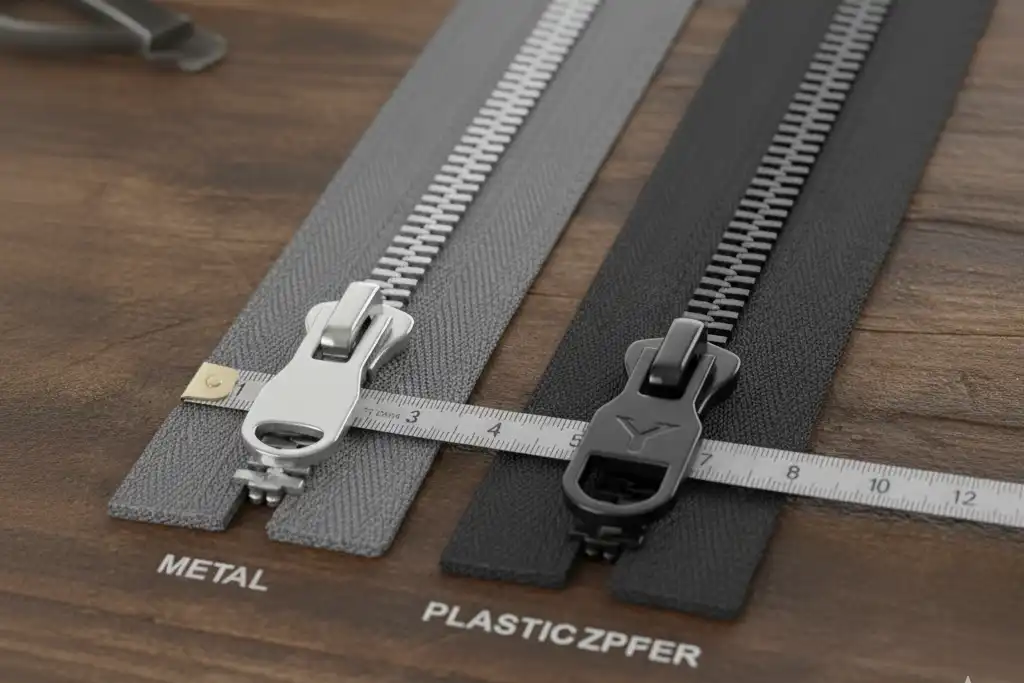
- Check zippers and pockets. Clear out dirt and debris. Wipe them down to keep them working smoothly.
- Dry thoroughly. Leave your bag or cooler open in a well-ventilated area. Let it air dry completely to prevent mold and mildew.
- Store in a cool, dry place. Avoid cramped or humid spots. Moisture can damage the materials and shorten the lifespan.
Tip: Regular cleaning and careful storage help your bag or cooler stay fresh and strong.
Quick Fixes for Common Issues
- Zipper troubles? Rub a bar of soap or candle wax along the zipper teeth. This helps the zipper slide easily.
- Small tears or holes? Use waterproof fabric glue or a patch kit made for outdoor gear. Seal up the damage to stop leaks.
- Loose straps? Sew them back with strong thread or use a needle-and-thread repair kit.
Odor Control Solutions
- Baking soda magic: Sprinkle baking soda inside the bag. Let it sit overnight, then wipe clean. This removes bad smells.
- Vinegar spray: Mix equal parts water and white vinegar in a spray bottle. Lightly spray the inside and leave it open to dry. Vinegar helps neutralize odors.
Common Problems and Solutions Table
| Problem | Solution | Preventive Tip |
|---|---|---|
| Mold or mildew | Dry thoroughly after cleaning | Store in a dry, airy place |
| Sticky residue | Wipe with warm, soapy water | Clean after each use |
| Bad odors | Use baking soda or vinegar spray | Empty and air out regularly |
| Zipper sticks | Apply soap or candle wax | Keep zippers clean |
| Tears or holes | Patch with waterproof glue or kit | Avoid overloading |
| Loose straps | Sew with strong thread | Check straps before trips |
You can keep your insulated bag or cooler working well for years. Simple care and quick repairs make a big difference. You save money and avoid buying new gear too often. Take a few minutes after each use to clean, dry, and check for damage. Your bag or cooler will stay ready for every adventure. 🧊
You now know that insulated bags and coolers help in different ways. Insulated bags are light and simple to store. Coolers keep things cold longer and protect your food better. The right choice depends on what you do and how long you need to keep things cold.
- Think about what you do every day.
- Look at price, how long it lasts, and if it is good for the planet.
- Clean and store your bag or cooler the right way to make it last.
Tip: Think about where you go most often before you buy. Pick the one that works best for your daily plans.
FAQ
How long can you keep food cold in an insulated bag?
Most insulated bags keep food cold for 4 to 8 hours. You can add ice packs to extend this time. For longer trips, use a cooler.
Can you use insulated bags for hot food?
Yes, you can use insulated bags for hot food. The insulation helps keep heat inside. Use a thermal pack for better results.
Are coolers waterproof?
Most hard-sided coolers are waterproof. Soft-sided coolers resist leaks but may not be fully waterproof. Always check the product label.
What is the best way to clean an insulated bag?
Wipe the inside with warm, soapy water. Let it air dry completely. For tough stains, use a soft brush. Avoid harsh chemicals.
Do electric coolers need ice?
Electric coolers do not need ice. They use power to keep food cold. Plug them into your car or a wall outlet for best results.
Which is easier to carry: an insulated bag or a cooler?
Insulated bags are lighter and easier to carry. You can fold them when empty. Coolers are heavier and bulkier, especially when full.
Can you recycle insulated bags and coolers?
Some insulated bags use recycled materials and can be recycled. Many hard coolers are not recyclable. Check for recycling symbols on your product.
What should you pack in a cooler for a camping trip?
Pack perishable foods, drinks, and ice packs. Use airtight containers to prevent leaks. Place heavier items at the bottom for better cooling.
How to Choose the Best Insulated Bags for Food Safety
Oxford Fabric vs Polyester for Custom Bags Which Is Better
Top Famous Backpack Brands and What Makes Them Stand Out
How to Improve Storage Experience with Waterproof Bag Breathable Valve Design

Comments are closed