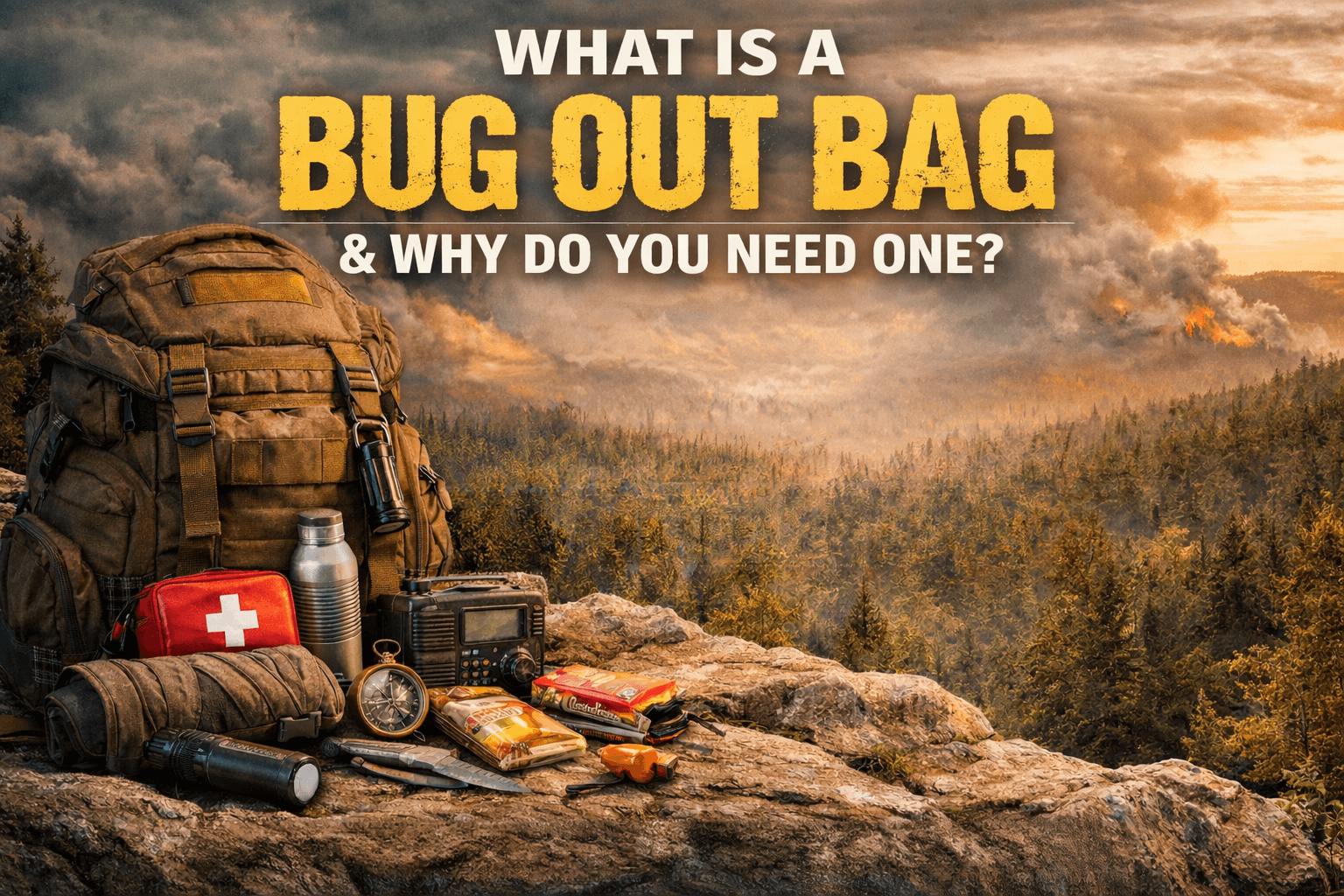
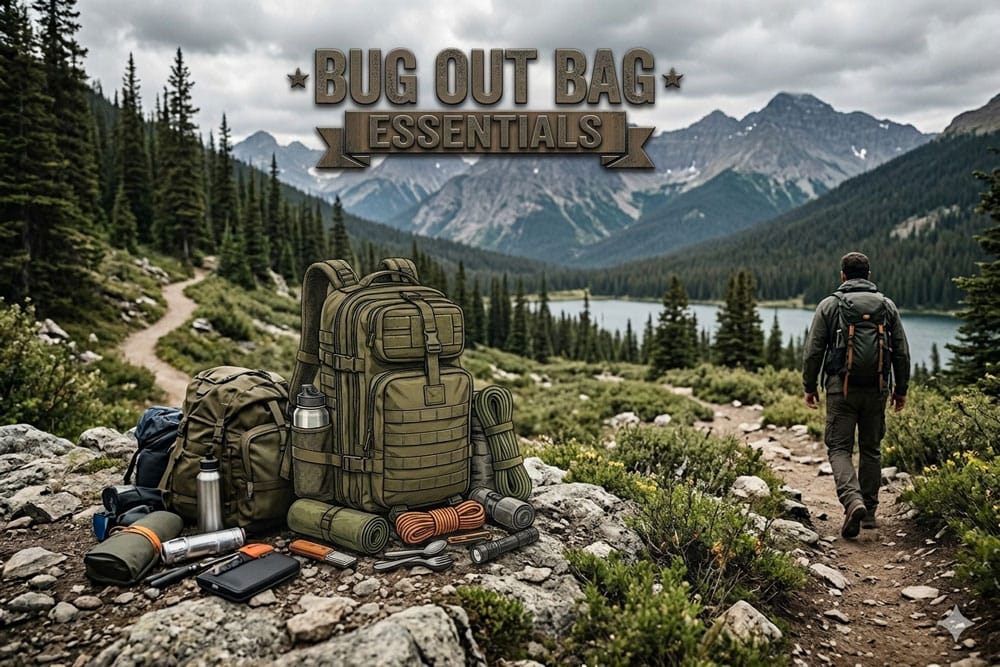
A Bug Out Bag gives you a portable survival kit for emergencies. You use it to keep essential supplies ready in case you need to leave home quickly. This bag holds enough food, water, and basic tools to help you stay safe for at least 72 hours. Having one ready helps you feel prepared and calm during unexpected situations. You never know when an emergency could happen, so having a plan makes you safer and more confident.
A Bug Out Bag is a small survival kit you can carry. It helps you stay safe for at least three days in emergencies.
Put important things like food, water, first aid, and tools inside. These items help you survive and feel comfortable.
You should be ready for many emergencies, like storms or blackouts. Keep your Bug Out Bag packed and easy to grab.
Check your Bug Out Bag often and change old supplies. Make sure everything is good and fits what you need.
Change your Bug Out Bag for where you live and the weather. Add things you need for yourself to be more ready.
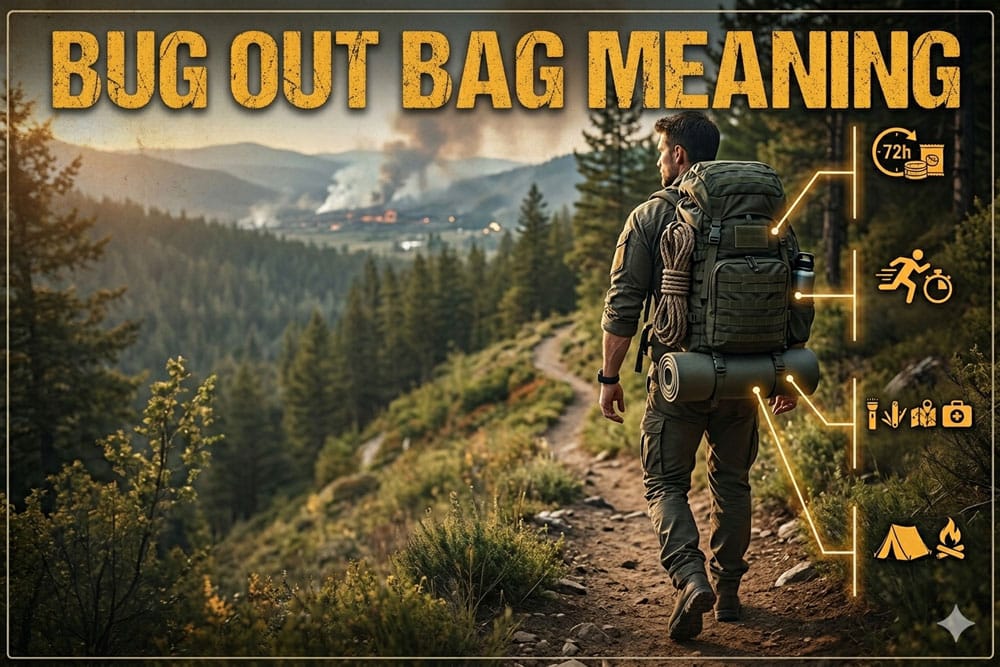
Bug Out Bag Meaning
What Is a Bug Out Bag
You might ask what a Bug Out Bag is. Emergency groups say it is a kit you can carry. It holds things you need to survive in an emergency. You use this bag if you must leave home fast. The main goal is to keep you safe and comfortable for three days. You pack things for food, water, shelter, and first aid. You keep the bag ready so you can grab it if something bad happens.
Survival experts say you should pack many things in your Bug Out Bag. These things help you deal with many problems and stay ready for surprises.
You pick these things because they help you live, stay clean, and feel better when things are hard.
Purpose and Use Cases
You use a Bug Out Bag when you must leave home in an emergency. The bag gives you tools and supplies for many situations. You might have to leave because of a storm, blackout, or other local problem. You count on your Bug Out Bag to help you stay safe and healthy until you find a safe place.
Here is a table that shows when you might need your Bug Out Bag:
Scenario Type
Description
Natural Disasters
Things like hurricanes, floods, wildfires, and earthquakes force people to leave every year.
Infrastructure Failures
Problems like power going out or dirty water can make homes unsafe.
Localized Emergencies
Accidents like chemical spills or train crashes may mean you must leave fast.
You can see a Bug Out Bag has many uses. You use it to act fast in emergencies and keep yourself and your family safe. You keep your bag ready so you do not panic. You feel better knowing you have what you need to survive.
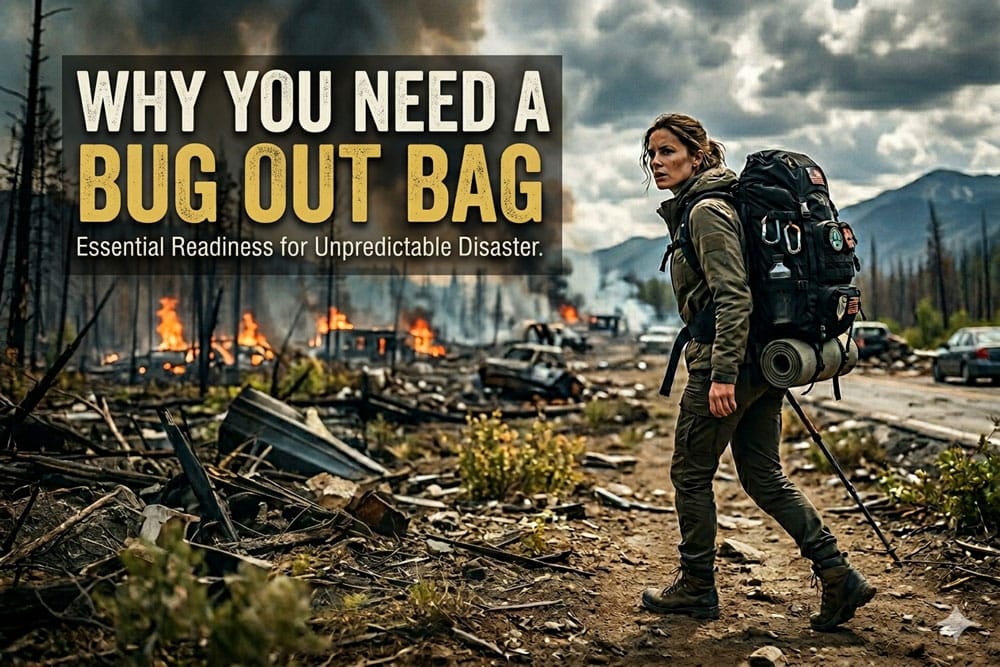
Why You Need a Bug Out Bag
Emergency Scenarios
Emergencies can happen when you least expect them. You might face a hurricane, wildfire, or earthquake that forces you to leave home fast. Sometimes, you need to escape because of a flood, tornado, or long-term power outage. Other times, you may need to leave because of civil unrest, riots, or even a health emergency. In some cases, you may need to get away from a dangerous situation at home or in your neighborhood.
Here are some situations where you may need to use your Bug Out Bag:
Tip: You should plan your evacuation route before an emergency happens. This helps you stay calm and act quickly when you need to leave.
When you have your bag ready, you can grab it and go. You do not have to waste time searching for supplies. You can focus on getting yourself and your family to safety.
Key Benefits
Having a Bug Out Bag gives you many advantages during a crisis. You stay prepared for sudden changes and do not have to rely on others for help. According to FEMA, most people in the United States are not ready for disasters. If you have your supplies packed, you increase your chances of staying safe and healthy.
Some key benefits include:
Quick evacuation: You can leave your home fast without forgetting important items.
Survival: You have food, water, and first aid to help you stay alive for at least three days.
Peace of mind: You feel less stressed because you know you are ready for emergencies.
Independence: You do not have to wait for rescue teams or depend on stores that may be closed.
Safety: You protect yourself and your loved ones from danger.
A Bug Out Bag is not just for extreme events. It helps you handle many types of emergencies. You can feel confident knowing you have what you need to survive.
Bug Out Bag Essentials
Must-Have Items
You should pack your Bug Out Bag with things that help you live for three days. Experts like FEMA and the Red Cross say to focus on basics. These are water, food, shelter, first aid, tools, and personal things. Here is a checklist to help you:
Water and Purification
Water bottles (one gallon per person each day)
Water purification tablets or a filter
Stainless steel bottle (for boiling water)
Food and Nutrition
Non-perishable food (energy bars, ration bars, jerky, or freeze-dried meals)
Utensils and a small cup
Shelter and Warmth
Emergency bivvy or Mylar blanket
Compact sleeping bag or sleeping pad
Tarp or lightweight tent
Weather-appropriate clothing (hat, gloves, socks)
First Aid and Hygiene
First aid kit (bandages, antiseptic wipes, pain relievers)
Prescription medicine (if you need it)
Toothbrush, toothpaste, and soap
Feminine hygiene products
Moist towelettes and sanitation bags
Tools and Survival Gear
Multi-tool or survival knife
Fire starter (ferro rod, waterproof matches, or lighter)
Paracord or strong rope
Duct tape
Flashlight and extra batteries
Headlamp
Navigation and Communication
Emergency weather radio
Local maps and compass
Spare cell phone charger (battery pack)
Personal Protection and Documents
Copy of ID and important papers (in a waterproof bag)
Emergency plan and contact list
Cash in small bills
Rainproof pen and notebook
Comfort and Morale
Small book, card game, or comfort item
Tip: Always pack extra ways to get water, fire, and shelter. Having backups helps you if something breaks.
Packing Categories
Sorting your bag by type makes it easier to find things. You can use colored pouches or small bags to keep items apart. Here are some tips for packing well:
Water and Food: Put these at the top or in an outside pocket so you can grab them fast.
First Aid: Keep your first aid kit in an outside pocket or at the top.
Shelter and Clothing: Pack these in the main part of the bag, close to your back.
Tools and Gear: Put heavy things like your multi-tool or flashlight in the center, near your spine.
Navigation and Communication: Use a side pocket or pouch for your radio, maps, and compass.
Personal Items: Keep papers and cash in a waterproof pouch inside the bag.
Packing heavy things close to your back helps you stay steady and not get tired. Use small bags or pouches to keep things neat and easy to find. Color-coding your pouches helps you grab what you need fast, even if you feel stressed.
Note: Your Bug Out Bag should weigh between 20 and 25 pounds for most adults. Carrying more can slow you down and make it hard to move. Try to keep the weight under 30% of your body weight.
Check your bag every few months. Switch out old food and medicine. Update your gear for the season and your needs. Practice using your bag so you know what works and what does not.
Remember: The best Bug Out Bag is one you can carry easily and use well in any emergency.
Bug Out Bag vs. Other Kits
When you start learning about emergency kits, you may hear different names like Bug Out Bag, go-bag, and get-home bag. Each kit has a special purpose. Knowing the differences helps you choose the right one for your needs.
Go-Bag Comparison
A go-bag is a general term for any bag you keep ready to grab in an emergency. You might use it for a quick trip to the hospital or a short evacuation. A Bug Out Bag, on the other hand, is built for longer survival. You pack it with enough supplies to last at least 72 hours. The focus is on escaping danger and staying safe for several days.
Here is a table to help you see the main differences:
Feature
Bug Out Bag
Go Bag
Purpose
Designed for longer-term survival during emergencies
General term for any ready-to-grab kit
Duration
Typically contains supplies for 72 hours or more
Often intended for shorter-term emergencies
Emphasis
Urgency and retreating from danger
More general, less specific to survivalist needs
Note: You use a Bug Out Bag when you need to leave home for days. You use a go-bag for quick, short-term needs.
Get-Home Bag Comparison
A get-home bag helps you return home safely if you get stuck away from home. You keep it in your car or at work. This bag is usually smaller and lighter than a Bug Out Bag. It holds just what you need to get home, like water, snacks, a flashlight, and a map.
Get-home bags help you travel back home from an uncertain location.
Get-home bags are smaller and focus on immediate needs.
Both bags may have similar items, but you pack a get-home bag for short trips.
You should think about your daily routine and risks. If you travel far from home, a get-home bag makes sense. If you want to prepare for big emergencies, a Bug Out Bag gives you more support.
Tip: You can keep all three types of kits if you want to cover every situation. Each one helps you stay safe in a different way.
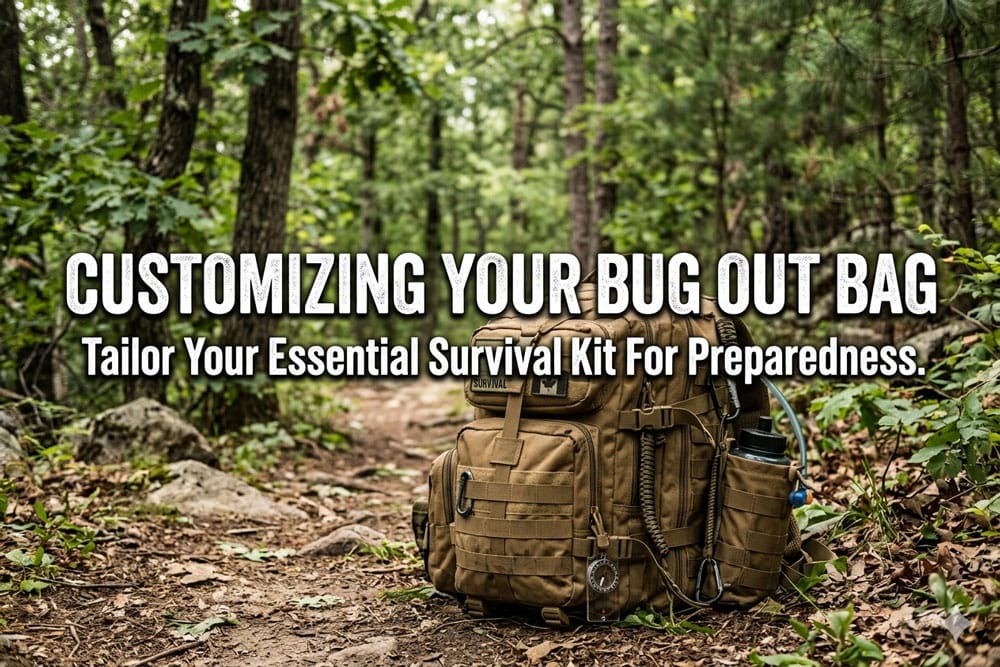
Customizing Your Bug Out Bag
Family and Pets
If you have kids or pets, you need to change your Bug Out Bag. Babies need special things. Pack formula and diapers for them. Bring favorite toys or snacks to help them feel safe. Make sure kids’ bags are not heavy. They should be easy for them to carry. Add extra clothes to keep kids warm if the weather changes. Books or games can help kids stay busy when things are scary. Older kids should have safety items like a whistle and flashlight.
Pets need their own things too. You must keep your pet safe and under control. Pack enough food, water, and medicine for three days. Bring things your pet knows to help them feel calm. Important pet items are:
Leash and a strong harness or collar
Carrier or crate if you can bring one
Extra leash
ID tags with your contact info
Bowls that fold for food and water
Prescription medicine
Pet first aid kit
Bags for waste or litter
Favorite toy and a small blanket
Tip: Always have a backup place for your pet to stay, like a pet-friendly hotel or a friend’s house.
Location and Climate
Where you live changes what you pack. If it is cold, bring warm jackets, hats, and mittens. If it is hot, pack light clothes, a wide hat, and sunglasses. If it rains a lot, you need rain gear like ponchos and tarps that keep water out. Extra socks and a sleeping mat with the right R-rating help you stay warm or cool.
Your Bug Out Bag should fit your needs, where you live, and what you know how to do. Your Bug Out Location should be away from big cities. This helps you avoid crowds and problems if there is a big disaster. Your spot should have extra supplies to help you. You should be able to get there by more than one road in case some roads are blocked. Only people you trust should know about your safe place so you stay safe during an emergency.
Personal Needs
Think about your health and what you eat. Pack a good first aid kit and put your medicine in waterproof bags. Ask your doctor for extra medicine if you need it. Bring pain medicine and other common medicine for small problems.
Item
Description
First Aid Kit
Needed for emergencies, you can buy one already made
Prescription Medication
Extra medicine you must have
OTC Meds
Pain medicine and things for small sicknesses
Pick food you like and that fits your diet. Choose food that does not spoil, like canned food, protein bars, and freeze-dried meals. Make sure your food is not too heavy but gives you energy. Check your Bug Out Bag every year. Throw out old food and add new things you need.
A Bug Out Bag helps you stay ready for emergencies. You protect yourself and your loved ones by planning ahead. When you have your kit, you feel calm and confident. You do not panic or waste time searching for supplies.
You reduce decision fatigue and panic.
You gain control over unexpected events.
You build confidence to handle challenges.
Start building your Bug Out Bag today. Preparedness gives you peace of mind and keeps you safe.
FAQ
What size should my Bug Out Bag be?
You should pick a bag that fits your body and strength. Most adults do well with a 30- to 40-liter backpack. The bag should not weigh more than 25 pounds when full.
How often should I check my Bug Out Bag?
Check your bag every three to six months. Replace expired food, water, and medicine. Update clothes and gear for the season. Practice using your items so you know how they work.
Can I use my school backpack as a Bug Out Bag?
Yes, you can use a sturdy school backpack. Make sure it is strong and comfortable. It should hold all your supplies for three days. Test the fit and weight before you pack it.
Where should I store my Bug Out Bag?
Keep your Bug Out Bag in a place you can reach fast. Good spots include your bedroom closet, car trunk, or near your front door. Tell your family where you keep it.






Comments are closed