



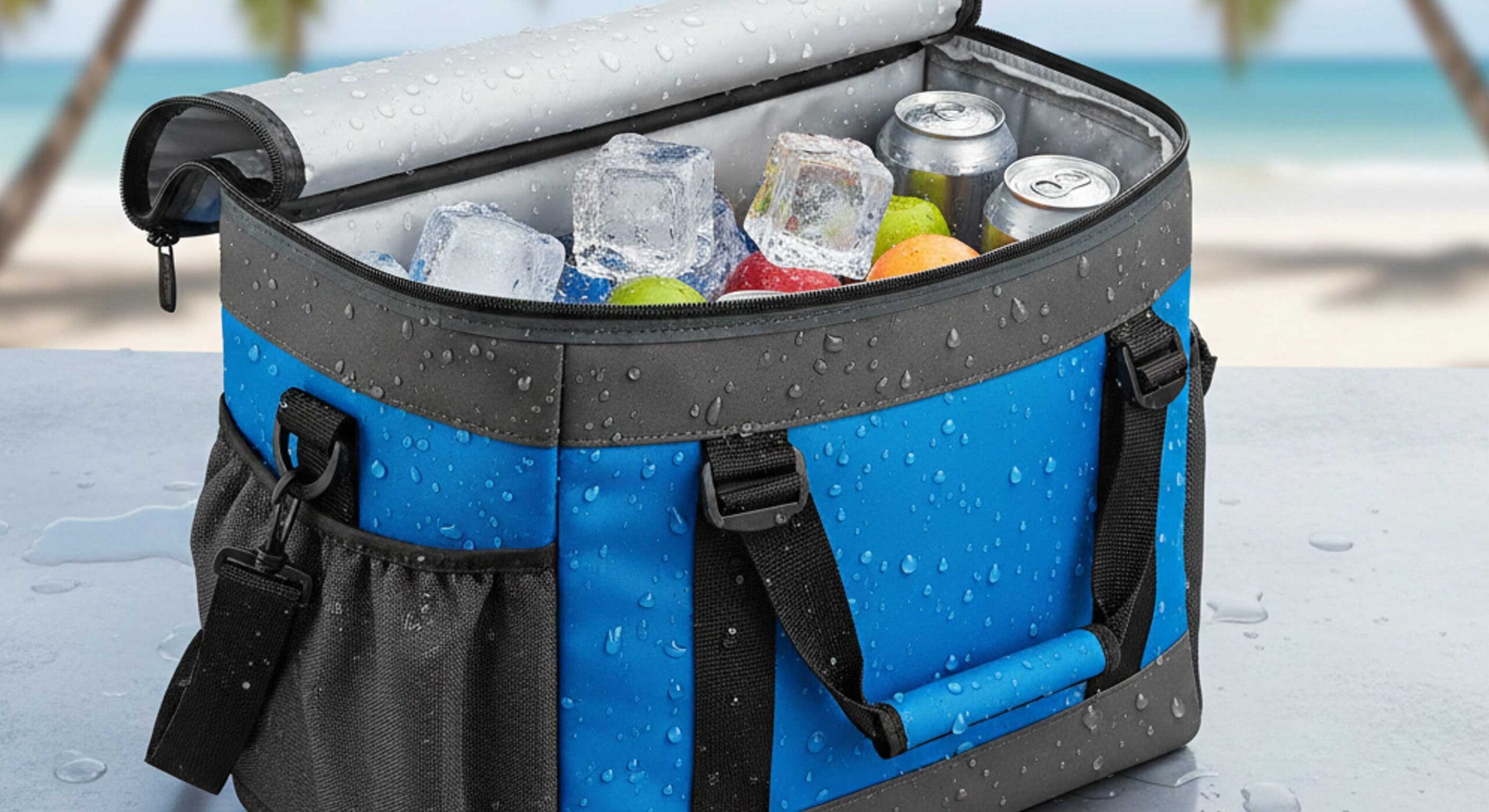
How Waterproof Cooler Bags Keep Ice Longer
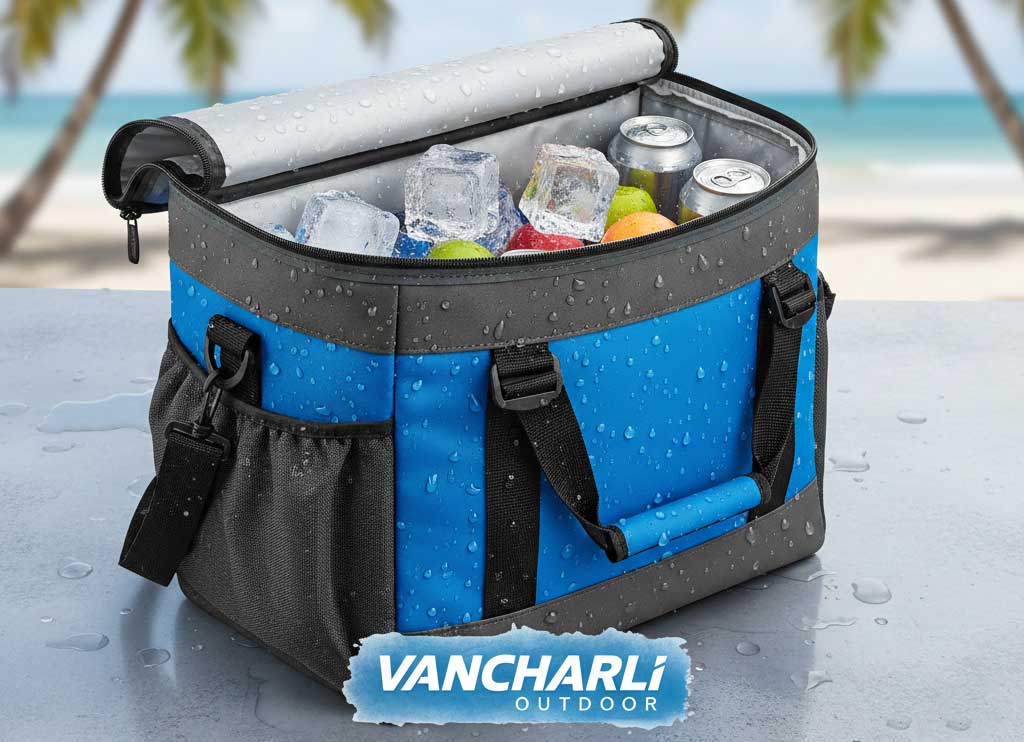
You want your drinks to stay cold at your picnic, right? An insulated waterproof bag helps with this. It keeps ice frozen for a longer time. You will not have soggy sandwiches or warm sodas. If you know how these bags work, you can use them better on every trip.
| Feature | Benefit for Ice Retention |
|---|---|
| High-Performance Design | Keeps ice solid for many hours |
| Waterproof Build | Stops leaks and keeps your food safe |
| Durable Construction | Stays strong for lots of trips |
Key Takeaways
- Pick a cooler bag with thick foam and shiny lining. This helps ice stay frozen for a longer time. Chill your cooler bag and food before you pack them. This makes the bag keep things cold better. Put block ice at the bottom and top of your cooler. This helps the ice last longer. Close your cooler bag tightly and do not open it a lot. This keeps the cold air inside. Clean your cooler bag often and store it the right way. This helps your cooler bag work well and last longer.
Insulation and Waterproofing
How Insulation Slows Ice Melt
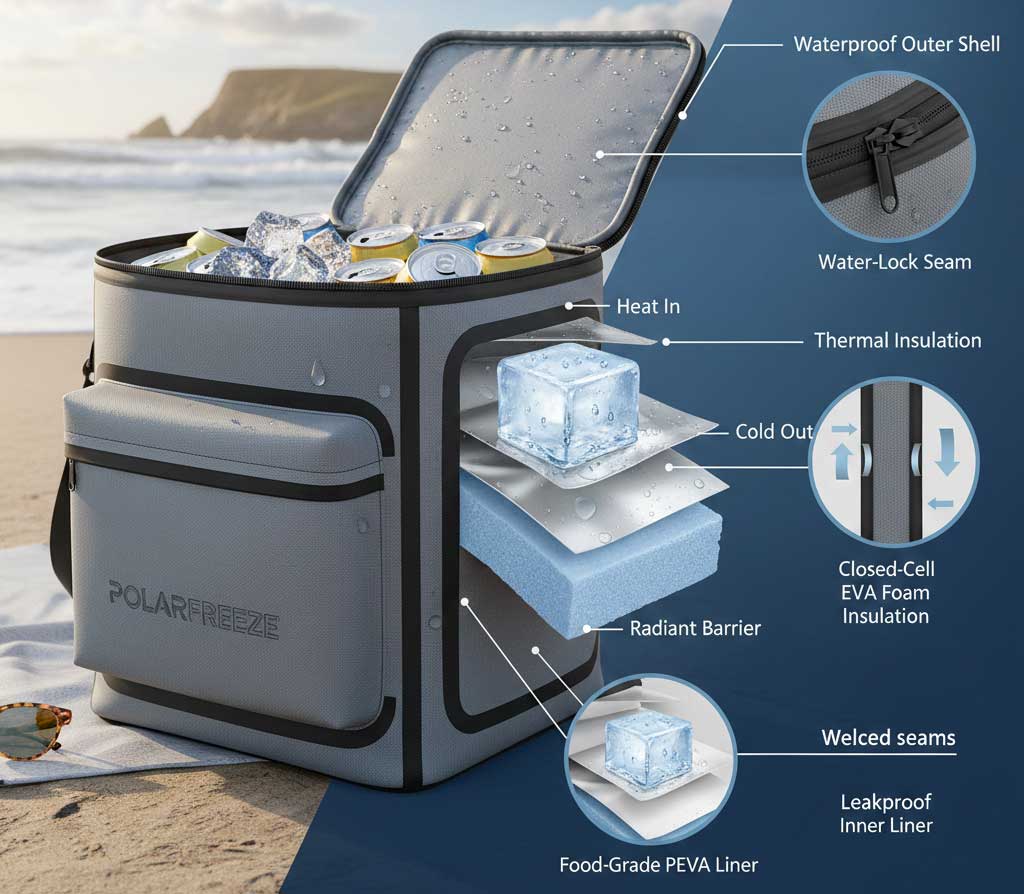
You want your ice to last a long time. The secret is insulation. An insulated waterproof bag has a barrier. This barrier keeps heat out and cold in. Foam traps air inside the bag. Air does not let heat move fast. This slows down how quickly ice melts.
Let’s look at how it works:
- Foam insulation acts like a wall. It blocks heat from reaching your ice.
- Reflective linings, such as aluminum foil, bounce heat away.
- Airtight zippers and tight seams keep warm air out.
Inside a good cooler bag, you see layers. Each layer does something important. The foam layer is the main part. Most bags use EPE foam with tiny air pockets. These pockets make it hard for heat to get through. Some expensive bags use XPE or PU foam. These foams keep things even colder.
Here’s a quick look at common insulation materials:
| Material | Thermal Conductivity | Pros | Cons |
|---|---|---|---|
| Polyurethane Foam | Low | Durable, excellent insulation | Can be heavier |
| Polystyrene Foam | Moderate | Cost-effective, lightweight | Not as durable as polyurethane |
| Reflective Aluminum Lining | Very Low | Reduces radiant heat | Can wear out over time |
| Nylon/Polyester Fabric | Moderate | Durable, water-resistant | Adds little insulation by itself |
The best insulated waterproof bag uses different materials together. Foam slows down heat. Reflective lining keeps out the sun’s rays. This mix helps your ice stay frozen longer.
Tip: To keep ice longer, pick a bag with thick foam and a shiny lining.
Why Waterproofing Matters
Waterproofing is very important too. An insulated waterproof bag keeps water and warm air out. This helps ice last longer and keeps food dry.
Waterproof cooler bags use special materials and smart designs. Welded seams do not let water leak in. Waterproof zippers have rubber gaskets that seal tightly. Some bags have roll-top closures that block air and moisture.
Here’s why waterproofing helps:
- It stops rain or splashes from getting inside.
- It keeps cold air in, so ice melts slowly.
- It protects food and drinks from getting soggy.
For best results, choose a bag with many layers. More layers give better thermal resistance. Reflective layers push away heat. Thick foam keeps cold air inside.
| Insulation Technology | Description | Cooling Effectiveness | Common Usage |
|---|---|---|---|
| VIP Panels | Vacuum insulation, blocks heat | Very high | High-end coolers |
| PCMs | Absorbs/releases energy at set temps | High | Specialized coolers |
| Gel Ice Packs | Extra cooling inside the bag | Moderate | All cooler bags |
Note: Bags with more layers and waterproof features keep ice solid longer.
When you choose an insulated waterproof bag, you get both insulation and waterproofing. This keeps ice frozen and snacks safe, even on hot days.
Sealing and the Insulated Waterproof Bag

Importance of a Tight Seal
You might think insulation does all the work, but the seal on your insulated waterproof bag is just as important. If you leave the bag open or use a weak closure, warm air sneaks in and cold air escapes. This makes your ice melt much faster. A tight seal acts like a barrier, locking in the cold and keeping out the heat.
Most insulated waterproof bags use different sealing mechanisms. Here are the most common ones you’ll find:
- Zippers: These are the most effective. They close the bag tightly and stop air from moving in or out.
- Sealing strips: These strips press together to create a strong seal. They work well for quick access.
- Buttons: Some bags use snap buttons for extra security, but they are usually paired with zippers or strips.
If you want your ice to last, always check the seal before you head out. Make sure the zipper is fully closed or the sealing strip is pressed tight. Even a small gap can let in warm air and ruin your cold drinks.
Tip: Try not to open your bag too often. Every time you unzip or unseal it, warm air rushes in and cold air escapes. This can make your ice melt much faster.
How an Insulated Waterproof Bag Retains Ice
A well-sealed insulated waterproof bag does more than just keep things dry. It helps you keep ice for hours, even on hot days. The secret is in how the bag blocks air movement and keeps the cold trapped inside.
Here’s how it works:
- The insulated interior uses closed cell foam and welded seams. These features stop air from moving in or out, so your ice stays cold.
- The waterproof base keeps the bag upright and protects it from wet surfaces. This helps maintain the cold temperature inside.
- When you seal the bag properly, you minimize air exchange. This means less warm air gets in and less cold air escapes.
If you don’t seal your bag the right way, you lose all these benefits. For example, if you use a bag with Velcro instead of a zipper, you might notice your ice melts faster. Zippers create a tighter seal and do a better job at keeping the cold in.
You also need to think about how often you open the bag. Every time you reach in for a drink or snack, you let warm air inside. Try to plan ahead and grab everything you need at once. This simple habit can help your ice last much longer.
Here’s a quick checklist to help you get the best seal every time:
- Close the zipper or sealing strip all the way.
- Check for gaps or loose spots.
- Avoid opening the bag too often.
- Store the bag upright on a dry surface.
Note: If you want your insulated waterproof bag to work well every time, keep the seal clean and free from dirt. Wipe the zipper or sealing strip after each use. This helps it close tightly and keeps your ice frozen longer.
By paying attention to the seal, you make sure your insulated waterproof bag does its job. You get cold drinks, fresh food, and ice that lasts all day.
Prepping and Packing Tips
Pre-Chilling the Bag
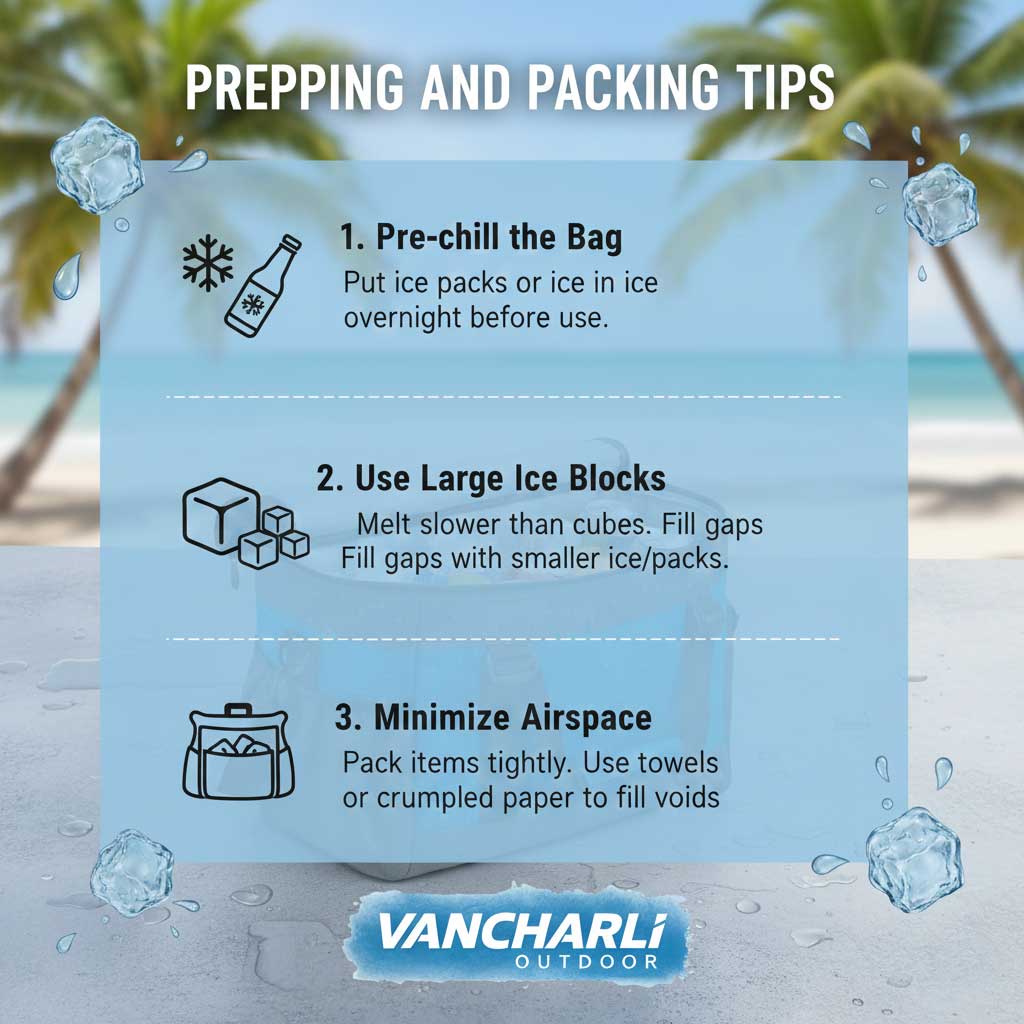
You want your ice to last as long as possible, so start by pre-chilling your cooler bag. Here’s a simple way to do it:
- Fill your bag with ice the night before your trip. Let it sit overnight or for a full day. This chills the inside and gets it ready for your food and drinks.
- Chill your food and drinks ahead of time. Put them in the fridge for a few hours, or overnight if you can. Cold items help keep the temperature low inside the bag.
- Use the 2:1 rule. Pack twice as much ice as you do food and drinks. This keeps everything colder for longer.
- Layer your packing. Put a base layer of ice at the bottom, add your pre-chilled items, and then cover with more ice.
- Close the lid quickly after opening. Keep your bag in the shade to help the ice last.
Tip: Pre-chilling makes a big difference. If you skip this step, your ice will melt much faster.
Best Ice Types and Placement
Not all ice works the same way. You have a few options:
- Block ice stays cold the longest. It melts slowly and keeps everything chilled for hours.
- Cubed ice cools things quickly but melts faster.
- Dry ice is super cold and works for very low temperatures, but you need to handle it with care.
When you pack your bag, use block ice for the base. Add cubed ice or frozen water bottles around your food and drinks. Layering ice on top and bottom helps keep everything cold.
Fill empty spaces with towels or cloths. This blocks airflow and helps your ice last longer.
Packing Methods for Maximum Cooling
You can pack your bag in a way that keeps ice solid for hours. Try these steps:
- Start with a layer of block ice or frozen packs at the bottom.
- Place meat, dairy, or other perishables on top of the ice.
- Alternate layers of ice and food. Fill air pockets with crushed ice or frozen items.
- Add more ice on top before closing the bag.
- Keep your bag closed and in the shade. Open it only when you need something.
Here’s a quick table to help you remember:
| Packing Step | Why It Works |
|---|---|
| Block ice at bottom | Slow melting, keeps base cold |
| Layer food and ice | Even cooling, less warm air |
| Fill gaps | Stops airflow, keeps cold inside |
| Ice on top | Maintains low temperature |
| Shade and closed | Prevents heat from getting in |
If you follow these tips, you’ll enjoy cold drinks and fresh snacks all day.
Maintenance and Mistakes to Avoid
Cleaning and Storing the Bag
You want your cooler bag to last for years and keep working well. Regular cleaning and smart storage make a big difference. After each trip, empty the bag and check for crumbs or spills. Use a damp cloth or soft sponge to wipe away food residue. For sticky spots, mix a little mild detergent with warm water and scrub gently. If you notice any stains, sprinkle baking soda on them and rub softly.
- Always air dry your bag in a well-ventilated area. This stops mold from growing inside.
- Never soak the bag or use harsh cleaners. These can damage the materials and weaken the insulation.
- For stubborn smells, place a small bowl of baking soda or charcoal inside the bag overnight.
Daily cleaning keeps your bag fresh and stops bacteria from building up. It also helps prevent bad odors.
When you store your bag, make sure it is completely dry. Store it in a cool, dry place. Avoid leaving it in hot or humid spots, like a garage or car trunk.
Here’s a quick look at what can go wrong if you skip these steps:
| Issue | Effect on Cooler Bags |
|---|---|
| Residual moisture | Can lead to mold growth, damaging the insulation layer. |
| Improper cleaning | Harsh chemicals or abrasive tools can corrode materials. |
| Humid storage environment | Increases the risk of mold growth. |
| High temperatures | Accelerates material aging, reducing insulation performance. |
Common Ice Retention Mistakes
Even with a great cooler bag, small mistakes can make your ice melt faster. Here are some things to watch out for:
- Packing warm or room-temperature food and drinks.
- Using too little ice or not placing it at the bottom and top.
- Leaving the bag open for too long.
- Putting the bag in direct sunlight.
- Forgetting to pre-chill the bag before use.
You can fix these mistakes with a few easy habits:
- Pre-chill your bag and all items before packing.
- Use twice as much ice as food and drinks.
- Choose large blocks of ice or frozen bottles for longer cooling.
- Fill the bag at least halfway with ice and close it quickly after opening.
- Keep your bag in the shade and off hot surfaces.
Preparation is key! A little planning helps your ice last much longer and keeps your snacks cold all day.
You can keep ice frozen for hours by following a few simple steps. Use thick insulation, pre-chill your bag, and pack everything cold. Place ice packs at the bottom and top. Keep your bag closed and in the shade. Here’s a quick checklist to help you:
- Freeze food and drinks before packing
- Pre-chill your cooler bag
- Use block ice or high-quality ice packs
- Fill empty spaces to block warm air
- Open the bag only when needed
Try these tips on your next trip and enjoy cold drinks all day! 🧊
FAQ
How do you keep ice from melting quickly in your cooler bag?
You should pre-chill your bag and use block ice. Pack your food and drinks cold. Fill empty spaces with towels or extra ice packs. Keep your bag closed and out of the sun.
Can you use regular ice cubes or do you need special ice packs?
You can use both. Block ice lasts longer than cubes. Frozen water bottles work well, too. Special gel ice packs help, but you don’t need them for every trip.
What’s the best way to clean your waterproof cooler bag?
Wipe the inside with a damp cloth and mild soap. Let it air dry completely. Avoid harsh cleaners. Sprinkle baking soda inside if you notice any smells.
How often should you clean your cooler bag?
Clean your bag after every use. This stops mold and keeps your bag fresh. If you use it often, check for crumbs or spills each time.
Can you put your cooler bag in the freezer to chill it faster?
You shouldn’t put the whole bag in the freezer. The insulation can get damaged. Instead, chill ice packs or frozen bottles, then pack them inside your bag.
Top Reasons to Choose 900D or 1680D Oxford for Your Gym Bag
What to Pack in a Boating Safety Dry Bag (Full Checklist)
How to Avoid the Zipper of a Fitness Bag from Breaking Easily
Lightweight Fitness Bags for Running and Gym Training Bags What Sets Them Apart
Comments are closed