



How to Prevent Fish Smell in Your Waterproof Fishing Bag
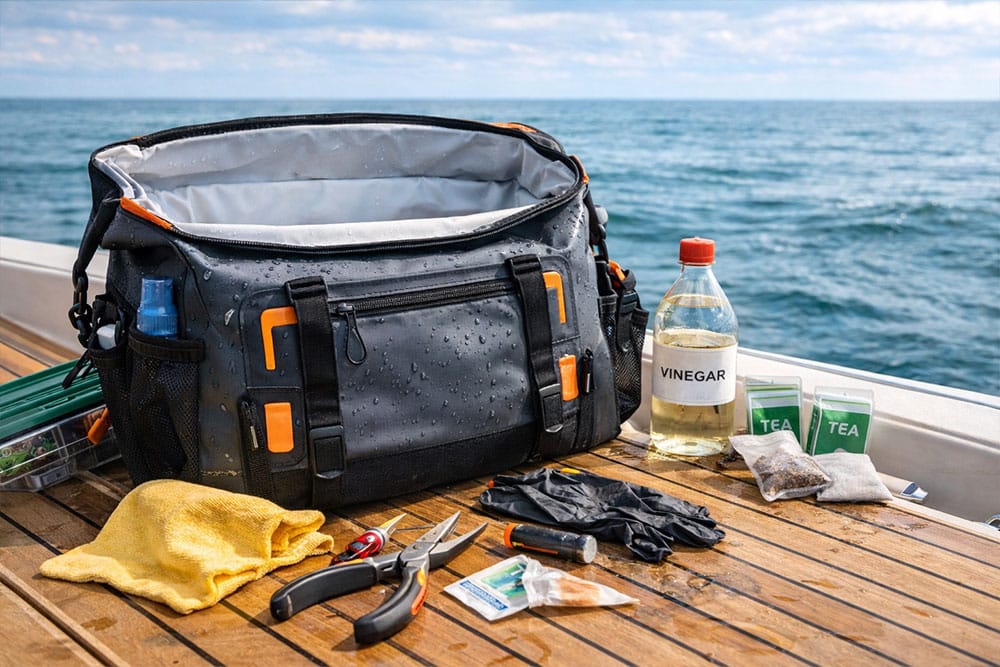
You want your odor resistant fishing bag to smell good and last long. Fish slime, oils, and blood can get inside and make it stink. Cleaning and drying your bag often stops mildew and keeps it safe. This is extra important after fishing in saltwater.
- Rinse with clean water to keep zippers and coatings safe.
- Always take out everything and dry all pockets.
- Bags with a TPU liner stop smells the best.
| Material | Durability | Waterproofing | Odor Resistance |
|---|---|---|---|
| TPU Liner | High | Excellent | Best |
| PVC | Moderate | Good | Moderate |
| Heavy-duty Nylon | Moderate | Good | Low |
Picking the right material and taking care of your odor resistant fishing bag helps it not smell bad.
Key Takeaways
- Wash your fishing bag after each trip. This stops bad smells and germs from growing.
- Try a vinegar mix to clean your bag. It helps get rid of strong fish smells.
- Let your bag dry all the way before you put it away. This keeps mold and mildew from forming.
- Check your bag often for damage or mold. This helps keep your bag in good shape.
- Get a new bag if smells stay after cleaning. A new bag makes fishing better.
Clean Your Bag After Use
Quick Rinse and Empty
You just finished fishing. The first thing you should do is empty your bag. Take out all gear, bait, and trash. Fish slime and blood can stick to the inside, so you want to get rid of them fast. If you leave organic matter inside, bacteria can grow and make your bag smell bad. Always rinse your odor resistant fishing bag with clean water right after use. Cold water works best for removing blood stains. Hot water can set stains, so avoid it. If you have ice or cold packs, keep them in the bag during transport. This helps block fish smell until you get home.
Tip: Keep a small spray bottle filled with soap and water in your tackle box. You can use it for quick spot cleaning after catching fish.
Wash With Dish Soap
After rinsing, wash your bag with dish soap. Use a strong mix of dishwashing detergent and warm water. Scrub all surfaces, including seams and pockets. Fish oils and slime can hide in corners, so pay extra attention to those spots. Spot cleaning with a technical fabric cleaner works well for tough stains. If you see fish oil stains, dab them with isopropyl alcohol before washing. This helps break down the oils. Regular cleaning and maintenance keep your odor resistant fishing bag fresh and extend its life. Most fishing gear makers suggest cleaning your bag every 3-5 uses to stop odor buildup.
- Remove all items before washing.
- Use a soft brush or sponge for scrubbing.
- Rinse thoroughly to remove all soap.
Turn Inside Out for Deep Clean
For a deep clean, turn your bag inside out. This lets you reach hidden spots and helps airflow. Bags with waterproof TPU linings benefit the most. When you turn the bag inside out, moisture trapped between layers can evaporate. This stops bacteria and odors from building up. Scrub seams and pockets well, since fish residue often hides there. Let the bag air dry completely before using it again.
| Step | Why It Matters |
|---|---|
| Turn inside out | Removes trapped moisture and odors |
| Scrub seams | Gets rid of hidden fish residue |
| Air dry | Prevents microbial growth |
Note: Address fish contamination right away. If you let it dry, stains and smells can set into the material and become permanent.
By following these steps every time you fish, you keep your odor resistant fishing bag clean and fresh. You also make sure it lasts longer and works better.
Disinfect and Neutralize Odors

Vinegar Solution Disinfecting
You want your fishing bag to stay fresh after every trip. Mix one part white vinegar with three parts water in a spray bottle. Spray the inside and outside of your bag. Let it sit for 10-15 minutes. Wipe it down with a clean cloth. Vinegar works well because its acid kills germs like E. coli and S. aureus. It also helps remove strong fish smells. You do not need harsh chemicals. Vinegar is safe for you and the environment. Chemical cleaners can harm water and wildlife, but vinegar breaks down naturally.
Tip: Use this vinegar spray every time you clean your bag. It keeps your odor resistant fishing bag smelling good and safe for your next adventure.
Use Tea Bags for Odor Control
Sometimes, a little smell sticks around. You can fix this with dry tea bags. Place two or three unused tea bags inside your bag after cleaning. Leave them overnight. Tea leaves soak up leftover odors and add a fresh scent. Many anglers say this trick works better than air fresheners. You can use black or green tea bags. Change them out after each trip for best results.
- Place tea bags in all pockets.
- Use new tea bags each time.
- Try different flavors for a scent you like.
Sunlight for Bacteria Removal
Sunlight is a natural cleaner. After you wash and disinfect your bag, open all zippers and pockets. Set your bag outside in direct sunlight for a few hours. The sun’s UV rays kill bacteria and dry out any moisture. This step helps stop mold and mildew. Your bag will smell fresher and last longer. Many anglers trust this method because it is simple and free.
| Method | What It Does | How Often |
|---|---|---|
| Vinegar Spray | Disinfects and removes odor | Every cleaning |
| Tea Bags | Absorbs leftover smells | After cleaning |
| Sunlight | Kills bacteria, dries bag | Every time |
By following these steps, you keep your odor resistant fishing bag clean and ready for your next fishing trip.
Dry and Store Properly
Air Dry Thoroughly
You want your bag to stay fresh and last longer. After cleaning, always open every zipper and pocket. Hang your bag upside down in a well-ventilated spot. This helps air reach every corner. If you have a fan, use it to speed up drying. A dry towel can also help soak up extra moisture if you are in a hurry. Never put your bag away while it is still damp. Moisture leads to mold and bad smells.
Here’s a quick guide for drying times:
| Condition | Estimated Drying Time |
|---|---|
| Lightly Wet | 4–6 hours |
| Soaked | 24–48 hours |
Tip: Make sure your odor resistant fishing bag is completely dry before you store it. Even a little dampness can cause problems.
Store in Cool, Dry Place
Pick a cool, dry spot for storage. Heat and sunlight can damage your bag’s material over time. A dark closet or a gear room works well. Always leave your bag unzipped when you store it. This lets air move inside and keeps moisture out. If you seal your bag tightly, you trap moisture and risk mold or mildew. Good airflow is your friend.
- Store your bag in a dry, cool place.
- Avoid direct sunlight and heat.
- Leave all compartments open.
Use Odor Absorbers
You can fight leftover smells with simple odor absorbers. Baking soda works great. Sprinkle a little inside your bag and let it sit overnight. You can also use a small pouch of baking soda or activated charcoal. Both options soak up moisture and trap odors. Replace these odor absorbers every few weeks for best results. This keeps your bag smelling clean and ready for your next trip.
Note: Don’t forget to check your bag before each use. If you notice a musty smell, repeat the cleaning and drying steps.
By following these steps, you keep your odor resistant fishing bag fresh and free from stubborn odors.
Maintain an Odor Resistant Fishing Bag
Inspect for Mold or Damage
You want your fishing trips to be fun, not smelly. Regular inspections help you catch problems before they get worse. Check your odor resistant fishing bag every time you clean it. Look for signs of mold or mildew. These often show up as white or dark spots on the fabric. You might see them on canvas, nylon, or polyester. If you spot any, clean them right away. Mold can damage your gear and leave stains that are tough to remove.
- White or dark spots mean mildew.
- Check all pockets and seams.
- Don’t forget the bottom of the bag.
If you find a problem, fix it fast. Wipe down the area with a mild soap and water solution. Use antibacterial wipes or a vinegar spray for extra cleaning. Always dry the bag completely before storing it. Taking care of small issues right away keeps your bag in good shape and helps it last longer.
Tip: Make inspections part of your routine. A quick check after each trip can save you time and money.
Replace if Odors Persist
Sometimes, even the best care can’t save a bag. If your odor resistant fishing bag still smells bad after cleaning and drying, it might be time for a new one. Bags wear out over time, especially if you fish often. Here’s a look at how long different bags usually last:
| Type of Bag | Average Lifespan |
|---|---|
| Premium Dry Bag | 5 – 10 years |
| Standard Waterproof Bag | 2 – 4 years |
| Wet Bag (disposable) | 1 year |
If you notice cracks, tears, or a smell that won’t go away, don’t wait. Replace your bag to keep your gear safe and fresh. Cleaning and disinfecting after every use helps, but sometimes you just need a new bag. A fresh start means no more stubborn odors and better fishing trips.
Remember: A clean, odor resistant fishing bag makes every trip more enjoyable.
You want your fishing bag to stay fresh and last for years. Stick to these steps every time:
- Clean and rinse your bag after each trip.
- Disinfect and dry it well.
- Store it in a cool, dry place.
Consistency makes all the difference. When you pay attention to the details, you keep your waterproof fishing bag odor resistant and ready for your next adventure!
FAQ
How often should you clean your fishing bag?
You should clean your fishing bag after every trip. Quick cleaning stops smells before they start. Regular care keeps your bag fresh and ready for your next adventure.
Can you use bleach to remove fish smell?
Bleach can damage waterproof coatings and fabric. Stick with vinegar or dish soap for safe cleaning. These options work well and protect your bag.
What if your bag still smells after cleaning?
Try using baking soda or activated charcoal inside your bag. Let them sit overnight. If the smell stays, you may need to replace your bag.
Is it safe to dry your bag in direct sunlight?
Yes, sunlight helps kill bacteria and dry your bag fast. Open all zippers and pockets. Don’t leave your bag outside for too long, or the material may fade.
Do odor absorbers really work?
Odor absorbers like baking soda, charcoal, or tea bags soak up smells. Many anglers use them and see good results. Change them out every few weeks for best performance.
Why Every Angler Needs a Waterproof Fishing Bag
What to Pack in a Boating Safety Dry Bag
Comments are closed