



How to Choose a Refrigerator Suitable for Kayaking Fishing
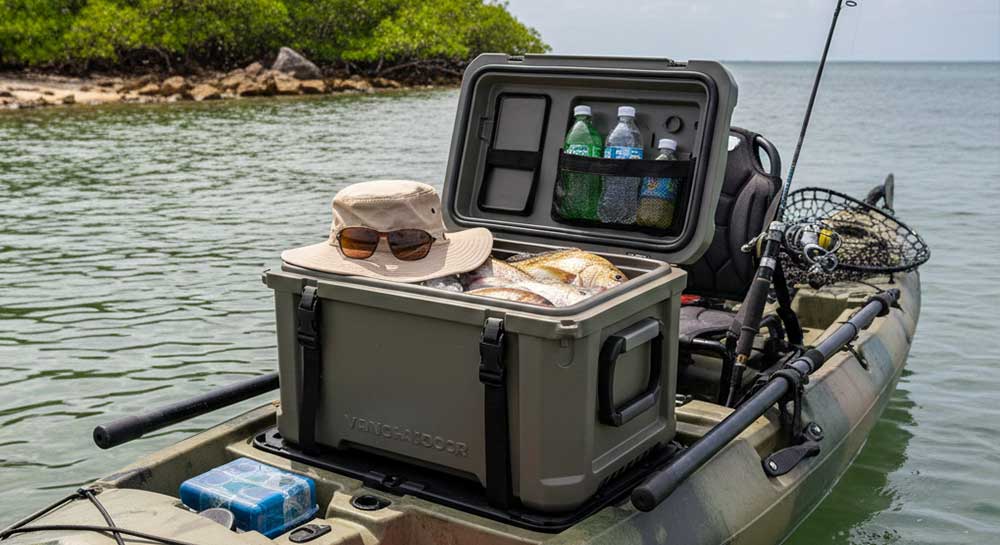
You want a refrigerated container that keeps your catch and snacks cold all day on the water. Insulation makes a big difference, and a sealed lid helps lock in the cold. You also need something light and easy to carry. If you don’t keep food cold, problems can pop up fast:
- Bacteria can grow quickly when food gets warm.
- Spoiled food happens fast without proper chilling.
- Fresh fish goes bad faster than frozen items if you lose cooling.
Pick a container that fits your kayak and keeps everything safe for your trip.
Key Takeaways
- Pick a refrigerated container with strong insulation. Make sure it has a sealed lid. This helps keep food and fish cold for many hours.
- Find a container that fits inside your kayak. This makes it easy to carry. It also keeps your kayak steady when you paddle.
- Think about how long your trip will be. Small containers are good for short trips. Big, insulated ones are better for longer trips.
- Use frozen water bottles or block ice. Do not use loose ice. This keeps your catch dry and cold.
- Clean your refrigerated container often. Take care of it so it lasts longer. This helps keep your food safe.
Essential Features of a Refrigerated Container

Insulation and Sealed Lid
You want your refrigerated container to keep things cold for hours. Good insulation makes all the difference. Look for containers with closed-cell foam. This material works well in fish bags and keeps ice from melting, even on long days. A half-inch thickness of closed-cell foam can do the job. Some containers use polyisocyanurate foam, which has a high R-value. That means it keeps the cold in and the heat out. If you see aluminum foil inside, that’s a plus. It reflects heat and helps your food and fish stay fresh.
A sealed lid is just as important as insulation. When you close the lid tight, you stop warm air from sneaking in. Cold air stays inside. This keeps your bait and snacks safe. If you want to keep your catch fresh, always check that the lid seals well.
Tip: Before you leave, pre-pack your refrigerated container with ice or frozen water bottles. This cools the inside and helps keep everything cold longer.
Storage Volume and Shape
Think about what you need to store. Are you packing lunch, drinks, and bait? Or do you need space for a big catch? Choose a refrigerated container that fits your needs but does not take up too much room. A long, narrow shape often fits better in a kayak than a bulky box. You want something that slides into the tank well or behind your seat.
Make a quick list before you buy:
- How many fish do you plan to keep?
- Do you need room for snacks and drinks?
- Will the container fit in your kayak’s storage area?
A good fit means you can paddle and fish without trouble.
Portability and Weight
Kayak fishing means you need to move fast and light. Heavy gear slows you down. Most popular refrigerated containers for kayak fishing weigh around 2.9 pounds. That’s light enough to carry and easy to lift in and out of your kayak.
Portability matters. One-piece, roto-molded coolers work well. They give you cold storage and a dry spot for gear. Look for a container that fits behind your seat or in a storage compartment. This keeps your kayak balanced and your gear easy to reach.
- Lightweight and compact coolers are best.
- Make sure the container does not block your paddling or fishing.
- Good weight distribution helps your kayak stay stable.
Temperature Control
Keeping your food and fish below 40ºF is key for safety. You can use frozen water bottles instead of loose ice. This keeps things cold and dry. Place an insulated shopping bag in the front hatch with frozen bottles for extra cooling. Avoid using loose ice in bags, since melted water can leak into your kayak.
Here are some quick tips:
- Freeze water bottles before your trip.
- Pack the coldest items at the bottom.
- Open the lid only when you need something.
If you follow these steps, your refrigerated container will keep everything fresh and safe all day.
Matching Refrigerated Container to Kayak and Trip

Sizing for Your Kayak
You want your refrigerated container to fit your kayak perfectly. Start by measuring the space where you plan to store it. Most kayaks have a rear tank well, a spot behind the seat, or even space under the spray deck. Check the maximum height, width, and length your kayak can handle. For example, many anglers find that a container around 12 inches high, 16 inches wide, and 24 inches long fits well under a spray deck. If you have a smaller kayak, you might need to go even smaller.
- Make a list of your kayak’s storage spots.
- Measure each area before you shop.
- Think about whether you want one medium container or two smaller ones. Sometimes, two smaller containers are easier to pack and balance.
You also want to keep your kayak stable. A long, narrow container often works better than a bulky box. It slides into tight spaces and keeps your gear organized. If you overload your kayak, you might tip or have trouble paddling. Always check the weight limit for your kayak and add up the weight of your gear, including the refrigerated container.
Tip: Test your container at home. Load it up and place it in your kayak. Make sure you can still paddle and reach your fishing gear easily.
Trip Duration Needs
How long you plan to stay on the water changes what kind of refrigerated container you need. For a short trip, you can use a small, lightweight cooler. If you’re heading out for a weekend or longer, you need something bigger and better insulated.
For multi-day trips, many anglers use a crate system like the YakAttack BlackPack or a homemade crate. These crates help you organize your gear and keep everything in reach. You can secure them in the rear tank well, which makes them easy to access. Some anglers use a milk crate with a lid to keep water out and protect their food and bait. This setup works well for storing safety gear, tackle, and snacks.
If you want to keep food fresh for up to 72 hours, look for a container with thick insulation and a tight seal. Pack it with ice or frozen water bottles. Remember, the bigger the container, the more ice you need to keep things cold.
- For day trips: Small, portable containers work best.
- For multi-day trips: Choose a larger, well-insulated container or use a crate system for extra storage.
Solo vs. Group Use
Are you fishing alone or with friends? This choice changes the size and type of refrigerated container you need. If you fish solo, a small or medium container is usually enough. You only need space for your catch, lunch, and drinks.
If you fish with a group, you need more room. Group trips mean more fish, more food, and more drinks. You might want a larger container or even two. Here’s a quick guide to help you choose:
| Cooler Size | Use Case | Features |
|---|---|---|
| 20qt | Solo trips or lunch storage | Compact and portable |
| 45qt | Group trips or large game | Versatile and not bulky |
| 70qt | Multi-day or large storage | Maximum space, long performance |
Larger containers help keep everyone’s catch fresh. They also store bait and drinks for the whole group. If you plan to bring home a big haul, go for the biggest size your kayak can handle. Just remember, bigger containers are heavier and take up more space.
- Solo: Small, easy-to-carry containers.
- Group: Larger containers with more space and better insulation.
Note: Always balance your load. Place heavy containers low and in the center of your kayak to keep it steady.
Choosing the right refrigerated container depends on your kayak size, trip length, and whether you fish alone or with friends. Take a few minutes to plan before you buy. You’ll have a safer, more enjoyable day on the water.
Securing and Using Your Refrigerated Container

Attachment Methods
You want your refrigerated container to stay put while you paddle. Use bungee cords, straps, or built-in tie-down points on your kayak. Many kayaks have D-rings or gear tracks that make this easy. Loop the straps through the handles or anchor points on your container. Pull them tight so nothing slides around. Mesh bags can help keep smaller items together. If your container has a non-slip base, that helps too.
Tip: Always double-check your straps before you launch. A loose container can shift and throw off your balance.
Safety and Stability
Where you place your refrigerated container matters for your kayak’s stability. Keep heavy gear low and close to the center. This helps your kayak stay steady and easy to paddle. Use the table below to see the best ways to keep your kayak balanced:
| Technique | Description |
|---|---|
| Even Gear Placement | Store heavier gear low and near the center to maintain a stable center of gravity. |
| Using Removable Ballast Bags | Adjust trim dynamically with ballast bags filled with water or sand for varying conditions. |
| Securing Loose Items | Prevent gear shifting with mesh bags and bungee cords to maintain stability while paddling. |
If you fish in rough water, check your setup often. A stable kayak means a safer trip and better fishing.
Maintenance Tips
Take care of your refrigerated container so it lasts longer and works better. Clean the inside every month with a food-safe sanitizer. This keeps bacteria away and your food safe. Once a month, check any electrical parts or coils if your container uses power. Every few months, do a deep clean and look for any damage.
- Wash the inside monthly.
- Clean coils and check connections monthly if needed.
- Deep clean and inspect every three months.
Keeping your container clean and in good shape means you always have a safe place for your catch and snacks.
Power and Efficiency Options
Battery and Solar Choices
There are different ways to power a refrigerated container on your kayak. Battery-powered coolers are common. They are simple to use and work with new electronics. These coolers have sealed cases to keep water out. Here is a table that shows the main good and bad points:
| Advantages | Disadvantages |
|---|---|
| Lightweight | Expensive |
| High charge capacity | Needs a special charger |
| Used in modern electronics | Can catch fire or explode if too hot |
| Strong sealed cases available | Can short out if they get wet |
Solar-powered containers are another choice. They work best when the sun is shining. They can help you save power and money. But they also have some problems.
Solar-powered refrigerated containers, or solar reefers, can lower energy costs if they get enough sunlight, which is when they use the most power. But there are problems like not enough sun because of stacking, damage to solar panels from weather, and needing batteries to store power. These things make them less reliable than battery-powered coolers.
If you want something easy, you can skip power and use manual cooling.
Manual Cooling Methods
Manual cooling is good for most kayak fishing trips. You can use ice, frozen water bottles, or freezer packs. Block ice lasts longer than small ice cubes. Freeze your food and drinks before you pack them. This keeps things cold for hours without batteries or solar panels. Put the coldest stuff at the bottom of your container. Try to keep the lid closed as much as you can.
Energy-Saving Tips
You can help your refrigerated container work better with some easy tips:
- Use twice as much ice as food for best results.
- Pick block ice instead of cubes for longer trips.
- Pack freezer packs for extra cold.
- Chill your cooler before you leave home.
- Freeze or chill your food and drinks before packing.
- Keep your cooler in the shade and out of the sun.
- Only open the lid when you need something.
These tips help you keep your catch and snacks cold all day, no matter which cooling method you use.
You now know what to look for in a refrigerated container for kayak fishing. Focus on insulation, size, and how easy it is to carry. Match the container to your kayak, trip length, and fishing style.
- Measure your kayak’s storage.
- Pick the right size for your trip.
- Choose features that fit your needs.
Ready to upgrade your kayak fishing trips? Pick the best refrigerated container and keep your catch fresh every time!
FAQ
How do I clean my refrigerated container after a fishing trip?
You should rinse the container with fresh water. Use mild soap and a soft brush for tough spots. Dry it completely before storing. This keeps smells and bacteria away.
What type of ice works best for kayak fishing?
Block ice lasts longer than cubes. You can also freeze water bottles. These keep your food cold and your container dry. Try both and see which you like more.
Can I use any cooler on my kayak?
Not every cooler fits a kayak. Pick one that matches your kayak’s storage space. Look for a cooler with tie-down points or handles. This helps you secure it safely.
How do I keep my food safe on long trips?
Pack your food below 40ºF. Use extra ice or frozen packs for longer trips. Keep the lid closed as much as possible. Check the temperature if you can.
What Insulation Materials Make the Best Waterproof Cooler Bags
Understanding Cooler Bags and Their Insulation Technologies
Why Choose TPU Cooler Bags Over PVC for Outdoor Adventures
How Waterproof Cooler Bags Keep Ice Longer


Comments are closed