A tackle bag helps you keep your fishing gear organized and safe. You can carry hooks, lures, and tools without worrying about losing anything. If you love fishing or spending time outdoors, you know how messy gear can get. With a tackle bag, you grab what you need fast and focus on your adventure.
Tip: Choose a bag that fits your style and keeps your gear protected from the weather.
A tackle bag helps you keep your fishing gear neat and easy to find. – Pick a strong, water-resistant bag with parts you can move for outdoor trips. – Keeping your tackle sorted saves time and helps you catch more fish. – Think about how you fish and how much gear you have before picking a tackle bag. – Look at top brands like Plano and Shimano for good choices.
What Is a Tackle Bag?
Definition & Purpose
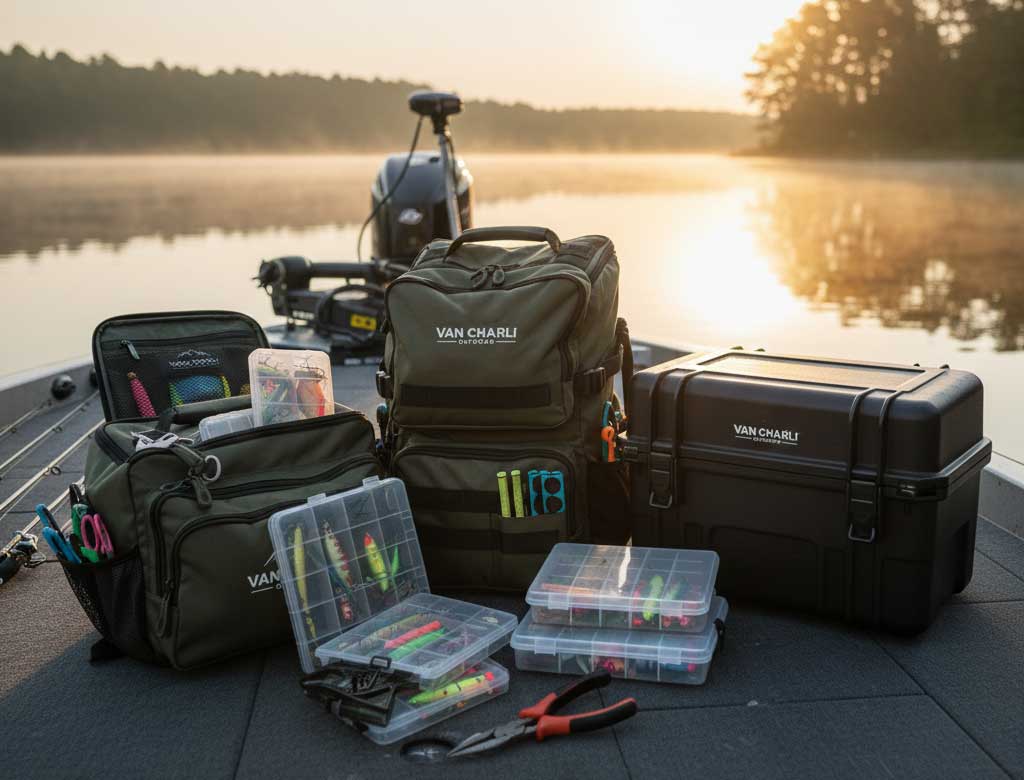
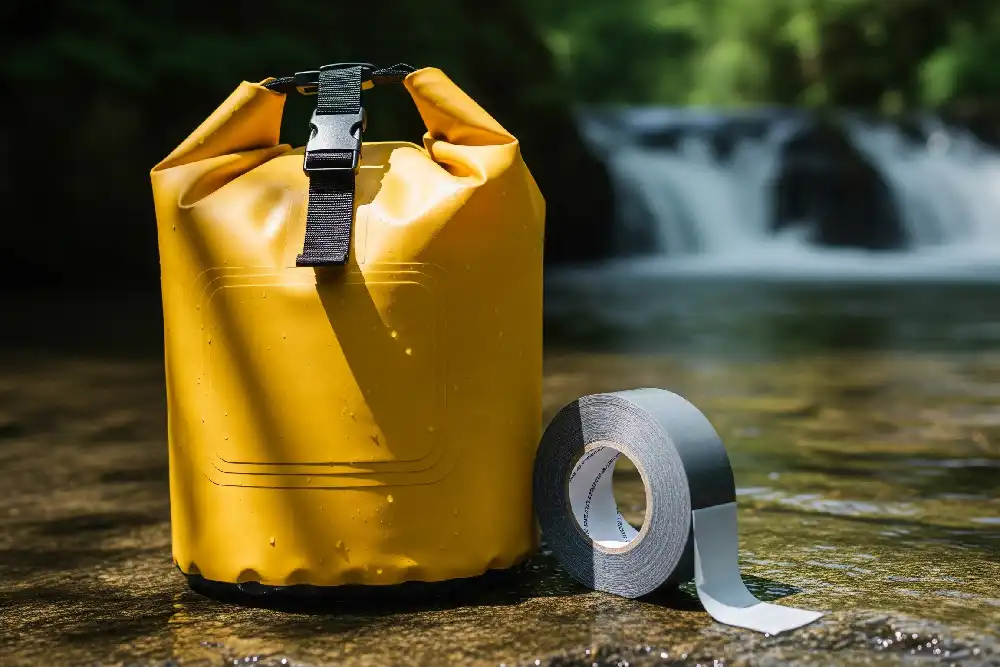
You may ask how a tackle bag is different from other bags. A tackle bag is made to hold fishing gear and outdoor tools. It keeps your things neat, safe, and easy to find. There are many pockets for lures, hooks, and other small items. The bag is made from strong, water-resistant materials. This helps keep your gear dry if it rains or gets wet. When you go fishing, you want your things in order. A tackle bag stops lines from getting tangled and keeps hooks from getting lost. This makes your trip easier and more fun.
Note: You can use a tackle bag for more than fishing. It works for camping, hiking, or any outdoor trip where you need to carry small tools and supplies.
Key Features
Modern tackle bags have many helpful features. Here are some things you will find in most tackle bags:
Feature
Description
Multiple Compartments
Different spaces for each type of tackle.
Water-Resistant Construction
Keeps your gear safe from water.
Portability
Has comfy straps and is light to carry.
Ergonomic Layouts
Pockets and straps are made for comfort.
Modular Systems
Dividers and pockets can be moved around.
Specialized Storage
Has spots for small things and cool pockets for bait.
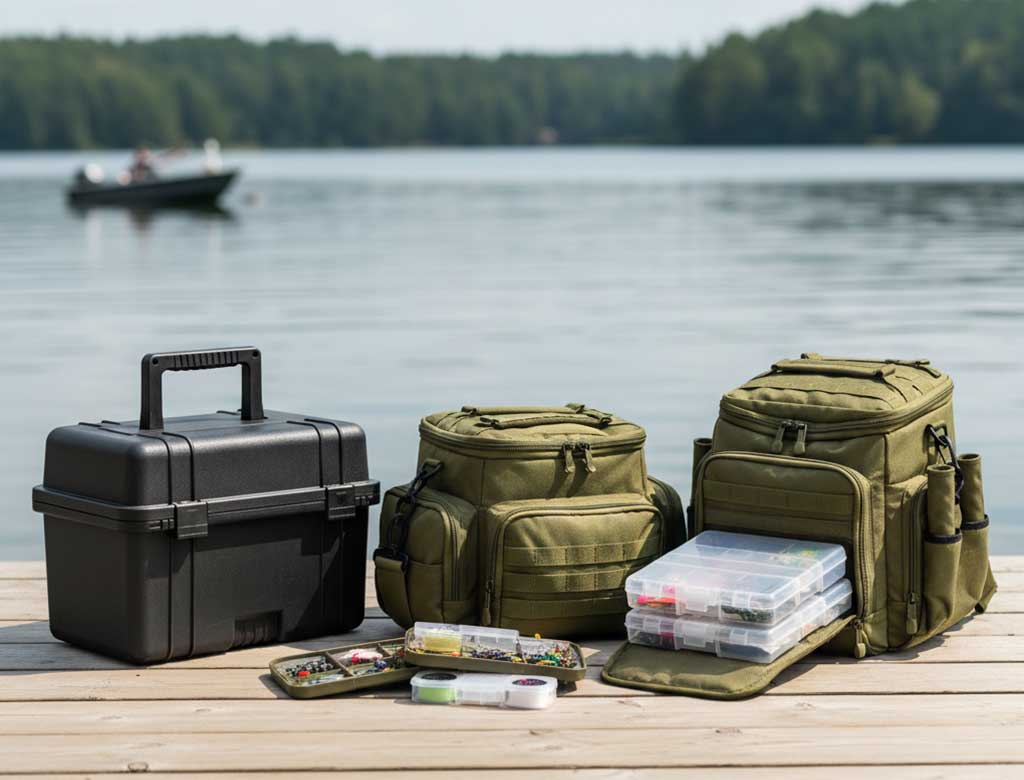
You can move the dividers and trays to fit your gear. Mesh pockets on the outside hold wet things and keep the inside dry. Strong materials like weather-resistant polyester and tight zippers protect your gear from bad weather. These features help you keep lures, hooks, and tools in order. You can find what you need fast, and nothing gets mixed up or lost.
Evolution
Tackle bags have changed a lot over time. Long ago, people used simple boxes or canvas bags for their gear. These bags did not have many pockets and did not keep water out. As fishing got more popular, companies made better bags. Now, tackle bags have strong stitching, soft straps, and waterproof linings. Some bags let you change the inside to fit your trip. Today’s tackle bags are more comfy, organized, and safe than before. You can pick a bag that matches your style and keeps your gear safe anywhere you go.
Tip: Pick a tackle bag with strong zippers and tough fabric. These things help your bag last longer when you are outdoors.
Types of Tackle Bags
Single-Compartment
If you like to keep things simple, a single-compartment tackle bag might be your best friend. This type has one big space inside. You just toss in your gear and go. You do not have to worry about sorting or finding the right pocket. Many anglers who fish now and then or carry only a few items choose this style. It feels light and easy to carry. You can grab your hooks, lures, and tools fast. This bag works well for short trips or when you want to travel light.
Tip: A single-compartment bag is great if you do not need to bring a lot of gear.
Multi-Compartment
Do you like to keep your gear neat and easy to find? A multi-compartment tackle bag gives you lots of pockets and spaces. You can move dividers around to fit your stuff. Here’s what makes these bags special:
Customizable layouts let you change the size of each compartment.
Multiple exterior pockets hold tools, snacks, or your phone.
You can switch things up during your trip if you need to.
This type helps you stay organized. You will not waste time digging for the right lure or hook.
Hybrid/Convertible
Sometimes you want the best of both worlds. Hybrid or convertible tackle bags give you that. You can change how you use the bag based on your trip. Some have parts that come off or fold out. This gives you more ways to carry your gear. Check out the pros and cons:
Pros
Cons
Maximum flexibility
May not feel as sturdy because of moving parts
Adapts to conditions
You can use these bags for fishing, hiking, or even camping. They fit many needs, but sometimes the extra features make them less strong.
Comparison
Let’s see how these types stack up for storage and getting to your gear:
You can pick a tackle bag that matches your fishing style. If you want simple, go for single-compartment. If you love order, try multi-compartment. If you want to switch things up, hybrid bags are for you.
Design & Build
Materials
When you pick out a tackle bag, you want something that lasts and feels good to carry. Makers use different materials to give you the best mix of strength, weight, and style. Here’s a quick look at what you’ll find:
Material
Benefits
Leather
Durable, ages well, strong and stylish.
Cotton
Lightweight, breathable, eco-friendly.
Nylon
Waterproof, easy to clean, low maintenance.
Polyester
Quick-drying, resists shrinking, affordable.
Recycled Materials
Reduces waste, good for the planet.
Biodegradable
Breaks down naturally, supports sustainability.
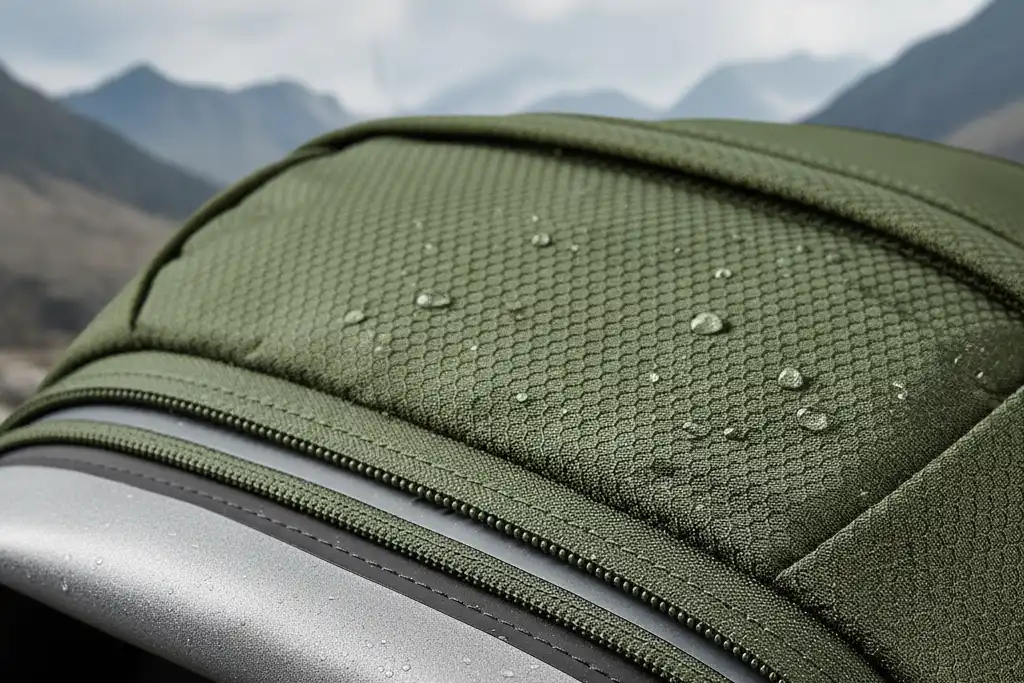
Nylon and polyester stand out for their toughness and water resistance. You get a bag that can handle rain and rough trips. Some tackle bags use 600D Oxford fabric, which keeps your gear safe and makes the bag light enough to carry all day.
Construction
You want your tackle bag to survive every adventure. Builders use smart techniques to make sure your bag stays strong. Here are some ways they do it:
Double-stitched seams with marine-grade thread
Reinforced stress points at strap attachments
YKK zippers with self-healing coils
Removable bottom panels for easy cleaning
Some bags use 1000D Cordura or 1680D ballistic nylon. These materials protect against sharp hooks and rough surfaces. Real-world tests show that bags with reinforced stitching and tough fabrics last longer, even after hours in wet and salty conditions.
Innovations
New tackle bags come packed with cool features. You get more ways to organize and protect your gear. Check out some of the latest upgrades:
Feature
Description
Modular Pop Out Pockets
Move pockets around to fit your stuff.
Molded EVA Bottom
Keeps your bag stable and safe from bumps.
Reverse Rip Stop Material
Stops rips and tears in tough spots.
Padded Shoulder Strap
Makes carrying easier and more comfortable.
Integrated Rain Fly
Covers your gear when it rains.
Non-Slip Bottom
Keeps your bag steady and lets water drain out.
Plier Holder
Quick access to your tools.
Holds Up to 5 Trays
Plenty of space for all your fishing essentials.
You can find tackle bags with open top designs for fast access, adjustable straps for comfort, and extra pockets for every tool. These smart changes help you stay organized and ready for anything.
Choosing a Tackle Bag
Picking the right tackle bag can make your fishing trips smoother and more fun. You want a bag that fits your gear, keeps things organized, stands up to tough conditions, and feels good to carry. Let’s break down what matters most.
Capacity
You need a bag that holds all your gear but doesn’t slow you down. Think about how much stuff you bring on a typical trip. Do you fish from a boat, hike to a lake, or cast from the shore? Each style needs a different amount of space.
Here’s a quick look at how bag types match up with fishing styles:
Bag Type
Best Use Case
Gear Capacity
Access Speed
Comfort Rating
Backpack
Kayak, Shore Hiking
High (8+ boxes)
Moderate
Excellent
Shoulder Bag
Boat, Pier
Moderate (5-7 boxes)
Fast
Good
Sling Pack
Mobile Shore, Pier
Low-Moderate (3-5 boxes)
Very Fast
Very Good
You want enough room for your lures, hooks, and tools. If you fish from a boat like Mike, you might pack several boxes and trays. He gets ready the night before, loads his tackle bag, and never forgets anything. That kind of planning saves time and stress.
When you choose capacity, ask yourself:
What gear do you always bring?
Do you need space for extra items like snacks or sunscreen?
Will the bag fit in your car, boat, or kayak?
Check out this table for more tips on picking the right size and features:
Criteria
Description
Material Durability
Look for denier-rated fabrics (600D–1680D polyester or nylon) with PU or TPU coatings.
Compartment Layout
Multiple tiers and removable trays help you organize better.
Zippers & Closures
Metal zippers like YKK resist rust and last longer.
Carry System
Padded straps and strong handles make carrying easier.
Dimensions & Weight
Make sure the bag fits your vehicle or boat.
Weather Resistance
Taped seams and roll-top closures keep water out.
Organization
You want to grab your gear fast and keep everything in its place. A good tackle bag has smart pockets, trays, and dividers. You can move things around to fit your style.
Special holders for rods and insulated pouches for bait
If you like order, look for bags with lots of small pockets and trays. You can keep your spinnerbaits separate from your soft plastics. Some bags even have clear pockets so you see what’s inside without opening them.
Tip: Try packing your bag before a trip. You’ll see if it fits everything and if you can find things quickly.
Durability
You want a bag that lasts through rain, mud, and rough handling. Makers test tackle bags by loading them with gear, closing them up, and dropping them from different heights. They check for tears, broken zippers, and worn-out seams.
Here’s how you can check durability:
Fill the bag with your usual gear.
Zip it up and make sure everything fits.
Place it on a rough surface like gravel or sand.
Drop it from waist height a few times.
Look for damage after each drop.
After some use, repeat the test to see if it holds up.
Strong bags use thick fabric, double stitching, and metal zippers. If you fish in tough spots, pick a bag with reinforced corners and waterproof coatings.
Note: A durable tackle bag saves you money and keeps your gear safe for years.
Comfort & Price
You want a bag that feels good to carry, even when it’s full. Look for padded straps, soft handles, and a design that spreads weight evenly. Some bags have extra padding on the back or sides. If you hike or walk long distances, comfort matters even more.
Price can range from budget-friendly to high-end. You get more features and better materials as you spend more. Here’s a look at popular models and their prices:
Tackle Bag Model
Price
Plano Guide Series 3500 Tackle Bag
$94.99
Plano Guide Series 3600 Tackle Bag
$139.99
Plano Guide Series 3700XL Tackle Bag
$159.98
Plano KVD Signature Series Tackle Bags
$149.99 – $169.99
Plano Weekend Series Softsider Tackle Bags
$34.99 – $44.99
Plano Weekend Series Tackle Bags Coast
$44.99 – $54.99
Weekend™ Tackle Backpack
From $59.99
Atlas Tackle Bag
$155.99
Pro Series Tackle Bag
From $52.49
Guide Series™ Tackle Bag XL
$199.99
You don’t have to spend a lot to get a good bag. Weekend anglers often pick softsider bags for under $50. If you want more space and comfort, you might pay more for a guide series or signature model.
Tip: Try on the bag before you buy. Walk around the store or your house to see how it feels.
Choosing the right tackle bag means thinking about your gear, your fishing style, and your budget. When you find the perfect fit, you’ll spend less time searching for gear and more time catching fish.
Usage & Maintenance
Organization Tips
You want your gear easy to find when you need it. Try these simple tricks to keep your tackle bag neat:
Label everything so you can grab the right item fast.
Sort gear by type—put hooks with hooks, lures with lures.
Use adjustable dividers to keep things from sliding around.
Check your gear often for rust or damage and swap out anything worn.
Keep an inventory list so you never forget what you have.
Make sections for freshwater and saltwater gear if you fish in both.
Organize tackle based on the weather or fishing spot.
Stack containers and use vertical storage to save space.
Tip: A well-organized tackle bag means less time searching and more time fishing!
Multi-Use
Your tackle bag can do more than hold fishing gear. You can use it to:
Store soft baits in Ziploc bags by category.
Keep terminal tackle organized in small binders.
Carry snacks, sunscreen, or a first aid kit in extra pockets.
Pack tools or camping supplies for outdoor trips.
You get a lot of value from a bag that adapts to your needs.
Cleaning
Keep your tackle bag fresh and ready for every trip. Follow these steps:
Avoid big changes in temperature to protect the fabric and zippers.
Lay the bag flat or upright—don’t hang it by the straps.
Make sure the bag is dry before you put it away.
Use breathable storage bags to let air flow.
Check for moisture or mold regularly.
Alert: Regular inspection helps you catch problems early and keeps your gear ready for action.
Top Brands
When you look for a new tackle bag, you want to know which brands stand out. Some names pop up again and again among anglers. You see them on boats, at lakes, and in fishing shops. Let’s check out the top brands and what makes each one special.
Plano
Plano has a strong reputation for making tackle bags that last. You get waterproof protection, rust-resistant hardware, and plenty of storage boxes. Many anglers trust Plano because their bags keep gear dry and organized, even in rough weather.
Feature
Plano Tackle Bags
Other Brands
Waterproof
Yes
Sometimes
Rust Resistant
Yes
Sometimes
Multiple Storage Boxes
Yes
Limited Options
You find that Plano bags have smart layouts. You can fit lots of lures, hooks, and tools without things getting mixed up. If you want a bag that handles tough trips, Plano is a solid choice.
Shimano
Shimano brings advanced technology to fishing gear. Their tackle bags feel light but stay strong. You get padded straps, easy-access pockets, and durable zippers. Shimano bags often look sleek and modern. Many pros pick Shimano for comfort and smart design.
Tip: Shimano tackle bags work well for long days on the water. You can carry them for hours without feeling tired.
Berkley
Berkley offers a wide range of tackle bags. You see options for every budget and fishing style. Berkley focuses on making bags that are easy to use and keep gear safe. Some Berkley bags use recycled materials, which helps the environment. You get simple organization and reliable protection.
Ugly Stik
Ugly Stik is famous for tough fishing rods, but their tackle bags also stand up to hard use. You get thick fabric, strong stitching, and roomy compartments. Ugly Stik bags work well for anglers who want gear that can handle bumps and scrapes.
Note: Many professional anglers also use brands like Bass Pro Shops, Daiwa, Rapala, and Cabela’s. These brands offer unique features and lots of choices for every fishing adventure.
You can pick any of these brands and feel confident your gear will stay safe and organized.
You’ve learned how a tackle bag helps you organize gear and find the right lure fast. Picking the best bag means you spend less time searching and more time fishing. Here are some key takeaways for anglers:
You organize gear for quick access.
You save time and fish more efficiently.
Organized tackle helps you catch more fish.
Durable, water-resistant bags with adjustable compartments work best outdoors.
The right design can boost your success on the water.
Explore top brands and choose a bag that fits your style. Your next adventure starts with the right gear.
FAQ
How do you clean a tackle bag?
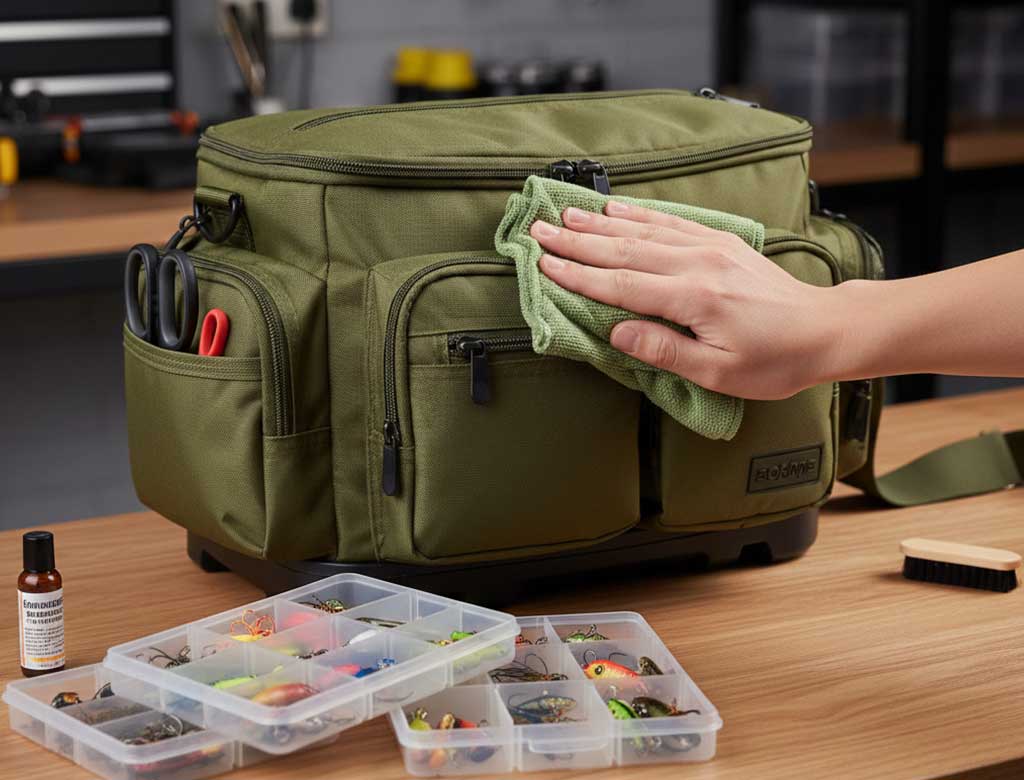
You can empty your bag, shake out dirt, and use mild soap with water. Scrub gently with a soft brush. Rinse and let it air dry. Make sure it’s dry before you pack your gear again.
Can you use a tackle bag for things besides fishing?
Yes! You can use a tackle bag for camping, hiking, or even as a tool bag. The pockets and compartments help you organize snacks, first aid, or small tools.
What size tackle bag should you get?
Think about how much gear you carry. If you pack light, a small bag works. If you bring lots of lures and tools, pick a bigger bag. Try to match the bag to your fishing trips.
How do you keep your tackle bag organized?
Tip: Use small boxes or bags for hooks and lures. Label each section. Put the things you use most in easy-to-reach pockets. Check your bag before every trip so you know where everything is.







Comments are closed