




Can You Float on a Swim Buoy? Buoyancy vs. Life Saving
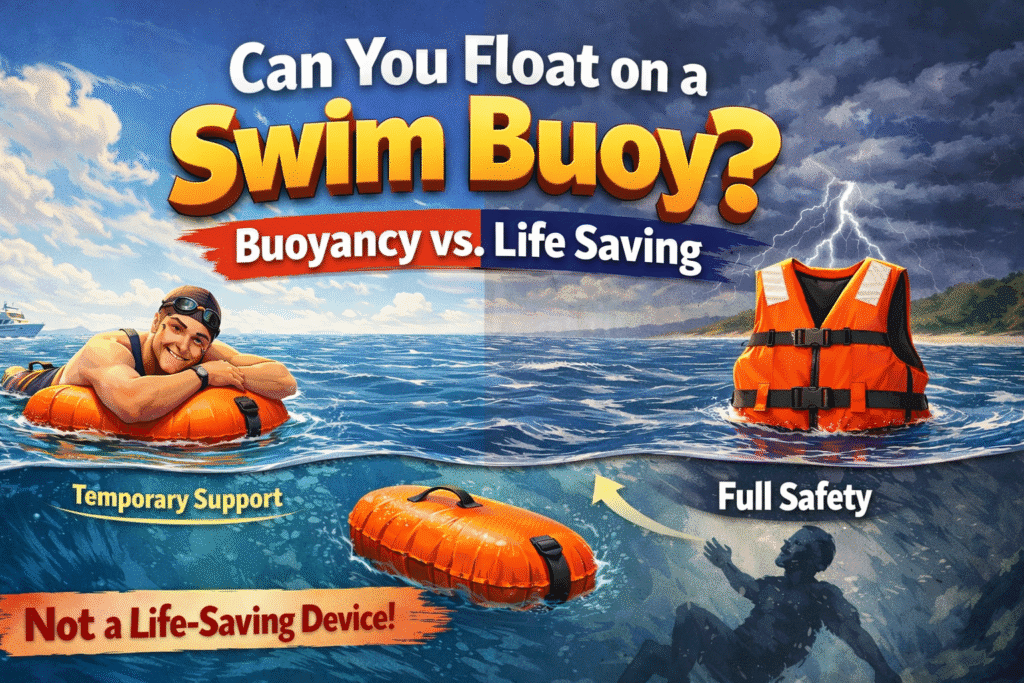
You might wonder if you can float on a swim buoy. The answer is yes, but only for a short time. Swim buoys help you with swim buoy float & rest when you get tired in open water. You should not trust a swim buoy to save your life. Always remember that swim buoys are for visibility and support, not for full flotation or rescue. Stay safe and know your gear before you swim.
Key Takeaways
- Swim buoys help people see you in the water. They give you short-term support, but they do not save lives. Use a swim buoy if you need a quick rest during a long swim. Always wear a real life jacket to stay safe. Pick a swim buoy with a bright color so people can see you better in open water. This helps keep you safe. Always look at your swim buoy for leaks or damage before you use it. This makes sure it works right. Swim with a friend and stay near the shore. This will help you stay safe when you use a swim buoy.
What Is a Swim Buoy?
Purpose and Features
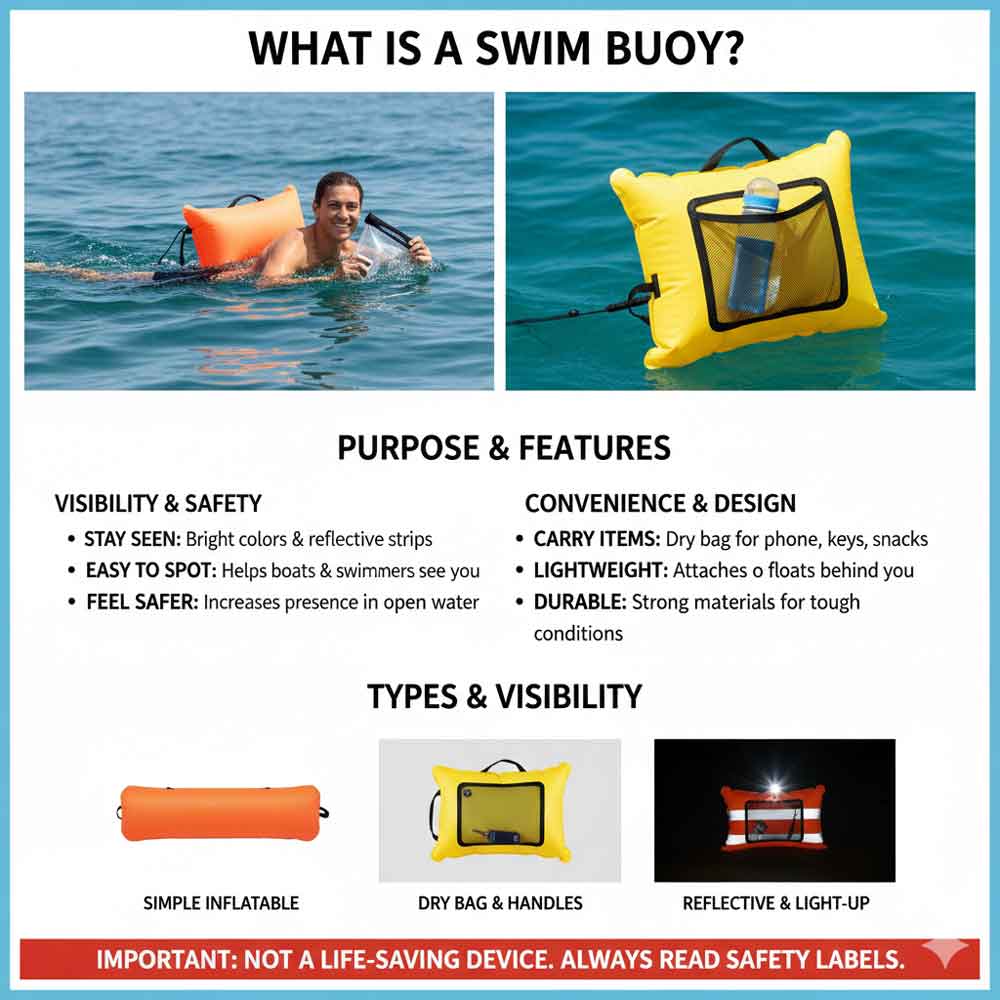
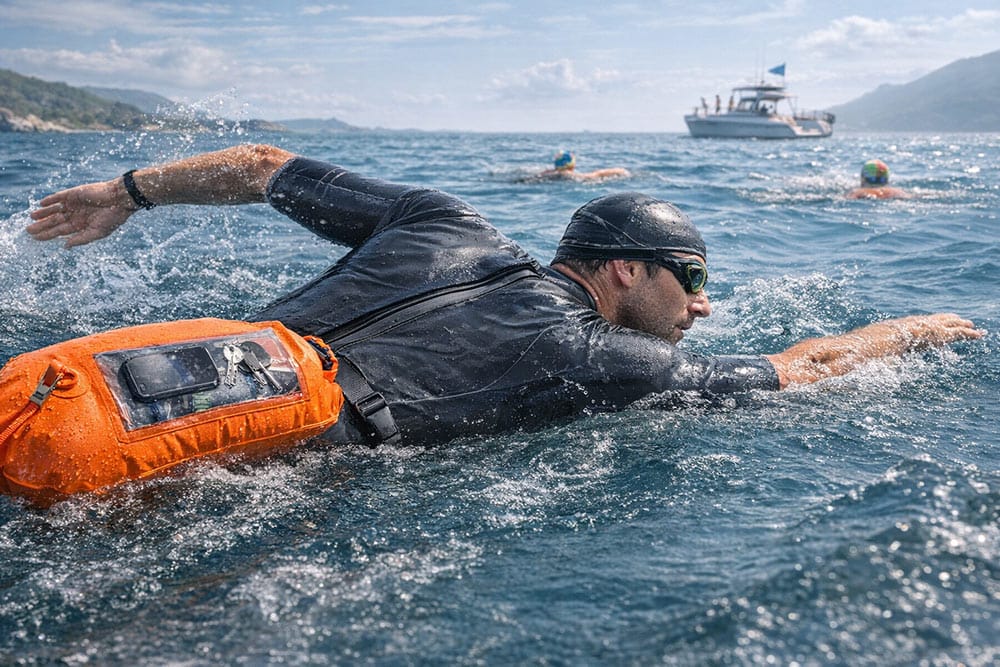
You use a swim buoy to stay visible and carry small items while swimming in open water. Swim buoys help you feel safer by making you easy to spot. Most swim buoys have a lightweight design and a bright color. You can attach them to your waist, and they float behind you as you swim. Many swim buoys also offer a dry compartment for your phone or keys.
Manufacturers build swim buoys with strong materials to handle tough water conditions. The table below shows some common features:
| Feature | Description |
|---|---|
| Material | UV-stabilized polyethylene, closed-cell foam, or PVC |
| Durability | High impact and UV resistance, made for harsh marine environments |
| Buoyancy | Stays afloat even if the outer shell gets damaged |
| Visibility | Bright colors and reflective elements for safety |
| Application | Used for water sports and swimming in pools or open water |
Note: Swim buoys are not life-saving devices. Always read the safety labels before use.
Types and Visibility
You can find different types of swim buoys. Some are simple inflatable bags, while others have extra pockets or handles. Most swim buoys come in bright colors like orange or yellow. These colors help boats and other swimmers see you from far away. Many swim buoys also have reflective strips or even strobe lights. These features make you stand out in low light or cloudy weather. A quality swim buoy increases your safety by making you more visible in all water conditions.
Common Myths
Many people think a swim buoy can save your life if you get into trouble. This is not true. Manufacturers warn that swim buoys do not prevent drowning. You should never use a swim buoy as a substitute for a life jacket. Some labels even say, “Children have died after slipping through neck floats.” Always keep children within arm’s reach and make sure their heads stay above water. Swim buoys help with swim buoy float & rest, but you must use them as intended and follow all safety instructions.
Swim Buoy Float & Rest: What to Expect
Buoyancy Explained
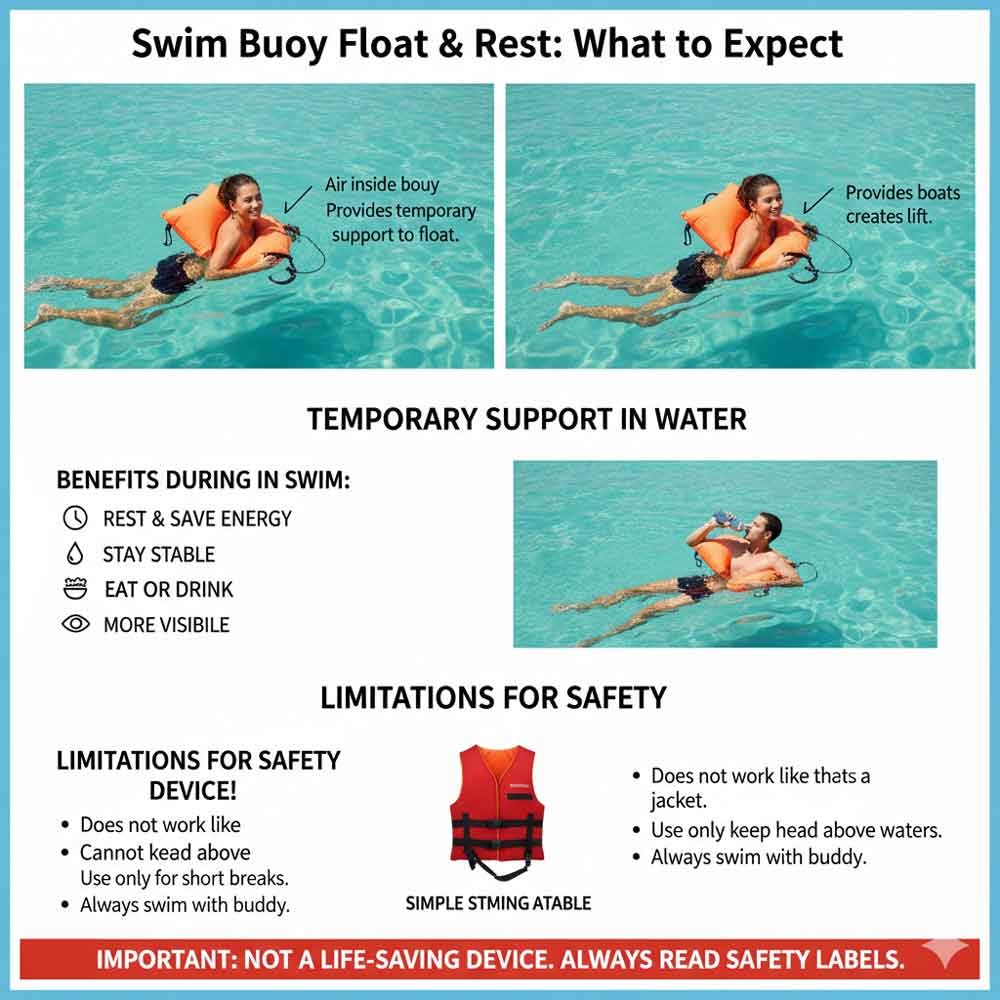
You may notice that a swim buoy floats easily on the water. This happens because the air inside the buoy makes it less dense than water. When you hold onto a swim buoy, you feel some lift. This lift is called buoyancy. It helps you stay at the surface for a short time. You can use this support to catch your breath or take a quick break. The swim buoy float & rest feature gives you a chance to pause during a long swim. You do not need to tread water the whole time. This can help you feel less tired.
Temporary Support in Water
You can use a swim buoy for short rests. Many swimmers use this tool during long-distance swims. The swim buoy float & rest function lets you stop and recover your energy. You can even eat a snack or drink water while you hold on. Here are some ways a swim buoy helps you during a swim:
- You can rest and save energy.
- You can stay stable in the water.
- You can take breaks to eat or drink.
- You become more visible to boats and other swimmers.
You should remember that a swim buoy does not hold your whole body above water. It gives you just enough lift to rest your arms or chest. You must keep swimming when you feel ready.
Limitations for Safety
You should not trust a swim buoy to save your life. It does not work like a life jacket or life ring. A swim buoy cannot keep your head above water if you lose strength or become unconscious. You must use it only for short breaks. If you get very tired or face an emergency, you need a real life-saving device. Always swim with a buddy and stay close to shore. Read all safety instructions before you use any swim gear. The swim buoy float & rest feature helps you take a break, but it does not replace proper safety equipment.
Tip: Always check your swim buoy for leaks or damage before you swim. A damaged buoy may not support you when you need it.
Swim Buoy vs. Life-Saving Devices
Design Differences
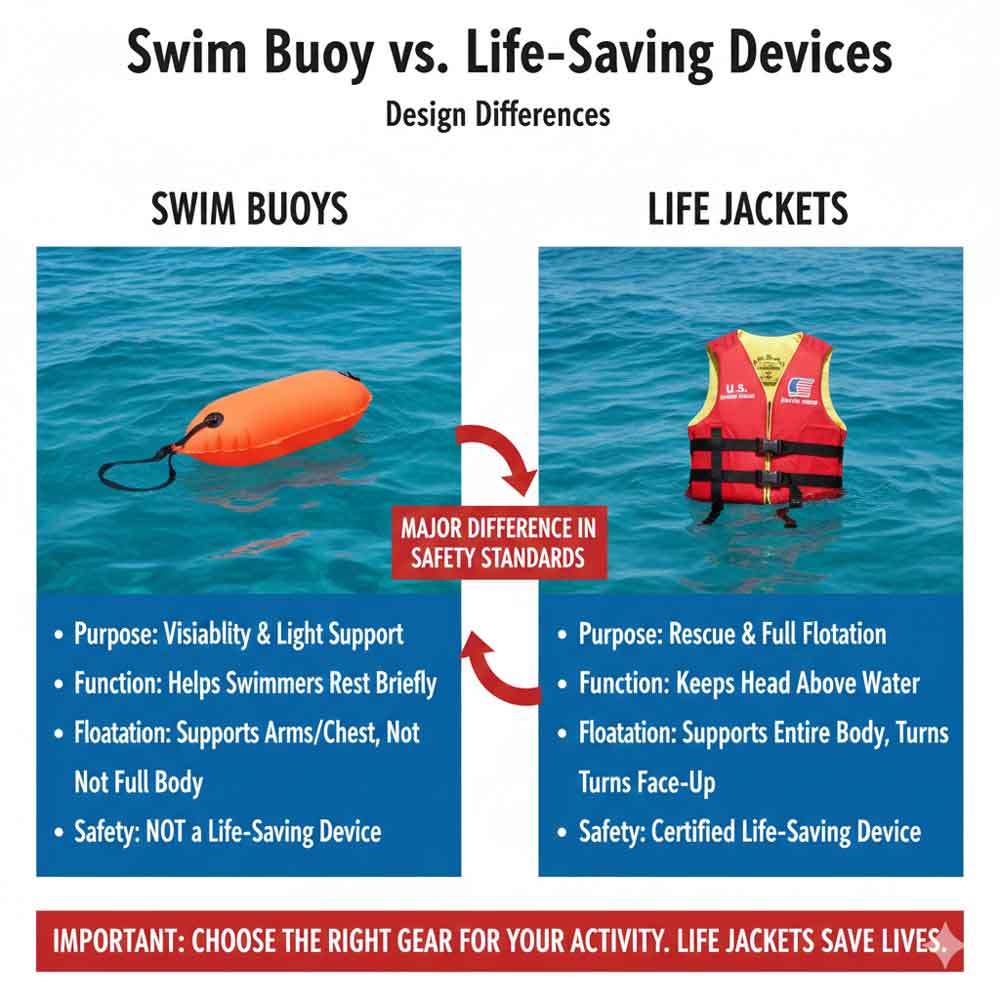
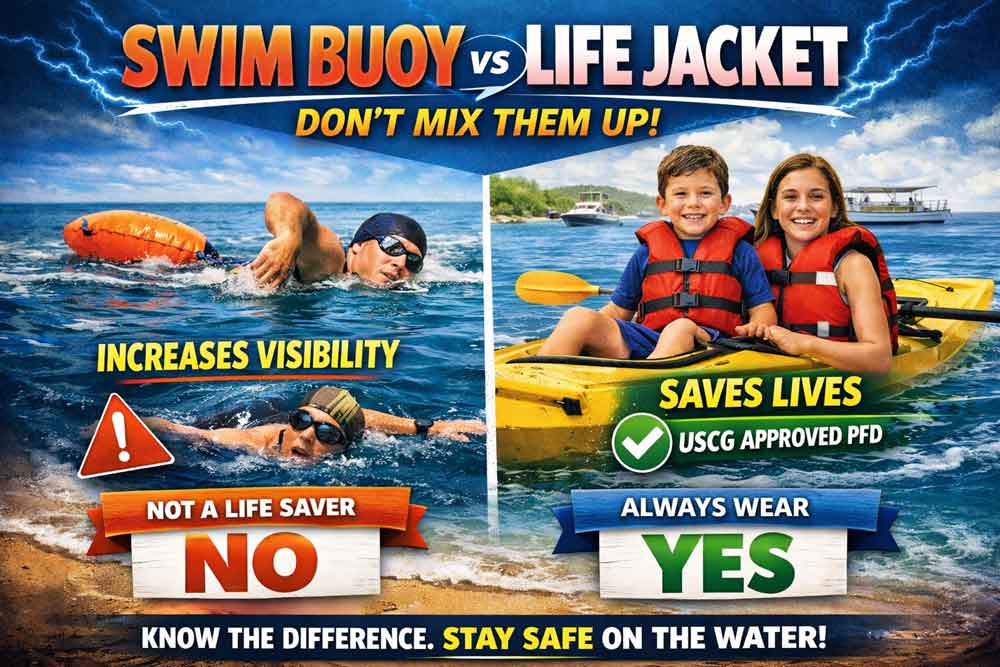
You will notice clear differences between swim buoys and life-saving devices. Swim buoys help strong swimmers stay visible and carry small items. They give you some support in the water, but they do not keep your head above water if you cannot swim. Life jackets, on the other hand, provide strong support and keep you in a safe position, even if you cannot move. Life jackets come in different types based on how much they help you float and where you use them. Swim buoys do not have these categories.
- Swim buoys are for visibility and light support.
- Life jackets are for rescue and full flotation.
- Life jackets turn you face-up in the water.
- Swim buoys do not guarantee this safety.
Safety Standards
You should know that swim buoys and life-saving devices follow different safety rules. Life jackets and other personal flotation devices (PFDs) must meet strict standards. These standards make sure the devices work in emergencies. The table below shows some of the main rules for different flotation devices:
| Type of Device | Approval Series | Description |
|---|---|---|
| Commercial PFDs | 160.264, 160.276 | Lifejackets for uninspected vessels and inspected vessels, using buoyant materials or inflatable chambers. |
| Recreational PFDs | 160.264, 160.276 | Buoyancy aids for recreational use, meeting specific performance levels. |
| Throwable PFDs | 160.050, 160.064, 160.049, 160.150 | Includes SOLAS ring buoys and other throwable devices, with specific requirements for each type. |
| SOLAS Ring Buoys | 160.150 | Must meet international maritime safety standards as per IMO LSA Code and other regulations. |
Swim buoys do not need to meet these strict standards. You will not find approval numbers or international safety codes on most swim buoys.
When to Use Each
You should use a swim buoy when you swim in open water and want to stay visible. Swim buoys help you rest if you get tired, especially during long swims. The swim buoy float & rest feature lets you pause, eat, or drink without leaving the water. You should use a life jacket if you cannot swim well, if you are in rough water, or if the law requires it. Life jackets are best for boating, water sports, or when you need full rescue support. Always check the rules for your area before you swim or boat.
Tip: Choose the right gear for your activity. Use a swim buoy for visibility and short rests. Use a life jacket for safety and rescue.
Emergency Use and Best Practices
Using a Swim Buoy in Emergencies
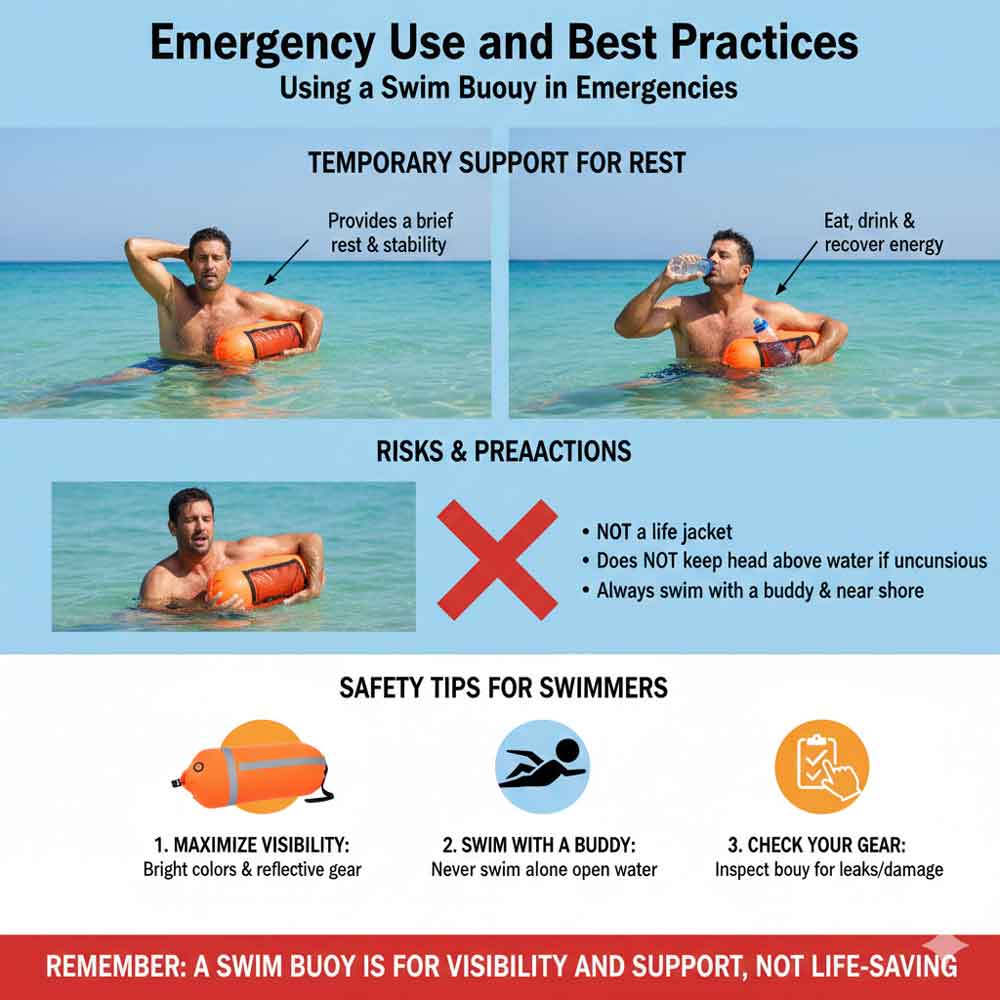
You may face a situation where you feel tired or need a break in open water. In these moments, a swim buoy can help you rest. You can hold onto the buoy, lean on it, and catch your breath. Many swimmers use the swim buoy float & rest feature to recover and prepare for the next part of their swim. In some rescue simulations, drones delivered inflatable buoys to swimmers in trouble. The drones reached the swimmers faster than traditional rescue methods. The buoys landed very close to the person in need, making rescue easier. Even with these results, you should remember that a swim buoy does not replace a life jacket. It gives you support for a short time, but it cannot keep your head above water if you cannot swim.
Risks and Precautions
You must know the risks before you rely on a swim buoy. A swim buoy helps you rest, but it does not guarantee safety in every emergency. If you lose strength or become unconscious, the buoy will not keep you safe like a life jacket. You should always swim with a buddy and stay close to shore. Check your swim buoy for leaks or damage before each swim. Never use a swim buoy as your only safety device. Children and weak swimmers need extra care. Always keep them within arm’s reach.
Safety Tips for Swimmers
You can make your swim safer by choosing the right gear and following good habits. Here are some tips:
- Pick a swim buoy with a bright color so boats and other swimmers can see you.
- Choose a buoy with a dry bag if you want to carry snacks, water, or your phone.
- Test the weight and drag of your buoy. Lighter buoys are easier to pull, but heavier ones stay straighter in waves.
- Use the swim buoy float & rest feature to take breaks and eat or drink during long swims.
- Always tell someone your swim plan and check the weather before you go.
| Factor | Description |
|---|---|
| Color | Bright, fluorescent colors help you stay visible in open water. |
| Storage Options | Some buoys let you carry keys, phones, or nutrition in a dry bag. |
| Weight & Drag | Lighter buoys are easy to pull; heavier ones track better in rough water. |
Tip: Practice using your swim buoy before you swim far from shore. This helps you feel confident and safe.
You now know that swim buoys help you stay visible and give you a short rest in the water. Swim buoys do not prevent drowning or replace a life jacket. Always choose the right flotation device for your safety.
- Pick a device that gives you proper support and comfort.
- Think about your swimming skills and your planned activities.
- Remember, floaties and pool noodles do not keep you safe like a life jacket.
Stay smart and use swim buoys for their true purpose.
FAQ
Can you use a swim buoy as a life jacket?
You cannot use a swim buoy as a life jacket. Swim buoys help you rest and stay visible. They do not keep your head above water if you cannot swim.
How much weight can a swim buoy support?
Most swim buoys support your arms and chest for a short rest. They do not hold your whole body above water. Always check the label for weight limits.
Should children use swim buoys?
Children should not use swim buoys as safety devices. You must keep children within arm’s reach. Swim buoys do not prevent drowning.
Do swim buoys slow you down?
A swim buoy creates a little drag. Most swimmers do not notice a big difference. You can test your buoy in shallow water to see how it feels.
Tip: Practice with your swim buoy before swimming far from shore. This helps you feel comfortable and safe.
TPU vs Traditional Vacuum Bags: Pros and Cons
3 Reasons Waterproof Vacuum Bag is a Camping Must
How to Vacuum Pack Clothes Effectively with TPU Bags
What Is a TPU Vacuum Compression Bag and How Does It Work?


Comments are closed