


- Home
- Products
- FAQ
- Blog
- Services
- About Us
- Contact
- (+86) 187 5041 0800
- service@vancharli.com
- Within 24 hours response from our salesman
Custom Saddle Bags for Repair Kits & Bikepacking
Vancharli Outdoor manufactures bicycle saddle bags through OEM & ODM projects, from compact repair pouches to extended bikepacking packs. Development starts with the saddle attachment and space above the rear tire, matching the bag’s dimensions and closure to what riders need to carry.
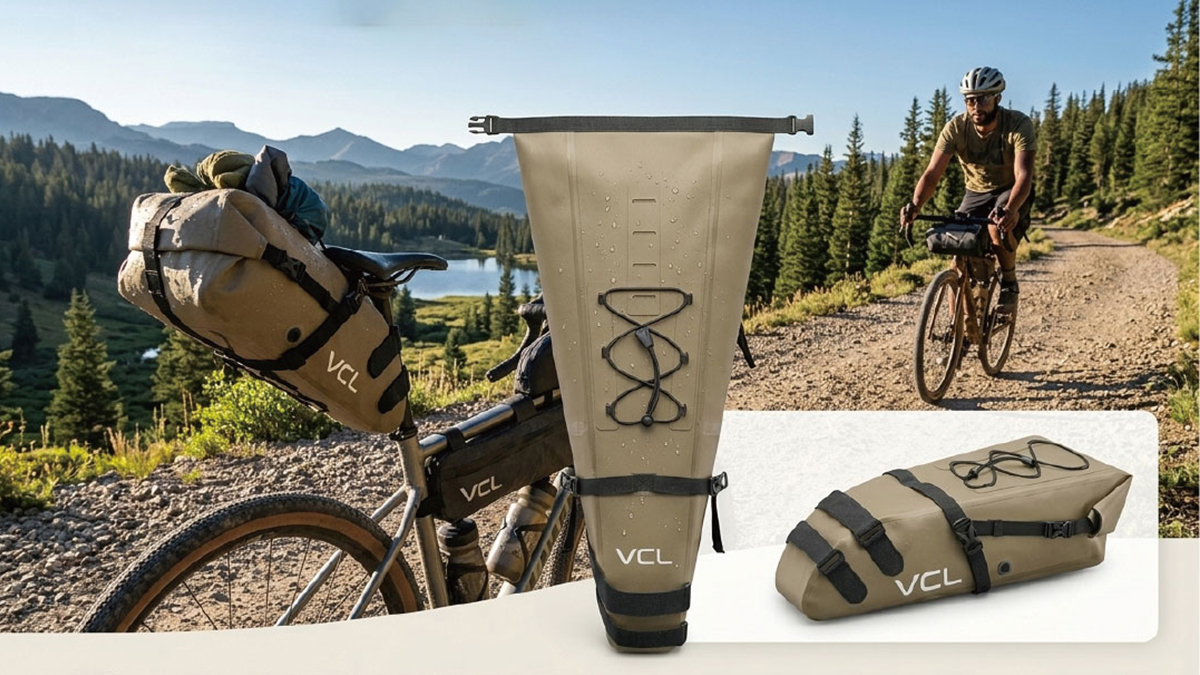
Compact pouches, dial fastening, and roll-top packs.
The six designs below cover different approaches to under-seat storage. Compact bodies suit a selected repair kit, while extended packs provide a starting point for carrying suitable clothing and soft equipment. Zippers, dial fastening, and roll closures give each style a different construction and packing arrangement.
These are references for wholesale and private label development. Adapt one or submit drawings, sketches, product photos, or a physical sample for a new design. Dimensions, capacity, and fit are confirmed for each project. Explore our bicycle bag range for other mounting positions.
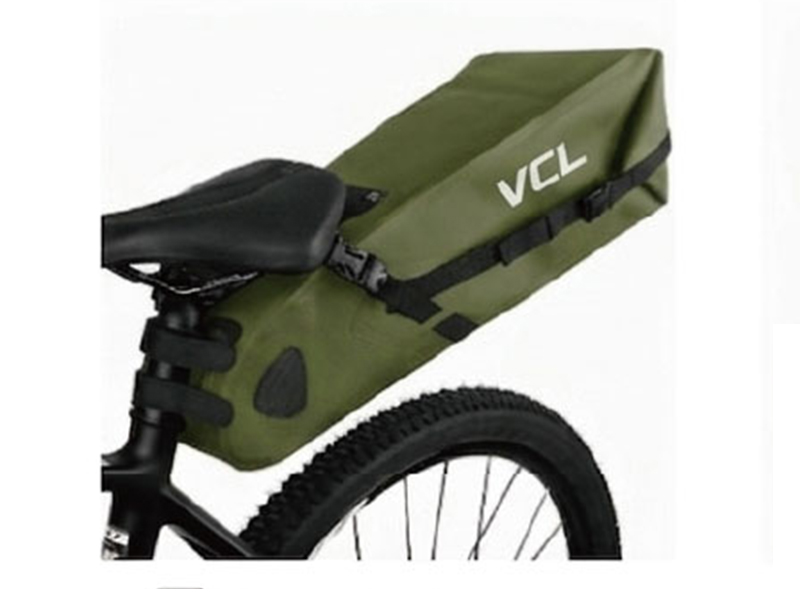
A long saddle pack with a tapered front, twin seatpost straps, and side buckle straps. Its body projects behind the saddle, offering a starting point for clothing and soft-gear storage. Packed length and support need to suit the intended bicycle.
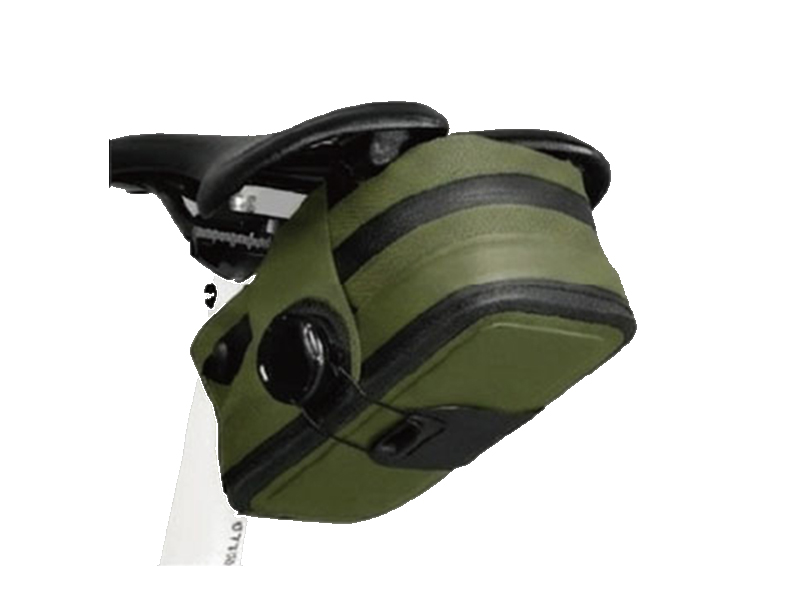
A compact under-seat bag with a side-mounted dial and cord fastening system. The rounded body sits close beneath the saddle. Cord routing and the selected fastening components form part of the design, alongside the bag’s opening and internal space.
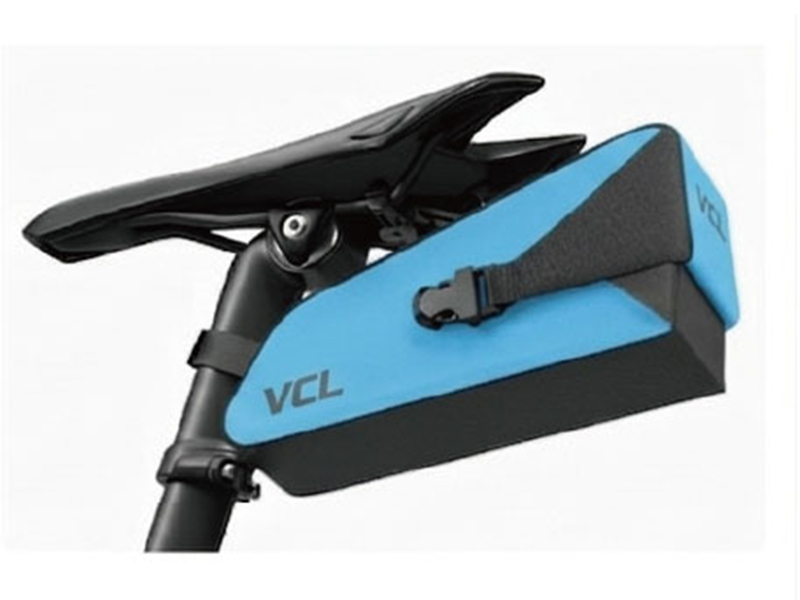
Contrasting panels define this tapered body, with a side buckle strap and a strap around the seatpost. The bag extends rearward beneath the saddle. Its broad side panel provides space for branding without adding an external pocket.
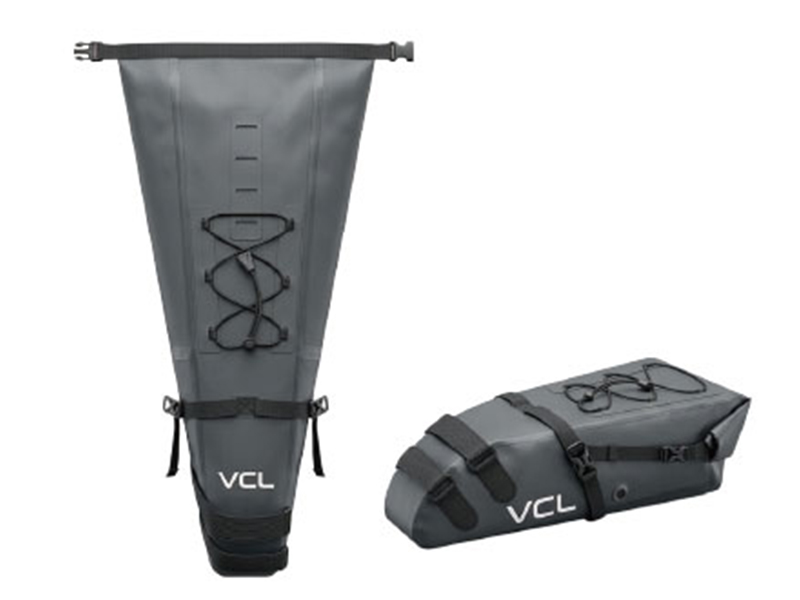
A long roll-top saddle pack with external cord and multiple securing straps. The narrow front sits toward the seatpost, while the opening extends at the rear. The images show both the open body and its rolled, secured form.
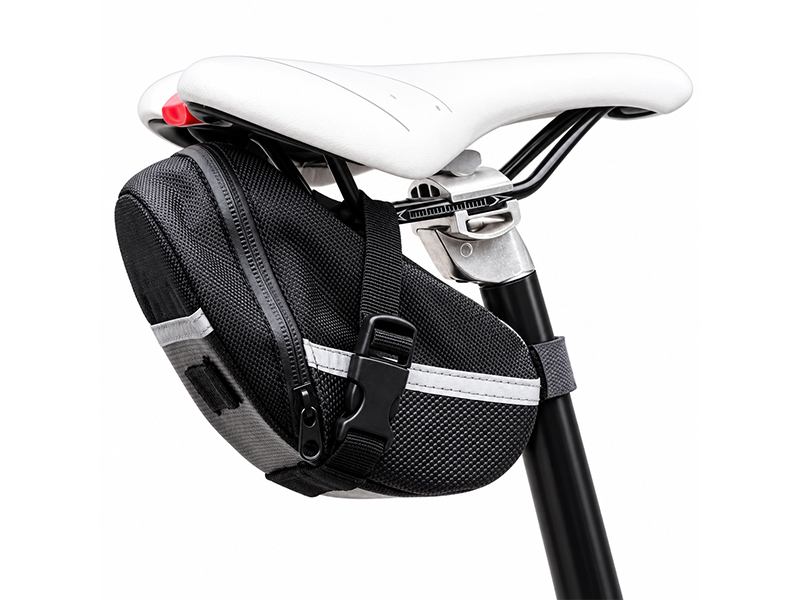
A compact saddle bag combining 600D fabric, a zippered opening, and reflective trim. An upper buckle strap and a seatpost strap provide attachment points. The rounded rear panel gives this design a distinct profile beneath the saddle.
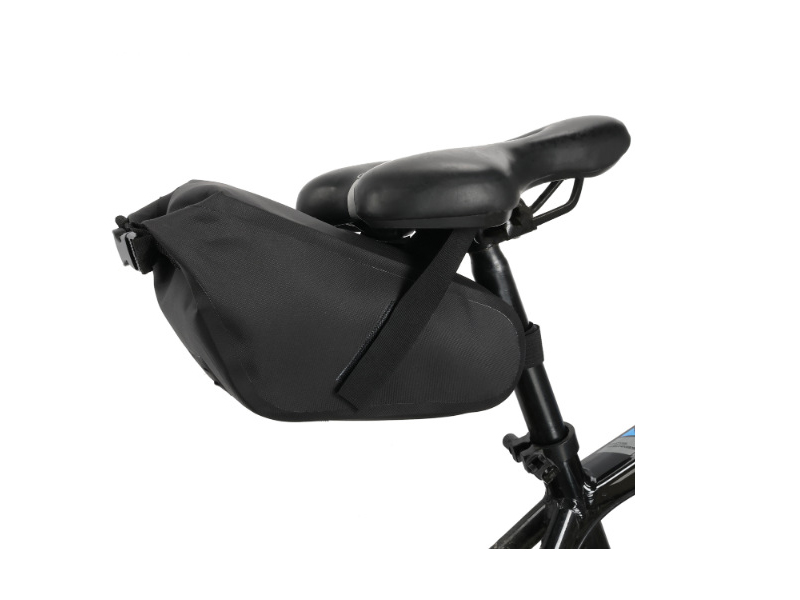
A roll-top under-seat bag with a broad rear section, rounded lower profile, and saddle and seatpost straps. Its shorter body offers a different format from the extended bikepacking packs, with a buckle securing the rolled opening.
Set the packed shape and how it attaches.
The intended contents help determine the body’s length, width, and depth. A tightly packed repair kit needs a different outline from folded clothing. On roll-top designs, the opening must include enough material for the required folds. We develop capacity alongside the packed shape, rather than increasing volume without considering rear-tire clearance.
Attachment layouts can be adjusted around usable saddle rail space, saddle position, and exposed seatpost. Strap width, length, buckle location, and contact panels can be specified together. Dial-fastening projects also require a suitable cord path and adjustment range. Any alternative mounting system needs its own component and compatibility review.
Choose an opening that lets the selected items pass through comfortably. For repair bags, optional pockets or retaining loops can be developed around the actual tools and tube. Larger packs may need supporting layers or compression straps. Internal organization is added where useful, without assuming the reference styles already contain separate compartments.
Specify the fabric finish, lining, reinforcement, colors, and branding for your market. The 600D style includes reflective trim; similar details can be reviewed for other suitable designs. Logo and trim placement should remain visible after installation. Rain-protection requirements are addressed through the complete material, seam, and closure construction.
Manufacturing decisions grounded in saddle bag use.
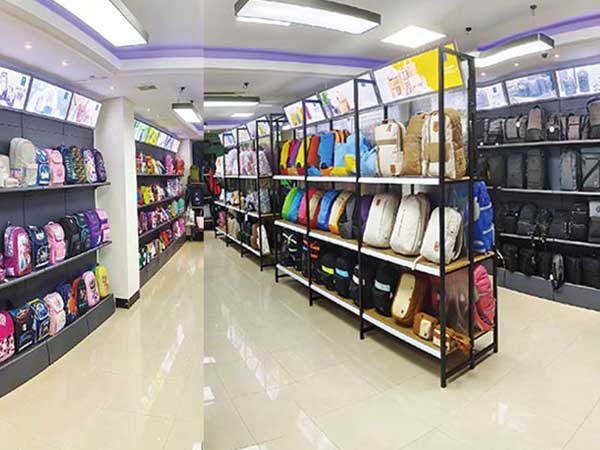
Vancharli Outdoor has manufactured bags since 1995. For a saddle bag order, a useful development brief needs to define what fits inside, how the bag attaches, and which configuration the customer receives. These details guide sampling and the specification for bulk production.
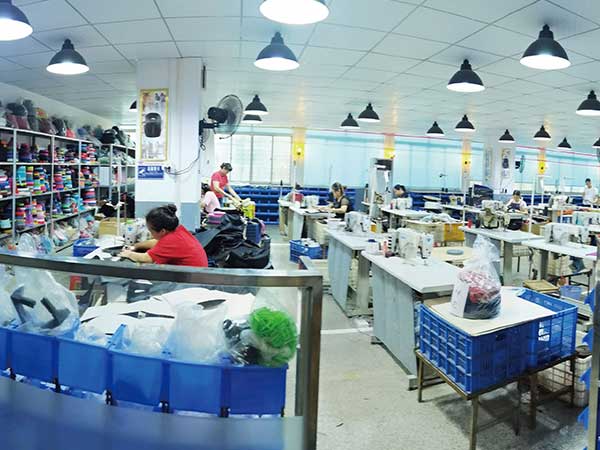
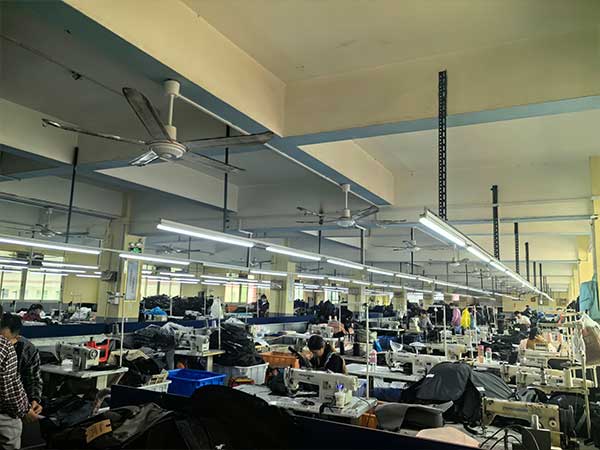
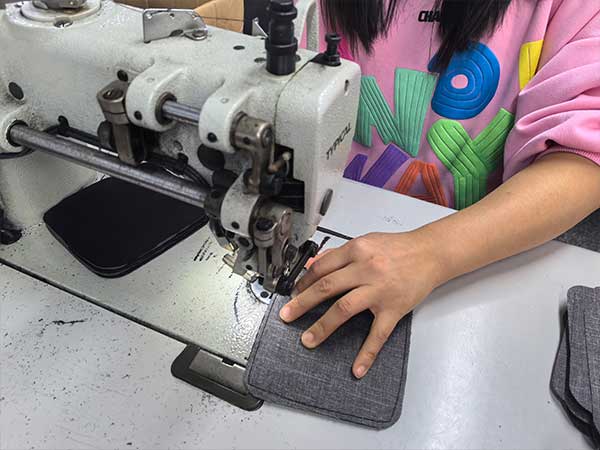
For compact bags, provide the tube, tools, and accessories the product must accommodate. Their shape matters as much as their combined volume. We can use these references during development so your team can assess whether the opening and body suit the intended kit.
A buckle strap and a dial-and-cord system require different component choices and assembly details. We help define the selected arrangement before the sample is finalized. This gives buyers a clearer basis for reviewing adjustment, release, and the fastening’s connection to the bag.
A compact tool bag and an extended seat pack should have their own specifications. We help define the intended contents, body support, and closure for each. This allows a branded collection to cover different riding needs without treating the largest version as simply an enlarged repair pouch.
Usable storage depends on how the finished bag closes. Zippered bodies must close around the selected kit, while roll-top packs need material left for folding. Sampling provides an opportunity to review the requested capacity in the state riders will actually use.
The sample review can include the packed bag under the intended saddle, with relevant lights and accessories in place. Your team can check rear-tire space and any rider contact before approval. Dropper-post or suspension applications require a separately defined fit review.
The order specification can identify the supplied straps, fastening parts, labels, and mounting information for each version. These details help keep the bag and its packaging consistent. Production arrangements using our China and Southeast Asia resources are confirmed according to the individual project.
Access, packing, attachment, and reflective details.
Features vary by style. Roll-top closures and reflective trim apply to the relevant designs.
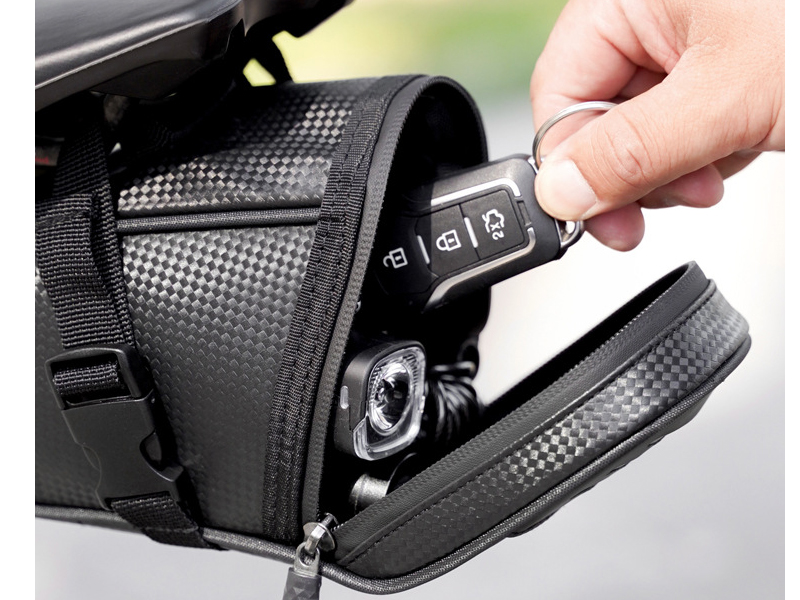
A compact saddle bag keeps a selected repair kit together beneath the seat. Depending on the confirmed dimensions, it can hold a spare tube, tire levers, or a multi-tool. On zippered versions, riders can open the bag at a stop to reach these items.
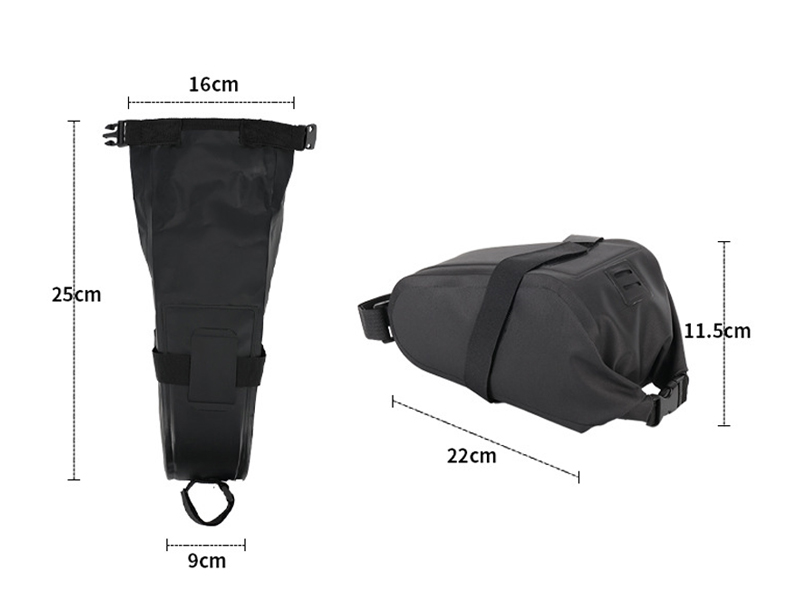
Roll-top styles allow riders to fold the opening farther inward when carrying less, within the design’s usable range. This takes up excess material around the contents. The closure still needs the specified folds and fastening tension to maintain its intended packed shape.
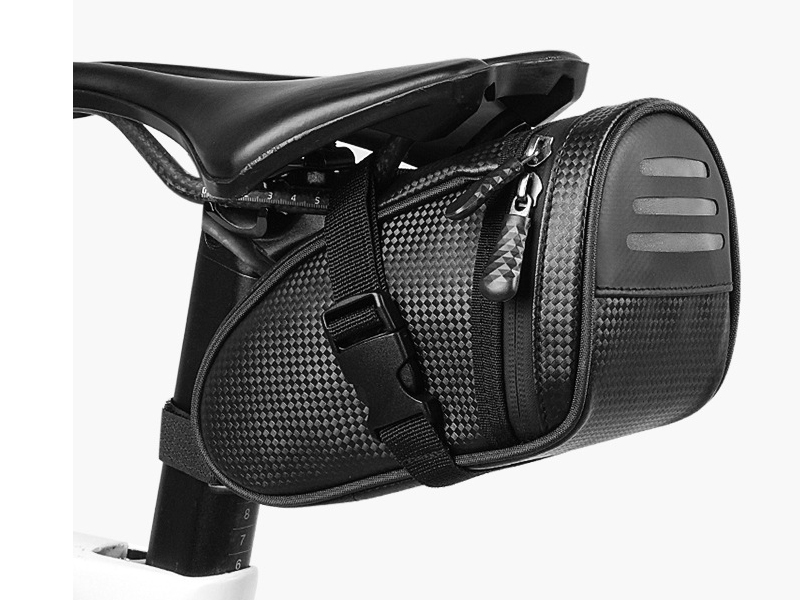
Attachment points at the saddle and seatpost help hold the bag beneath the seat. Properly routed and tightened straps help limit unwanted movement. The finished construction, intended load, and correct installation all contribute to how well the bag stays in position.
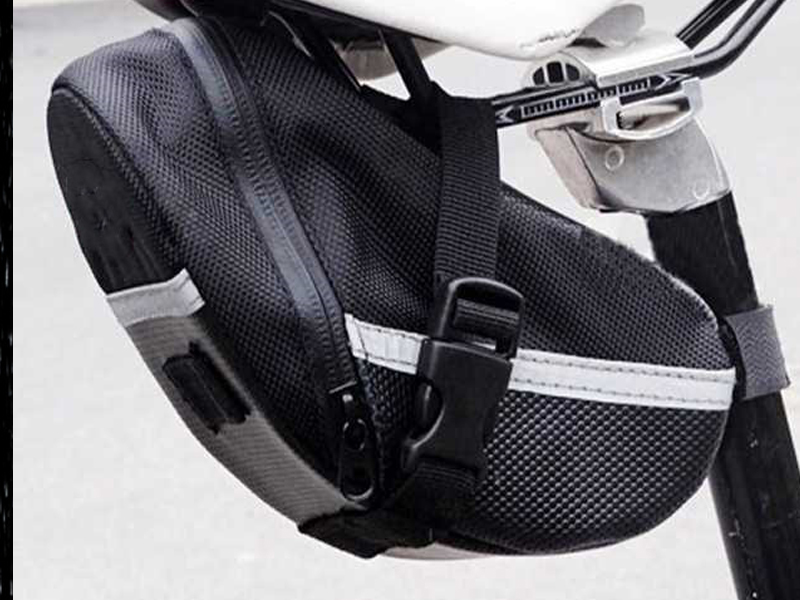
The 600D saddle bag includes reflective trim that becomes more noticeable when light shines on it. Placement should keep the trim exposed when the bag is installed. This detail complements bicycle lighting and does not replace a rear light.
Match the rear storage to the route.
A road bike saddle bag gives puncture-repair items a place beneath the seat. Compact versions suit riders taking a small set of tools and spares. The selected size should accommodate the kit without unnecessary bulk and leave room for legs, lights, and other accessories.
Longer gravel routes may call for additional repair supplies or a larger spare tube. The bag needs an opening and usable space suited to those items. Loaded movement and fastening tension are relevant when the route includes rough tracks and repeated surface changes.
An MTB saddle bag can provide compact storage where the bicycle allows. A dropper post and rear suspension can bring the saddle, bag, and tire closer together during use. Compatibility needs assessment through the intended movement range, not only with the bicycle standing still.
Extended saddle packs can carry suitable clothing and soft equipment as part of a wider luggage setup. Their longer bodies require appropriate support and packing. The gear list, packed dimensions, and available rear clearance should guide the choice rather than capacity alone.
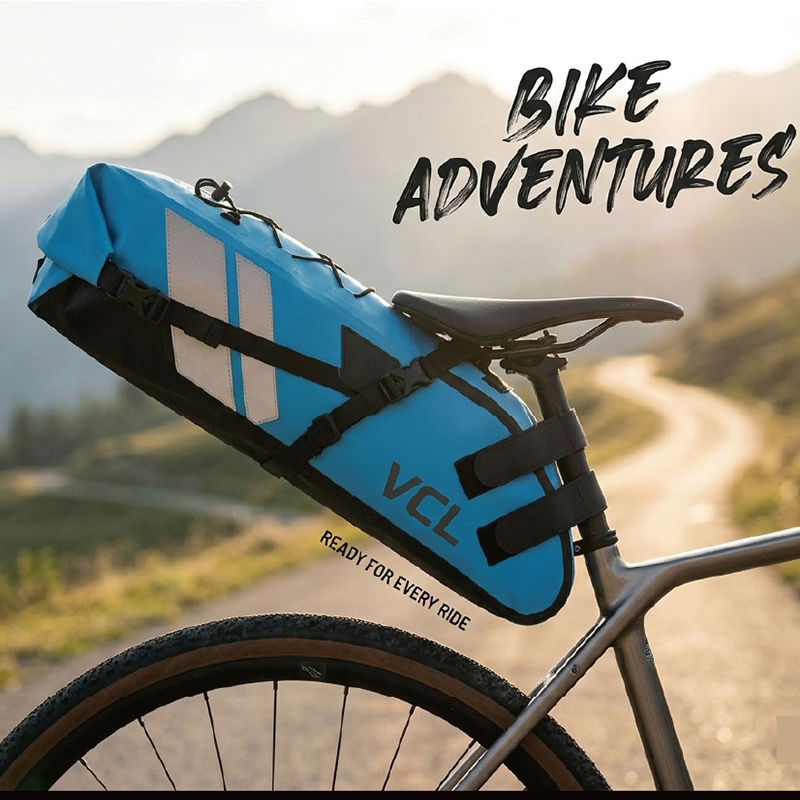
Review the packed bag and its fastening together.
Quality checks are agreed for each project. Depending on the design, they can cover the following seven areas. Sample fit is reviewed using an appropriate bicycle, mounting fixture, or another agreed reference.
Compare fabric, lining, webbing, closures, and fastening parts with the approved specification. For the 600D style, confirm the agreed fabric finish and reflective trim. The denier description alone does not define every material property, so the selected reference remains part of the specification.
Check the base, tapered panels, and opening against the pattern. On zippered versions, review alignment around the opening. Roll-top versions need the specified opening width and closure allowance. Supporting layers, where included, should sit in the intended position without unwanted folds.
Inspect strap routing, buckle direction, attachment seams, and reinforcement. On dial-fastening versions, include cord routing, adjustment, and release operation in the agreed review. Check that the installed components correspond to the approved sample rather than substituting visually similar parts.
Pack the sample with the agreed contents and review sagging, bulging, and movement at the attachments. Inspect supporting panels and compression straps where used. Any holding or load assessment follows the method and limits agreed for that bag’s size and construction.
Review the packed bag beneath the intended saddle, including rear-tire space, leg clearance, exposed seatpost, lights, and other relevant accessories. Dropper-post and suspension applications require clearance checks through the defined operating range, following the relevant bicycle and component guidance.
Operate the zipper, buckle, or roll closure with the reference contents inside. Check for trapped lining and difficulty loading or removing items. Where rain or water protection is specified, agree on verification appropriate to the finished seams, closure, and attachment construction.
Review dimensions, visible workmanship, branding, reflective-trim position, and supplied fittings. Check that size and fastening versions are correctly identified. Packaging quantities and any approved mounting, load, or capacity information should correspond to the product being supplied.
Details to settle before a bulk order.
Our typical MOQ is 300 pieces per style. Provide the planned quantities by design, size, and color so we can confirm how the versions are counted. Custom fabrics, fastening components, and packaging may have separate minimums that need to be considered in the quotation.
Yes. The six styles are development references. You can request changes or provide drawings, sketches, product photos, or a physical sample. OEM and ODM projects can cover the body, closure, attachment, materials, and branding. Identify the details you want to retain and those you want to change.
Use the actual items or agreed size references during sampling. The opening needs to admit the largest item, and the bag must close with the complete kit inside. A volume figure alone cannot show whether a particular multi-tool or folded tube will fit comfortably.
Capacity needs to reflect the usable space after the required closure folds are made. The material reserved for rolling should not be treated as freely available storage. We agree on the intended closure and capacity-check method during development before using a volume claim for the product.
Provide the saddle position, rail details, exposed seatpost, and rail-to-tire distance. Fit a sample with the agreed load and review its lowest position and movement. Dropper posts and rear suspension require additional assessment through their intended operating range. Static clearance alone is not sufficient for those applications.
No. Reflective trim and fabric denier describe different aspects of the product and do not establish waterproof performance. If waterproofing is required, the fabric construction, seams, opening, and attachment points need to be specified together and verified on the finished design.
Yes. State the target volume and whether you prefer straps, buckles, or a dial-and-cord arrangement. These are development requirements, not automatic options on every existing style. The proposed capacity, components, and mounting space are reviewed together before the sample specification is agreed.
Send the preferred design, intended contents, dimensions or target capacity, quantity breakdown, branding, and packaging requirements. Include the target market and requested delivery date. Pricing and timing are confirmed after reviewing the development work, materials, selected components, and production requirements.
✅ Submit an inquiry for:


WhatsApp us