How to Choose the Best Fishing Tackle Bags and Backpacks for Your Needs
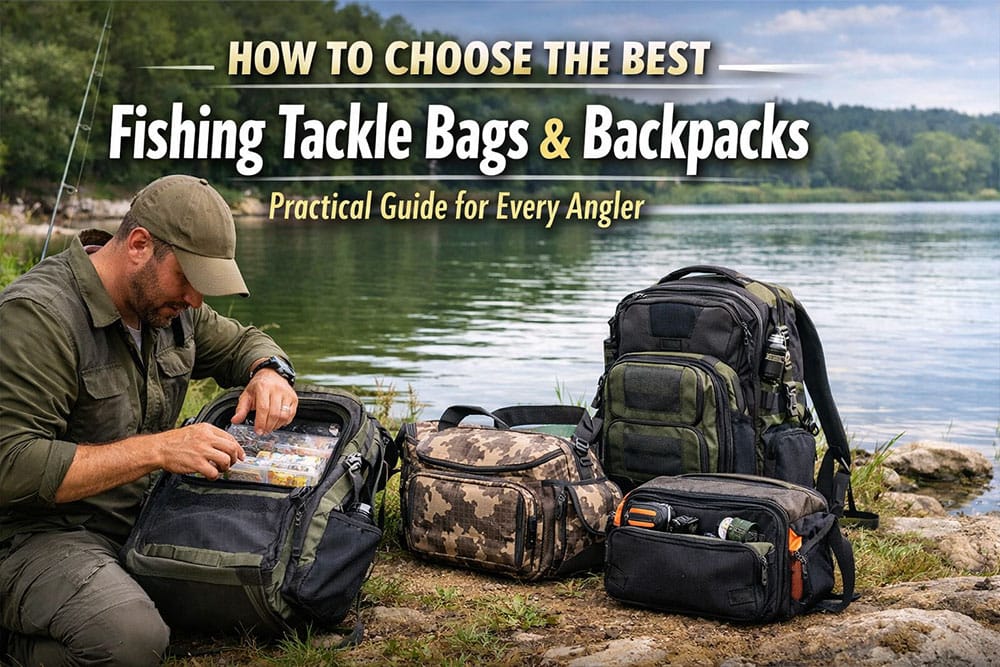
You need a fishing tackle bag or backpack that fits how you fish and where you fish. These bags are made to help you carry rods, reels, lures, and other gear in smart ways. Fishing tackle bags and backpacks are not like regular backpacks. They have waterproof pockets, strong materials, and easy-to-reach compartments. You can keep your gear organized and safe, so you can pay attention to catching fish.
Pick a fishing tackle bag that fits how you fish. Make sure it works well for where you fish. This helps you stay organized and comfortable.
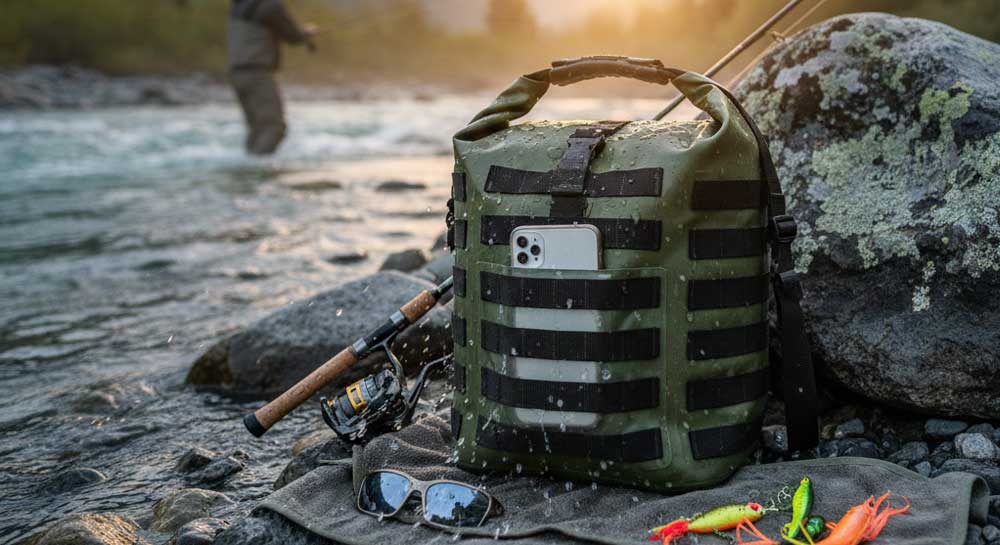
Find bags made with waterproof materials. Choose strong fabrics to keep your gear safe. These protect your things from bad weather and water.
Think about how big the bag is. Check how much it can hold. Use small bags for short trips. Use big bags for longer trips.
Look for comfort features like padded straps. Adjustable belts help you feel less tired on long trips.
Check out ways to customize your tackle bag. You can make it special and show your style or brand.
What Are Fishing Tackle Bags and Backpacks?
Definition and Purpose
When you go fishing, you want your gear safe and neat. Fishing tackle bags and backpacks help you do this job. They give you smart places to put rods, reels, lures, and tools. These bags are made by people who fish and know what you need. Makers care about making them useful and strong, so you can trust them in tough weather. You can use these bags for fishing, camping, or hiking. Some bags can even help you organize other outdoor stuff.
People all over the world use different kinds:
Full-size fishing backpacks (35-50 liters) are good for long trips.
Waterproof fishing backpacks keep your gear dry in rain or saltwater.
Sling packs let you grab things fast without taking off the bag.
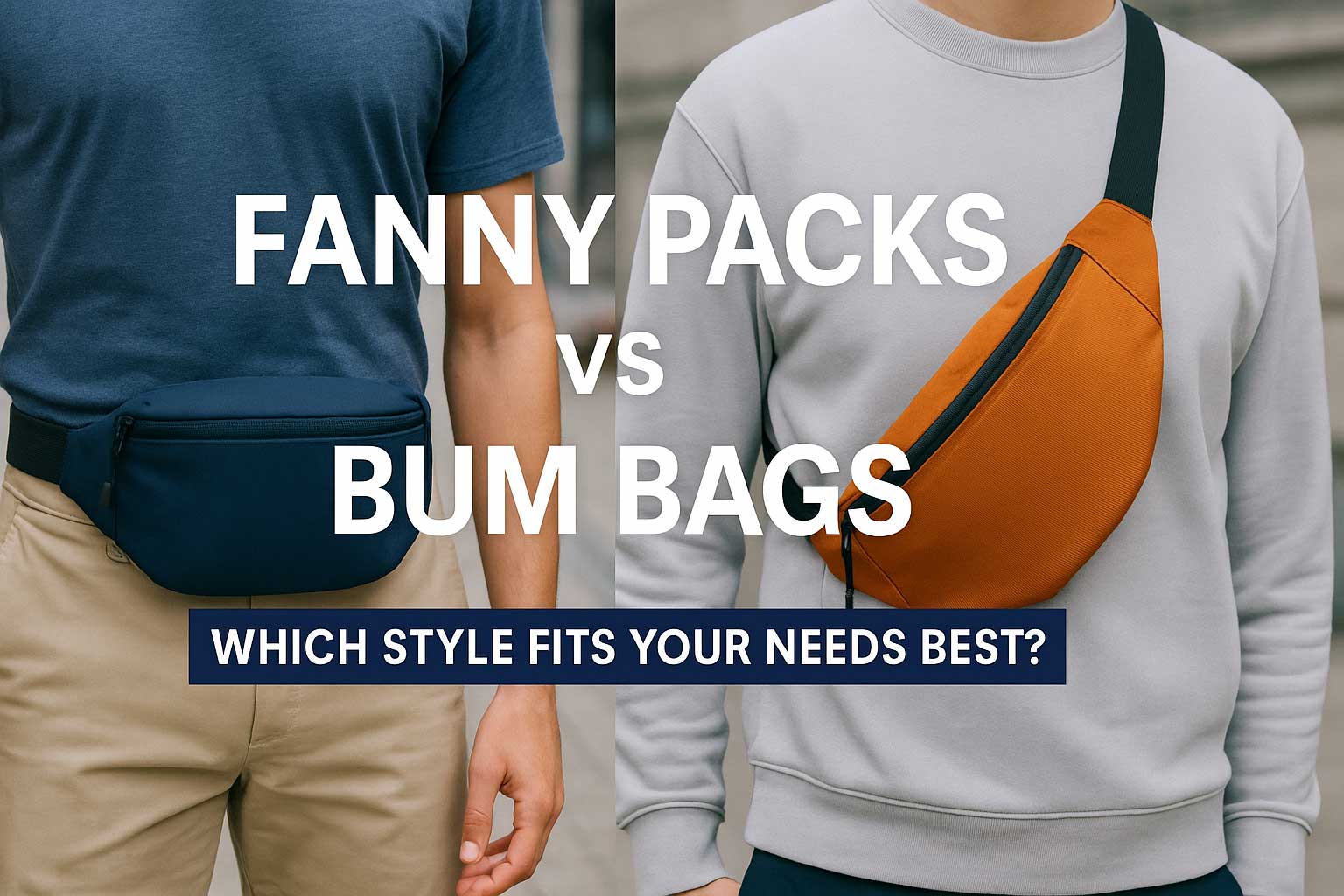
Lumbar (hip) packs help spread weight so you feel comfy.
Modern fishing vests make it easy to reach your gear and carry more.
Shoulder tackle bags are handy and let you get things quickly.
Waist tackle bags are small and work well for fly fishing.
Trolley bags help you move a lot of gear with less effort.
Chest packs let you get to your gear fast and work with other bags.
Advantages Over Regular Backpacks
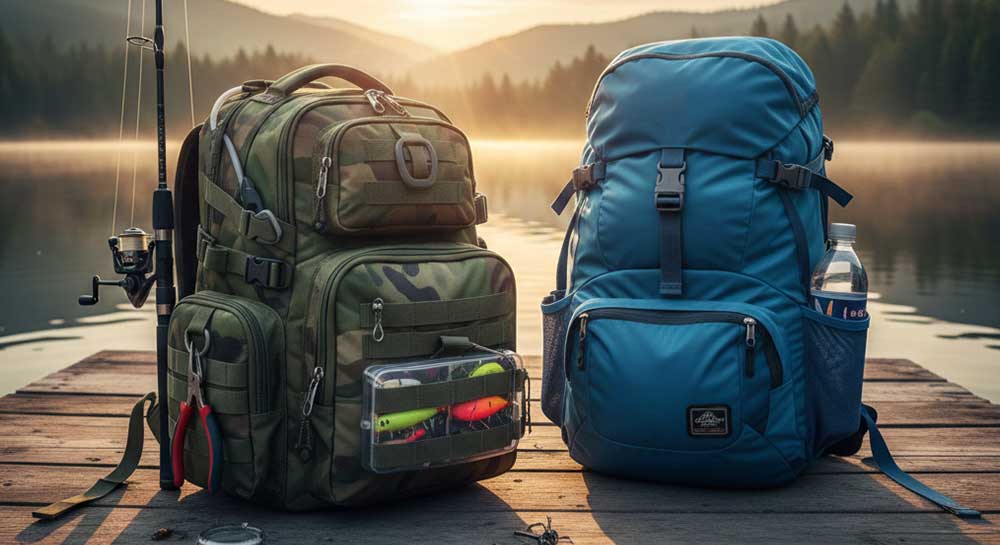
You may ask why not just use a normal backpack. Fishing tackle bags and backpacks have special things you won’t find in regular bags. They use waterproof stuff to keep your gear safe from water. You get special spots for tackle trays, tools, and electronics. Straps and hip belts can be changed to fit you and feel good on long trips.
Here’s a quick comparison:
Feature Type
Description
Compartment Types
Main space for tackle trays, zippered pockets for tools
Modularity & Expandability
MOLLE panels, straps for extra pouches
Fishing-Specific Features
Built-in rulers, tool tethers, net holders, electronics pockets
Fishing backpacks use smart designs like RF-welded seams and roll-top tops to keep water out. Strong fabrics made for the outdoors stop saltwater and mud, so your gear stays safe even when it gets rough.
Types of Fishing Tackle Bags and Backpacks
Picking the right fishing tackle bags and backpacks makes fishing easier. There are many types, and each one fits a different need or style.
Backpacks
Backpacks are good for anglers who carry lots of gear. They have padded straps and organized spaces. The fabric keeps water out. These bags feel comfy, even when full. You can walk far or fish from a boat. Your shoulders will not hurt. Backpacks give you lots of space. They also keep your gear dry.
Feature
Fishing Tackle Backpacks
Traditional Tackle Boxes
Design
Lightweight and ergonomic
Rigid and heavy
Modularity
Customizable layouts
Fixed organization
Portability
Enhanced portability with padded straps
Less portable due to weight
Material
Durable, water-resistant fabrics
Typically made of hard plastic
Comfort
Padded straps for comfort
No ergonomic features
Hard Tackle Boxes
Hard tackle boxes protect your gear very well. They use strong plastic to stop bumps. These boxes hold a lot but are heavy and big. Carrying them on long walks is hard.
Aspect
Hard Tackle Boxes
Soft-Sided Tackle Bags
Portability
Generally heavier and bulkier
Lightweight and easier to carry
Storage Capacity
Often larger storage capacity
Smaller capacity, but more organized
Durability
More durable and resistant to damage
Less durable, can be prone to wear
Weather Resistance
Better protection against elements
May not be as weather-resistant
Versatility
Limited options for carrying additional gear
Can carry rods, nets, and other accessories
Shoulder Bags
Shoulder bags help you get gear fast. You wear them on one shoulder. You do not need to take them off to reach inside. These bags are good for short trips. They help you stay light. You can put tackle and tools in small pockets.
Sling Bags
Sling bags help you move quickly. You swing the bag to your front. You grab what you need without taking it off. This style feels light and comfy, even when casting.
Sling packs put the weight to one side. This lets you reach your gear fast. You do not need to take off the pack. You can change spots quickly and easily.
Sling bags are light and comfy. You can wear them while casting. Backpacks are heavier and you may want to set them down.
Waist Packs
Waist packs are simple and easy to use. You wear them around your hips. You can reach your gear fast. These packs are light and help you move easily.
Lightweight Design: Makes long fishing trips less tiring.
Accessibility: Lets you grab tools and tackle fast.
Comfort: Gives support and helps your body feel good.
Customization: You can add different accessories.
Good pocket layout helps you fish better.
Smart compartments let you get gear fast and fish more.
Weight when loaded, can be overkill for simple trips
Sling Pack
Mobile fishing, stream wading
800-1500 cu in
Quick access, swings to front, lightweight
Limited capacity, single-shoulder fatigue
Chest Pack
Fly fishing, frequent lure changes
200-600 cu in
Instant access, no back sweat, compact
Minimal storage, can bounce while walking
Hip/Lumbar Pack
Short trips, minimalist approach
400-1000 cu in
Lightweight, highly accessible, comfortable
Weather exposure, limited waterproofing
Vest Pack
Fly fishing, stream work
300-800 cu in
Weight distribution, breathable, hands-free
No waterproof storage, limited tackle box space
You can pick the type that matches your fishing style. Think about trip length and how much gear you want to bring. Fishing tackle bags and backpacks come in many shapes. You will always find one that fits your needs.
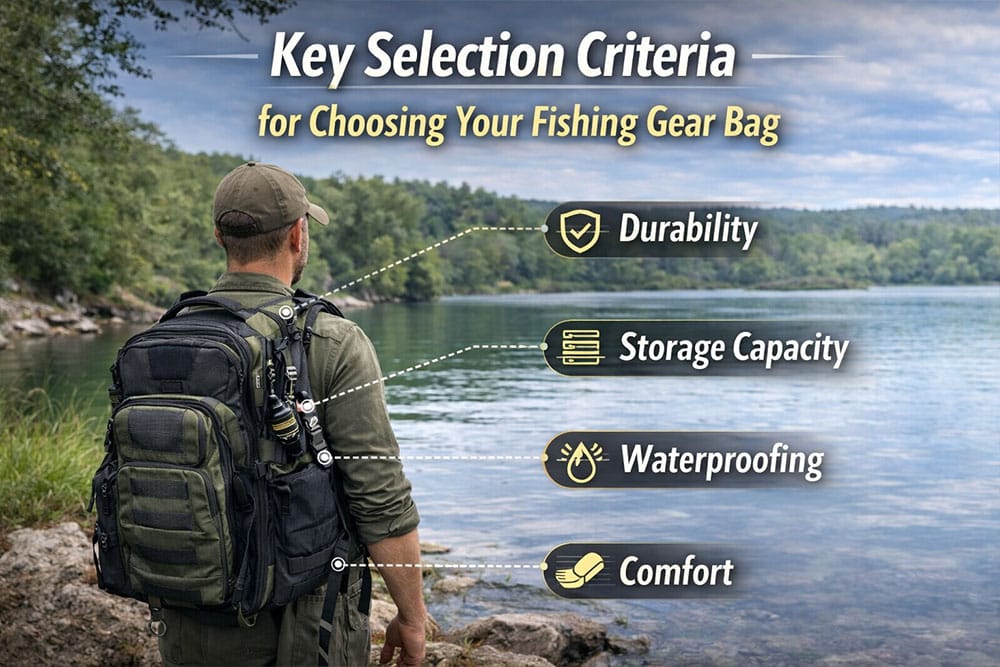
Key Selection Criteria
Choosing the right fishing tackle bags and backpacks can make your fishing trips smoother and more fun. You want a bag that matches your gear, your fishing style, and the places you fish. Let’s break down the most important things to look for.
Size and Capacity
You need enough space for your gear, but you don’t want a bag that’s too heavy or bulky. If you plan short trips, a small bag works fine. You can fit a few lures, hooks, and tools. For longer trips, you need more room. A big tackle bag can hold 8-12 utility boxes and up to 4,000 cubic inches of storage. This lets you bring extra lures, backup reels, and rain gear.
Think about how long you’ll be out. A single-day trip means you only need basic tackle. If you’re fishing all weekend, you’ll want space for extra gear and snacks. The right size helps you stay organized and ready for anything.
Durability & Waterproofing
Your bag needs to handle rough weather, sharp hooks, and heavy loads. Strong materials like nylon and polyester last a long time. They resist tears and keep your gear safe. Some bags use PVC or Cordura for extra toughness. Waterproofing is key if you fish in the rain or near saltwater.
Here’s a quick look at common materials:
Material
Properties
Usage in Fishing Bags
Nylon
Strong, lightweight, water-resistant
Very common, durable
Polyester
Tough, resists wear and tear
Used for strength and water resistance
PVC
Water-resistant, easy to clean
Keeps contents dry
Cordura
Highly durable, abrasion-resistant
Found in high-end bags
E-PTFE Membrane
Waterproof, breathable
Excellent protection
You want a bag that keeps your gear dry and stands up to years of use. Look for reinforced seams and sturdy zippers. If you fish in saltwater, pick a bag with marine-grade materials and UV protection.
Comfort & Ergonomics
A comfy bag makes a big difference, especially on long trips. Padded straps and hip belts help spread the weight. You feel less tired and can fish longer. In field tests, anglers using packs with hip belts felt 40% less shoulder fatigue after six hours. That means you can focus on fishing, not on sore muscles.
Try bags with adjustable straps and breathable back panels. These features help you stay cool and comfortable. If you walk a lot or hike to your fishing spot, comfort matters even more.
Fishing Style & Environment
Where you fish and how you fish change what you need in a bag. If you fish in saltwater, you need waterproofing and materials that resist corrosion. Sun and salt can damage gear fast. Freshwater fishing gives you more options. You can focus on organization and space.
Saltwater fishing requires tackle bags to have marine-grade materials to resist corrosion, waterproofing to protect against saltwater damage, and UV protection due to sun exposure. In contrast, freshwater fishing allows for more flexibility, focusing on organization and capacity rather than strict waterproofing.
If you fish from a boat, you might want a bigger bag with rod holders. If you wade in streams, a small sling or chest pack works better. Match your bag to your fishing style for the best results.
Trip Duration
How long you fish affects what you need. Short trips mean you can travel light. You only need a few lures and basic tackle. For longer trips, you need more space for extra gear, food, and weather protection. A spacious bag lets you pack backup items and stay prepared.
Professional anglers look for bags that balance size, durability, and comfort. They want easy access to gear, strong materials, and features like insulated pockets or rain covers. You can use these tips to pick a bag that fits your needs and makes every trip better.
Here’s a table showing what matters most:
Criteria
Description
Durability
Handles tough conditions and lasts for years
Storage Capacity
Holds all your gear and keeps it organized
Portability
Easy to carry, lightweight, and comfortable straps
Specialized Features
Extras like insulated pockets, rod holders, and rain covers
Versatility
Works for fishing and other outdoor activities
When you choose fishing tackle bags and backpacks, think about where you fish, how long you’ll be out, and what gear you need. The right bag helps you stay organized, comfortable, and ready for anything.
Materials for Tackle Bags
Choosing the right material for your fishing tackle bag can make your trips easier and your gear last longer. Let’s look at the most popular materials you’ll find in fishing tackle bags and backpacks.
Nylon
Nylon is a favorite for many anglers. You get a bag that feels light but stands up to rough use. Most bags use 600D or 900D nylon. This fabric handles bumps, scrapes, and even a little rain. If you want a bag for everyday fishing, nylon works well. It dries fast and resists tearing.
Polyester
Polyester is another strong choice. It’s tough and doesn’t wear out quickly. You’ll notice that polyester bags keep their color and shape, even after many trips. This material also resists water, so your gear stays dry in light rain. If you want a bag that looks good and lasts, polyester is a smart pick.
PVC-Coated
PVC-coated fabrics give you extra water protection. These bags feel smooth and wipe clean easily. You can trust them to keep your gear dry if you get caught in a shower. PVC also adds strength, so your bag won’t rip if you pack it full.
Tarpaulin
Tarpaulin bags are built for tough jobs. You get a bag that’s almost waterproof and very strong. Tarpaulin feels thick and flexible. It protects your gear from heavy rain and splashes. If you fish from a kayak or in rough weather, tarpaulin keeps your stuff safe.
Waxed Canvas
Waxed canvas gives you a classic look and serious toughness. This material uses tightly woven cotton with a wax finish. Water rolls right off, and the fabric resists scratches and punctures. Over time, waxed canvas develops a cool patina, so your bag looks better the more you use it.
Tip: Waxed canvas bags are perfect if you want something that lasts for years and gets more stylish with age.
Materials Comparison
Here’s a quick table to help you compare:
Material
Water Resistance
Durability
Best For
Special Features
Nylon (600D/900D)
Good in light rain
High
Everyday use, general fishing
Lightweight, dries fast
Polyester
Good in light rain
High
All-around use
Keeps color, resists fading
PVC-Coated
Excellent
Very High
Wet conditions, heavy use
Easy to clean, strong seams
Tarpaulin
Outstanding
Very High
Kayak/boat fishing, rough weather
Flexible, almost waterproof
Waxed Canvas
Outstanding
Very High
Rugged trips, classic style
Develops patina, abrasion resistant
You can pick the material that matches your fishing style and the places you go. The right choice keeps your gear safe and makes every trip better.
Organization & Storage
Compartments
You want a fishing tackle bag that keeps gear neat and easy to find. Good compartments help you stay organized. Most anglers say space you can use is more important than just a big bag. You need places for tackle trays, tools, and snacks. Many bags have dividers you can move to fit your gear. Some packs have clear pockets so you can see what’s inside fast. Others have zippered spots for small things like hooks or weights.
Tip: If your pack is organized, you spend less time looking for things and more time fishing.
Specialized Storage
Specialized storage helps you feel ready instead of stressed. It is hard when you cannot find the right lure. With smart storage, you grab what you need quickly. Many tackle bags have organizers that stop rust, so your gear stays nice. You will find waterproof pockets for electronics and mesh sleeves for wet tools. Some bags have trays you can take out, so you only bring what you need.
Here is what anglers like most about special storage:
Fast access to lures and tools
Inside pockets make it easy to get gear
Rust-proof spots for hooks and metal gear
Light bags with layouts you can change
Tough, water-resistant materials for bad weather
Innovative Designs
Fishing tackle bags are getting better every year. In 2025, you will see small, waterproof bags with quick-access pockets. These are great if you fish for redfish or snook. Freshwater anglers like bigger backpacks with layers for all their gear. Kayak anglers use small bags that fit tight spaces and keep gear safe. Deep-sea fishermen pick strong bags with cold sections for bait. Some new bags use recycled materials to help the planet.
Angler Type
Preferred Bag Features
Kayak Angler
Small, easy to carry, keeps gear safe
Freshwater Angler
Big, many layers, organized
Saltwater Angler
Waterproof, quick to open, tough
Eco-Conscious Angler
Made from recycled or earth-friendly materials
You can choose a design that fits your fishing style and keeps you organized on every trip.
Best Fishing Tackle Bags and Backpacks 2026
Are you searching for the top fishing tackle bags and backpacks for your next adventure? You have plenty of choices in 2026. Let’s look at some of the best models you can find this year. Each one brings something special to the table, whether you want waterproof protection, lots of storage, or easy access to your gear.
Plano Guide Series
You want a bag that keeps your gear safe and organized. The Plano Guide Series stands out for its sturdy build and smart design. You get plenty of space for tackle trays, tools, and even snacks. The zippers feel strong, and the fabric resists water. Many anglers like the molded base because it keeps the bag upright and dry. You can carry this bag on a boat or along the shore without worry.
Shimano Blackmoon
Shimano Blackmoon gives you a sleek look and practical features. You get padded straps that make long walks easier. The compartments help you sort lures, hooks, and pliers. You can fit several utility boxes inside. The outside pockets let you grab your favorite gear fast. If you want a bag that feels comfortable and looks sharp, this one is a solid pick.
Piscifun Sling Bag
Do you like to move quickly and keep things light? The Piscifun Sling Bag lets you swing the pack to your front and grab what you need. You get enough space for a couple of tackle trays and your phone. The water-resistant fabric keeps your gear dry in light rain. Many anglers use this bag for shore fishing or wading in streams. You can adjust the strap for a perfect fit.
Bass Pro Shops Stalker
Bass Pro Shops Stalker gives you lots of room for gear. You get strong handles and padded straps. The bag holds up well in tough conditions. You can organize your tackle with removable trays and plenty of pockets. The rugged design makes it a favorite for boat fishing and long trips. You can trust this bag to last for years.
Yeti Panga 28L
If you need a bag that can handle rough water, Yeti Panga 28L is a top choice. You get 100% waterproof protection. The thick fabric and airtight zippers keep everything dry, even in heavy rain. You can use this bag for offshore trips or kayak fishing. The simple design makes it easy to clean. Many anglers say this bag is worth the price for its toughness and reliability.
Top Models Comparison
You want to compare the best fishing tackle bags and backpacks before you buy. Here’s a table that shows how the top models stack up:
Pack Model
Capacity
Waterproof Rating
Rod Holders
Tackle Trays
Weight (Empty)
Best For
Price Range
Wild River Tackle Tek Nomad
40L
Water Resistant
2 External
4 x 3700
4.2 lbs
All-around boat fishing
$150-180
Fishpond Thunderhead
35L
100% Waterproof
1 Internal
3 x 3700
3.8 lbs
Kayak/wade fishing
$280-320
Evolution Drift Series 3600
45L
Water Resistant
4 External
6 x 3600
5.1 lbs
Tournament/multi-species
$200-240
Yeti Panga Backpack
28L
100% Waterproof
None
2 x 3700
4.5 lbs
Rough water/offshore
$350-400
Beyond Braid Voyager
32L
IPX7 Waterproof
2 External
4 x 3700
3.6 lbs
Saltwater all-around
$180-220
Tackle Warehouse Sling
15L
Water Resistant
1 Side Mount
2 x 3600
2.1 lbs
Mobile shore fishing
$80-100
Tip: If you want a bag for boat fishing, look for bigger capacity and more rod holders. If you fish from shore or wade in streams, a sling bag or smaller backpack works best.
You can find a fishing tackle bag or backpack that fits your style and budget. Each model offers something unique, so think about what matters most for your trips. Whether you want waterproof protection, lots of storage, or easy access, you have great options in 2025.
Choosing the Right Bag
Freshwater vs. Saltwater
You need to think about where you fish. Freshwater fishing usually means you can use lighter bags. You do not need as much waterproofing. You can focus on pockets and easy access. Saltwater fishing asks for tougher bags. Salt and sun can damage gear fast. You want waterproof zippers and marine-grade fabrics. Bags with rust-proof hardware last longer near the ocean.
Tip: If you fish in saltwater, pick a bag with sealed seams and UV protection. Freshwater anglers can choose bags with more organization and less bulk.
Fishing Type
Best Bag Features
Why It Matters
Freshwater
Lightweight, organized
Easy to carry, quick access
Saltwater
Waterproof, rust-proof
Protects gear, lasts longer
Short vs. Long Trips
Trip length changes what you need. For short trips, you want a small bag. You only need space for a few lures, pliers, and snacks. You can grab your gear and go. Long trips need bigger bags. You want room for extra tackle, rain gear, and maybe lunch. Some anglers pack extra reels and first aid kits for long days.
Short trips: Sling bags, waist packs, or small backpacks work best.
Long trips: Large backpacks or tackle bags with more compartments help you stay organized.
Note: Always check your bag before you leave. Make sure you have enough space for everything you need.
Mobility vs. Storage
You need to balance how much you carry with how easy it is to move. If you hike or wade, you want a light bag. Sling packs and waist packs let you move fast. You can reach your gear without stopping. If you fish from a boat or stay in one spot, you can use a bigger bag. You get more storage and better organization.
Need
Best Bag Type
Main Benefit
High Mobility
Sling, waist, chest
Move fast, stay light
More Storage
Backpack, hard box
Carry more gear
Think about your fishing style. Pick a bag that helps you fish better and keeps your gear safe.
Customization Options
You want your fishing tackle bag to stand out. Customization helps you show your style or promote your brand. Let’s look at the most popular ways to personalize your bag.
Embroidery
Embroidery gives your bag a classic look. You can add your name, logo, or a favorite fish. The thread stays bright and strong, even after many trips. You get a design that feels smooth and lasts for years. Embroidery works best for simple logos or text.
Tip: Choose embroidery if you want a durable and professional finish.
Rubber/Silicone Patches
Rubber or silicone patches add color and texture. You can pick bold shapes or fun designs. These patches stick well to most fabrics. They resist water and dirt. You can use them for team logos or special events.
Bright colors catch attention
Easy to clean
Great for outdoor use
Screen Printing
Screen printing lets you add big, colorful graphics. You can print your favorite fish, a slogan, or your brand. The ink bonds with the fabric, so your design stays sharp. Screen printing works well for large logos or detailed art.
Note: Screen printing is best for bold designs and big areas.
Woven Labels
Woven labels give your bag a subtle touch. You can add a small logo or name. The label feels soft and blends with the bag. Woven labels work well for brand tags or personal ID.
Method
Best For
Durability
Look
Embroidery
Names, logos
High
Classic
Rubber/Silicone
Team patches
High
Modern
Screen Printing
Large graphics
Medium
Bold
Woven Labels
Brand tags
High
Subtle
vancharli Services
vancharli helps you create custom fishing tackle bags. You can choose embroidery, patches, printing, or labels. The team guides you from design to delivery. You get strong materials and sharp branding. vancharli makes bags for personal use, teams, or companies. You can trust vancharli to help your bag look unique and professional.
Want your fishing bag to show your style or brand? Ask vancharli for help with custom designs and expert manufacturing.
Brand & Price Guide
Premium vs. Budget
When you shop for fishing tackle bags, you will see big price differences. Premium bags cost more money. They have features that make fishing easier. These bags use better waterproofing and stronger materials. The zippers are tough and do not break easily. Premium bags last a long time and keep your gear safe in bad weather. Brands like Wild River and Piscifun are known for strong build and smart design.
Budget bags are good for people who fish sometimes. You save money with these bags. But you might not get special pockets or strong waterproofing. Budget bags use lighter fabric and simple zippers. You get basic space for your gear. Sometimes your things feel crowded or hard to grab.
Here are the main differences:
Premium bags have better waterproofing and last longer.
Budget bags are fine for short trips but have less organization.
Premium brands use strong zippers and tough materials.
Tip: If you fish a lot or in bad weather, a premium bag is worth it. If you are new or fish for fun, a budget bag works well.
Brand Comparison
You will see many brands when you look for fishing tackle bags. Each brand has something special. Some brands focus on strong bags and waterproofing. Others make bags with smart pockets and easy access.
Brand
Price Range
Key Features
Best For
Wild River
$140-270 USD
Tough build, LED lights
Serious anglers
Piscifun
$50-100 USD
Water-resistant, comfy fit
All-around fishing
Shimano
$150-300 USD
Sleek design, padded straps
Long trips
Bass Pro Shops
$35-80 USD
Big storage, rugged handles
Boat fishing
Yeti
$200-400 USD
100% waterproof, simple
Extreme conditions
vancharli
$30-100 USD
Custom options, strong fabric
Personal or team use
You pick a brand that fits what you need. If you want the best protection, Yeti and Wild River are top choices. Piscifun and vancharli are good for comfort and value. Shimano and Bass Pro Shops give you lots of space and smart pockets. You can find a bag that matches your fishing style and how much you want to spend.
You want fishing tackle bags and backpacks that fit your style and keep your gear safe. Pick the type, features, and materials that match your trips. Look for smart organization and check out top models for 2025. Custom options help you show your personality or brand. vancharli offers expert help with design and manufacturing. Try a bag that fits your needs and makes every fishing trip easier.
FAQ
What size fishing tackle bag should you choose?
Pick a bag that fits your gear and trip length. For short outings, a small sling or waist pack works. For longer trips, grab a backpack with more compartments. You want enough space without carrying extra weight.
How do you keep your tackle bag organized?
Use trays, dividers, and clear pockets. Sort lures, hooks, and tools by type. Put your favorite gear in easy-to-reach spots. You spend less time searching and more time fishing.
Are waterproof tackle bags worth it?
Yes! Waterproof bags protect your gear from rain, splashes, and saltwater. You keep electronics and tackle safe. If you fish near water or in bad weather, a waterproof bag saves you trouble.
Can you customize your fishing tackle bag?
You sure can! Add embroidery, patches, or screen printing for a personal touch. vancharli offers custom options for names, logos, and team designs. Your bag stands out and shows your style.
What’s the best way to clean your tackle bag?
Empty the bag first. Wipe the inside and outside with a damp cloth. Use mild soap for tough stains. Let the bag air dry before packing your gear again. Clean bags last longer!








Comments are closed