Packing a dry bag keeps you safe, comfortable, and ready for anything. Choose a 15-20L bag for day trips so you can grab what you need fast. Every adventure is different—make this list your own. Are you sure your dry bag has everything you need for your next adventure?
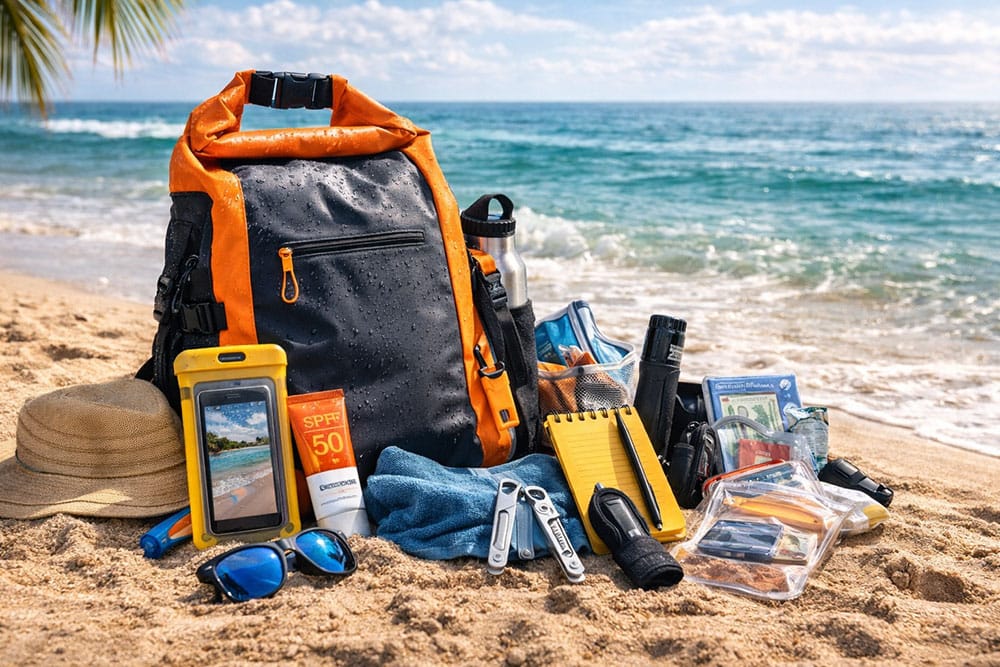
Always bring a waterproof phone case to keep your phone safe from water. This helps you stay in touch and take photos.
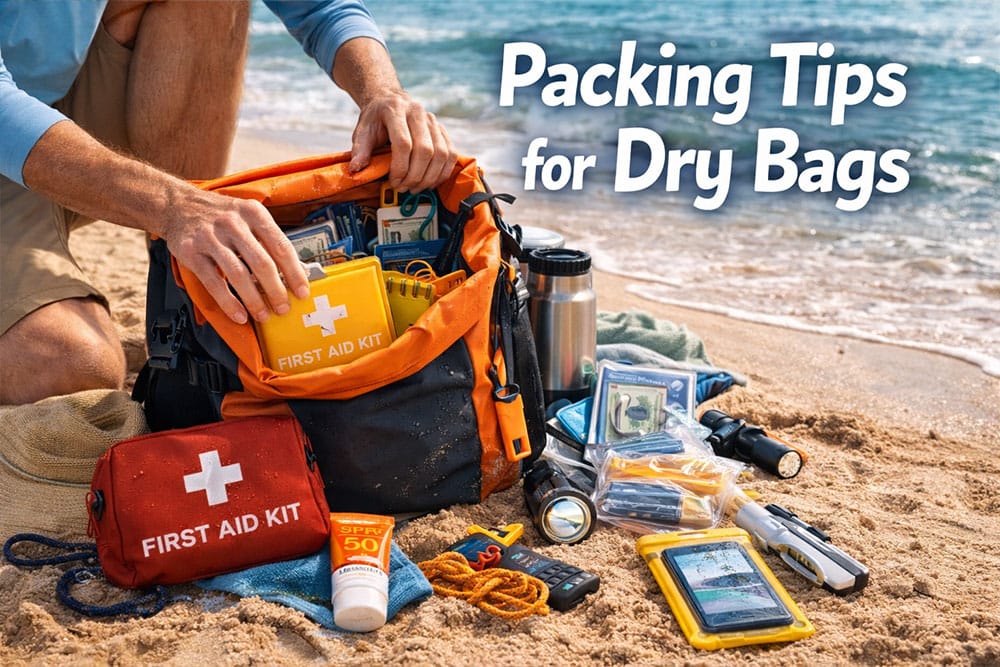
Pack a first aid kit with important supplies for emergencies. Being ready can help keep everyone safe.
Use high-SPF sunscreen, a hat, and sunglasses to protect yourself from the sun. This stops sunburn and keeps your skin healthy.
Bring extra dry clothes and a light towel to stay dry and comfy. Quick-drying clothes work best for boat trips.
Use ziplock bags or small dry bags to organize your things. This makes it easy to find stuff and keeps dry things from getting wet.
Boat Trip Dry Bag Checklist: Top 15 Essentials
Packing your boat trip dry bag checklist is more than just tossing things inside. You want to make sure every item serves a purpose and keeps you ready for anything. Let’s break down each essential and see why it matters.
Waterproof Phone Case
Your phone is your lifeline on the water. A waterproof phone case gives you real protection against splashes, rain, and even full submersion. Standard cases might handle a quick splash, but they can’t stand up to the constant threat of water on a boat. Waterproof cases are built for deeper submersion and longer exposure, so your phone stays safe and dry. You can snap photos, check maps, or call for help without worry.
Tip: Attach a carabiner to your phone case so you can clip it inside your dry bag or to your life jacket.
First Aid Kit
Accidents happen fast on the water. You need a first aid kit that covers all the basics and a few extras. Maritime safety experts recommend packing:
Waterproof bandages and sterile gauze pads
Antiseptic wipes and creams
Sterile gloves and face masks
Burn treatment supplies
Emergency blanket
Pressure bandages and tourniquets
First-aid manual and CPR mask
Motion sickness medication
Thermometer and tweezers
Throw in some lip balm with SPF to protect your lips from sun and wind. If you’re heading out for a multi-day trip, add extra medication and seasickness tablets.
Sunscreen
You spend hours exposed to the sun on a boat. You need strong protection.
“The Skin Cancer Foundation recommends a water-resistant, broad-spectrum sunscreen with an SPF of 50 or higher for any extended outdoor activity.”
Choose a sunscreen that won’t wash off easily. Reapply often, especially after swimming or sweating.
Hat & Sunglasses
A hat shields your face and neck from the sun. Sunglasses protect your eyes from harsh glare and UV rays bouncing off the water. Here’s why you shouldn’t skip them:
Sunglasses block harmful ultraviolet radiation, which is stronger on the water.
UV rays can burn your eyes, causing long-term damage.
Water reflects sunlight, increasing your exposure.
Use sunglasses straps so you don’t lose them overboard. Wide-brim hats offer the best coverage.
Lightweight Towel
Regular towels get heavy and stay wet. Lightweight towels are a game changer.
Advantage
Description
Absorbency
Lightweight towels can absorb nine times their weight in water, making them highly effective.
Quick Drying
They dry eight times faster than regular towels, which is beneficial for boat trips.
Compactness
These towels can be packed into a space smaller than a quarter of a regular towel’s volume.
Odor Resistance
Treated with Polygiene for permanent odor control, keeping them fresh for longer periods.
You can dry off in minutes and pack it away without worrying about mildew or odors.
Extra Dry Clothes
Weather changes quickly on the water. Packing extra dry clothes in your boat trip dry bag checklist keeps you warm and safe.
Dry clothes stay protected if you capsize.
Synthetic fabrics dry fast and insulate even when damp.
Foul-weather gear shields you from spray and rain.
Consider waterproof footwear and gloves for colder trips or rough conditions.
Snacks & Water
You need energy and hydration. Pack easy-to-eat snacks and enough water for the day. Some favorites include:
Turkey and Cheddar Cheese sandwiches
Pull Apart Ham and Swiss Bites
Buffalo Chicken Sliders
Bacon Cheddar Ranch Cheeseball
Honey Roasted Ham Mini Subs
Turkey Bacon Ranch Bites
Beyond Meat Sliders
PB & J Strawberries
Crackers & Cheese
Peanut Butter & Crackers or Veggies
Popcorn
Nuts (almonds, pistachios)
Chex Mix
Bring at least one liter of water per person. For longer trips, add a water filter or purification tablets.
Emergency Whistle
If you need help, you want to be heard. Emergency whistles work better than shouting or waving. Check out how different models compare:
Whistles with frequencies between 2700 and 2900 Hz carry sound far across water. Attach yours to your life jacket for quick access.
Headlamp or Flashlight
You might stay out later than planned. A headlamp or flashlight keeps you safe after dark.
Reliable light helps you see and be seen.
Headlamps let you work hands-free.
You can fix gear, read maps, or signal for help.
Pack extra batteries or a backup light for longer trips.
Multi-tool or Knife
A multi-tool or knife is your best friend in emergencies. You can:
Cut tangled lines or rigging
Make quick repairs to sails or gear
Loosen knots and open shackles
Free wildlife caught in debris
Prepare food or bait
Choose a rust-resistant tool and keep it handy.
ID & Permits
Always carry your ID and any permits you need. Some areas require fishing licenses or park passes. Store these in a ziplock bag or waterproof wallet.
Waterproof Notepad & Pen
You might need to jot down directions, emergency info, or boat details. A waterproof notepad and pen let you write even in wet conditions. In an emergency, you can record instructions or navigation notes that won’t wash away.
Ziplock Bags or Small Dry Bags
Organization is key for your boat trip dry bag checklist. Use ziplock bags and small dry bags to:
Separate clean and dirty clothes
Protect passports and valuables
Isolate wet items from dry gear
Seal in odors from shoes or laundry
Partition gear for extra protection
Dry bags and ziplocks make it easy to find what you need and keep everything fresh.
Insect Repellent
Mosquitoes and no-see-ums can ruin your trip. Choose the right repellent:
Homemade blends with essential oils (citronella, cinnamon, lemon eucalyptus)
Solid bar repellents with multiple active ingredients
Thermacell devices for a 15-foot zone of protection
Pack extra for river trips or tropical destinations.
Cash & Card
You never know what you’ll need to pay for. Carry both cash and a card.
Situation
Cash Needed
Card Needed
Onboard purchases
No
Yes
Tipping crew members
Yes
No
Casino games
Yes
Sometimes
Port excursions (final payment)
Sometimes
Sometimes
Cash is handy for tips and small purchases. Cards work for onboard payments and excursions.
Alternatives & Additions for Special Trips
For river trips, add a waterproof map and a light duty line for tying up at shore.
Multi-day trips need extra snacks, water, and foul-weather gear.
If you love photography, pack a waterproof camera.
For families, bring extra sunscreen, snacks, and games for kids.
Your boat trip dry bag checklist should fit your adventure. Adjust it for your group, weather, and destination. With the right gear, you’ll stay safe, comfortable, and ready for anything.
Why These Essentials Matter
Safety & Emergencies
You never know what might happen on the water. Safety gear can make the difference between a close call and a real emergency. When you pack your boat trip dry bag checklist, you prepare for the unexpected. Items like a first aid kit, emergency whistle, and headlamp help you handle injuries or signal for help. A waterproof phone case lets you call for rescue if needed.
Did you know? In 2023, the U.S. Coast Guard reported 3,844 boating accidents. These led to 564 deaths and over 2,100 injuries. Most drowning victims did not wear a life jacket. Even small boats see more accidents when people skip safety gear. You should always keep essentials close, no matter your experience.
Comfort & Convenience
A day on the water should feel fun and relaxing. You want to stay comfortable and enjoy every moment. Packing snacks, water, sunscreen, and a lightweight towel keeps you happy and healthy. Dry clothes and a hat protect you from sunburn and sudden weather changes.
Boater surveys show that convenience matters for 52% of travelers.
Comfort is important for over half of people who take coastal trips.
When you organize your gear, you spend less time searching and more time having fun. The right items in your dry bag make your trip smooth and stress-free.
Protecting Valuables
Water and valuables do not mix. You want to keep your phone, wallet, and other important items safe. Electronics, glass containers, and jewelry often get damaged on boat trips. Paper maps and books can also get ruined if they get wet.
Use waterproof bags for delicate items.
Leave glass containers at home to avoid breakage.
Secure valuables so they do not fall overboard.
Your boat trip dry bag checklist helps you protect what matters most. With smart packing, you avoid costly losses and keep your memories safe.
Packing Tips for Dry Bags
Layering & Organization
Packing your dry bag the right way makes a big difference. Start by laying out all your gear. Group items by category, like safety, snacks, and clothes. This helps you see what you have and what you might need to add or remove.
When you pack, put the things you use least at the bottom. Heavy items, like extra water bottles or shoes, go first. Place medium-weight gear, such as snacks or a first aid kit, in the middle. Keep lightweight and most-used items, like your phone or sunscreen, at the top. This way, you can grab what you need without digging through everything.
Tip: Use small dry bags or ziplocks to separate your gear. You can keep clean clothes in one, snacks in another, and first aid supplies in a third. This keeps your bag neat and makes it easy to find things fast.
Keeping Items Accessible
You want to reach your essentials quickly, especially on a moving boat. Carabiners help a lot. Clip your keys, whistle, or waterproof phone case to the inside of your dry bag or your life jacket. This keeps them secure and easy to grab.
Choose a 15-20L dry bag for day trips. This size fits all your essentials but stays light and easy to carry. Use different sizes of small bags inside your main dry bag. Put electronics in one, snacks in another, and clothes in a third. This keeps everything organized and stops you from losing small items.
Protecting Electronics
Water and electronics do not mix. Always use waterproof cases for your phone and camera. These cases seal tight and let you use your device without taking it out. For extra safety, put your electronics in a small dry bag before placing them in your main bag.
Floating phone cases are a smart choice. If your phone falls in the water, it will float instead of sinking. Keep a microfiber cloth or silica gel packet in your bag. These help dry your devices fast if they get wet. Check your gear before every trip to make sure everything still works and seals tight.
Remember: Planning ahead and packing smart keeps your gear safe and your trip stress-free!
Customizing Your Checklist
Trip Length & Weather
You want your dry bag to match your adventure. A short day trip needs less gear than a weekend on the water. Check out this table to see what you should pack for different trip lengths:
Trip Duration
Required Items
Single-Day Trip
Basic gear, snacks, water, personal items
Multi-Day Trip
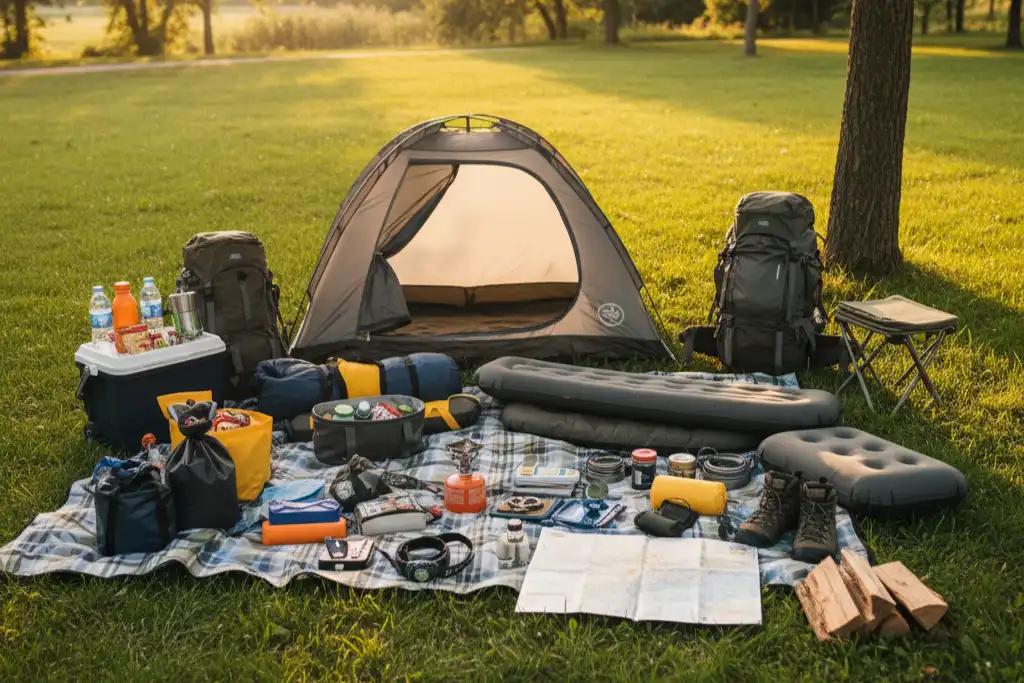
Extensive gear, cooking supplies, more food, shelter, safety gear
If you plan to stay overnight, you need more food, extra clothes, and maybe a small tent or tarp. Always check the weather before you go. If rain is in the forecast, pick a dry bag with a high waterproof rating like IPX6 or IPX7. This keeps your gear safe from water. You might also want a bigger bag if you expect storms or cold weather.
Tip: Pack layers and a rain jacket if the weather looks rough. You’ll stay warm and dry.
Group vs. Solo Packing
Are you going alone or with friends? If you travel solo, you only need to think about your own needs. In a group, you can share some items. One person can bring a first aid kit, while another packs snacks or a flashlight. This saves space and keeps your bag light.
If you have kids with you, add a few extras. Bring more snacks, sunscreen, and a towel for each child. Kids need their own life jackets and maybe a favorite toy or game to keep them happy.
Special Gear Needs
Every trip is different. If you plan to fish, you’ll want to add some special items:
Fishing poles
Bait
Cooler for your catch
Blanket or towel
If you love taking photos, pack a camera with a waterproof cover. For trips with kids, bring bug spray and a lantern or headlamp. You can also add a waterproof bag for valuables and a basic towel for everyone.
Remember: Your checklist should fit your plans. Adjust it for your group, the weather, and your favorite activities. That way, you’ll always be ready for fun on the water!
Packing your dry bag with care sets you up for a great day on the water. Boating safety groups say you should always prepare, know the rules, and bring the right gear.
Preparation prevents accidents
Safety gear keeps everyone protected
Knowing the rules helps you avoid trouble
When you review and personalize your checklist, you cover all the bases:
What You Pack
Why It Matters
Safety gear
Keeps you safe and legal
Snacks and water
Boosts comfort and energy
Phone and chargers
Helps with navigation and emergencies
Double-check your dry bag and set sail with confidence! 🚤
FAQ
What size dry bag should I bring for a day trip?
You should pick a 15-20L dry bag. This size holds all your essentials and stays easy to carry. If you pack light, a 10L bag works for short trips.
How do I keep my phone safe on the boat?
Use a waterproof phone case. Clip it inside your dry bag or to your life jacket with a carabiner. This keeps your phone dry and easy to reach.
Can I use regular ziplock bags instead of small dry bags?
Ziplock bags work for snacks and small items. For electronics or clothes, small dry bags give better protection. You can use both for extra safety.
What if my dry bag falls in the water?
Most dry bags float if you seal them right. Add a little air before closing. If you carry heavy gear, check if your bag floats before your trip. 🏊♂️




Comments are closed