



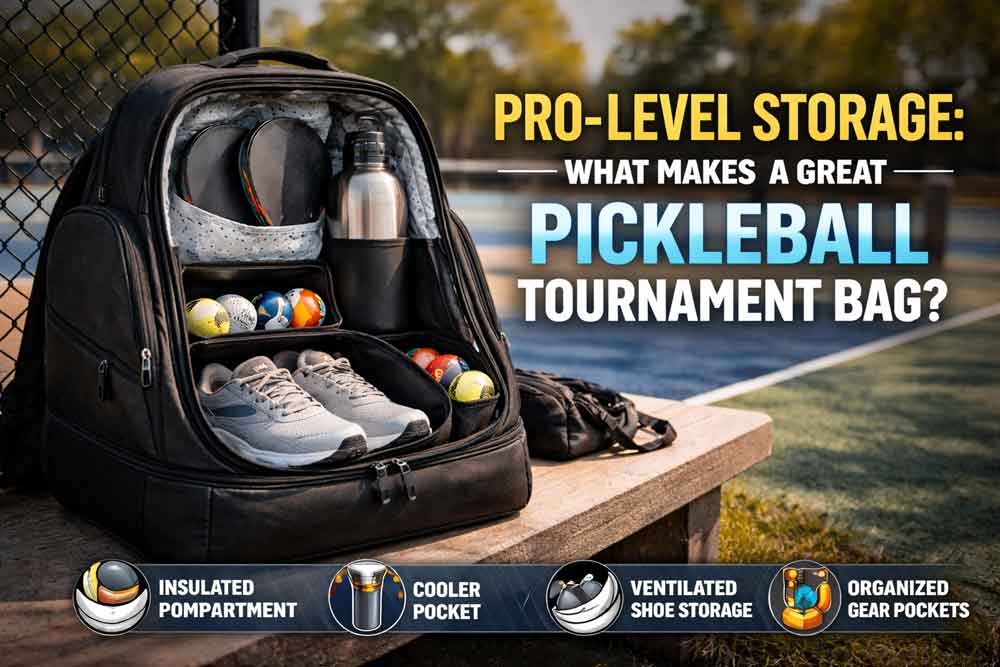
Pro-Level Storage: What Makes a Great Pickleball Tournament Bag?
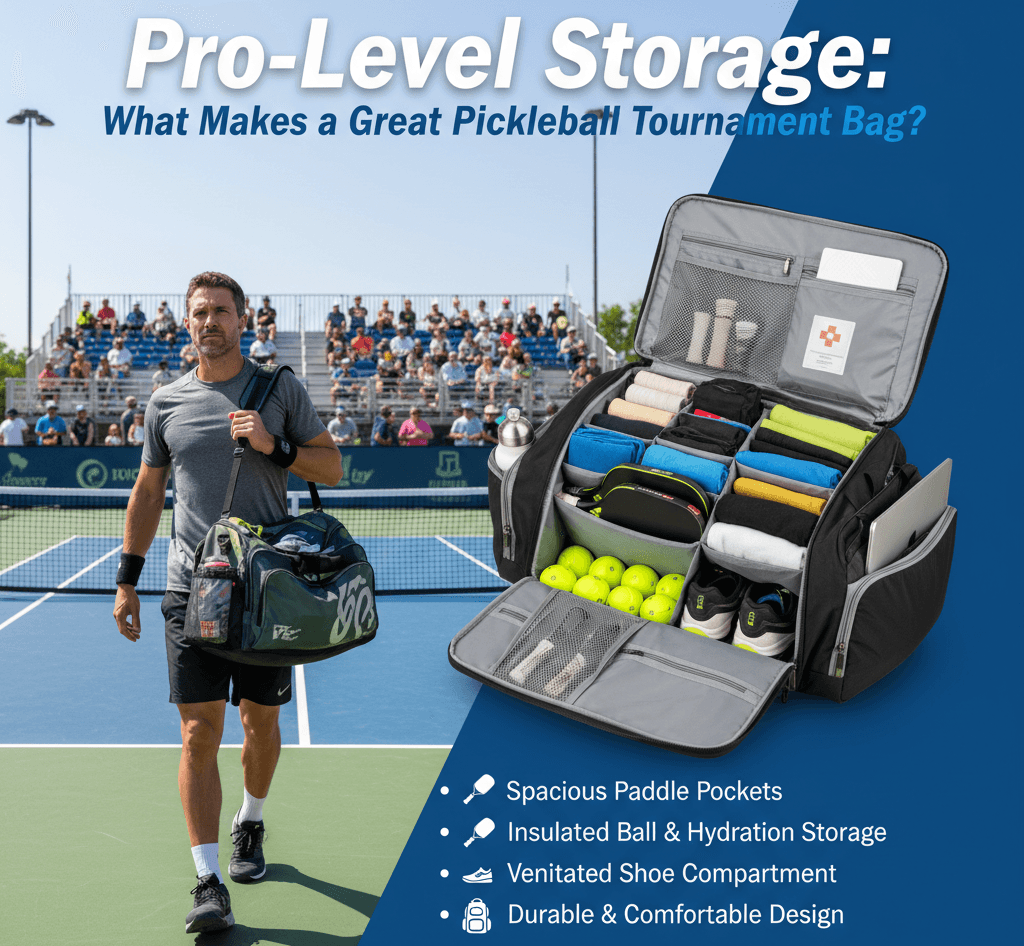
Have you ever arrived at a tournament only to realize your water is warm, your spare grip tape is lost at the bottom of your duffel, or worse, your primary paddle’s surface has been warped by the heat in your car? For competitive players, a disorganized or flimsy bag isn’t just an inconvenience; it’s a competitive disadvantage.
As sports gear engineers and seasoned tournament players, we know that the right equipment storage directly impacts your court-side focus. In this guide, we will break down exactly what separates a casual tote from a pro-grade pickleball tournament bag, ensuring you step onto the court fully prepared, physically fresh, and stress-free.
Key Features of a Pro-Grade Pickleball Bag
When you are playing multiple matches a day, your bag needs to act as a mobile locker room, protecting your most valuable assets from the elements.
Dedicated Paddle Compartments
Your paddles are your primary tools, and they are highly susceptible to environmental damage. Modern premium paddles utilize polymer honeycomb cores sandwiched between carbon fiber or raw fiberglass faces. According to USA Pickleball (USAPA) equipment guidelines, extreme heat can compromise these structures.
When left in a hot car or under direct summer sun, the thermoplastic resins and adhesives holding the paddle face to the core can soften. This leads to internal delamination, creating “dead spots” that ruin your control and power. Pro-grade tournament bags solve this by featuring dedicated compartments lined with aerospace-grade thermal foil. This reflective barrier shields your gear from severe temperature fluctuations, ensuring consistent paddle performance and protecting your $200+ investment.
Insulated Water Bottle and Cooler Pockets
Hydration is non-negotiable for peak performance. Top-tier bags include deep, insulated cooler pockets specifically designed to hold large 40oz stainless steel water flasks and sports drinks. Keeping your core temperature regulated relies on consuming cold fluids. Standard mesh pockets simply cannot maintain temperature during a multi-hour summer tournament, often leaving you with unrefreshing, lukewarm water just when you need to cool down before a tie-breaker.
Storage Compartments and Layout
A chaotic bag leads to a chaotic mindset. Compartmentalization is key to a seamless match-day experience, allowing you to maintain a “flow state” rather than frantically searching for gear.
Separate Shoe and Dirty Gear Bin
Hygiene and gear preservation go hand-in-hand. Professional bags feature ventilated shoe compartments, often with brass or plastic grommets for airflow. This isolates the dirt, court grit, and moisture of your court shoes away from your clean towels and extra grips. From a sportswear standard perspective, separating damp, sweaty clothes into a waterproof-lined bin prevents the rapid proliferation of odor-causing bacteria and protects the structural integrity of your other equipment.
Quick-Access Pockets for Essentials
You need immediate access to specific items during crucial two-minute timeouts. The best bags incorporate fleece-lined quick-access pockets at the top of the bag. This prevents sunglasses and smartphone screens from getting scratched by keys or loose change. Smaller, intelligently placed zippered sections keep ID cards, lip balm, and tournament bracket schedules readily available without forcing you to dig through the main cavern of the bag.
Material, Durability, and Weather Resistance
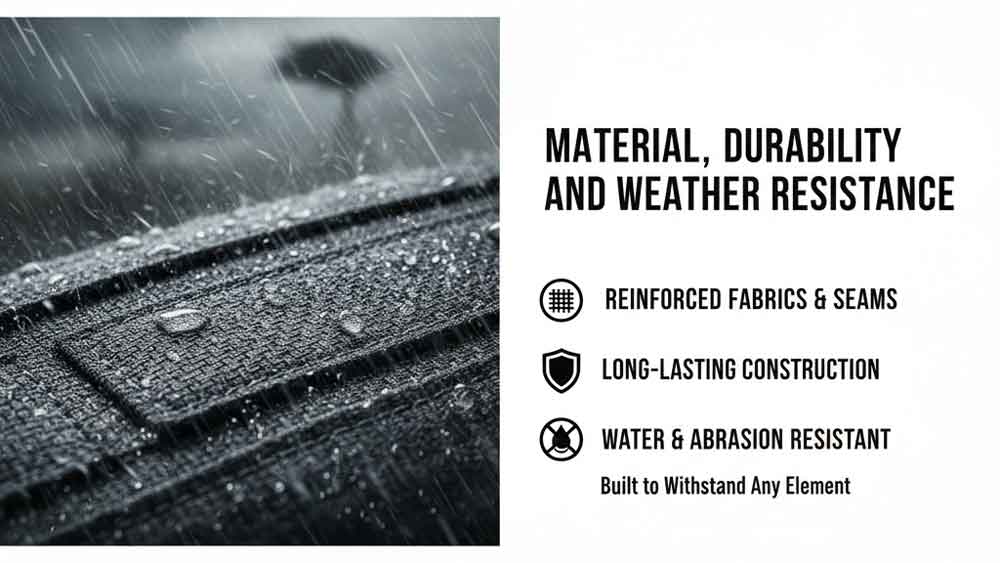
Tournament bags are subjected to brutal conditions: tossed onto abrasive hard courts, shoved into tight car trunks, and exposed to morning dew or unexpected rain.
Fabrics to Look For
Avoid basic canvas or thin polyester. Look for high-denier technical fabrics. The industry standard for heavy-duty sports luggage is 600D to 1000D ballistic nylon or TPU-coated polyester. TPU (Thermoplastic Polyurethane) coating is particularly valuable; it provides exceptional tear resistance and acts as a waterproof shield. If you drop your bag on a wet court early in the morning, a TPU-coated bottom ensures the moisture doesn’t seep up into your spare clothes.
Zippers and Reinforcement
A bag is truly only as strong as its weakest link. Professional bags strictly utilize YKK® zippers, the global benchmark for zipper durability and smooth tracking. Furthermore, load-bearing stress points—such as where the shoulder straps meet the bag body—must feature “bartack” stitching (a series of tight zigzag stitches) to prevent the fabric from tearing under the stress of a fully loaded bag.
Ergonomics and Portability
Carrying 15 to 20 pounds of paddles, water, shoes, and recovery gear across a sprawling sports complex shouldn’t leave your shoulders and lower back fatigued before your first serve.
Strap Configurations
The best tournament bags offer versatility for different travel scenarios. Backpack-style straps are the most popular for balancing heavy loads over long distances. However, a premium bag will also incorporate a padded over-the-shoulder duffel strap and reinforced, neoprene-wrapped grab handles for quick, comfortable movement when switching between adjacent courts.
Weight Distribution and Carry Options
The American Occupational Therapy Association (AOTA) heavily emphasizes that backpack loads must be evenly distributed across the back to prevent musculoskeletal strain. Premium pickleball backpacks utilize high-density EVA foam in the back panels to provide lumbar support. Contoured shoulder straps that mimic the natural curve of your neck, paired with adjustable sternum straps, keep the load securely fastened close to your center of gravity, preventing the bag from swaying and throwing off your balance.
Tournament Readiness: Gear You Should Carry
Having the right bag means you can confidently execute the “3-Zone Packing Method” for a long day of competition.
Essentials List
- Zone 1 (Performance): Primary and backup paddles (minimum 2-3), approved tournament balls.
- Zone 2 (Fuel & Recovery): Insulated water, electrolyte powder, high-carb snacks, cooling towels.
- Zone 3 (Support): Spare court shoes, change of clothes, extra grip tape, basic first-aid kit (blister tape, pain relievers, muscle rub).
Organization Tips
Group your gear by urgency. Hydration and snacks should be accessible from the exterior without opening the main zippers. Game gear goes in the most protected, central compartments, and post-game recovery items should be packed at the very bottom or in a designated secondary compartment.
Brand, Price Considerations, and Value
Investing in a proper tournament bag is essentially buying an insurance policy for the rest of your expensive equipment.
Budget vs Premium Options
| Feature Focus | Budget Bags ($30 – $60) | Premium Tournament Bags ($100+) |
| Paddle Protection | Thin padding, no thermal lining | Thick foam, aerospace thermal foil |
| Material | Standard 210D nylon, absorbs water | 1000D Ballistic nylon, TPU weather-resistant |
| Ergonomics | Basic flat straps, no back support | EVA foam padding, sternum straps, lumbar support |
| Longevity | 1-2 seasons with heavy tournament use | 5+ years of rugged durability |
Warranties and Return Policies
Reputable brands stand solidly behind their craftsmanship. When shopping, look for manufacturers that offer at least a 1-year comprehensive warranty against manufacturing defects, or ideally, a limited lifetime warranty on critical components like zippers and seams.
Care, Maintenance, and Longevity
Proper maintenance not only keeps your gear smelling fresh but significantly extends the life of your investment.
Cleaning Routines
Never put structured, pro-grade sports bags in a washing machine; the agitation will destroy the internal EVA foam padding and tear the thermal lining. Instead, adhere to standard premium luggage care protocols. Use a damp microfiber cloth with a mild, non-bleach detergent for spot-cleaning the exterior. Wipe down the interior compartments with an antibacterial wipe monthly to kill sweat-born bacteria.
Seasonal Storage and Odor Control
When the tournament season winds down, empty the bag completely. To control ambient moisture and stubborn odors, place a few activated charcoal pouches or silica gel packets inside the shoe and main compartments. Always store the bag in a cool, dry closet out of direct sunlight to prevent UV degradation, which can make technical fabrics brittle over time.
Conclusion & CTA
Choosing the right pickleball tournament bag is about far more than just aesthetics; it is a calculated, strategic decision that directly enhances your match preparation. By prioritizing thermal paddle protection, advanced ergonomic support, and highly durable materials, you are preserving your physical energy and protecting your gear from the parking lot to the medal podium.
Are you ready to eliminate match-day distractions, protect your expensive paddles, and keep your gear perfectly organized? Browse our latest collection of pro-grade pickleball tournament bags today, or contact our team of gear experts to find the exact match for your playing style and storage needs!
See Also
6 Best Pickleball Sling Bags Under 1 lb for Beginners
Comments are closed