




Where Are Most backpacks Produced?
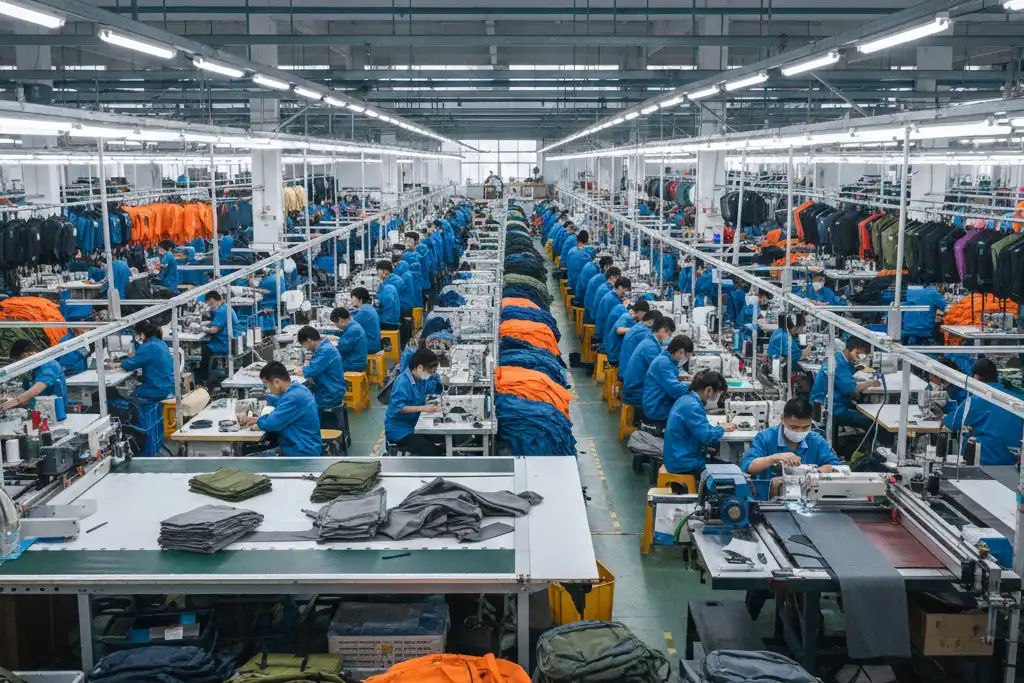
China makes most backpacks in the world. China is very good at making backpacks. Look at the table below to see how much each country makes:
| Country | Percentage of Global Backpack Production |
|---|---|
| China | 70% |
| Others | 30% |
Vietnam, Bangladesh, India, Indonesia, and the Philippines also make many backpacks. These countries have big factories and good workers. This helps them make backpacks for people everywhere.
Key Takeaways
- China makes 70% of all backpacks in the world. This is because China has modern factories and skilled workers. Vietnam and Bangladesh are making more backpacks now. These countries are known for good quality and quick production. Many brands now care about the environment. They use recycled materials and eco-friendly designs. The ‘China+1’ strategy is common. Companies want to save money, so they move some production to Vietnam and India. Backpacks go through quality checks and certifications. This makes sure backpacks are safe and reliable for buyers.
Backpack Production by Country
China: Backpack Manufacturing Hub
China makes most backpacks in the world. About 70% of all backpacks come from China. Big cities like Guangzhou, Dongguan, Baigou, Yiwu, Quanzhou, and Shaodong help a lot. Each city is good at something special. Some have huge factories. Others have workers with great skills. Many use new machines and smart technology.
| City | Province | Contribution to National Output | Key Features |
|---|---|---|---|
| Guangzhou | Guangdong | ~33% of total production | Largest leather goods hub, complete supply chain, OEM, ODM, OBM capabilities |
| Dongguan | Guangdong | High-quality OEM production | Factories for luxury brands, small-batch customization |
| Baigou | Hebei | 1.5 billion bags annually | Northern China’s largest base, known for affordability and massive capacity |
| Yiwu | Zhejiang | 25% of synthetic leather bags | Global small commodities hub, refined craftsmanship |
| Quanzhou | Fujian | Emerging hub | Developing regional supply chains |
| Shaodong | Hunan | Emerging hub | Developing regional supply chains |
Factories in these cities use new machines and check quality carefully. Vancharli is a top waterproof backpack maker in China. Their factory is big and uses advanced tools. They have important certificates that show they care about quality.
| Certification/Technology | Description |
|---|---|
| ISO 9001 | Quality Management System Certification |
| BSCI | Social Responsibility Certification |
| GRS | Global Recycled Standard |
| SEDEX | Supplier Ethical Data Exchange |
| DISNEY | Compliance with Disney’s manufacturing standards |
Vancharli uses robots and skilled workers. They make sure every backpack is checked. Their factory is huge, about 15,000 square meters. They can make 150,000 backpacks each month. Their backpacks are great for outdoor use. They keep water out and can be made in many styles.
Vietnam and Bangladesh
Vietnam and Bangladesh are now big backpack makers too. Factories in Vietnam sew backpacks very well. They check every backpack for quality. Young workers help make backpacks quickly. Bangladesh is famous for strong checks and good quality.
| Region | Main Products | Distinguishing Features |
|---|---|---|
| Vietnam | Mesh back panels for backpacks | High-quality sewing techniques, thorough quality control, young workforce |
| Bangladesh | All-weather Alpha Jacket, 5-Pocket Shorts and Pants | Commitment to quality, advanced inspection machinery |
Vietnam sends about 230,000 tons of backpacks to other countries each year. Bangladesh sends about 75,000 tons. Both countries are trusted for their good backpacks. Their exports keep growing every year.
India and Other Countries
India is the third biggest backpack maker in Asia. Indian factories send backpacks and sports gear to over 200 countries. Jalandhar and Meerut are the main places for making backpacks in India. These cities have more than 3,000 factories and 130 export businesses. They make most of the sports goods in India.
- India sells backpacks and sports gear to many countries.
- Jalandhar and Meerut are the main cities for making backpacks.
- Over 3,000 factories and 130 export businesses are there.
Other countries are also making more backpacks. Tanzania makes cheap and eco-friendly backpacks. Some even use solar power for students. The United States makes fancy backpacks with cool tech features. South Korea and the United Kingdom focus on style and eco-friendly designs.
| Country | Factors Driving Growth |
|---|---|
| Tanzania | Need for affordable, sustainable, and multi-functional backpacks, especially solar-powered ones for rural students. |
| United States | Rising demand for premium, tech-integrated, and ergonomic backpacks, along with e-commerce growth. |
| South Korea | Technological innovations, high-quality materials, and demand for outdoor backpacks, influenced by fashion trends. |
| United Kingdom | High consumer demand for stylish, functional designs, with a focus on sustainability and ethical production. |
Note: More countries are making backpacks as they get better machines and skilled workers.
Why China Leads Backpack Manufacturing
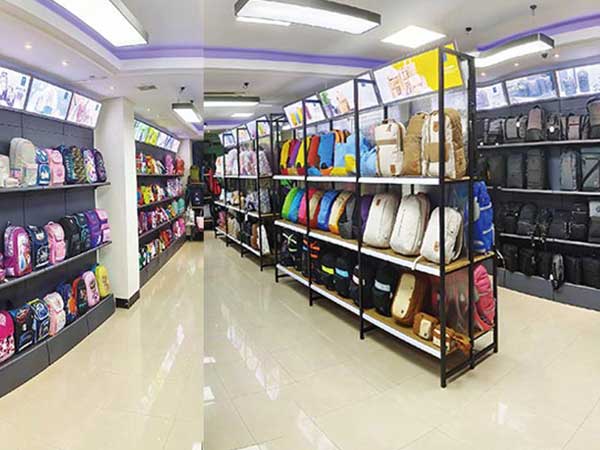
Scale and Infrastructure
China has many factories that make backpacks. There are more than 4,000 backpack factories in China. These factories work together and make more backpacks than any other country. The buildings are very big and have modern machines. Workers use computers to control cutters and sewing machines. This helps them make backpacks fast and with care.
Cities like Guangzhou and Dongguan have lots of factories close together. This helps them get materials and parts quickly. When factories are near each other, they save time and money. Chinese factories send backpacks to many countries every day. Because they make so many, the backpacks are good quality and cost less.
Tip: Big factories and smart machines help China make backpacks quickly and for less money.
Skilled Workforce
China teaches workers how to make backpacks. More than 23 million students go to special schools to learn these skills. These schools show students how to use new machines and tools. Many workers learn by practicing in large factory areas.
China has the most STEM graduates in the world. About 4.7 million students finish STEM programs every year. This means there are many workers who know about technology and engineering. Skilled workers help make backpacks that last longer and look nice.
- Special schools teach useful skills.
- Big factory areas help workers learn fast.
- STEM graduates bring new ideas and technology.
Supply Chain Efficiency
China’s supply chain works very well. Factories are close to suppliers, so they get materials fast. This means factories do not wait long for parts. It also saves money and makes things quicker.
Factories in China can change what they make easily. If you want a special backpack, they can adjust their machines and workers. Top factories use robots and check quality often. They have certificates like ISO 9001 to show they care about quality.
- Fast access to materials saves time.
- Nearby suppliers lower costs.
- Factories can make many or custom backpacks.
- Quality certificates show high standards.
Note: China’s skill and size make it the best place for backpack brands all over the world.
Trends in Global Backpack Production
Shifting Manufacturing Locations
There are big changes in where backpacks are made. Many companies use a “China+1” plan now. They keep some factories in China but also build new ones in Vietnam, India, and Cambodia. This is because it costs more to pay workers in China. Trade problems, like the U.S.-China trade war, make Chinese goods more expensive. Companies want to save money, so they look for cheaper places.
- Vietnam and Cambodia have lower worker pay.
- Their governments give tax breaks and help new businesses.
- These countries are in Southeast Asia, which helps with shipping.
- Some companies get back 20%-25% of what they spend on projects.
- There are lower taxes for things like utilities and property.
- State tax help can pay up to 70% of new factory costs.
Note: Jobs that need lots of workers move faster because worker pay is a big cost.
Sustainability and Innovation
More brands care about helping the planet. Many use recycled materials and want most of their products to be recycled. New green materials like hemp, organic cotton, and plant-based leathers are getting popular. Brands make backpacks you can fix or recycle, following circular design ideas.
- Factories use less energy and water.
- Many brands want to stop adding carbon by 2030 or 2040.
- Packaging uses less plastic, with a goal to use very little by 2025.
- Fair work rules make sure workers are treated well.
Top factories in China work with certified fabric suppliers. They use recycled polyester, organic cotton, and cork fabric. You see backpacks with parts you can change, so they last longer and make less trash. Brands add smart things like charging ports and GPS.
| Feature | Description |
|---|---|
| Waterproofing | Keeps things dry, even underwater. |
| Floating Capability | Stops gear from sinking in water. |
| Ergonomic Design | Has a good shape and soft straps for comfort. |
| Quick Access | Has a waterproof pocket for important things. |
| Customization | Factories can make backpacks for different needs. |
Tip: Brands like Vancharli are leaders in waterproof backpacks and custom designs. You get backpacks that fit you and last a long time.
China makes the most backpacks in the world. They have lots of experience and make many types fast. Vietnam and Bangladesh also make many backpacks. Their workers are skilled and their factories are growing. China is number one because:
- They have lots of experience and use new machines
- They can make many backpacks quickly
- They check quality and pick good materials
- They let you choose styles and help customers
There are new changes in backpack making. Companies use more eco-friendly materials now. Some move factories to Southeast Asia. Brands that use recycled materials and care for nature get more trust from people.
FAQ
What country makes the most backpacks?
China makes more backpacks than any other country. About 70% of backpacks come from China. Cities like Guangzhou and Dongguan make a lot of them.
What makes Chinese backpacks different?
Chinese backpacks are made with new machines and skilled workers. Many factories make waterproof backpacks and custom styles. They check quality and have certificates to prove it.
What materials do backpack factories use?
Factories use polyester, nylon, canvas, and recycled fabrics. They also use waterproof coatings like TPU and PU. Some brands pick eco-friendly materials like organic cotton or cork.
What is a waterproof backpack?
A waterproof backpack keeps your things dry in rain or water. It has special coatings, sealed zippers, and welded seams. Brands like Vancharli have IPX7 and IPX8 waterproof ratings.
What trends shape backpack production today?
Factories now use more recycled materials and save energy. Brands care about eco-friendly designs and custom features. Some companies move to Vietnam or Bangladesh to save money.
Comments are closed