



What Insulation Materials Make the Best Waterproof Cooler Bags

If you want your drinks icy cold on a hot day, you need the right cooler insulation materials. Closed-cell foams like PE, XPE, EPE, and PU, along with EVA foam and reflective liners, do a great job at locking in the chill. You will notice how a tough outer shell and leakproof liner can make a real difference. Some cooler bags, like the Yeti Roadie 48, keep ice for over five days. Others, such as KUER’s bags, can hold contents below 50°F for almost three days. The best bags stay waterproof, last through rough trips, and keep your food safe.
Key Takeaways
- Pick cooler bags with closed-cell foam or polyurethane foam. These materials help keep food cold and safe on trips.
- Check for waterproof features like welded seams and leak-proof liners. These stop water from getting in or out, so your food stays dry.
- Choose a strong outer shell made from polyester or nylon. These materials do not break easily, so your cooler bag lasts longer.
- Think about how heavy and bendy the cooler bag is. Light bags are easy to carry and store, so they are good for outdoor trips.
- Clean your cooler bag every time you use it. Cleaning often helps it last longer and keeps your food safe from germs.
Key Features of Cooler Insulation Materials
Insulation Performance
When you choose a cooler bag, you want it to keep things cold for a long time. The best insulation materials trap cold air inside. They also stop heat from getting in. Closed-cell foam, like PE or PU, has thick walls. These walls help ice last longer. Some bags use liners that reflect heat away. This makes them work even better. OutdoorGearLab tested coolers in hot weather. They found that good insulation and tight seals help ice last longer. Here is a quick chart to compare:
| Insulation Type | Performance (R-value) | Key Features |
|---|---|---|
| Closed-cell foam | Up to R-5 per inch | Thick foam walls help ice stay cold |
| Polyurethane (PU) foam | Standard | Used in cheaper coolers, not as strong |
| Polyethylene (PE) foam | Standard | Found in basic cooler bags |
| Radiant barrier liner | Reflects heat | Makes insulation work better |
Waterproofing and Leak Protection
You do not want water leaking out of your cooler bag. The best insulation materials work with waterproof liners. Welded seams help keep water inside. Many cooler bags use PEVA or PVC linings. These linings stop leaks because of heat-sealed seams. Some bags have roll-top closures for extra protection. Here are some features you might find:
- Welded seams keep water out
- Leak-proof liners keep things dry
- Roll-top closures help in wet places
A waterproof cooler bag keeps your food safe. It also keeps your trip clean.
Durability and Outer Shells
Durability is important if you use your cooler bag outside. Outer shells made from polyester, nylon, or PVC protect your bag. Polyester keeps its color and does not fade in the sun. Nylon is strong and does not tear easily. PVC coatings add more waterproofing. Many bags have strong stitching and hard base panels. These features make the bag last longer. You want a cooler bag that can handle every trip.
Weight and Flexibility
Heavy coolers are hard to carry. Soft cooler bags with closed-cell foam or EVA are much lighter. They can be up to 90% lighter than hard coolers. These bags fold flat when empty. You can store them anywhere. Lightweight bags with padded straps are easy to carry. Flexible insulation lets your bag fit in small spaces. This is great for road trips or picnics. The right weight and flexibility make your cooler bag easy to use.
Types of Cooler Insulation Materials
Closed-Cell Foam (PE, XPE, EPE)
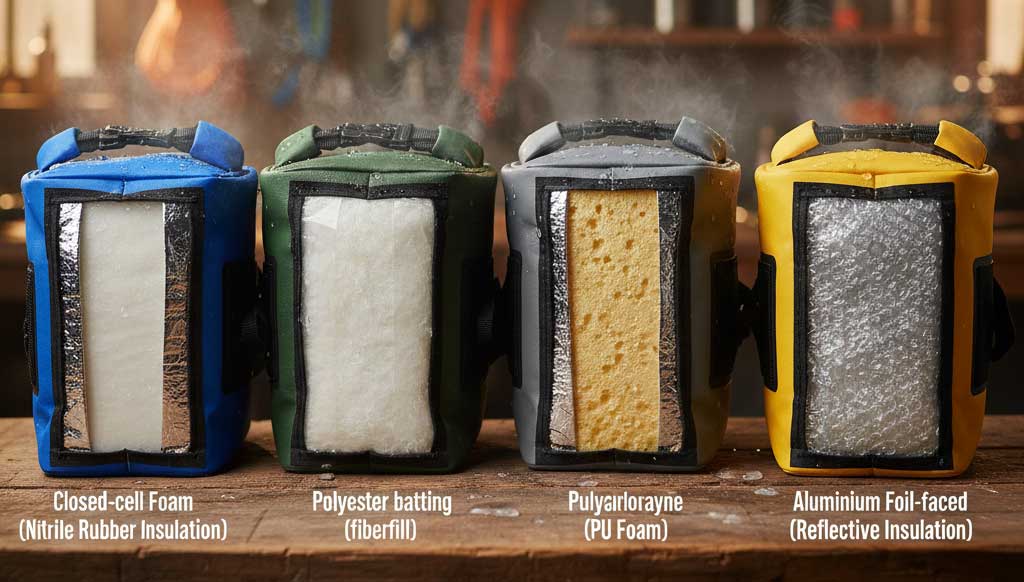
Many cooler bags use closed-cell foam. This foam includes PE, XPE, and EPE. These foams trap air in small pockets. The air pockets slow down heat from getting in. PE foam has a thermal conductivity of 0.040 W/mK. XPE foam is better at 0.03 W/mK. EPE foam is at 0.30 W/mK. Lower numbers mean the foam insulates better. Closed-cell foam does not soak up water. This makes it waterproof. Outdoor cooler bags use these foams for good insulation and flexibility.
Tip: Pick a cooler bag with thick closed-cell foam if you want it to stay cold longer.
| Material | Thermal Conductivity (W/mK) |
|---|---|
| PE Foam | 0.040 |
| EPE Foam | 0.30 |
| XPE Foam | 0.03 |
EVA and PU Foam
EVA foam is great at keeping things cold. It has low thermal conductivity, about 0.04 W/mK. Tests show EVA foam blocks heat better than PU foam. Even a thin layer of EVA foam works well. PU foam is used in cheaper cooler bags. It insulates but not as well as EVA. Both foams keep water out and make the bag soft. You will find EVA foam in high-quality cooler bags.
Reflective Foil and PET Liners
Reflective foil and PET liners help insulation by bouncing heat away. These liners do not work alone. They need foam layers to help. A shiny foil or PET liner inside the bag helps keep things cool. These materials also help keep water out. Many cooler bags use foil or PET liners to keep the inside dry and easy to clean.
- Reflective foil: Bounces heat away, keeps things cooler.
- PET liner: Adds waterproofing and resists stains.
Polyurethane and EPS Foam
Polyurethane foam insulates well and lasts a long time. Cooler bags with polyurethane foam are good for tough trips. This foam stays strong and does not break down fast. EPS foam is hard and insulates well too. But it does not handle water or lots of use as well as polyurethane. For heavy use, polyurethane foam is better. EPS foam is fine for short trips or light use.
Note: Polyurethane foam keeps its shape and insulation even after many uses. EPS foam can lose strength if it gets wet or squeezed a lot.
Material Comparison Table
Here is a quick look at how these cooler insulation materials compare:
| Material | R-Value Range (per inch) | Waterproofing | Durability | Typical Use |
|---|---|---|---|---|
| Closed-Cell Foam | 4.9 to 7.1 | Excellent | Good | Soft cooler bags, outdoor |
| Polyurethane Foam | Not specified | Excellent | Superior | Heavy-duty cooler bags |
| EVA | N/A | Excellent | Good | Premium cooler bags |
| Reflective Foil | N/A | Good | Good | Liner, paired with foam |
| PET | N/A | Good | Good | Liner, paired with foam |
| EPS Foam | N/A | Fair | Fair | Budget cooler bags |
Closed-cell foam and polyurethane foam are the best for insulation, waterproofing, and durability. EVA foam is also very good, especially in expensive cooler bags. Reflective foil and PET liners help when used with foam. EPS foam is okay for light use but does not last as long.
If you want the best cooler bag, pick one with closed-cell foam or polyurethane foam, a reflective liner, and a strong outer shell. This will keep your food cold, dry, and safe on every trip.
Layering and Construction Techniques
Combining Insulation and Reflective Layers
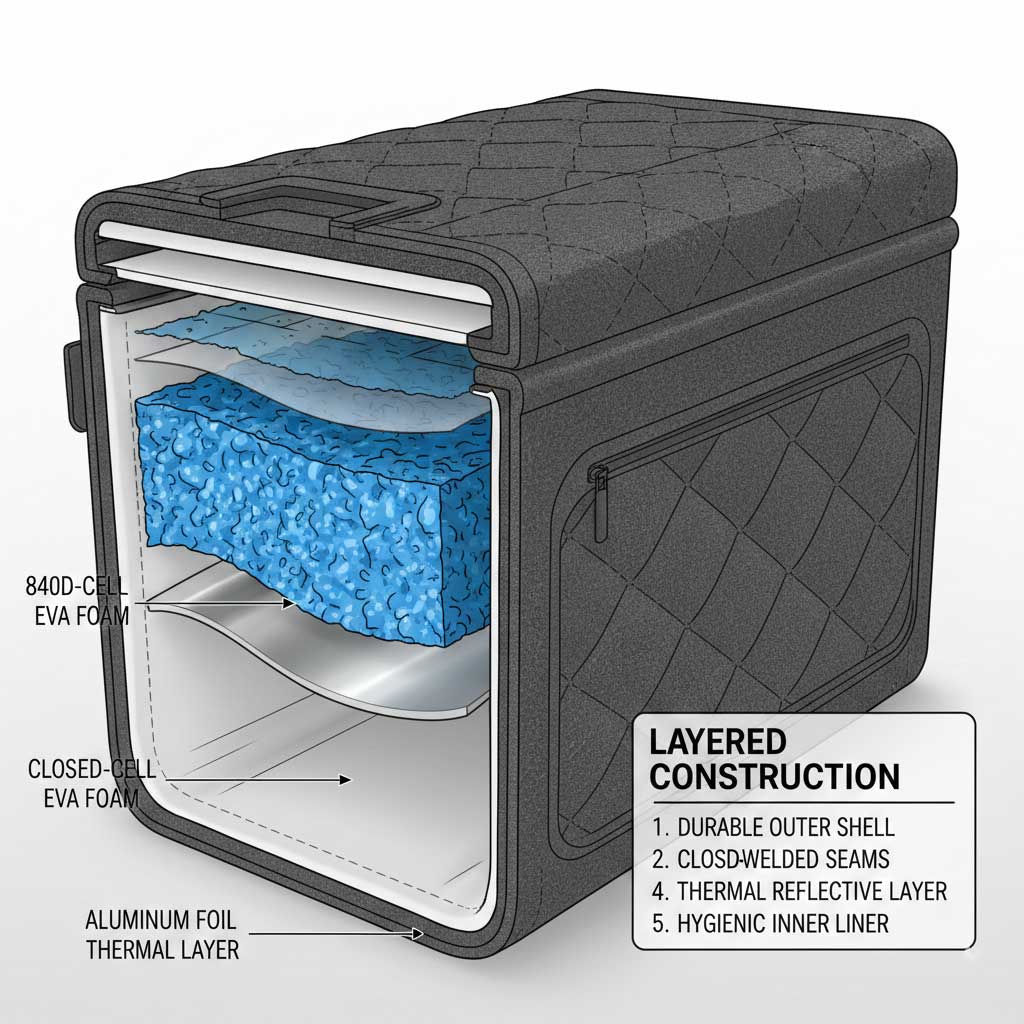
You want your cooler bag to keep things cold. The secret is using different layers. Most good bags mix foam and reflective materials. Foam holds cold air inside. The reflective layer pushes heat away from your food. Some bags add vacuum panels or phase change materials for more cooling. Gel ice packs can help make things even colder.
Here’s how these layers work together:
| Component | Material | Function |
|---|---|---|
| Insulating Foam | Closed-cell foam | Traps air to reduce heat transfer and maximize cooling |
| Reflective Layer | Aluminum or foil | Reflects external heat |
| Outer Shell | Polyester, Nylon, TPU | Durable, waterproof, and UV-resistant |
| Inner Lining | PEVA/Aluminum foil | Leak-proof, food-safe, and easy to clean |
These layers work best when they are used together.
Role of Outer Shells (Polyester, Nylon, PVC)
The outer shell protects your cooler bag. It keeps water out and guards the insulation. Polyester and nylon are strong and resist water. They can handle sun, rain, and rough use. PVC or rubber coatings add more waterproofing. Some bags use laminated materials or Tyvek for extra strength.
Here’s how the materials compare:
| Material Type | Properties |
|---|---|
| Polyester, Nylon | Durable, water-resistant, easy to clean |
| Rubberized/Coated | Extra layer of water resistance and durability |
| Laminated Materials | High waterproofing, easy to clean |
| Tyvek | Lightweight, durable, moisture-resistant |
You want a shell that can handle tough trips.
Real-World Cooler Bag Examples
Let’s look at some cooler bags and their features:
- The Yeti Hopper uses thick closed-cell foam, a welded waterproof liner, and a strong nylon shell. You can throw it in your truck and not worry.
- The Hydro Flask Day Escape has a reflective liner and a TPU-coated shell. It stays dry even on wet grass.
- KUER cooler bags use PE foam, a foil liner, and a polyester shell. They keep snacks cold and the bag looking nice.
Tip: Pick bags with welded seams and leak-proof liners. These features keep water from leaking in or out.
When you choose a cooler bag, check the layers and materials. You want a bag that keeps things cold, stays dry, and lasts a long time.
Choosing the Best Cooler Insulation Materials
Best Combinations for Different Uses
You want your cooler bag to match your needs. Not every trip or lunch break calls for the same setup. Here’s how you can pick the best combo for your plans:
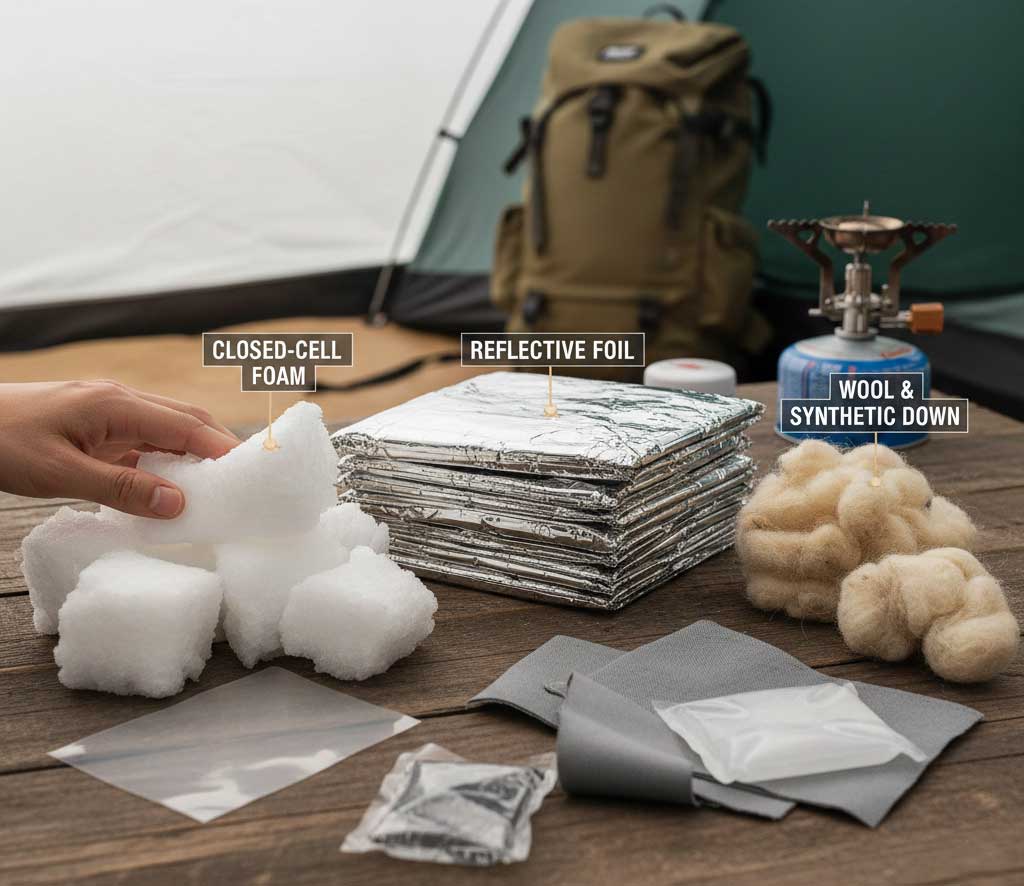
- For outdoor adventures or long trips, go for thick closed-cell foam or vacuum insulation. These materials keep things cold for hours, even in the sun. Look for a tough outer shell like 600D polyester or a TPU shell. These resist water and scrapes.
- If you need a bag for daily lunches or short outings, EPE foam with a smooth aluminum foil liner works well. It gives basic insulation and keeps your food fresh.
- For mid-range reusable bags, try EPE foam with diamond-patterned aluminum foil. This combo adds durability and better insulation.
- High-end cooler bags often use PE foam with snowflake aluminum film. This setup keeps things cold for a long time and works great for camping or fishing.
- If you want extra waterproofing, choose a bag with a PE foam core and a PEVA or PVC lining. These linings help prevent leaks and make cleaning easy.
Tip: Always check the insulation thickness. A layer of 5mm or more works best for keeping things cold.
Here’s a quick table to help you compare:
| Use Case | Material Combo | Best Feature |
|---|---|---|
| Outdoor/Long Trips | Closed-cell PU foam + TPU shell | Maximum cold retention |
| Daily Lunch/Short Trips | EPE foam + smooth aluminum foil | Lightweight, easy to carry |
| Mid-Range Reusable | EPE foam + diamond-patterned foil | Extra durability |
| High-End/Extended Use | PE foam + snowflake aluminum film | Superior insulation |
| Food-Grade/Waterproof | PE foam + PEVA/PVC lining | Leak-proof, easy to clean |
Care and Maintenance Tips
Taking care of your cooler bag helps it last longer and work better. Here’s what you should do:
- Clean your bag after every use. Use an antibacterial spray or a mix of vinegar and water to stop odors and bacteria.
- For tough stains, make a paste with baking soda and water. Rub it on the stain and scrub gently.
- Check if your bag is machine washable. If it is, use cold water and a gentle cycle. Skip the bleach.
- For hard-sided coolers, use warm water and mild soap. Don’t soak them in water.
- Clean your bag daily if you use it often. If not, clean it before and after each use.
Note: Don’t leave your bag in the sun for too long. Sunlight can damage the outer shell and insulation. Always dry your bag fully before storing it. This stops mold and keeps the insulation strong.
If you avoid overloading your bag and use gentle cleaners, you’ll keep it in top shape. Regular care protects the waterproof lining and keeps your food safe.
You want your cooler bag to keep food cold and dry. It should also keep your food safe. The right material and thickness are very important. Studies show these things help the bag work best. For daily use or travel, pick eco-friendly and food-safe materials. Outdoor trips need strong materials that can handle rough use. Here is a quick guide:
| Material Type | Best For |
|---|---|
| Eco-friendly | Daily use, travel |
| Durable | Outdoor, camping |
| High insulation | Work lunches, picnics |
Nylon blends are good if you want cold food and a tough bag. For the best cooler bag, pick one with thick foam. It should also have a shiny liner and a waterproof outside.
FAQ
What is the best insulation material for a waterproof cooler bag?
You get the best results with closed-cell foam, like PE or XPE. These foams keep cold air inside and block heat. They also do not soak up water. You can trust them for long trips.
How do I know if a cooler bag is truly waterproof?
Check for welded seams and a PEVA or PVC lining. These features stop leaks. If you see a roll-top closure, that helps too. You can test by pouring a little water inside and watching for leaks.
Can I put ice directly in my cooler bag?
You can, but it is better to use ice packs. Loose ice can melt and cause leaks if the liner is not perfect. Ice packs keep things cold and make cleaning easier.
How do I clean and care for my cooler bag?
Wipe the inside with a damp cloth after each use. For tough stains, use a little baking soda and water. Always let your bag dry fully before storing. This keeps it fresh and mold-free.
Analyzing the Fitness Bag Market for the Year Ahead
Soft Cooler vs Hard Cooler: Which Is Better for You?
The Difference Between Outdoor Fitness Bags and Indoor Training Bags
Essential Functions Every Yoga User’s Fitness Bag Should Have
Comments are closed