



What Hiking Trips Are Easiest for New Hikers

If you want to start hiking, you should look for trails that are short, easy to follow, and have gentle hills. These trips usually cover one to five miles and use clear signs to help you stay on track. You will feel more confident and enjoy nature without feeling overwhelmed.
- You get a whole-body workout that boosts your fitness.
- Your stress and anxiety levels can drop when you spend time outdoors.
- Hiking with friends or family helps you build strong relationships.
Anyone can begin this outdoor adventure with the right trail choice.
Key Takeaways
- Choose short trails between one to five miles for a fun and manageable hike.
- Look for well-marked paths to avoid getting lost and to feel more secure.
- Select trails with gentle hills to make hiking easier on your body.
- Pack essential gear like water, snacks, and a first-aid kit to stay safe and comfortable.
- Check the weather before hiking to ensure a safe and enjoyable experience.
Beginner Hiking Features
Short Distance
When you begin hiking, short trails are helpful. You can walk one to five miles and not get too tired. These trails let you have fun outside and still save energy for later. Many new hikers find short hikes help them feel more sure of themselves. You get used to walking on different ground. You can see how far you can go. You also learn which gear is best for you.
Tip: Pick a trail you know you can finish. This helps you feel proud and excited for your next hike.
Here’s why short hikes are good for beginners:
| Characteristic/Benefit | Description |
|---|---|
| Short Distances | Trails are usually 1–5 miles, easy for most people. |
| Build Confidence | Simple trails help you feel proud and ready for harder hikes. |
| Physical Preparation | Short hikes help you get stronger without making you too tired. |
You can start with a short hike. As you get stronger, you can try longer ones.
Low Elevation
Flat paths and gentle hills are best for new hikers. Trails with less than 500 feet of climbing are easier on your legs and lungs. You do not have to worry about steep hills or hard downhills. This makes hiking safer and more fun, especially with kids or older family members.
Many experts say easy trails with little climbing help you stay safe and comfortable. You can enjoy the views instead of worrying about breathing. Here’s why low elevation trails are smart for beginners:
| Source | Evidence |
|---|---|
| Cinder’s Travels | Easy hikes have little climbing and are under 5 miles, so they are good for beginners, kids, and older people. |
| Hike Ventures | Beginners should pick easy trails with little climbing and smooth paths for safety and fun. |
| RV Share | New hikers should try trails under five miles and less than 1,000 feet of climbing to build skill and confidence. |
Pick a trail with gentle hills. You can enjoy your walk and not feel worn out.
Well-Marked Trails
Clear signs and easy paths make hiking safer for beginners. Well-marked trails help you stay on the right path. You do not have to worry about getting lost. Popular trails have more hikers, so you feel safer.
- Well-marked trails are simple to follow, which helps when you are new.
- You feel safe because you know where you are going.
- These trails match your skill, so you do not get stuck.
- Even on marked trails, learning basic navigation helps you feel sure of yourself.
Note: If you pick a well-marked trail, you can enjoy nature and not worry about getting lost.
Many beginners do not know what to bring or worry about their strength. Easy trails with clear signs help you learn what works for you. You can get used to hiking at your own speed. As you get better, you can try harder trails.
Easy Hiking Trail Examples
Local Parks
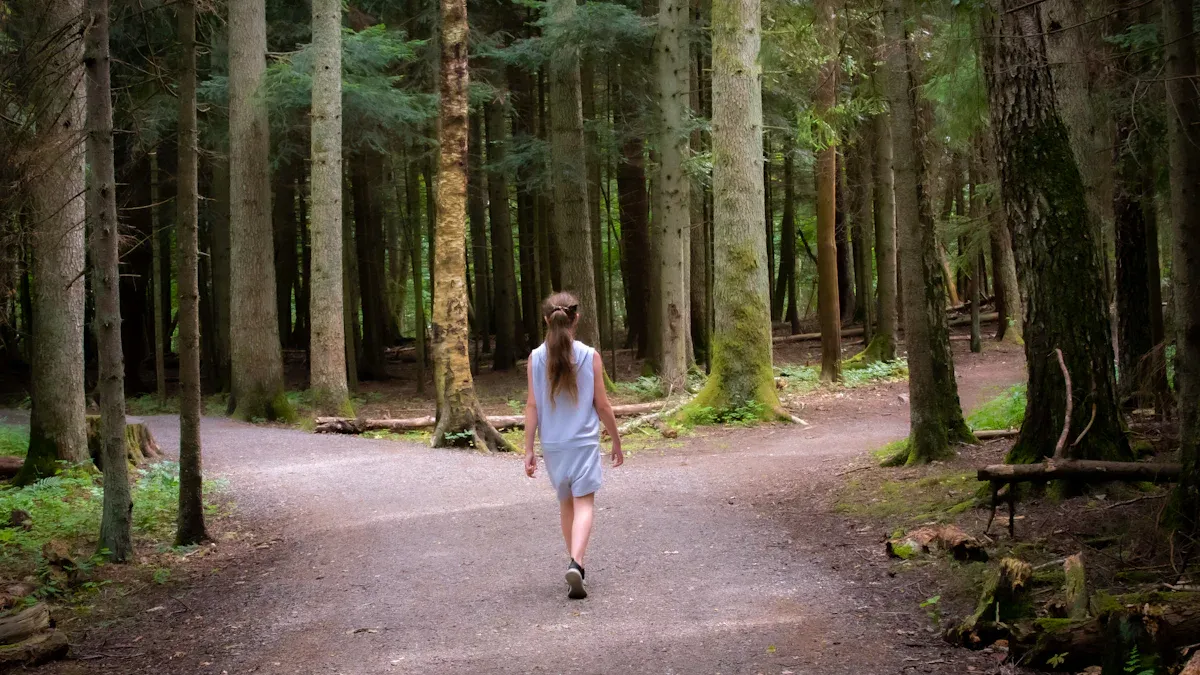
Many easy trails are found in local parks. These trails have smooth ground and clear signs. The hills are gentle and not steep. Parks call a trail “easy” if it is mostly dirt and has few rocks. Some trails may have small bumps or holes. Here are some popular trails you can try:
| Trail Name | Location | Difficulty | Distance |
|---|---|---|---|
| Hilton Area | Catonsville | Easy to Moderate | 2.7-mile loop |
| Wildlands Loop | Kingsville | Easy to Moderate | 2.5 miles |
| Jerusalem Village | Kingsville | Easy | 4.8 miles |
Most easy trails in parks take less than two hours. You can check the chart below to see how long each trail might take.
Tip: Try a short loop trail first. You can walk farther when you feel ready.
Nature Reserves
Nature reserves have quiet trails with lots of animals and plants. These trails are usually flat and wide. You might see birds, deer, or turtles as you walk. Most reserves have maps at the entrance. You can pick a trail that feels right for you. Look for trails marked “easy” or “family-friendly.” These paths let you enjoy nature without feeling rushed or lost.
National Parks
National parks have great trails for beginners. You can walk in forests, canyons, or by lakes. The paths are marked so you do not get lost. Here are some good trails for new hikers:
| National Park | Trail Name | Distance | Elevation | Description |
|---|---|---|---|---|
| Bryce Canyon National Park, Utah | Queen’s Garden Hike | 2.1 miles | 140 meters | This trail is the easiest way into the canyon. You see hoodoos and colorful rocks. |
| Olympic National Park, Washington | Hall of Mosses Trail | 1.1 miles | 25 meters | Walk through a rainforest with old trees and many animals. |
| Mount Rainier National Park, Washington | Nisqually Vista Trail | 1.1 miles | 55 meters | This easy loop has great views. It is good for strollers and canes. |
| Yellowstone National Park, Wyoming | Grand Prismatic Spring Overlook Trail | 1.6 miles | 61 meters | The path is well-kept and leads to amazing views of hot springs. |
| Rocky Mountain National Park, Colorado | Bear Lake Hike | 0.7 miles | 50 meters | This flat trail goes around a mountain lake. It is easy for everyone. |
These trails are short and do not climb much. You get to see beautiful places. Many families and new hikers choose these trails for their first hike.
Choosing a Hiking Trail
Picking the right trail helps make your first hike fun. You want to feel safe and happy when you finish. Here are things to think about when you pick a trail:
Fitness Level
You should choose a trail that matches your fitness. If the trail is too hard, you might get tired or want to stop. If the trail fits your skills, you will enjoy it and feel proud.
Here is a simple guide to help you pick:
| Hiker Profile | Experience Level | Fitness Indicators | Recommended Trails |
|---|---|---|---|
| Beginner | New to hiking or hikes less than once per month | Can walk 3-4 miles at a steady pace | Easy-rated trails, nature walks |
| Comfortable with 2-4 mile day hikes | Limited experience with elevation gain over 500 feet | Urban trails | |
| Prefers well-marked, maintained trails | Prefers gradual inclines over steep climbs | ||
| Intermediate | Hikes regularly (2-4 times per month) | Can handle 1,000-2,000 feet of elevation gain | Moderate-rated trails, forest hikes |
| Comfortable with 5-8 mile hikes | Comfortable on uneven terrain | Moderate mountain trails | |
| Has basic navigation and outdoor skills | Good cardiovascular endurance | ||
| Advanced | Hikes frequently (weekly or more) | Can handle 2,000+ feet of elevation gain | Hard/difficult trails, alpine routes |
| Comfortable with 8-15 mile hikes | Comfortable with scrambling and technical terrain | Multi-day backpacking | |
| Experienced with backcountry conditions | Strong mental and physical endurance | ||
| Expert | Extensive backcountry experience | Can handle extreme elevation gain and technical terrain | Technical alpine routes, expedition-style hikes |
| Comfortable with technical mountaineering | Comfortable in remote, high-risk environments | Extreme terrain |
Tip: If you are new, start with easy-rated trails. You can try harder ones when you feel ready.
Location and Weather
Where you hike and the weather are important. You want to stay safe and comfortable. Here is what you should check:
- Check the weather before you go hiking. Rain or snow can make trails slippery and unsafe.
- Make sure the trail and parking area are open. Sometimes parks close trails for repairs or bad weather.
- See if the trail has snow. Snowy trails need special gear and can be tough for beginners.
- Wear layers. The weather can change fast, especially in the mountains. Wool or polyester clothes help keep you dry and warm.
- Bring a rain jacket if rain is possible.
- Do not hike during thunderstorms. If you see lightning, find shelter and stay away from tall trees.
Note: Always look at the weather before you leave. If the weather is bad, it is okay to wait for a better day.
Trail Information
It is good to know about the trail before you go. Good trail info helps you plan and stay safe. You can find details and reviews on many helpful apps:
- AllTrails: This app has lots of trails. You can search by length, difficulty, and read reviews. You can also download maps.
- REI Hiking Project: This app gives you maps and lets you read about other hikers’ trips. You can share your own notes too.
- Gaia: This app is good for planning and has topographic maps.
- Google Maps: Good for finding where the trail starts and for basic directions.
- FarOut: Has detailed trail guides and tracks your location.
Here is a quick look at some popular trail apps:
| App Name | Price | Key Features | Pros/Cons |
|---|---|---|---|
| Google Maps | Free | Offline maps, trailhead navigation | Reliable for trailhead navigation, Not reliable for backcountry navigation |
| FarOut | Free (in-app purchases) | Detailed trail information, offline maps, tracks location on the map | In-depth trail guides, Requires purchase for guides |
| Hiking Project | Free | User reviews, detailed trail descriptions, points of interest | Reviews from real users, Limited international trails |
| AllTrails | Free & Paid ($29.99/year) | Save trails, search by criteria, record hikes, offline maps in pro version | User-friendly, Pro version offers additional features |
When you read reviews, look for notes about the trail. See if the trail is busy or has tricky spots. Check if there are helpful things like:
- Bathrooms at the start of the trail
- Water fountains or places to fill your bottle
- Clear signs and maps along the way
- Benches or picnic tables for breaks
Tip: Wear good hiking boots, bring a water bottle, and use trekking poles if you want extra help.
Picking the right trail means thinking about your fitness, checking the weather, and reading about the trail. Doing this helps you have a safe and fun adventure.
Tips for New Hikers
Gear Basics
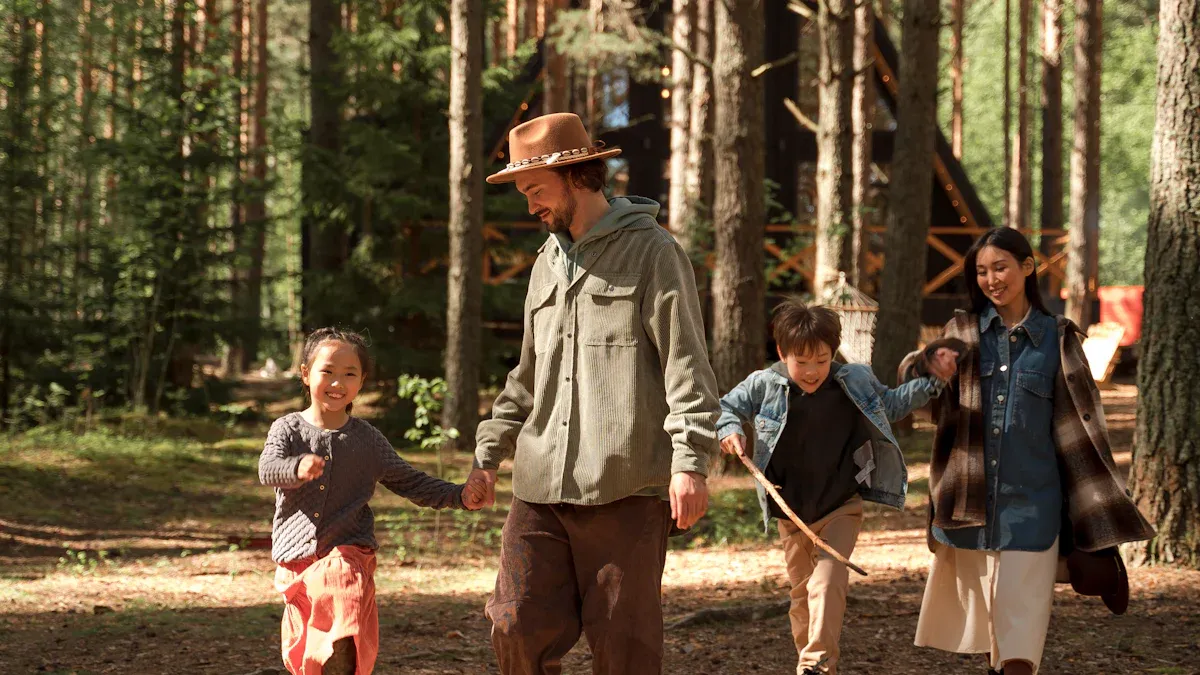
You want to feel comfortable and prepared when you start hiking. Outdoor experts recommend packing a few essentials for every trip. Here’s what you should bring:
- Hand sanitizer
- Sunscreen
- Sunglasses
- Sun hat
- Knife or multi-tool
- First-aid kit
- Water bottles
- Trail snacks
- Map
- Compass
Choose lightweight gear and pack only what you need. Avoid heavy cotton clothes. Pick moisture-wicking shirts and socks. Good hiking shoes with traction help you avoid slips and blisters. If you’re unsure, ask a park ranger or check trail reviews for gear suggestions.
Tip: Pack your bag the night before. This helps you remember everything and reduces stress.
Safety
Staying safe on the trail is important. You should always prepare before you go. Here are some safety tips from hiking organizations:
- Research your trail and know its challenges.
- Tell someone your plans and emergency contacts.
- Check the weather and trail conditions.
- Wear proper footwear.
- Bring a headlamp, map, and compass.
- Pack enough gear for at least 24 hours.
- Turn back if you feel tired or if the weather gets worse.
| Common Mistake | How to Avoid It |
|---|---|
| Underestimating trail length | Research and choose easy trails |
| Wearing wrong footwear | Pick shoes with good grip |
| Not bringing enough water | Carry enough for the whole hike |
| Ignoring weather forecast | Check before you leave |
| Over-packing or under-packing | Pack only what you need |
Listen to your body. If you feel tired, take a break. Watch for sudden weather changes and be aware of wildlife.
Hydration
Drinking water keeps you healthy and strong. You should hydrate before you feel thirsty. Thirst means you’re already dehydrated. Drink small amounts often. Refill your bottle when you can and make sure the water is clean. Check your urine color; pale yellow means you’re hydrated. Encourage your friends to drink water too.
Note: Plan to take a five-minute break every 20 minutes. This helps you rest and keeps your energy up.
If walking feels hard, slow down and rest longer. Starting at a slower pace helps you finish your hike feeling good.
You now know what makes hiking trips easy for beginners. Choose short, well-marked trails with gentle hills. Pack smart and wear comfortable clothes. You get many benefits from easy hikes:
- Lower stress and blood pressure
- Better mood and sleep
- Stronger heart and body
- Fun way to stay active
“The journey of a thousand miles begins with a single step.” – Lao Tzu
Start simple, enjoy the view, and remember—everyone can hike with the right preparation.
FAQ
What should you bring on your first hiking trip?
You should pack water, snacks, a map, sunscreen, and a hat. Wear comfortable shoes and bring a small first-aid kit. These items help you stay safe and enjoy your hiking adventure.
What if you get tired while hiking?
Take a short break. Find a safe spot to sit and drink some water. Eat a snack if you need energy. Listen to your body and rest as often as you need.
What makes a trail good for new hikers?
A good trail for beginners is short, flat, and easy to follow. Look for trails with clear signs and gentle hills. These trails help you build confidence and enjoy hiking without stress.
What should you do if you lose the trail?
Stop and stay calm. Look for trail markers or signs. If you cannot find the path, retrace your steps. Use your map or phone if you have one. Ask other hikers for help if you see them.
What is the best time of day to go hiking?
Morning is a great time to start. The weather is cooler, and you have more daylight. You can enjoy quiet trails and see more wildlife early in the day.
See also
How to Remove Odors From Dry Bags
What Is The Most Common Size Of a Drying Bag?
Comments are closed