



Understanding Cooler Bags and Their Insulation Technologies
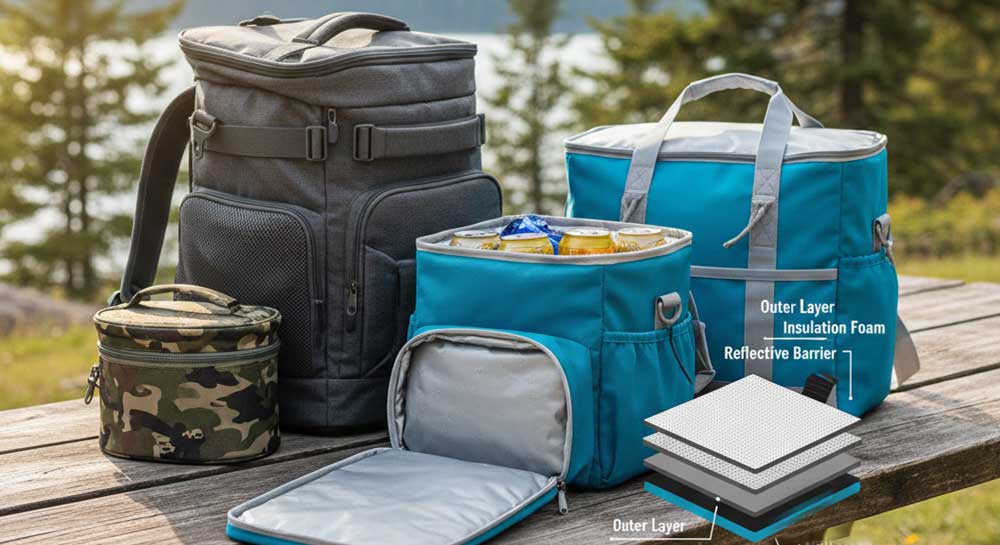
Cooler bags help you keep food and drinks at the right temperature. You can use them to keep things cold or warm. They have special insulation inside. This insulation stops heat from moving in or out. People use cooler bags for many reasons:
- Bringing packed lunches to work
- Keeping drinks cool at sports games
- Storing groceries to keep them fresh
- Packing food and drinks for the beach
These bags make life easier. They protect your items from temperature changes.
Key Takeaways
- Cooler bags keep food and drinks at the right temperature for hours. They are great for picnics, grocery shopping, and outdoor activities.
- Insulation is key! Cooler bags use layers of materials like foam and reflective liners to slow down heat transfer, keeping items cold or warm.
- Pack your cooler bag tightly. A full bag retains cold better than a half-empty one. Use ice packs and block ice for best results.
- Choose the right type of cooler bag for your needs. Soft-sided bags are portable for short trips, while hard-sided bags keep things cold longer.
- Always clean your cooler bag after use. This prevents odors and keeps it ready for your next adventure.
Cooler Bags: Function and Basics
What Are Cooler Bags
Cooler bags help keep food and drinks at the right temperature. You use them when you travel or go outside. These bags have special layers inside. The layers slow down how fast heat moves in or out. Cooler bags are light and easy to carry. They are also flexible, so you can pack them easily. Many people use cooler bags for short trips. They are good for picnics or grocery shopping.
Here is a table that shows how cooler bags and coolers are different:
| Feature | Insulated Bags | Coolers |
|---|---|---|
| Performance | Maintains temperature for 4-8 hours | Lasts from 24 hours to multiple days |
| Portability | Lightweight and portable | Heavier and bulkier |
| Best Use | Short outings and daily routines | Extended outdoor events |
| Insulation Materials | Aluminum foil, foam padding, durable fabric | Superior insulation materials |
Cooler bags are best for daily use and short trips. They are not as heavy as coolers. You can carry them without much trouble.
How Cooler Bags Work
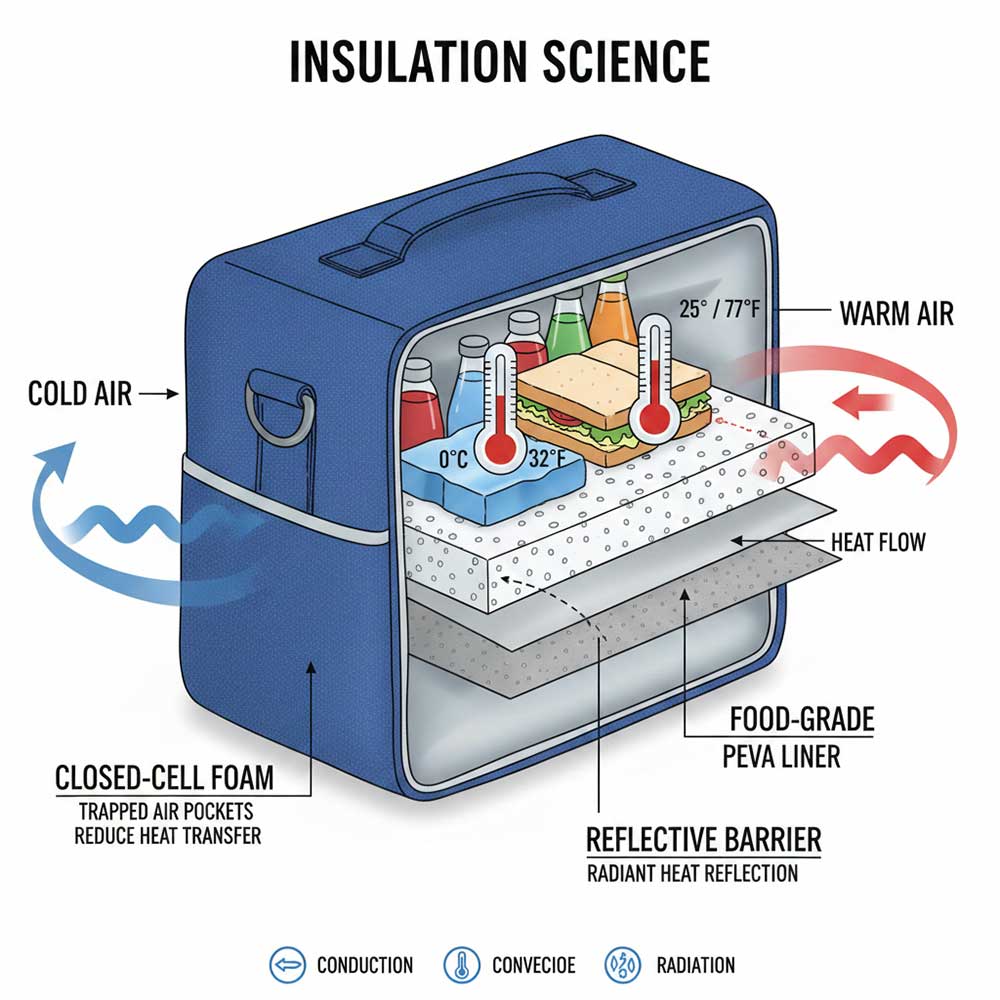
Cooler bags use science to keep food and drinks at the right temperature. They have layers that work together to slow down heat transfer. Heat moves in three main ways: conduction, convection, and radiation.
- Closed-cell foam inside the bag stops heat from moving by conduction. This means heat does not move easily from outside to inside.
- The foam traps air, which slows down heat movement by convection.
- Reflective liners inside the bag bounce heat away. This stops heat from getting in by radiation.
Here is a table that explains how these work:
| Mechanism | Description |
|---|---|
| Conduction | Cooler bags use closed-cell foam to stop heat from moving through touch. |
| Convection | The air in the foam slows down heat moving by convection. |
| Radiation | Reflective liners keep heat out from the sun or other sources. |
Tip: Pack your cooler bag well and keep it closed. This helps keep things cool for 8-12 hours if the weather is not too hot.
Dual Use: Cold and Warm
Cooler bags do more than keep things cold. You can use them to keep food warm for a short time. The insulation slows down heat loss and heat gain.
- Cooler bags are better at keeping things cold than hot.
- You can use them to keep hot food warm, but only for a few hours.
- Some cooler bags have two parts. You can put hot and cold items in separate spots. The insulation helps keep the temperatures apart.
- For keeping food hot longer, thermal lunch boxes work better.
- Always make sure hot foods stay above safe temperatures. This helps stop bacteria from growing.
Note: Cooler bags help keep food safe for short trips. Do not use them for keeping food hot for a long time.
Insulation Science
Heat Transfer Methods
You need to understand how heat moves to see why cooler bags work well. Heat travels in three main ways: conduction, convection, and radiation. Each method affects how your food and drinks stay cold or warm. The design of cooler bags uses special strategies to slow down these processes.
Here is a table that shows how heat transfer works and how insulation helps:
| Heat Transfer Method | Description | Insulation Strategy |
|---|---|---|
| Conduction | Heat passes through solid surfaces | Insulating foam slows down this heat movement. |
| Convection | Warm air rushes in when the bag is opened | Zippers and compact interiors help minimize airflow. |
| Radiation | The sun warms the bag through energy waves | Reflective lining helps bounce heat away. |
When you pack your cooler bag, you block heat from moving in. Foam inside the bag stops heat from touching your food. Zippers and tight spaces keep warm air out. Reflective linings push away heat from the sun. These features help you keep your items at the right temperature.
Tip: Keep your cooler bag closed as much as possible. This helps stop warm air from getting inside.
Multi-Layer Insulation
Multi-layer insulation makes cooler bags more effective. You get better temperature control because each layer does a special job. Some bags use a reflective foil outside. This layer bounces heat away and keeps things cool. Inside, a bubble layer acts as a buffer. It stops heat from getting through. Other bags use paper layers with air pockets. These pockets trap air and slow down heat movement.
- Reflective foil on the outside helps keep heat out.
- Bubble layers inside act as barriers against heat.
- Paper layers with air pockets improve temperature control.
You can trust multi-layer insulation to keep your food and drinks safe. Each layer works together to protect your items from heat. When you choose a cooler bag with these features, you get better results for your trips and outings.
Cooler Bags: Construction and Materials

Outer Shell Features
Cooler bags have tough outer shells. They use materials like polyester, nylon, and canvas. Each one has its own good points. Polyester is light and does not wear out fast. Nylon is strong and works well in rough places. Canvas keeps things insulated and looks nice, but it does not keep water out as well. You can look at the table below to see how they compare:
| Material | Thermal Properties | Durability Characteristics |
|---|---|---|
| Polyester | Lightweight, durable, resistant to abrasion | Popular for outdoor activities |
| Nylon | Strong, abrasion-resistant, lightweight | Ideal for challenging environments |
| Canvas | Excellent insulation, durable, stylish | Less water-resistant, eco-friendly characteristics |
Inner Lining Types
The inside lining keeps food safe and helps with insulation. PEVA lining is good at holding in cold and is easy to clean. PEVA is safe for food and meets FDA rules. It is also better for the environment. You can see the features in this table:
| Feature | PEVA Lining |
|---|---|
| Insulation | Excellent insulation for cold retention |
| Cleaning | Easy to clean due to smooth surface |
| Safety | FDA-approved for food storage |
| Eco-Friendliness | More environmentally friendly option |
Insulating Foam
Insulating foam goes between the outside and inside of the bag. This foam traps air and slows down heat. Cooler bags use different foams. EVA foam gives okay insulation. Polyurethane foam keeps things cooler for longer. Polyethylene foam gives basic protection. The table shows the R-values for each foam:
| Foam Type | R-Value per inch |
|---|---|
| EVA Foam | 1.2–1.7 |
| Polyurethane (PU) Foam | 1.6–2.0 |
| Polyethylene (PE) Foam | 1.0–1.4 |
Tip: Pick bags with thicker foam if you want things to stay cool longer.
Reflective Linings
Reflective linings help keep heat out. These linings bounce heat away from your food. Many bags use a bubble layer with foil. The bubble layer holds air, and the foil reflects heat. This helps keep your food fresh and cool. The table explains how these layers work:
| Component | Function |
|---|---|
| Advanced Bubble Layer | Provides insulation by trapping air, reducing heat transfer. |
| Reflective Foil Layer | Reflects heat away from the cooler, preventing heat from entering. |
Multi-layer bags do a better job keeping food safe. Each layer blocks heat and keeps your items fresh.
Advanced Insulation Technologies
Gel Ice Packs
Gel ice packs make cooler bags work better. The gel inside stays cold longer than normal ice. You can bend gel packs to fit around your food and drinks. This makes it easier to pack your bag. You can use gel ice packs again and again, so you save money. They do not turn into water, so there are no leaks or messes. Look at this table to see how gel ice packs and regular ice are different:
| Advantage | Gel Ice Packs | Traditional Ice |
|---|---|---|
| Flexibility | Mold to fit shapes for efficient packing | Rigid, needs custom molds |
| Reusability | Designed for multiple uses | Single-use, discarded after melting |
| Cost Efficiency | Slim design saves space and shipping costs | Takes up more volume, heavier |
| Hygiene | No melting water, less waste | Melts into water, can cause leaks |
Tip: Gel ice packs keep things cool longer and are less messy.
Phase Change Materials
Phase change materials help keep food and drinks cold for a long time. PCMs soak up and let out heat at certain temperatures. This keeps the inside of your cooler bag at the same temperature. You get steady cooling, even when it is hot outside. PCMs can keep things cool for up to 12 hours. They also help keep food warm for a few hours. Here is a table that shows how PCMs and regular ice packs compare:
| Feature | PCM Performance | Traditional Ice Packs |
|---|---|---|
| Cooling Duration | Maintains temperatures 20% longer | Shorter cooling duration |
| Thermal Retention | 8–12 hours (cooling) | 4–6 hours (warming) |
| Temperature Regulation | Sustained cooling capabilities | Limited temperature stability |
Note: Pick cooler bags with PCMs for long trips or when you need steady cooling.
Vacuum Panels
Vacuum insulation panels give cooler bags the best insulation. VIPs use a vacuum between panels to stop heat from getting in. You can keep things cold for 48 hours or even up to 200 hours. VIPs also help save energy. Here are some ways VIPs work:
- The vacuum slows down conduction, so heat does not move in easily.
- A shiny layer inside the panel bounces heat away.
- Tight seals stop air from moving and block convection.
- VIPs are built into the bag to keep heat out.
- The design cuts down on heat loss at the seams.
Tip: Use cooler bags with vacuum panels for long trips or when you need things to stay cold for a long time.
Types of Cooler Bags
Soft-Sided
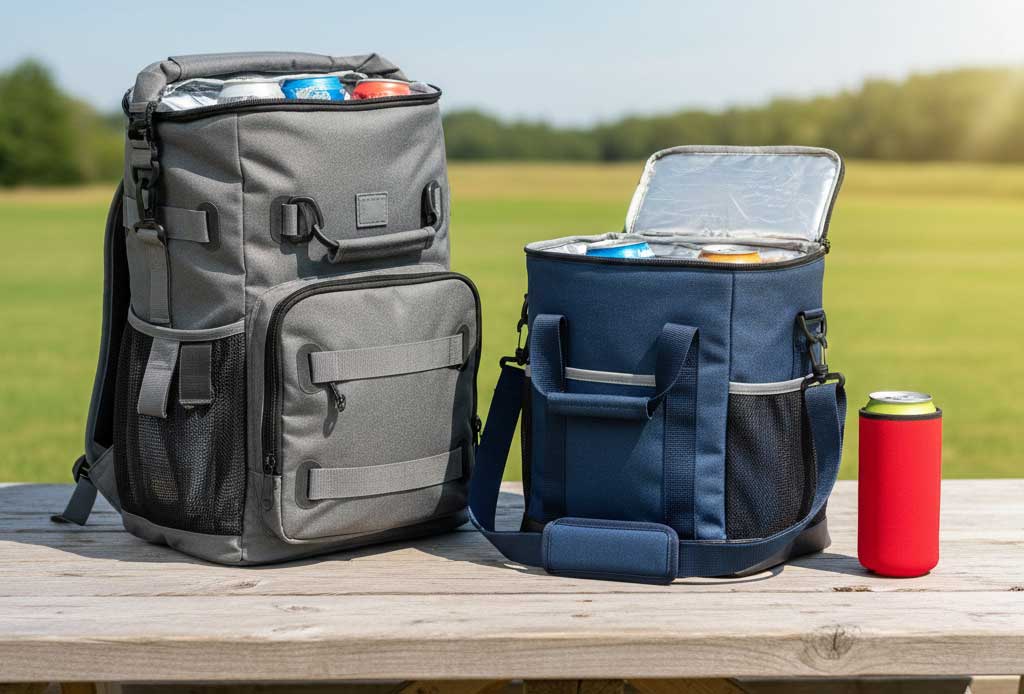
Soft-sided cooler bags are good for short trips. They are light and easy to carry. Most keep ice cold for 4 to 8 hours. Some special soft coolers, like the Engel HD30, keep ice for four days. The Yeti soft-sided cooler stays under 50°F for 40 hours.
- Most soft-sided bags keep things cold for 6 to 12 hours.
- Expensive ones can last more than half a day.
These bags are great for picnics or shopping. You can pack them fast and store them in small spaces.
Hard-Sided
Hard-sided cooler bags keep things cold longer. They use thick and strong materials. You can use them for camping or long road trips. Hard-sided coolers hold ice longer than soft ones. They also protect your food from bumps.
| Feature | Hard-Sided Coolers | Soft-Sided Coolers |
|---|---|---|
| Durability | Very strong because of thick materials | Not as strong, can wear out faster |
| Ice Retention | Keeps ice cold for a long time | Does not keep ice cold as long |
| Portability | Heavier and harder to carry | Light and easy to carry |
| Best Use Conditions | Good for rough trips | Good for short and easy trips |
Pick a hard-sided cooler for long trips. They are best when you need things cold for days.
Electric
Electric cooler bags use power to stay cold. You can plug them into your car or use a battery. These bags are good for long drives. Electric coolers use different amounts of energy. For example, the EcoFlow Glacier uses 60 Wh to get to 0°F and 150 Wh after four hours. The Dometic CFX2 45 uses 30 Wh to reach 0°F and 100 Wh after four hours.
Electric cooler bags keep things cold all the time. You need a power source to use them. They are good for trips with electricity.
Eco-Friendly
Eco-friendly cooler bags use materials that are better for the planet. Some are made from recycled PET bottles, non-woven polypropylene, canvas, organic cotton, jute, or plant-based insulation. These materials keep food fresh and cold. Recycled PET bottles are light and do not get wet easily. Plant-based insulation, like coconut husks, keeps things cold for a long time.
| Material Type | Insulation Properties |
|---|---|
| Recycled PET Bottles | Light and keeps things cold, does not get wet easily. |
| Non-Woven Polypropylene (NWPP) | Keeps out water and chemicals, blocks things from getting in. |
| Canvas | Lets air in, dries fast, and helps stop mold. |
| Plant-Based Insulation | Natural materials like coconut husks keep things cold for a long time. |
Eco-friendly cooler bags are good for everyday use. They also help the environment.
Tip: Pick a cooler bag that fits your trip, how easy you want to carry it, and if you want to help the planet.
Effectiveness Factors
External Temperature
The temperature outside your bag plays a big role in how well it keeps things cold. When the weather is hot, your bag warms up faster and does not keep items cold as long. In cooler weather, your bag works better and holds the cold for more hours. You should always think about the weather before you pack your food or drinks.
- Higher external temperatures lead to quicker warming of your bag, which reduces cooling duration.
- In hot weather, your bag must work harder to keep items cold, so cooling time drops a lot.
- Cooler bags perform best in mild weather, letting you keep things cold for longer.
Packing Density
How full you pack your bag changes how long it stays cold. A bag that is packed full keeps the cold in better than one that is half empty. When you fill your bag with food, drinks, or ice packs, you slow down how fast heat can get inside.
- A fuller bag retains cold better than a half-empty one, as more items slow down heat transfer.
Tip: Try to fill empty spaces with extra ice packs or snacks to help your bag work better.
Insulation Quality
Not all bags keep things cold for the same amount of time. The quality of the insulation makes a big difference. Premium bags use better materials and thicker layers, so they keep food cold longer. Budget bags may not work as well, but they cost less. You can see the differences in this table:
| Cooler Bag Tier | Cold Retention (hours) | User Rating (out of 5) | Price Range (USD) |
|---|---|---|---|
| Premium | 8-10 | 4.5 | $150 – $300 |
| Mid-Range | 6-8 | 4.0 | $80 – $150 |
| Budget | 4-6 | 3.5 | $40 – $80 |
The insulation quality of cooler bags varies a lot between brands. Premium models keep things cold much longer than mid-range or budget options.
Opening Frequency
Every time you open your bag, warm air gets inside and cold air escapes. If you open your bag often, you lose cold faster. For example, opening a cooler bag every 20 minutes can almost cut its cooling time in half. Try to open your bag only when you really need something. This helps keep your food and drinks cold for as long as possible.
Cooling Duration Comparison
General Ranges
You might wonder how long cooler bags can keep your food and drinks cold. The answer depends on many things, like the type of bag, the insulation, and how you pack it. Most cooler bags keep items cold for a few hours. Some high-end models last much longer.
Here is a quick guide to general cooling times:
| Cooling Duration | Description |
|---|---|
| 2–4 hours | Basic lunch bags, thin insulation |
| 4–8 hours | Standard soft-sided cooler bags |
| 8–24 hours | Premium soft-sided or hard-sided coolers |
| 24–48+ hours | High-end hard-sided or electric coolers |
Tip: You can extend cooling time by pre-chilling your bag and using more ice packs.
By Bag Type
Each type of cooler bag offers different cooling durations. You should choose the right one for your needs.
- Soft-Sided Cooler Bags:
These bags usually keep things cold for 4 to 12 hours. They work well for picnics, school lunches, or short trips. - Hard-Sided Cooler Bags:
Hard-sided bags hold the cold longer. You can expect 12 to 48 hours of cooling. Some top brands even promise up to 5 days with enough ice. - Electric Cooler Bags:
Electric coolers keep food cold as long as you have power. Some models can run for days if plugged in or connected to a battery. - Eco-Friendly Cooler Bags:
These bags use natural or recycled materials. Most keep items cold for 4 to 8 hours. Some advanced eco-friendly bags last up to 12 hours.
Note: Always check the manufacturer’s details for exact cooling times. Real results may change based on how you pack your bag and the outside temperature.
Usage Tips
Pre-Chilling
You can make your cooler bag work better by pre-chilling it before use. Start by placing a bag of ice inside the night before your trip. This step cools the inside and helps your ice last longer the next day. Keep the cooler closed as much as possible to trap the cold air. If you need to pack drinks, group them in smaller bags so you do not have to open the cooler often. Fill any empty spaces with towels or extra ice. This keeps warm air out and slows down melting. Always keep your cooler bag out of direct sunlight. Shade or a light towel over the bag helps keep it cool.
Packing Strategy
A smart packing plan helps you keep food and drinks cold for hours. Use a mix of block ice, reusable packs, and frozen water bottles. Place block ice at the bottom, then layer food and drinks with more ice in between. Try to pack the bag full, leaving little empty space. If you have two coolers, use one for snacks you grab often and keep the main one closed. Always retrieve items quickly to keep cold air inside. Wrap the cooler in a light blanket for extra insulation.
Ice-to-Food Ratio
The right balance of ice and food makes a big difference. Aim for two-thirds ice and one-third food or drinks. This ratio keeps everything colder for longer. If you use less ice, your items may warm up too soon. More ice means better temperature control and safer food.
Placement
Where you put your cooler bag matters. Keep it inside the car with you, not in the trunk, to avoid extra heat. Never place it on the roof or in direct sunlight. At a picnic or campsite, set the bag in the shade, like under a table or tree. These steps help your cooler bags stay cold and protect your food.
Maintenance and Care
Cleaning
You keep your cooler bag working well by cleaning it after every use. Food and drink spills can cause stains and odors if you leave them. Start by wiping down the inside and outside with a damp cloth. For quick cleaning, use disinfectant wipes on high-touch spots like zippers and handles. Baking soda helps remove strong smells. Sprinkle a small amount inside, let it sit for a few hours, then shake it out.
If you see tough stains, use a soft brush and mild detergent. Gently scrub the area until the stain lifts. For a deeper clean, spray a fabric-safe disinfectant inside the bag. This step helps kill bacteria, especially after outdoor trips. When your bag gets very dirty, rinse it with a hose or under running water. Do not soak the whole bag, as this can damage the insulation.
Here are some easy cleaning steps:
- Wipe down the bag after each use.
- Use disinfectant wipes for quick cleaning.
- Sprinkle baking soda to remove odors.
- Scrub stains with a soft brush and mild detergent.
- Spray with a fabric-safe disinfectant.
- Rinse with water if needed, but avoid full submersion.
Tip: Clean your cooler bag right after use to prevent stains and smells from setting in.
Drying and Storage
Proper drying keeps your cooler bag fresh and mold-free. After cleaning, use a clean towel to absorb extra moisture. Open the bag wide and let it air dry in a cool, shaded place. Make sure the bag is completely dry before you store it. Dampness can cause mold and bad odors.
Store your cooler bag in a dry spot with good airflow. Avoid folding or crushing the bag, as this can damage the insulation. If your bag has removable liners or trays, take them out and dry them separately. You protect your cooler bag and make it last longer by following these steps.
Note: Always check your bag for leftover crumbs or spills before storing it. This simple habit helps keep your cooler bag ready for your next adventure.
Common Uses
Picnics and Beach
You can make your outdoor meals more enjoyable with cooler bags. These bags help you keep sandwiches, fruits, and drinks fresh while you relax at the park or beach. You do not have to worry about food spoiling in the sun. Pack your snacks with ice packs and place your cooler bag in the shade. You will notice how easy it is to grab a cold drink or a crisp apple during your picnic.
Tip: Freeze water bottles before your trip. They keep food cold and give you a refreshing drink later.
Grocery Shopping
You protect your groceries from heat when you use cooler bags. After you shop, place dairy, meat, and frozen foods inside the bag. This step helps you keep items safe until you get home. You do not have to rush or worry about food melting in the car. Many stores offer insulated bags for this reason. You can also use reusable ice packs for extra cooling.
| Grocery Item | Why Use a Cooler Bag? |
|---|---|
| Dairy | Prevents spoilage |
| Meat | Keeps bacteria away |
| Frozen Foods | Stops melting |
| Produce | Maintains freshness |
Camping and Hiking
You can enjoy longer adventures when you pack cooler bags for camping or hiking. These bags help you keep food safe and drinks cold. You do not need to carry heavy coolers. Choose lightweight bags with thick insulation for the best results. You can store sandwiches, fruit, and energy bars without worry. Place your bag in a shady spot at your campsite for better cooling.
Note: Always seal your cooler bag tightly. This step keeps animals away and helps food stay fresh.
Travel and Lunch
You can use cooler bags for daily travel and lunch. Pack your lunch in the morning and keep it cool until you eat. These bags fit easily in backpacks or car seats. You do not have to buy food on the road. Many students and workers use cooler bags for this reason. You can also pack snacks for long drives or flights.
- Pack sandwiches, fruit, and yogurt for school or work.
- Use ice packs to keep drinks cold during travel.
- Choose bags with easy-to-clean linings for daily use.
You now know how cooler bags work and why insulation matters. When you pick the right bag, you keep your food safe and fresh. Remember to use smart packing tips and clean your bag after each use. If you follow these steps, your cooler bag will last longer and work better.
Choose wisely, pack smart, and enjoy fresh food wherever you go!
FAQ
How do I know if my insulated bag is food-safe?
Check the label for FDA approval or food-grade materials. Look for PEVA or BPA-free linings. If you see a food-safe symbol, you can trust the bag for storing meals.
Can I put my insulated bag in the washing machine?
Most insulated bags should not go in the washing machine. Hand wash with mild soap and water. Air dry completely before storing to prevent mold.
What is the best way to keep items cold for longer?
Pre-chill your bag and use plenty of ice packs. Fill empty spaces with cold items. Keep the bag closed and out of direct sunlight for best results.
Are eco-friendly insulated bags as effective as regular ones?
Eco-friendly bags use recycled or natural materials. Many offer similar cooling performance. Check product details for insulation thickness and cooling duration before buying.
How often should I clean my insulated bag?
Clean your bag after every use. Wipe the inside and outside with a damp cloth. Use baking soda for odors. Regular cleaning keeps your bag fresh and safe.
3 Ways The Shoulder Strap of The Gym Bag Improves with Sponge
Analyzing the Fitness Bag Market for the Year Ahead
Soft Cooler vs Hard Cooler: Which Is Better for You?
The Difference Between Outdoor Fitness Bags and Indoor Training Bags
Comments are closed