



The True Cost of Kayaking and Community Solutions
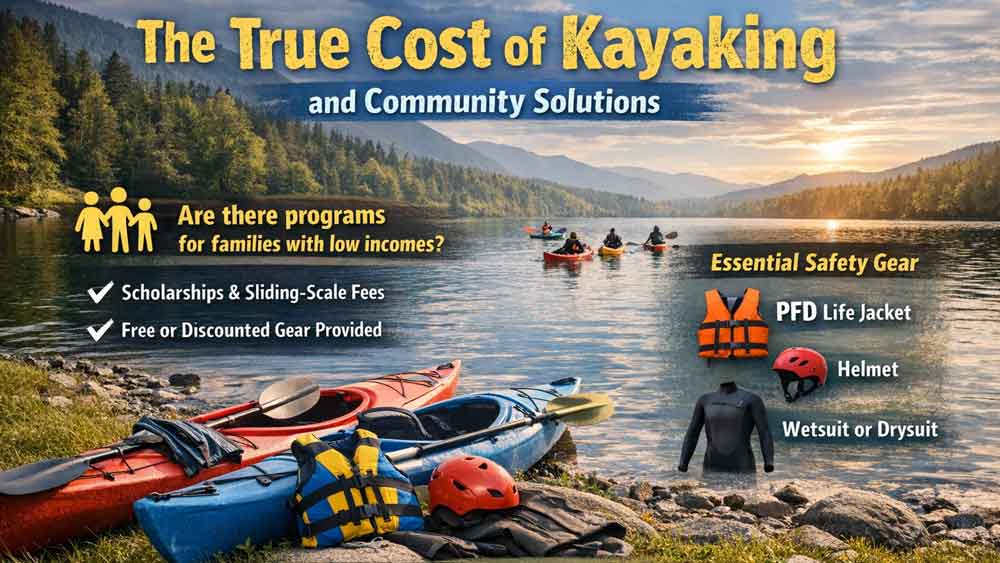
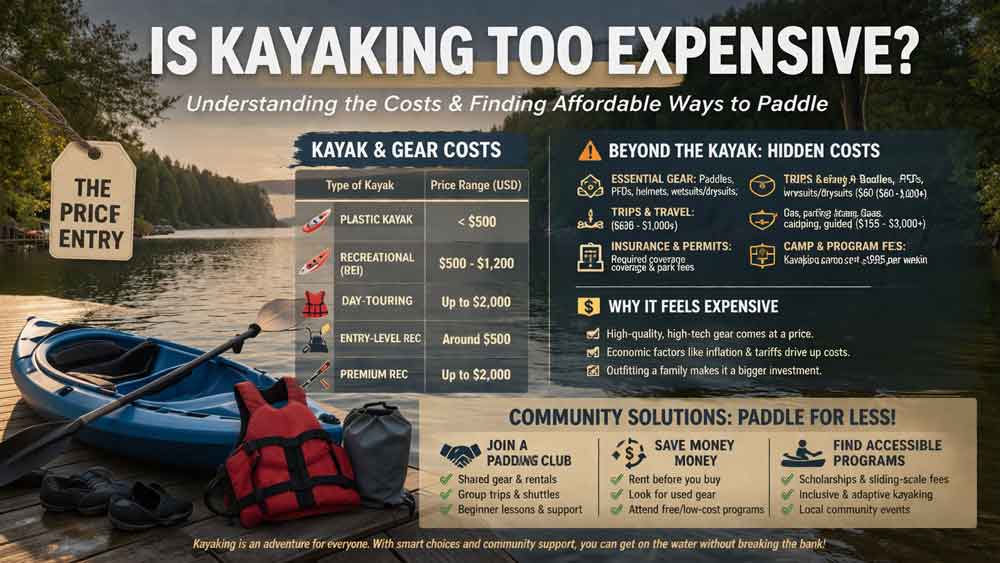
You might dream of gliding across a quiet lake, but when you look at kayak prices, the numbers can surprise you. For example, a plastic kayak often costs less than $500, while a recreational kayak at REI can run between $500 and $1,200. Some premium models reach $2,000.
| Type of Kayak | Price Range (USD) |
|---|---|
| Plastic Kayak | Less than $500 |
| Recreational Kayak (REI) | $500 – $1,200 |
| Day-Touring Kayak | Up to $2,000 |
| Entry-Level Recreational Kayak | Around $500 |
| Premium Recreational Kayak | Up to $2,000 |
Many families now see kayaking as an unaffordable luxury. Rising costs have led to fewer people from lower-income backgrounds joining in. You may wonder: Has kayaking affordability changed so much that it keeps people away? What can you do to enjoy paddling without breaking the bank?
Key Takeaways
- Kayaking can cost a lot. Kayaks can be less than $500 or more than $2,000. You can rent or borrow gear to save money.
- You need paddles, life jackets, and clothes for kayaking. These things can get expensive fast. Make sure to plan for these costs before you go kayaking.
- Kayaking can be too expensive for families. This is true if you need gear for everyone. Try to find community programs with shared gear and group trips.
- You can save money by joining a local paddling club. Clubs often let you use their gear and plan group trips. This makes kayaking cheaper.
- Safety gear is very important for kayaking. Always buy a personal flotation device (PFD) and other safety items. These things keep you safe on the water.
- Some communities offer scholarships and sliding-scale fees for kayaking. These programs help families join kayaking activities. Ask about money help when you sign up.
- You do not need the newest gear to have fun. Many cheap options are good for beginners. These can make your kayaking trip better.
- Look for beginner programs with lessons and gear. These programs teach you the basics. You do not have to spend a lot of money to start.
Is Kayaking Too Expensive?
Cost Barriers
When you think about starting kayaking, the price tag can feel overwhelming. Many people compare the cost of owning kayaking gear to mountain biking. You might expect to pay as much for a new plastic kayak as you would for a well-equipped hardtail bike. The expenses do not stop there. Quality gear, such as dry jackets and thermals, can cost between $375 and $625. Travel to good kayaking spots adds even more to your budget.
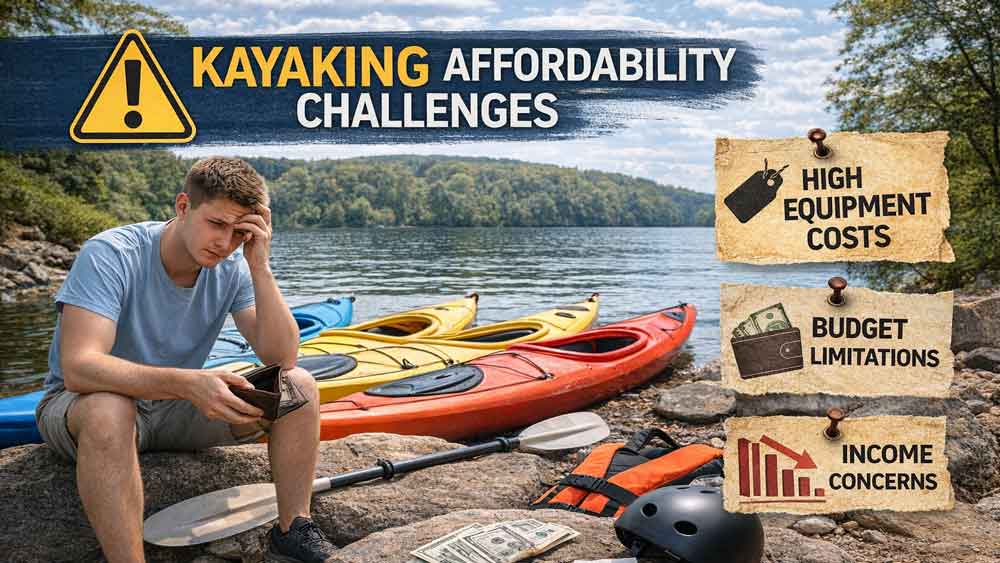
Here are some of the most significant barriers you may face:
- The price of a kayak can be too high for many people.
- Essential gear like paddles, life jackets, and clothing quickly increases the total cost.
- Park fees and boat licenses add extra expenses each year.
- Travel costs to reach safe or scenic water can be significant.
- The sport often feels out of reach for working-class individuals.
You also need to think about ongoing costs. Equipment and trip expenses play a big role in the total amount you spend. When you buy a kayak, you also need to invest in personal flotation devices (PFDs), storage, and regular maintenance. For example, if a kayaking program brings in $15,000 a year, about $3,750 might go just to keeping kayaks and gear in good shape. These costs can surprise beginners and make it hard to stick with the sport.
Tip: Before you buy, try renting or borrowing gear. This helps you understand what you need and what you can skip.
Impact on Families
Kayaking can offer fun and adventure for the whole family, but high costs often make it hard for everyone to join in. If you have children, you need to buy extra gear and possibly pay for lessons or guided trips. Each family member needs a properly sized kayak, paddle, and safety equipment. These expenses add up fast.
Many families find that the price of getting started keeps them from trying kayaking at all. Even if you buy used gear, you still face costs for transportation, park entry, and sometimes storage. For families on a tight budget, these barriers can feel impossible to overcome.
Some parents want to share their love of the outdoors with their kids but worry about the financial strain. You might see kayaking as a luxury, not a regular activity. This means fewer children get the chance to learn paddling skills or enjoy time on the water. As a result, kayaking becomes less accessible, especially for those who could benefit most from outdoor experiences.
Note: Community programs and clubs can help lower these barriers. They often provide shared equipment and group outings, making kayaking more affordable for families.
Cost Drivers
Knowing why kayaking costs a lot helps you make good choices. You can see where your money goes. This helps you decide what is most important for your paddling.
Equipment Prices
Kayaks and Paddles
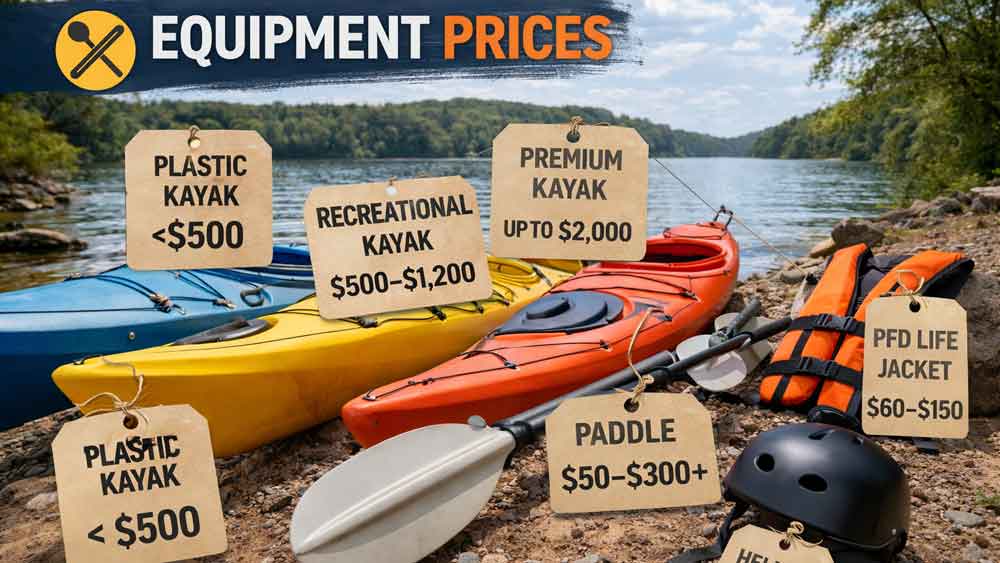
Kayaks come in many shapes and prices. You might want a simple inflatable kayak for fun. Some people look for a fancy sea kayak for long trips. The price changes based on type, material, and brand. Paddles also have different prices, from basic to advanced.
Here is a table that shows average prices for different kayak types in 2024:
| Kayak Type | Lower End | Higher End |
|---|---|---|
| Sea | $1,000 | $5,000 |
| Fishing | $500 | $5,000 |
| Folding | $900 | $3,500 |
| Touring | $1,200 | $3,000 |
| Inflatable | $250 | $2,000 |
| Recreational | $500 | $1,500 |
| Whitewater | $600 | $1,500 |
You can see that prices are very different. Cheaper kayaks cost less, but fancy ones are pricey. Paddles add to your total cost. Basic paddles start at about $50. Lighter or carbon fiber paddles can cost $300 or more.
Safety Gear
Safety gear is a must. You need a personal flotation device (PFD), helmet, and sometimes a wetsuit or drysuit. A good PFD costs between $60 and $150. Helmets for whitewater kayaking cost $50 to $200. If you paddle in cold water, you may need a drysuit. Drysuits can cost $500 to $1,000. These items keep you safe and help you follow the rules.
Tip: Always use safety gear. It protects you and may be required by law.
Trip Expenses
Guided Trips
Guided trips let you explore new places with a guide. You get meals and sometimes all the gear you need. These trips cost more, but they help beginners.
| Trip Type | Price Range (CAD) | Included Services |
|---|---|---|
| Entry-level guided trips | $1,495–$1,900 | Certified guides, meals, kayak and camping gear (meal planning by participants) |
| Mid-range guided trips | $1,900–$2,500+ | Group meals planned, dietary needs accommodated (extra charges for special diets) |
| Higher-end/basecamp experiences | $2,400–$3,000+ | Additional amenities, upgraded meals, established base camps |
You pay more for comfort and ease. These trips often include everything, so you do not need to buy or bring your own gear.
Personal Trips
If you plan your own trip, you save money but do more work. You must plan your route and bring your own food. You also need to move your kayak. You may pay for gas, parking, and camping. Costs can add up if you travel far or stay overnight. You control your spending, but you handle all the details.
Insurance and Permits
Kayaking sometimes needs insurance and permits. These protect you from surprise costs and help you follow the rules.
Here are some common types of insurance you might need:
- Comprehensive travel insurance pays for medical emergencies and hospital stays.
- Annual travel insurance covers many trips in one year.
- Adventure and sports travel insurance covers risky activities like kayaking.
- Medical travel insurance pays for medical costs during your trip.
- Group travel insurance covers groups, often for less money per person.
- International travel insurance helps if you leave your country.
- Family travel insurance covers all family members on a trip.
- Trip cancellation insurance pays you back if you cancel for a covered reason.
- Trip interruption insurance helps if you must end your trip early.
- Damage to kayaking gear insurance pays for lost or broken equipment.
It is smart to get travel insurance before your trip. Some tour companies require it. Pick a plan that covers kayaking and outdoor sports.
Permits may also be needed. Some parks or waterways ask you to buy a permit or pay a fee. These costs help keep the area safe and nice for everyone.
When you know about these cost drivers, you can plan better. This helps you find ways to save money on your kayaking trips.
Kayaking Affordability Challenges
High-Tech Gear
You see many new types of kayaks and accessories in stores today. Companies use advanced materials and smart designs to make kayaks lighter and stronger. These changes help you find a kayak that fits your needs and budget. Mass production and better technology have made recreational kayaks cheaper. You can now buy a good kayak for less money than before. Inflatable and modular kayaks also make storage and transport easier. This means you do not need a big car or garage to enjoy paddling.
Some high-tech gear can cost a lot. If you want the best paddles, you might look at options like the Wilderness System Pungo Glass or the Werner Kalliste. These paddles use fiberglass and carbon-blend shafts. They last a long time and perform well, but they come with a high price tag. You do not need the most expensive gear to start kayaking. Many affordable options work well for beginners.
Tip: Start with basic gear. Upgrade only when you know what you need.
Economic Trends
The price of kayaking gear does not depend only on technology. Economic trends also play a big role. Tariffs have caused prices to rise in the paddlesports industry. You may notice that some items cost more in the middle of the season. This can make you think twice before buying new gear. The Yale Budget Lab says tariffs could cost the average family $2,400 more each year. This means you might have less money for fun activities like kayaking.
Consumer confidence has dropped. The Conference Board’s Expectations Index fell to 69 in June. When people feel unsure about the economy, they spend less on hobbies. Most kayak sales happen in the spring and early summer. If prices go up or people worry about money, fewer kayaks get sold during this busy time.
- Tariffs have increased prices for kayaks and gear.
- Families may spend less on outdoor activities.
- Most kayak sales happen in the second quarter of the year.
Past vs. Present Costs
Kayaking has changed over the years. In the past, you might have needed to save for months to buy a kayak. Today, you can find more choices at different prices. Technology and mass production have made some kayaks cheaper. Inflatable models and shared equipment also help lower costs.
Still, some things cost more now. High-end gear and guided trips can be expensive. Economic changes, like inflation and tariffs, add to the price. You need to think about what matters most to you. You can enjoy kayaking with simple gear and local trips. The sport is more accessible than ever if you know where to look.
Note: Focus on enjoying the water, not on having the fanciest equipment.
Camp and Program Fees
Summer Camp Costs
Kayaking summer camps are a fun way to learn and meet new people. These camps usually last one week. They include lessons, equipment, and guided trips. A five-day camp for kids ages 9 to 17 costs about $995. This price pays for teaching, gear, and sometimes meals. Some camps are shorter or longer, but they still cost more than other outdoor camps.
If you want your child to go, you need to save for these fees. Camps spend money on trained staff, safety gear, and insurance. These things help keep everyone safe on the water. Kayaking camps often cost more than soccer or baseball camps. The price is higher because water sports need special equipment and training.
Monthly Programs
Many clubs have monthly kayaking programs. These programs help you get better at kayaking over time. You can pick beginner, intermediate, or advanced classes. Some teach whitewater kayaking. Others teach basic paddling.
Here is a table that shows how much different kayaking courses cost:
| Course Type | Age Group | Duration | Price |
|---|---|---|---|
| Advanced Whitewater Kayaking Courses | 16+ Years | 2-4 Days | from $195 |
| Kayaking Summer Camp | 9-17 Years | 5 Days | from $995 |
| Fundamentals of Whitewater Kayaking | 16+ Years | 2-4 Days | from $475 |
| Intro To Whitewater Kayaking Courses | 8+ Years | 1 Day | from $155 |
| Private Canoe and Kayak Instruction | 8+ Years | All Day | from $175 |
You can see that prices change by course and how long it lasts. Monthly kayaking programs usually cost more than basketball or soccer. Special gear and trained teachers make the price go up. If you want private lessons, you will pay even more.
Accessibility for Families
High prices can make kayaking programs hard for many families. You might worry your child will miss out on outdoor fun. Some groups try to make kayaking easier to afford. They give money help and support to families who need it.
- Rec2Connect gives money help through the Eileen Hewitt Scholarship Fund. This lets families join kayaking programs.
- The Adaptive Sports Center and other groups help make outdoor fun possible for more people.
- Adventures Without Limits makes sure everyone can try outdoor adventures, no matter who they are.
- Wilderness Inquiry gives money help to families who want to join outdoor programs, like kayaking.
Some programs welcome kids and adults with disabilities. These groups use special equipment and trained staff. They help everyone feel safe and included. Kayaking is a great way for people with disabilities to enjoy nature and feel confident.
Tip: Ask local clubs or camps if they have scholarships or sliding-scale fees. Many want to help families and make kayaking open to everyone.
Community Solutions
Kayaking does not always cost a lot. There are many ways to make it cheaper and open for everyone. Local clubs and groups help people paddle without spending too much. When you join others, you can share gear and help each other. This is what makes kayaking easier for more people.
Paddling Clubs
Paddling clubs help make kayaking less expensive. You can join a club near you and meet people who like kayaking. Clubs plan group trips and teach new skills. They help you find safe places to paddle. You do not need to buy all your own gear. You can borrow or rent from the club. This saves money and lets you try different kayaks before buying.
Memberships
Joining a paddling club gives you many good things. You can save money on memberships with groups like American Whitewater. For example, club members get $10 off their American Whitewater membership. This helps you pay less for joining events and programs.
You also get help from other paddlers. Clubs help you find friends to paddle with. You can go on group trips and learn from others. Clubs keep you safe during group paddles. You do not need to buy all your safety gear right away. Clubs also help with planning trips and rides. Many clubs set up shuttles so you do not have to drive alone or pay extra for gas.
- Clubs help you meet other paddlers.
- You can share gear and save money.
- Group trips are safer and more fun.
- Clubs help with planning and rides.
Shared Equipment
Many clubs and groups have shared gear. You do not need to buy a kayak, paddle, or life jacket at first. Clubs keep gear in one place for everyone to use. Members can use this gear for trips and lessons. This helps more people try kayaking.
Here is an example of how one group shares gear:
| Organization Name | Description | Funding Model |
|---|---|---|
| Gifting with Guts | Runs a kayak school, keeps gear in a rented space, hires a coach. | Donation-based, uses community donations and volunteers. |
Shared gear helps everyone. You do not have to spend a lot to start. Clubs and groups use donations and volunteers to keep costs low. This helps more people join kayaking.
Inclusivity
Many clubs and programs welcome all people. These groups work hard to make kayaking open for everyone. They have special events and training to help people feel safe and included.
- Pride Day on the River welcomes LGBTQ+ beginners and makes a friendly space.
- La Raza – Explore & Kayak Clean-Up lets Hispanic paddlers connect and help the environment.
- Equity and Access Donation Fund helps underrepresented groups join.
- Equity and Inclusion Training teaches leaders about fairness.
- L.L.Bean Club Fostered Community Grant helps new members join.
- Leadership Exploration and Development (LEAD) Initiative trains and mentors people of color.
- Universal Paddling Program helps instructors teach people with disabilities.
- NariNauka Program trains young women in India to be raft guides.
- Show Me Women Paddlers welcomes women and builds community.
- Queer Affinity Instructor Certification Workshop supports LGBTQ+ paddlers.
- Surrey Canoe Club gives free courses and mentoring to youth with impairments.
You can join these events or ask your local club about programs. These efforts make kayaking easier for everyone. You can feel welcome and safe on the water.
Tip: Look for clubs with scholarships, free lessons, or special events for new paddlers.
Kayaking Affordability Solutions
There are many easy ways to make kayaking cost less. Community ideas help you and your friends enjoy the water without spending a lot.
- Use cheap launch tools like portable ramps and strong ropes. These help you get in and out of the water.
- Join programs that share the cost of caring for the shore. Planting native plants can stop erosion and save money.
- Build your own kayak cart or put up storage racks. These tips help you use cheap spaces near the water.
- Ask about group discounts or family prices for paddling programs.
When you work with others, kayaking gets easier to afford. You do not need fancy gear or private lessons. The best part of kayaking is being with others and having fun outside. Simple ideas and sharing let you enjoy kayaking without worrying about cost.
Remember: The best thing about kayaking is being on the water with friends. You can have fun, learn new things, and help others do the same.
Affordable Kayaking Tips
Finding Clubs
You can begin kayaking by joining a local club. Many clubs welcome new paddlers and plan group trips. Members are friendly and share advice to help you learn. You might find clubs at community centers or outdoor stores. You can also search online for clubs near you. Some clubs post events on social media or bulletin boards. When you join, you get to go on group trips and use shared gear. This makes it easier to try kayaking without buying everything.
Tip: Ask about beginner sessions or open house days. Clubs often let you try a kayak before joining.
Reducing Costs
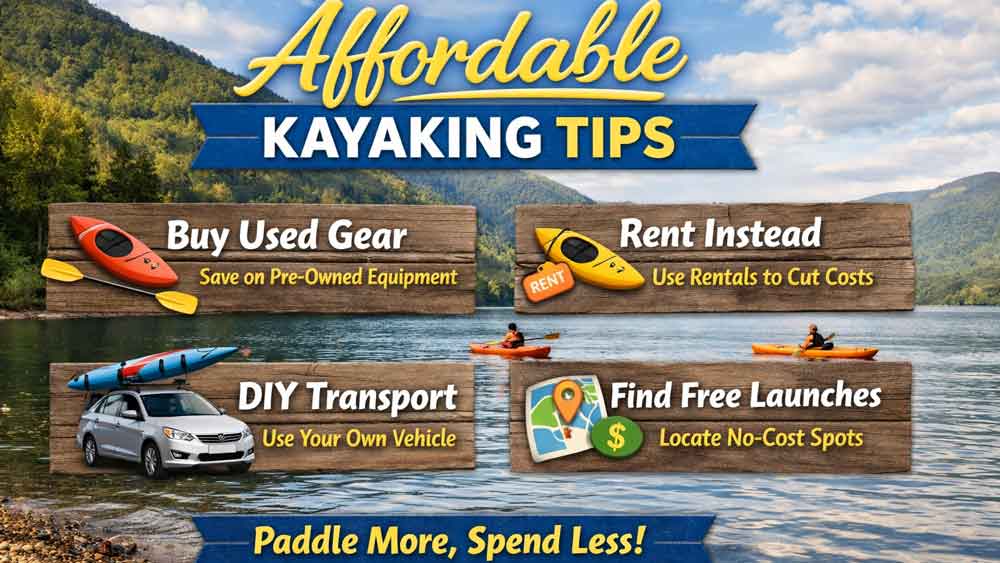
You can save money by making smart choices. Renting gear instead of buying helps you avoid big costs. Many clubs and outfitters rent gear for a day or weekend. Buying used equipment is another way to spend less. Look for sales at outdoor stores or check online marketplaces. You can also share gear with friends or family. Some clubs have gear libraries where you can borrow what you need.
Here are ways to spend less on kayaking:
- Rent gear first to see what you like.
- Buy used kayaks and paddles from trusted sellers.
- Join group trips to split travel and permit fees.
- Use public launch sites to avoid extra charges.
- Take free or low-cost lessons from clubs.
You do not need the newest gear to have fun paddling. Focus on safety and comfort first.
Accessible Kayaking
Many places make kayaking easy for beginners with small budgets. You can find programs and spots that welcome new paddlers and offer cheap lessons. Some places provide all the gear and teach you the basics.
Here are some beginner-friendly options:
- Charles River Canoe & Kayak teaches people with no experience.
- Minnesota’s “I Can Paddle!” programs help families learn together.
- Cape Cod Waterways has taught beginners for over 35 years.
- Private lessons and group classes let you learn at your own pace and can be affordable.
- Pure Watersports sells beginner kayaks and helps you feel comfortable fast.
These programs help you enjoy time on the water without spending too much. You can ask about scholarships or discounts if you need extra help. Many groups want everyone to try kayaking, no matter their budget.
Note: Always check if places give you safety gear and trained instructors. This keeps you safe while you learn.
Kayaking costs are going up, but there are ways to save. You can join local clubs to spend less money. Sharing gear with others helps you get started. You do not need fancy things to have fun on the water. Traditional paddling events make you want to come back. These events help you stay active and healthy.
- People say they have more fun when they paddle with friends.
- Being part of a group is better than having pricey gear.
Try simple options and meet new people. Kayaking is best when you share it with others.
FAQ
What is the average cost to start kayaking?
You can expect to spend $500 to $1,200 for a basic kayak and gear. Renting or joining a club can lower your first costs. Used equipment also helps you save money.
How can you make kayaking more affordable?
You can join a paddling club, rent gear, or buy used equipment. Many clubs offer shared gear and group trips. These options help you avoid high upfront costs.
Do you need lessons before kayaking?
Lessons help you learn safety and paddling skills. Many clubs and programs offer beginner classes. You can also find free or low-cost lessons in your area.
What is adaptive canoeing?
Adaptive canoeing lets people with disabilities enjoy paddling. Special equipment and trained staff help everyone join in. Many clubs and programs offer adaptive options for all ages.
Are there programs for families with low incomes?
Yes, many clubs and camps offer scholarships or sliding-scale fees. You can ask about financial help when you sign up. Some programs also provide free or discounted gear.
What safety gear do you need for kayaking?
You need a personal flotation device (PFD) every time you paddle. Helmets, wetsuits, or drysuits may be needed for some trips. Always check local rules and water conditions before you go.
Comments are closed