


Is Nylon Waterproof in 2026 The Facts Explained
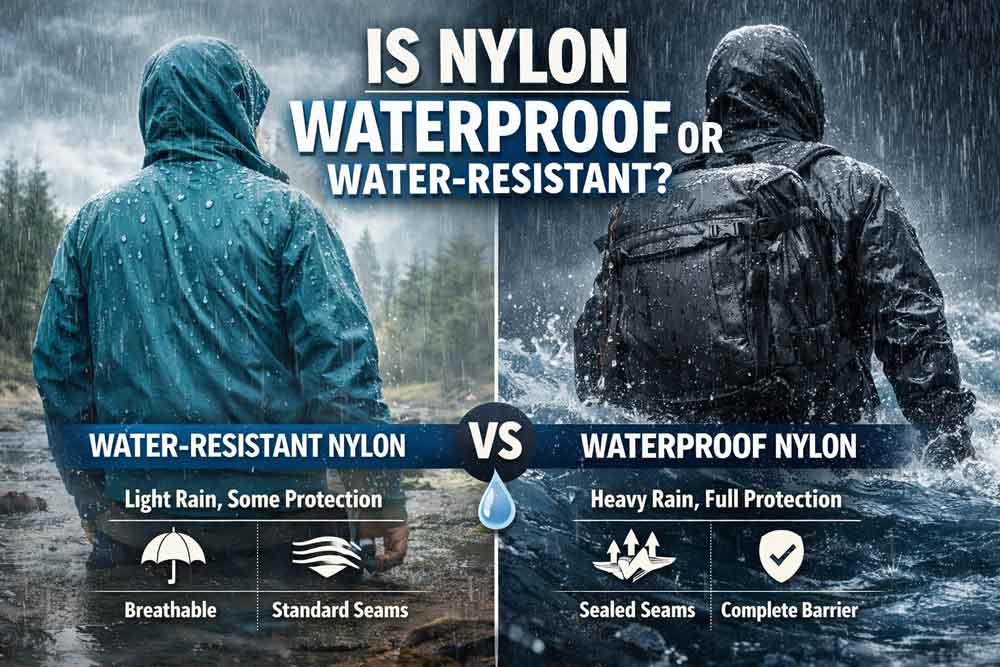
You might wonder, is nylon waterproof? The answer is that nylon by itself is not fully waterproof. While you may ask, is nylon waterproof, it’s important to know that nylon can resist water to some extent, but it won’t completely stop water unless it has been specially treated. When you see products labeled as waterproof nylon, it means they have extra layers or coatings that make them truly waterproof. This is a key point to consider when choosing products in 2026. Many people are curious and ask, is nylon waterproof, especially when thinking about using it in rain or wet conditions. Your needs and concerns, like whether is nylon waterproof, will help guide your choices. Some people look for durable products, while others care about environmental impact or want straightforward information. Even though the question, is nylon waterproof, comes up often, nylon remains a popular material for many uses.
Key Takeaways
- Nylon is not waterproof on its own. It is only water-resistant unless it gets treated. Water-resistant nylon can keep out light rain. Waterproof nylon can stop heavy rain. You should look for products that say waterproof. These usually have special coatings and sealed seams. Nylon’s structure lets some water go through. This makes it not as good in heavy rain. Coatings like DWR and PU make nylon better at stopping water. DWR helps water form drops and roll off. PU blocks water from getting in at all. Check what kind of nylon you have. Nylon 6,6 takes in less water than Nylon 6. This makes Nylon 6,6 better for waterproofing. Clean nylon often and add treatments again to keep it water-resistant. Pick eco-friendly choices when you can. Some brands use PFC-free treatments that are safer for the earth.
Is Nylon Waterproof or Water-Resistant?
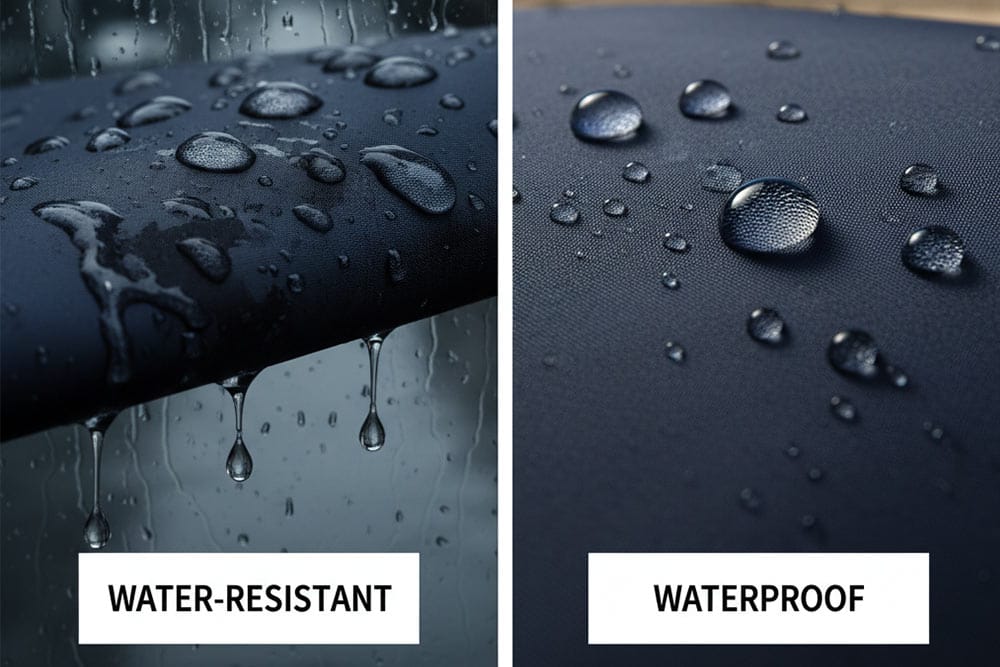
Waterproof vs. Water-Resistant Nylon
You will see products called waterproof nylon or water-resistant nylon. These names seem alike, but they are not the same. In 2026, experts use rules to tell them apart.
Here is a table that shows the main differences:
| Type | Water Exposure | Protection Level | Breathability | Seams |
|---|---|---|---|---|
| Water-resistant | Light splashes | Some protection | Good | Standard |
| Waterproof | Full submersion | Complete protection | Limited | Sealed/Taped |
Water-resistant nylon can handle light rain or splashes. It gives some protection, but it will not keep you dry in heavy rain or if you fall into water. Waterproof nylon stops water from getting through, even in strong rain or underwater. Waterproof nylon often has sealed seams to stop leaks.
Tip: If you want to stay dry in a storm, pick waterproof nylon. Water-resistant nylon will not keep you dry.
You may ask, is nylon waterproof or just water-resistant? The answer depends on how nylon is made and if it has special coatings. Most nylon is water-resistant, but only treated nylon is waterproof.
Why Nylon Is Not Naturally Waterproof
You may wonder, is nylon waterproof by itself? The answer is no. Nylon has a special structure. Its molecules have strong amide groups. These groups make small spaces between the chains. Water can move through these spaces over time. Nylon also has hydrogen bonds. These bonds make nylon strong, but they let water pass through. Some parts of nylon push water away, but other parts pull water in. This mix means nylon can resist light moisture, but it cannot block water fully.
Scientists use tests to check if nylon is waterproof or water-resistant. Here are some common tests:
| Test Method | Description |
|---|---|
| Hydrostatic Head | Measures how much water pressure nylon can take before it leaks. |
| Spray Test | Checks how well water rolls off the fabric surface. |
| Water Repellency Rating | Rates the angle and shape of water drops to see how well the surface repels water. |
| Water Vapor Transmission Rate (WVTR) | Shows how much moisture vapor goes through nylon over time. |
If a product gets a high hydrostatic head score, it is likely waterproof. If it only passes the spray test, it is probably just water-resistant.
Common Misunderstandings
Many people think all nylon is waterproof. This is not true. You may see a jacket or bag made from nylon and believe it will keep you dry in any weather. Most nylon is only water-resistant. It can handle a little rain, but it will not protect you in heavy rain unless it has extra coatings or treatments.
Some companies call their nylon waterproof even if it is only water-resistant. Always check the product details. Look for words like “sealed seams” or “hydrostatic head rating” to know if the nylon is truly waterproof.
You might think thicker nylon means better waterproofing. Thickness can help, but the weave, coatings, and seam construction matter more. If you want real protection, choose products that clearly say they use waterproof nylon and have passed strict lab tests.
Now you know the answer to the question, is nylon waterproof. Most nylon is water-resistant, not waterproof, unless treated. Always check the label and test results before you buy.
Nylon Structure & Water Interaction
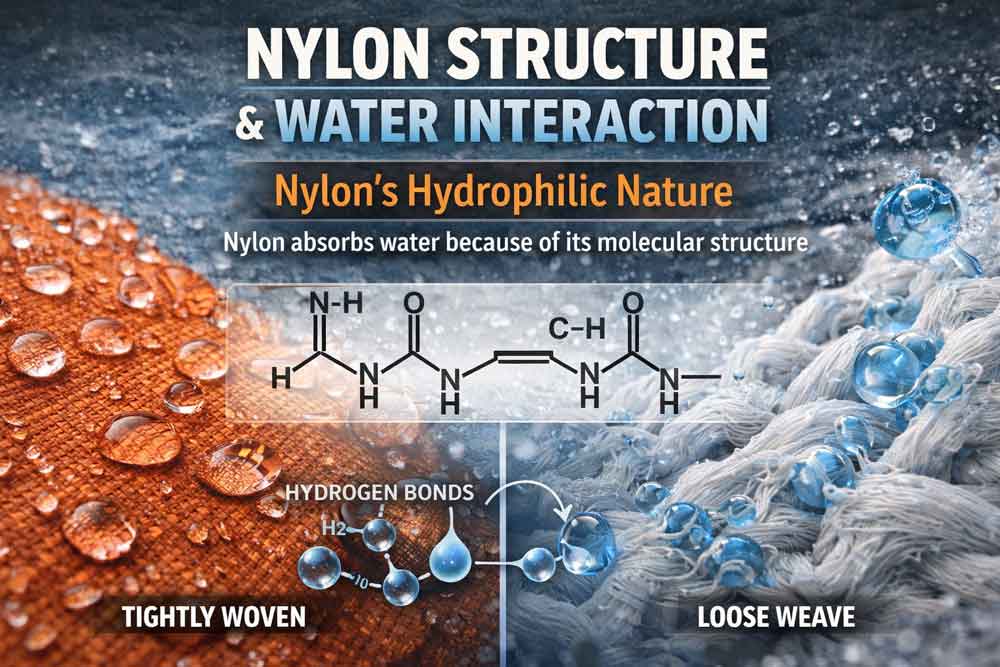
Nylon’s Hydrophilic Nature
You might think nylon keeps water out because it feels smooth and strong. But nylon has a special structure that pulls water in. Scientists call this hydrophilic. Nylon molecules have repeating amide groups. These groups can make hydrogen bonds with water. When nylon gets wet, water molecules move inside the material. This happens mostly in the less ordered, or amorphous, parts. So nylon can soak up water instead of pushing it away.
Nylon’s semi-crystalline structure has tight and loose areas. Water goes into the loose, amorphous parts more easily. As water gets inside, it breaks some hydrogen bonds that hold nylon chains together. This changes how nylon feels and acts. Wet nylon becomes softer and less stiff. You may notice wet nylon stretches more and feels cooler. Water acts like a plasticizer, so the chains slide past each other.
You might hear about hydrophobicity when learning about fabrics. Hydrophobicity means a material pushes water away. Nylon does not have high hydrophobicity. Instead, it absorbs water, so untreated nylon is not waterproof.
Fiber Weave and Water Resistance
How nylon fibers are woven affects how well the fabric keeps water out. Think of the weave like a net. If the net has small holes, less water gets through. If the holes are big, water passes more easily.
Tightly Woven Nylon
When makers use a tight weave, there are fewer gaps between fibers. This dense structure blocks water from getting through. You find tightly woven nylon in rain jackets, tents, and outdoor gear. These products keep you drier because the fabric acts as a barrier. A tight weave gives more water resistance, even before coatings are added.
Note: Tightly woven nylon works best with special treatments, but it already protects better than loose weaves.
Loose Weave Effects
Loose weave nylon has more space between fibers. Water moves through these gaps quickly. You see loose weave nylon in mesh bags or lightweight clothes. These items do not protect you from rain. The loose structure lets water pass, so you get wet faster.
Here is a simple table to compare the two types:
| Weave Type | Water Resistance | Common Uses |
|---|---|---|
| Tight Weave | High | Jackets, tents |
| Loose Weave | Low | Mesh bags, linings |
You should check the weave type when picking nylon products. A tight weave gives better water resistance, while a loose weave lets water in.
Factors Affecting Nylon Waterproof Performance
Material Quality & Type
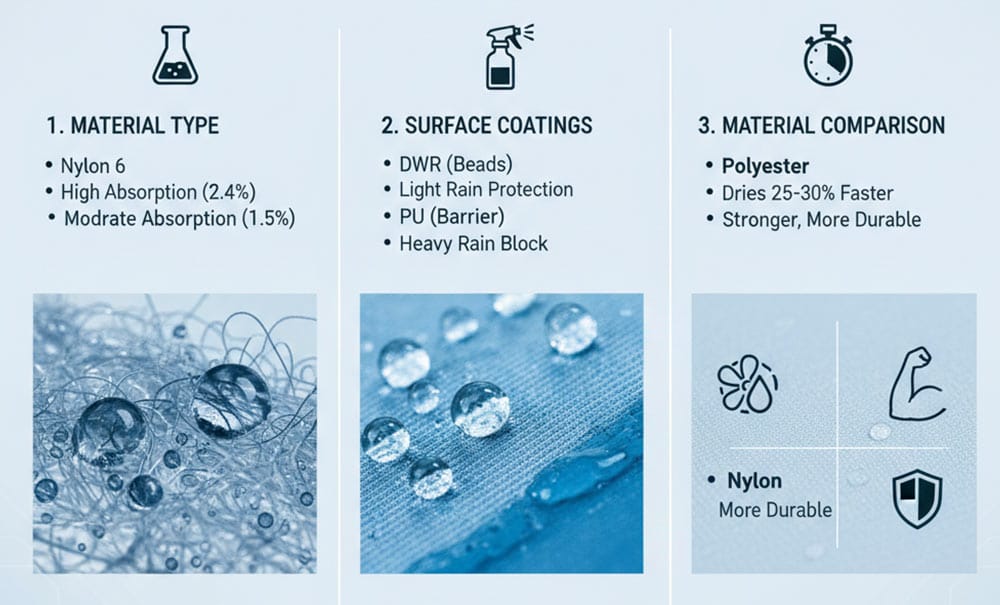
You may wonder why some nylon products keep you drier than others. The answer lies in the quality and type of nylon used. Not all nylon is the same. Manufacturers use different types, such as Nylon 6 and Nylon 6,6. These types absorb water at different rates. Nylon 6 absorbs more water, while Nylon 6,6 absorbs less. This means Nylon 6,6 offers better performance when you need something more waterproof.
Here is a table to help you compare:
| Type of Nylon | Moisture Absorption Rate |
|---|---|
| Nylon 6 | High (2.4%) |
| Nylon 6,6 | Moderate (1.5%) |
You should check the label to see which type of nylon you are buying. Higher quality nylon often means better water resistance. This is one of the main factors affecting nylon’s water resistance.
Surface Coatings (DWR, PU)
Coatings play a huge role in making nylon waterproof. You will see two main types: DWR and PU. DWR stands for Durable Water Repellent. This treatment covers the surface of nylon and makes water bead up and roll off. DWR does not make nylon fully waterproof, but it helps a lot in light rain. Over time, DWR can wear off, so you may need to reapply it.
PU, or Polyurethane, is another common coating. PU creates a solid barrier on nylon. This barrier blocks water completely, making the fabric truly waterproof. You will find PU coatings in rain jackets, tents, and other gear that must stay dry. Unlike DWR, PU does not let water pass through at all.
Here are the main points about coatings:
- DWR helps water roll off but does not make nylon fully waterproof.
- PU coatings create a waterproof shield.
- Both coatings can wear out, so you should check your gear often.
- Advanced coatings in 2026 last longer and protect better than older types.
- Some products use advanced coatings that combine DWR and PU for extra protection.
Tip: If you want the best waterproof nylon, look for products with advanced coatings and sealed seams.
Comparison: Nylon vs. Polyester
You might ask how nylon compares to polyester for waterproof gear. Polyester often dries faster and resists water better in active situations. Tests show that polyester wicks moisture 25-30% faster than nylon. Polyester shirts also dry 25-30% faster after getting wet. This makes polyester a strong choice for sportswear and outdoor clothing.
Nylon still leads in strength and durability. When you add advanced coatings, nylon can match or beat polyester in waterproof performance. You should choose nylon with advanced coatings for tough conditions. Polyester works well for quick-drying needs.
Note: Both nylon and polyester improve with advanced coatings. Your choice depends on what you need most—strength or fast drying.
Enhancing Nylon Waterproof Properties
Durable Water Repellent (DWR) Treatments
You can make nylon resist water better with DWR treatments. These treatments put a special layer on the fabric. Water turns into drops and rolls off instead of soaking in. In 2026, there are many DWR choices. Each type is best for different uses. The table below shows which DWR treatments work well for nylon.
| Type of DWR Treatment | Advantages | Limitations | Best Applications |
|---|---|---|---|
| Fluorocarbon-Based DWR | Great at stopping water and stains, keeps oil and dirt away | Bad for the environment, may cause health problems, not biodegradable | Used for ski jackets, rainwear, and technical outerwear in tough weather |
| Cationic DWR | Bonds strongly, stays on after washing | Only works with certain fibers, needs careful pH control | Used for sportswear, military fabrics, and factory-treated gear |
| Acrylic-Based DWR | Stays flexible, lets air through, better for the planet | Not as good at stopping oil, can break down in sunlight | Used for backpacks, hiking clothes, outdoor gear, and construction textiles |
| Silicone-Based DWR | Makes water bead up, keeps fabric breathable | Not good at stopping oil and stains, can feel sticky | Used for umbrellas, raincoats, and breathable waterproof fabrics |
| Natural DWR | Breaks down easily, safe, comes from nature | Does not stop water as well, needs to be put on often | Used for canvas gear, eco-friendly clothes, and heritage workwear |
| Organic Compound DWR | Good for the environment, lets air through | Does not last long, not as good in wet weather | Used for casual rainwear and sustainable outdoor brands |
Pick a DWR treatment based on what you do and where you go. Fluorocarbon-based DWR is best for harsh weather. Silicone-based DWR is good for raincoats and umbrellas. Natural DWR is great for people who care about the planet. Always check if your nylon needs a new DWR layer after you use or wash it a lot.
Laminates and Coatings
Laminates and coatings change how nylon deals with water. There are three main types. Untreated nylon only resists light rain. PU-coated nylon uses polyurethane to block water. Laminated nylon has a thin plastic film for strong waterproofing. The table below compares these types.
| Nylon Type | Water Column Rating (mm) | Protection Level | Common Applications |
|---|---|---|---|
| Untreated | 800–1,500 | Handles light rain | Used for casual bags and windbreakers |
| PU-Coated | 3,000–5,000 | Protects in moderate weather | Used for hiking gear and outdoor cushions |
| Laminated | 10,000+ | Stops heavy water | Used for expedition tents and technical outerwear |
Better coatings give nylon more waterproof power. PU coatings are good for most outdoor gear. Laminates make nylon super waterproof. Choose laminated nylon if you need to stay dry in storms or on long trips. Always check the water column rating before buying.
Tip: Clean nylon gently. Dirt and oil can block DWR and coatings. Use mild soap and let it air dry for best results.
DIY Waterproofing Methods
You can make nylon resist water at home. Many people use beeswax, linseed oil, jojoba oil, or silicone gel. Each method has its own benefits. Silicone gel is a top choice. It makes nylon waterproof and dries fast.
A very easy and strong DIY method uses clear silicone gel and mineral spirits. This mix makes nylon waterproof and dries quickly.
In 2026, new sealing methods are available. Putting on several thin layers gives better waterproofing and lasts longer. Here are some popular DIY ways:
- Beeswax: Works well for light fabrics. Stuff the fabric so it does not stick.
- Linseed oil: Use pure oil. It can make nylon stiff, so use it for backpacks.
- Jojoba oil: Rub it in with a clean cloth. Add more coats for extra protection.
- Silicone gel: Very good. It goes into the nylon and makes a strong waterproof seal.
Test a small spot first. Some coatings can change how nylon looks or feels. Reapply DIY coatings after heavy use or washing.
Note: DIY waterproofing is best for small items or short trips. For long-lasting results, pick nylon with factory DWR or coatings.
Water-Resistant Nylon in Real Life
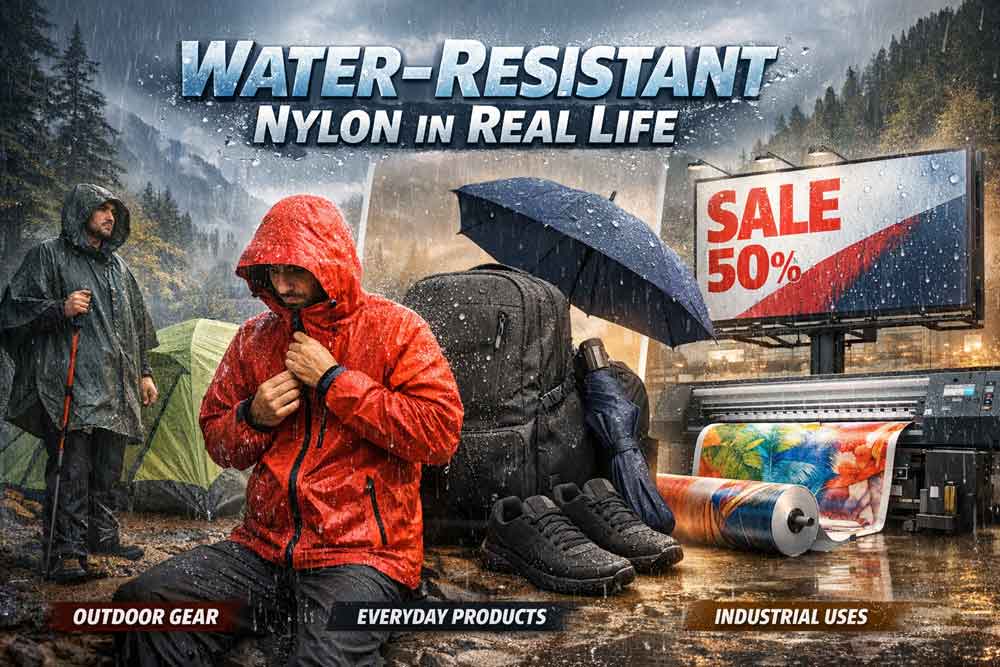
Outdoor Gear (Tents, Jackets, Ponchos)
You see nylon in many types of gear for outdoor adventures. People choose this material for tents, jackets, and ponchos because it feels light and packs down small. You can wear a nylon jacket or set up a nylon tent quickly. This makes your trip easier. Water-resistant nylon helps you stay dry when you face light rain or splashes. It works well for short hikes or when the weather changes fast.
If you spend time outside during heavy rain or snow, you notice the limits of water-resistant nylon. The fabric starts to let water through after a while. You may feel damp or cold if you stay out too long. This happens because water-resistant nylon cannot block water for a long time. It does not work for applications requiring complete waterproofing. You need to pick gear with extra coatings or sealed seams for harsh weather. Always check the label before you buy new gear.
Everyday Products (Bags, Umbrellas)
You use nylon every day, even if you do not notice it. Many backpacks, messenger bags, and travel pouches use water-resistant nylon. This keeps your books, electronics, and snacks safe from spills or light rain. You can wipe off water drops, and your things stay dry. Umbrellas also use nylon because it dries fast and feels strong. You can fold your umbrella and put it in your bag without worrying about mold or bad smells.
Some shoes and hats use water-resistant nylon too. You can walk outside or play sports without getting soaked. This material makes your daily life easier and keeps your things safe. You do not need to worry about small accidents or sudden showers.
Industrial Uses
Nylon does more than protect you outside. In 2026, factories and companies use water-resistant nylon for many jobs. You find it in:
- Waterproof nylon inks for printing on signs and labels. These inks stick well and do not fade in the sun or rain.
- Outdoor signage and sports equipment. The prints stay bright and clear, even after many games or storms.
- Digital textile printing. Factories use nylon to make high-resolution designs on synthetic fabrics.
You see water-resistant nylon in weather-resistant outdoor gear, banners, and labels. It helps companies make products that last longer and look better. You can trust these items to work well, even in tough conditions.
Tip: Always check if your gear uses water-resistant or waterproof nylon. This helps you pick the right product for your needs.
Testing & Maintaining Nylon Waterproofing
At-Home Water Resistance Tests
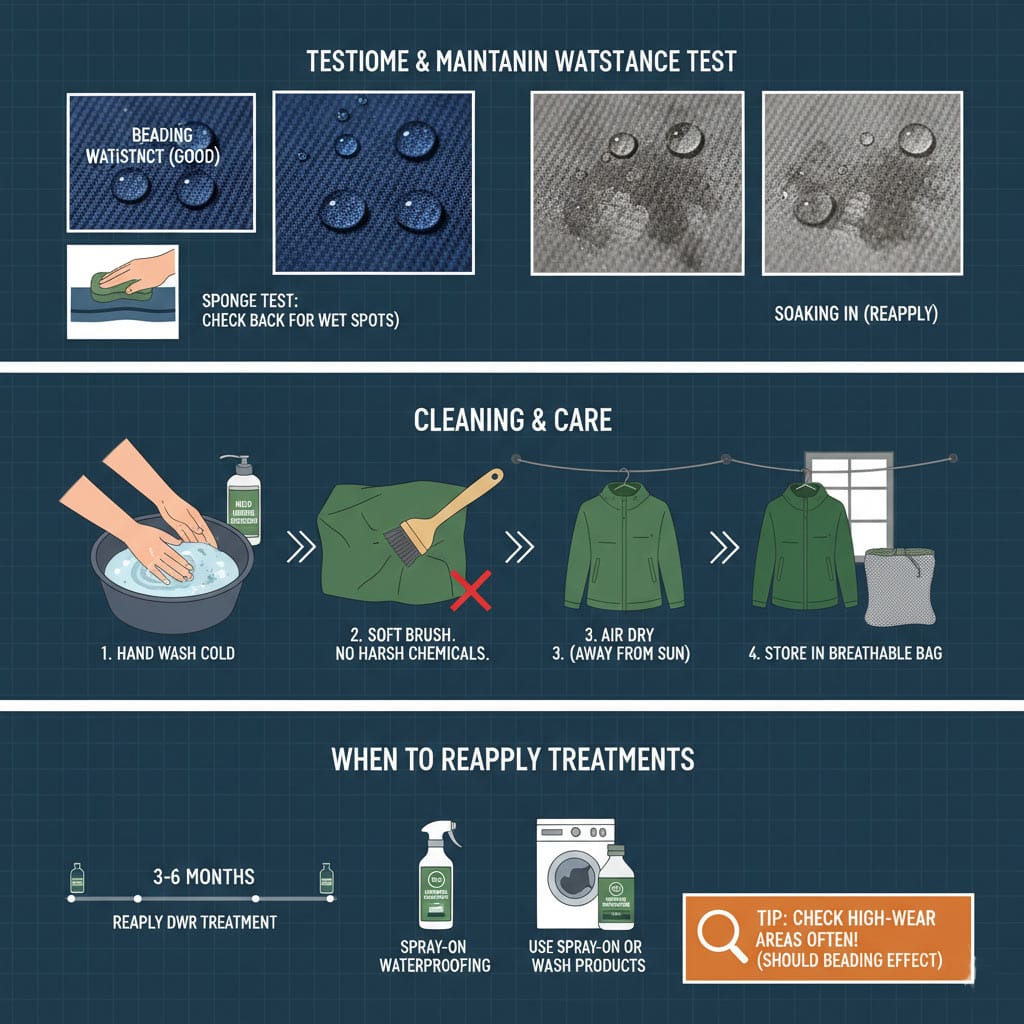
You can check how well your nylon gear keeps out water with simple tests at home. Place a few drops of water on the surface and watch what happens. If the water beads up and rolls off, your nylon still resists water. If the drops soak in or spread out, the water resistance has faded. For a stronger test, press a damp sponge against the fabric for a few minutes. Look for any wet spots on the other side. This method helps you with testing nylon’s water resistance before you head outdoors.
Tip: Always test different parts of your nylon item. Seams and high-wear areas lose water resistance first.
Cleaning and Care
You can keep your nylon gear working well by cleaning it the right way. Dirt and oils can block the coatings that keep water out. Follow these steps to protect your nylon:
- Hand wash with cold water and mild detergent.
- Gently clean with a soft brush or cloth.
- Avoid abrasive scrubbing and harsh chemicals like bleach.
- Air dry in a cool, well-ventilated area away from sunlight and high heat.
- Store in a dry, clean place or in breathable containers to prevent moisture buildup.
These steps help your nylon last longer and keep its water resistance. Never use strong chemicals or put nylon in direct sunlight for long periods. This can damage the fibers and make the fabric weaker.
Note: Regular cleaning keeps your nylon gear fresh and ready for your next adventure.
When to Reapply Treatments
You need to reapply waterproof treatments to nylon to keep it working well. Washing, sunlight, and regular use can wear away coatings like DWR. If you notice water stops beading on the surface, it is time to add a new layer. Check the table below for a simple guide:
| Reapplication Frequency | Notes |
|---|---|
| Every 3–6 months | With regular use or after deep cleaning |
You can use spray-on or wash-in waterproofing products made for nylon. Always follow the instructions on the label. Reapplying treatments helps your gear stay dry and last longer.
Callout: If you use your nylon gear often or clean it a lot, check water resistance more often and treat as needed.
Caring for your nylon items does not take much time. With regular testing, gentle cleaning, and timely treatments, you can enjoy dry and reliable gear for years.
Limitations of Nylon Waterproofing
When Nylon Fails
You may trust nylon to keep you dry, but it has limits. Nylon is water-resistant, not fully waterproof unless treated. You will notice problems when you face heavy rain or strong water pressure. Nylon can fail in these situations:
- Prolonged exposure to water makes nylon absorb moisture.
- Intense water pressure pushes water through the fabric.
- Seams and stitching are weak points where leaks can start.
If you use untreated nylon, it will not protect you in a storm. Even with coatings, water can sneak in through tiny holes or worn-out spots. Always check your gear before you go outside. Look for signs of wear, especially around seams.
Tip: Choose products with sealed seams and extra coatings if you need true waterproof protection.
Environmental Impact
You may want your gear to be safe for the planet. Many waterproof treatments on nylon use chemicals called PFCs. These chemicals can harm the environment. Some brands, like Fjallraven, stopped using PFCs in their products. They found that PFC-free nylon is less waterproof, but it is safer for nature. Other companies, such as Nikwax and Rab, now use PFC-free finishes. Nemo even makes nylon fabric from 100% recycled materials without harmful chemicals.
Here is a quick look at what brands are doing:
| Brand | Waterproof Treatment Type | Eco-Friendly? |
|---|---|---|
| Fjallraven | PFC-free | Yes |
| Nikwax | No fluorocarbons | Yes |
| Rab | PFC-free finishes | Yes |
| Nemo | Recycled, chemical-free | Yes |
You can help the environment by choosing water-resistant nylon with safer treatments. Look for labels that say “PFC-free” or “recycled materials.”
Longevity and Wear
Nylon does not last forever. Over time, you will see changes in how well it keeps water out. Repeated exposure to water makes nylon absorb more moisture than polyester. This reduces its water-resistant power. Sunlight also weakens nylon. UV rays break down the fibers and damage the waterproof coating.
You can slow down this process by caring for your gear. Store nylon away from sunlight. Clean it gently and reapply treatments when water stops beading on the surface. If you use your gear in harsh conditions, check it often for signs of wear.
Note: Nylon is strong, but it needs care to stay water-resistant and waterproof. Replace old gear when it no longer protects you.
Nylon gives you many benefits, but you must know its limits. By understanding when nylon fails, its impact on the environment, and how long it lasts, you can make better choices for your adventures.
You now understand if nylon is waterproof or not. Most nylon can keep out some water, but only special treatments make it fully waterproof. The table below helps you see the difference:
| Feature | Water-Resistant | Waterproof |
|---|---|---|
| Protection Level | Handles small splashes | Stops all water |
| Breathability | Lets air through easily | Air does not pass as well |
| Seam Treatment | Regular seams | Seams are sealed or taped |
When you wonder if nylon is waterproof, think about what you need. Pick water-resistant nylon for light rain. Choose waterproof nylon for strong storms. Take care of your gear so it lasts longer. If you want more details, look up guides about waterproof fabrics, DWR coatings, and new materials.
- Think about what you will do and the weather you expect.
- Try new waterproofing like Stretch Flex® Elastomeric Coating.
- Read easy guides about nylon waterproofing technology.
FAQ
Is nylon waterproof without any coating?
No, nylon is not waterproof by itself. You need a special coating or treatment to make it fully waterproof. Untreated nylon only resists light rain or splashes.
How can you tell if your nylon gear is still water-resistant?
You can drip water on the fabric. If the water beads up and rolls off, your gear still resists water. If it soaks in, you need to reapply a treatment.
Can you wash nylon in a washing machine?
You can wash nylon in a machine using cold water and mild detergent. Use a gentle cycle. Avoid bleach and high heat. Air dry your nylon gear for best results.
How often should you reapply waterproof treatments?
You should reapply treatments every 3–6 months or after heavy use. If you notice water stops beading on the surface, it is time to treat your gear again.
What is the difference between DWR and PU coatings?
DWR (Durable Water Repellent) helps water bead on the surface.
PU (Polyurethane) creates a solid barrier that blocks water completely.
DWR is for light rain. PU is for full waterproofing.
Does nylon lose water resistance over time?
Yes, nylon loses water resistance with use, washing, and sun exposure. You can restore it by cleaning and reapplying waterproof treatments.
Is water-resistant nylon safe for the environment?
Some water-resistant treatments use chemicals that harm nature. You can choose PFC-free or recycled nylon for a safer option. Always check product labels for eco-friendly choices.
Can you make nylon waterproof at home?
You can use DIY methods like silicone spray, beeswax, or special waterproofing products. Test a small area first. DIY methods work best for small items or short trips.
Comments are closed