



How to Pack for a Long-Distance Hike and What to Pack
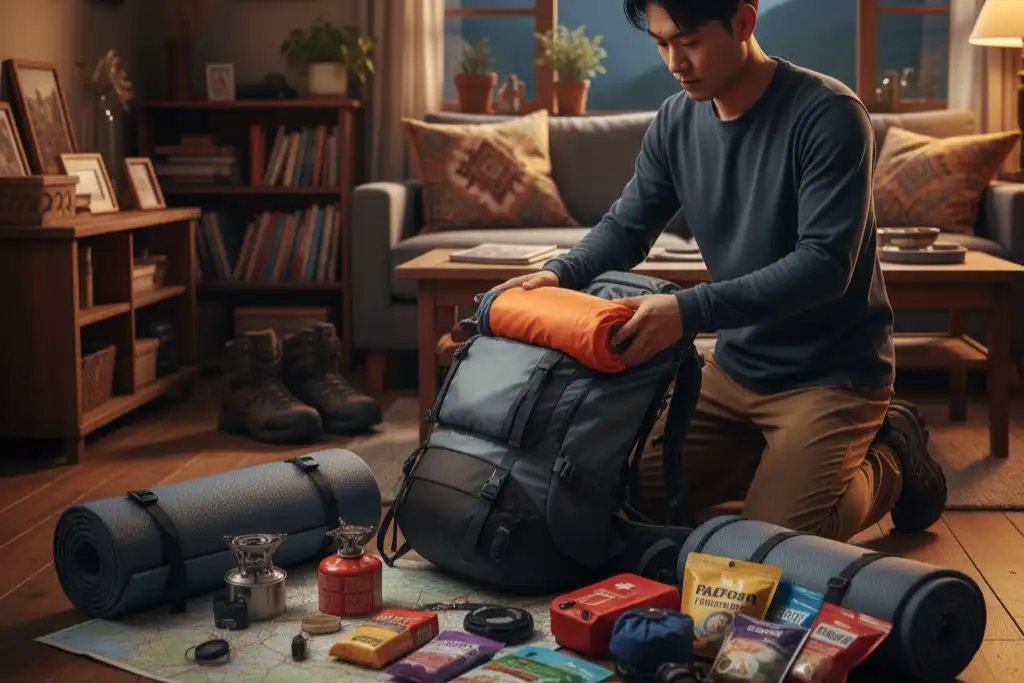
Packing for a long distance hiking trip takes more than just tossing gear into your backpack. You want to feel ready, safe, and comfortable every step of the way. Many beginners make mistakes like carrying too much, forgetting essentials, or not thinking about the weather. Some even forget to pack enough food or water, which can lead to exhaustion. When you plan ahead and focus on what you truly need, you set yourself up for a great adventure.
Key Takeaways
- Make sure your backpack is less than 35% of your body weight. This helps you not get too tired or hurt. Keep your pack neat so you can grab snacks, water, and rain gear fast. Wear layers so you can change clothes if the weather changes. Plan your meals well. Try to eat 3,000 to 5,500 calories each day. Always have enough water with you. Use a packing checklist so you bring what you need. This also helps you not pack too much.
Packing Principles
Weight Management
You want your backpack to feel comfortable, not like a burden. Outdoor experts suggest you keep your pack weight below 35% of your body weight. If you go over this limit, you might feel tired faster or even hurt your joints. This tip matters even more on a long distance hiking trip, especially if you plan to walk for several days or tackle tough trails.
- Choose lightweight gear whenever possible.
- Only pack what you know you will use.
- Use stuff sacks to organize and compress your items. This helps you save space and makes your pack feel lighter.
Tip: Before you leave, lay out all your gear. Remove anything you do not need. Every ounce counts!
Accessibility
You do not want to dig through your whole bag just to find a snack or your rain jacket. Organize your backpack so you can reach important items quickly. Place things you use often, like snacks, water, or a map, near the top or in outside pockets.
Here is a simple way to organize your pack:
| Pack Area | What to Pack There |
|---|---|
| Bottom | Sleeping bag, camp clothes |
| Middle | Food, cooking gear, heavier items |
| Top | Rain jacket, snacks, first aid kit |
Keep items you use together in the same stuff sack. For example, put your toothbrush and toothpaste in one small bag.
Safety
Safety starts with smart packing. Dress in layers so you can adjust to changing weather. Make sure your backpack fits well to avoid back pain. Always bring enough food and water. A good rule is to carry one liter of water for every two hours of hiking.
- Carry a map, compass, or GPS.
- Leave your hiking plan with someone you trust.
- Pack a first aid kit and know how to use it.
Remember: Planning ahead keeps you safe and makes your hike more enjoyable.
Packing List for a Long Distance Hiking Trip
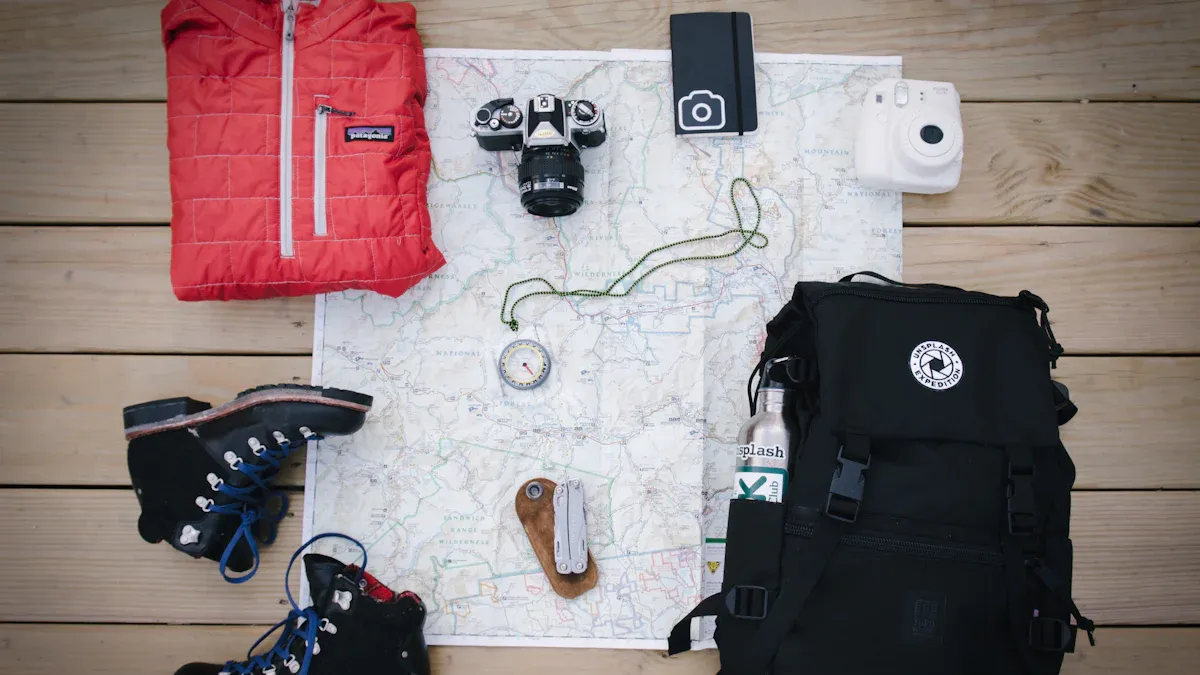
Packing for a long distance hiking trip can seem hard at first. But you can make it easier by breaking it into small steps. You want to be safe, comfortable, and ready for anything on the trail. Here is a packing list to help you begin.
Gear Essentials
Having the right gear makes your hike safer and more fun. Start with the basics and only add what you really need. This table shows what most outdoor experts suggest:
| Gear Category | Essential Items |
|---|---|
| Clothing | Hiking clothes, socks, hats, gloves, sunglasses |
| Footwear | Hiking shoes, boots |
| Hydration | Water bottles, bladders |
| Trekking Equipment | Trekking poles, traction devices |
You should also bring:
- A strong hiking backpack
- Lightweight tent or shelter
- Sleeping bag and sleeping pad (keep in a bag to stop leaks)
- Headlamp or flashlight with extra batteries
- Multi-tool or knife
Tip: Check your gear for damage before you go. Bring duct tape or a patch kit for quick fixes on the trail.
Clothing and Footwear
Wearing the right clothes keeps you comfy in any weather. Dress in layers so you can add or take off clothes as needed. Here is what you should pack:
- Moisture-wicking base layers (top and bottom)
- Warm layer (like a padded jacket or fleece)
- Rain jacket and rain pants
- Lightweight hiking pants and shirts (merino wool is good)
- Hiking socks (bring extra pairs)
- Hat, gloves, and Buff or neck gaiter
- Sunglasses
For footwear, pick what fits your feet and matches the trail:
- Supportive hiking boots or trail runners (boots help stop sprained ankles and stress fractures)
- Camp shoes or sandals for relaxing at camp
Note: Good socks and shoes help stop blisters and other foot injuries. Make sure your shoes have enough support and padding.
Food and Water
You use a lot of energy on a long distance hiking trip. Plan for 4,750 to 5,500 calories each day if you hike all day. For shorter trips, 3,000 calories might be enough. Pack light, high-energy foods like:
- Trail mix, nuts, and dried fruit
- Energy bars and jerky
- Instant oatmeal or freeze-dried meals
- Nut butter packets
For water, bring:
- Water bottles or hydration bladders (carry at least 2 liters)
- Water filter, hollow fiber filter, or purification tablets
- Small pot for boiling water if you want to cook
Tip: Always treat your water. Boiling, filtering, or using purification tablets keeps you safe from germs.
Toiletries and Hygiene
Staying clean on the trail helps you stay healthy. Here is a list of what you need:
- Wilderness wipes or body wipes
- Biodegradable soap (like Dr. Bronner’s)
- Moisture-wicking underwear
- Travel toothbrush and mini toothpaste
- Face wipes and SPF face moisturizer
- Travel-size deodorant
- Menstrual products (menstrual cup, pads, or tampons)
- Small towel or quick-dry cloth
- Portawipes or trowel for bathroom needs
Note: Keep your private areas dry and clean to avoid infections. Always wash your hands before eating and after using the bathroom.
First Aid and Emergency
Accidents can happen, so you need a first aid kit and emergency tools. Here is a table of what to pack:
| Item | Description |
|---|---|
| Bandages | For small cuts and blisters |
| Sterile dressing pads | To stop bleeding |
| Non-adherent sterile pads | For burns or lacerations |
| Gauze roll and tape | To hold dressings in place |
| Moleskin | Prevents blisters |
| Antiseptic wipes | For cleaning wounds |
| Pain relievers | Ibuprofen or aspirin |
| Antihistamines | For allergies |
| Tweezers and scissors | For splinters and cutting |
| Multi-use tool | Knife, scissors, etc. |
| Space blanket | Emergency shelter |
| Oral rehydration salts | For dehydration |
| Gloves | For first aid safety |
| Whistle | For signaling help |
| Navigation tools | Map, compass, GPS, or satellite communicator |
| Wilderness First Aid booklet | Pocket guide for emergencies |
Tip: Learn how to use everything in your first aid kit before your trip.
Extras
Some extras can make your long distance hiking trip nicer, but every extra item adds weight. Pick extras carefully:
- Body wipes or shower wipes for staying fresh
- A clean set of clothes for camp
- Flip flops or sandals for relaxing
- Compact power bank for charging devices
- Extra food (one extra meal)
- Lightweight book or journal
Alert: Carrying too many extras can slow you down and make you more likely to get hurt. Only bring what you know you will use.
A well-packed bag helps you stay safe, comfortable, and ready for anything on your long distance hiking trip. Use this list to start, and change it for your own needs and the weather you expect.
Pack Organization
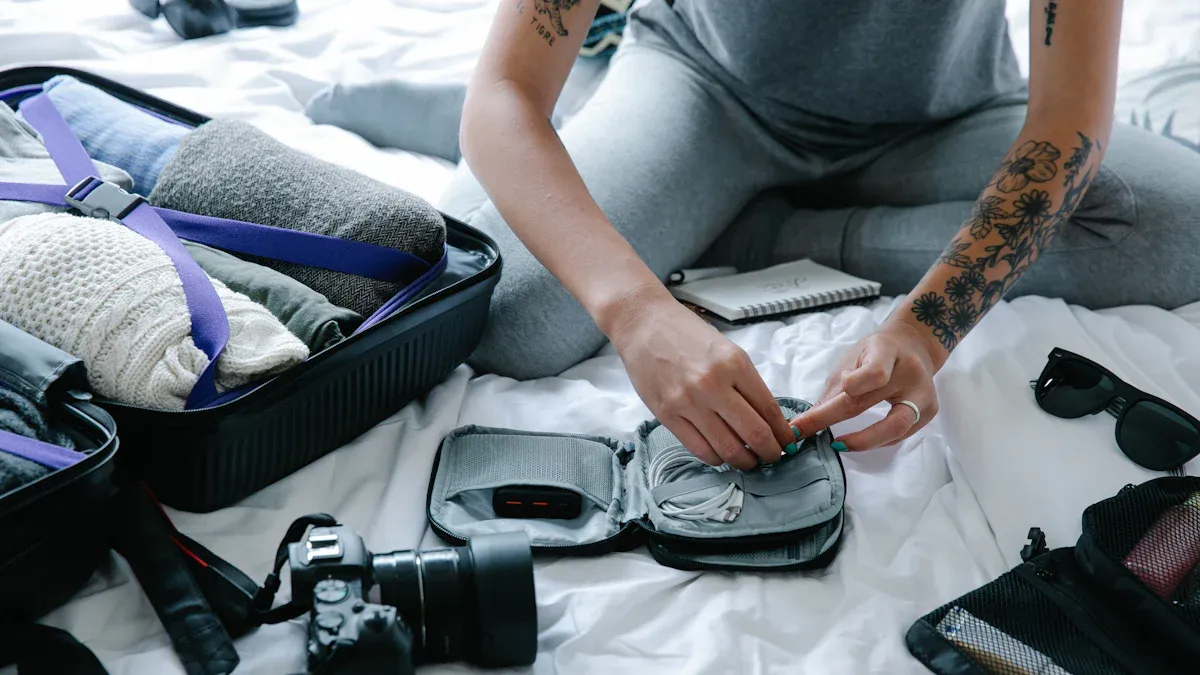
Packing your backpack the right way makes your hike smoother and safer. You want your pack to feel balanced and easy to carry. Let’s break down where to put your gear so you can grab what you need without digging through everything.
Bottom of Pack
Start with the items you won’t need until camp. Sleeping bags, sleeping pads, and camp clothes go at the very bottom. Use a dry bag to keep your sleeping gear safe from water. This keeps your essentials dry and out of the way during the day.
- Sleeping bag and sleeping pad (in a dry bag)
- Camp clothes
- Items you only use at night
Tip: Packing soft items at the bottom gives your pack a cushion and helps it sit comfortably on your hips.
Middle of Pack
The middle is the core of your backpack. Place heavier items here, close to your back. This helps you stay balanced and saves your shoulders from strain. Keep food, fuel, and your shelter in this section. If you use a bear canister for food, tuck it in the center. Split your water between two bottles on each side to keep your pack steady.
- Food (in a bear canister or bag)
- Cooking gear and fuel
- Shelter (tent or tarp in a dry bag)
- Water bottles (one on each side for balance)
Note: Pair up items with similar weights on each side. This keeps your pack from leaning and helps you walk straight.
Top of Pack
The top is for things you need often or in a hurry. Rain gear, snacks, first aid kit, and navigation tools should be easy to grab. Use outside pockets or the lid of your pack for these. Keep your map, compass, and headlamp handy.
- Rain jacket and insulation layer
- Snacks and lunch
- First aid kit
- Map, compass, or GPS
- Headlamp or flashlight
Quick Access: Use stuff sacks or small bags to group similar items. This way, you can find what you need fast, even if the weather changes suddenly.
A well-organized pack helps you hike longer and feel better on the trail. Try packing your bag at home and practice finding your gear. You’ll thank yourself later!
Packing Tips
Compression
You want to make the most of every inch in your backpack. Compression helps you save space and keeps your pack neat. Here’s how you can do it like a pro:
- Stuff, don’t fold. Push your sleeping bag and clothes into compression sacks. This keeps them fluffy and warm.
- Distribute the weight. Spread your gear out so your pack feels balanced.
- Tighten the straps on your compression sacks. Pull them evenly to squeeze out extra air.
- Pick a compression sack that is just a bit bigger than your gear. This gives you a snug fit.
- Don’t keep your gear compressed for too long. Let it breathe when you get home.
Tip: Tighten the side straps on your backpack after you pack. This pulls everything together and stops your gear from shifting.
Straps and Attachments
Straps and attachments help you carry extra gear without making your pack feel messy. You can use them in smart ways:
- Use elastic cords for soft items like jackets or hats.
- Choose static cords for heavy gear, such as snowshoes.
- Secure sleeping pads or bulky items with rear loops or straps.
- Try shovel pockets for quick access to things like extra layers.
- Clip gear to daisy chains with carabiners.
If your tent or sleeping pad won’t fit inside, strap it across the top of your pack. Keep heavy items close to your back and high up for better balance. This keeps you steady and stops your pack from swinging.
Quick Access
You don’t want to dig for your rain jacket when the sky opens up. Keep important items where you can grab them fast:
| Item | Where to Keep It |
|---|---|
| Snacks | Hip belt pockets |
| Map & Compass | Top lid or side pocket |
| First Aid Kit | Top of main compartment |
| Rain Gear | Outer pocket |
| Headlamp | Small top pocket |
Note: Practice packing at home. Try finding your gear with your eyes closed. If you can do it, you’re ready for anything!
Considerations
Weather
Weather can change fast when you hike for many miles. You need to pack for all kinds of conditions, even if the forecast looks good. Outdoor experts say you should always use a flexible packing strategy. Here are some tips to help you get ready for any weather:
- Pack clothes in layers. This lets you add or remove items as the temperature changes.
- Always bring a rain jacket or rain shell. Even a sunny day can turn stormy.
- Prepare for sudden weather changes, especially in the backcountry.
- Choose gear that dries quickly and keeps you warm when wet.
Tip: Check the weather before you leave, but always expect surprises. A smart hiker stays ready for anything!
Solo vs. Group
Packing changes if you hike alone or with friends. When you go solo, you carry everything yourself. You want your backpack to be light and easy to manage. A 36-liter pack works well for most solo hikers. Keep your main backpack organized and use a small day pack for things you need often.
- Plan your hike and tell someone your route.
- Carry enough food and water for emergencies.
- Watch the sunset times and know where you are on the trail.
- Stay on marked paths and watch for wildlife.
If you hike with a group, you can share some gear, like tents or cooking tools. This helps everyone carry less weight. Talk with your group before the trip to decide who brings what.
Safety Tools
You need the right tools to stay safe on a long distance hiking trip. Search and rescue teams recommend these items:
- Sturdy boots with ankle support
- Hiking poles for balance
- A strong backpack
- Headlamp with extra batteries
- Gloves for rough terrain
- GPS device for communication
- Enough water for the whole day
- Rain shell for sudden storms
Note: Test your safety gear before your trip. Make sure you know how to use everything. Good tools help you handle surprises and keep you safe.
Packing for a long-distance hike gets easier when you follow a few simple steps:
- Stick to the Rule of Three for clothing to keep your pack light.
- Pack your gear in layers so you can grab what you need fast.
- Adjust your straps and hip belt for comfort on the trail.
| Benefit | Why It Matters |
|---|---|
| Use a checklist | Helps you pack efficiently and remember essentials. |
| Practice packing | Makes packing feel natural and quick over time. |
Try these tips before your next adventure. You’ll feel ready, confident, and excited to hit the trail! 🥾🌄
FAQ
What size backpack should you use for a long-distance hike?
You want a backpack that holds 40–65 liters. This size gives you enough space for gear, food, and water. Try on different packs to find one that fits your body and feels comfortable.
How do you keep your food safe from animals?
Hang your food in a bear bag or use a bear canister. Store it at least 200 feet from your tent. Never keep snacks in your sleeping area. Animals have strong noses!
What should you do if your gear gets wet?
Take out wet items right away. Hang them in the sun or wind to dry. Use a dry bag for sleeping gear and clothes. Wet gear makes you cold and uncomfortable.
How much water should you carry each day?
Carry at least 2 liters of water. Drink often to stay hydrated. If you hike in hot weather, bring more. Use a filter or purification tablets to clean water from streams.
Can you pack electronics for your hike?
You can bring a phone, GPS, or camera. Use a waterproof case and a small power bank. Only pack what you need. Electronics add weight, so keep it simple.
See also
Ten Classic Hiking Trails Every Adventurer Should Experience
Top 25 Hiking Destinations to Explore Around the World
12 Most Beautiful Hiking Trails in the United States for 2025
Comments are closed