



How to Choose the Best Insulated Bags for Food Safety
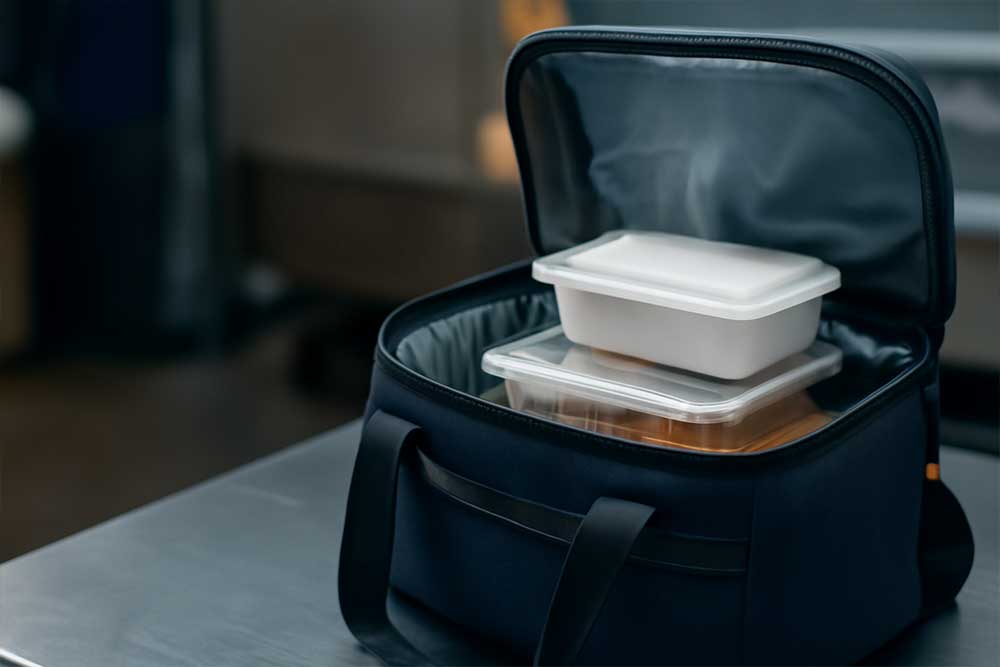
Choosing the best insulated bag for food safety means understanding how insulation, sealing, and design affect food temperature control, spoilage prevention, and convenience. A high-quality insulated bag helps keep cold foods below 40°F and hot foods above 140°F — the temperature ranges critical for food safety. In this guide, we break down the key features you should evaluate, explain how different materials and closures work, and show you how to match an insulated bag to your use case, whether that’s lunch, groceries, picnics, or catering.
Key Takeaways — Food Safety & Insulated Bag Selection
- Food safety depends on temperature: Keep cold foods below 40°F and hot foods above 140°F to prevent bacterial growth. :contentReference[oaicite:0]{index=0}
- Insulation matters: Strong insulation and reflective linings help maintain safe temperatures longer.
- Sealing is critical: Tight zippers and secure closures reduce air leaks and temperature loss.
- Size & organization: Choose bag sizes and compartments that fit your food and ice packs.
- Ice pack compatibility: Bags with dedicated pockets for ice packs or heat packs perform better.
- Maintenance & hygiene: Clean and dry bags thoroughly after every use to prevent odors, mold, and bacteria.
- Eco materials: Eco-friendly insulation and fabrics reduce environmental impact while maintaining performance.
Food Safety Basics
Risks of Poor Storage
You might think food stays safe as long as it looks fresh, but poor storage can cause big problems. When you leave food out too long or pack it in the wrong container, bacteria start to grow. These germs can make you sick, even if the food smells fine. If you use a regular bag instead of insulated bags, your lunch can warm up fast. That’s when trouble begins.
Here are some common risks you face with poor food storage:
- Food spoils quickly in warm temperatures.
- Harmful bacteria multiply and spread.
- You risk food poisoning, stomach aches, or worse.
Tip: Always check the temperature of your food before you eat. If it feels warm and it should be cold, play it safe and skip it.
The Danger Zone
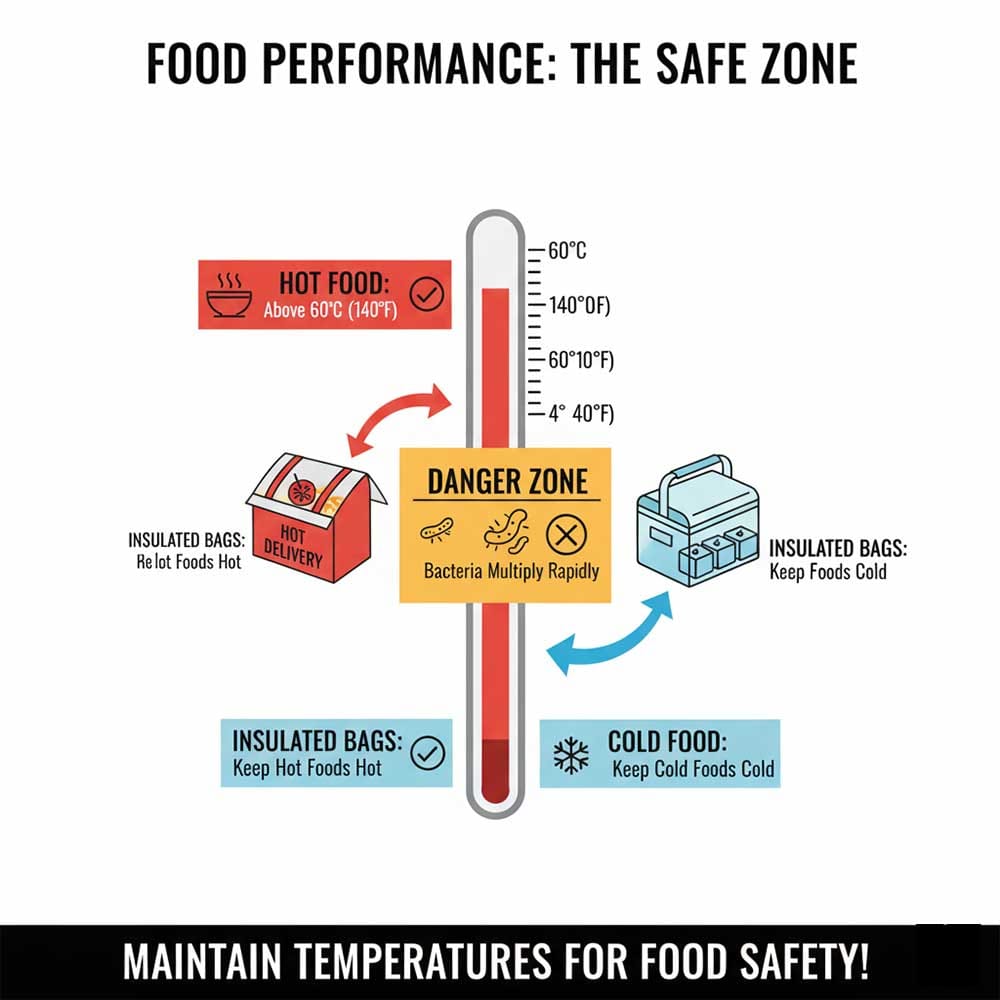
You might hear people talk about the “danger zone” for food. This means the temperature range where bacteria grow the fastest. The danger zone sits between 40°F and 140°F (4°C and 60°C). If your food stays in this range for more than two hours, it can become unsafe.
Here’s a quick table to help you remember:
| Temperature Range | What Happens? |
|---|---|
| Below 40°F | Food stays safe longer |
| 40°F – 140°F | Bacteria grow quickly |
| Above 140°F | Food can dry out |
You want to keep cold foods below 40°F and hot foods above 140°F. Insulated bags help you avoid the danger zone by keeping food at the right temperature.
Preventing Illness
You can stop foodborne illness by following a few simple steps. First, always wash your hands before packing or eating food. Next, use clean containers and make sure you seal them tightly. If you pack cold foods, add ice packs to keep them chilled. For hot foods, use containers that hold heat well.
Here’s what you can do:
- Pack food in insulated bags with ice packs or heat packs.
- Eat your food within two hours of packing, if possible.
- Clean your bag and containers after every use.
Note: If you ever feel unsure about your food’s safety, trust your instincts. It’s better to toss it than risk getting sick.
By following these steps, you keep your meals safe and tasty. You protect yourself and others from germs and illness. Food safety starts with smart choices and good habits.
Insulated Bags: Key Features
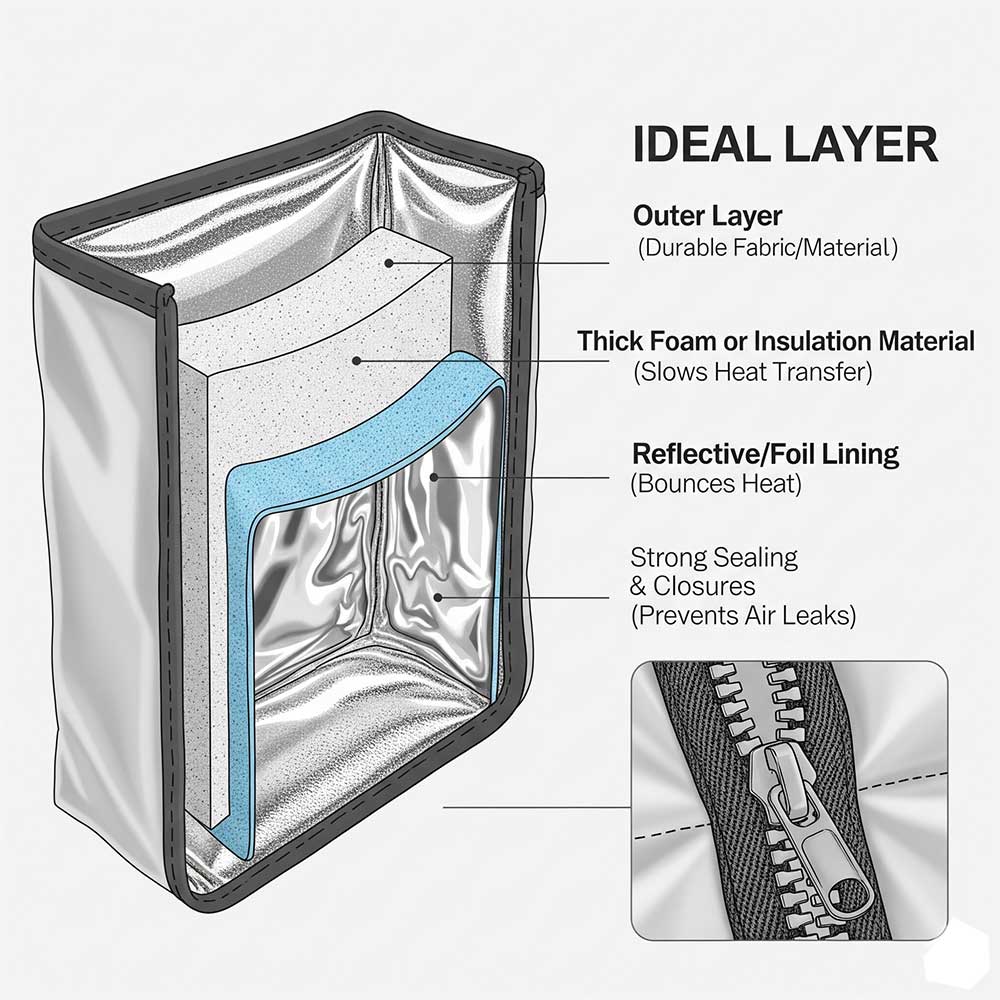
Insulation Materials
When you look for insulated bags, you want to know what keeps your food cold or hot. The material inside the bag makes a big difference. Some materials work better than others. Let’s break it down.
Foam vs. Alternatives
Most insulated bags use foam as the main layer. Foam traps air and slows down heat transfer. You might see polyurethane foam or polyethylene foam. These types keep your food at the right temperature for hours.
But foam is not the only option. Some bags use thick fabric, gel layers, or even recycled materials. These alternatives can work well, but they may not hold the temperature as long as foam. If you need your food to stay cold all day, foam usually wins.
Here’s a quick comparison:
| Material | Pros | Cons |
|---|---|---|
| Polyurethane Foam | Great insulation, lightweight | Can be bulky, not eco-friendly |
| Gel Layers | Flexible, reusable | Less effective for long trips |
| Thick Fabric | Durable, easy to clean | Not as good for extreme temps |
Tip: If you pack food for long trips or hot days, choose a bag with thick foam. For short trips, alternatives might work just fine.
Reflective Linings
You might notice a shiny, silver lining inside some insulated bags. This is a reflective lining. It works like a mirror for heat. The lining bounces heat away from your food or keeps warmth inside if you carry hot meals.
Reflective linings add another layer of protection. They help the foam or other materials do a better job. You get more time before your food enters the danger zone.
- Reflective linings are easy to wipe clean.
- They boost the bag’s ability to keep food safe.
- You find them in both budget and premium insulated bags.
Sealing and Closures
A good insulated bag needs a strong seal. If air gets in or out, your food warms up or cools down too fast. You want to look for bags with sturdy zippers, Velcro, or snap closures. Some bags even have double zippers for extra protection.
Here are some closure types you might see:
- Zippers: Most common and reliable. They keep air out and are easy to use.
- Velcro: Quick to open, but may not seal as tightly as zippers.
- Snaps or Buckles: Add extra security, but can be slower to open.
Note: Always check the seams and corners. Weak seams let air leak in, which can ruin your food’s temperature.
Size and Compartments
You want a bag that fits your needs. If you pack lunch for yourself, a small bag works best. If you bring snacks for a group, you need something bigger. Think about what you carry most often.
Some insulated bags have separate compartments. These help you keep cold foods away from hot foods. You can also use them to stop leaks or spills from spreading.
- Single compartment: Simple and roomy, good for big containers.
- Multiple compartments: Great for organizing snacks, drinks, and utensils.
- Expandable bags: Let you carry more when you need it.
Pro Tip: Measure your food containers before you buy a bag. Make sure everything fits without squishing your food.
Choosing the right features helps you keep your meals safe and tasty. When you know what to look for, you can pick insulated bags that match your lifestyle.
Ice Pack Compatibility
When you pick a bag for your lunch or groceries, you want to know if it works well with ice packs. Not every bag handles cold packs the same way. Some bags have special pockets for ice packs. Others just let you toss them in with your food. You need to think about how you use your bag and what you want to keep cold.
Here are some things to check before you buy:
- Dedicated Ice Pack Pockets: Some bags come with built-in sleeves or mesh pockets. These hold ice packs in place. Your food stays cool, and the packs do not slide around.
- Flat vs. Block Ice Packs: Flat ice packs fit better in slim bags. Block ice packs work best in larger coolers. Think about the shape of your bag and what fits inside.
- Removable Liners: Bags with removable liners make it easy to clean up spills from melting ice. You just take out the liner and wipe it down.
- Leak Resistance: Look for bags with leak-proof linings. Melted ice can make a mess if the bag does not seal well.
Tip: Place ice packs on top of your food, not just at the bottom. Cold air sinks, so this keeps everything chilled longer.
You also want to know how long your ice packs will last. The answer depends on the type of bag, the number of ice packs, and the outside temperature. Here is a quick guide:
| Bag Type | Ice Pack Placement | Cooling Time (Approx.) |
|---|---|---|
| Lunch Bag | 1-2 flat packs | 4-6 hours |
| Medium Cooler | 2-4 block packs | 8-12 hours |
| Large Cooler | 4+ block packs | 12-24 hours |
If you use insulated bags for school, work, or picnics, always check if your ice packs fit well. A snug fit means better cooling. Too much empty space lets warm air in and cool air out.
You can also boost your bag’s performance by pre-chilling it. Put the empty bag in the fridge or freezer for a few minutes before packing. This simple step helps your ice packs last longer.
Note: Never use loose ice cubes in your bag. They melt fast and can leak everywhere. Stick with sealed ice packs for the best results.
Choosing a bag with good ice pack compatibility keeps your food safe and fresh. You get peace of mind, and your meals stay out of the danger zone.
Types of Insulated Bags
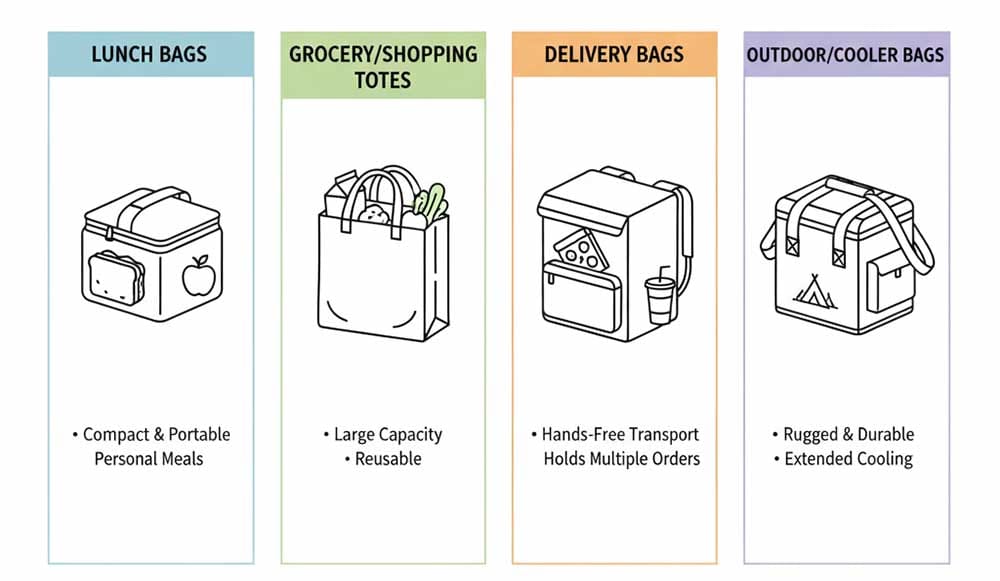
Lunch Bags
Lunch bags are the go-to choice for everyday meals. You see them everywhere—at school, work, or on a quick outing. These bags keep your food fresh and safe until you’re ready to eat.
Portability
You want a lunch bag that’s easy to carry. Most lunch bags come with handles or shoulder straps. Some even fit inside backpacks. You can grab one and head out the door without any hassle.
- Lightweight design makes it simple to carry.
- Compact size fits in lockers, desks, or car seats.
- Many lunch bags fold flat when empty, saving space.
Tip: If you walk or bike to school, pick a lunch bag with a sturdy handle or a strap. It won’t slip or bounce around.
Cooling Duration
Lunch bags keep your food cool for a few hours. You can use ice packs to boost their cooling power. Most lunch bags hold temperature for about 4 to 6 hours, which works for school or workdays.
Here’s a quick look at cooling times:
| Lunch Bag Type | Cooling Duration (with ice pack) |
|---|---|
| Basic Lunch Bag | 3-4 hours |
| Premium Lunch Bag | 5-6 hours |
| Double-Layered Bag | Up to 7 hours |
If you need your food to stay cold longer, choose a bag with thicker insulation. Always check if your lunch bag has a spot for ice packs. That makes a big difference.
Coolers
Coolers are bigger and tougher than lunch bags. You use them for picnics, camping, or road trips. They hold more food and keep it cold for much longer.
Capacity
You want a cooler that fits everything you need. Coolers come in many sizes. Small coolers work for snacks and drinks. Large coolers hold meals for a whole group.
- Small coolers: Great for two or three people.
- Medium coolers: Perfect for family outings.
- Large coolers: Best for parties or long trips.
Here’s a table to help you choose:
| Cooler Size | Capacity (Cans) | Best Use |
|---|---|---|
| Small | 6-12 | Day trips, snacks |
| Medium | 20-36 | Family picnics |
| Large | 40+ | Camping, parties |
Note: Always check the cooler’s measurements before you buy. Make sure it fits in your car or storage space.
Hot Weather Performance
Coolers shine in hot weather. You want your drinks and food to stay cold, even when the sun is blazing. Thick insulation and tight seals help coolers fight off heat.
- Premium coolers keep ice frozen for up to 24 hours.
- Some coolers have UV-resistant shells. These block sunlight and keep the inside cooler.
- Double-lid designs trap cold air better.
If you plan to spend time outdoors, pick a cooler with extra insulation. You’ll keep your food safe and your drinks icy.
Thermal Boxes
Thermal boxes are the heavy-duty option. You use them for catering, food delivery, or big events. These boxes keep food hot or cold for hours, sometimes even a whole day.
- Rigid walls protect food from bumps and drops.
- Thick insulation keeps temperature steady.
- Many thermal boxes have stackable designs for easy transport.
You might see thermal boxes at parties or restaurants. They work well for large orders or when you need to move lots of food at once. Some models have built-in temperature gauges, so you always know your food is safe.
Pro Tip: If you deliver food or host events, thermal boxes give you peace of mind. Your meals arrive fresh and safe, no matter the distance.
You have many choices when it comes to insulated bags. Lunch bags work for daily use. Coolers handle bigger jobs and tough weather. Thermal boxes step up for serious food transport. Pick the one that fits your needs and keeps your food out of the danger zone.
Hybrid Models
Sometimes you want a bag that does more than one thing. Hybrid models let you carry both hot and cold food. These bags mix features from lunch bags, coolers, and thermal boxes. You get many good things in one bag.
Hybrid insulated bags have parts you can move around. You can change the size of the spaces inside. This helps you fit big or small containers. Some bags let you carry hot food and cold food at the same time. You might have a spot for drinks and another for snacks. Each part has its own insulation.
Here are some things you might find in hybrid models:
- Dual Temperature Zones: You can keep soup hot and fruit cold in one bag.
- Removable Inserts: You can take out trays or liners to clean them.
- Expandable Sides: You can make the bag bigger or fold it flat.
- Multiple Carry Options: You can use handles, shoulder straps, or backpack straps.
Tip: Hybrid models are great if you pack food for different people or want to keep things separate.
Hybrid bags are good for busy families or delivery drivers. They also help if you want more choices. You can use them for picnics, school, or trips. These bags help you stay neat and keep food safe.
Here is a table to show how hybrid models compare to other bags:
| Feature | Lunch Bag | Cooler | Thermal Box | Hybrid Model |
|---|---|---|---|---|
| Portability | High | Medium | Low | High |
| Temperature Control | Moderate | High | Very High | High |
| Compartment Options | Few | Some | Many | Many |
| Flexibility | Low | Medium | Low | Very High |
Hybrid models give you more ways to use your bag. You do not have to pick just one kind. You get a bag that fits what you need.
Eco-Friendly Trends
You want to help the earth. Many brands now make eco-friendly insulated bags. These bags use recycled stuff, plant fabrics, or natural fibers. You help the planet when you pick these bags.
Eco-friendly bags often use recycled polyester or organic cotton. Some brands use plant-based insulation instead of foam. You might see bamboo linings or cork handles. These materials break down faster and use less energy.
Here are some eco-friendly features you might see:
- Recycled Fabrics: Old plastic bottles turn into new bag linings.
- Biodegradable Insulation: Plant layers keep food cold and break down safely.
- Reusable Designs: Strong bags last a long time, so you buy less.
- Minimal Packaging: Brands use less plastic and more paper to ship bags.
🌱 When you pick eco-friendly bags, you use less plastic and help green companies.
Eco-friendly insulated bags work as well as regular ones. You still get strong insulation, tight seals, and easy cleaning. You also feel good because you made a smart choice for the earth.
If you want to follow new trends, look for bags with labels like Global Recycled Standard (GRS) or OEKO-TEX. These labels mean the bag meets tough earth-friendly rules.
You can find eco-friendly bags in all sizes, from lunch bags to big coolers. Next time you shop, check the label and ask about the materials. You help the planet and keep your food safe too.
Cooling Duration Factors
How long does your insulated bag keep food cold? That depends on a few things. You want to know what to expect before you pack your lunch or snacks. Let’s break down the main factors that affect cooling time.
Typical Retention Times
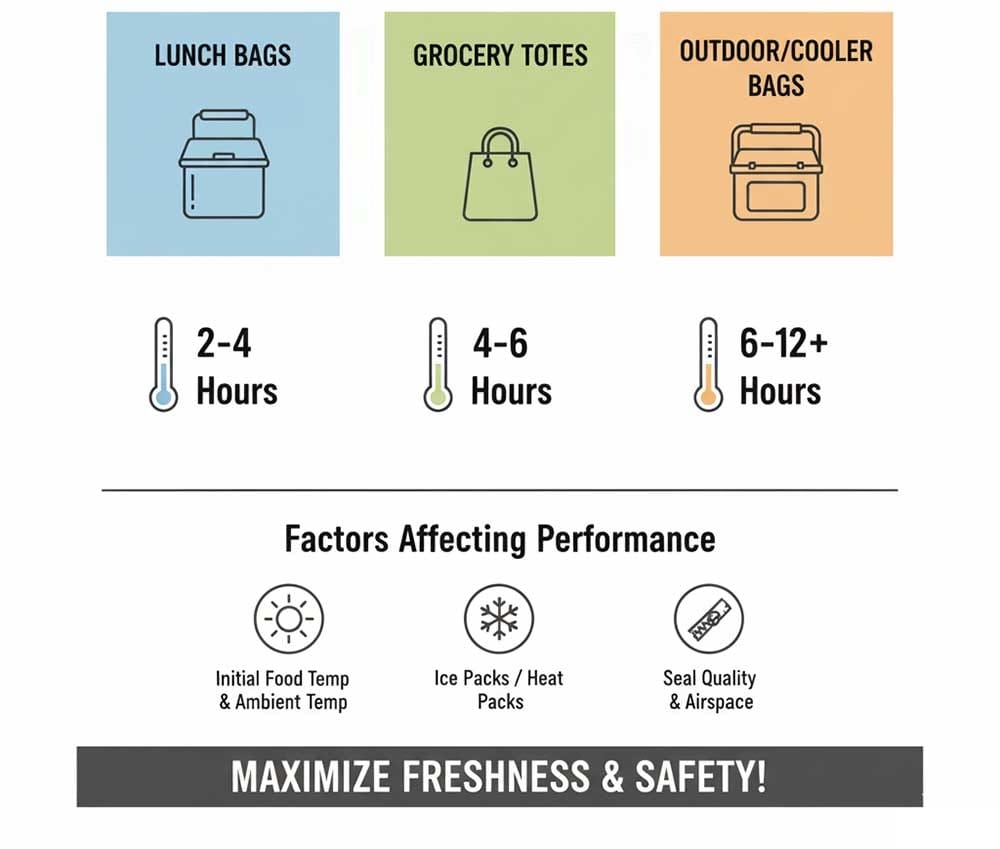
Standard vs. Premium
Not all insulated bags work the same. Some bags use basic materials and thin linings. Others use thick foam and special layers. You get what you pay for.
| Bag Type | Cooling Time (with ice packs) |
|---|---|
| Standard Bag | 2-4 hours |
| Premium Bag | 6-12 hours |
Standard bags work for short trips or school lunches. Premium bags keep food cold for a whole day. If you need longer cooling, look for bags with extra insulation and tight seals.
Ambient Temperature Impact
The weather outside changes everything. Hot days make your bag work harder. Cold days help your bag keep food safe longer.
- On a hot summer day, your ice packs melt faster.
- In cool weather, your bag holds the chill much longer.
Tip: If you plan to be outside in the heat, use more ice packs or pick a premium bag.
Extending Cooling
You can make your bag keep food cold even longer. Try these tricks to boost performance.
Ice Packs
Ice packs are your best friend. They keep food out of the danger zone. Use flat ice packs for lunch bags and block ice packs for coolers.
- Place ice packs on top of your food. Cold air sinks and cools everything below.
- Use more than one ice pack for bigger bags.
Pre-Cooling
You can chill your bag before you pack it. Put the empty bag in the fridge or freezer for 30 minutes. This step helps your ice packs last longer.
- Pre-chill your food and drinks too.
- Cold food stays cold longer than room temperature food.
Note: Never use loose ice cubes. They melt fast and can leak everywhere.
Wear and Tear
Old bags do not work as well as new ones. Over time, the insulation breaks down. Seams can split and zippers may not close tight.
- Check your bag for cracks or holes.
- Replace bags with worn linings or broken seals.
A well-kept bag keeps your food safe. Take care of your bag and it will take care of your lunch!
Food Performance
Liquids vs. Solids
You probably pack both drinks and snacks in your insulated bag. Liquids and solids act differently when you try to keep them cold or hot. You need to know how each type of food behaves so you can keep everything safe and tasty.
Density and Behavior
Liquids like soup, juice, or yogurt have more water. They change temperature faster than solids. If you put a cold drink in your bag, it warms up quicker than a sandwich. Solids like cheese, fruit, or bread hold their temperature longer. You get better results when you pack dense foods close together.
Here’s a quick table to show how liquids and solids perform:
| Food Type | Temperature Change | Risk Level | Packing Tip |
|---|---|---|---|
| Liquids | Fast | High | Use leak-proof jars |
| Solids | Slow | Low | Pack tightly |
Tip: Always use sealed containers for liquids. You don’t want spills in your bag!
Container Materials
The type of container you use matters. Some materials keep food cold or hot longer. Others make your food warm up fast. You want to pick the right container for each meal.
Stainless Steel vs. Plastic
Stainless steel containers work best for keeping food hot or cold. They have strong walls and good insulation. You can use them for soup, pasta, or leftovers. Plastic containers are lighter and cheaper. They work for snacks, sandwiches, or fruit. Plastic does not hold temperature as well as steel.
Here’s a comparison:
| Material | Insulation | Durability | Safety | Best For |
|---|---|---|---|---|
| Stainless Steel | Excellent | High | No chemicals | Hot/cold meals |
| Plastic | Fair | Medium | May leach | Dry snacks |
Note: If you want to keep food hot for hours, pick stainless steel. For short trips, plastic works fine.
Packing Tips
You want your food to stay fresh and safe. Packing your bag the right way helps a lot. Try these easy tips:
- Chill or heat your food before you pack it.
- Put ice packs on top of cold foods. Cold air sinks and keeps everything cool.
- Use separate containers for wet and dry foods.
- Fill empty spaces with napkins or utensils. This stops food from moving and spilling.
- Always close lids tightly. Loose lids let air in and ruin your meal.
🍎 Packing smart keeps your lunch tasty and safe. You get better results every time!
If you follow these tips, you keep your food out of the danger zone. You enjoy your meal, and you stay healthy.
Safety Tips
Avoiding the Danger Zone
You want to keep your food safe, so you need to avoid the danger zone. The danger zone is the temperature range where bacteria grow fast—between 40°F and 140°F. If your food sits in this range for more than two hours, it can make you sick.
Here’s how you can stay out of the danger zone:
- Pack cold foods with ice packs to keep them below 40°F.
- Use insulated bags with tight seals to block warm air.
- Eat hot foods while they’re still steaming. If you pack soup or leftovers, use a thermal container.
- Don’t leave your bag in a hot car or direct sunlight.
Tip: Always check your food’s temperature before you eat. If it feels warm and it should be cold, play it safe and skip it.
Using Cooling Aids
Cooling aids help you keep food fresh and safe. You have a few options, and each one works a little differently.
Types of Cooling Aids:
| Cooling Aid | How It Works | Best Use |
|---|---|---|
| Ice Packs | Absorb heat | Lunch bags, coolers |
| Gel Packs | Stay cold longer | Long trips |
| Frozen Bottles | Double as drinks | Picnics, outings |
You can use more than one cooling aid for extra power. Place ice packs on top of your food because cold air sinks. If you use gel packs, make sure they fit snugly in your bag. Frozen water bottles work well for drinks and keep snacks cool at the same time.
🧊 Pro Tip: Pre-chill your bag and food before packing. This simple step helps your cooling aids last longer.
Maintenance
You want your insulated bag to last and keep working well. Regular maintenance makes a big difference.
Easy Maintenance Steps:
- Wipe the inside of your bag after each use. Use a damp cloth or mild soap.
- Let your bag air dry before you store it. This stops mold and bad smells.
- Check the seams and zippers. If you see cracks or loose threads, fix them right away.
- Wash removable liners in warm water. Dry them completely before putting them back.
- Store your bag in a cool, dry place. Avoid leaving it in the sun or a damp spot.
Note: If your bag starts to smell or look dirty, give it a deep clean. A fresh bag keeps your food safe and tasty.
Taking care of your insulated bag helps you avoid problems. You get better performance, and your meals stay safe every time you pack.
Usage Guidelines
You want your insulated bag to work its best every time you pack a meal. Using it the right way helps keep your food safe and fresh. Let’s walk through some simple steps and smart habits you can follow.
1. Pack Smart
- Always chill or heat your food before you put it in the bag.
- Use ice packs for cold foods and thermal containers for hot meals.
- Fill empty spaces with napkins or utensils to stop food from moving around.
- Keep wet and dry foods in separate containers.
2. Seal Everything Tight
You need to close lids and zippers all the way. Loose lids let air in and ruin your food’s temperature. Double-check that every container is sealed before you leave home.
Tip: If you hear a click or snap when you close your container, you know it’s locked tight.
3. Store Your Bag Wisely
Don’t leave your insulated bag in a hot car or direct sunlight. Heat makes your ice packs melt faster and can push your food into the danger zone. Find a cool, shady spot for your bag whenever you can.
4. Eat Within Safe Time Limits
Try to eat your food within two hours of packing. If you need to wait longer, use extra ice packs or a premium insulated bag. The longer food sits, the higher the risk of spoilage.
5. Clean Up After Every Use
Wipe down the inside of your bag with a damp cloth. Wash removable liners and let everything air dry. A clean bag keeps germs away and helps your food taste better.
Common Mistakes to Avoid
| Mistake | Why It’s Risky | What To Do Instead |
|---|---|---|
| Packing warm food cold | Speeds up spoilage | Chill food first |
| Using loose ice cubes | Causes leaks and mess | Use sealed ice packs |
| Overfilling the bag | Squishes food, leaks | Leave a little space |
| Ignoring broken seals | Lets air in, warms food | Fix or replace bag |
Quick Checklist Before You Go:
- ✅ Food is chilled or heated
- ✅ Containers are sealed
- ✅ Ice packs are in place
- ✅ Bag is clean and dry
- ✅ You know when you’ll eat
🍱 Following these guidelines helps you enjoy safe, tasty meals wherever you go. You protect yourself and others from foodborne illness. Smart habits make every lunch a good one!
Innovations in Insulated Bags
Eco-Friendly Materials
You want to help the planet, so you look for products that are good for the earth. Many companies now make insulated bags with eco-friendly materials. You see recycled plastics, organic cotton, and bamboo fibers in new bag designs. These materials break down faster and use less energy. Some brands use plant-based insulation instead of foam. You get strong temperature control and help the environment too.
Here are some popular eco-friendly choices:
- Recycled polyester: Old water bottles turn into new bag linings.
- Organic cotton: Grows without harmful chemicals.
- Bamboo fibers: Soft, strong, and renewable.
- Biodegradable insulation: Made from plants, not petroleum.
🌱 Tip: Look for labels like “Global Recycled Standard” or “OEKO-TEX” when you shop. These labels show the bag meets strict green rules.
Eco-friendly insulated bags work as well as regular ones. You keep your food safe and feel proud of your choice.
Advanced Insulation
You want your food to stay cold or hot for a long time. New insulation technology helps make this happen. Some bags use nanotechnology to trap heat or cold better than foam. You see multi-layer designs with reflective linings and gel packs. These layers slow down temperature changes and keep your food safe.
Check out this table to compare insulation types:
| Insulation Type | How It Works | Cooling Power |
|---|---|---|
| Nanotech Layers | Tiny particles block heat | High |
| Gel Packs | Absorb and release cold | Medium |
| Reflective Linings | Bounce heat away | Medium |
| Plant-Based Foam | Trap air, eco-friendly | High |
Note: Bags with advanced insulation cost more, but you get longer cooling times and better food safety.
You can find these features in lunch bags, coolers, and thermal boxes. If you need food to stay fresh all day, try a bag with advanced insulation.
Smart Features
You want your bag to be easy and safe to use. New insulated bags come with smart features that help you every day. Some bags have built-in temperature sensors. You check the temperature quickly and know your food is safe. Other bags have smart compartments. You keep hot and cold foods separate, and each part has its own insulation.
Here are some smart features you might like:
- Temperature sensors: Show if your food is in the safe zone.
- App connectivity: Track temperature on your phone.
- Removable liners: Easy to clean and replace.
- Expandable compartments: Fit more food or drinks.
🕹️ Pro Tip: If you deliver food or travel a lot, smart features help you avoid spoilage and keep meals fresh.
You see new ideas every year. Companies listen to what you want and add features to make insulated bags safer and easier to use.
Future Trends
You might wonder what’s next for insulated bags. The world keeps changing, and so do the products you use every day. Companies listen to your needs and look for ways to make bags safer, smarter, and greener. Let’s peek at some exciting trends you’ll see soon.
1. Smarter Technology
You’ll see more bags with built-in tech. Imagine a bag that tells you if your food is safe. Some new models use Bluetooth sensors. You check the temperature on your phone. You get alerts if your lunch gets too warm. This helps you avoid the danger zone and keeps your food fresh.
2. Sustainable Materials
Eco-friendly bags keep growing in popularity. You want products that help the planet. Brands now use recycled plastics, plant fibers, and biodegradable foam. Some bags even use mushroom-based insulation! These materials break down faster and use less energy. You help the earth every time you pack your lunch.
3. Customizable Compartments
You want a bag that fits your life. Future bags will let you change the inside layout. You move dividers, add pockets, or expand sections. This makes it easy to pack hot soup and cold drinks together. You keep everything organized and safe.
4. Longer Cooling and Heating
New insulation technology keeps food cold or hot for even longer. You’ll see bags with multi-layer nanotech, vacuum panels, and advanced gels. Some bags promise to keep ice frozen for two days! You can take longer trips and worry less about spoilage.
5. Sleeker Designs
You care about style as much as safety. Future insulated bags look modern and sleek. You’ll find bold colors, fun patterns, and slim shapes. Some bags fold flat when empty. Others turn into backpacks or totes. You get more choices to match your taste.
🚀 Tip: Watch for bags with smart sensors and eco labels. These features show you’re getting the latest in safety and sustainability.
Here’s a quick table of future features you might see:
| Trend | What It Means for You |
|---|---|
| Smart Sensors | Real-time safety alerts |
| Eco Materials | Lower carbon footprint |
| Custom Compartments | Flexible packing options |
| Advanced Insulation | Longer temperature control |
| Modern Designs | Stylish and practical |
You shape the future with your choices. When you ask for safer, greener, and smarter bags, companies respond. You get better products and help protect your health and the planet. The next time you shop for an insulated bag, look for these trends. You’ll stay ahead and keep your food safe.
You want to keep your food safe and fresh, so focus on the right insulated bags. Here’s a quick checklist to help you choose:
- Strong insulation
- Secure sealing
- Room for ice packs
- The right bag type for your needs
- New features or smart tech
Pick what fits your routine. Try new designs if you want extra safety or style. Your choice makes every meal safer.
FAQ
How do I know if my insulated bag is working?
You can check the temperature inside your bag with a food thermometer. If your cold food stays below 40°F or hot food above 140°F, your bag works well. If not, you might need better insulation or more ice packs.
Can I put my insulated bag in the washing machine?
Most insulated bags need hand washing. You should wipe the inside with a damp cloth and mild soap. Some bags have removable liners you can wash. Always check the care label before cleaning.
What’s the best way to pack ice packs?
Place ice packs on top of your food. Cold air sinks and keeps everything cool. Use flat ice packs for lunch bags and block ice packs for coolers. Make sure the packs fit snugly to avoid warm spots.
How long can food stay safe in an insulated bag?
Cold food usually stays safe for 2 to 6 hours, depending on insulation and ice packs. Hot food lasts about 2 to 4 hours. Eat your meal as soon as possible for best safety.
Are eco-friendly insulated bags as effective as regular ones?
Eco-friendly bags work just as well as regular bags if they use quality insulation. Look for recycled materials and plant-based foam. You help the planet and keep your food safe at the same time.
Can I use loose ice cubes instead of ice packs?
Loose ice cubes melt quickly and can leak. You should use sealed ice packs or frozen gel packs. These keep your food cold longer and prevent messy spills.
What foods should I avoid packing in insulated bags?
You should avoid packing foods that spoil fast, like raw fish or dairy, unless you have strong insulation and plenty of ice packs. Always pack foods that travel well and stay safe at cool temperatures.
Do insulated bags keep drinks hot or cold?
Yes! Insulated bags work for both hot and cold drinks. Use a thermal bottle for best results. Make sure you seal the lid tightly to keep your drink at the right temperature.
The Complete Handbook on PVC Fabric for Bags and Its Modern Uses
Koozies Explained: Materials, Styles, and Benefits
Why the Fanny Pack Continues to Adapt and Thrive in Today’s Fashion
Smell-Proof Bags Explained: How They Work and What to Look For
Comments are closed