



A Step by Step Guide to Picking the Best Kayak for Your Needs
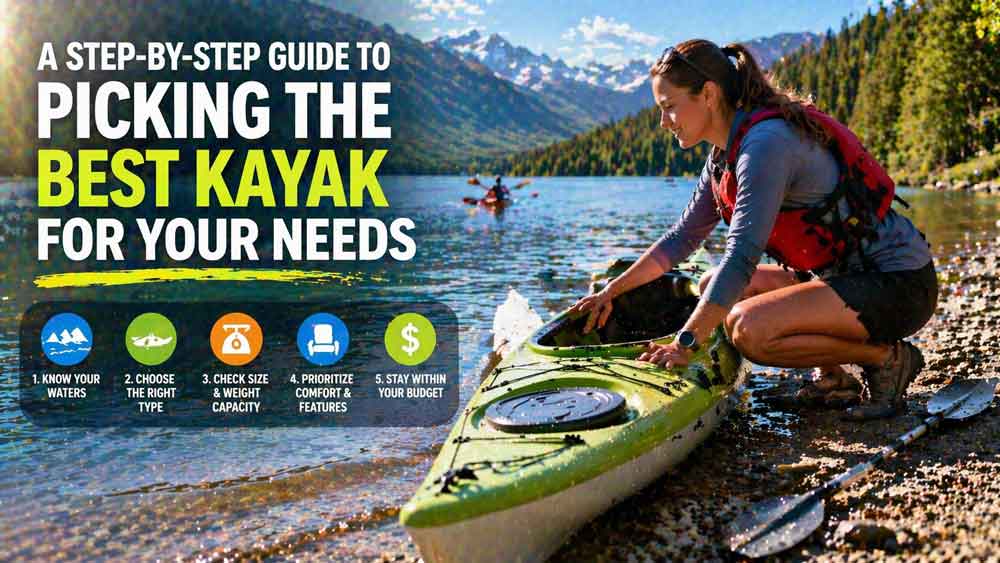
Picking the best kayak can feel confusing, but you can make the right choice with a little guidance. Start by thinking about where you want to paddle and what makes you comfortable. Choosing the right kayak means matching the kayak to your style, your body, and your favorite spots. You want a kayak that feels good and works for your adventures. Trust yourself—you know what you need. With the right kayak, you’ll enjoy every trip on the water.
Key Takeaways
- Think about where you will paddle. Pick a kayak that works for lakes, rivers, coasts, or mixed waters. This helps you have a better time.
- Look at different kayak types. Recreational kayaks are good for new paddlers. Touring kayaks are faster and have more space for long trips.
- Check how much weight the kayak can hold. Make sure it can carry you and your gear. This keeps the kayak steady and easy to control.
- Try out different kayaks for comfort. Sit in them to see which one fits your body and how you paddle. Do this before you buy one.
- Decide how much money you want to spend. Learn the prices for each kayak type. This helps you pick the right one and not spend too much.
Choosing the Right Kayak for Your Environment
You want to start by thinking about where you’ll spend most of your time paddling. The environment shapes your experience and helps you decide what features matter most. Outdoor experts recognize four main types of kayaking environments. Here’s a quick look:
| Environment Type | Description |
|---|---|
| Lakes | Local lakes suitable for recreational kayaking. |
| Rivers | Stable and sturdy crafts for floating on rivers, not including technical rapids. |
| Coasts | Areas affected by wind, waves, and tides, requiring specific kayak types. |
| Mixed Waters | Combines features from lakes, rivers, and coasts for versatile paddling. |
Lakes
If you love calm water and easy paddling, lakes are perfect for you. Choosing the right kayak for lakes means focusing on stability and comfort. Wide kayaks with flatter hulls help you stay balanced, especially if you’re new to kayaking. You’ll find recreational kayaks are lightweight and easy to carry. They turn quickly and make paddling feel simple. Touring kayaks with long, sleek hulls let you cover more distance if you want to explore bigger lakes.
- Wide hulls give you great balance.
- Lightweight kayaks are easy to move and store.
- Long touring kayaks glide smoothly for longer trips.
You can relax and enjoy the scenery. You don’t need to worry about strong currents or waves. Choosing the right kayak for lakes is all about making your paddling fun and stress-free.
Rivers
Rivers offer a different adventure. You need a kayak that handles moving water and stays steady. When you’re choosing the right kayak for rivers, look for sturdy designs that help you float safely. Shorter kayaks turn easily, which is important when you need to avoid rocks or branches. Stability matters, so pick a kayak that feels solid.
Safety Tip: Always wear a personal flotation device. Learn self-rescue techniques. Avoid rough weather and stay clear of boat traffic.
- Short kayaks turn fast in tight spots.
- Stable designs keep you upright in choppy water.
- Durable materials handle bumps and scrapes.
Choosing the right kayak for rivers means you can enjoy the flow and stay safe. You’ll feel confident as you paddle downstream.
Coasts
Coastal paddling brings waves, wind, and tides. You need a kayak built for these challenges. Choosing the right kayak for coasts means looking for special features. Long, narrow hulls track straight through waves. Rudders and skegs help you steer when the wind picks up. Enclosed cockpits keep you dry from splashing water. Wide paddle kayaks give you extra stability if you want to fish or explore.
| Design Feature | Description |
|---|---|
| Hull Shape | Long, narrow hulls track straight through waves. |
| Rudders/Skegs | Help you steer in wind or current. |
| Cockpit Design | Enclosed cockpits protect you from splashing water. |
| Stability | Wide paddle kayaks add stability for fishing or casual exploration. |
| Rocker | Higher rocker helps the kayak crest oncoming waves. |
| Profile | Narrow, V-shaped profile cuts through rough water. |
| Length | Longer than freshwater kayaks, helps with speed but less maneuverability. |
Ocean kayaks have a higher rocker and a narrow, V-shaped profile. This design lets you crest waves and cut through rough water. You move quickly and efficiently, even when conditions get tough. Choosing the right kayak for coasts helps you stay safe and enjoy every moment.
Mixed Waters
Sometimes you want a kayak that works everywhere. Mixed waters combine lakes, rivers, and coasts. Choosing the right kayak for mixed waters means finding a balance. Longer kayaks track straight and glide well for lake paddling. Shorter kayaks turn fast, which helps in rivers. Wider kayaks give you stability, especially if you carry extra gear. Narrower kayaks move faster but need more balance.
| Feature | Description |
|---|---|
| Length | Longer kayaks track straight and glide efficiently for lakes and tours. Shorter kayaks are agile for rivers. |
| Width | Wider kayaks offer stability. Narrower kayaks are faster. |
| Capacity | Check weight capacity to avoid overloading. |
| Specialized Features | Storage for fishing or camping gear. |
| Seating Systems | High-back seats support your back. Adjustable seats let you customize comfort. |
- Material affects durability and weight.
- Heavier kayaks are stable. Lighter ones are easy to carry.
- Seat comfort matters for long paddling sessions.
Choosing the right kayak for mixed waters lets you explore different places. You get the freedom to paddle wherever you want. You can enjoy lakes, rivers, and coasts with one kayak that fits your needs.
Types of Kayaks and Categories
Sit-on-top vs. Sit-in
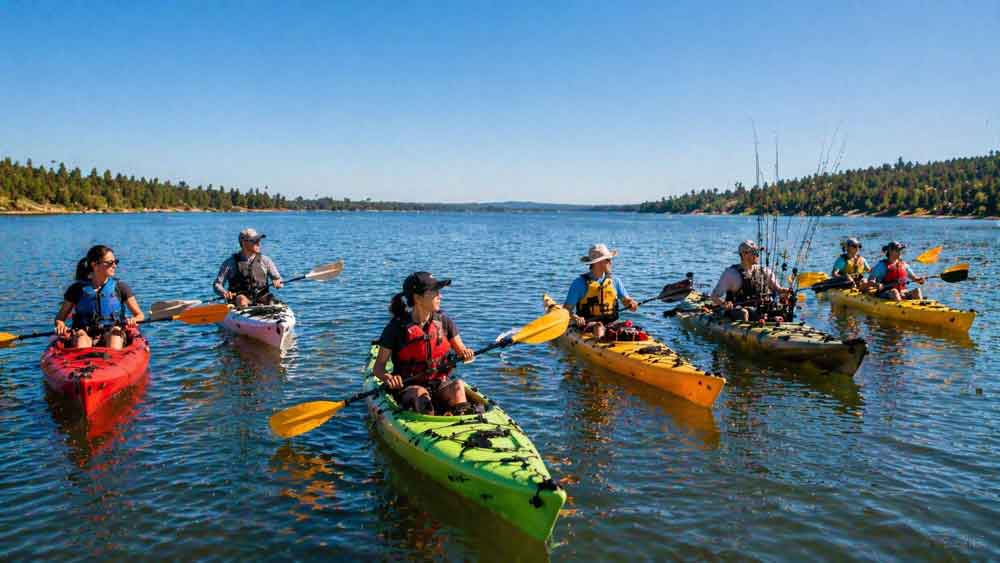
You’ll see two main types when you start shopping for a kayak: sit-on-top and sit-in. Each style has its own feel and purpose. Sit-on-top kayaks have an open deck. You sit right on top, which makes it easy to get in and out. Water can splash over the deck, but scupper holes let it drain away. These kayaks work well for warm weather, fishing, or if you want to jump in for a swim.
Sit-in kayaks have a closed cockpit. You slide your legs inside, which keeps you drier and warmer. The design gives you a lower center of gravity. This means you get more stability and efficiency. Sit-in kayaks are usually narrower, so they move through the water with less effort. You also connect better with the kayak, using your knees and hips to control it. If you want to paddle longer distances or in cooler weather, you’ll like the comfort and performance of a sit-in.
Tip: If you want a kayak for beginners, try both types at a local shop or rental. You’ll quickly feel which one fits your style.
Recreational Kayaks
Recreational kayaks are the most popular choice for families and casual paddlers. You’ll love these if you want easy, fun trips on calm water. These kayaks are short and wide, so they feel stable and safe. You don’t need special skills to use them. Most recreational kayaks have large cockpits, making it simple to get in and out. They’re also affordable, so you can start paddling without a big investment.
You’ll find recreational kayaks perfect for lakes, slow rivers, and gentle streams. If you want a kayak for beginners, this is a great place to start. You can even find tandem models if you want to paddle with a friend or family member.
Day Touring Kayaks
Day touring kayaks give you more speed and control than recreational models. They’re a bit longer and narrower, which helps you glide through the water. You’ll notice they track straighter and handle wind or small waves better. These kayaks often have extra storage for snacks, water, or a camera.
Here’s a quick comparison to help you see the difference:
| Feature | Touring Kayaks | Recreational Kayaks |
|---|---|---|
| Design | Longer and narrower for speed and tracking | Shorter and wider for stability |
| Functionality | Better for navigating extreme conditions | Suited for calm waters |
| Storage | More water-tight storage options | Limited storage |
| Stability | Requires more balance due to narrow design | More stable and easier to handle |
| Features | Often includes rudders or skegs for control | Basic features |
Day touring kayaks balance speed and stability. You can use them for longer trips on lakes or rivers. If you want to explore new places or paddle a little farther, you’ll enjoy this type.
Touring Kayaks
Touring kayaks are built for adventure. You’ll see these on long-distance trips, sometimes over several days. They’re longer than day touring models, usually over 11 feet. The sleek shape helps you move fast and cover more water with less effort. You get lots of storage for camping gear, food, and clothes.
Touring kayaks are usually sit-in. You use your whole body to paddle, which gives you more power and control. These kayaks work well on big lakes, rivers, and even coastal waters. If you dream about overnight trips or exploring far from shore, a touring kayak is your best friend.
- Touring Kayaks:
- Length: Over 11 feet for better glide.
- Design: Streamlined for speed.
- Storage: Ample space for multi-day gear.
- Day Touring Kayaks:
- Length: 13 to 16 feet, balancing efficiency.
- Design: Lighter and more stable than touring kayaks.
You’ll find touring kayaks perfect for paddlers who want to go the distance.
Specialty Kayaks
Some kayaks are made for special adventures. If you love fishing, you’ll find kayaks with rod holders, tackle storage, and mounting systems for electronics. These features keep your gear organized and make fishing trips easy.
If you want to try whitewater paddling, look for playboats or creekboats. Playboats turn quickly and handle fast rapids. Creekboats are longer and can handle both rough and calm water. You can also find tandem kayaks for two paddlers. Tandem models are great for families, friends, or anyone who wants to share the fun.
Here are some specialty types you might see:
- Fishing kayaks: Rod holders, tackle storage, and mounts for fish finders.
- Whitewater playboats: Short, maneuverable, and built for rapids.
- Whitewater creekboats: Longer, handle both fast and calm water.
- Tandem kayaks: Two seats for double the adventure.
You can match the types of kayaks to your favorite activities. There’s a kayak for every adventure, whether you want to fish, paddle with a friend, or ride the rapids.
Materials, Weight, and Price
When you pick a kayak, you want to think about what it’s made of. The materials and construction affect how heavy it feels, how long it lasts, and how much you pay. Let’s look at the most common kayak materials and see what makes each one special.
Polyethylene
Polyethylene kayaks are everywhere. You see them at lakes, rivers, and even on the coast. This plastic is tough and can handle bumps and scrapes. Many people like these kayaks because they cost less than other types. The weight of the kayak is usually higher with polyethylene, so you might need help carrying it. These kayaks can last over five years, but you need to watch out for sun damage. If you leave your kayak in the sun, the plastic can warp or fade.
- Strong and durable for rough use
- Heavier than other kayaks
- Needs protection from sunlight
ABS Plastic
ABS plastic kayaks give you a nice balance. They are lighter than polyethylene, so you can move them more easily. You also get better durability and a longer lifespan—up to 15 years if you take care of them. The price is higher than polyethylene, but still much lower than composite kayaks. Many paddlers choose ABS when they want a good mix of performance and value.
| Kayak Type | Price (CAD) | Weight (lbs) |
|---|---|---|
| Delta 14 (ABS) | $2295 | 45 |
| Stellar 14 (Composite) | $7532 | 32 |
Tip: ABS kayaks are a smart choice if you want something lighter and longer-lasting without paying top dollar.
Composite Materials
Composite kayaks use fiberglass, carbon fiber, or Kevlar. These materials make the kayak very light and strong. You will notice the kayak weight is much lower, so you can carry it by yourself. Composite kayaks keep their shape and do not warp, even after years of use. They move fast and respond quickly in the water. The price is much higher, but you get the best performance and the longest lifespan—over 15 years. If you want a kayak that feels fast and easy to paddle, composite is the way to go.
- Sharp bow design cuts through water
- Stiff hull gives you more speed
- Easy to repair and maintain
- Highest price, but longest life
Choosing the right kayak means thinking about how you will use it, how much you want to spend, and how much you care about the weight of the kayak. Each material has its own strengths, so pick what fits your adventures best!
Essential Features When Choosing a Kayak
When you shop for a kayak, you want to focus on key features that make your paddling safe and enjoyable. Let’s break down what matters most.
Weight Capacity
You need to check the weight capacity before you buy. If you go over the kayak weight capacity, you risk capsizing. Too much weight makes paddling harder and hurts maneuverability. Good weight distribution keeps you balanced and in control. The heavier your load, the lower your kayak sits in the water, which can slow you down and make steering tough. Weight capacity affects stability, speed, and how well your kayak floats. Always include your body weight, gear, and safety gear in your total.
- Exceeding the weight limit can lead to capsizing.
- It impairs maneuverability and increases difficulty in paddling.
- Proper weight distribution is essential for maintaining balance and control.
Length
Kayak length changes how your boat moves. Longer kayaks glide faster and track straight, which helps on long trips. They feel more stable when you lean or shift your weight. You’ll notice they cover more distance with less effort. However, longer kayaks are harder to turn and transport. Shorter kayaks turn quickly and offer better maneuverability, but they move slower.
- Longer kayaks are faster and track better.
- Shorter kayaks are easier to turn.
Width
Width affects stability and maneuverability. Wider kayaks feel steady, which is great for beginners and calm water. Narrower kayaks move faster and turn better, but they feel less stable. If you want speed and sharp turns, go narrow. For comfort and balance, go wide.
- Wider kayaks feel more stable but are slower.
- Narrower kayaks are less stable but faster and more efficient.
Depth
Depth means how tall the kayak sits from the bottom to the top. Deeper kayaks give you more room for your legs and gear. Shallow kayaks are easier to paddle in the wind but offer less space.
Cockpit Size
Cockpit size changes how you fit and move. A bigger cockpit makes it easy to get in and out. A snug cockpit gives you more control and protection in rough water. Make sure the fit matches your body size and flexibility.
| Aspect | Description |
|---|---|
| Entry and Exit | A larger cockpit makes it easier for paddlers to enter and exit the kayak. |
| Control and Protection | A snug cockpit enhances control and provides better protection in rough conditions. |
| Fit and Comfort | The fit of the cockpit must match the paddler’s body size and flexibility for optimal comfort. |
Seats
Seats matter for comfort during long paddling sessions. You’ll find options like lawn chair seats, inflatable seats, and universal seats. Look for good back support, padding, and breathable materials. Adjustable seats help you stay comfortable and avoid soreness.
- Lawn chair seats offer height and mobility but reduce stability.
- Padding and ventilation keep you cool and comfortable.
Skegs and Rudders
Skegs and rudders help you steer and keep your kayak on course. They work best in wind or current, so you don’t have to adjust your paddle all the time. A skeg drops down to stabilize the back of your kayak. A rudder moves side to side with foot pedals, letting you steer without losing speed.
Tip: Skegs and rudders save energy and make maneuverability easier, especially in tough conditions.
Storage and Hatches
Think about how much gear you want to bring. For day trips, you need less space. Multi-day trips need more storage and careful packing. Touring and sea kayaks have the most room for gear and safety gear. Use small drybags to organize your things and keep them dry.
- Multi-day trips require more storage and organization.
- Touring kayaks offer the most space for gear.
When you focus on these key features, you’ll find a kayak that fits your paddling style and keeps you safe on the water.
Buying Guide: Final Selection

Prioritize Needs
Choosing a kayak starts with knowing what you want. Think about how you plan to use your kayak and where you will go paddling. Make a quick list of your top needs. Do you want to relax on calm lakes, fish with friends, or try whitewater adventures? Each type of kayak fits a different goal. Check out this table to match your needs:
| Type of Kayak | Ideal Use |
|---|---|
| Recreational kayaks | Leisurely water cruisers perfect for calm waters in lakes, bays, estuaries, and mellow rivers |
| Whitewater kayaks | Cater to adrenaline junkies and are designed to conquer rapid river torrents |
| Fishing kayaks | Provide anglers ample space for fishing gear and tackle |
| Tandem kayaks | Cater to multiple passengers, making them great for family trips |
Here’s a simple way to set your priorities:
- Identify your kayaking preferences.
- Think about the water you will paddle in.
- Decide what activities you want to do.
- Look at kayak types, size, weight, and weight capacity.
- Remember materials, storage, and safety gear.
Set Budget
Your budget matters when buying a kayak. Prices can change a lot depending on the type and features. You can find a good kayak for almost any budget, but it helps to know the range. Here’s a quick look at what you might spend:
| Kayak Type | Lower End | Higher End |
|---|---|---|
| Sea | $1,000 | $5,000 |
| Fishing | $500 | $5,000 |
| Folding | $900 | $3,500 |
| Touring | $1,200 | $3,000 |
| Inflatable | $250 | $2,000 |
| Recreational | $500 | $1,500 |
| Whitewater | $600 | $1,500 |
Set your budget before you start shopping. This helps you focus on kayaks you can afford and avoid surprises.
Shopping Tips
When you start choosing a kayak, compare models side by side. Look at the hull design because it changes speed, stability, and how the kayak turns. Try to sit in the kayak to check comfort and fit. Materials matter too—lighter kayaks are easier to carry, but strong ones last longer. Here are some quick tips:
- Make sure the kayak fits your body.
- Check the hull shape for the right balance of speed and stability.
- Pick materials that match your needs for weight and durability.
- Compare brands to see which one feels best for you.
Take your time with this buying guide. Test a few kayaks if you can. You will feel more confident buying a kayak that matches your needs and budget. Happy paddling!
You now have a clear path to picking the right kayak for your adventures. Remember, matching features to your paddling environment helps you stay safe and have more fun. Many beginners rush to buy or get overwhelmed by choices, so use this guide as your checklist. If you want to keep learning, check out lessons from groups like the American Canoe Association. Trust yourself—you’re ready to find the perfect fit and enjoy every trip on the water!
FAQ
What size kayak should I get as a beginner?
You want a kayak that feels stable and easy to control. Most beginners start with a kayak between 9 and 12 feet long. Try a wider model for extra balance.
Can I use one kayak for different types of water?
Yes, you can! Look for a versatile or “crossover” kayak. These models work well on lakes, slow rivers, and calm coastal areas. Always check the manufacturer’s recommendations.
How do I transport a kayak if I don’t have a roof rack?
You have options:
- Use foam blocks and tie-down straps.
- Try an inflatable kayak that fits in your trunk.
- Ask a friend with a truck for help.
What gear do I need for my first kayak trip?
| Essential Gear | Why You Need It |
|---|---|
| Life jacket (PFD) | Safety on the water |
| Paddle | Move your kayak |
| Dry bag | Keep items dry |
| Water bottle | Stay hydrated |
How do I keep my kayak in good shape?
Rinse your kayak after each trip. Store it out of the sun. Check for cracks or damage before you paddle. A little care helps your kayak last for years.
Comments are closed