



10 Ways Swimming Boosts Your Physical and Mental Health
You might look for a fun way to boost both your body and mind. Swimming gives you that chance. It’s suitable for all ages and welcomes everyone, no matter your fitness level. The Benefits of Swimming reach far beyond the pool. You get a workout that builds strong lungs and a healthy heart. Studies show swimming lowers stress, sharpens your memory, and keeps your joints happy. You can feel good knowing you’re choosing an activity that supports your whole self.
Key Takeaways
- Swimming works your whole body and makes muscles stronger. Water pushes against you, so swimming helps build strength and flexibility without using heavy weights. Swimming is gentle on your body, so it is safe for people with joint pain or who are healing from injuries. Swimming often can make your heart healthier, lower blood pressure, and help prevent heart disease. Swimming helps you control your weight because it burns calories, even if you swim slowly. Swimming is good for your mind because it lowers stress and anxiety, and it makes you feel happier by releasing endorphins. Swimming helps you sleep better, so you wake up feeling more rested and full of energy. Anyone can swim, no matter their age or fitness level, so everyone can enjoy its benefits.
Top Benefits of Swimming
Many people talk about the benefits of swimming. Swimming gives you special rewards for your body and mind. Not many activities offer this mix. You can get stronger, feel happier, or move gently. Swimming fits all these needs. Here are the main reasons to try swimming.
Tip: Swimming is for everyone. You can start at any age or fitness level. You will enjoy all the benefits of swimming.
Full-Body Exercise
Engages All Muscles
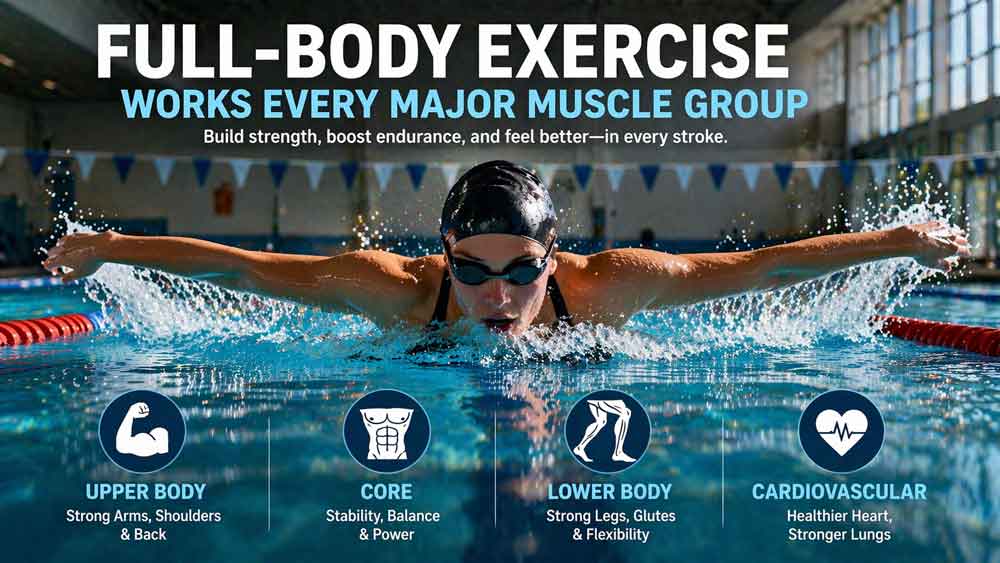
Swimming is a workout for your whole body. You use your arms, legs, core, and back together. Each stroke works different muscles. You build strength everywhere. You kick with your legs and pull with your arms. Your core keeps you balanced. This means you use most of your muscles when you swim. Some sports focus on one area. Swimming helps you get strong all over.
- You work your upper body, core, and lower body each time.
- Freestyle and butterfly need strong arms and legs.
- Kicking builds your legs and glutes. Your core keeps you steady.
Water Resistance
Water gives gentle resistance to every move. You push against the water. Your muscles work harder than on land. This resistance builds strength and flexibility. You do not need heavy weights. Swimming also helps your heart and lungs. It is a great full body workout.
| Benefit Type | Description |
|---|---|
| Cardiovascular Health | Swimming raises your heart rate without stressing your body. |
| Muscle Strength | Uses almost every major muscle group. You get stronger. |
| Weight Management | Helps you manage or lose weight well. |
| Mental Well-being | Exercise releases endorphins. You feel happier and healthier. |
| Sleep Quality | Swimming often leads to better sleep. |
| Joint Health | Low-impact exercise is good for joint issues or disabilities. |
| Lung Capacity | Swimming increases lung capacity and helps you breathe better. |
| Support for Disabilities | Water gives resistance and support for people with disabilities. |
| Pregnancy Benefits | Water supports weight during pregnancy. It eases joint and muscle pain. |
Efficient Calorie Burn
Gentle Swim Calories
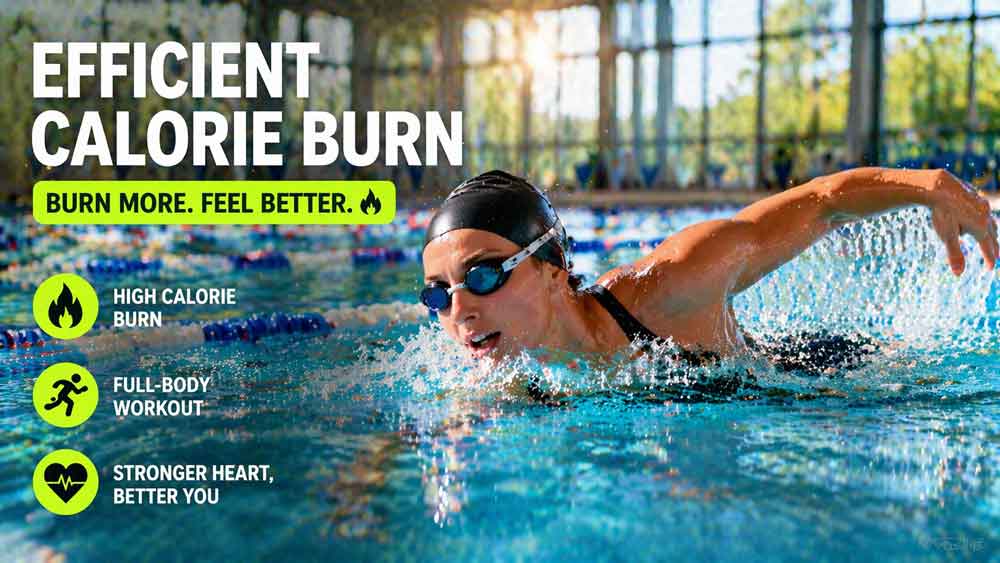
You do not need to swim fast to see results. Even a slow swim burns about 476 calories per hour. That is more than a slow bike ride. The benefits of swimming help you manage your weight. You can take it easy in the pool.
Intense Swim Burn
Swimming faster burns even more calories. Vigorous swimming can burn up to 680 calories per hour. Different strokes, your body weight, and water temperature change how many calories you burn. Cooler water makes your body work harder. You can burn up to 40% more calories.
Low Impact
Joint Friendly
One of the best benefits of swimming is how gentle it is on your joints. Water supports your body. You move without hurting your knees or ankles. Swimming is great if you have arthritis or joint pain. It is also good if you want a break from high-impact sports.
- Swimming lowers stress on joints.
- It helps you become more flexible and can reduce inflammation.
Injury Recovery
If you are recovering from an injury, swimming keeps you active. You do not risk more damage. Water’s buoyancy takes pressure off sore spots. Resistance helps you rebuild strength. Many doctors suggest swimming as a safe way to recover and stay fit.
Note: The benefits of swimming are more than fitness. You get better sleep, a happier mood, and a stronger heart. You also have fun in the water.
Mental Benefits of Swimming
You might swim for exercise, but you also get big mental rewards. The mental benefits of swimming go beyond just being in the pool. Swimming can help you feel calm, sleep well, and think better. Let’s see how swimming helps your mind.
Stress Relief
Lowers Anxiety
Swimming is a natural way to lower stress. When you move in water, your body lets go of tension. You can forget your worries as you swim. Scientists say swimming can make you less anxious and more relaxed. Many people who swim outside say their anxiety and depression get better. Some studies even use outdoor swimming to help people with depression. If you want to feel less anxious, swimming is a gentle and fun choice.
Enhances Relaxation
After swimming, you may feel very relaxed. Water holds you up and makes you feel light. Your mind gets a break from busy thoughts. Swimming lowers stress hormones like cortisol. It also helps your body fight swelling better than running. Here is what research shows:
| Evidence Type | Findings | Implications |
|---|---|---|
| Physiological | Swimming often lowers cortisol and helps stressed rats’ cells work better. | Shows swimming can help your body handle stress. |
| Behavioral | Swimming training made both rats and people less anxious. | Means swimming could help treat anxiety. |
| Inflammatory | Swimming lowered swelling markers (like IL-6, cortisol) better than running. | Shows swimming is great for lowering stress. |
Tip: Try floating on your back or swimming slowly to relax. The water will help you feel calm.
Boosts Mood
Improves Sleep
Swimming can help you fall asleep faster. Moving in water helps your body and mind slow down. Many swimmers say they sleep better and wake up happy. Good sleep is important for your mood and energy. Swimming helps you get the rest you need.
Mental Clarity
Swimming does more than help you relax. It also clears your mind. When you swim, your brain makes chemicals like endorphins, serotonin, and dopamine. These “feel-good” chemicals boost your mood and help you handle stress. Swimming also helps your brain grow new cells. This can make you feel sharper and more focused. You may meet new friends at the pool, which helps you feel less lonely.
- Swimming raises endorphins, serotonin, noradrenalin, and dopamine. These help your mood and make you stronger against stress.
- Swimming often boosts brain-derived neurotrophic factor (BDNF). This helps your brain cells grow and survive, which is good for your mood.
- Swimming with others helps you feel less lonely and can help with depression and anxiety.
- Exercise like swimming helps you sleep better, which is important for feeling good.
You can enjoy these mental benefits of swimming if you swim fast or slow. The most important thing is to keep moving and have fun.
General Wellbeing
Supports Fitness
Physical Health
You want to feel strong and healthy. Swimming helps you reach that goal. This exercise works your heart and lungs. It also builds muscle and burns calories. When you swim, you move your whole body. You get a workout that feels fun and gentle.
Check out these facts about how swimming supports your health:
| Evidence Type | Description |
|---|---|
| Cardiovascular Benefits | Swimmers had a significantly lower all-cause mortality risk compared to sedentary individuals, walkers, or runners. |
| Blood Pressure | A study indicated that swimming can help lower blood pressure in overweight adult males after an 8-week training program. |
| Heart Disease Risk | Swimmers have a 41% lower risk of death due to heart disease or stroke. |
| Overall Mortality | Swimmers have a 28% lower risk of early death overall. |
| Systolic Blood Pressure | A study found that swimmers’ systolic blood pressure dropped an average of 9 points after starting a swimming routine. |
You can see that swimming is more than just a way to move. It helps your heart stay strong. It lowers your blood pressure. You also lower your risk of heart disease and live longer. You do not need to be an athlete. You just need to enjoy the water and keep moving.
Social Enjoyment
Swimming is not only about fitness. It also brings people together. You can join a swim class, meet friends at the pool, or cheer at swim meets. These activities help you feel like you belong.
- Swim meets bring families, friends, and local groups together. You feel part of a team.
- You get recognized for your achievements. This motivates you to set new goals.
- You learn teamwork, discipline, and how to bounce back from setbacks.
- Swim events teach water safety. You learn how to stay safe and help others.
- Local swim meets help businesses and bring more visitors to your town.
You can make new friends and learn important life skills. Swimming gives you a chance to connect with others and grow as a person. You support your own wellbeing and help your community at the same time.
Tip: Try joining a swim club or group lesson. You will have fun, make friends, and enjoy all the benefits of this exercise.
Energy Boost
Increases Metabolism
Do you feel tired after school or work? You may want more energy for your week. Swimming can help you feel awake and ready. When you swim, your body works hard. Your muscles move, your heart beats fast, and your lungs fill with air. This wakes up your metabolism. You burn more calories, even when you rest.
Your body changes in many ways when you swim. Here is what happens inside you:
| Physiological Benefit | Mechanism |
|---|---|
| Improved insulin sensitivity | Increased hexokinase and glycogen synthase activity |
| Enhanced glucose uptake | Increased GLUT4 mRNA and protein levels |
| Better fat metabolism | Activation of enzymes needed for lipid metabolism |
| Decreased triglycerides and LDL | Enhanced muscle capillarization and blood flow |
Swimming helps your body use sugar and fat better. You get more energy from food. Your blood moves faster, and your muscles get stronger. You also lower your bad cholesterol. These changes help you feel active and healthy.
Sustained Energy
Swimming does not just give you a quick boost. You feel good all day. Your body makes more ATP, which is fuel for your cells. Your muscles grow stronger, and your body uses energy better. This means you can play, study, or work without feeling tired so fast.
| Effect | Observation |
|---|---|
| Increased ATP production | Enhanced energy state parameters |
| Improved mitochondrial dynamics | Beneficial effects on skeletal muscles |
| Adaptive changes | Slowed aging process in subjects |
Swimming helps your body adapt. You feel less tired, and you may slow down signs of aging. You can enjoy more activities and keep up with friends. If you want to feel strong and full of energy, swimming is a great choice.
Tip: Try swimming in the morning. You might notice you feel more awake and ready for your day!
Disease Prevention
Heart Health
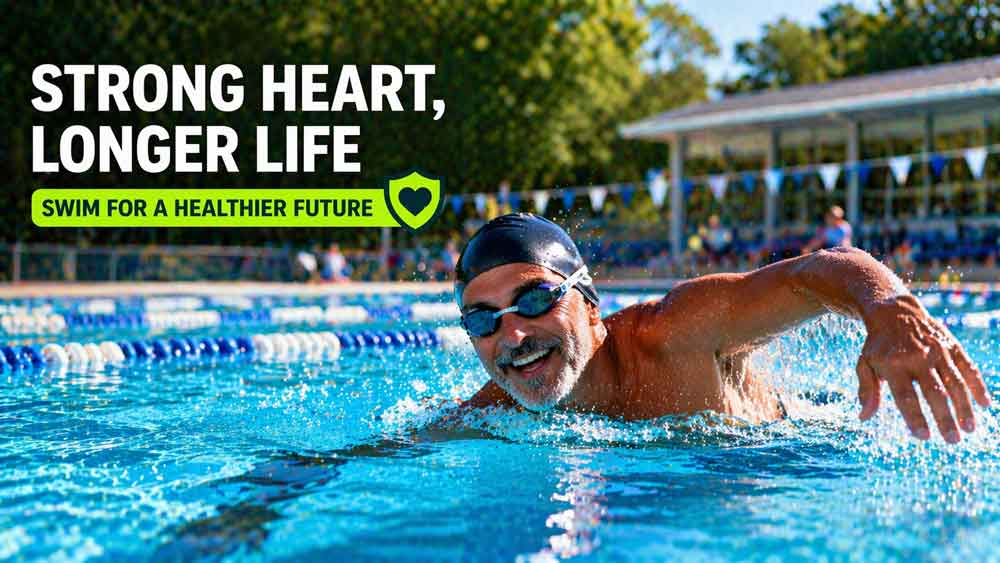
You want to keep your heart strong. Swimming helps you do that. When you swim, your heart pumps faster. Your blood moves better. You build a healthy heart and lower your risk of heart disease. Doctors say swimming can make your heart last longer.
- Swimmers have a 41% lower risk of death from heart disease or stroke.
- Swimmers have a 28% lower risk of early death overall.
You can see big changes in your body when you swim often. Your cholesterol levels improve. Your blood pressure drops. One study showed swimmers had an average drop of 9 points in systolic blood pressure after starting a routine. That means your heart does not have to work as hard.
- Regular swimming is linked to improved cholesterol levels and reduced blood pressure.
- Three months of swimming led to reduced arterial stiffness and less strain on other organs.
Swimming helps your arteries stay flexible. Your heart does not get tired as quickly. You feel more energetic and less stressed. If you want to protect your heart, swimming is a smart choice.
Stroke Risk
You can lower your risk of stroke by swimming. When you swim, your blood flows smoothly. Your heart gets stronger. You build up endurance and keep your blood vessels healthy. People who swim regularly have fewer strokes. You also lower your chance of heart attacks.
Tip: Try swimming at least two times a week. You will help your heart and lower your stroke risk.
Diabetes Prevention
Swimming can help you prevent diabetes. When you move in the water, your muscles use more sugar. Your body becomes better at handling glucose. You burn calories and lose weight. That lowers your risk of type 2 diabetes.
| Benefit | How Swimming Helps |
|---|---|
| Blood Sugar | Muscles use more glucose |
| Weight Control | Burns calories and fat |
| Insulin Response | Improves how your body uses insulin |
You do not need to swim fast. Even gentle swimming helps your body. You can keep your blood sugar steady and feel healthier. If you want to avoid diabetes, swimming is a great way to start.
Note: Swimming gives you a fun way to protect your heart and prevent disease. You can enjoy the water and stay healthy at the same time.
Stay Cool
Temperature Control
Have you ever tried running or biking outside on a hot day? You probably felt sweaty and tired fast. Swimming feels different. When you swim, the water keeps your body cool. You can work out hard, but you do not overheat. Pools give you a cool place to move, even when the sun blazes outside. This means you can keep your fitness routine going, no matter how hot it gets.
Tip: If you want to stay active during summer, swimming is your best friend. You will not feel drained by the heat.
No Sweating
One of the best things about swimming is that you do not get sticky or sweaty. The water washes away sweat as soon as your body makes it. You finish your swim feeling fresh, not drenched in sweat like after a run or gym session.
Here’s why swimming feels so comfortable:
- The water cools your skin right away.
- You do not notice sweat because it mixes with the pool water.
- You can swim longer without feeling hot or uncomfortable.
| Activity | Sweat Level | Comfort in Heat |
|---|---|---|
| Running Outside | High | Low |
| Cycling | High | Low |
| Swimming | Low | High |
You can enjoy your workout and stay cool at the same time. Swimming lets you beat the heat and have fun in the water!
Accessible Exercise
For All Levels
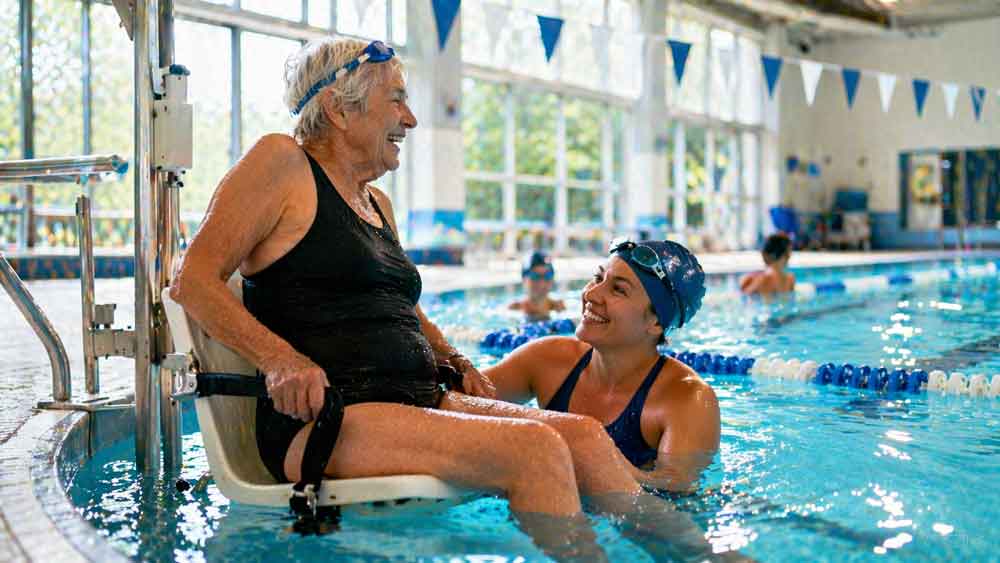
You may wonder if swimming is for you. The answer is yes for everyone. Pools let people of all ages join in. Beginners and advanced swimmers are welcome. Water helps your body move more easily. You do not need to worry about hurting your joints or being left out.
- Water’s buoyancy takes pressure off your joints. You can move without pain, even with arthritis or joint pain.
- Water keeps you safe. The chance of getting hurt is much lower than in high-impact sports.
- Anyone can join, no matter their age or fitness level. Water is for everyone.
“Swimming goes beyond physical limits. People with neurologic, orthopedic, cardiovascular, respiratory, or musculoskeletal problems can all benefit.”
If you use a wheelchair or need help, pools often have ramps and special chairs. You can find a class that fits what you need. Some people use flotation devices for extra support. You do not have to swim fast or far to feel good.
Adaptable Intensity
You get to pick how hard you want to swim. Some days you may want to go easy. Other days you might want a challenge. Pools have classes for every skill level. You can start slow and get stronger over time.
Here is a table showing how classes fit different needs:
| Class Type | Focus Areas | Skill Level Requirement |
|---|---|---|
| Adult Beginner Swim | Basic water skills, comfort, floating, breathing techniques, introduction to strokes | Very little or no swimming experience |
| Adult Intermediate Swim | Stroke refinement, endurance, competitive techniques | Comfortable swimming 25 yards unassisted |
| Adult Fitness Swimming | Improving fitness and technique through workouts and drills | Capable of swimming all four competitive strokes |
| Aqua Aerobics | Muscular conditioning and cardio using flotation devices | Suitable for swimmers and non-swimmers of all levels |
| Advanced Swimming | Refining technique for all strokes, learning turns, incorporating lap swimming | Must be able to swim laps |
You can choose a class that feels right for you. Beginner classes help you feel safe in the water. Advanced classes help you get better at swimming and build endurance. Aqua aerobics lets you exercise with friends, even if you do not swim laps. Pools often have many classes at once, so you can swim with people at your level.
Tip: Try different classes to see what you like. You might want gentle movement one day and a harder workout another day.
No matter your ability, you can enjoy the water. Swimming lets you move, learn, and have fun at your own speed.
Mental Focus
Mindfulness
You might notice that your mind feels clearer after a swim. The water helps you focus on the present moment. You pay attention to your breath, your strokes, and the feeling of water around you. This is mindfulness in action. You do not worry about homework, chores, or what comes next. You just move and breathe.
Many swimmers say that being in the pool feels like a moving meditation. You count your strokes. You listen to the splash. You feel your body glide. These simple actions help your mind slow down. You can let go of stress and find calm.
The regular breathing and movement are meditative. It’s natural. Like a mantra or a koan, but in the water. Feel the water. Ten breaths. Turn. Start over. Ten breaths. Turn. Start over. Feel the water. Soon I’m in another place. Not on the basketball court. Not in the pool. Not anywhere. Who is it that is swimming, breathing, stroking, feeling the water? Not me. There is no me. Just the motion, the breathing.
Concentration
Swimming helps you build strong concentration skills. You need to focus on your technique, your breathing, and your pace. If you lose focus, you might miss a turn or get off track. The pool becomes a place where you practice paying attention.
Research shows that swimming can help people with attention challenges. For example, one study found that children with ADHD improved their selective attention after an eight-week swim program. You can see other benefits in the table below:
| Evidence Description | Findings |
|---|---|
| Improvements in mood, stress reduction, and anxiety | Swimming has been shown to enhance mood and reduce anxiety levels. |
| Study on children with ADHD | An eight-week swim program led to improvements in stress, depression, and selective attention. |
| Mindful Sport Performance Enhancement (MSPE) training | Competitive swimmers showed significant improvements in mindfulness and flow characteristics after MSPE training. |
You can use these skills in school, sports, or any part of your life. When you practice focusing in the pool, you get better at focusing everywhere.
Post-Swim Mood
After you finish your swim, you might feel lighter and happier. Your mind feels refreshed. You may notice that worries seem smaller. Many people say that swimming in lakes or oceans makes them feel even better. Natural water can boost your mood and help you feel more connected to the world.
- Swimming in natural bodies of water positively affects mental health.
- Participants in MSPE training reported psychological benefits from mindfulness interventions.
You can enjoy these benefits every time you swim. You do not need to swim fast or far. Just being in the water and moving helps your mind reset. Next time you feel stressed or distracted, try a swim. You might find your focus and your smile again.
You can enjoy better health and happiness with swimming. Check out these long-term benefits:
| Health Benefit | Description |
|---|---|
| Enhances Lung Capacity | Improves breathing and heart health |
| Supports Stress Management | Helps you relax and feel less anxious |
| Cardiovascular Health | Lowers blood pressure and cholesterol |
| Joint-Friendly Exercise | Easy on your joints, safe for everyone |
| Supports Weight Management | Burns calories and keeps you fit |
Want to get started?
- Start small and build up your time in the pool.
- Take lessons if you’re new.
- Swim where lifeguards watch.
- Listen to your body and rest when needed.
Swimming brings people together and helps you feel good at any age. You can make friends, stay active, and enjoy the water for life!
FAQ
How often should you swim to see health benefits?
You can start with two or three swims each week. Even short sessions help. Try to swim for at least 20 to 30 minutes each time. You will notice changes in your mood and energy soon.
Do you need to know all the strokes to get benefits?
No, you do not. You can swim any stroke you like. Even simple movements or water walking help your body and mind. Just keep moving in the water and enjoy yourself.
Is swimming safe if you have joint pain or arthritis?
Yes! Water supports your body and takes pressure off your joints. Many people with arthritis find swimming easier than other exercises. Always check with your doctor before starting a new activity.
Can swimming help you lose weight?
Swimming burns calories and builds muscle. If you swim regularly and eat healthy foods, you can lose weight. The water makes your workout feel easier, so you may swim longer.
What should you bring to the pool?
Here’s a quick list:
- Swimsuit
- Towel
- Goggles
- Flip-flops
- Water bottle
Tip: Bring a swim cap if you want to keep your hair dry.
Is swimming good for mental health?
Yes, swimming can boost your mood and lower stress. The water helps you relax and clear your mind. Many people say they feel happier and sleep better after swimming.
Can kids and older adults swim together?
Absolutely! Swimming is for all ages. Pools often have classes for kids, adults, and seniors. You can swim with your family and make it a fun group activity.
What if you feel nervous about swimming?
You are not alone. Many people feel nervous at first. Start slow, take a lesson, or swim with a friend. The more you practice, the more confident you will feel.
Comments are closed